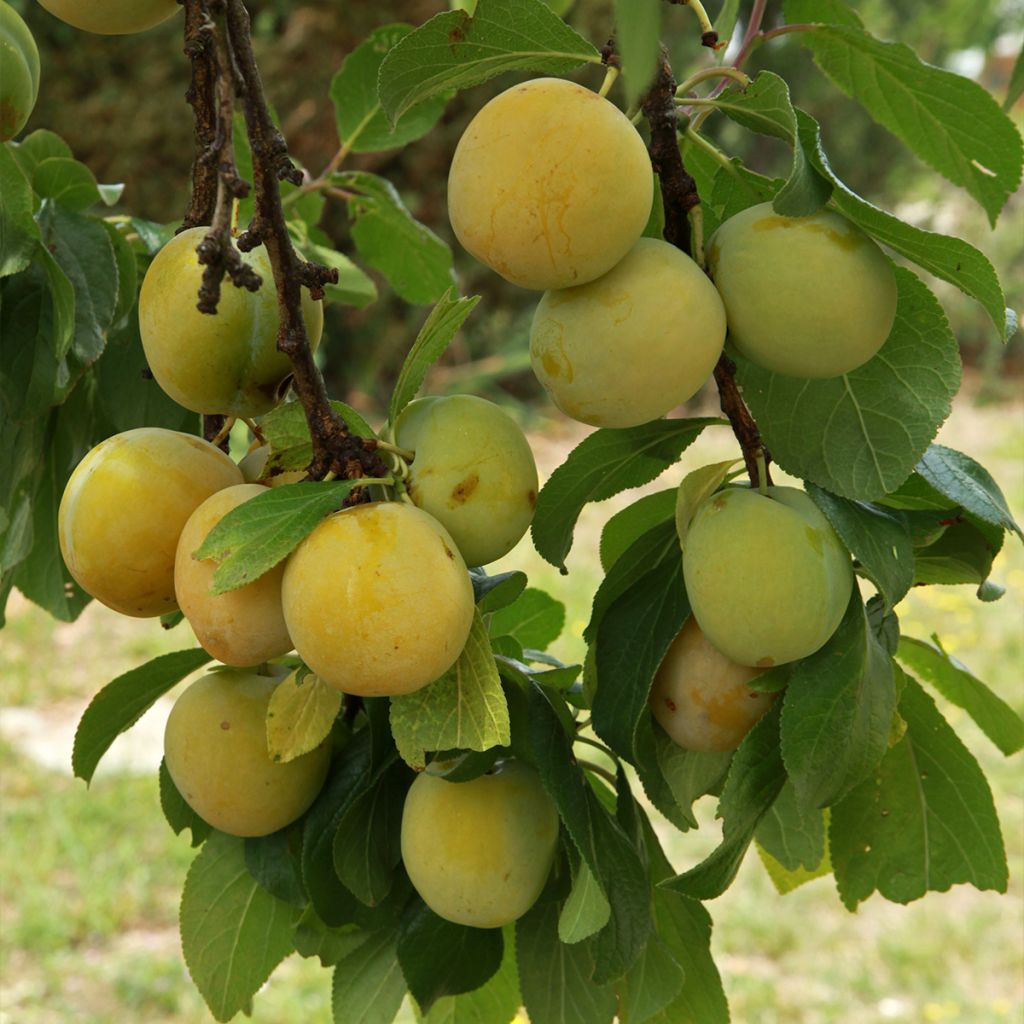
Reine Claude De Juillet' Plum Tree
Reine Claude De Juillet' Plum Tree
Prunus x domestica Reine Claude de Juillet
Plum, European Plum
Lovely little plum tree that seems well adapted to our land, in the meantime I had some plums from the old plum tree that had been damaged but has recovered well. I managed to make 5 pots of jam, so that will give me two July Plum trees.
Nath44, 28/08/2024
Back-to-school special offer!
Get €10 off for every €50 you spend! And get up to €40 off on a single order.
How does it work?
1. Shop your favourites
Add your favourite plants to your basket. For every €50 you spend (excluding delivery charges, store credit and the plastic-free option), you’ll receive a €10 voucher.
€50 spent = €10 voucher
€100 spent = €20 voucher
€150 spent = €30 voucher
€200 spent = €40 voucher
2. Place your order
Once your basket reaches one of the spending thresholds, place your order. You can even choose your delivery date!
3. Receive your voucher
As soon as your order has been shipped, you’ll receive an email containing your personal voucher code and its value.
4. Use it on your next order
Your voucher is valid for 90 days from the date you receive it. It can be used once only, on a new order worth at least the value of the voucher, excluding delivery charges.
Please note: Vouchers can be combined with other offers, but cannot be split or refunded.
Home or relay delivery (depending on size and destination)
Important: You may be charged customs duties by your country’s customs authorities upon delivery.
Schedule delivery date,
and select date in basket
This plant carries a 12 months recovery warranty
More information
We guarantee the quality of our plants for a full growing cycle, and will replace at our expense any plant that fails to recover under normal climatic and planting conditions.

Description
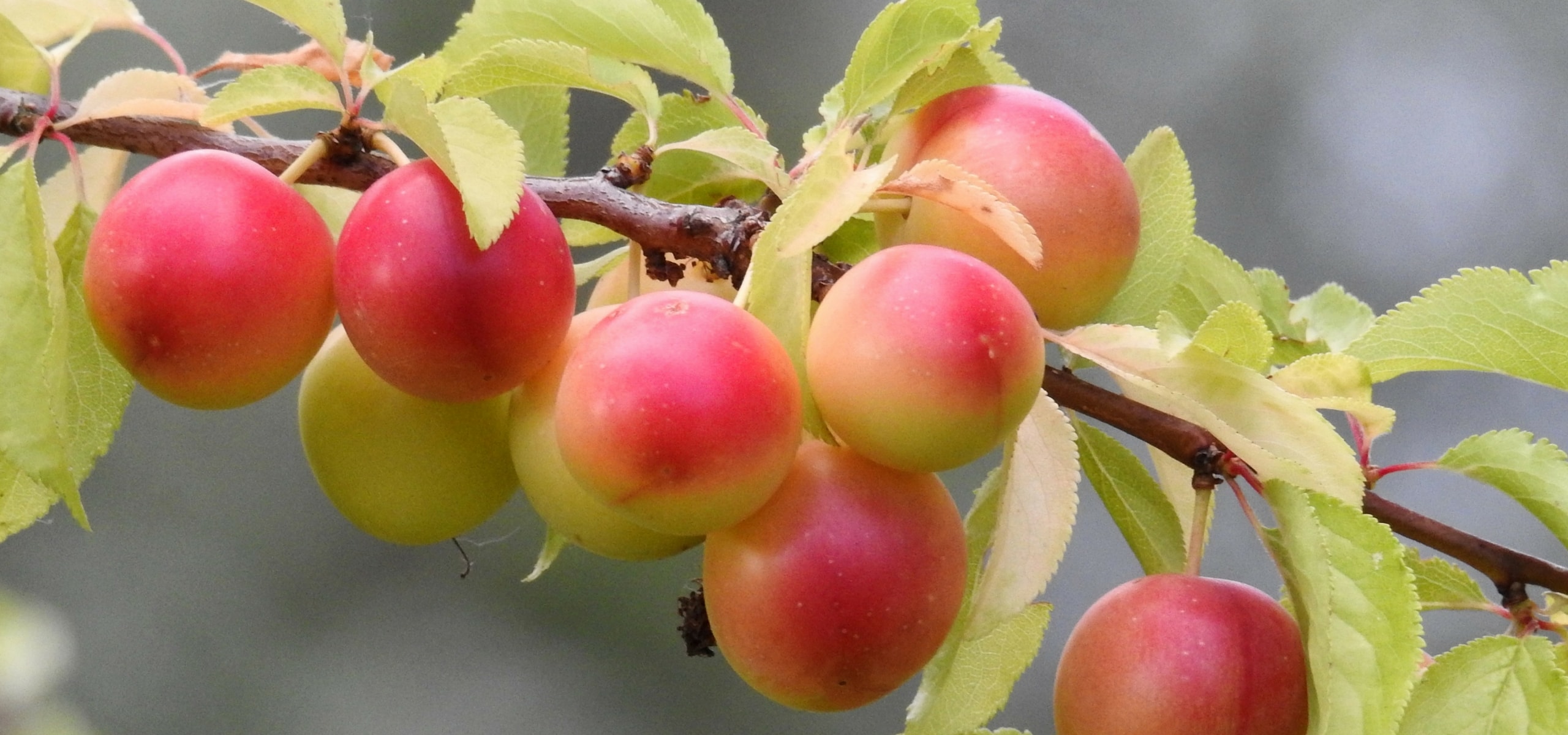
The Prunus domestica 'Reine Claude de Juillet' is a variety of Plum that is one of the earliest in the "Reine Claude" group. Its flowering occurs in March-April in the form of numerous white flowers that attract bees. They develop into round plums during the summer, with two lobes of green-yellow colour, reaching maturity as early as the beginning of July. Their flesh is both very sweet and fragrant, and these fruits can be consumed fresh, cooked in tarts or made into jams. Very hardy, this small fruit tree is grown in full sun, in well-drained ordinary soil.
The Plum trees are part of the vast Rosaceae family, to which most of our temperate climate fruit trees belong (Apple trees, Pear trees, Apricot trees, Peach trees, Cherry trees, Quince trees) as well as small fruits (Blackberries, Raspberry bushes, Strawberry plants). The Prunus genus itself is extremely large, with over 300 species, including both fruit-bearing (Almond trees, Peach trees etc.) and ornamental ones, among which are many ornamental trees and shrubs. The Prunus domestica is probably native to Asia Minor (Syria) and would have been introduced to Rome, along with many other species, as a result of Roman conquests. According to some authors, its introduction to Europe is linked to the Crusades, but who really knows?
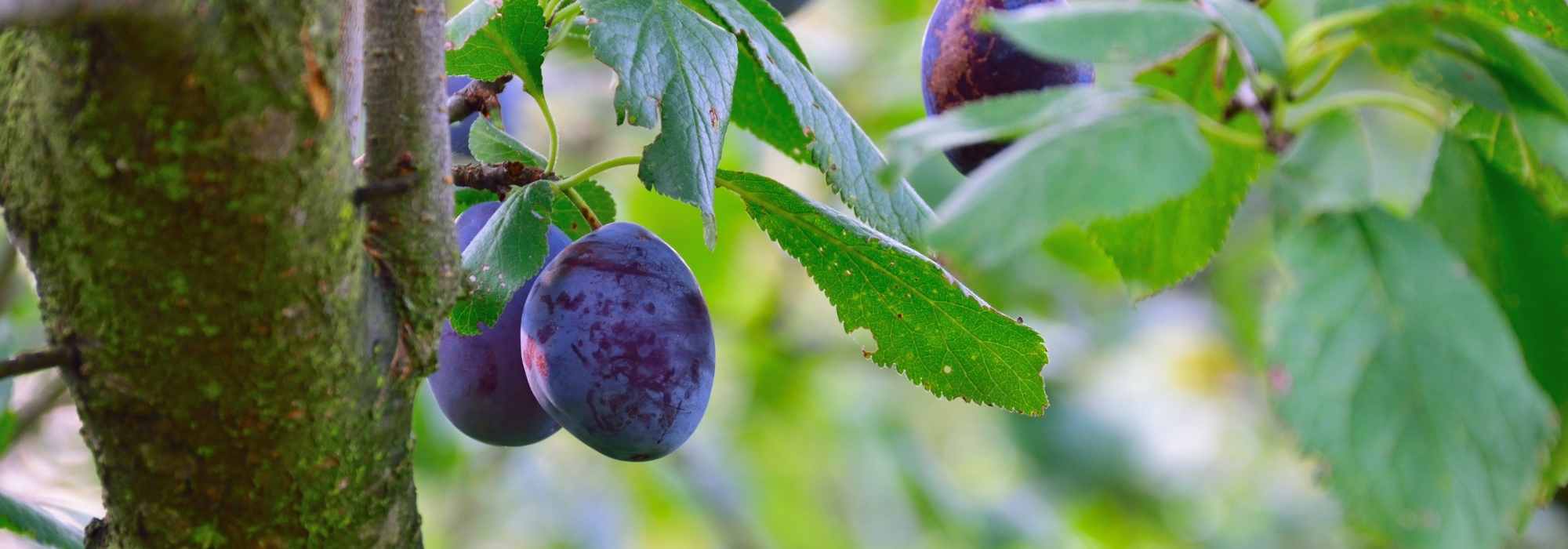
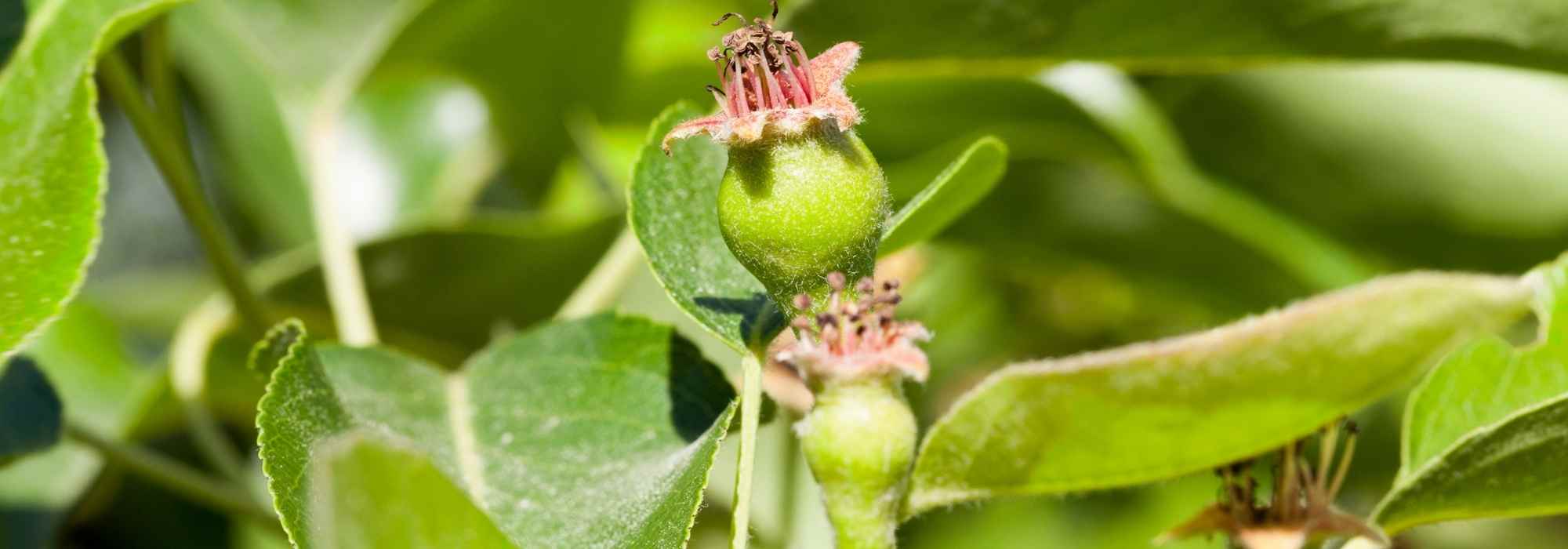
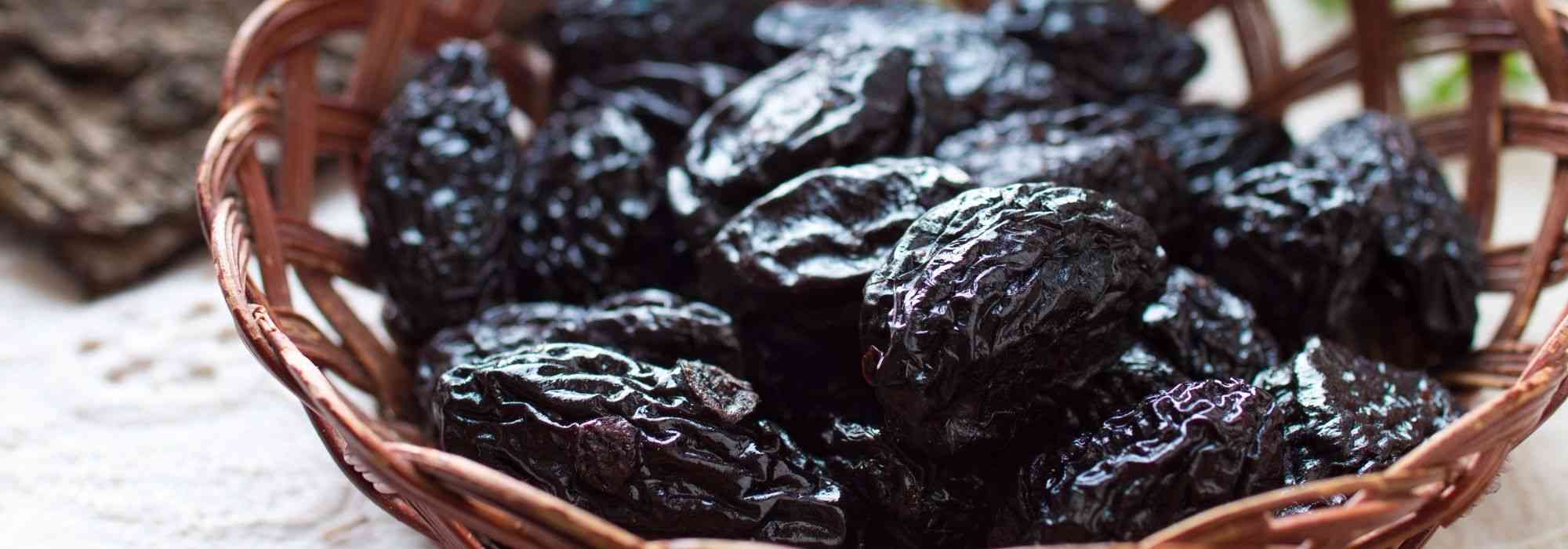
The 'Reine Claude' form a group within the Plum trees, including multiple varieties such as 'Reine Claude d'Oullins', 'Reine-Claude Bavay', 'Reine Claude Dorée', 'Reine-Claude d'Althan', 'Reine-Claude de Chambourcy', 'Reine-Claude Diaphane', and others. Their name comes from the first wife of François 1, Claude of France. The uniqueness of the Plum 'Reine Claude de Juillet' is its earliness, as it is the first to bear fruit at the beginning of summer. This Plum tree forms a small tree about 4.50 metres (15 feet) high and 4 metres (13 feet) wide, with a fairly spreading habit. 'Reine Claude de Juillet' is perfectly self-fertile and therefore does not require pollination by another Plum tree. In March-April, simple white flowers with 5 petals, which are nectar-producing, appear in clusters. They are sensitive to late frosts and require planting this tree sheltered from cold winds and "frost pockets" (valleys or other exposed areas). Once pollinated, the flowers form drupes during the summer, which are fleshy stone fruits known as plums. These have a fairly round shape, of medium size, and are green-yellow in colour, slightly reddening on the sunny side. They reach maturity very early - early July - and their yellow-green flesh is juicy, very sweet, and fragrant. These fruits can be consumed fresh from harvest and can also be cooked in tarts or made into jams and transformed into eau-de-vie. Plums are refreshing fruits and relatively low in calories, rich in vitamin E.
Hardy to approximately -20 °C, it is an easily cultivated tree, highly resistant to diseases, and not very demanding once well established.
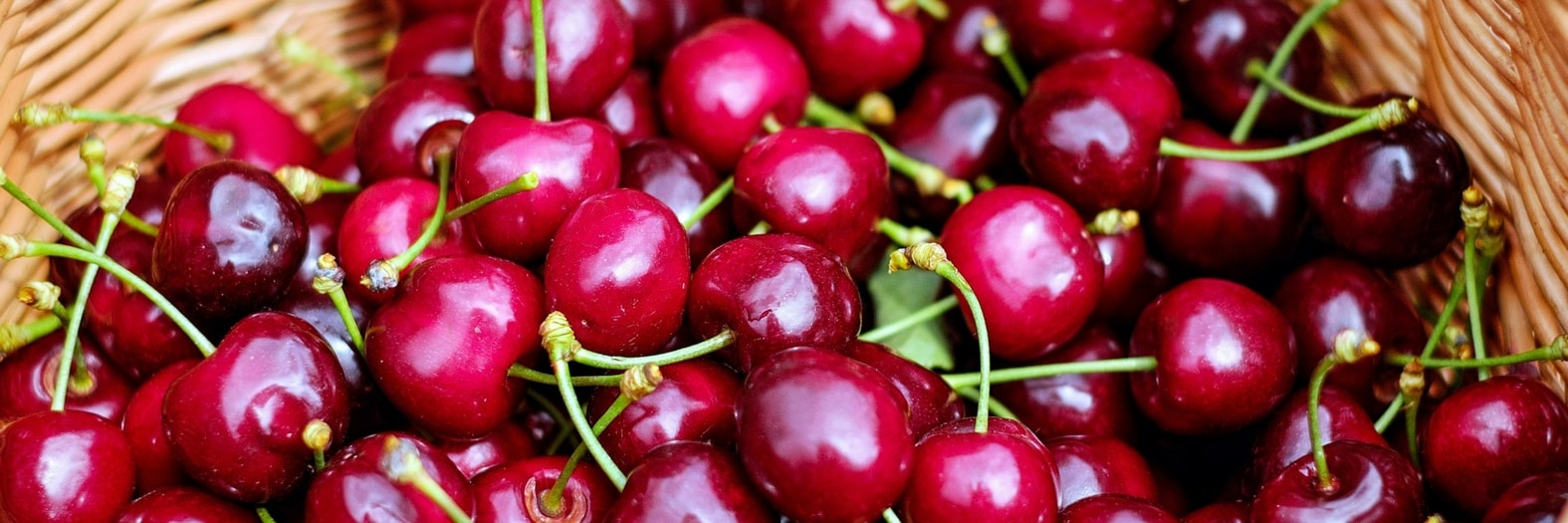
This moderately growing Plum tree will find its place in most gardens, even small ones. To diversify your diet, create a small kitchen garden-orchard by planting strawberry plants, which are also low in calories, rich in vitamin C, and antioxidants. To eat fruits in autumn, try the Kiwi arguta 'Kokuwa', a self-fertile vine that will allow you to taste the kiwai, a small fruit sweeter than the typicalkiwi. And to extend the season until the doorstep of winter, plant a Diospyros kaki 'Sharon' on your land, a very productive small tree with decorative orange fruits that become ripe after the first frosts. Their flesh is very sweet and, like the 'Reine Claude', they can be consumed fresh or used in pastries, compotes, or jams.
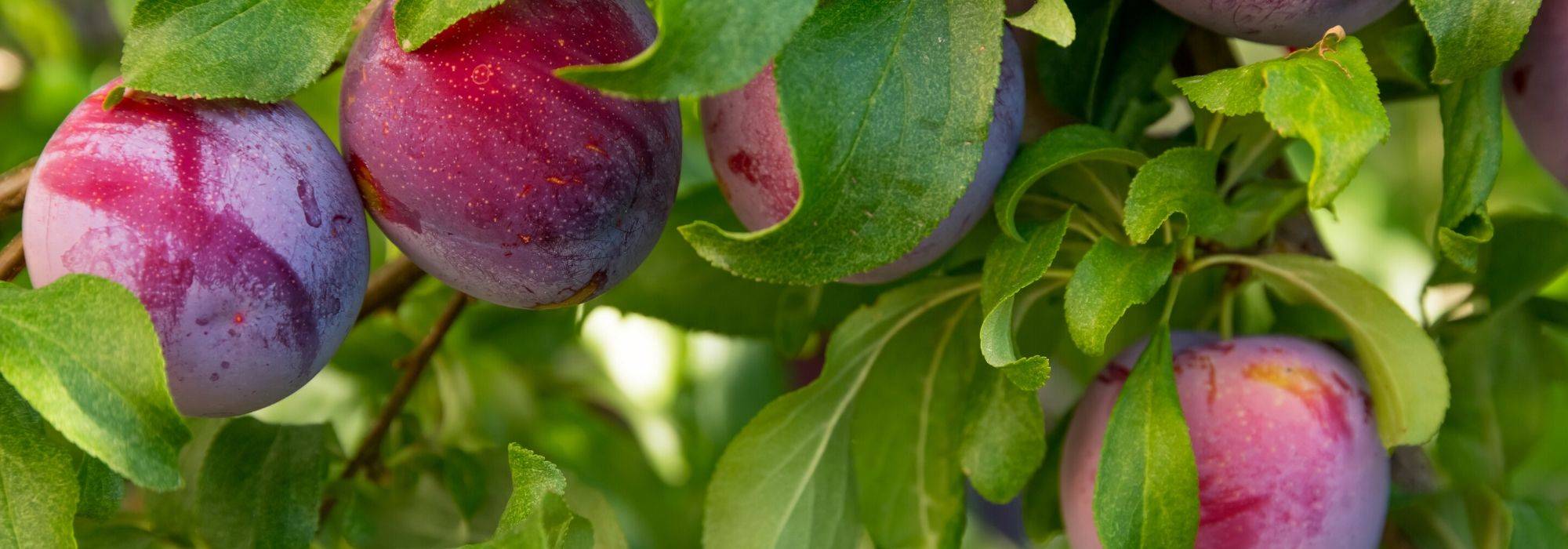
Reine Claude De Juillet' Plum Tree in pictures
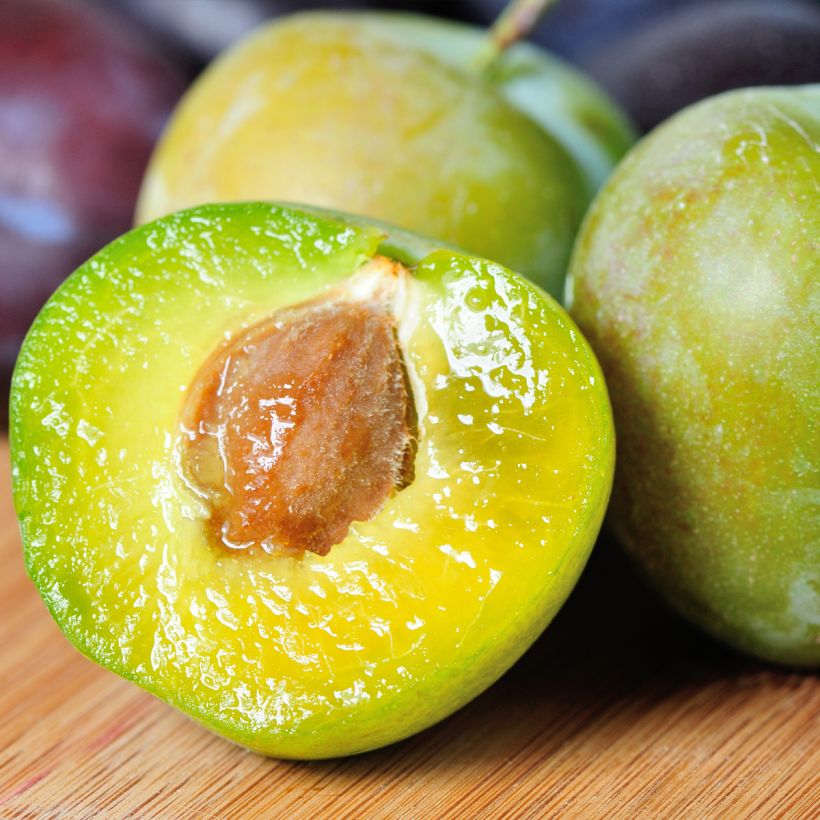
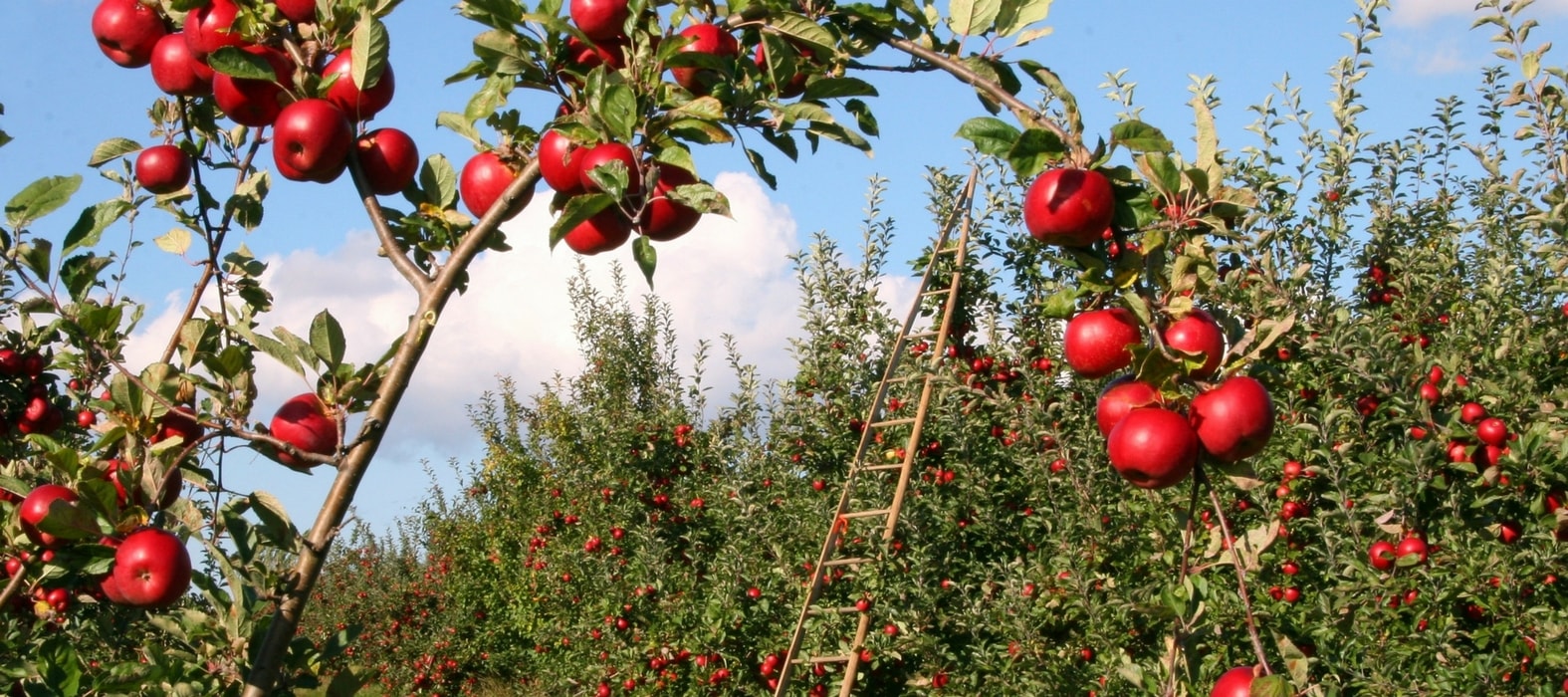
Plant habit
Fruit
Flowering
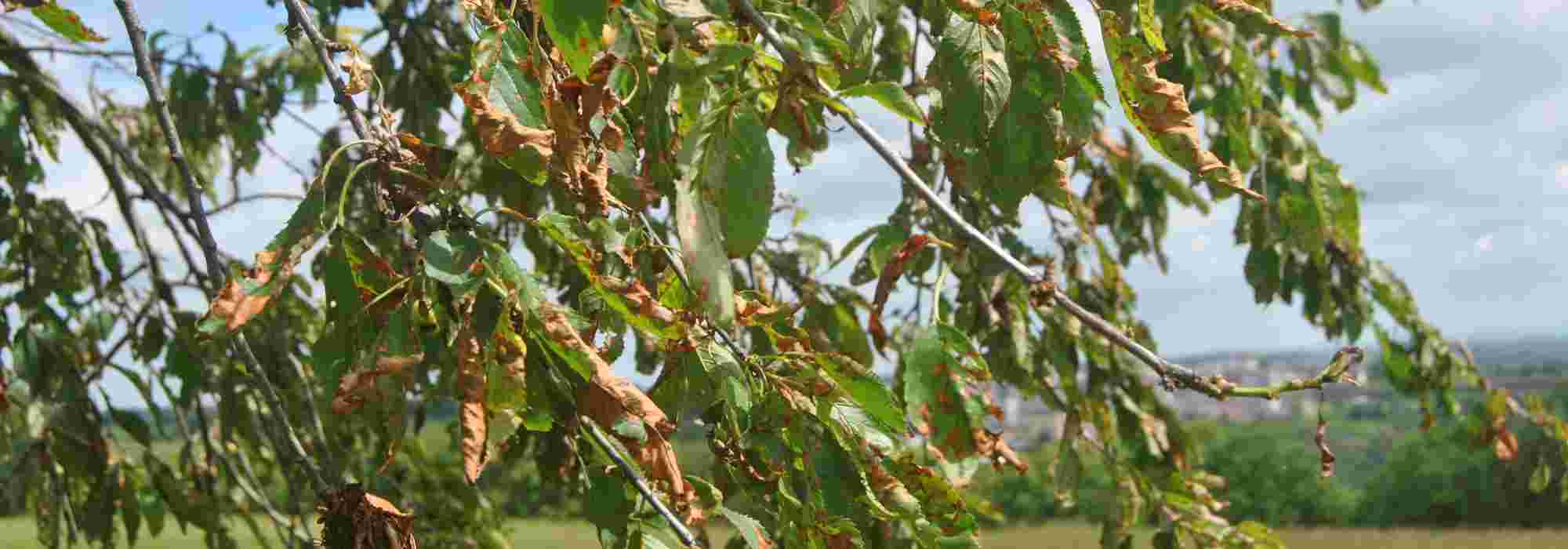
Foliage
Botanical data
Prunus
x domestica
Reine Claude de Juillet
Rosaceae
Plum, European Plum
Cultivar or hybrid
Planting and care
This plum 'Reine Claude de Juillet' prefers to grow in deep clay-limestone soil, not too dry. However, it can adapt to other types of soil, but it is quite demanding in terms of sunlight. Hardy up to approximately -20°C (-4°F), it adapts to most climates in the UK. Dig a planting hole of at least 50 cm (20in) on all sides and even more, this tree likes deep soils. It also appreciates some humidity, so make sure to water it regularly in summer and autumn during the first years. Once well rooted, it is a plant that is not very susceptible to diseases and not demanding.
Planting period
Intended location
Care
Planting & care advice
-
-
-
-
-
-
-
-
-
, onOrder confirmed
Reply from on Promesse de fleurs
Recently viewed products
Haven't found what you were looking for?
Hardiness is the lowest winter temperature a plant can endure without suffering serious damage or even dying. However, hardiness is affected by location (a sheltered area, such as a patio), protection (winter cover) and soil type (hardiness is improved by well-drained soil).

The flowering period indicated on our website applies to countries and regions located in USDA zone 8 (France, the United Kingdom, Ireland, the Netherlands, etc.)
It will vary according to where you live:- In zones 9 to 10 (Italy, Spain, Greece, etc.), flowering will occur about 2 to 4 weeks earlier.
- In zones 6 to 7 (Germany, Poland, Slovenia, and lower mountainous regions), flowering will be delayed by 2 to 3 weeks.
- In zone 5 (Central Europe, Scandinavia), blooming will be delayed by 3 to 5 weeks.
In temperate climates, pruning of spring-flowering shrubs (forsythia, spireas, etc.) should be done just after flowering.
Pruning of summer-flowering shrubs (Indian Lilac, Perovskia, etc.) can be done in winter or spring.
In cold regions as well as with frost-sensitive plants, avoid pruning too early when severe frosts may still occur.
The planting period indicated on our website applies to countries and regions located in USDA zone 8 (France, United Kingdom, Ireland, Netherlands).
It will vary according to where you live:
- In Mediterranean zones (Marseille, Madrid, Milan, etc.), autumn and winter are the best planting periods.
- In continental zones (Strasbourg, Munich, Vienna, etc.), delay planting by 2 to 3 weeks in spring and bring it forward by 2 to 4 weeks in autumn.
- In mountainous regions (the Alps, Pyrenees, Carpathians, etc.), it is best to plant in late spring (May-June) or late summer (August-September).
The harvesting period indicated on our website applies to countries and regions in USDA zone 8 (France, England, Ireland, the Netherlands).
In colder areas (Scandinavia, Poland, Austria...) fruit and vegetable harvests are likely to be delayed by 3-4 weeks.
In warmer areas (Italy, Spain, Greece, etc.), harvesting will probably take place earlier, depending on weather conditions.
The sowing periods indicated on our website apply to countries and regions within USDA Zone 8 (France, UK, Ireland, Netherlands).
In colder areas (Scandinavia, Poland, Austria...), delay any outdoor sowing by 3-4 weeks, or sow under glass.
In warmer climes (Italy, Spain, Greece, etc.), bring outdoor sowing forward by a few weeks.
Shipping country and language
Your country of residence may be:
Your country of residence is:
For a better user experience on our website, you can select:
Your shipping country:
-
 Austria
-
 Belgium
-
 Bosnia & Herzegovina
-
 Bulgaria
-
 Croatia
-
 Cyprus
-
 Czechia
-
 Denmark
-
 Estonia
-
 Finland
-
 France
-
 Germany
-
 Greece
-
 Hungary
-
 Iceland
-
 Ireland
-
 Italy
Italy
-
 Latvia
-
 Liechtenstein
-
 Lithuania
-
 Luxembourg
-
 Malta
Malta
-
 Netherlands
-
 Poland
-
 Portugal
-
 Romania
-
 Serbia
-
 Slovakia
-
 Slovenia
-
 Spain
Spain
-
 Sweden
-
 Switzerland
Language:
-
French
-
 English
-
Spanish
-
Italian
-
German
-
Portuguese
-
Dutch
-
Finnish
My Account
Hello
My wish lists
My cart
Log in / Register
Existing customer?
This form is protected by reCAPTCHA - the Google Privacy Policy and Terms of Service apply.
New customer?
Create an account to track your orders, access our customer service and, if you wish, make the most of our upcoming offers.