Installing a balcony vegetable garden and growing vegetables and herbs, even in town, is perfectly possible. In previous articles, we saw that there are many solutions for urban gardening even without a garden: grow bags, and also raised beds.
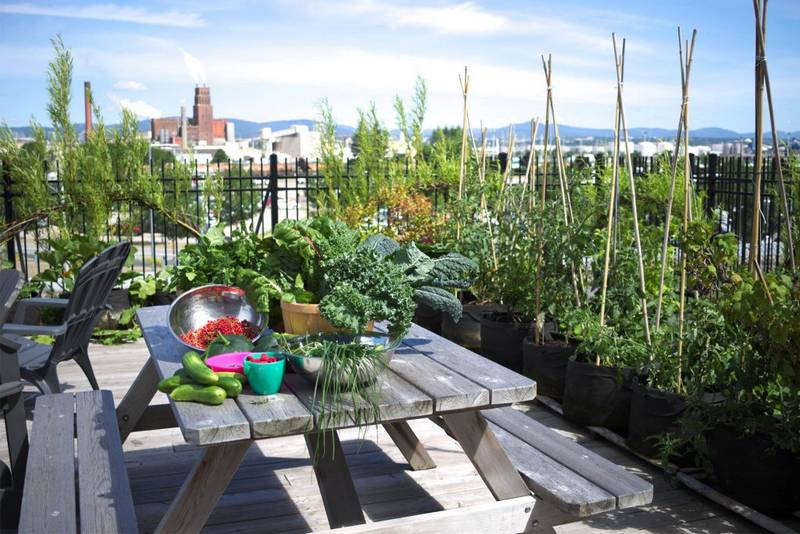
Still, you can’t make the walls any bigger! What other option is there? Choose vegetables and varieties suited to small spaces. These compact or dwarf vegetable plants are often productive. They yield full-size or small-scale vegetables, which is perfect when you don’t need to feed a large family or when you grow as much for enjoyment as for flavour!
To prevent you from restricting yourself to radishes, we have prepared on the site a wide selection of vegetables perfectly suited to small spaces and also ideal for mini vegetable gardens (including square beds); here is a sample:
1) Salads
Almost all lettuces can be grown in pots, but admit that a large heading lettuce, for example, takes up a lot of room. That’s why we recommend cut-and-come-again lettuces and mescluns. However, if you insist on harvesting neat heading lettuces, I recommend:
- Tom Thumb butterhead lettuce: a butterhead type that forms small heads about 15 cm across.
- Little Gem lettuce, the romaine cousin, produces small tender-headed lettuces with excellent flavour.
2) Tomatoes
Cherry tomato is queen of the balcony. If you have a large balcony, you can grow any variety. Otherwise, to avoid the plant taking over the space with its generosity, choose varieties that are productive but of moderate vigour. Some trailing types can even be grown in hanging pots.
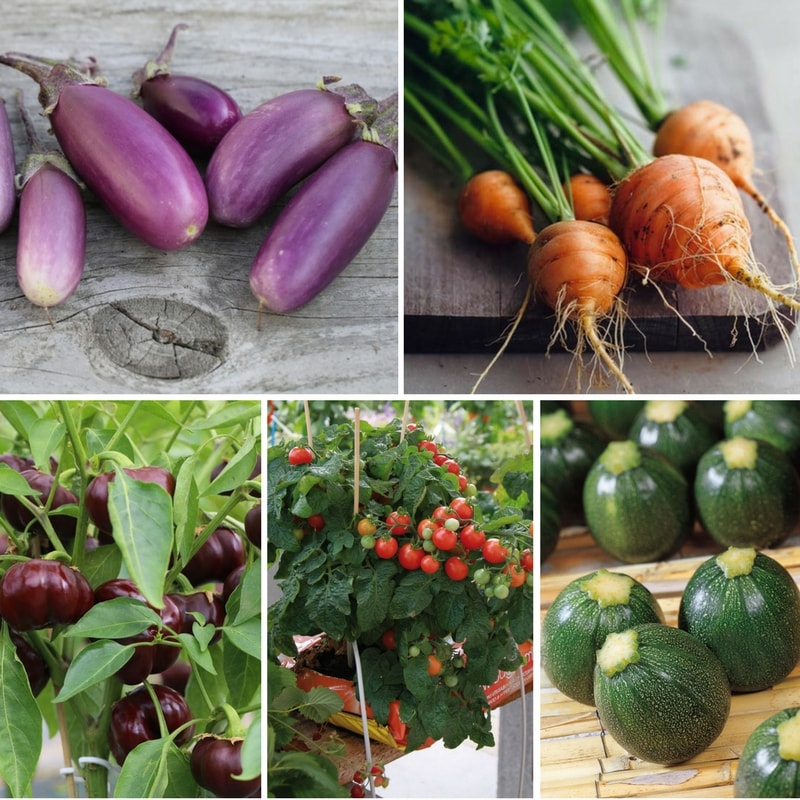
- Cherry tomatoes Balconi Red and Balconi Yellow are two F1 hybrids. They produce small ruby-red and golden-yellow fruits about 3 cm in diameter. Their advantage is an ultra-compact habit, with bushy plants that only reach about 30 cm high and as wide.
- Pendulina Red and Pendulina Yellow are similar. From Sweden, they are well suited to hanging pots and will form cascades of pretty cherry fruits weighing 15–30 g, red or yellow depending on the variety.
3) Courgettes
Non-vining courgettes are also available in miniature forms and are easy to grow, such as:
- Courgette 'Patio Star' F1. Ideal for pots, it forms plants about 45 cm high and 60 cm wide and yields delicious small cylindrical dark-green fruits.
- Round 'Eight Ball' courgette stands out for its round fruits: excellent quality and harvestable once about 5 cm in diameter. This variety is repeat-bearing and produces over a long period.
4) Peppers and chillies
Still in the "sun veg" category, peppers and chillies love sunny small spaces. Among miniature varieties, you will probably fall for:
- the Mini Chocolate Bell pepper: productive, producing small red-brown fruits 3–5 cm across.
As for chillies, I invite you to discover:
- Red Cherry chilli (small) produces round fruits the size of a cherry tomato, bright red. Beware, it is very hot!
5) Aubergines
Aubergines love heat and will be perfectly happy on a balcony or terrace sheltered from draughts. Lack of space is a great opportunity to discover surprising varieties.
- 'Patio Baby' aubergine is a very early and productive variety that produces compact plants with small fruits, ideal for container growing or confined spaces. Plant in April–May for harvest from July to October.
- Pusa Purple Cluster aubergine has much to recommend it: originating from India, it is productive and forms clusters of small purple fruits on plants of normal size, very decorative and tasty.
- White Round Egg aubergine is a dwarf variety, producing pretty white, round fruits the size of an egg on plants about 30 cm high.
- If you prefer classic types, the Ophelia aubergine is perfect: the plant stays under 35 cm and its dark-purple fruits reach about the size of a golf ball.
6) Carrots
Growing carrots on a balcony is not difficult, but you must choose a container deep enough for root development. Half-long carrots (such as Carotte de Luc) are therefore well suited, but in pots or standard window boxes, peg-top varieties give the best results. I particularly recommend:
- Carrot 'Marché de Paris': an early variety with round, reddish-orange roots, tender and flavoursome. These small carrots are great glazed or as a snack.
7) Cucumbers
Cucumbers are often seen as space-hungry, but they trellis easily. In small gardens or containers, snack-type cucumbers such as 'Rocky', 'Broumana F1' or 'Iznik F1' are popular. They are just as crisp as standard types, but fruit size does not exceed 15 cm.
8) Beans, peas, broad beans
Dwarf beans and dwarf peas are not necessarily the best answer to limited space… Prefer pole varieties of beans and peas that use vertical space by climbing trellises. Plants occupy less ground area and provide abundant harvests. If you like broad beans, I especially recommend the variety Robin Hood, which yields nice short pods with green seeds on plants about 30 cm high.
The list is not exhaustive and for other vegetables, such as cabbages, leeks, sweetcorn... please consult our collection of balcony vegetables on our site.
To conclude, allow me to remind you of key success factors for growing beautiful vegetables on a balcony or terrace:
- use quality potting compost (avoid the cheapest bags that dry out very quickly)
- remember to fertilise regularly
- monitor watering, as container-grown crops are more vulnerable to dry spells.
Installing a balcony vegetable garden and growing vegetables and herbs, even in town, is perfectly possible. In previous articles, we saw that there are many solutions for urban gardening even without a garden: grow bags, and also raised beds. Still, you can’t make the walls any bigger! What other option is there? Choose vegetables and […]
So, are your carrots starting to come up? Have your leeks been transplanted? One slogan for the vegetable patch: Carrot fly, leek leaf miner, same battle! It’s high time to protect them.
As a well-informed gardener is worth two, let’s begin with an introduction to these two unwanted visitors:
Carrot fly and leek leaf miner, presentation
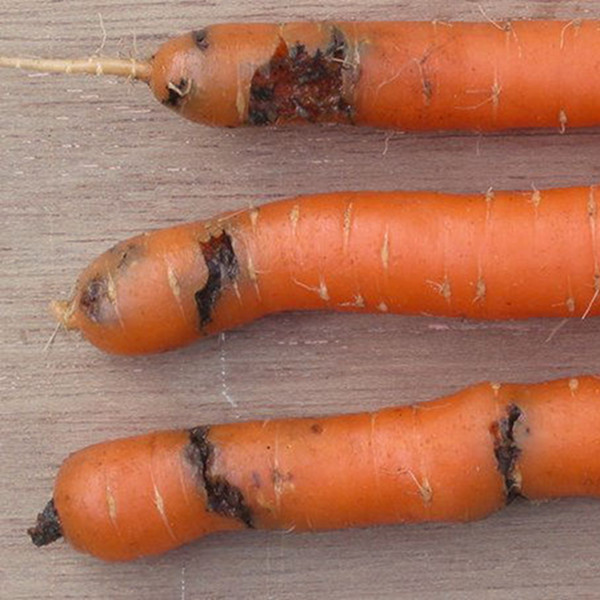
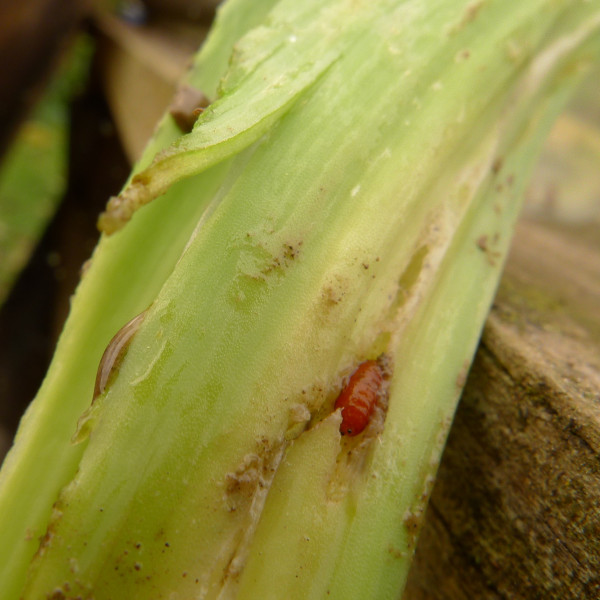
Psila rosae and Phytomyza gymnostoma are two dipterans that attack, respectively, carrots, leeks and all alliums in general. No need to dwell on their appearance — a fly is a fly, after all. As you can see in these two photos, these pests tunnel into carrot roots and into the stem of leeks. Damage, more or less severe depending on the year, can even cause the vegetables to rot.
How to protect carrots and leeks?
Besides crop rotation, several methods exist and can be combined:
- pair carrots with leeks as these two vegetables protect each other,
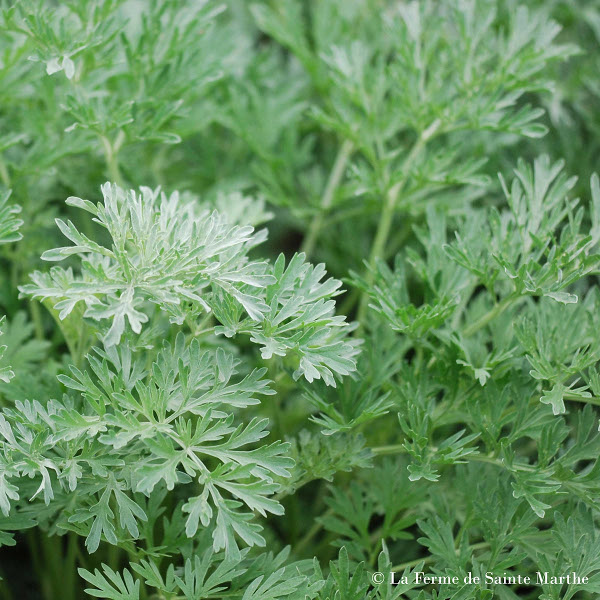
- create an olfactory confusion by planting, in the middle of the row, strong‑scented plants such as coriander, by spraying infusions of lavender, tansy or macerations of wormwood, or by using these same plants as mulch.


- set up physical protection by fitting, hermetically, an insect‑proof net or mesh over hoops. It is, indisputably, the most effective method and if you have planted carrots and leeks on the same bed, you can protect them simultaneously, which is very practical.
So, are your carrots starting to come up? Have your leeks been transplanted? One slogan for the vegetable patch: Carrot fly, leek leaf miner, same battle! It’s high time to protect them. As a well-informed gardener is worth two, let’s begin with an introduction to these two unwanted visitors: Carrot fly and leek leaf miner, […]
June is well under way and here we are at the start of summer: fine weather is definitely here and the urge to harvest your own vegetables has been nagging you for a while. But let's face it: you've dawdled and, in the vegetable patch, no vegetables have been sown.
To be honest, although the situation is far from desperate, it may be a bit tricky for some vegetables such as tomatoes (take comfort, half the time they get blight), chillies, aubergines… But for the rest, almost everything is still possible!
First of all, let's see why sowing a little later than the "official calendar" can be a good thing:
Benefits of late sowing in the vegetable patch
Late sowing can prove preferable in cool regions, because sowing in well-warmed soil speeds up germination and promotes rapid plant growth.
I experimented with this last year by planting two rows of beetroot: the first from transplants and the second from seed. In less than a month, although both received the same care, the row sown from seed had caught up with the one from transplants.
Reassured? Let’s move on to our short selection of vegetables easy to sow in early summer:
7 easy vegetables to sow in early summer in the vegetable patch
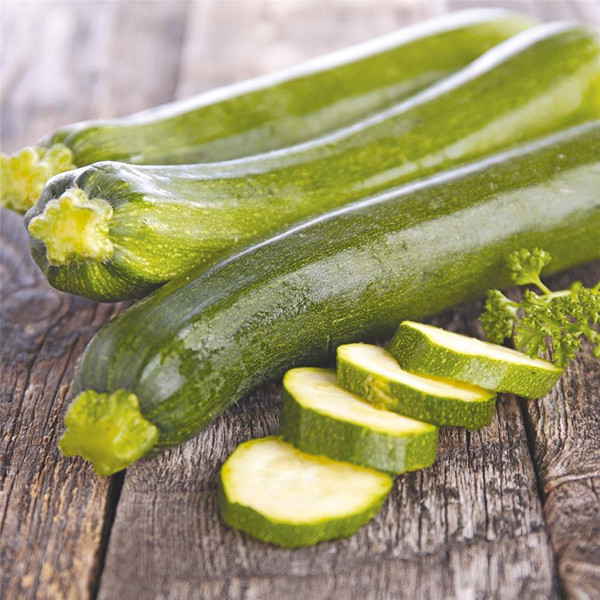
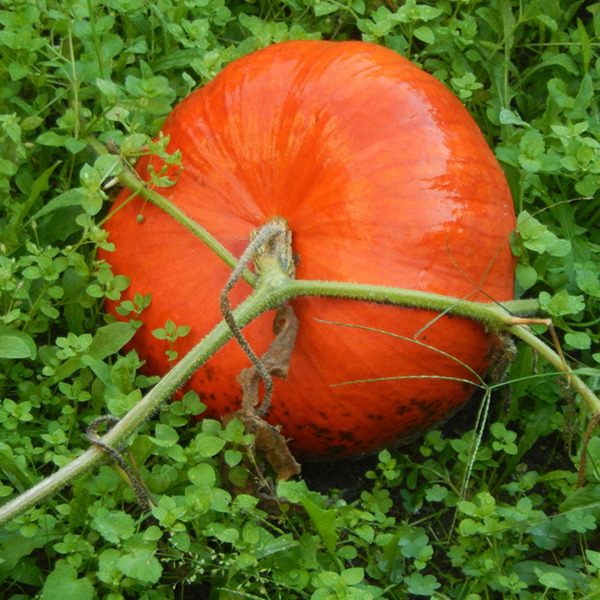
1) squash and courgettes
Although they are often recommended to be sown in April and started in pots, that is mainly to harvest them earlier, but direct sowing is perfectly feasible. Only drawback: harvest will be slightly delayed.
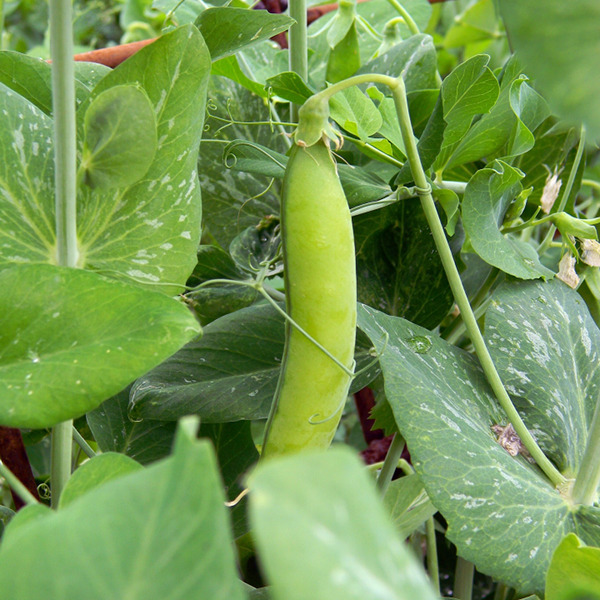
2) peas with wrinkled seeds
Usually sown until the end of May, wrinkled peas such as "Merveille de Kelvedon" or "Télévision à grain ridé" tolerate heat. A slightly late sowing, especially if you live in a temperate region, will not cause them any problem.
3) beetroot
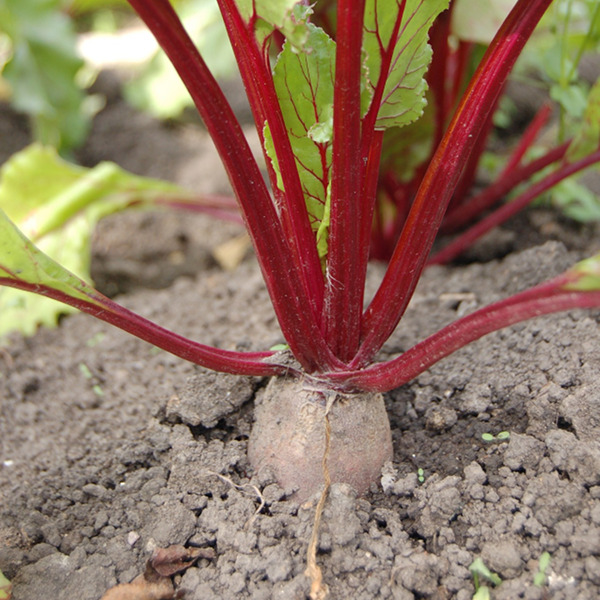
Easy to get right, beetroot tolerate a slightly late sowing very well provided you watch watering or, better, mulch the patch. Warmth speeds up growth: I've never had to wait four months before enjoying them! We particularly like 'Chioggia'… and the beetroot 'de Détroit'.
4) lettuce
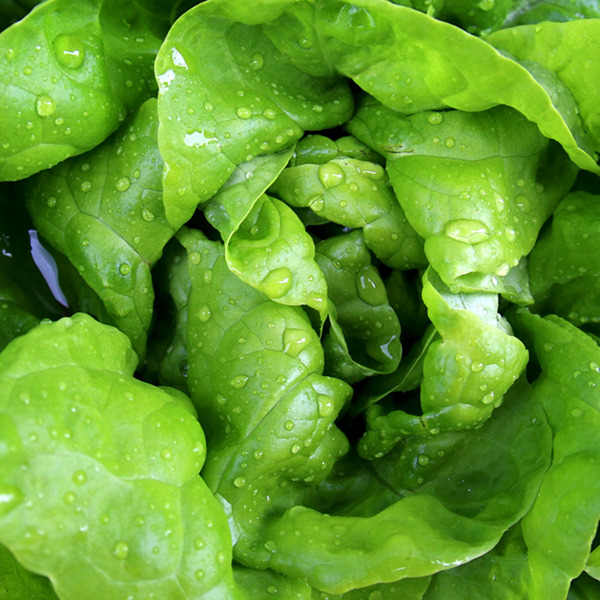
Summer lettuces grow at great speed… it's a real joy provided you choose the right variety, otherwise watch out for bolting! Aim for 'Kinemontepas' (of course!), 'Grosse Blonde paresseuse', 'Du bon jardinier' or, for cut-and-come-again lettuces, 'Lollo Rossa' or 'Red Salad Bowl'. All are well suited to heat, provided you give them some protection by situating them in partial shade.
5) beans
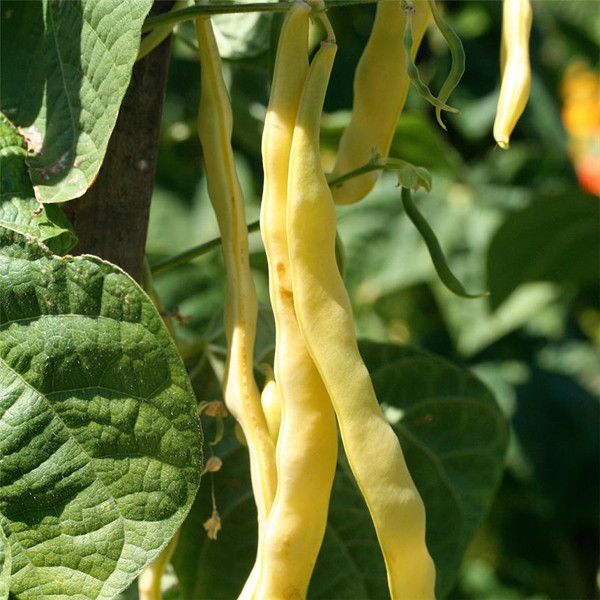
… all beans, including green beans! With them, it's simple: harvest comes 60 days after sowing. Very handy for timing pickings before you go on holiday or on your return, right? If your schedule isn't fixed, rather than a string-bean variety choose a mangetout which can wait a little longer without becoming stringy. And to vary things, consider butter beans, and also the stunning purple varieties such as 'Amethyst'…
6) radishes
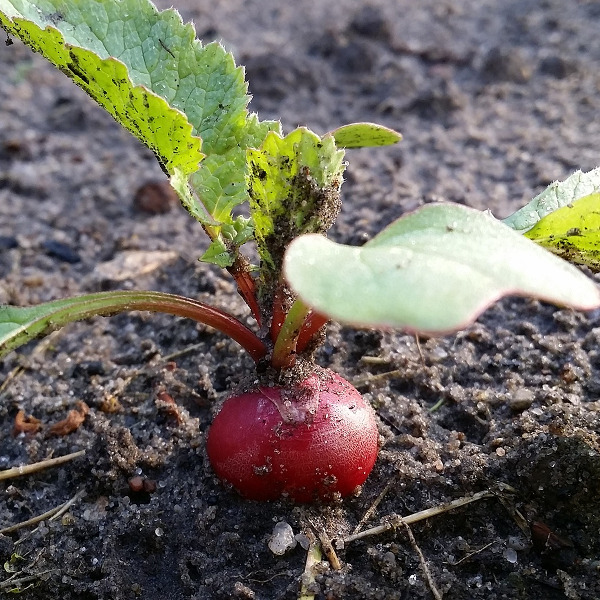
Radishes can be sown almost all year round… We covered this in this article on radishes. Summer is the perfect time to try new varieties especially well adapted, such as the radish 'Golden Yellow Oval' or 'Scarlet Globe'.
7) carrots
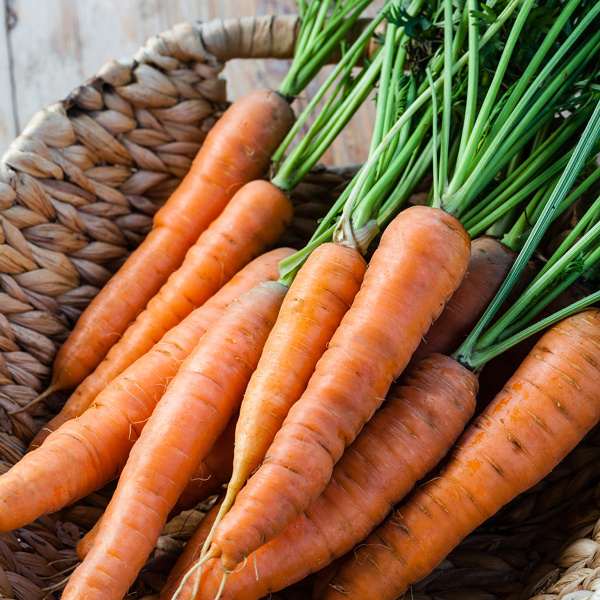
Sown in June–July, they'll be harvested in autumn. Consider sowing them with radishes to reduce the thinning chore. If this sowing worries you a little (it's delicate) and you don't have time to waste on a failure, go for seed tapes without hesitation: they're really handy, even if you're not a beginner!
Ready? Here are a few precautions to take to make sure everything goes well!
Precautions to take when sowing in hot weather
First, know that in the vegetable patch summer sowings are no more difficult than spring ones. However, they require closer monitoring, because for germination to proceed without mishap, soil must remain moist.
Which is not necessarily easy when the sun is beating down. If you cannot keep up with regular watering, consider shading the soil while waiting for emergence using crates, simple sheets of newspaper or a very thin layer of previously dried grass.
Finally, favour morning watering: it is less likely to attract slugs, which are fond of young seedlings in all seasons.
June is well under way and here we are at the start of summer: fine weather is definitely here and the urge to harvest your own vegetables has been nagging you for a while. But let’s face it: you’ve dawdled and, in the vegetable patch, no vegetables have been sown. To be honest, although the […]
Here, under Brittany’s mild climate, March is marked by ubiquity: it has to be everywhere at once—in the vegetable garden for early sowings of late-spring vegetables, but also, warm indoors, to prepare the summer harvest.
So, let’s be honest, we’re rushing around… but it’s a joyful bustle as it heralds the return of spring. The programme is simple and revolves around two 'culinary themes': the Jardinère of small vegetables and Ratatouille.
1) Under cover (unheated): the spring vegetable jardinière
Our shelter, a tunnel greenhouse, is a real luxury. Originally devoted to tomatoes and other frost-prone vegetables, it now serves all year round, especially for early sowings. It can, in your garden, be replaced with equal effectiveness by: a well-sited frame, a mini-market-garden tunnel (to be erected on hoops or moulded plastic) or, even more simply, by a forcing fleece.
To obtain early harvests, I sow there from the end of February and directly in the soil:
- the smooth-shelled peas (one row of ‘Très hâtif d’Annonay’ and one row of ‘Petit Provençal’),
- the spring turnips ('Rave d’Auvergne hâtif' and ‘de Milan Rouge Extra Hâtif’),
- the early carrots ('Marché de Paris' is early and ideal in our heavy soil),
- the first radishes ('Fluo F1' for the half-long types and ‘Gaudry 2’ for the round ones).
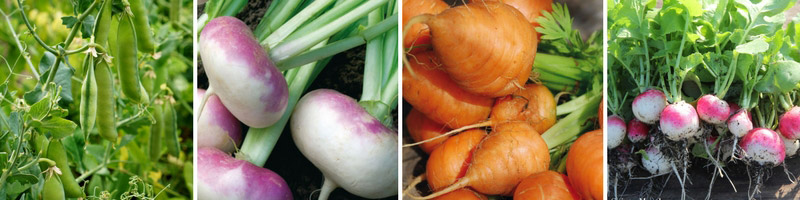
Peas, Turnip 'Rave d'Auvergne hâtif', Carrot 'Marché de Paris' and Radish 'Gaudry'
After seeing whole rows of young seedlings disappear, I resolved to start my lettuces ('Gotte Jaune d’Or', 'Batavia sanguine' and 'Reine de mai') in pots. They will grow under the greenhouse and will be planted three weeks later, once less vulnerable to slug damage.
2) Warm indoors: ratatouille… but also the flowers!
Early March, chillies and peppers get the season underway, as they develop fairly slowly. Then comes the turn of tomatoes and aubergines, and, at the very end of the month, of aromatic herbs that enjoy warmth such as basil and oregano. To these sowings, two or three courgette plants ('Précoce maraîchère') are added, which I sow a little early to enjoy a harvest at the start of summer.
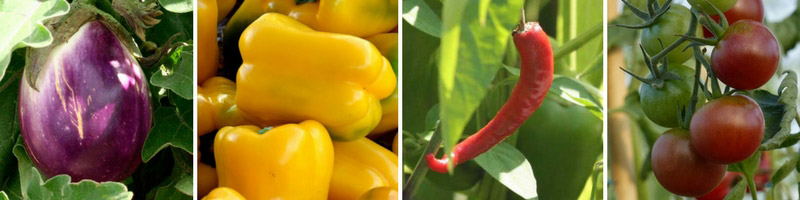
Aubergine 'Violetta di Firenza', Yellow pepper, Cayenne pepper and Tomato Black Cherry
And because I cannot imagine a kitchen garden without flowers, I take the opportunity to grow, still indoors, annual flowers: the marigolds that will accompany the tomatoes, but also the zinnias, which I pair with French beans, cosmos and annual Rudbeckias whose rustic charm delights me every year… not forgetting nasturtiums (very useful for distracting aphids), because even though they now reseed themselves, I never tire of discovering new varieties.

Zinnias, Cosmos, Marigolds and Nasturtiums: essential annual flowers for the vegetable garden
This list isn’t exhaustive; we invite you to add to it in the comments... and please don’t hesitate to ask us any questions, we’ll be very happy to reply.
Here, under Brittany’s mild climate, March is marked by ubiquity: it has to be everywhere at once—in the vegetable garden for early sowings of late-spring vegetables, but also, warm indoors, to prepare the summer harvest. So, let’s be honest, we’re rushing around… but it’s a joyful bustle as it heralds the return of spring. The […]