Further reading…
Making a garden resilient, stronger in the face of the repeated heatwaves our countries now suffer, is one of the challenges of the Chaparral garden, which draws on flora from extreme climates, such as those found in New Mexico or California. The multiple heatwaves of summer 2026 confirm this reality and will certainly steer us towards undemanding plants that are also hardy in our winters. Discover this new type of garden, inherently waterwise, low-maintenance and very promising.
What is a chaparral?
Chaparro is a Spanish word referring to several oak species (Quercus ilex, holm oak, but also Quercus coccifera and sometimes cork oak). The term also covers less well-known species such as Castela tortuosa, a shrub native to arid areas of Mexico and southern United States.
Chaparral is nothing more than an area of scrub and shrubs, forming a specific ecosystem in Mediterranean climates. It generally resembles a stand of holm oaks, in other words a garrigue or maquis, terms and landscapes more familiar to us. The name in Spanish denotes a biome found mainly from Mexico to California, and in Europe around the Mediterranean such as Andalusia or Sardinia. These areas are wooded, populated by shrubs and undershrubs able to withstand very hot conditions.
Plants able to grow in chaparral are often sclerophyllous (small, leathery leaves covered by a protective cuticle), sharing unique adaptations to this dry environment: deep roots, grey-green leaves that reflect light, and essential oils that limit evaporation.

We imagined three scenes to reproduce, in spirit, this ultra-resilient type of landscape. You can create a single area of the garden that receives particularly strong summer sun, or treat the whole garden in this style, provided you live in temperate valleys or mild zones of the country.
Adapting the chaparral to a dry exotic garden
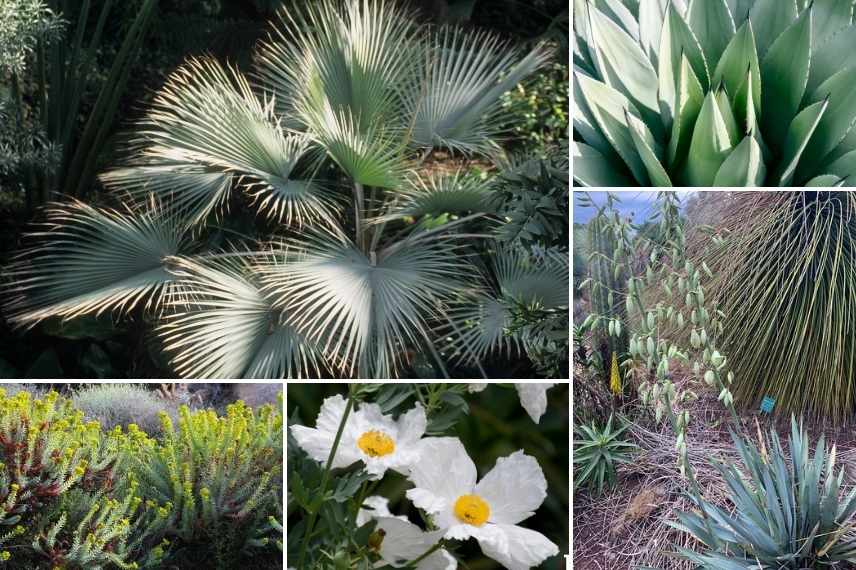
A dry garden can create a sublime scene with exceptional plants.
Here we play with a palette of blue-tinged foliage using plants surprisingly resistant to short frosts in winter, not exceeding −10°C. The tree poppy, a Californian and Mexican plant with wonderful white flowers, and the Mexican blue palm for an original backdrop, have proven able to withstand very dry summers. Once well established, Romneya poses no real hardiness issues. A Yucca pallida joins them to form that superb silvery-blue base, accompanied by an agave hardy enough such as Agave parryi or Agave montana.
A Mediterranean perennial, Euphorbia pithyusa, a Balearic spurge that stays low, and a Mexican-origin plant, Mathiasella bupleuroides 'Green Dream' with jade-green flowers, naturally fit among these plants. We bring in chartreuse and blue-green tones for a duet of colours evoking Mediterranean aridity.
NB: this blue planting can easily be part of a blue garden, located in the sunniest, driest part of the garden!
Transport yourself to Lanzarote
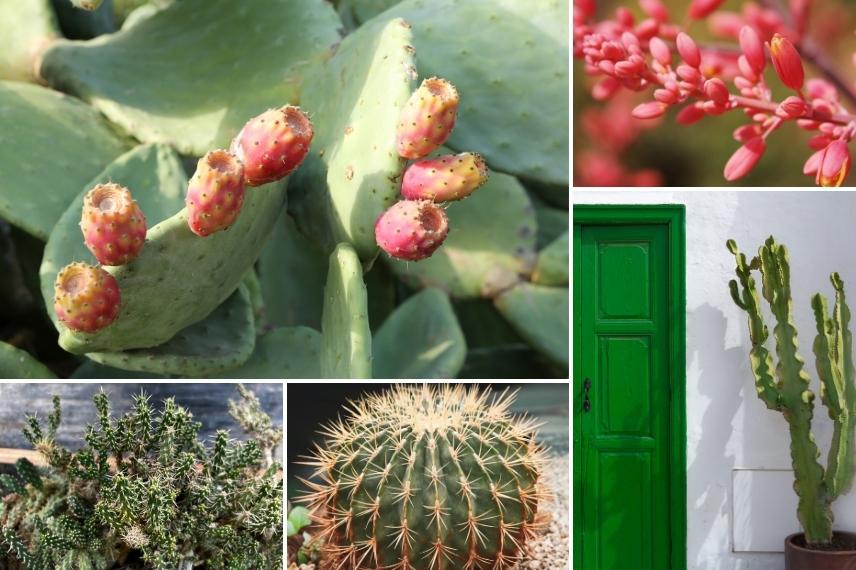
Lanzarote's cactus gardens are exceptionally photogenic. On this volcanic archipelago grow sclerophyllous plants with small leathery leaves adapted to drought, and spiny cacti. Drawing inspiration from them, while carefully selecting cacti cold-hardy enough for our winters, allows creation of a unique area within a dry garden, ready to face repeated summer heat spikes. Ensure perfect drainage, as this type of garden cannot tolerate any standing moisture in winter.
A prickly pear, well adapted to sea spray, is interesting for its slightly greater hardiness (down to around −15°C for some) and its unique habit with large spiny pads. Plant them liberally; choices include Opuntia scheeri or Opuntia engelmannii var. rastrera, among many others. In this distinctive setting, succumb to oddity of Cylindropuntia kleiniae, a cousin of opuntias, quite cold-hardy and producing a beautiful magenta summer bloom. Complement the area with a Hesperaloe parviflora and an Echinocactus grusonii, the golden barrel cactus often seen on the island.
This type of garden is intended for warm, mild regions of the country with less severe winters and dry summers.
Use pumice or black volcanic stones to simulate island soils and to ensure drainage. Finishing touch? a whitewashed house with green shutters to reproduce another characteristic of this island close to African coasts.
... or to landscape a poor, unproductive slope
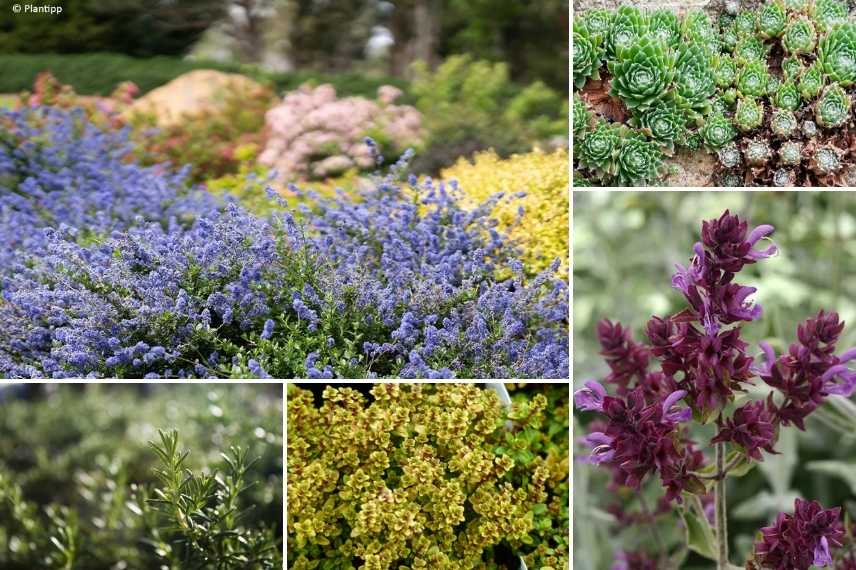
A south-facing, dry and unproductive slope can also be transformed into a resilient space by imitating the chaparral, an ecosystem adapted to extreme conditions.
To turn poor soil into a semi-desert rockery, favour low, hardy shrubs such as cistus (Cistus), a California lilac like the ceanothus ' Pacific Wave' or its groundcover form (C. thyrsiflorus 'Repens'), a prostrate rosemary and some sempervivums. These plants, with deep roots and leathery or fleshy leaves, tolerate drought and poor soils perfectly. Add a golden thyme, and some sages (such as Canary Island sage 'Lancelot'), aromatic plants that will scent the garden while attracting pollinators.
Once established, these plants require little watering and maintenance. Their dense foliage will protect soil from erosion and limit growth of weeds that are unwanted on the slope. A mineral mulch will help conserve moisture and enhance the slope's natural appearance. A few ochre or orange boulders placed here and there will also help evoke Californian or Andalusian maquis while enhancing the area.
Discover our selection of succulents and perennials on our "Dry garden" page online, and our inspiration in the trend booklet 2026!
Since Beth Chatto, the dry garden movement has increasingly been seen among landscapers and in gardening magazines and books. We cover it in detail in Designing a dry exotic garden, Laying out a gravel garden, the Californian-style garden and the garrigue garden, as well as strong trends recently seen at the Chelsea Flower Show in London, such as the antipodal garden and the sand garden.
Find all garden trends for 2026 in: What are the five major trends for 2026?
Making a garden resilient, stronger in the face of the repeated heatwaves our countries now suffer, is one of the challenges of the Chaparral garden, which draws on flora from extreme climates, such as those found in New Mexico or California. The multiple heatwaves of summer 2026 confirm this reality and will certainly steer us […]
Terraces, courtyards, patios and small bohemian balconies are the new stars of summer! This very colourful "boho" trend that has invaded our interiors and wardrobes also appears in our summer green retreats. It matches the sunny cheerfulness of a season when we spend a lot of time outdoors.
Let’s take inspiration from the gypsy world to prepare bright alcoves on balconies, terraces and inner courtyards from the first fine days, with planting ideas and decorative elements. We explore this Boho Patio in three scenes easy to recreate at home!
Boho Patio codes
The bohemian atmosphere dresses itself in vivid, deep and variegated colours that answer one another, but also in associations of warm tones in the blooms: intense reds, deep violets, Indian pinks and spicy oranges, not forgetting bicoloured flowers. Bluish, golden or purplish foliage helps to reinforce this playful mood, bringing red or variegated splashes.

This mixed-up planting borrows from gypsy culture a festive, hybrid universe that laughs at convention and pairs a whole spectrum of colours, provided they are warm and bright.
This style is also based on improvisation, like manouche music, and on bold accents. This temperament appears in the garden in temporary scenes created especially for the summer months, and in the accumulation of mismatched small objects (side tables, stools, small cushions, etc.).
On the décor side, important for dining and relaxation areas, have fun with mismatched pairings: rustic furniture repainted turquoise or green, rattan chairs, fabric pouffes, Provençal floral and ethnic patterns juxtaposed with strong colours: turquoise, pink, orange and bright yellow. The advantage of this bohemian décor is that you can mix disparate objects and accessories, using what you already have at home or stored in the attic, to give them a second life: bring out granny’s lace and embroidery for the summer, macramé and trimmings, old rattan armchairs, baskets and fruit crates, airy curtains. In a joyful mix of materials, the décor is done!

On a sun-drenched terrace
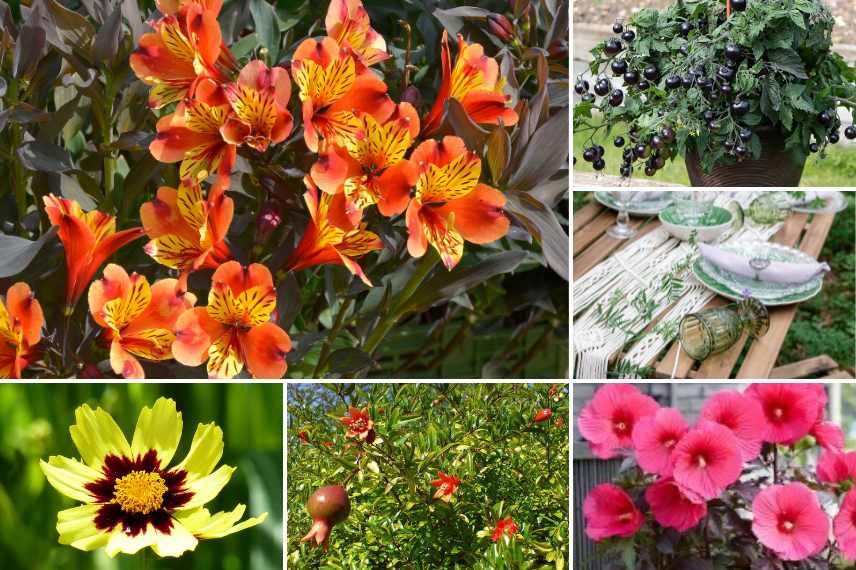
Terrace or balcony are often west- or south-facing. They can be radically transformed into an ultra-cheerful cocoon with sun-tolerant plants that do well in pots. Explore a plant colour palette ranging from saffron yellow to violet for a truly bohemian vibe.
Alstroemerias 'Indian Summer', orange and yellow contrasting against bronze foliage, will look stunning alongside Coreopsis 'Cosmic Eye', a bright yellow spotted with purple, or the pretty all-yellow 'Full Moon Madness'. Add other long-flowering plants such as a common Rose mallow 'Pink Passion' with giant flowers and dark purple foliage, and provide more foliage interest with a pomegranate that can be grown in a pot, such as Punica granatum 'Nana', whose brilliant flowers will pair beautifully with the other perennials. For snacking at aperitif time, invite, for example, the surprising cherry tomatoes 'Akoya', whose fruits turn almost black.
In a semi-shaded urban patio
Small city courtyards benefit from focusing on colour and variegated or golden foliage to lift them out of the shade. In a semi-shaded patio receiving enough light and warmth in summer, opt for sunny flowers and a few "indestructibles":
Hosta 'The King', Hakonechloa macra and an Aucuba japonica 'Crotonifolia' for their golden and variegated foliage (Aucuba will reward you with pretty red berries a little earlier) together with the bold flowers of Hibiscus syriacus 'Hibisa rosada', and the Peruvian lily 'Duc d'Anjou'.
The bohemian spirit will also be present in accessories, essential in less bright areas and in smaller spaces.
Beyond plants, bring colour without fearing the boldest mixes. Dare genre-mixing: antique rug + Italian ceramics + small disparate or oversized objects and a cosy bench, etc. Here, the evening atmosphere will be especially worked on: lanterns, paper lanterns and candles, and don’t forget a crochet throw in these patios that are often cooler at night.

Garden refuge as an improvised alcove
This bohemian trend can also be expressed in a corner of the garden used as an improvised summer retreat.
In front of a shed, garden shelter or at the foot of a fine tree from which a rattan chair is hung, set up a summer hideaway using bohemian codes. A temporary terrace, improvised with clip-together wooden decking tiles readily available from DIY stores, is easy to install. In summer it becomes a true green cocoon perfect for relaxing on a garden sofa made of a few stacked pallets or large pouffes, in a fairground style.
Here, a few colourful annuals join the party: multicoloured zinnias and orange calendulas (marigolds) sown in pots in spring, or beds of African marigold 'Mango Tango' around the area, as well as sun-loving perennials such as the charming Delosperma 'Ocean Sunset Orange Glow'. Count on two striking pots of dahlias with evocative names, the fiery 'Bohemian Spartacus' and the more restrained compact 'Melody Gipsy', for a long and remarkable display. Sunflowers 'Mongolian Giant' will bring pep and height, while a pot of basil 'Everleaf Emerald Tower' will be handy for salads at barbecues or sunny lunches.
Gather your most colourful pots, bring in lace, hangings, vintage crockery and cushions: job done!
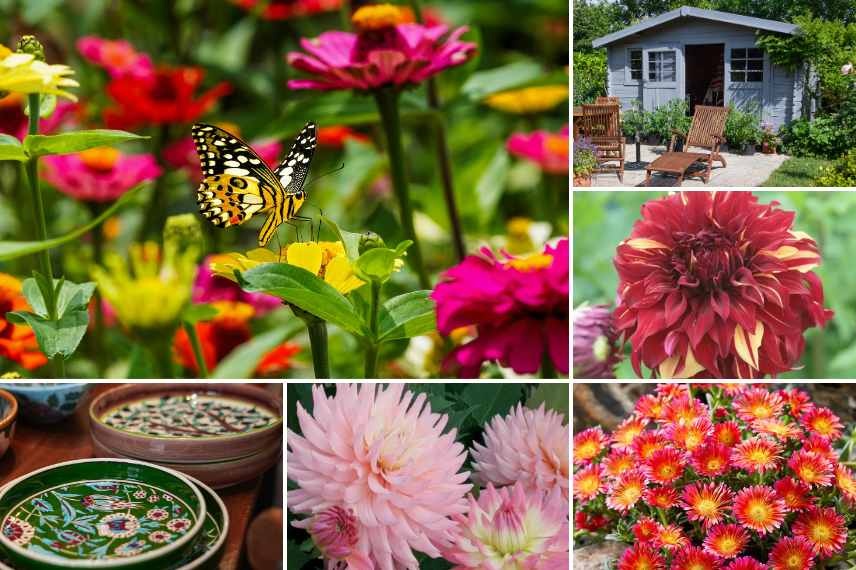
Discover other plants ideal for composing this bohemian green décor on a terrace in our "Boho Patio" selection online and in our trend booklet!
Feeling the bohemian spirit? Find our advice on creating a bohemian garden, and our inspirational sequences: Catalane and Peach Raspberry.
This Boho Patio trend also draws on recycling second‑hand objects. Explore our topics to let your creativity run free: Decor idea: plants in unusual containers; How to make a planter from a pallet?; Recycling in the garden and How to use and properly integrate terracotta pots in the garden?
Terraces, courtyards, patios and small bohemian balconies are the new stars of summer! This very colourful “boho” trend that has invaded our interiors and wardrobes also appears in our summer green retreats. It matches the sunny cheerfulness of a season when we spend a lot of time outdoors. Let’s take inspiration from the gypsy world […]
Here’s a distinctive trend emerging in outdoor spaces, and not only among landscapers fond of conceptual gardens or in coastal areas! While a sand garden is particularly suited to coastal gardens, it proves to be an undemanding, on-trend garden, halfway between a gravel garden and a dry garden, perfectly in tune with current climate upheavals.
We invite you to discover it in three scenes that demonstrate its aesthetic appeal and sunny atmosphere!
Sand garden: a landscaping trend between frugality and aesthetics
Far from the image of the traditional Japanese zen garden with raked gravel or pale sand, the sand garden imposes itself as a new version of the garden. It retains a sense of serenity but transposes it into a warmer register, where maintenance and watering are reduced to an absolute minimum. It answers a need created by climate change: how to introduce more Mediterranean plants into northern regions? Even if rising temperatures allow it, the problem of waterlogged winter soils, often fatal to these plants, remains. The sand garden is one solution, providing effective drainage.
It is a functional garden, still experimental globally, which showcases plants that ripple in the wind, like a reminder of a sea that is not always present. It also emphasises contrasting materials and textures, often using Corten steel as a support, woven willow in tontines or sculptures, large stones or retaining walls.
Undemanding plants grow in a substrate made up of a thick layer of sand. They therefore need to draw water from deep down to survive. For this reason we choose the most drought-tolerant plants and xerophilous plants, those whose taproot systems mean they will withstand heatwave summers.
We also seek to enhance the golden aspect of the sand using a palette of warm tones available to us, both in plants and materials. Plants will generally be low-growing, mat-forming or supple, also incorporating some greyed foliage to reinforce the impression of warmth.
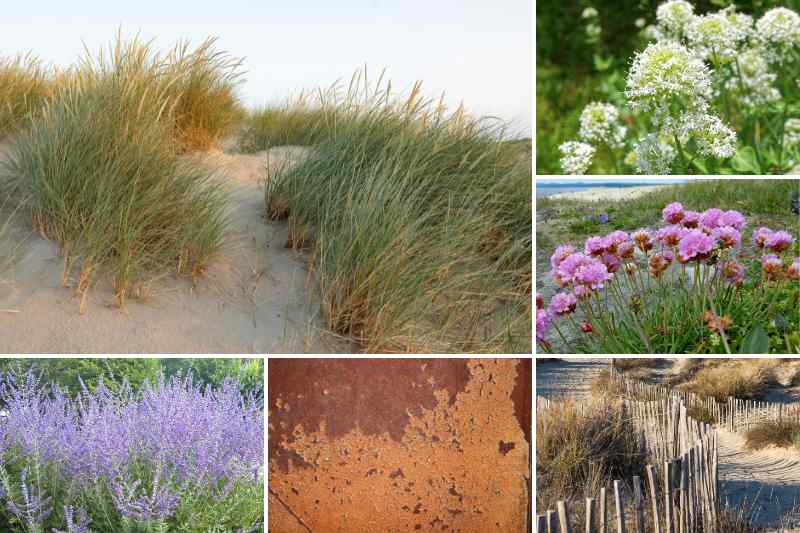
A holiday feel
Coastal gardens, and especially those located right on the coastline, are difficult to plant because of the omnipresence of sand on site. They are perfectly suited to the constraints of a sand garden. In a beach-return spirit, the focus is fully on the sand-and-beach duo, taking inspiration from the dune ecosystem.
Essential plants: valerian, Lagurus ovatus and oyat (Ammophila arenaria), Armeria maritima 'Vesuvius' (sea thrift), sandwort, Erigeron glaucus 'Sea Breeze' or Erigeron karvinskanius, sand carnations, Perovskia, blue fescue, sea holly (Eryngium maritimum), milk thistle, etc.
To bring back vegetal blond tones, use wooden slats as decking, mini sand fences, and pair with coppery accents such as a brazier, useful for summer evenings.
Our tip: take care not to multiply beach clichés. Restrict decoration to sand alone, without superfluous additions of pebbles, shells or other seaside trimmings to avoid caricature. Plants create the scene, not the other way round!
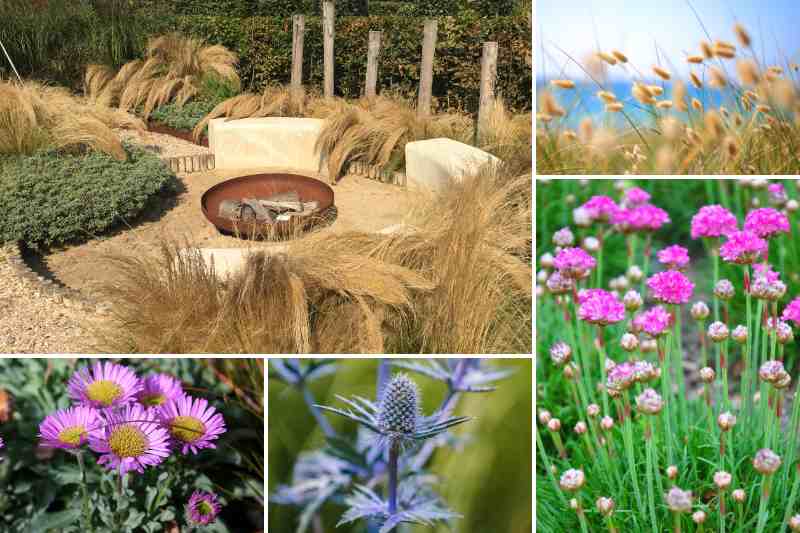
Contemporary sand garden
At the opposite end from the dune garden that naturally links to its environment, the idea of undemanding plants and sand also evokes minimalism and the mineral feel of modernist gardens. The sobriety of the sand, combined with an appropriate plant palette, allows creation of a sand garden that suggests a coast not necessarily nearby, in perfect harmony with contemporary architecture.
Here, colour is conceived in monochrome, or in white/black, white/mauve or purple and green duos, to name a few pertinent combinations. Plants are chosen for their prostrate habit, their original textures or the shapes of their inflorescences. Greyed tones for foliage are also favoured to blend well with often anthracite outdoor furniture. Corten steel, used for boards or attractive windbreaks, stands out as a material that enhances the sand’s sheen, as does brick, which can serve as a path.
Essential plants: silver santolina, Artemisia 'Powis Castle', Ballota pseudodictamnus, medium to tall grasses such as coppery Carex (Carex testacea), the movement of Hordeum jubatum, graphic silhouettes (Cordylines, Yuccas) on flat ground, and low to medium plants as on a shaped sand mound (sea thrift, creeping gypsophila, wild thyme, etc.).

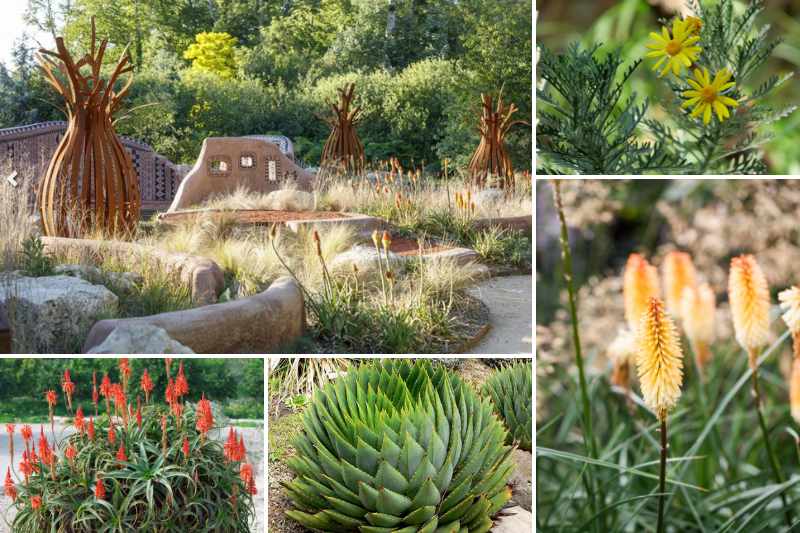
South African atmosphere
One attractive idea with the sand garden is to travel to an arid, heat-baked world. You can plant stunning perennials and ultra-resilient grasses and lean towards a Californian vibe, or, as here, a South African feel.
Let’s take inspiration from Léon Kluge’s work, the world-renowned South African landscaper, at Domaine de Chaumont-sur-Loire in France: few plants for a spectacular effect in this full-sun garden. The scene draws from the African bush, where red sand and oversized stylised baobab sculptures mainly make up the decor, with waves of Stipa tenuifolia and torch lilies. At home, imagine tall red-willow tontines or large woven willow spheres to add volume and blend into this atmosphere.
Key plants: succulents and light grasses (Aloes, Euphorbia myrsinites, Stipas, Sesleria argentea, Lomandra longifolia), and perennials with sunny yellow to orange blooms (Kniphofias, Euryops pectinatus, bulbines, Leonotis leonurus, gazanias…). Plants native to South Africa, Patagonia or Tasmania are favoured, some tolerating down to -8°C in sheltered conditions.
The naturalistic garden and the English garden also draw on this avant-garde technique, and we could just as well have developed scenes in these two worlds, which lend themselves to experimentation currently being carried out notably across the Channel.
Find our selection of plants suited to the Sand Garden spirit on our online nursery as well as on our inspiration page in the 2026 Trend Book !
Do you enjoy these distinctive atmospheres? Discover other inspiring scenes in related worlds:
Here’s a distinctive trend emerging in outdoor spaces, and not only among landscapers fond of conceptual gardens or in coastal areas! While a sand garden is particularly suited to coastal gardens, it proves to be an undemanding, on-trend garden, halfway between a gravel garden and a dry garden, perfectly in tune with current climate upheavals.We […]
Cinnamon, this fragrant and sweet spice found in many sweet and savoury dishes, has a fascinating history that spans continents and centuries. Its use is not limited to cooking: it has played a crucial role in global trade and has contributed to major voyages and explorations. In this article, we will explore the origins of cinnamon, its role in the history of trade, and the explorations it has inspired.
Origins of Cinnamon: A Treasure from Southeast Asia
Cinnamon primarily comes from the inner bark of trees in the Cinnamomum genus, native to tropical regions. There are several types of cinnamon, but the two most well-known are Ceylon cinnamon (or "true" cinnamon) and Chinese cinnamon (or cassia).
- Ceylon cinnamon (Cinnamomum verum) originates from Sri Lanka and southern India. It is sweeter and more subtle than its cousin cassia and is considered the most prized form of the spice.
- Chinese cinnamon (Cinnamomum cassia) comes, as its name suggests, from China, but it also grows in Vietnam, Indonesia, and other regions of Southeast Asia. This variety has a stronger taste, is more robust, and is often used in Asian cuisine and as an alternative to Ceylon cinnamon in many commercial products.

In the Cinnamomum genus, you can also find the Cinnamomum camphora, more commonly known as the camphor tree.
Good to know: the paperbark maple (Acer griseum) gets its name from the way its bark peels with age, resembling cinnamon. It’s very beautiful, but it’s not edible!
Did you know?: the harvesting of cinnamon is a delicate and manual process, usually done twice a year during the rainy season. Growers cut the young branches of the tree and remove the rough outer bark. They then scrape the thin layer of inner bark, which is then dried. As it dries, this bark naturally curls to form the characteristic cinnamon sticks. Once dried, it is cut into sections and sorted by quality. The amount of cinnamon obtained depends on the age of the tree and the growing conditions, but generally, a tree can provide about 50 to 100 kg of bark each year.
Cinnamon in Antiquity: A Precious and Mystical Spice
The use of cinnamon dates back thousands of years. Traces of its use have been found in ancient Egypt, where it was used in embalming processes and as a perfume. The Egyptians believed that this spice had mystical powers and incorporated it into sacred rituals.
In the Greco-Roman world, cinnamon was considered a luxury product. It was so rare and precious that it was sometimes worth more than its weight in gold. Herodotus, the Greek historian, mentioned that cinnamon came from mysterious and distant lands, further heightening the mystery and value of this spice.
Arab merchants, who controlled the cinnamon trade, deliberately maintained this mystery to protect their sources. They invented fantastic stories, claiming that cinnamon came from nests of great birds perched on inaccessible cliffs.
The Age of Discoveries: In Search of Cinnamon and Spices
During the Middle Ages, the demand for cinnamon, like other spices such as pepper and cloves, increased significantly in Europe. Spices were used not only to enhance the flavour of food but also to preserve meats. They also played a symbolic role of wealth and power.
It was during this period that European explorers began undertaking great voyages to find new trade routes to the sources of spices. European powers, particularly Portugal, Spain, and the Netherlands, initiated the age of great explorations.
- The Portuguese were the first to establish direct relations with cinnamon producers in Ceylon, present-day Sri Lanka. In 1505, they colonised the island and began exploiting this lucrative trade.
- The Dutch followed closely behind. In the 17th century, the Dutch East India Company (VOC) took control of Sri Lanka after expelling the Portuguese. They imposed a strict monopoly on the cinnamon trade, carefully controlling production and exports to maximise their profits.
- The British eventually supplanted the Dutch in Sri Lanka by the late 18th century, but by that time, cinnamon had already lost some of its status as a rare product, as other spices had gained popularity and accessibility.

Trade Routes and the Stakes of Cinnamon
The cinnamon trade was one of the first drivers of the creation of maritime trade routes between Asia and Europe. These routes were of paramount importance for the economic rise of the great maritime powers.
- Land routes, which were part of the ancient Silk Road, had long remained the main way to transport cinnamon to Europe. But with the rise of maritime routes, which were faster and more efficient, the trade of cinnamon, along with other spices, experienced unprecedented expansion.
- Portuguese maritime routes, for example, followed the west coast of Africa, rounded the Cape of Good Hope, and ascended the Indian Ocean to Ceylon. These routes were also taken by other European nations as competition for control of spices intensified.
The spice trade, particularly that of cinnamon, greatly enriched colonial empires, but it also had profound consequences for local populations, who were often exploited or displaced in the process.
The Evolution of Cinnamon Trade to Today
Today, cinnamon is widely available around the world, but the two main varieties continue to be primarily cultivated in Southeast Asia. Sri Lanka, formerly Ceylon, remains the leading producer of Ceylon cinnamon, while cassia is mass-produced in Indonesia and China.
With the evolution of agricultural practices and transportation methods, cinnamon is no longer the rare and precious spice it once was, but it retains a special status in many cultures. It is still highly valued in cuisines worldwide and is used not only for its flavour qualities but also for its medicinal properties. Indeed, cinnamon is renowned for its antioxidant, anti-inflammatory, and antibacterial properties.
Cinnamon, this fragrant and sweet spice found in many sweet and savoury dishes, has a fascinating history that spans continents and centuries. Its use is not limited to cooking: it has played a crucial role in global trade and has contributed to major voyages and explorations. In this article, we will explore the origins of […]
When discussing reforestation or the planting of new trees, the images that come to mind are often those of young shoots, symbols of hope and renewal for our environment. However, while planting new trees is essential for many ecological reasons, it cannot replace the value and ecological functions of old trees. These green giants, often forgotten or neglected in favour of their younger successors, possess irreplaceable attributes that deserve special attention.
Old trees are true ecological pillars in their ecosystems. Their imposing size, the result of decades or even centuries of growth, allows them to play a crucial role in absorbing carbon dioxide, far exceeding that of young trees. Their complex structure provides a rich and diverse habitat for many animal and plant species, thus contributing to robust and resilient biodiversity.

The ecological benefits of old trees
Carbon storage capacity
Old trees are champions in the fight against climate change due to their remarkable ability to store carbon. Over their long lives, they accumulate a significant amount of carbon in their wood, which reduces the amount of carbon dioxide, a greenhouse gas, in the atmosphere. An old tree can contain hundreds of kilograms of carbon, stored not only in its trunk but also in its branches and roots. This carbon sequestration capacity is much higher in old trees than in young ones, as they have greater standing crop and more stabilised growth.
For example: a large pedunculate oak 20 m tall and around a hundred years old can store over 1 tonne of carbon in its structure, which is equivalent to absorbing about 3.67 tonnes of carbon dioxide from the atmosphere. A young tree (let's say, 10 years old) of the same species can store about 9.5 kg of carbon per year. If we consider a small wood composed of 100 individuals of these young trees, the total would be 950 kg of carbon stored annually, nearly the same as a single old oak.
Biodiversity associated with old trees
In addition to their role in carbon storage, old trees are ecosystems in their own right. Their size and structural complexity provide varied habitats for many species. Cavities in aging trunks and branches can serve as nests for birds and refuges for small mammals and insects. Their broad canopies provide shade and an essential micro-habitat for different varieties of plants, mosses, and ferns. This diversity of habitats contributes to greater species diversity, making old trees true pillars of local biodiversity.
Role in microclimatic regulation
Old trees also influence the microclimate of their environment. Their broad canopy helps to moderate local temperatures, providing shade and reducing the urban heat island effect. This shade lowers the temperature of the ground and surrounding air, which can be particularly beneficial in urban areas where concrete and asphalt absorb and re-emit the sun's heat. Additionally, the transpiration of old trees adds moisture to the air, which can improve air quality and contribute to a more pleasant and healthier environment.
Aesthetic and cultural importance of ancient trees
Landscape and heritage value
Ancient trees play a crucial role in the landscape, bringing majestic beauty that is often the result of decades or centuries of growth. Their size, the shape of their canopy, and textured bark attract the eye and serve as focal points in various landscaping designs, offering character and continuity. These trees are at the heart of natural heritage conservation efforts, as they represent a living link to the past and are valued for their contribution to the identity and beauty of a region.
Trees as witnesses to local and global history
Ancient trees are also witnesses to history. Each of these trees can tell stories of the past, having survived major historical events or having witnessed significant changes in their immediate environment. For example, specific trees can be identified as sites where historical events took place, serving as landmarks for local communities and historians. They can also represent historical or cultural symbols, linked to legends, poems, or cultural practices.
Beyond their role as silent witnesses to human history, these trees often hold spiritual or religious significance, embedded in local practices and beliefs. They are sometimes regarded as sacred or as protectors by communities, reinforcing their role in the cultural fabric of society.

The challenges associated with the growth of young trees
Unlike annual plants or bushes, trees typically require several decades to fully develop their root structure, trunk, and canopy. During this growth period, they do not yet have the capacity to provide the same ecological services as mature trees, such as significant carbon sequestration, support for high biodiversity, and effective microclimate regulation. This long delay before they become fully "functional" in the ecosystem can be seen as a long-term investment, but one that does not immediately compensate for the loss of old trees.
Young trees also face relatively low survival rates, particularly in urban or disturbed environments. Challenges include competition for resources such as light, water, and nutrients, especially if space is limited or if the soil is of poor quality. Young trees are more vulnerable to environmental stresses such as droughts, floods, extreme temperatures, and diseases. Furthermore, they can be damaged by human activities, such as construction and pollution. In other words, it is not always a given, and it is therefore better to keep older trees.
Conservation strategies for old trees
Effective conservation of old trees requires appropriate care and sustainable management policies that value their ecological and cultural importance in urban and rural environments. These strategies include regular inspections, careful pruning, structural support, and adjustments in irrigation and soil quality, as well as integration into urban planning, legal protection, public awareness, and adequate funding for conservation programmes. These joint efforts are essential to preserve these trees, which are crucial elements of our natural heritage and vital contributors to biodiversity and environmental well-being.
When discussing reforestation or the planting of new trees, the images that come to mind are often those of young shoots, symbols of hope and renewal for our environment. However, while planting new trees is essential for many ecological reasons, it cannot replace the value and ecological functions of old trees. These green giants, often […]
Whether shrubby or herbaceous, peonies beautify the garden every spring. With their vibrant white, cream, yellow, pink, or red dresses, they captivate and play the divas… and sometimes, they can be quite elusive when it comes to taking the stage. Imagine for a moment that you decide to deliberately sabotage the show, not out of malice, but simply for the pleasure of seeing how these grand ladies would react?
In this article, we will explore with a dash of irony and a pinch of sarcasm the most effective methods to fail with your peonies, while inadvertently slipping in the secrets to achieving success. Because yes, even in failure, there are lessons to be learned, right?
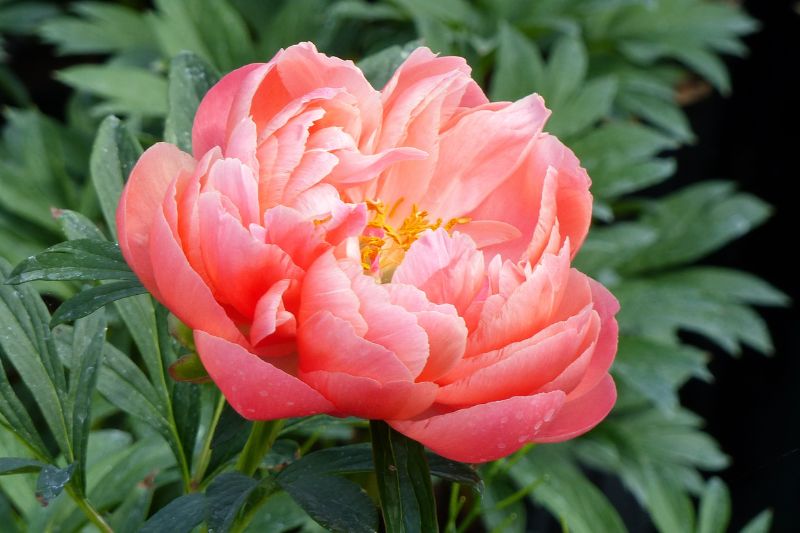
Lesson 1: Ignore the sunlight needs of the peony
To fail with your peonies right from the planting stage, placing them in the shade is a masterstroke. It is there, under the cover of trees and shielded from the sun's rays, that you unknowingly create the perfect setting for a despairing performance. Peonies, deprived of their main light source, will become leggy... or worse, may not flower at all!
But what if, in a fit of rebellion against this scenario of shade and sadness, you decided to change the script? Yes, these garden divas demand sunlight as their spotlight, and that for at least six hours a day! This is their secret to spectacular flowering.
Lesson 2: Neglect the type of soil
In this second act of our gardening opera, the soil plays the role of the conductor, dictating the tempo and quality of our plant stars' performance. By deliberately choosing compact, clayey soil that is, of course, waterlogged, you compose a dissonant symphony for your peonies. Their roots, like frustrated musicians, struggle to find their rhythm, suffocated in an environment that does not allow them to breathe… or to thrive.
Yet, in a surge of rebellion against this underground cacophony, what if you decided to tune the violins? For the secret lies in the composition of the soil! Indeed, peonies appreciate well-drained soil enriched with organic matter (compost will be your friend) and preferably with a neutral pH. The roots of the peonies will then find a vibrant echo, nourishing and allowing for a flowering worthy of the loudest ovations.
Lesson 3: Water too much or not enough
Let’s continue our improvisational theatre, with the main character being: watering. Alternate between abundant watering, worthy of a torrent, and the dryness of a desert. You will plunge your peonies into a state of constant stress. The roots of your plants, like dancers trying to follow chaotic music, are sometimes drowned by a wave of water, sometimes desperately searching for a drop to drink in cracked, thirsty soil. There, it’s certain: the dance will soon come to an end!
However, if you feel inclined not to let them drown or dry out, the key lies in seeking the middle ground. Practice the dance of measured watering, watering when the soil becomes dry to a depth of 2 cm. This balance will provide your peonies with the ideal stage to shine brightly.
Lesson 4: Ignore diseases and pests
Let’s return to our garden scene, where you decide that diseases and pests also have a role to play in this play, without being countered, thus taking centre stage. Your peonies, the main actresses, find themselves vulnerable, exposed to a scenario where they struggle alone against sometimes invisible… but dreadfully effective adversaries. Without your intervention, the garden becomes a tragic scene where fungal diseases and pests become the leading roles. That’s what you wanted, right?
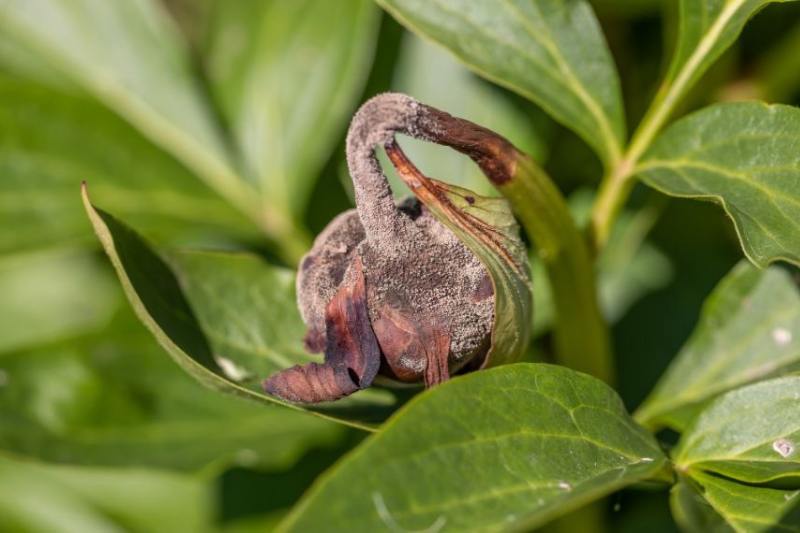
However, by taking on the role of the attentive gardener-director, scrutinising the set for signs of impending harmful intrigue, you can take the necessary measures to protect your peonies. Intervening with targeted treatments and preventive care is like rewriting the script in favour of your peonies, allowing them to play their role with brilliance.
Lesson 5: Improvised pruning
And for the final act of this article, what if you transformed into "Edgar with the silver hands," a doppelgänger of the famous Edward, but with less talent? Prune the peonies with scissors that you haven’t cleaned beforehand, without a plan or discernment. You might think you’re shaping an avant-garde masterpiece, while in reality… you’re just improvising, cutting here and there, in the middle of the flowering period! This reckless approach is the perfect scenario for a botanical drama, where the peonies, the actresses of their own tragedy, find themselves stripped and weakened… The perfect melodrama!
However, for gardeners who, in a burst of controlled creativity, aspire to sculpt their garden, wait until after flowering to intervene, when the curtain falls and the peonies are ready to regenerate backstage. This thoughtful pruning, far from being an improvisation, is a meticulous rehearsal for next year’s show. It not only helps keep the plant healthy but also encourages even more spectacular flowering, ensuring that the next act is welcomed with even more brilliance.
Whether shrubby or herbaceous, peonies beautify the garden every spring. With their vibrant white, cream, yellow, pink, or red dresses, they captivate and play the divas… and sometimes, they can be quite elusive when it comes to taking the stage. Imagine for a moment that you decide to deliberately sabotage the show, not out of […]
Roses have always been the undisputed stars of gardens, symbolising both love and beauty. However, for these queens of the garden to bloom their petals splendidly, planting requires special care. One of the most common and effective methods is planting bare root roses, a technique that promises vigorous growth and abundant flowering. In this article, we will detail the crucial steps to successfully plant your bare root rose supplied in a pot of substrate, from soaking methods to the secrets of perfect watering. Follow our guide to transform your garden into a haven of resplendent roses!
Bare root rose or potted? It’s all Greek to me
" Don't you order your roses bare root? - Well, yes. Look! - Oh no, these are potted. - Yes, but they are still bare root... just potted. - Oh. Well, if I were you, I would have bought bare root plants in pots. - Oh, very funny! That's clever...."
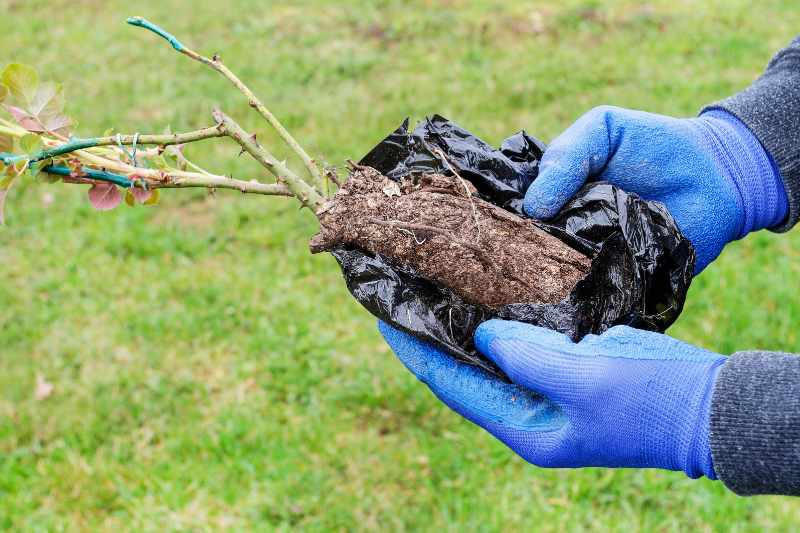
Bare root roses delivered with a pot of substrate surrounding them represent an excellent option for all gardeners. This proposal combines the advantages of the two most commonly used plant delivery types: bare root and containerised.
When a rose (or another plant) is delivered bare root, it means it is shipped without soil around the roots. This process has several advantages, including reduced transport costs and better recovery of the plant once planted. However, it requires that the plant be planted quickly after receipt to minimise stress and the risk of root desiccation.
The addition of a pot of potting soil around the roots during transport offers a clever compromise. This pot hydrates the roots during transit, thereby reducing transport-related stress and increasing the chances of successful recovery. It also allows gardeners to gain a little time (but don’t take too long!) before needing to plant their new rose.
When to order? When to plant?
Bare root roses are generally available for purchase between November and March, which coincides with their dormancy period. This helps to minimise stress on the plant and increases the chances of successful recovery once planted. The best time to plant these roses is also during their dormancy, when the plant is less likely to suffer from thermal shock or water stress.
How to plant a bare root rose bush?
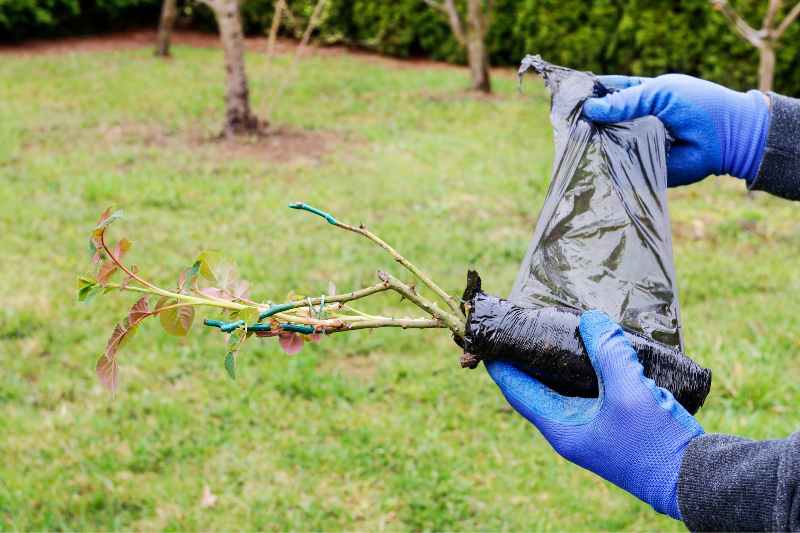
First, unpack the pot by removing the plastic that holds it in place. When you do this, you may take some substrate on your feet or even in your boots: this is perfectly normal (it happens to me every time too!) and in any case, you don’t really need it anymore. However, you can keep it to bring to the planting if your soil is very heavy.
- Choosing the location: Select a well-sunny spot with well-drained soil. Roses prefer at least six hours of direct sunlight each day.
- Inspecting the roots: First, carefully inspect the roots of your rose. Remove any damaged or rotten parts with sharp, disinfected pruning shears. Healthy roots are essential for good recovery of the plant.
- Hydration and soaking: Soak the roots of the rose in a bucket of water for a few hours to hydrate them. You can also proceed with soaking the roots. This operation involves soaking the roots in a mixture of soil, preferably clay, compost or manure, and water, all forming a thick mud. This step promotes recovery and root growth by improving contact between the roots and the soil.
- Preparing the planting hole: Dig a hole large enough to accommodate the spreading roots of the plant, generally 50 cm deep and 60 cm wide is sufficient.

- Soil amendment: Mix the removed soil with well-decomposed compost to improve the soil, providing essential nutrients to the plant.
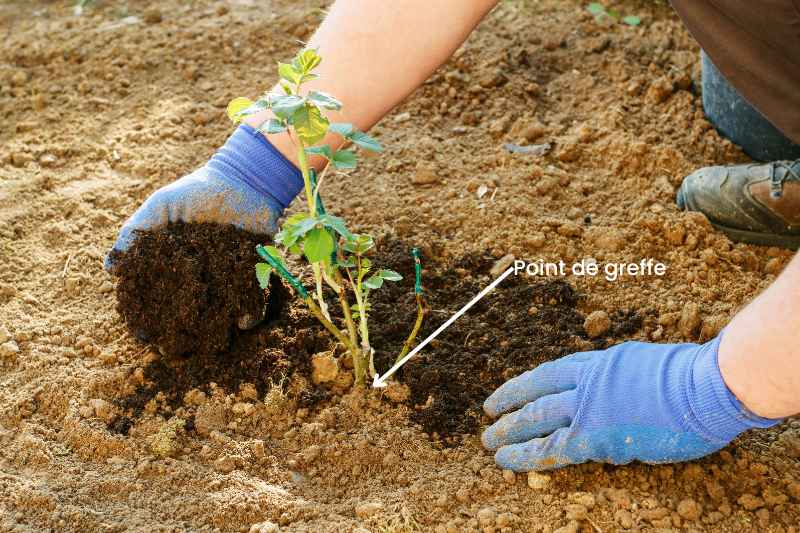
- Placing the rose: Position your rose in the middle of the hole, ensuring the roots are well spread out. The grafting point, identifiable as a swelling at the base of the stem, should be level with the soil or slightly above (see picture below).
- Backfilling and tamping: Fill the hole with the enriched soil and compost mixture, lightly tamping down by hand to eliminate air pockets.
- Watering: Water thoroughly immediately after planting to establish good contact between the roots and the soil.
- Mulching: Apply a layer of mulch such as straw or wood chips to retain moisture and limit weed growth.
- Post-planting care: Keep the soil moist but not waterlogged during the first few weeks, and consider applying a rose-specific fertiliser when the first signs of growth appear.
Roses have always been the undisputed stars of gardens, symbolising both love and beauty. However, for these queens of the garden to bloom their petals splendidly, planting requires special care. One of the most common and effective methods is planting bare root roses, a technique that promises vigorous growth and abundant flowering. In this article, […]
Far from being inert, soil is home to a vast number of organisms, most of which are invisible to the naked eye. It is estimated that a single handful of soil contains between 10 and 100 million living beings. However, the pesticides sprayed on plants to combat pests and harmful insects have a significant impact on these organisms. Although it is known that they have consequences for biodiversity and human health, between 55,000 and 70,000 tonnes of synthetic pesticides are still used each year in France.
Pesticides encompass all plant protection products used to protect plants and combat harmful organisms to crops: insecticides (against insects), fungicides (against fungi), acaricides (against mites), herbicides (against "weeds"). They are most often sprayed on plants, and some of them reach the soil directly. Those that settle on the foliage can be leached away with watering or rain, or end up in the soil when the leaves fall and decompose. Pesticides can also coat seeds. Finally, some pesticides are integrated directly into the soil in granule form. However, they contaminate the soil and have a long-term impact.

Soil fauna plays a key role in soil fertility and plant health
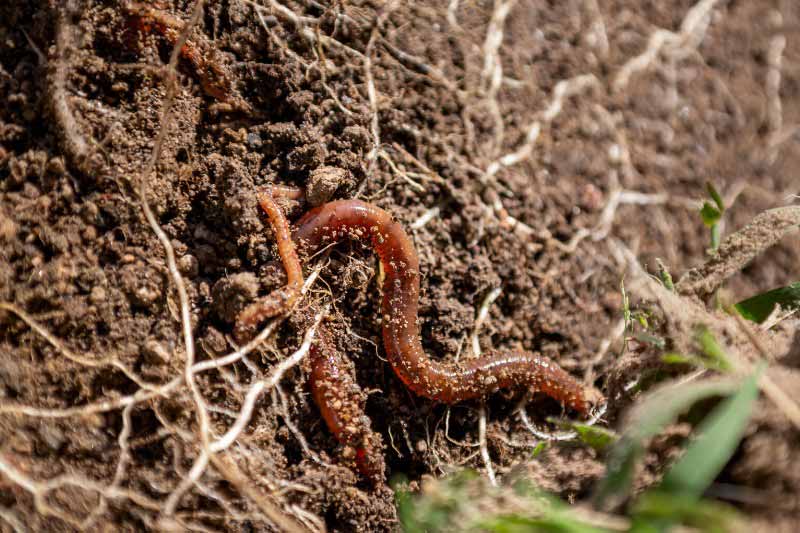
The soil contains many organisms: the most visible among them are earthworms and insects. Earthworms play a crucial role in the structure and fertility of the soil. They aerate it by burrowing tunnels, which facilitates plant rooting, allows their roots to breathe better, combats erosion, and improves water infiltration. Additionally, they decompose organic matter, transforming it into essential nutrients for plants. Generally, there are between 50 and 400 earthworms per m². Soil insects also help aerate the soil and increase its porosity. A decrease in their population can lead to soil compaction, making plant cultivation more difficult.
Many living organisms are invisible to the naked eye: these include microorganisms such as bacteria, fungi, and nematodes… They represent 75 to 90% of the standing crop of the soil. They enable the mineralisation of organic matter: this makes mineral elements (nitrogen, phosphorus, sulphur, potassium, magnesium…) assimilable for plants. They produce organic molecules that enhance soil cohesion. Some bacteria allow for the storage of atmospheric nitrogen. These organisms play a key role in ensuring soil fertility. They facilitate the degradation of organic matter… They also aerate the soil, allowing for better water infiltration. All these organisms help keep plants healthy.
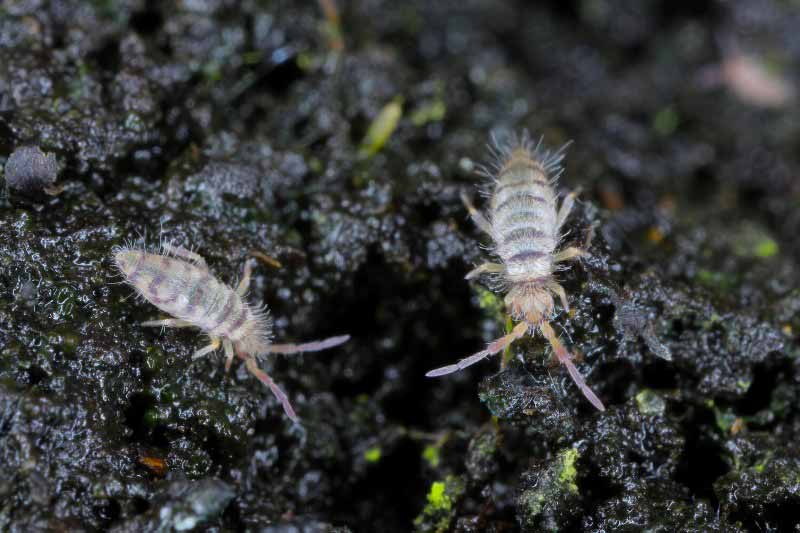
By consuming plant debris (dead leaves, roots, etc.), insects and soil microorganisms decompose organic matter, which literally helps create soil, particularly humus. The more alive the soil is, the more fertile and nourishing it will be for plants. Without them, organic matter would accumulate. These organisms that feed on organic matter are called detritivores. This includes particularly worms, mites, and springtails…
The impact of pesticides on soil life
Soil microorganisms, such as bacteria and fungi, are the first to be affected by pesticides. These small creatures play an essential role in the decomposition of organic matter, nitrogen fixation, and soil formation. When pesticides are applied, they can disrupt the delicate balance of these organisms, thereby reducing their number and diversity.
As for earthworms, it is insecticides and fungicides that have the most impact on them. They are responsible for the decline in earthworm populations.
Many pesticides, even those intended to target specific pests, can negatively impact non-target insects. Many insects spend the early part of their lives underground, in the form of eggs or larvae (notably dipterans, such as flies, hoverflies, and gnats…) and are therefore directly affected when soils are contaminated.
Moreover, the presence of different pesticides in the soil creates a cocktail effect: the combined effect of the active substances in these products can either cancel each other out or, conversely, be exacerbated, with a multiplied impact. Thus, the presence of several molecules together creates unpredictable effects.
Pesticides contaminate the food chain, as many animals feed on insects and earthworms, including birds, but also small mammals like hedgehogs, etc.
In France, almost all soils are contaminated by pesticide residues (mainly fungicides and herbicides). A study by INRAE covering 47 French sites studied between 2019 and 2021 showed that 98% of them contain at least one substance. In total, 67 different molecules were found, with glyphosate being among the most frequently detected. These molecules harm soil organisms in more than 70% of the 2,800 experiments conducted. Glyphosate-based herbicides, for example, are harmful to bacteria and mycorrhizae, reduce earthworm reproduction, and force springtails to surface, making them vulnerable to predators.
How to maintain a living soil?
To maintain a living soil, you will have understood, it is important to avoid using pesticides. Instead, turn to more ecological alternatives: beneficial insects, pheromone traps to capture certain harmful insects and prevent them from reproducing, mulching or manual weeding against adventive plants… Encourage significant biodiversity in your garden by installing insect hotels, nesting boxes, hedgehog shelters, etc. We also advise adding organic matter to nourish these insects and microorganisms, and avoiding turning the soil (simply aerate it with a broadfork). Similarly, it is important to mulch to avoid leaving the soil bare: this protects it from direct sunlight and rain (erosion).
Far from being inert, soil is home to a vast number of organisms, most of which are invisible to the naked eye. It is estimated that a single handful of soil contains between 10 and 100 million living beings. However, the pesticides sprayed on plants to combat pests and harmful insects have a significant impact […]
Celosia, this quirky summer plant with vibrant colours, features flame-shaped inflorescences that are almost surreal. With its feathery or crested flowers, it feels like a plant from another era, often enlivening window boxes and flower beds with its bright hues. Used in floral art for its originality, the eccentric Celosia is also edible. This lesser-known culinary tradition could spark renewed interest in this plant among those who appreciate plant-based cooking.

Celosia, an exotic eccentric
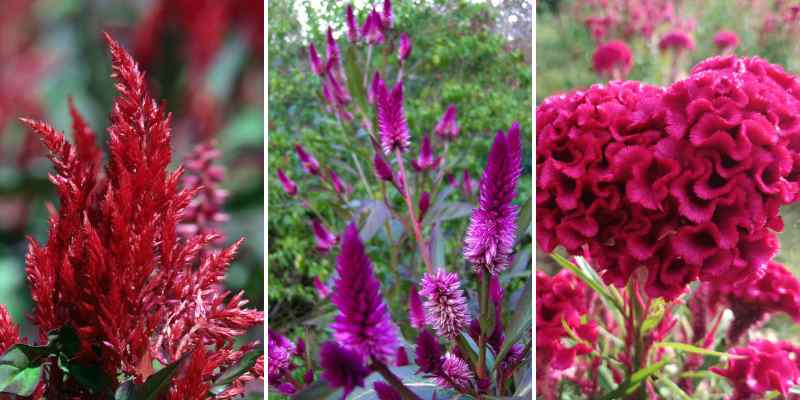
Cock's comb, known by its Latin name Celosia, belongs to the Amaranthaceae family. Its name derives from the Greek 'kêleos', meaning "burning", in reference to its shimmering colours. Native to tropical regions of Africa, Southeast Asia, and Central America where it grows as a perennial, it has naturalised in all warm regions of the globe. It is cultivated here as an annual (except in zone 10, which includes the Mediterranean fringe), often used to create borders in warm colours. The flowers, either upright or pendulous, indeed take on very vivid shades, ranging from yellow and orange to fuchsia pink and crimson red. It blooms for a long time: all summer until the frosts. There are about 60 species worldwide, with the most common being Celosia argentea or silver celosia, along with its many variations, Celosia argentea 'Cristata' and Celosia argentea 'Spicata' or 'Plumosa'. Some, in pink, have a resemblance to Astilbe, but… they thrive in the sun!
Reaching up to 2 m in the tropics, silver celosia (Celosia argentea) is much more modest in the northern hemisphere, where it measures between 20 and 60 cm for the tallest varieties.
While the flowers, striking for their colours, capture attention, it is undoubtedly the extravagance of their feathery or velvety and undulating texture that surprises. This has earned it the widely used nickname of velvet flower or cockscomb. A true comfort plant!
In terms of cultivation, they prefer well-drained, rich soil, but ordinary soil is also suitable, along with sunny exposure and regular watering. The soil should remain moist, so a thick mulch is more than necessary during the height of summer.
Celosia as a vegetable plant
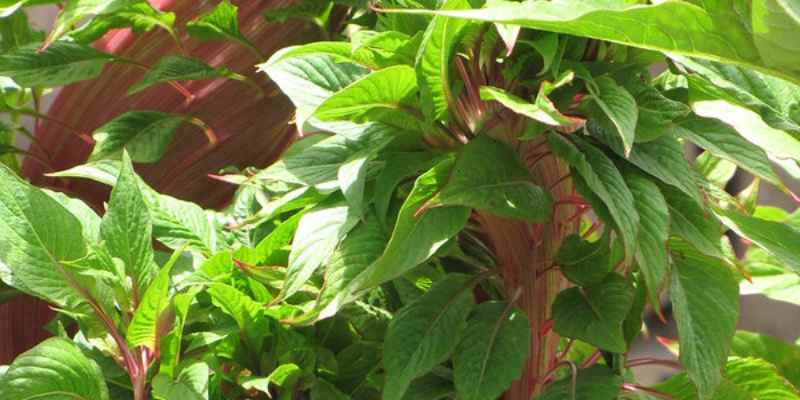
What is less known is that this plant has been cultivated for a long time in the tropics for its leaves. These are indeed edible, and in Africa (especially in Senegal, Nigeria, and Cameroon), India, and China, the Celosia argentea var. argentea is considered a common leafy vegetable, alongside chard, spinach, or sorrel in our cuisine. It is also known in English as Lagos spinach, named after the city of Lagos in Nigeria where it is popular.
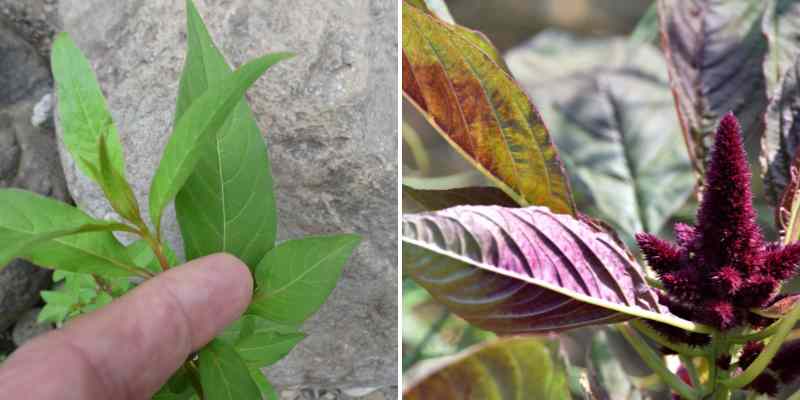
Silver celosia belongs to the same family as amaranths, whose leaves are also edible (though those of amaranth are slightly more bitter).
It is primarily the young shoots that are cooked. The leaves are harvested before flowering, as they are more flavourful and tender than when the Celosia is in bloom. The taste varies by species, ranging from mild to slightly spicy. Silver celosia has a less harsh and earthy flavour than spinach.
The leaves of silver celosia are rich in calcium and iron (almost 10 times more than regular spinach), as well as vitamins A and C. However, be sure to correctly identify your plant and only use Celosia argentea for consumption.
Cooking with Celosia
The tender leaves will primarily be used in cooking, by cooking them and incorporating them into various dishes.
They are consumed like spinach. Generally, they are sautéed in butter, just as one would do with a batch of spinach. However, it is essential to always blanch them beforehand to remove the oxalic acid they contain.
Celosia leaves can be sautéed with other vegetables and spices, especially incorporated into Indian vegetable dal, with lentils or chickpeas.
Also, try adding them, chopped, to green soups, or using them as a topping on pizza at the end of cooking, or as an aromatic herb in tacos, or simply chopped into a potato salad.
Silver celosia (Celosia argentea var. argentea) produces very small seeds that are used as grains or pseudo-grains (similar to amaranth seeds). In India, they are often cooked in water or ground into flour, recognised for their high nutritional value.
Celosia: a health asset
In addition to its vitamin and mineral content, celosia is known for its anti-diarrhoeal and haemostatic properties. It also has antioxidant properties. In Ayurvedic medicine, it is used to treat headaches, diarrhoea, and skin rashes.
Learn more in the study published in 2018 in the Research Journal of Pharmacology and Pharmacodynamics.
Celosia, this quirky summer plant with vibrant colours, features flame-shaped inflorescences that are almost surreal. With its feathery or crested flowers, it feels like a plant from another era, often enlivening window boxes and flower beds with its bright hues. Used in floral art for its originality, the eccentric Celosia is also edible. This lesser-known […]
Ah, gardening! This sweet art of patience, precision, and skill. But wait a minute, who said everyone wanted a garden worthy of a decor magazine? If you've always dreamed of transforming your green space into a wild jungle or an arid desert, then you're in the right place. Yes, you read that right, we're going to teach you how to fail at planting shrubs!
From poor species selection to random watering, you'll discover how to ensure your shrubs won't survive beyond their first season, and perhaps not even beyond the first week! So, without further ado, here's your ultimate guide to failing at shrub planting in 5 unforgettable lessons.
Lesson 1: plant anything!
You might think that any shrub will do, but think again! If you really want to fail at your planting, you need to choose the least suitable species or varieties for your garden. Moderately hardy exotic species (or not at all, for that matter!) are often ill-suited to the local climate, ensuring a resounding failure.
But soil is important too! Choose shrubs that hate your type of soil. If your soil is acidic, go for shrubs that prefer alkaline soil, and vice versa. The result? Shrubs struggling to survive and ultimately perishing in no time.
To ensure you plant without success, try our Plantfit app.
If you really want your garden to resemble an uncontrollable jungle, opt for fast-growing shrubs. Not only will they smother other plants, but they will quickly become unmanageable. A double failure! In the same vein, choose species that will grow far too large for your small garden.
Finally, the last tip for truly failing at your choice of shrubs is simple: don't ask anyone for advice. Ignore nursery staff, gardening advice articles, and even that uncle who always had a green thumb. After all, failure is a solitary path.
Lesson 2: Plant anytime!
Who needs to wait for spring or autumn to plant shrubs? Not you! Gather your courage and go out and plant in the middle of winter. The frozen ground will add an extra challenge to your shrubs' growth, which is perfect for guaranteed failure. But if the freezing cold doesn't appeal to you, why not choose the extreme opposite? Plant your shrubs in the height of summer, under a blazing sun. High temperatures and lack of water will ensure your plants suffer from water stress, leading them straight to disaster.
Is a storm forecast for tomorrow? Perfect, it's the ideal time to plant! Excess water combined with poor soil preparation (see Lesson 3) will turn your garden into a swamp.
Finally, why plan when you can do everything at the last minute? Buy your shrubs on the same day and plant them without a second thought. Or better yet, wait weeks before finally planting your bare-root shrubs carelessly stored at the back of a garage. Lack of preparation is always a great recipe for disaster.
Autumn or spring? To choose the best time, you can refer to these two advice sheets: What to plant in spring? & What to plant in autumn? as well as The best planting times.

Lesson 3: plant any old way!
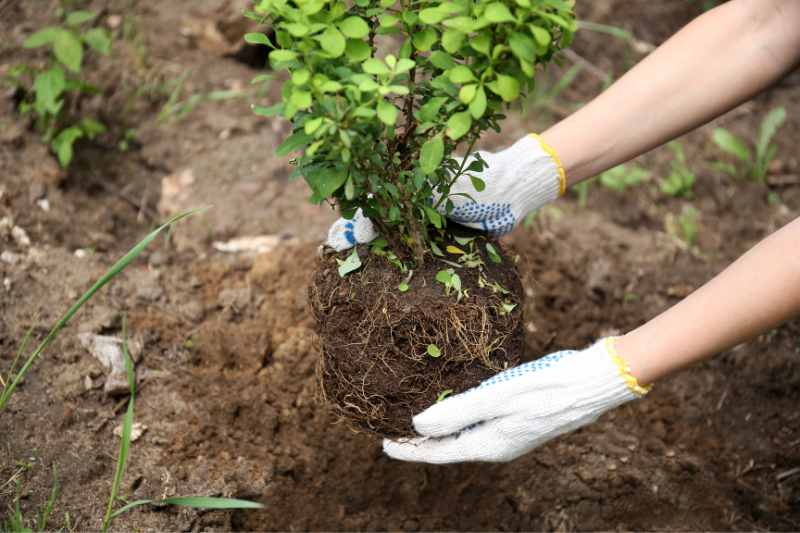
If you've followed the first two lessons, you already know that haste is your best friend. So, don't waste time preparing the soil. Dig a hole in a hurry, toss in your shrub and hope for the worst!
Forget about soil drainage! Poor drainage guarantees your shrubs will have "wet feet", especially in winter, which is excellent for encouraging diseases and root rot.
Also ignore the soil pH: acidic, alkaline, neutral... all that is for gardeners who want to succeed. If you disregard your soil's pH, you'll have every chance of choosing totally unsuitable shrubs, which is perfect for a memorable failure.
Chemistry classes may be a distant memory. To learn more about the subject, read: Soil pH: what is it?
Your soil is poor, compact, low in humus...? Don't try to fix the situation by adding organic matter, manure, compost, or dried blood... Your shrubs will struggle to obtain the nutrients they need, making them weak and sick. Well done!
Take a quick look at Soil fertility: rich or poor, how to tell?
Have you managed to choose the wrong shrubs, ignore the planting calendar, and neglect soil preparation? Bravo! But don't rest on your laurels, as there are still ways to sabotage your gardening project. One of the most effective is to plant the roots upside down. Yes, you read that right! Take your shrub and plant it headfirst into the soil. Guaranteed results. (Note: don't laugh, we've had this exact case with a customer who had bare-root roses...).
To add an extra layer of failure, use the wrong tools to plant your shrubs. A small spoon or a beach shovel will do just fine. The more unsuitable, the better!
Lesson 4: forget about watering!
You've already done a great job sabotaging the previous steps of planting your shrubs. But why stop there? Watering is another golden opportunity to guarantee the failure of your gardening project.
One day, turn your garden into a swamp, and the next, let it become an arid desert. Your shrubs won't know what to expect and will suffer from water stress. Or simply forget to water your young shrubs for several days, even weeks. When you remember, it will probably be too late, and you can add this failure to your list of gardening mishaps.
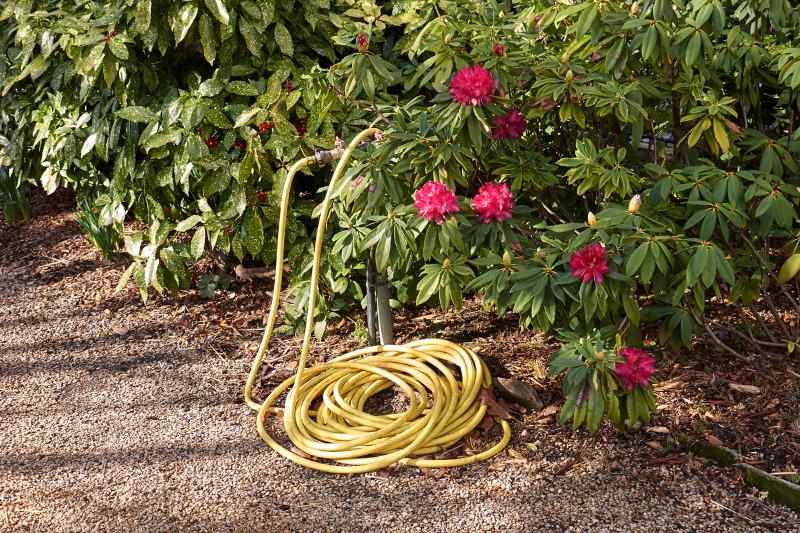
Oh yes, and forget about the watering can or a suitable irrigation system; a high-pressure hose is much more fun!
Watering isn't that simple. Jean-Christophe tells you everything about the art of watering in his article: Watering the garden: How to do it?
Lesson 5: ignore maintenance!
Congratulations, you've almost succeeded in completely failing at planting your shrubs! But don't celebrate too soon. There's one last step to seal the fate of your garden: thoroughly ignore the maintenance of your plants. Even if most shrubs, if well chosen, will grow without much care, never tending to them, pruning them, pampering them, or even looking at them will always add a little extra to the overall failure of your garden. After all, maintenance is for the weak, and you are a hardcore gardener.
Lastly, if someone asks you why your shrubs aren't growing properly (what business is it of theirs!), deny all responsibility. Stay in total denial! Blame the weather, the birds, the nursery staff who sold you the plants, or even the moon. After all, it's not your fault if nothing grows in your garden...
Ah, gardening! This sweet art of patience, precision, and skill. But wait a minute, who said everyone wanted a garden worthy of a decor magazine? If you’ve always dreamed of transforming your green space into a wild jungle or an arid desert, then you’re in the right place. Yes, you read that right, we’re going […]