Eucalyptus is valued for its decorative, evergreen foliage, often bluish, rapid growth and exotic appearance. This Australian native tree can be propagated to produce new specimens without having to buy them. Two methods are mainly used: sowing, which is generally the simplest and most reliable technique, and propagation by cuttings, which can be attempted on some species but requires more care and patience. Find out how to propagate Eucalyptus step by step, when to intervene and best practices to encourage rooting and obtain vigorous young plants.
How to propagate Eucalyptus from seed?
Sowing is the most accessible method for propagating Eucalyptus. It allows producing numerous young plants from a few seeds. Bear in mind that young Eucalyptus need warmth, light and a well-drained substrate to get off to a good start.
When to sow Eucalyptus seeds?
The best time to sow Eucalyptus seeds is generally late winter or spring, between February and April depending on growing conditions. In regions with cold winters, it is preferable to start sowing indoors, under cover or in a heated greenhouse. Germination is favoured by a temperature of around 18–22 °C. Good light is also essential after germination to prevent seedlings becoming leggy.
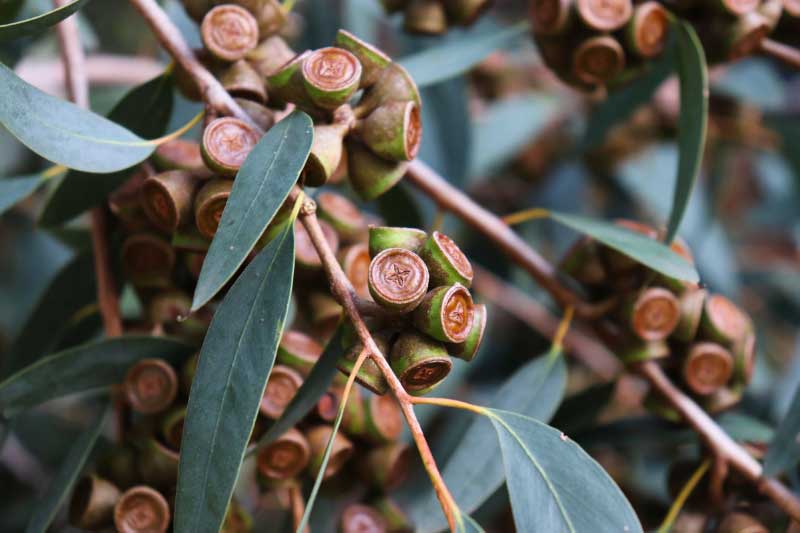
Materials required
To propagate Eucalyptus from seed, prepare:
- Eucalyptus seeds;
- a seed tray, a propagation tray or small pots;
- a seed compost, light and well-draining;
- optionally some coarse sand or perlite;
- a spray bottle;
- a mini-greenhouse or a transparent lid;
- plant labels to note variety and sowing date.
How to sow Eucalyptus?
- Start by filling pots with a fine, light and well-draining substrate.
- Press the surface down very lightly, then moisten it with a spray bottle.
- Place Eucalyptus seeds on surface of substrate. Do not bury them deeply: a thin layer of sieved compost is enough to cover them if necessary.
- Water the substrate gently using a spray bottle.
- Place pots in a bright, warm spot.
- To maintain steady humidity, cover with a transparent lid or perforated plastic film.
Substrate should remain moist but never waterlogged. Eucalyptus tolerates excess water poorly, especially at seedling stage.
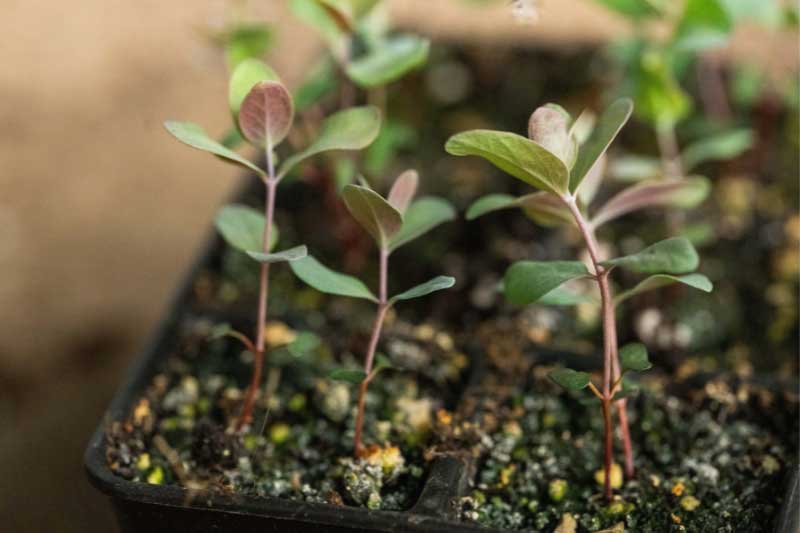
Germination may take several weeks. During this period, monitor substrate moisture regularly and ventilate from time to time to prevent mould development.
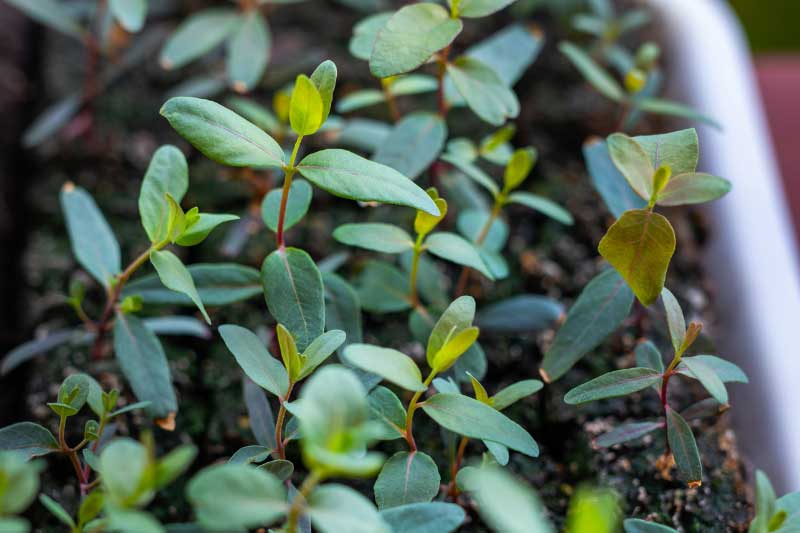
When young Eucalyptus have several leaves and are robust enough, pot on carefully into individual pots. Handle roots with care, as young plants can be sensitive to transplant shock.
Then place pots in a very bright location. Harden off young plants gradually before planting out in garden.
How to propagate Eucalyptus by propagation by cuttings?
Propagation by cuttings of Eucalyptus is possible, but generally more delicate than sowing. Not all species lend themselves equally well, and success rates are often variable. This technique is mainly used to reproduce parent-plant characteristics faithfully.
When to take cuttings from Eucalyptus?
Propagation by cuttings is preferably carried out in late spring or summer, when plant is in active growth. Choose a period with mild temperatures and sufficient light. Avoid periods of extreme heat, drought or cold. Best cuttings are usually taken from young shoots, still flexible but sufficiently developed. Prefer a healthy, vigorous parent plant.
Materials required
To take cuttings from Eucalyptus, you will need:
- a clean, sharp pruning shear;
- a pot;
- a light, very well-draining substrate;
- optionally a rooting hormone;
- a clear plastic bag or a mini-greenhouse.
Cleanliness of tools is important: always use a disinfected pruning shear to limit risk of disease transmission.
How to take cuttings from Eucalyptus?
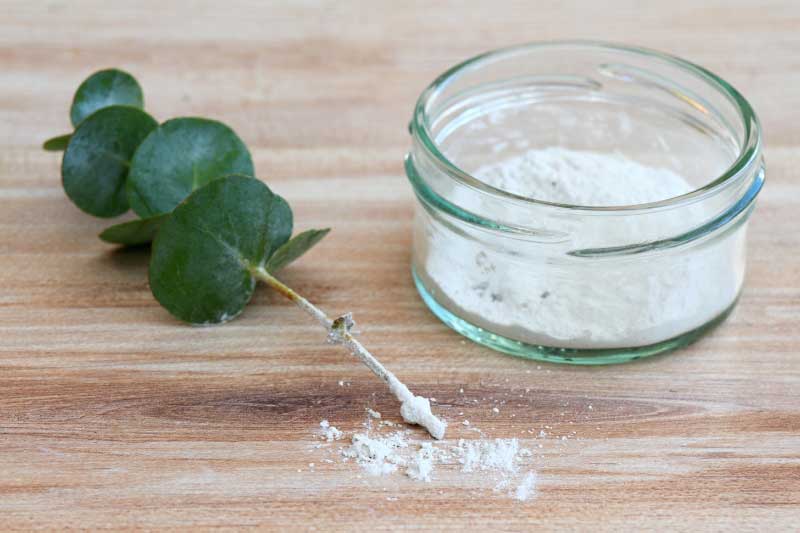
- Take a healthy stem tip about 10–15 cm long. Cut just below a node, the area where a leaf attaches to the stem.
- Remove leaves from lower half of cutting. You can also trim large remaining leaves slightly to limit water loss through transpiration.
- Optionally dip base of cutting in rooting hormone, then plant it in a light, moist and well-draining substrate.
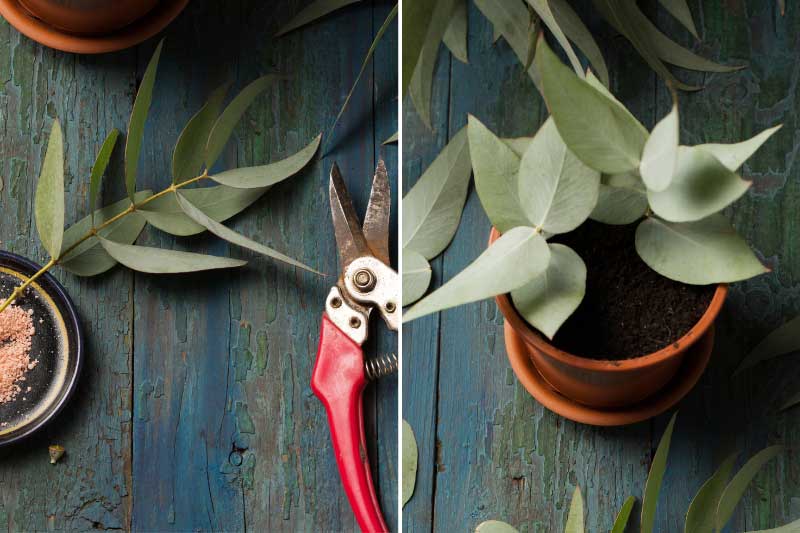
- Firm substrate gently around stem and place pot in a bright spot, sheltered from direct sun.
- To maintain a humid atmosphere, cover cutting with a clear plastic bag or place under a mini-greenhouse. Vent regularly to avoid excessive humidity and rot.
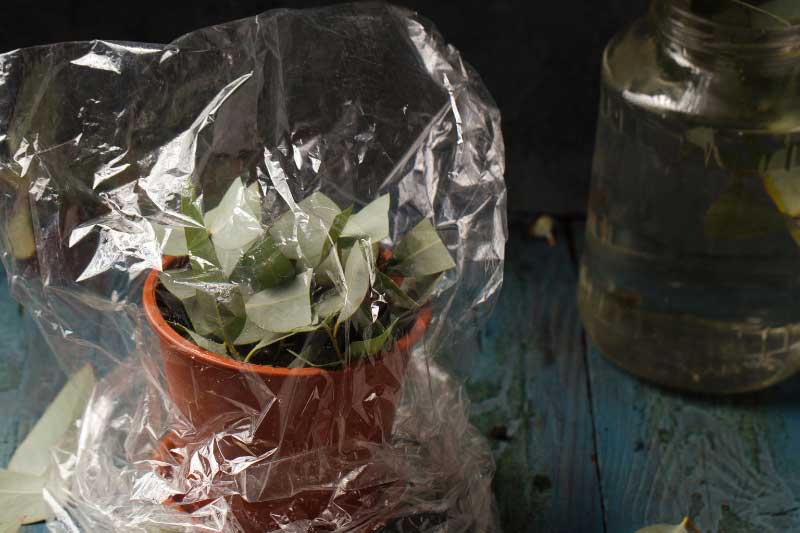
Substrate should remain slightly moist without being waterlogged. Patience is required: rooting can be slow and success rate variable depending on Eucalyptus species and cutting quality.
When cutting begins to produce new shoots, this indicates rooting has started. Wait until root system is sufficiently developed before repotting.

































Comments