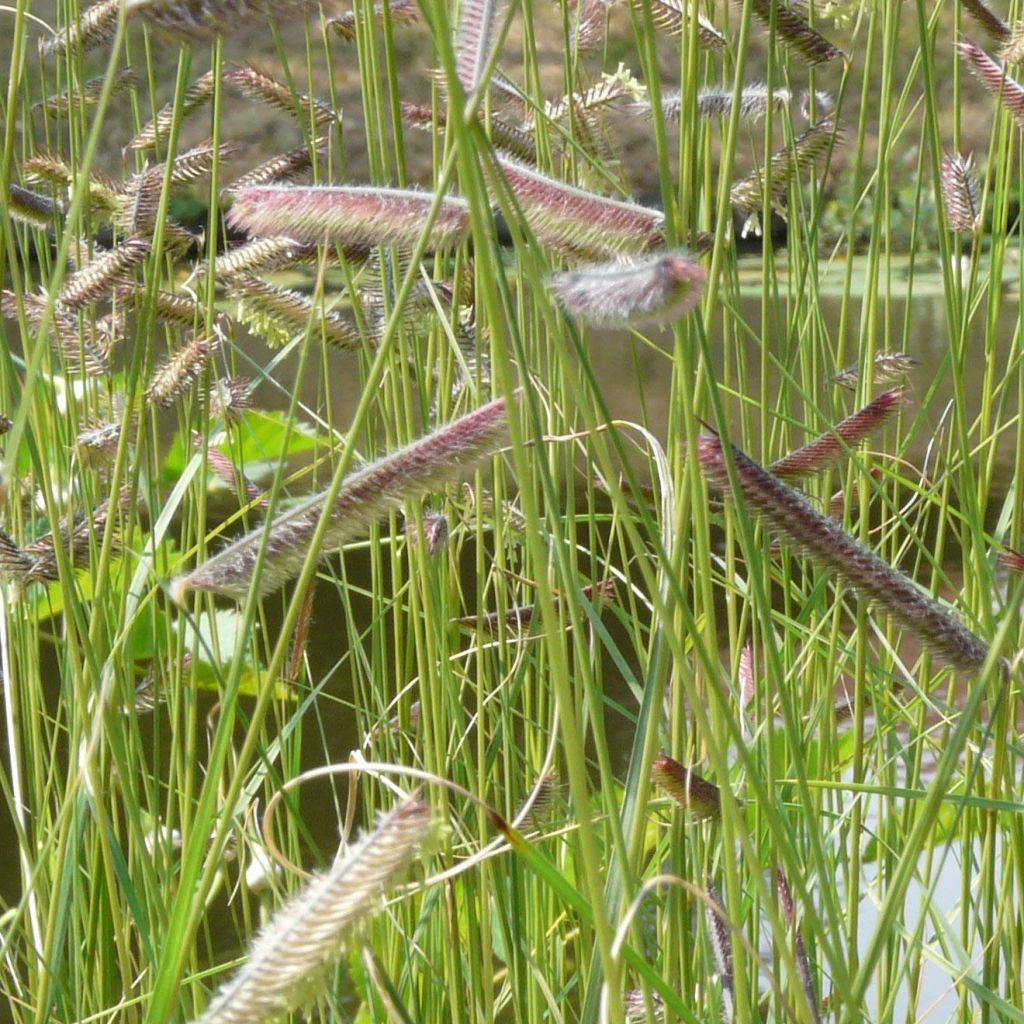
Bouteloua gracilis - Boutélou gracieux, Grama bleu
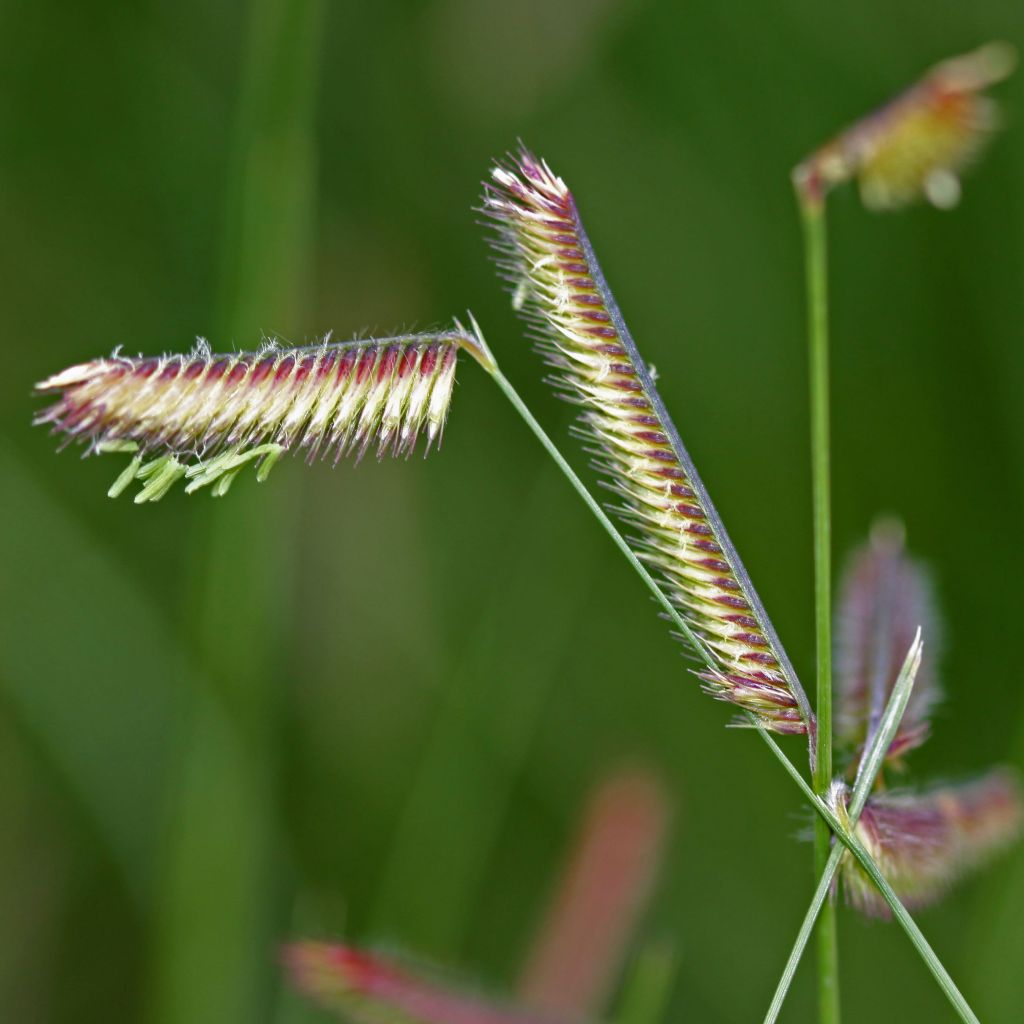
Bouteloua gracilis - Boutélou gracieux, Grama bleu
Bouteloua gracilis - Boutélou gracieux, Grama bleu
Bouteloua gracilis
Very beautiful young plants showing signs of new growth six weeks after planting. Perfect condition.
Sophie la taupe, 10/04/2024
Back-to-school special offer!
Get €10 off for every €50 you spend! And get up to €40 off on a single order.
How does it work?
1. Shop your favourites
Add your favourite plants to your basket. For every €50 you spend (excluding delivery charges, store credit and the plastic-free option), you’ll receive a €10 voucher.
€50 spent = €10 voucher
€100 spent = €20 voucher
€150 spent = €30 voucher
€200 spent = €40 voucher
2. Place your order
Once your basket reaches one of the spending thresholds, place your order. You can even choose your delivery date!
3. Receive your voucher
As soon as your order has been shipped, you’ll receive an email containing your personal voucher code and its value.
4. Use it on your next order
Your voucher is valid for 90 days from the date you receive it. It can be used once only, on a new order worth at least the value of the voucher, excluding delivery charges.
Please note: Vouchers can be combined with other offers, but cannot be split or refunded.
Home or relay delivery (depending on size and destination)
Important: You may be charged customs duties by your country’s customs authorities upon delivery.
Schedule delivery date,
and select date in basket
This plant carries a 12 months recovery warranty
More information
We guarantee the quality of our plants for a full growing cycle, and will replace at our expense any plant that fails to recover under normal climatic and planting conditions.

Would this plant suit my garden?
Set up your Plantfit profile →
Description
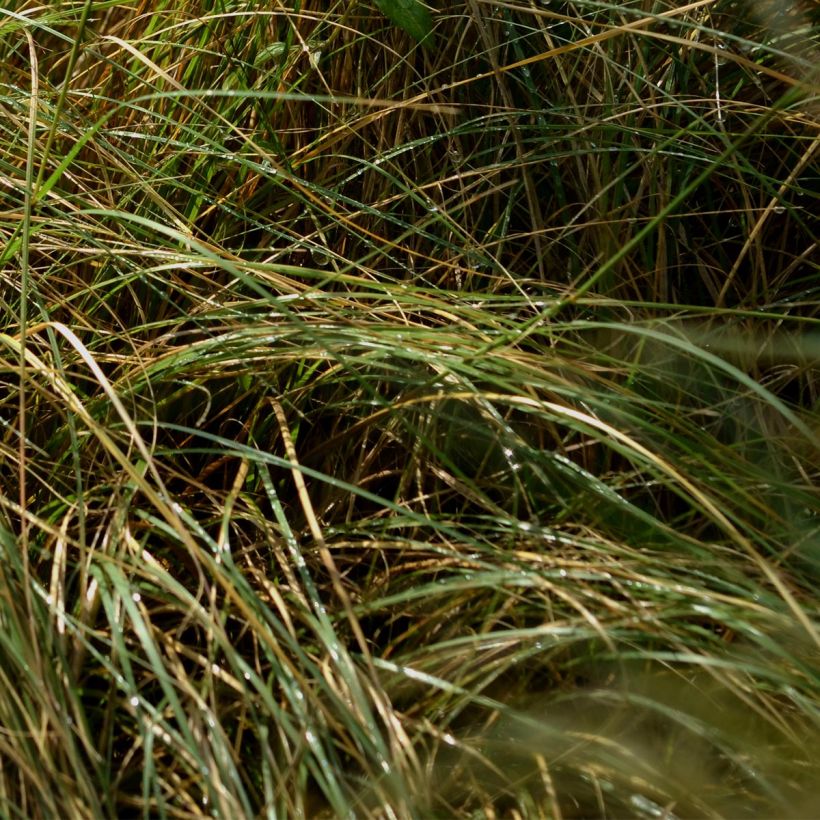
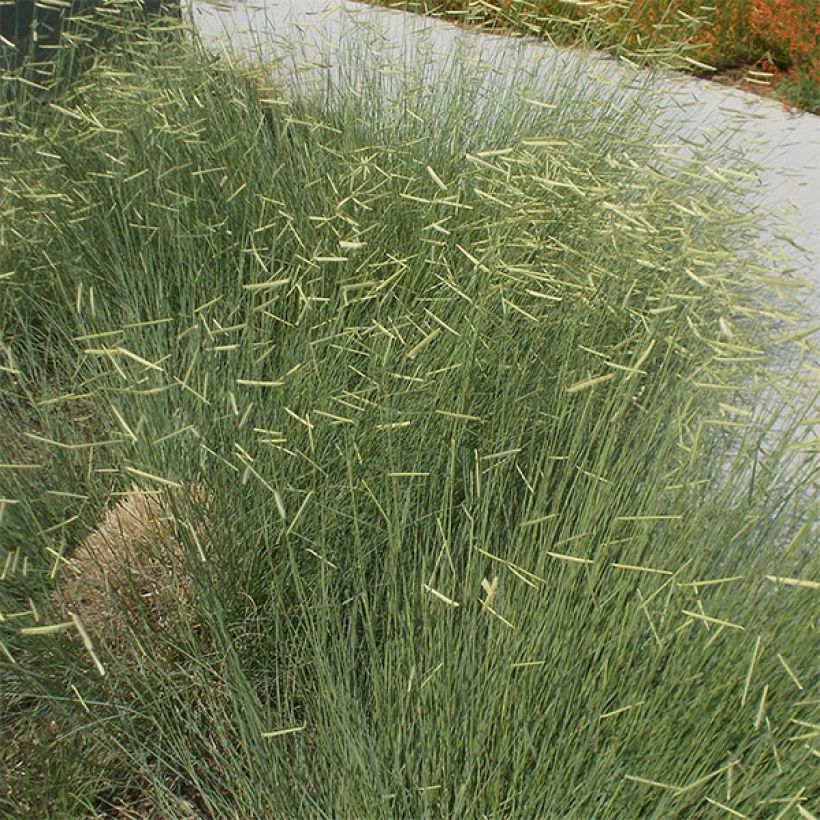
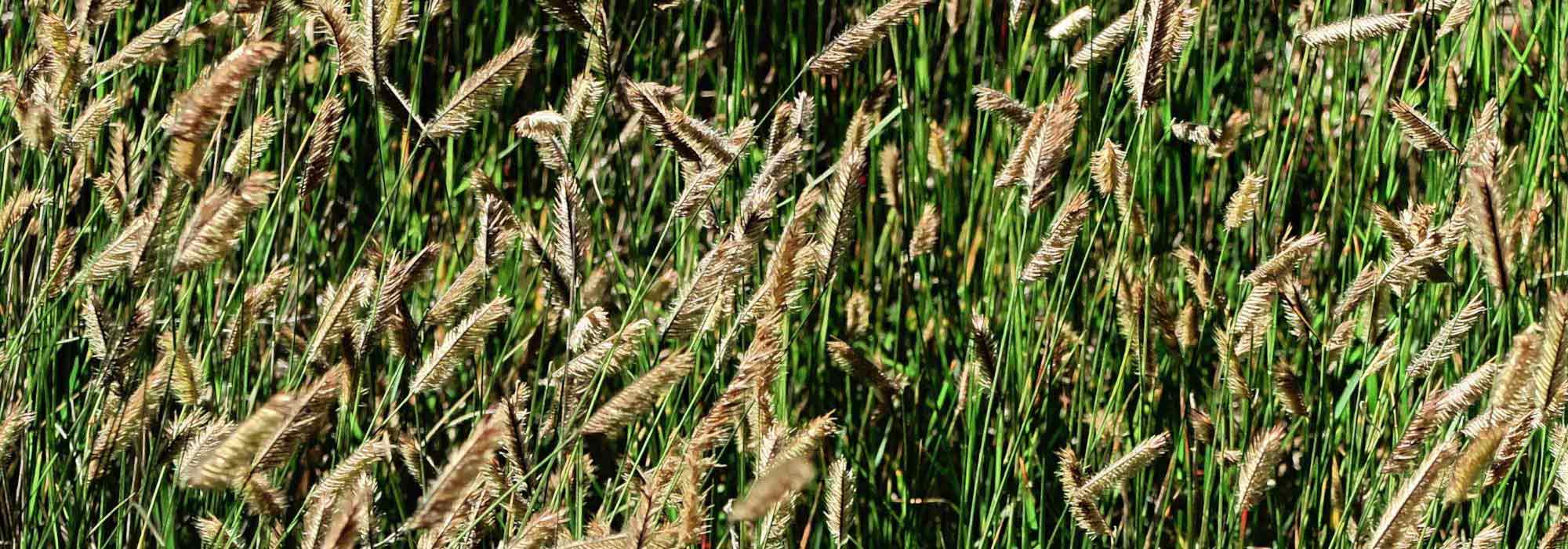
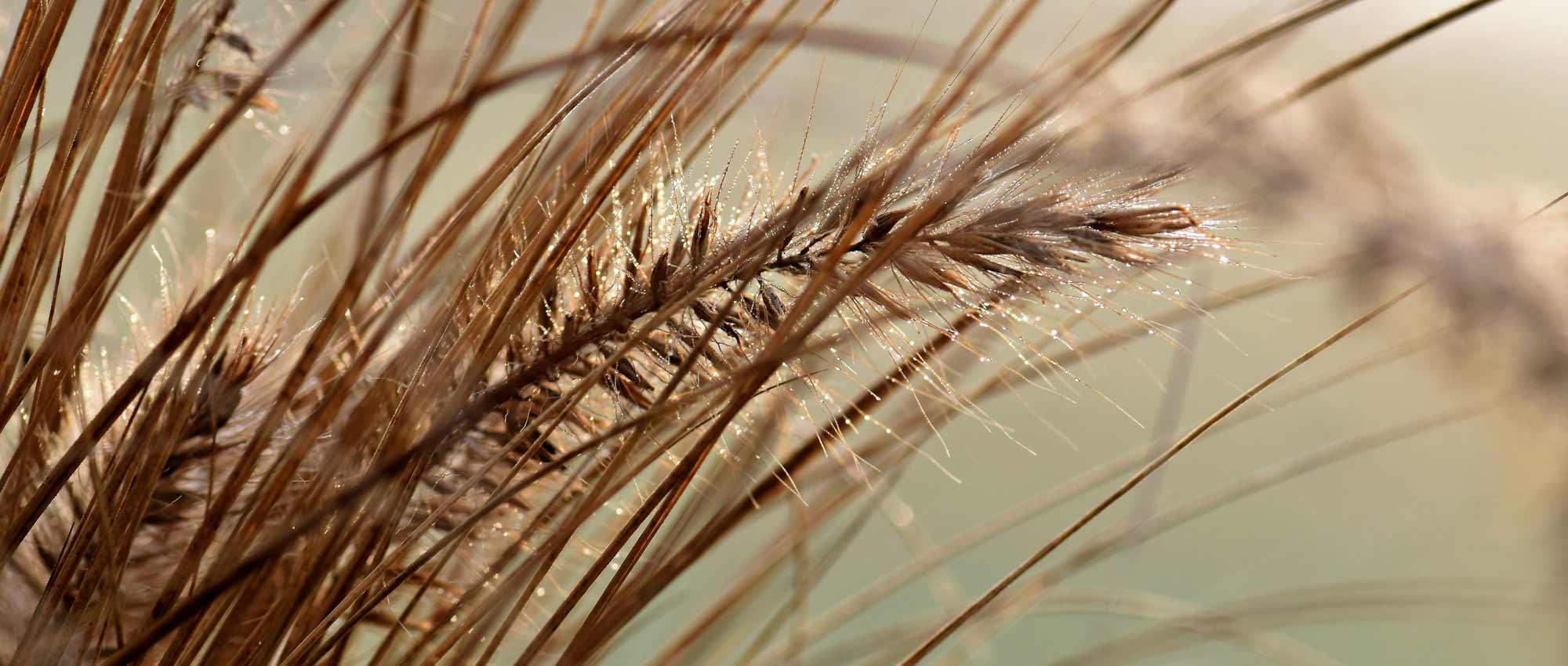
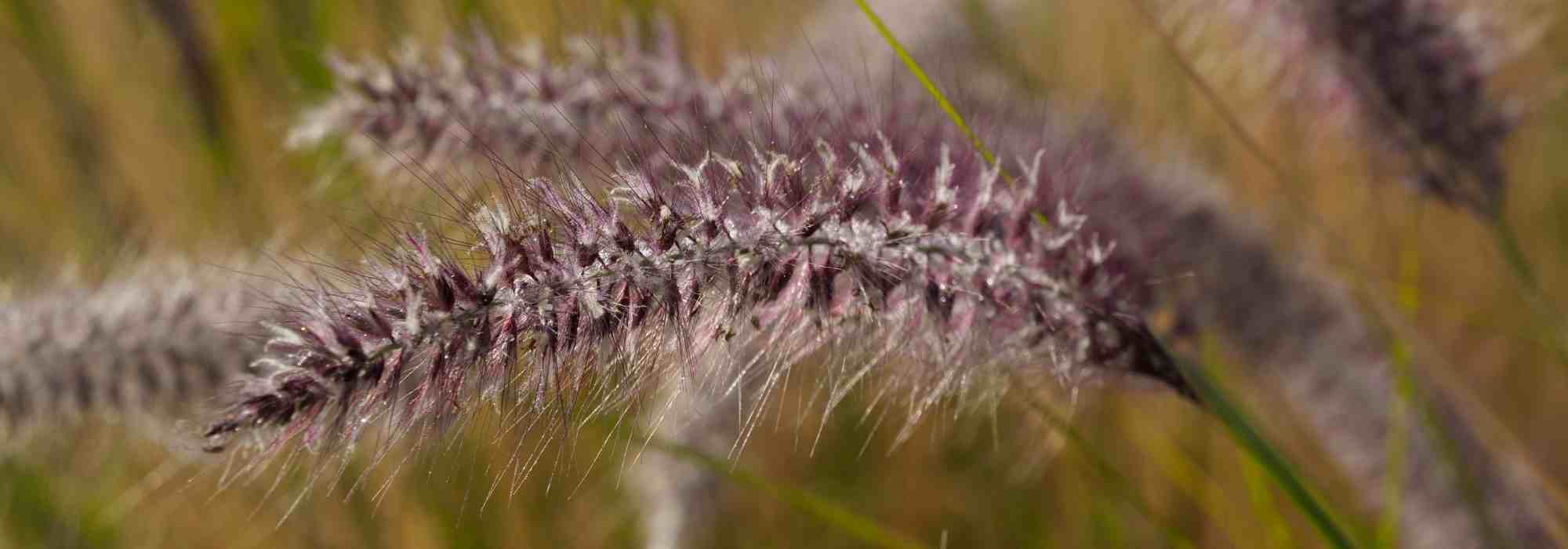
Bouteloua gracilis, the blue grama, is a small perennial grass recognisable by its astonishing horizontal, comb-like spikes. They seem to float above a low clump of fine, grey-green to bluish leaves. Initially tinted green and purple, they turn brown as they dry and remain decorative in autumn. This botanical species tolerates dry summers, cold and poor soils. Its compact habit makes it suitable for a rock garden, a gravel border or a small, lightly watered meadow.
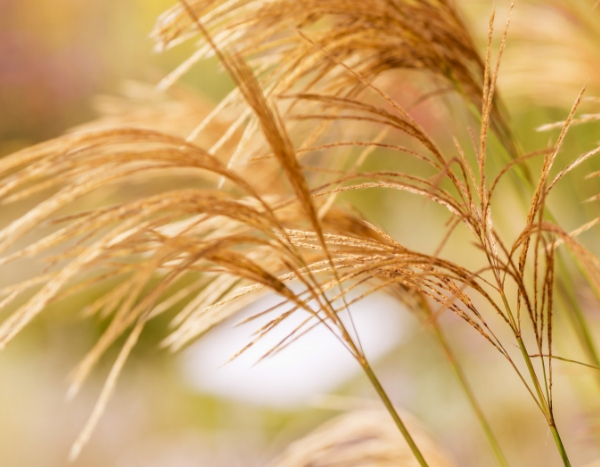
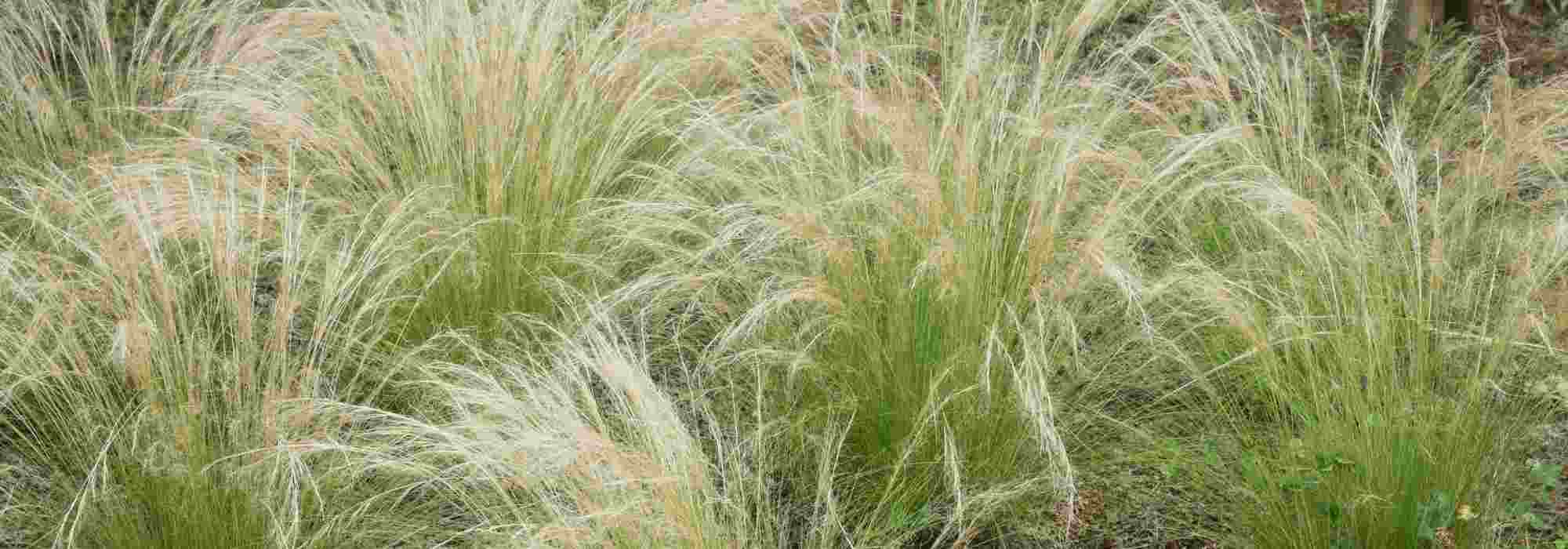
Bouteloua gracilis belongs to the Poaceae family. It is a warm-season grass: its growth starts fairly late in spring, once the soil has warmed up, then accelerates during summer. Its above-ground parts dry out in autumn and its rootstock remains dormant through winter. The species is native to a large part of North America, from the western and central provinces of Canada down to Mexico. It dominates certain short-grass prairies of the Great Plains and also grows on rocky hillsides, sandy soils, dry clearings and plateaus subject to wide temperature fluctuations. Blue grama forms a dense clump 30 cm wide, from short scaly rootstocks. In a dry garden, the clump spreads slowly. In cooler conditions or with regular watering, it may eventually form a dense carpet. Its fibrous, highly branched root system enables it to make rapid use of any rainfall and endure long periods without water. The foliage reaches 20 to 30 cm in height. It consists of narrow, somewhat stiff leaves, ranging in colour from light green to blue-green. In autumn, they take on golden tones, sometimes mixed with orange or reddish brown, before drying to a straw-beige colour. From August to October, slender stems bear one to three spikes 4 to 6 cm long. Each spike holds its flowers on one side of its axis only, giving it the appearance of a small brush set horizontally. The spikes are green when they first appear, then take on purplish pink and brown tints. Their unusual shape is the origin of the English name "mosquito grass": seen from a distance, they resemble small hovering insects. The inflorescences can be cut and dried for cut flower arrangements. Very hardy, this grass tolerates temperatures close to -25 °C in well-drained soil. It grows in sand, gravel, chalky soils and even clay, provided water drains away quickly. Persistent winter damp is more harmful to it than cold. It can self-seed in gravel or on bare soil.
You can plant Bouteloua gracilis in small groups in a sunny rock garden, on a dry bank, along a gravel path or in a low meadow. This grass pairs well with Asclepias tuberosa, with its orange flowers, Aster 'October Skies', a deep blue, and Artemisia alba 'Canescens', with its silver foliage. All these plants enjoy full sun and poor soils that dry out in summer. Planted in quantity and mown occasionally, blue grama can also form a hardy lawn in lightly trafficked parts of the garden, but it starts into growth late in spring and dries out in winter.
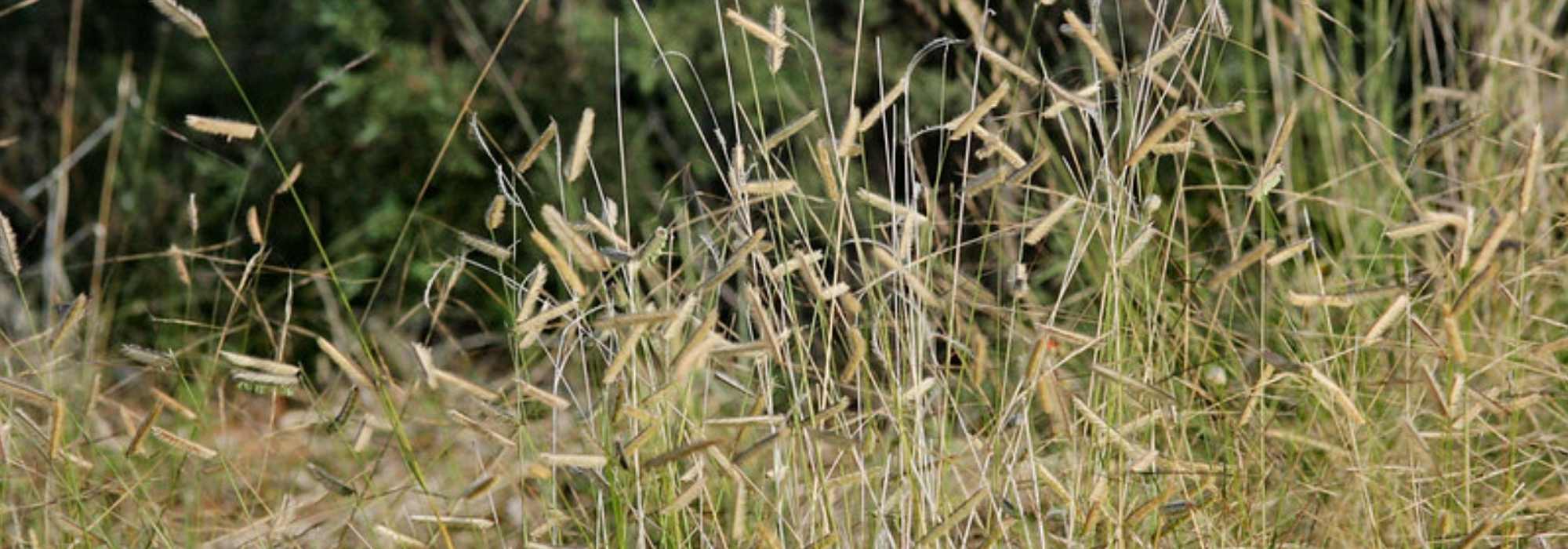
Bouteloua gracilis - Boutélou gracieux, Grama bleu in pictures
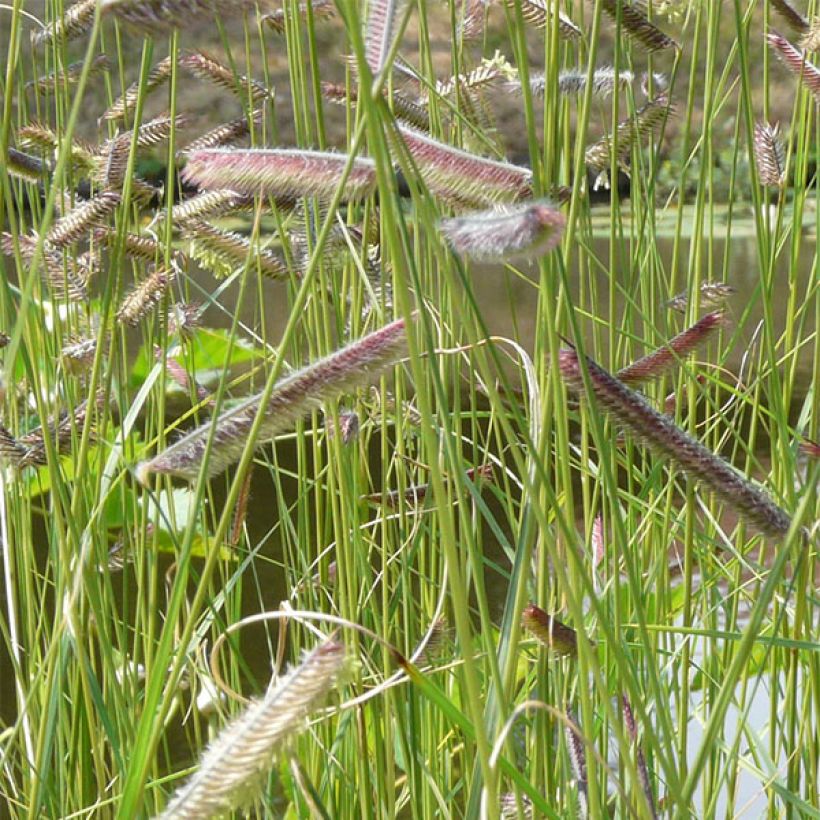
Flowering
Foliage
Plant habit
Botanical data
Bouteloua
gracilis
Poaceae
Chondrosum gracile, Bouteloua oligostachya
North America
Planting and care
Blue grama is best planted from March to May, when the soil begins to warm up. Planting in September or October is possible in regions with mild, relatively dry winters. Choose an open, full-sun location. The plant tolerates sandy, stony, lime-bearing or clay soils, but water must not stagnate around its stump. In heavy soil, plant it on a slope or a small mound and incorporate gravel to improve water drainage. Water after planting, then regularly but not excessively during the first summer. Once established, this grass only needs water in cases of exceptionally long drought. Adding compost or fertiliser reduces its longevity. Division is carried out in spring, at the start of new growth. Spontaneous seedlings are easily removed if they become too numerous.
Planting period
Intended location
Care
Planting & care advice


-
, onOrder confirmed
Reply from on Promesse de fleurs
Recently viewed products
Haven't found what you were looking for?
Hardiness is the lowest winter temperature a plant can endure without suffering serious damage or even dying. However, hardiness is affected by location (a sheltered area, such as a patio), protection (winter cover) and soil type (hardiness is improved by well-drained soil).

The flowering period indicated on our website applies to countries and regions located in USDA zone 8 (France, the United Kingdom, Ireland, the Netherlands, etc.)
It will vary according to where you live:- In zones 9 to 10 (Italy, Spain, Greece, etc.), flowering will occur about 2 to 4 weeks earlier.
- In zones 6 to 7 (Germany, Poland, Slovenia, and lower mountainous regions), flowering will be delayed by 2 to 3 weeks.
- In zone 5 (Central Europe, Scandinavia), blooming will be delayed by 3 to 5 weeks.
In temperate climates, pruning of spring-flowering shrubs (forsythia, spireas, etc.) should be done just after flowering.
Pruning of summer-flowering shrubs (Indian Lilac, Perovskia, etc.) can be done in winter or spring.
In cold regions as well as with frost-sensitive plants, avoid pruning too early when severe frosts may still occur.
The planting period indicated on our website applies to countries and regions located in USDA zone 8 (France, United Kingdom, Ireland, Netherlands).
It will vary according to where you live:
- In Mediterranean zones (Marseille, Madrid, Milan, etc.), autumn and winter are the best planting periods.
- In continental zones (Strasbourg, Munich, Vienna, etc.), delay planting by 2 to 3 weeks in spring and bring it forward by 2 to 4 weeks in autumn.
- In mountainous regions (the Alps, Pyrenees, Carpathians, etc.), it is best to plant in late spring (May-June) or late summer (August-September).
The harvesting period indicated on our website applies to countries and regions in USDA zone 8 (France, England, Ireland, the Netherlands).
In colder areas (Scandinavia, Poland, Austria...) fruit and vegetable harvests are likely to be delayed by 3-4 weeks.
In warmer areas (Italy, Spain, Greece, etc.), harvesting will probably take place earlier, depending on weather conditions.
The sowing periods indicated on our website apply to countries and regions within USDA Zone 8 (France, UK, Ireland, Netherlands).
In colder areas (Scandinavia, Poland, Austria...), delay any outdoor sowing by 3-4 weeks, or sow under glass.
In warmer climes (Italy, Spain, Greece, etc.), bring outdoor sowing forward by a few weeks.
Shipping country and language
Your country of residence may be:
Your country of residence is:
For a better user experience on our website, you can select:
Your shipping country:
-
 Austria
-
 Belgium
-
 Bosnia & Herzegovina
-
 Bulgaria
-
 Croatia
-
 Cyprus
-
 Czechia
-
 Denmark
-
 Estonia
-
 Finland
-
 France
-
 Germany
-
 Greece
-
 Hungary
-
 Iceland
-
 Ireland
-
 Italy
Italy
-
 Latvia
-
 Liechtenstein
-
 Lithuania
-
 Luxembourg
-
 Malta
Malta
-
 Netherlands
-
 Poland
-
 Portugal
-
 Romania
-
 Serbia
-
 Slovakia
-
 Slovenia
-
 Spain
Spain
-
 Sweden
-
 Switzerland
Language:
-
French
-
 English
-
Spanish
-
Italian
-
German
-
Portuguese
-
Dutch
-
Finnish
My Account
Hello
My wish lists
My cart
Log in / Register
Existing customer?
This form is protected by reCAPTCHA - the Google Privacy Policy and Terms of Service apply.
New customer?
Create an account to track your orders, access our customer service and, if you wish, make the most of our upcoming offers.