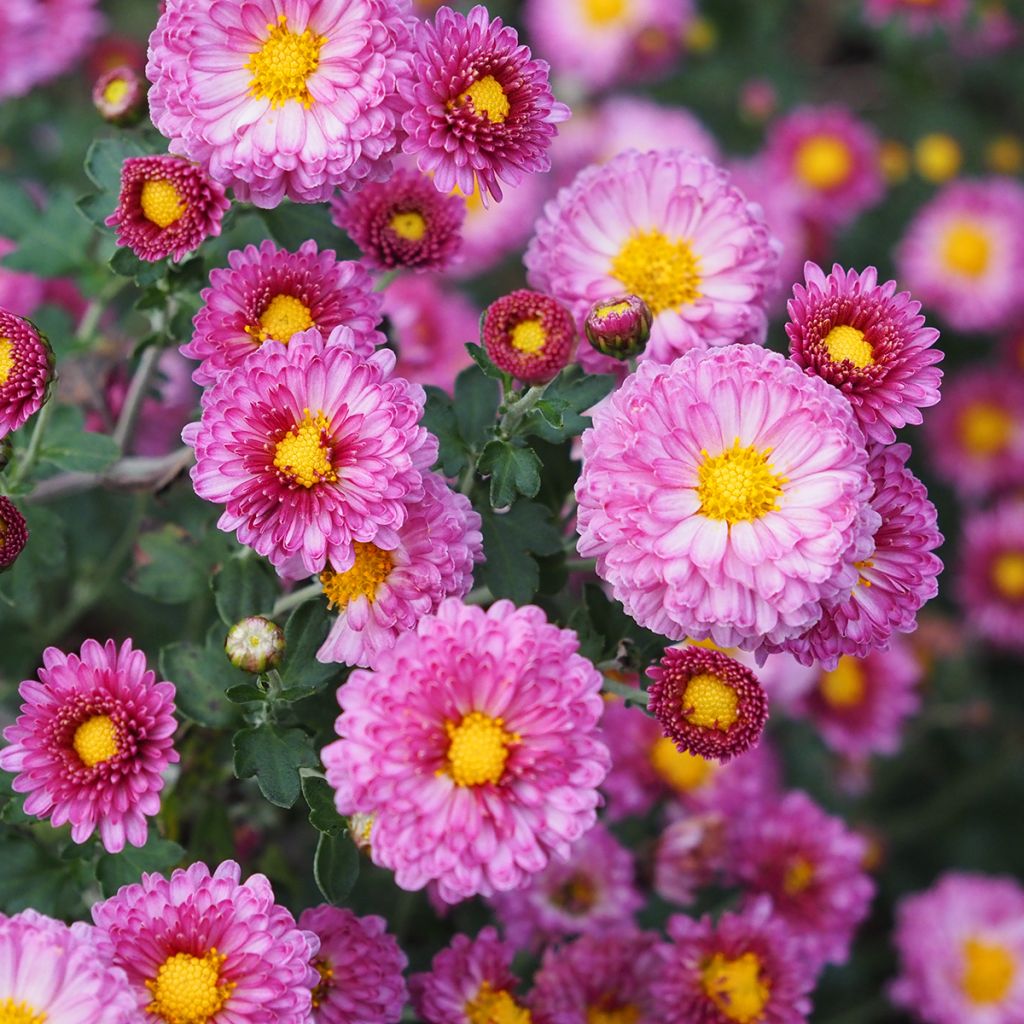
Chrysanthemum indicum Mei Kyo
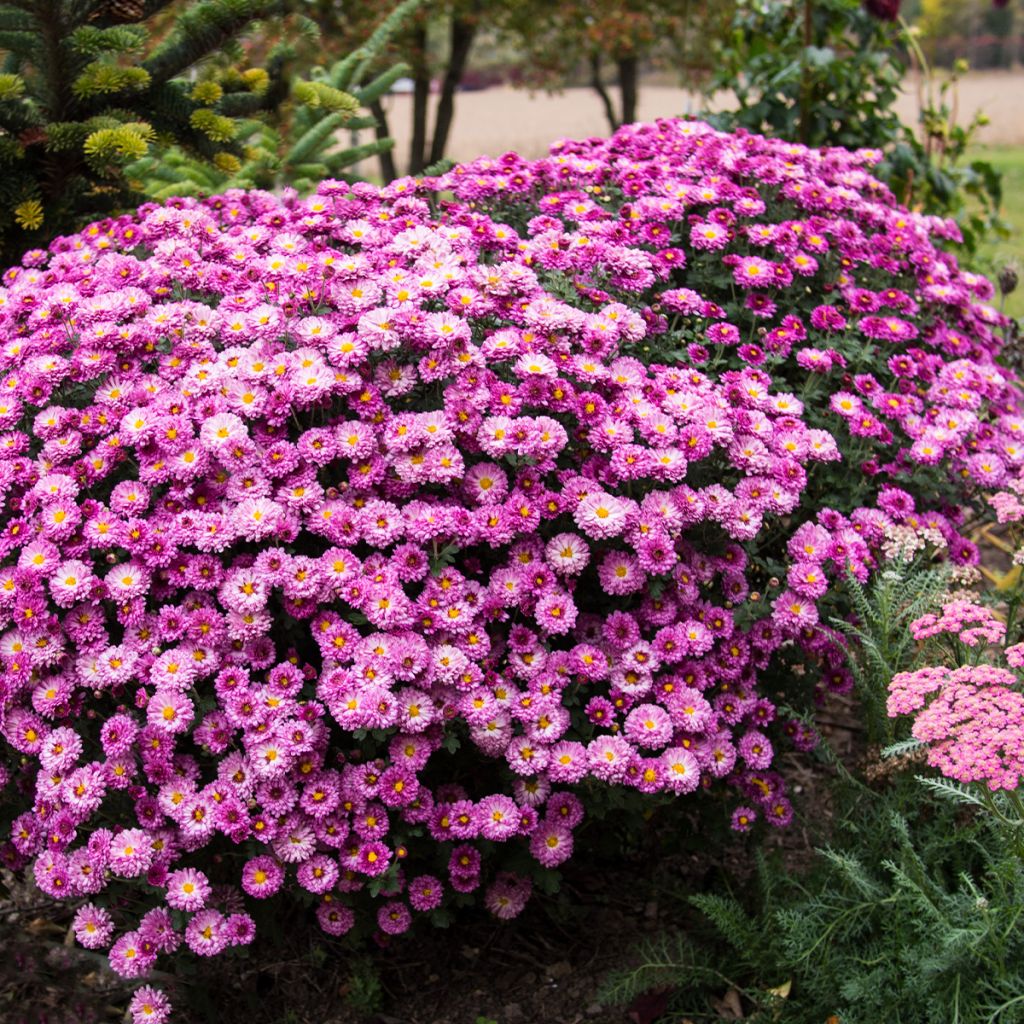
Chrysanthemum indicum Mei Kyo
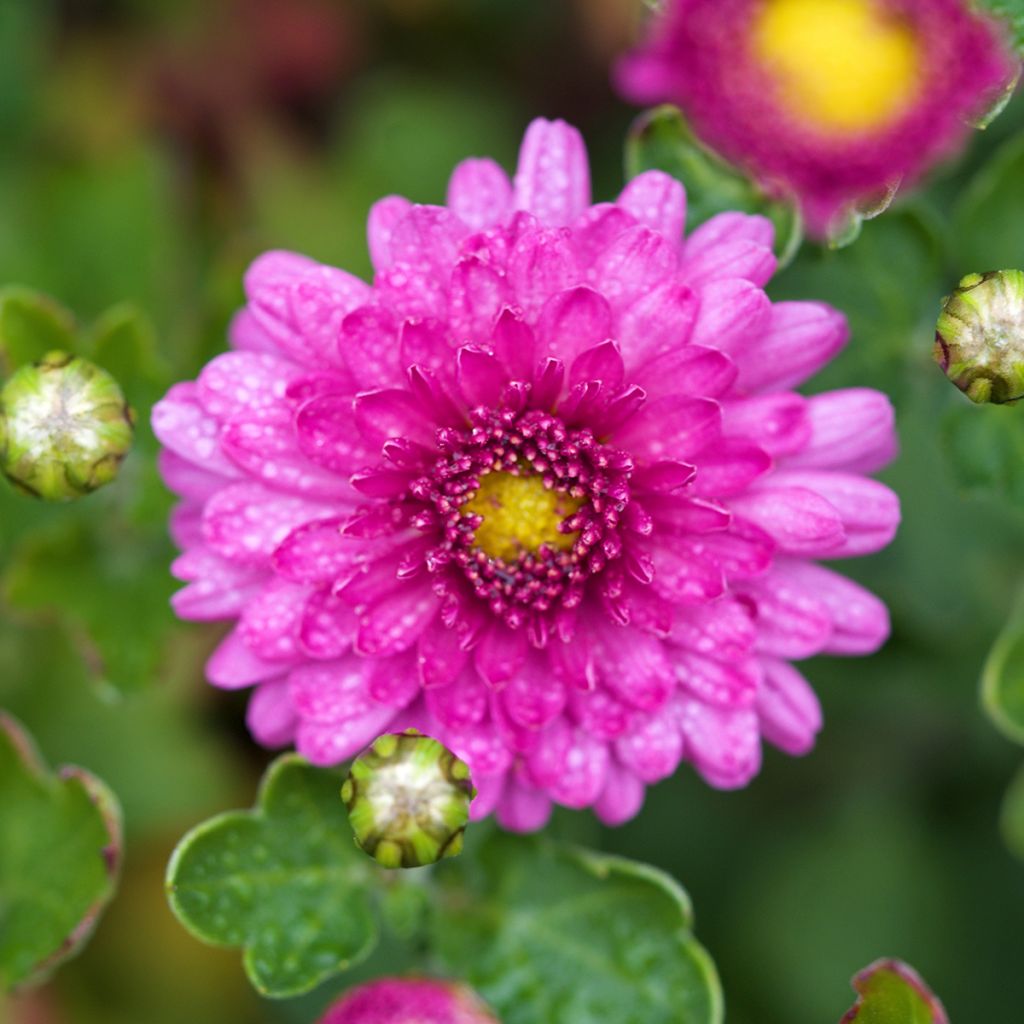
Chrysanthemum indicum Mei Kyo
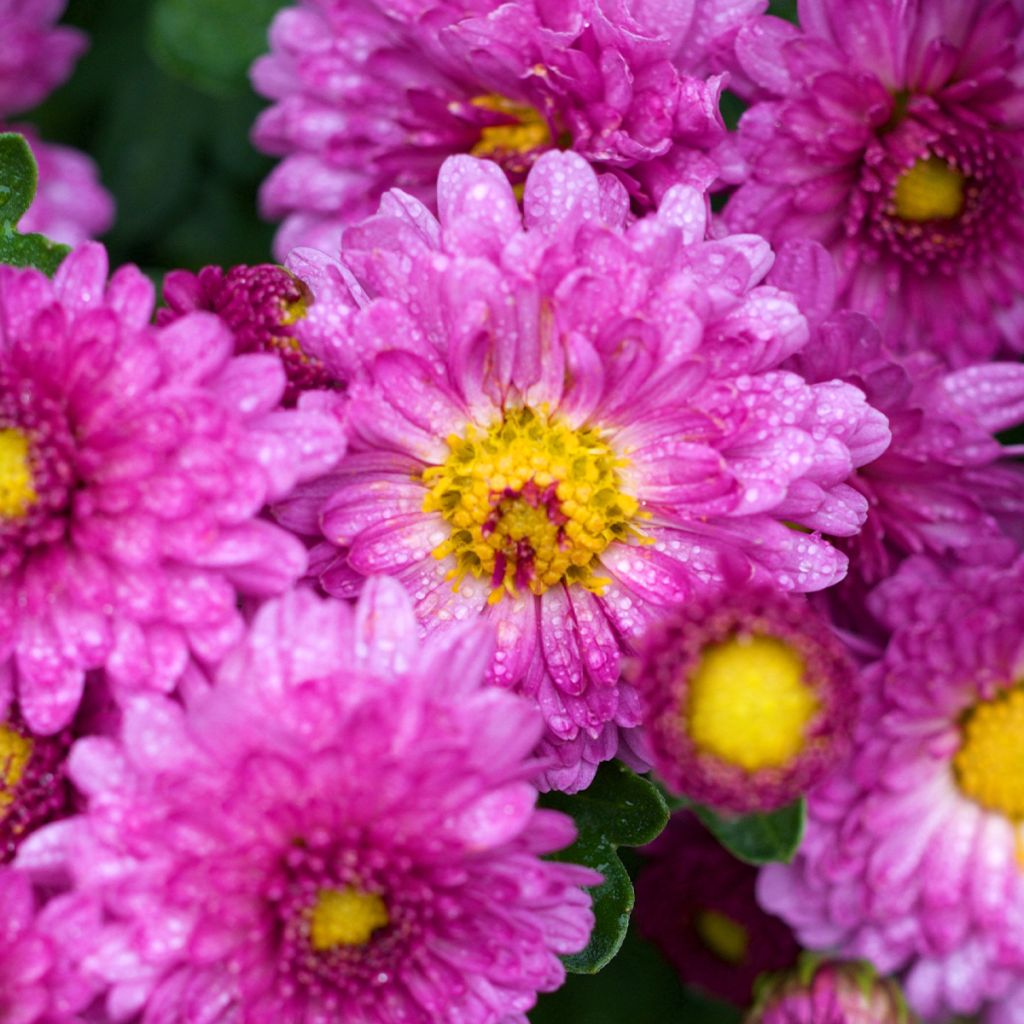
Chrysanthemum indicum Mei Kyo
Chrysanthemum indicum Mei Kyo
Chrysanthemum indicum Mei Kyo
Chrysanthemum indicum Mei Kyo
Chrysanthemum indicum Mei Kyo
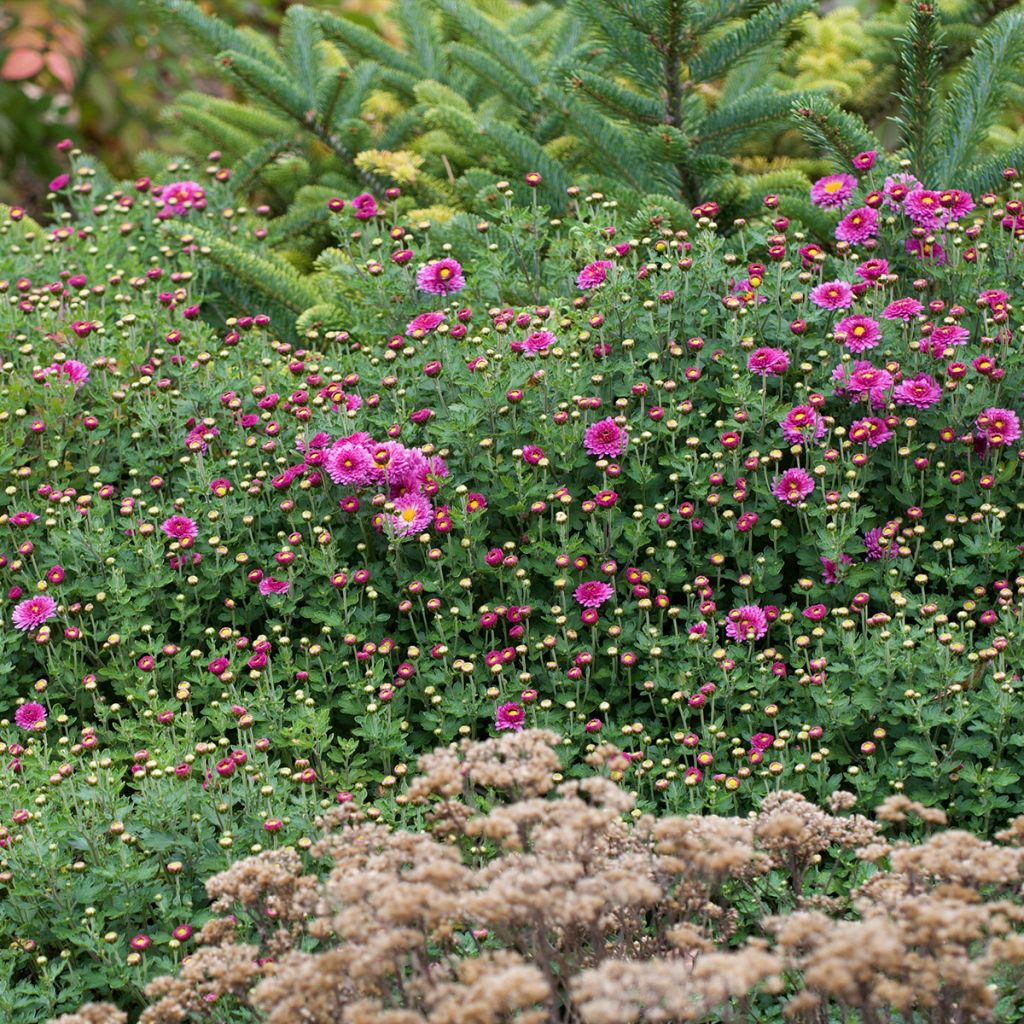
Chrysanthemum indicum Mei Kyo
Chrysanthemum indicum Mei Kyo
Chrysanthemum x indicum Mei Kyo
Garden Mum, Indian Chrysanthemum, Florist's Daisy
Back-to-school special offer!
Get €10 off for every €50 you spend! And get up to €40 off on a single order.
How does it work?
1. Shop your favourites
Add your favourite plants to your basket. For every €50 you spend (excluding delivery charges, store credit and the plastic-free option), you’ll receive a €10 voucher.
€50 spent = €10 voucher
€100 spent = €20 voucher
€150 spent = €30 voucher
€200 spent = €40 voucher
2. Place your order
Once your basket reaches one of the spending thresholds, place your order. You can even choose your delivery date!
3. Receive your voucher
As soon as your order has been shipped, you’ll receive an email containing your personal voucher code and its value.
4. Use it on your next order
Your voucher is valid for 90 days from the date you receive it. It can be used once only, on a new order worth at least the value of the voucher, excluding delivery charges.
Please note: Vouchers can be combined with other offers, but cannot be split or refunded.
Why not try an alternative variety in stock?
View all →
Available in 1 sizes

Available in 2 sizes
Available in 1 sizes
Available in 1 sizes
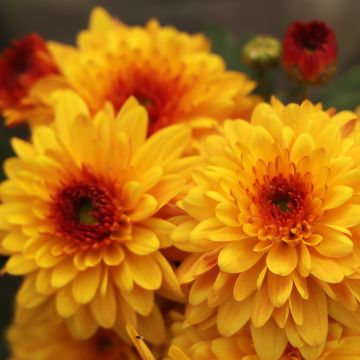
Available in 1 sizes
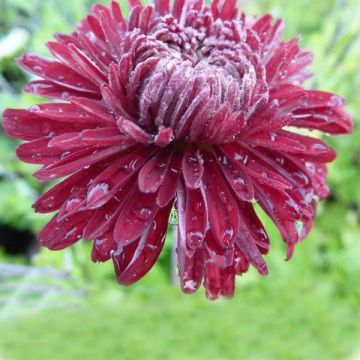
Available in 2 sizes
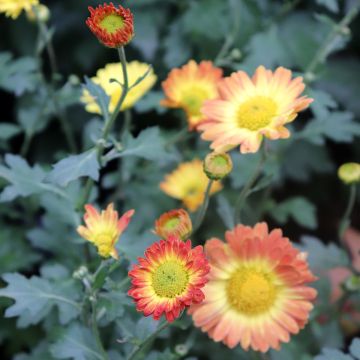
Available in 2 sizes
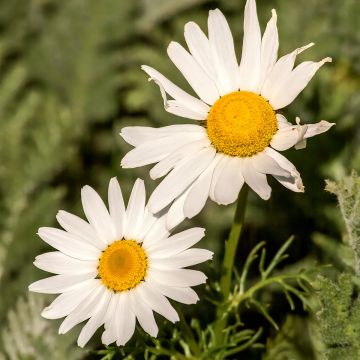
Available in 1 sizes
Available in 1 sizes
Available in 1 sizes
This plant carries a 12 months recovery warranty
More information
We guarantee the quality of our plants for a full growing cycle, and will replace at our expense any plant that fails to recover under normal climatic and planting conditions.
Would this plant suit my garden?
Set up your Plantfit profile →
Description
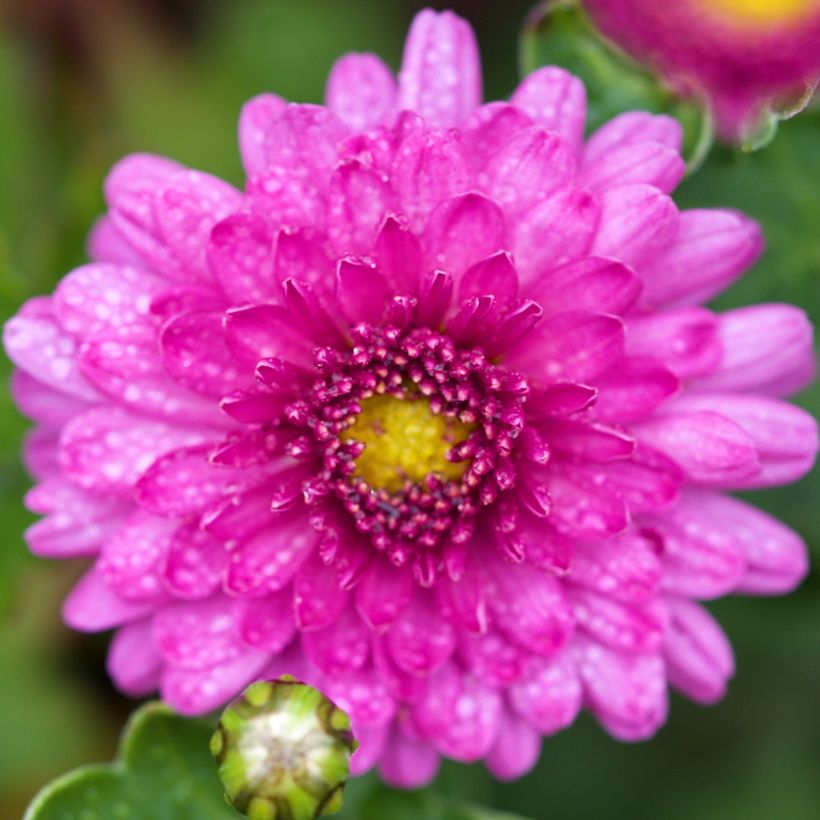
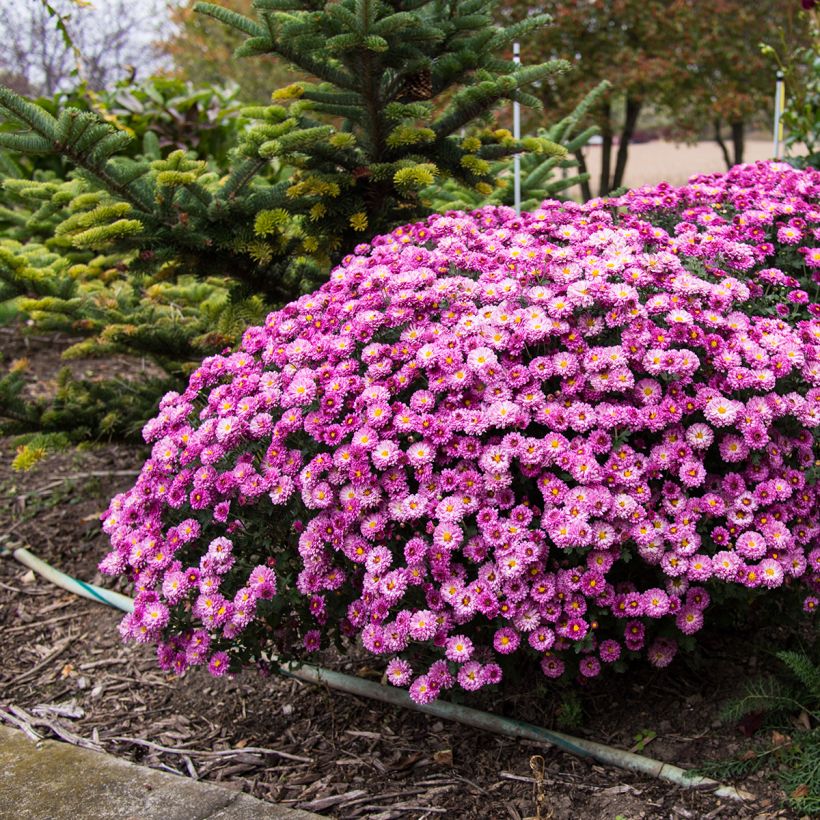
The Chrysanthemum 'Mei Kyo' is a very old Japanese variety of garden chrysanthemum that combines many qualities. It is a compact, ball-shaped plant, very floriferous, which produces a multitude of small pompoms in late season, in a delightful range of pink tones. It does not require staking, withstands European winters perfectly, and is content with rainwater in summer, even if it is scarce. An excellent choice for creating romantic flowerbeds or pots, very decorative from late summer to autumn, at a time of year when flowering becomes rarer.
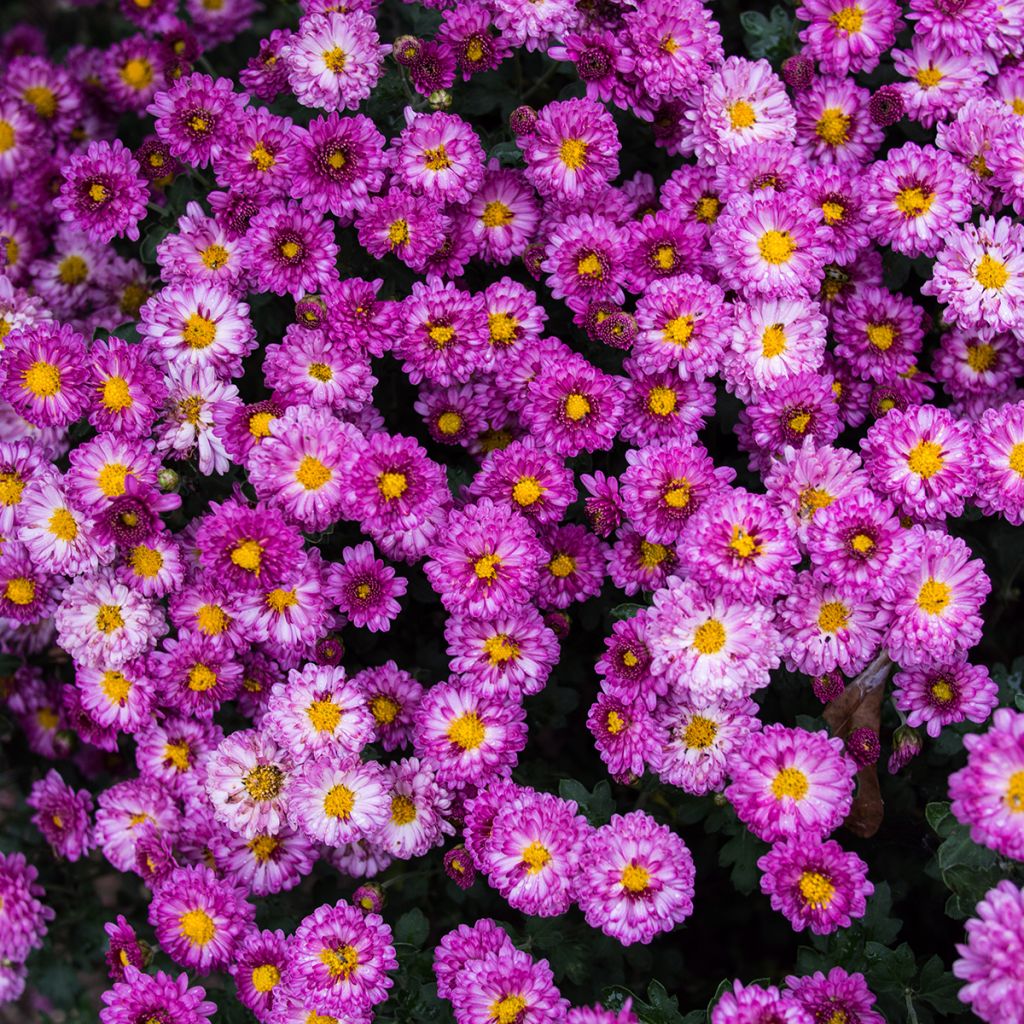
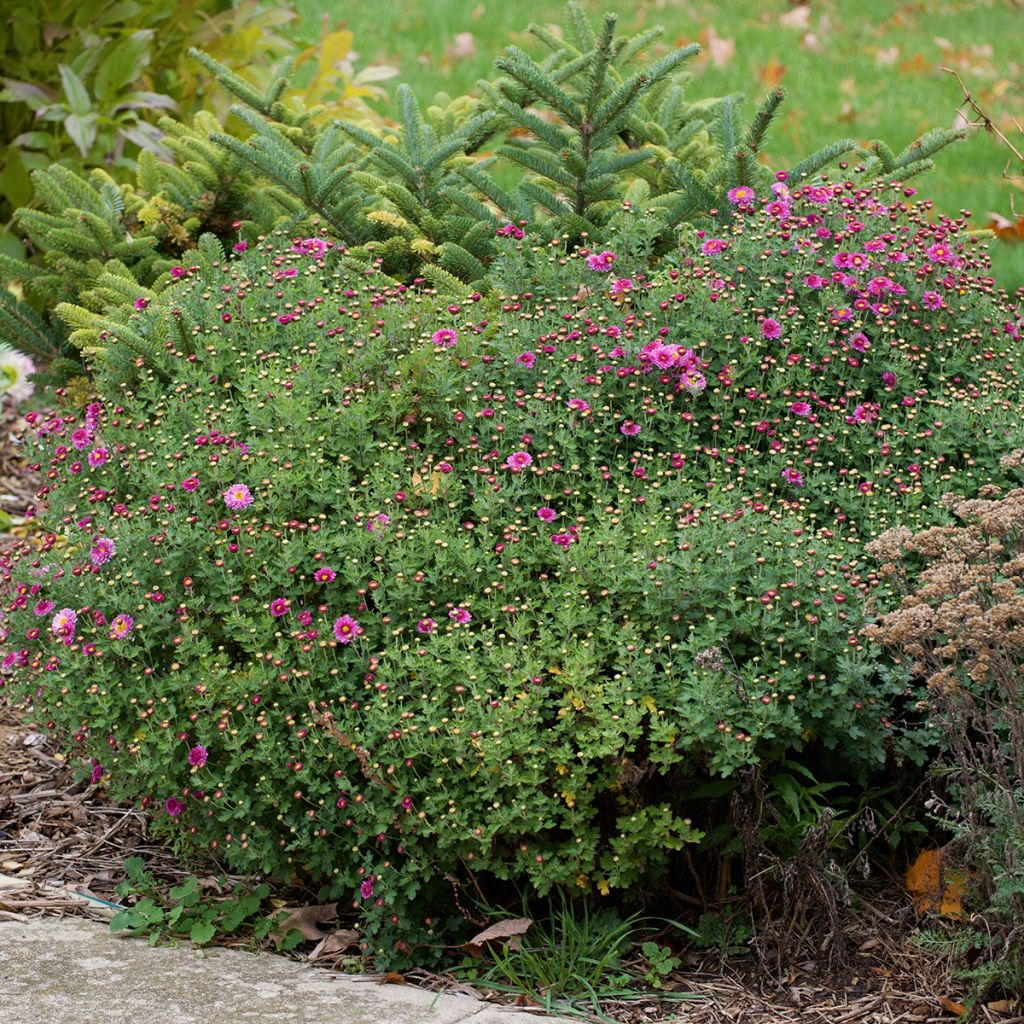
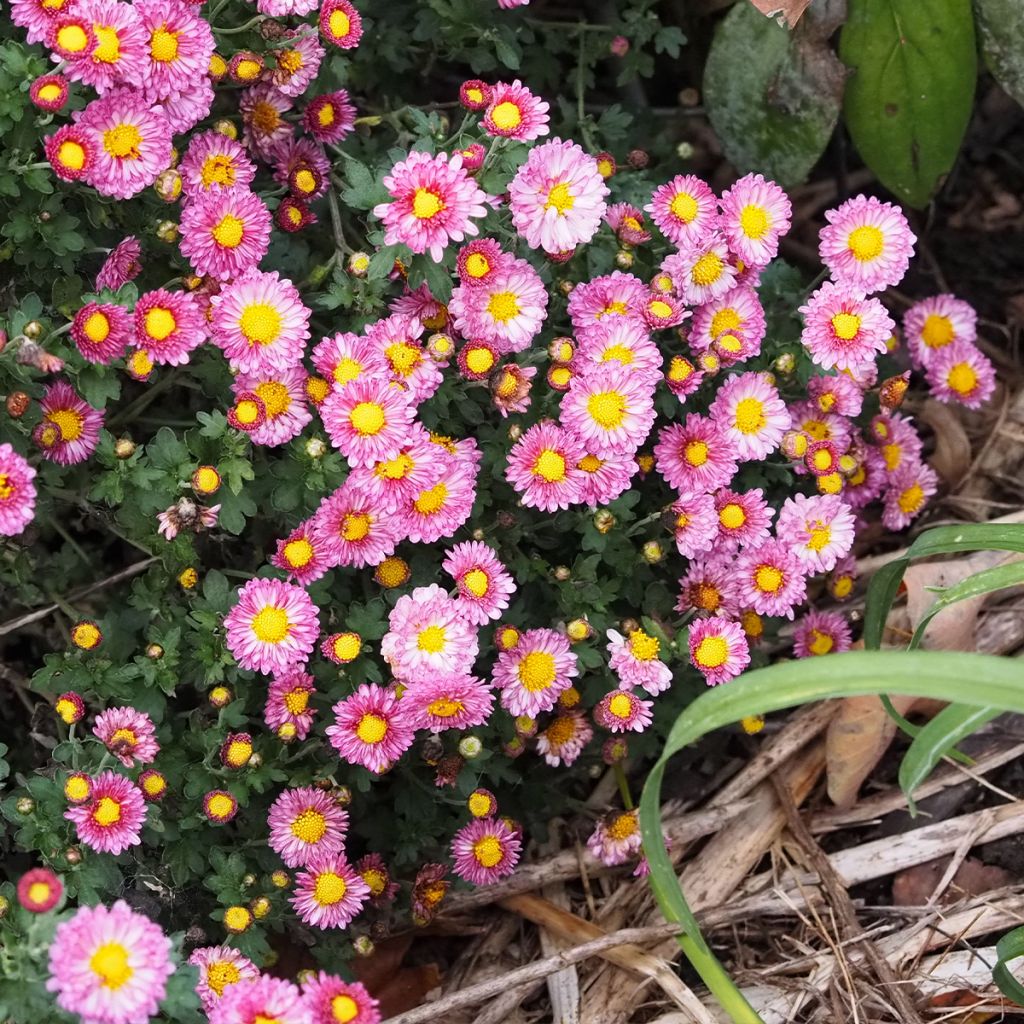
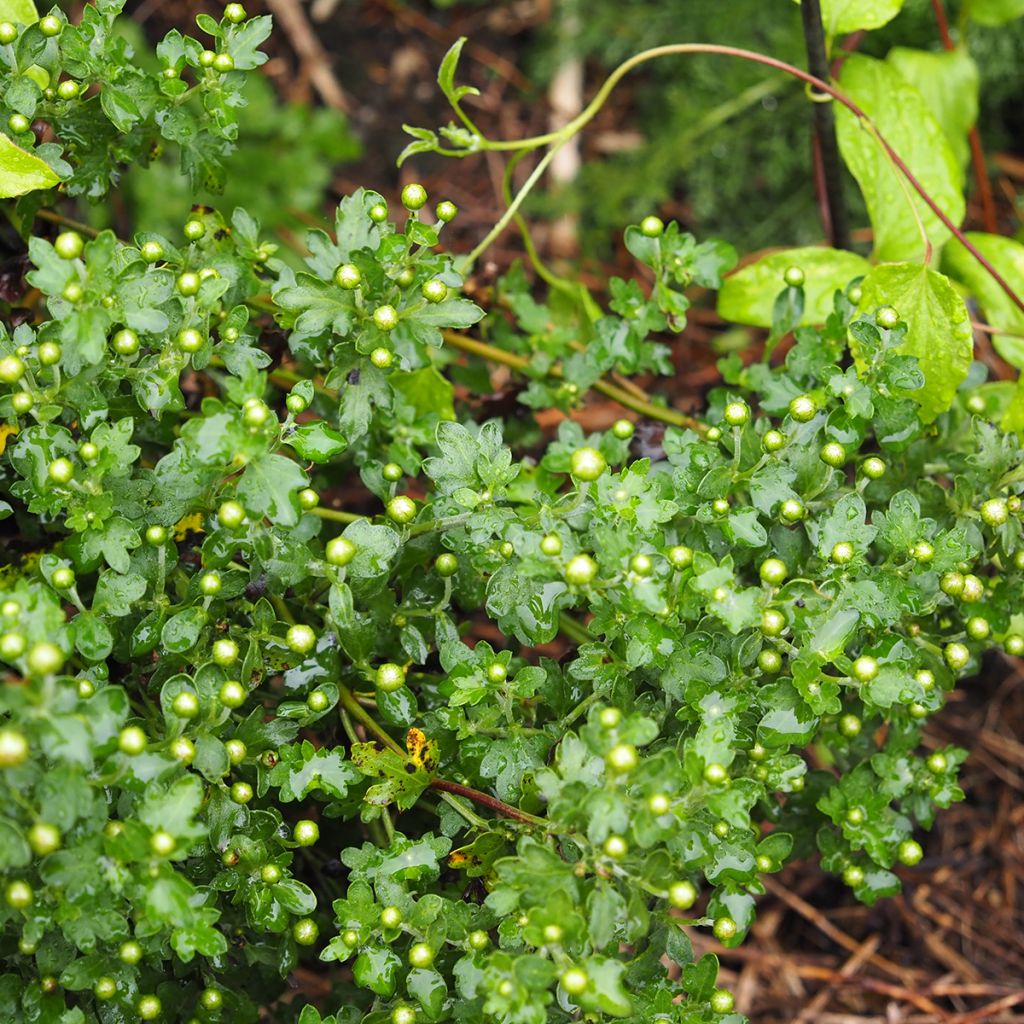
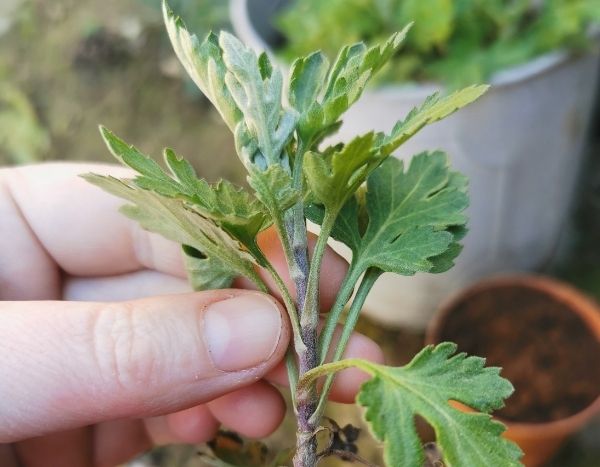
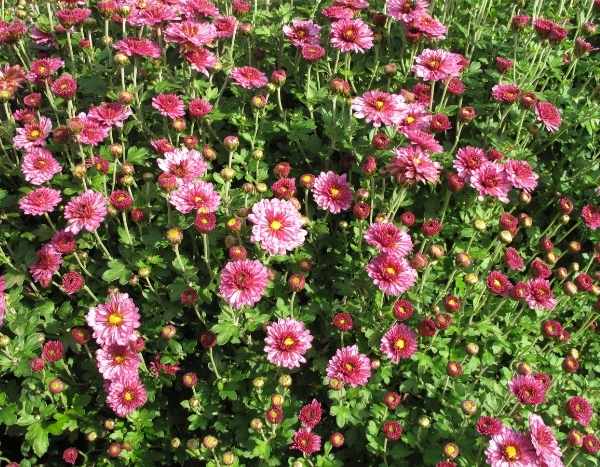
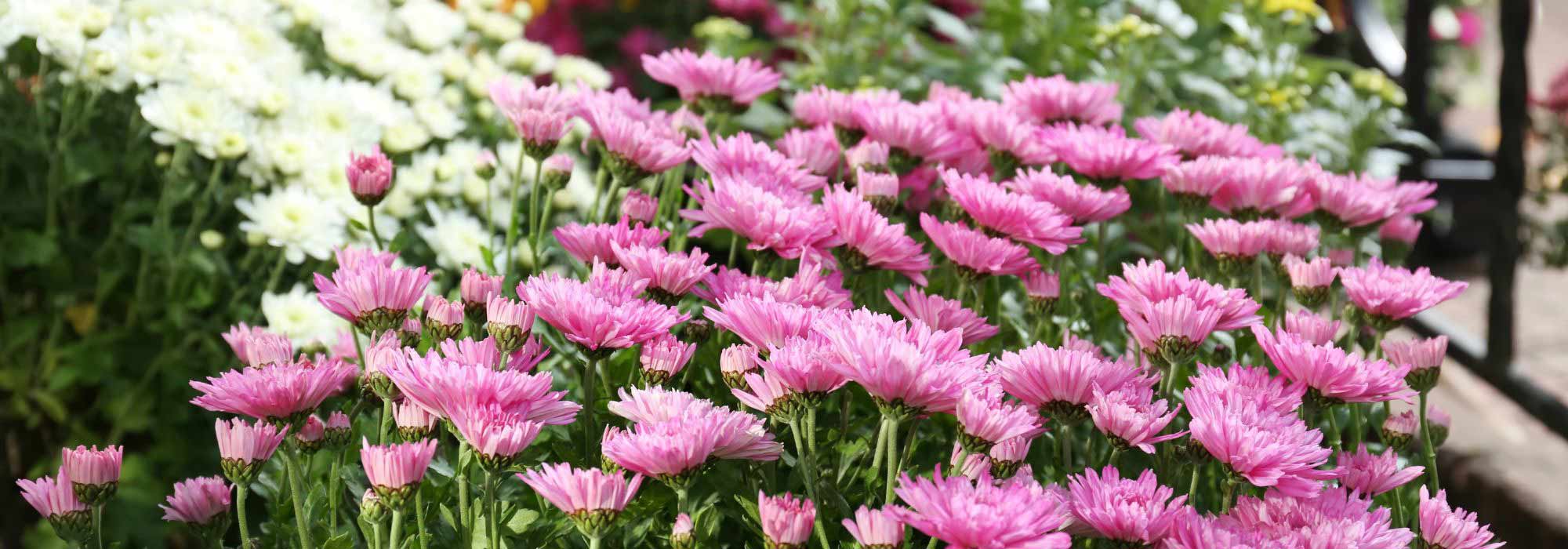
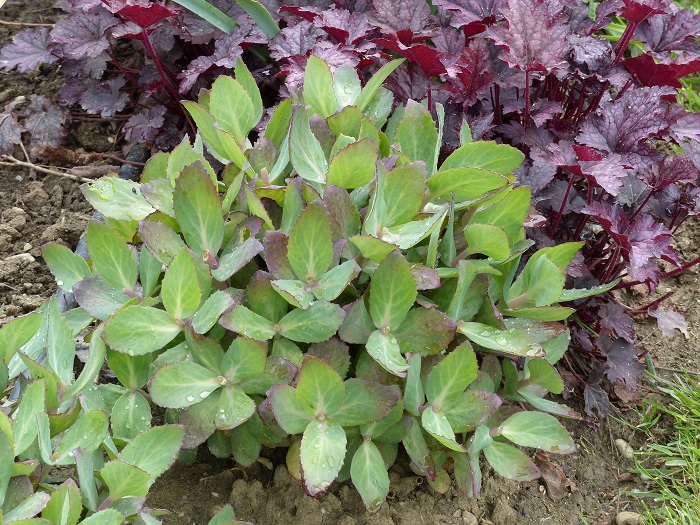
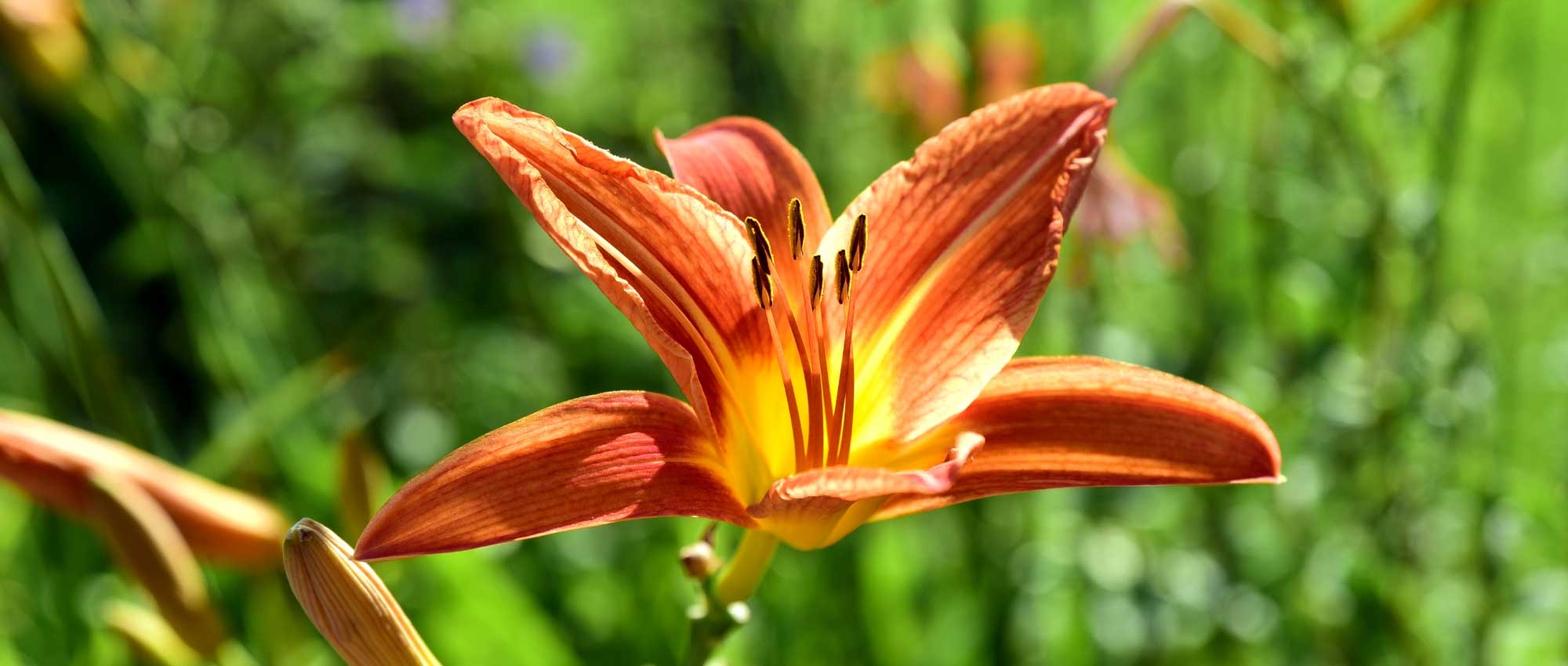
Chrysanthemum x indicum is an herbaceous and rhizomatous perennial plant with a woody base, from the Asteraceae family. It is a hybrid obtained by cross-breeding different species originating from East Asia. This excellent cultivar 'Mei Kyo' is the first hybrid to be cultivated in Europe two centuries ago. The plant eventually forms a dense and rounded bush, 50-60 cm (20-24in) tall and wide, composed of solid, branching and leafy stems, woody at the base. Its growth is quite fast. Flowering occurs from September to late October-early November. This lovely chrysanthemum produces numerous small flowers organised in capitula, very double, reaching 2-3 cm (1in) in diameter, grouped in small bouquets at the top of the leafy stems. The disc is a bright dark yellow while the ligules on the periphery, thin and very numerous, change colour as they open. When they bloom, the pompoms are a dark purplish pink, then they gradually change through different shades of pink until they become pale silver pink. The overall effect creates an irresistible plant-sized bouquet of varying pink shades. The leaves are small, resembling miniature oak leaves. Triangular to ovate in shape, they have several lobes. Toothed along the edges, their colour is a somewhat dull dark green and they are hairy underneath. The aerial vegetation, deciduous, dries up in winter and regrows in spring. Its perennial stump will live a long time in the garden.
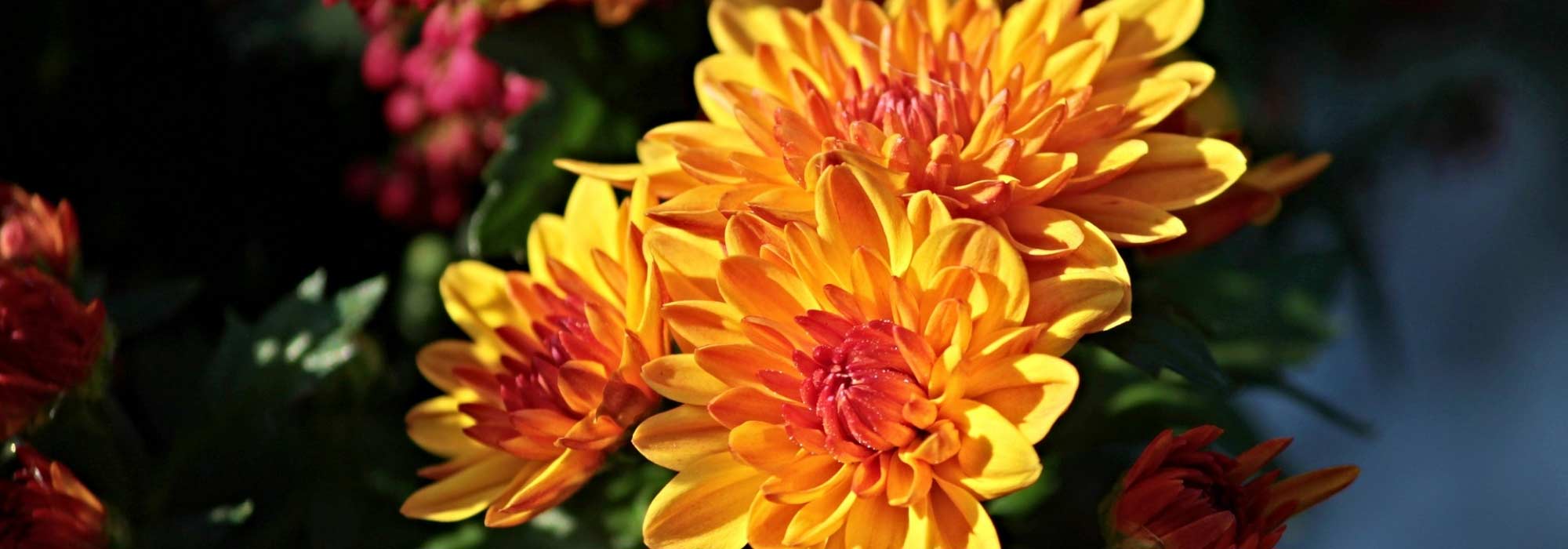
Garden chrysanthemums offer immense worth at a somewhat nostalgic time of year and their colours blend remarkably well with those of autumn. They can be combined with asters, of course, by choosing complementary or matching colours. Their blooming coincides with that of shrub salvias, catmints, and other gauras. These perennials blend particularly well with grasses such as feather grasses, small miscanthus, Muhlenbergia capillaris, and foxtail barley (Hordeum jubatum). They can be easily grown in pots to decorate balconies and terraces and provide excellent cut flowers.
Chrysanthemum indicum Mei Kyo in pictures
Flowering
Foliage
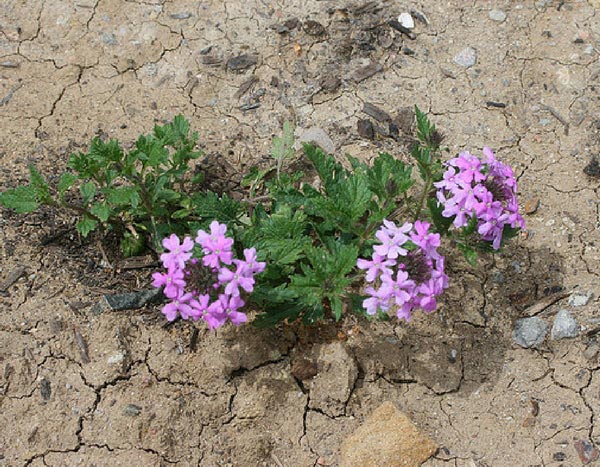
Plant habit
Botanical data
Chrysanthemum
x indicum
Mei Kyo
Asteraceae
Garden Mum, Indian Chrysanthemum, Florist's Daisy
Cultivar or hybrid
Planting and care
Garden chrysanthemums generally require a sunny site and ordinary but well-worked soil, slightly acidic, neutral or slightly alkaline, rather fertile, not too dry to moist. They are hardy to at least -15°C (5°F). Note that this Mei Kyo variety is a particularly robust and tolerant young plant that withstands fairly poor soils and resists summer drought well. It is naturally compact and does not require staking. It is a plant that requires no maintenance once well established, except for pruning the dry stems in early spring.
To maintain a compact habit the stems can be shortened in spring to 30 cm (12in), which will force the plant to branch out. A second pinch in the summer will result in a greater number of small flowers. Some unpruned varieties may require staking or circling. Water two or three times a week and apply a liquid fertiliser for flowering plants every eight days from July until the buds colour. Garden chrysanthemums perform quite well in partial shade in hot climates, even in periodically dry soil, provided it is deep. They have few pests and diseases, except for attacks by gastropods in spring.
Planting period
Intended location
Care
Planting & care advice
-

-
-
-
-
-
-
-
This item has not been reviewed yet - be the first to leave a review about it.
Recently viewed products
Haven't found what you were looking for?
Hardiness is the lowest winter temperature a plant can endure without suffering serious damage or even dying. However, hardiness is affected by location (a sheltered area, such as a patio), protection (winter cover) and soil type (hardiness is improved by well-drained soil).

The flowering period indicated on our website applies to countries and regions located in USDA zone 8 (France, the United Kingdom, Ireland, the Netherlands, etc.)
It will vary according to where you live:- In zones 9 to 10 (Italy, Spain, Greece, etc.), flowering will occur about 2 to 4 weeks earlier.
- In zones 6 to 7 (Germany, Poland, Slovenia, and lower mountainous regions), flowering will be delayed by 2 to 3 weeks.
- In zone 5 (Central Europe, Scandinavia), blooming will be delayed by 3 to 5 weeks.
In temperate climates, pruning of spring-flowering shrubs (forsythia, spireas, etc.) should be done just after flowering.
Pruning of summer-flowering shrubs (Indian Lilac, Perovskia, etc.) can be done in winter or spring.
In cold regions as well as with frost-sensitive plants, avoid pruning too early when severe frosts may still occur.
The planting period indicated on our website applies to countries and regions located in USDA zone 8 (France, United Kingdom, Ireland, Netherlands).
It will vary according to where you live:
- In Mediterranean zones (Marseille, Madrid, Milan, etc.), autumn and winter are the best planting periods.
- In continental zones (Strasbourg, Munich, Vienna, etc.), delay planting by 2 to 3 weeks in spring and bring it forward by 2 to 4 weeks in autumn.
- In mountainous regions (the Alps, Pyrenees, Carpathians, etc.), it is best to plant in late spring (May-June) or late summer (August-September).
The harvesting period indicated on our website applies to countries and regions in USDA zone 8 (France, England, Ireland, the Netherlands).
In colder areas (Scandinavia, Poland, Austria...) fruit and vegetable harvests are likely to be delayed by 3-4 weeks.
In warmer areas (Italy, Spain, Greece, etc.), harvesting will probably take place earlier, depending on weather conditions.
The sowing periods indicated on our website apply to countries and regions within USDA Zone 8 (France, UK, Ireland, Netherlands).
In colder areas (Scandinavia, Poland, Austria...), delay any outdoor sowing by 3-4 weeks, or sow under glass.
In warmer climes (Italy, Spain, Greece, etc.), bring outdoor sowing forward by a few weeks.
Shipping country and language
Your country of residence may be:
Your country of residence is:
For a better user experience on our website, you can select:
Your shipping country:
-
 Austria
-
 Belgium
-
 Bosnia & Herzegovina
-
 Bulgaria
-
 Croatia
-
 Cyprus
-
 Czechia
-
 Denmark
-
 Estonia
-
 Finland
-
 France
-
 Germany
-
 Greece
-
 Hungary
-
 Iceland
-
 Ireland
-
 Italy
Italy
-
 Latvia
-
 Liechtenstein
-
 Lithuania
-
 Luxembourg
-
 Malta
Malta
-
 Netherlands
-
 Poland
-
 Portugal
-
 Romania
-
 Serbia
-
 Slovakia
-
 Slovenia
-
 Spain
Spain
-
 Sweden
-
 Switzerland
Language:
-
French
-
 English
-
Spanish
-
Italian
-
German
-
Portuguese
-
Dutch
-
Finnish
My Account
Hello
My wish lists
My cart
Log in / Register
Existing customer?
This form is protected by reCAPTCHA - the Google Privacy Policy and Terms of Service apply.
New customer?
Create an account to track your orders, access our customer service and, if you wish, make the most of our upcoming offers.