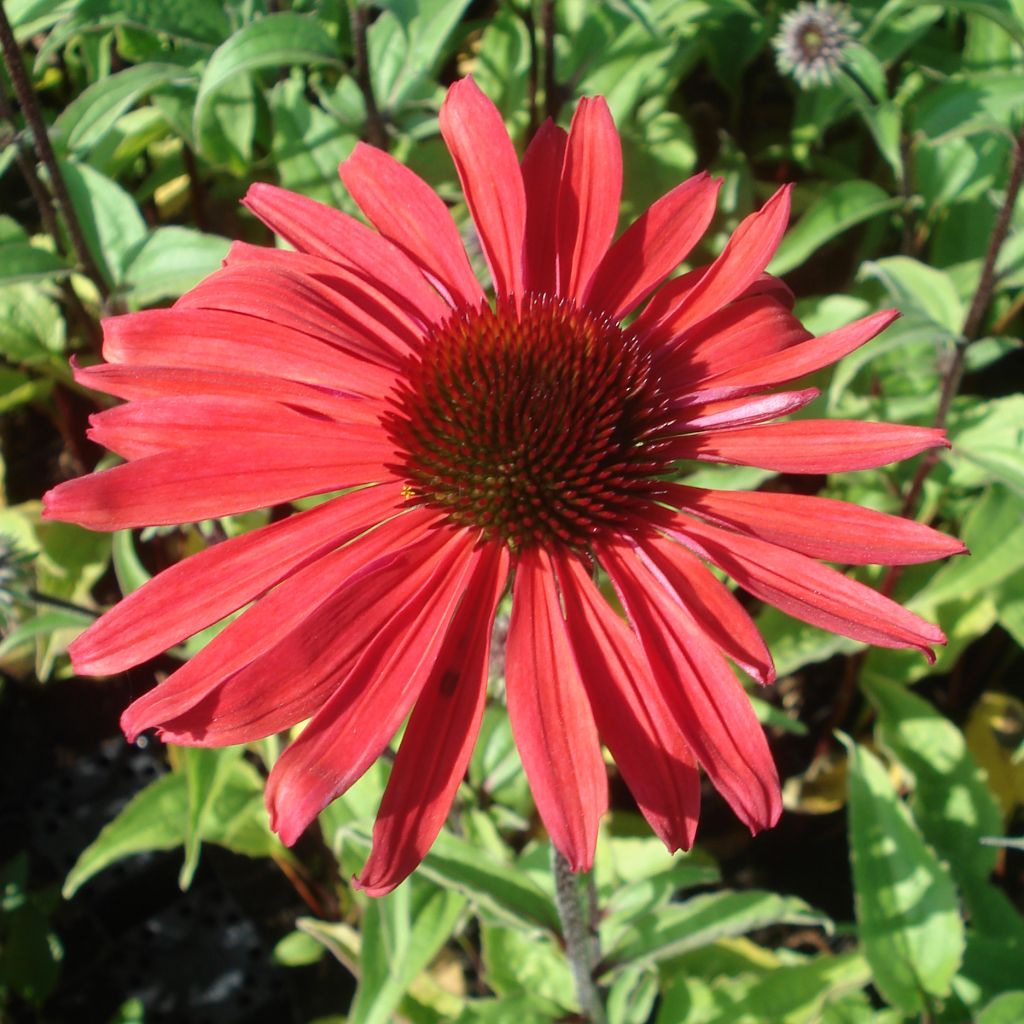
Echinacea Solar Flare - Purple Coneflower
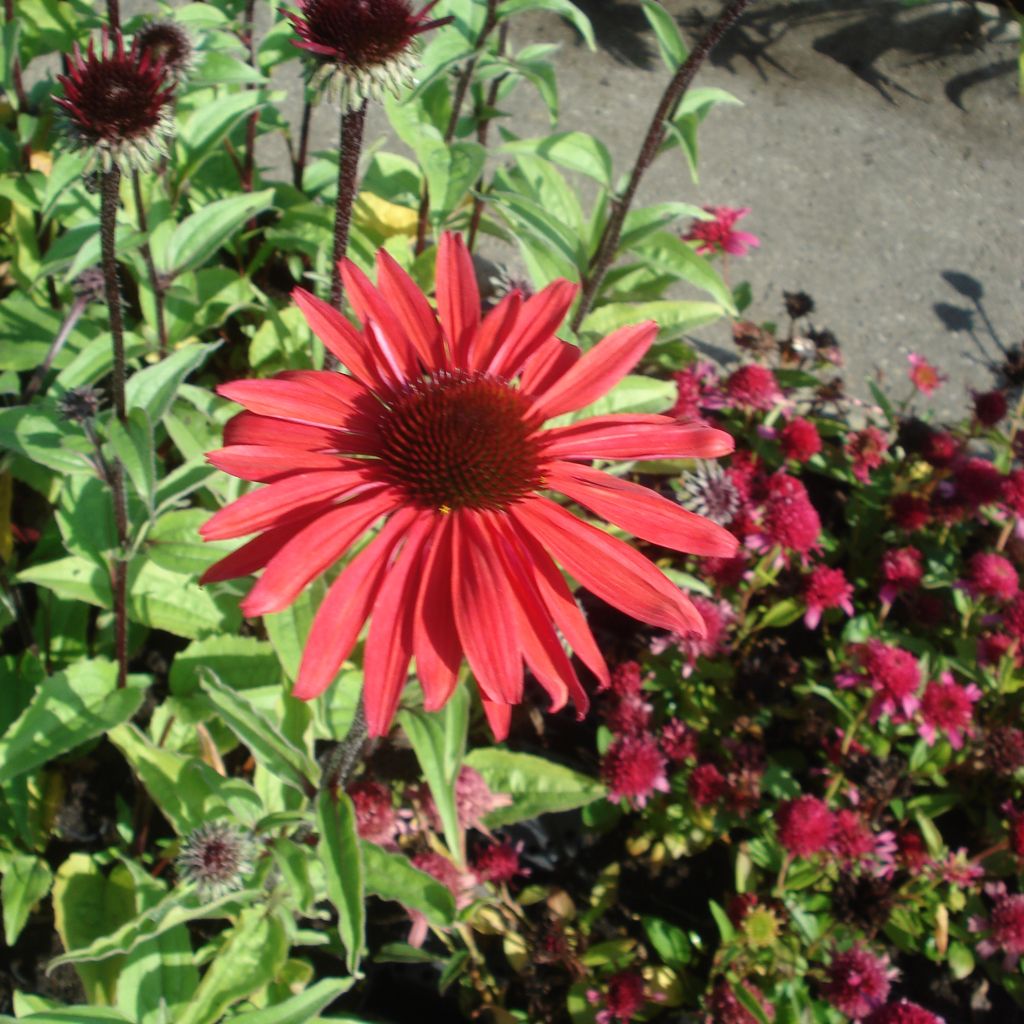
Echinacea Solar Flare - Purple Coneflower
Echinacea Solar Flare - Purple Coneflower
Echinacea purpurea Solar Flare
Purple Coneflower, Eastern Purple Coneflower
Very beautiful young plant that has already given me a few flowers in the first year of planting, beautiful quality.
Eric, 03/08/2018
Back-to-school special offer!
Get €10 off for every €50 you spend! And get up to €40 off on a single order.
How does it work?
1. Shop your favourites
Add your favourite plants to your basket. For every €50 you spend (excluding delivery charges, store credit and the plastic-free option), you’ll receive a €10 voucher.
€50 spent = €10 voucher
€100 spent = €20 voucher
€150 spent = €30 voucher
€200 spent = €40 voucher
2. Place your order
Once your basket reaches one of the spending thresholds, place your order. You can even choose your delivery date!
3. Receive your voucher
As soon as your order has been shipped, you’ll receive an email containing your personal voucher code and its value.
4. Use it on your next order
Your voucher is valid for 90 days from the date you receive it. It can be used once only, on a new order worth at least the value of the voucher, excluding delivery charges.
Please note: Vouchers can be combined with other offers, but cannot be split or refunded.
Why not try an alternative variety in stock?
View all →
Available in 3 sizes
Available in 1 sizes
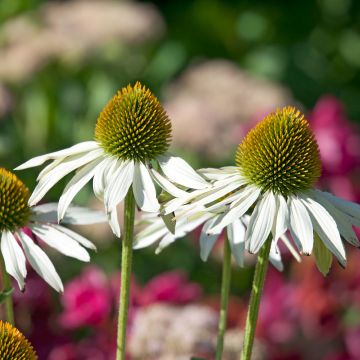
Available in 1 sizes

Available in 3 sizes
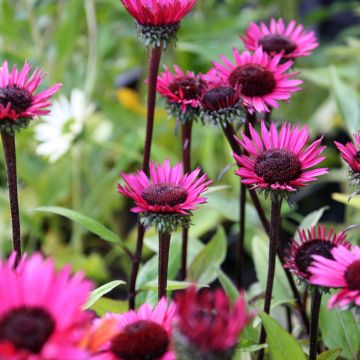
Available in 2 sizes
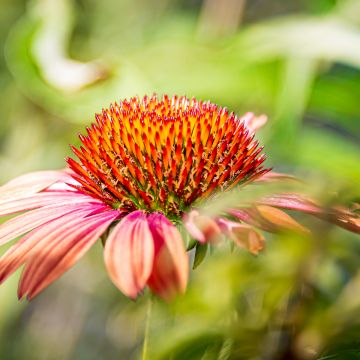
Available in 1 sizes
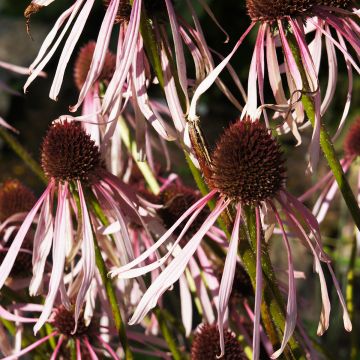
Available in 1 sizes
Available in 2 sizes
Available in 3 sizes

Available in 1 sizes
This plant carries a 12 months recovery warranty
More information
We guarantee the quality of our plants for a full growing cycle, and will replace at our expense any plant that fails to recover under normal climatic and planting conditions.
Would this plant suit my garden?
Set up your Plantfit profile →
Description
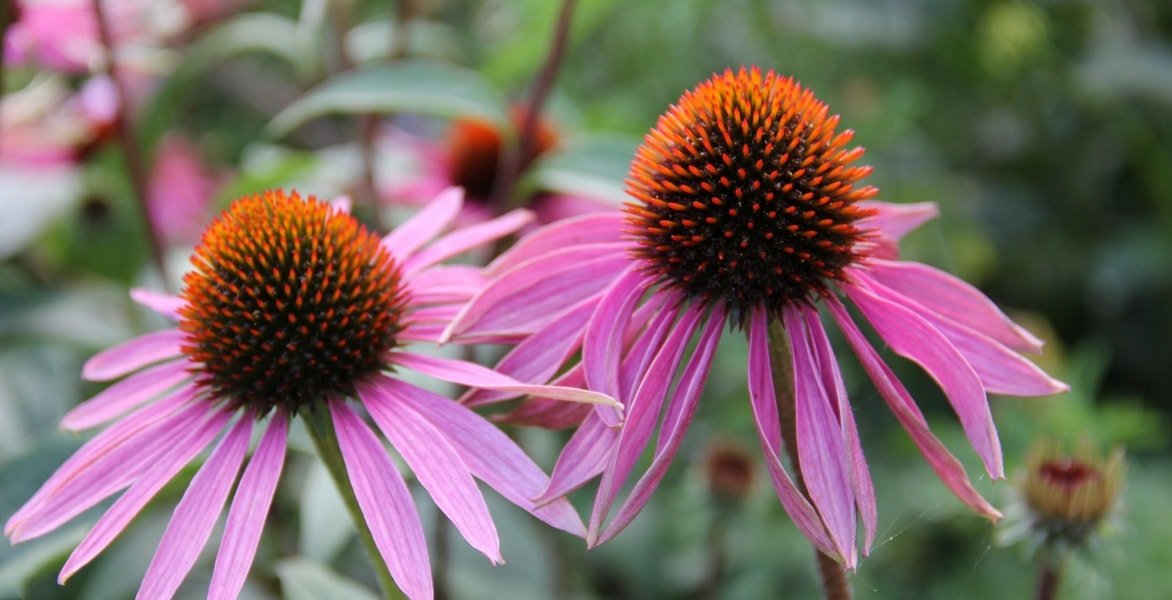
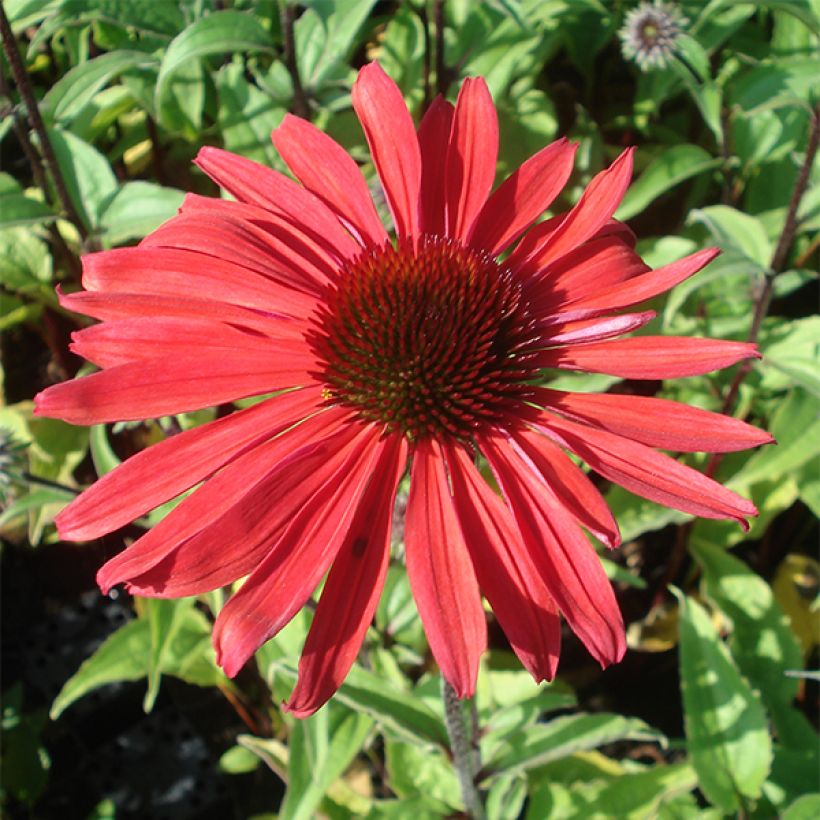
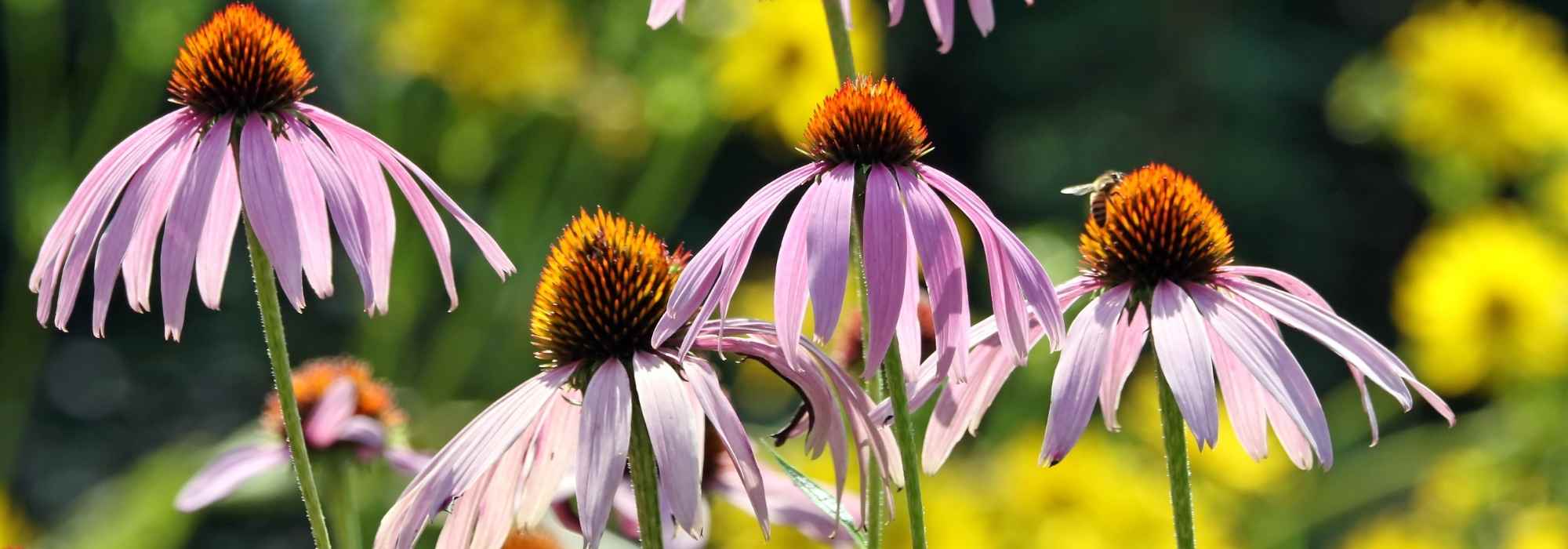
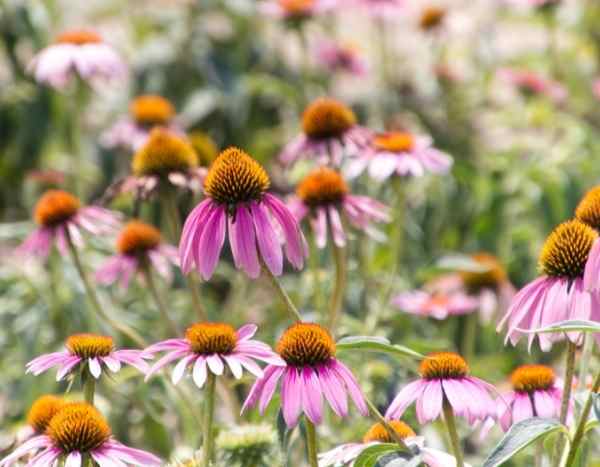
Echinacea 'Solar Flare' is a robust perennial with a long flowering period in a range of very subtle colours. From its tuft of blue-green leaves long black stems emerge bearing large red-magenta heads with a big purple heart. The red gradually fades, giving way to a very soft old pink with a brown heart. In autumn, the achenes (their seeds) take over to the delight of the birds that feast on them. Hardy and accommodating, this summer flower prefers sunny borders and creates large flamboyant bouquets. It actively animates the garden with the pollinators it attracts.
Originating from North America, where it has naturally colonized many states, Echinacea has arrived here and spontaneously settled in wild spaces: vast meadows, forest edges, roadsides... It is content with any type of soil or climate, with well-appreciated robustness and hardiness. However, it prefers deep, well-drained soils and will establish more easily (and therefore withstand drought later) if initially planted in moist soil. It may take its time to settle, but then proves to be perennial. It thrives in the sun, but also in light shade. It requires almost no care apart from removing faded flowers as desired.
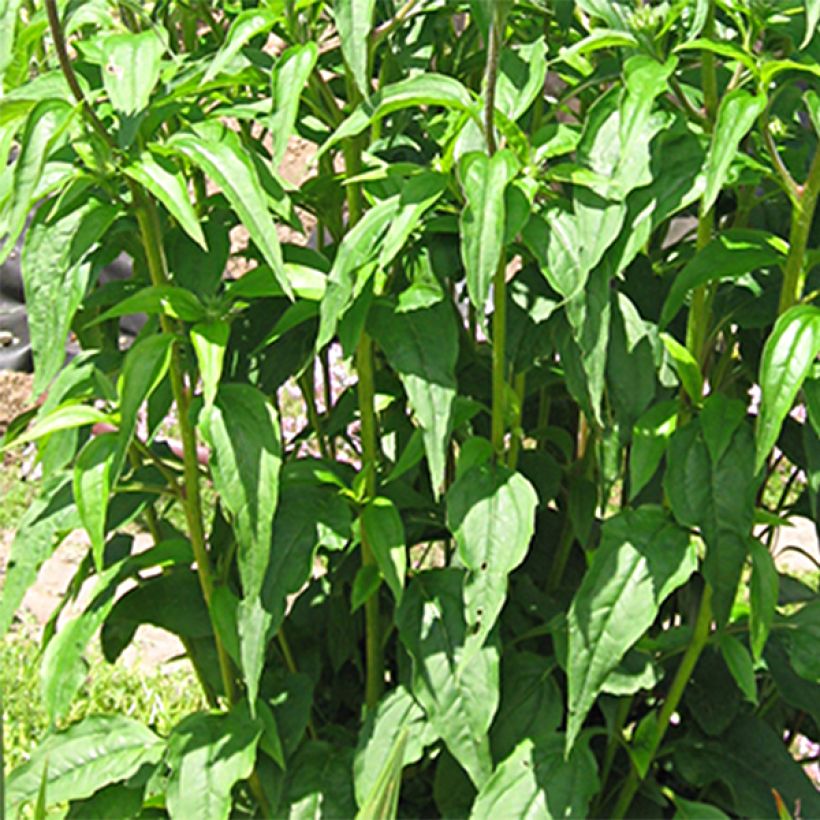
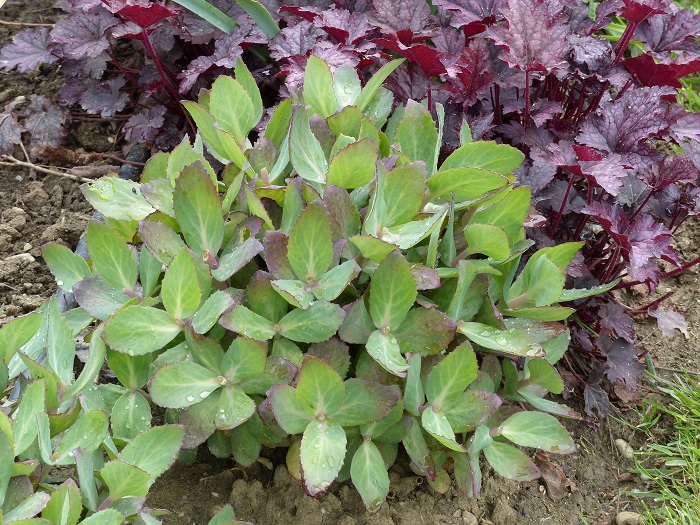
It is a herbaceous plant, belonging to the aster family, with an upright and bushy habit. The leaves are green with a hint of grey-blue, hairy, and quite thick. The long, sturdy, black stems carry large heads measuring 5 to 10 cm (2 to 4in) in diameter at their apex. The numerous cross-breeding efforts have resulted in endless variations of colour and form, and everyone will find their favourite among the multitude of Echinacea cultivars available. 'Solar Flare' comes to us from Georgia, near Atlanta, and originates from the work of nurseryman Richard Saul. The rather cylindrical centre of the head swells during early flowering and gradually transforms into a quite prominent cone resembling a big button. It is surrounded by long and lanceolate ligules arranged in a row. In July they are horizontal, but they sag softly in September with more faded shades.
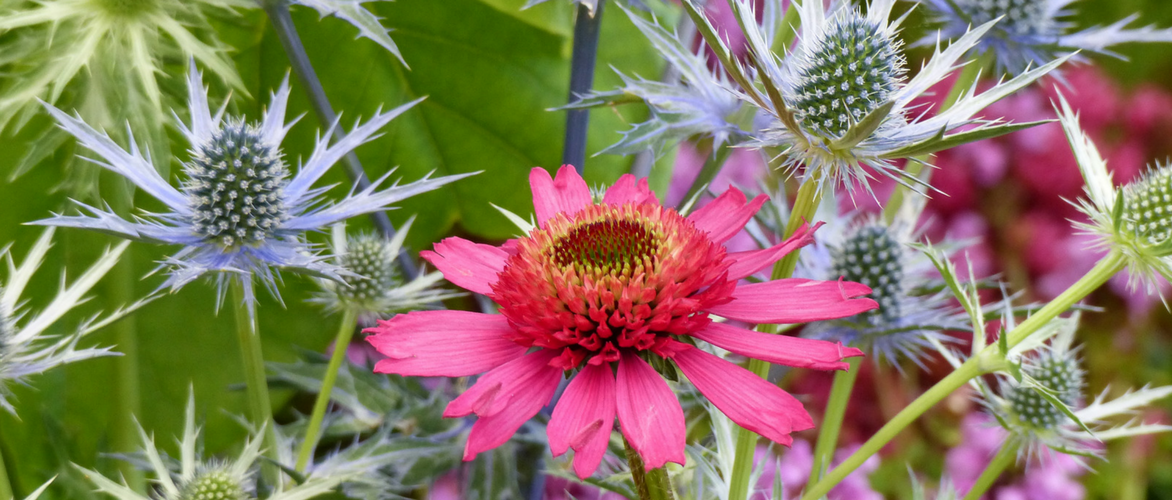
Echinacea 'Solar Flare' is a beautiful tall perennial (90 cm (35in)) that works well in romantic-style gardens. If you wish to create a composition featuring shades of pink, it will harmonize nicely with its cousins 'Southern Belle' and 'Catherina', Lychnis, Heuchera 'Midnight Rose', and Lupin 'Pink Gallery'. It can also integrate into a purple and black palette, enhancing its dark side. Alternatively, it can provide contrast to grey-blue shades, echoing its foliage.
Echinacea Solar Flare - Purple Coneflower in pictures
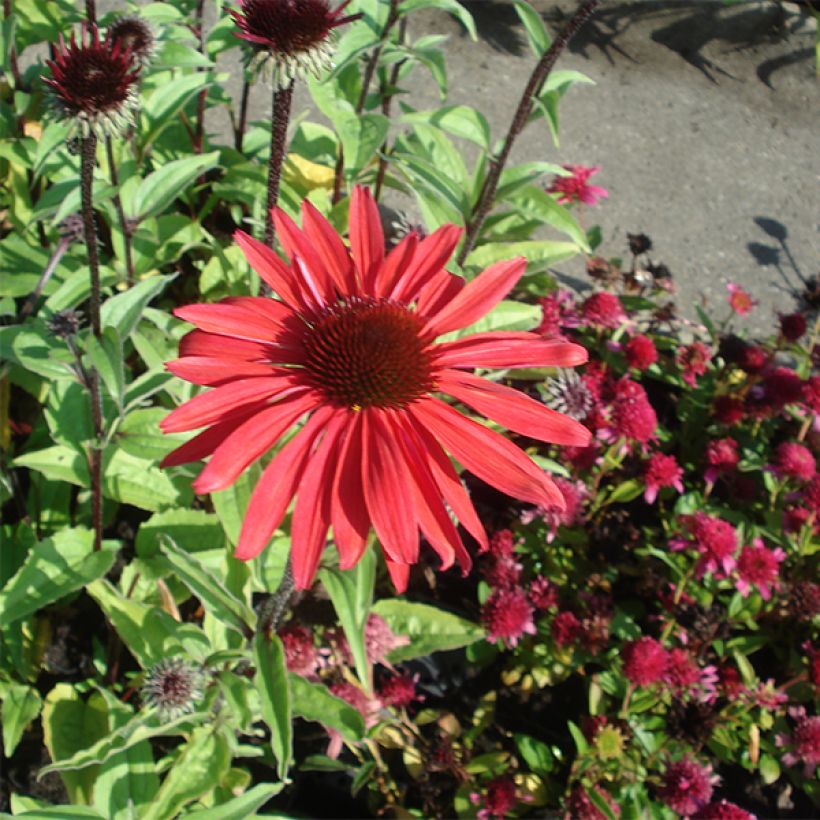
Flowering
Foliage
Plant habit
Botanical data
Echinacea
purpurea
Solar Flare
Asteraceae
Purple Coneflower, Eastern Purple Coneflower
Cultivar or hybrid
Planting and care
Echinacea 'Solar Flare' can be planted in spring or autumn in a sunny or partially shaded location. It does not need specific soil but prefers the soil to be loosened beforehand to allow for better establishment. Water it initially, but not excessively (it doesn't like to have its feet in water for too long), it will then tolerate drought better.
It may take some time to grow, but is robust, and resistant to diseases, adverse weather conditions, and frost. Furthermore, once established, it is long-lasting and flowers abundantly.
You can remove faded flowers throughout the season to encourage more or leave them on the plant to attract birds from autumn onwards, and enjoy its slender silhouette throughout winter. Cut the stems back in early spring. Consider dividing the crown if it shows signs of fatigue: increased susceptibility to powdery mildew and sparse flowering.
Planting period
Intended location
Care
Planting & care advice
-

-
-
-
-

-
-
-
-
, onOrder confirmed
Reply from on Promesse de fleurs
Recently viewed products
Haven't found what you were looking for?
Hardiness is the lowest winter temperature a plant can endure without suffering serious damage or even dying. However, hardiness is affected by location (a sheltered area, such as a patio), protection (winter cover) and soil type (hardiness is improved by well-drained soil).

The flowering period indicated on our website applies to countries and regions located in USDA zone 8 (France, the United Kingdom, Ireland, the Netherlands, etc.)
It will vary according to where you live:- In zones 9 to 10 (Italy, Spain, Greece, etc.), flowering will occur about 2 to 4 weeks earlier.
- In zones 6 to 7 (Germany, Poland, Slovenia, and lower mountainous regions), flowering will be delayed by 2 to 3 weeks.
- In zone 5 (Central Europe, Scandinavia), blooming will be delayed by 3 to 5 weeks.
In temperate climates, pruning of spring-flowering shrubs (forsythia, spireas, etc.) should be done just after flowering.
Pruning of summer-flowering shrubs (Indian Lilac, Perovskia, etc.) can be done in winter or spring.
In cold regions as well as with frost-sensitive plants, avoid pruning too early when severe frosts may still occur.
The planting period indicated on our website applies to countries and regions located in USDA zone 8 (France, United Kingdom, Ireland, Netherlands).
It will vary according to where you live:
- In Mediterranean zones (Marseille, Madrid, Milan, etc.), autumn and winter are the best planting periods.
- In continental zones (Strasbourg, Munich, Vienna, etc.), delay planting by 2 to 3 weeks in spring and bring it forward by 2 to 4 weeks in autumn.
- In mountainous regions (the Alps, Pyrenees, Carpathians, etc.), it is best to plant in late spring (May-June) or late summer (August-September).
The harvesting period indicated on our website applies to countries and regions in USDA zone 8 (France, England, Ireland, the Netherlands).
In colder areas (Scandinavia, Poland, Austria...) fruit and vegetable harvests are likely to be delayed by 3-4 weeks.
In warmer areas (Italy, Spain, Greece, etc.), harvesting will probably take place earlier, depending on weather conditions.
The sowing periods indicated on our website apply to countries and regions within USDA Zone 8 (France, UK, Ireland, Netherlands).
In colder areas (Scandinavia, Poland, Austria...), delay any outdoor sowing by 3-4 weeks, or sow under glass.
In warmer climes (Italy, Spain, Greece, etc.), bring outdoor sowing forward by a few weeks.
Shipping country and language
Your country of residence may be:
Your country of residence is:
For a better user experience on our website, you can select:
Your shipping country:
-
 Austria
-
 Belgium
-
 Bosnia & Herzegovina
-
 Bulgaria
-
 Croatia
-
 Cyprus
-
 Czechia
-
 Denmark
-
 Estonia
-
 Finland
-
 France
-
 Germany
-
 Greece
-
 Hungary
-
 Iceland
-
 Ireland
-
 Italy
Italy
-
 Latvia
-
 Liechtenstein
-
 Lithuania
-
 Luxembourg
-
 Malta
Malta
-
 Netherlands
-
 Poland
-
 Portugal
-
 Romania
-
 Serbia
-
 Slovakia
-
 Slovenia
-
 Spain
Spain
-
 Sweden
-
 Switzerland
Language:
-
French
-
 English
-
Spanish
-
Italian
-
German
-
Portuguese
-
Dutch
-
Finnish
My Account
Hello
My wish lists
My cart
Log in / Register
Existing customer?
This form is protected by reCAPTCHA - the Google Privacy Policy and Terms of Service apply.
New customer?
Create an account to track your orders, access our customer service and, if you wish, make the most of our upcoming offers.