
Helleborus dumetorum

Helleborus dumetorum

Helleborus dumetorum
Helleborus dumetorum
Helleborus dumetorum
Hellebore
Back-to-school special offer!
Get €10 off for every €50 you spend! And get up to €40 off on a single order.
How does it work?
1. Shop your favourites
Add your favourite plants to your basket. For every €50 you spend (excluding delivery charges, store credit and the plastic-free option), you’ll receive a €10 voucher.
€50 spent = €10 voucher
€100 spent = €20 voucher
€150 spent = €30 voucher
€200 spent = €40 voucher
2. Place your order
Once your basket reaches one of the spending thresholds, place your order. You can even choose your delivery date!
3. Receive your voucher
As soon as your order has been shipped, you’ll receive an email containing your personal voucher code and its value.
4. Use it on your next order
Your voucher is valid for 90 days from the date you receive it. It can be used once only, on a new order worth at least the value of the voucher, excluding delivery charges.
Please note: Vouchers can be combined with other offers, but cannot be split or refunded.
Why not try an alternative variety in stock?
View all →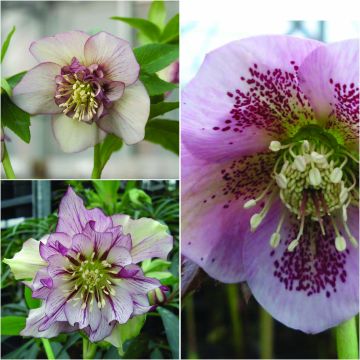
Available in 0 sizes
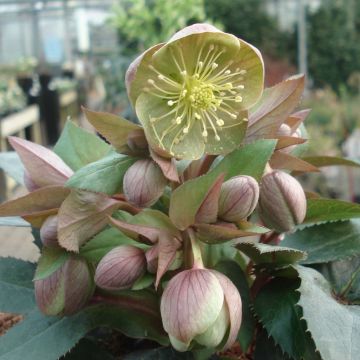
Available in 2 sizes
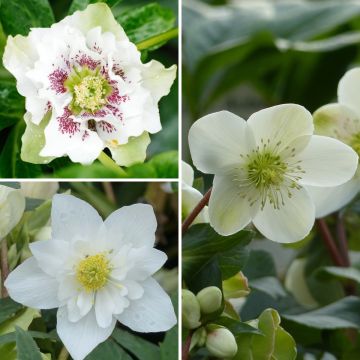
Available in 0 sizes
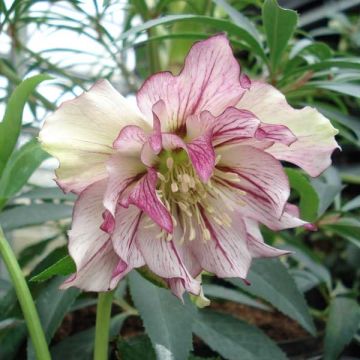
Available in 1 sizes
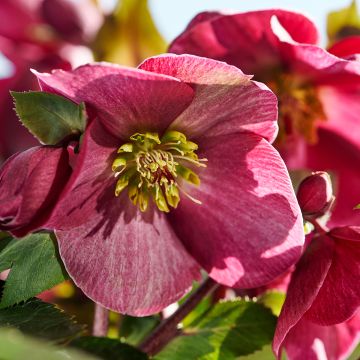
Available in 1 sizes
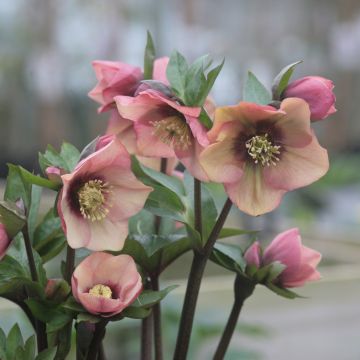
Available in 1 sizes
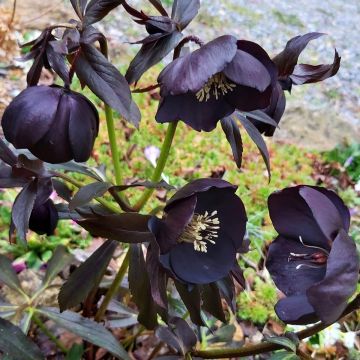
Available in 1 sizes

Available in 1 sizes
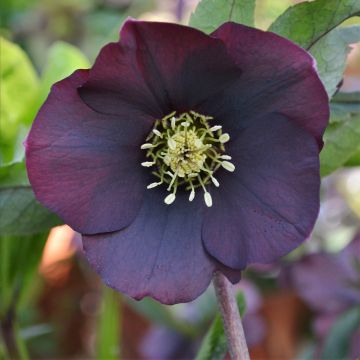
Available in 1 sizes
Available in 1 sizes
This plant carries a 12 months recovery warranty
More information
We guarantee the quality of our plants for a full growing cycle, and will replace at our expense any plant that fails to recover under normal climatic and planting conditions.
Would this plant suit my garden?
Set up your Plantfit profile →
Description
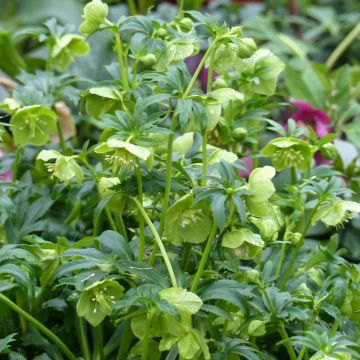
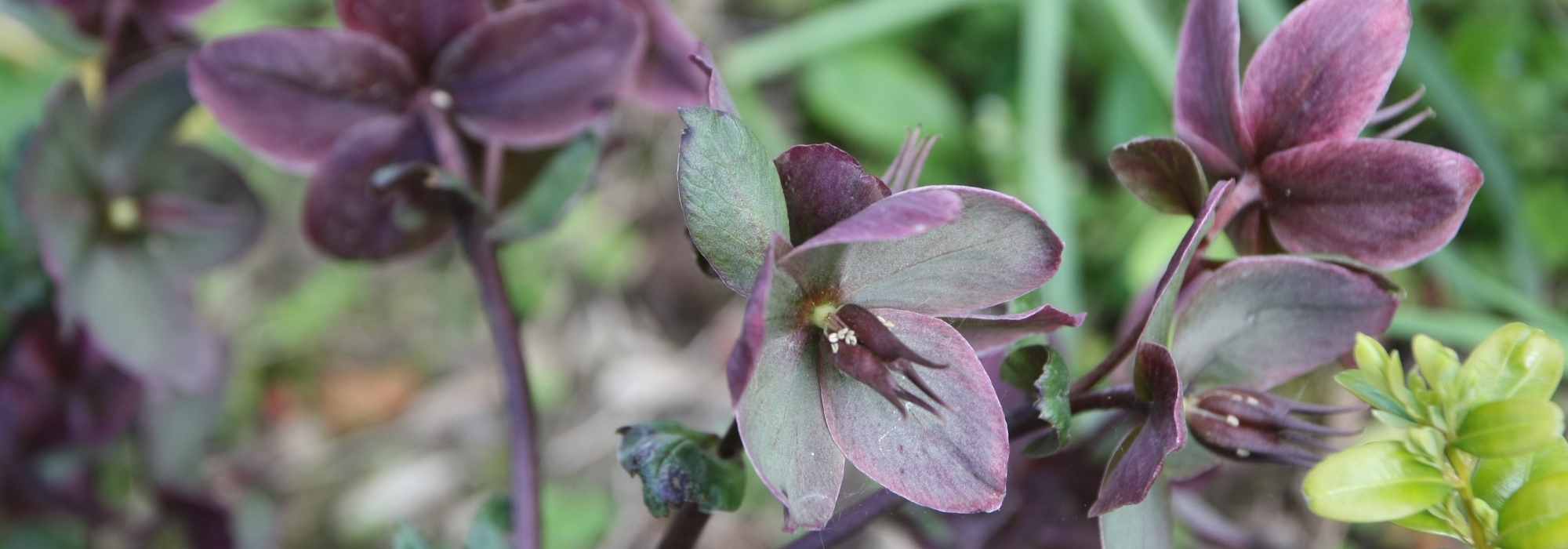
Helleborus dumetorum, l'hellébore des buissons, rarement proposée en culture, est l’une des plus petites espèces du genre. Cette vivace offre dès la fin de l’hiver de nombreuses fleurs inclinées, d'un vert mat lavé de bleu ardoise, accompagnées de bractées teintées de bronze lorsqu'elles paraissent. Le feuillage très découpé, de texture fine, se forme après la floraison et disparaît avant l'été. Ce petit hellébore se plaira à mi-ombre dans un sol humifère.
Cette espèce botanique appartient à la famille des Renonculacées. C’est une vivace herbacée : elle forme une souche d’où partent directement les feuilles et les hampes florales. Son aire de répartition naturelle s’étend en Europe centrale et sud-orientale, de l’Autriche à la Roumanie. Elle pousse dans les bois clairsemés de feuillus, les chênaies-charmaies, les fourrés et les lisières, sur des terrains frais au printemps mais drainés, notamment près des ruisseaux ou au pied de pentes rocheuses ; son nom d'espèce dumetorum signifie « des fourrés ». La plante forme une touffe compacte de 20 à 30 cm de haut pour 30 à 45 cm de large, qui s’étoffe lentement. Les hampes florales sortent avant les feuilles. Elles se ramifient et portent des bractées découpées, de couleur bronze ou rougeâtres au débourrement. Les feuilles se développent après ou pendant la floraison. Lisses et d'un vert franc, larges de 15 à 23 cm, elles sont divisées en plusieurs segments étroits disposés en éventail. Ce feuillage est caduc : il jaunit puis disparaît au début de l’été, lorsque la plante entre en repos. La floraison a lieu de fin janvier à avril selon le climat, le plus souvent en février-mars. Les tiges portent des petites fleurs penchées de 3 cm de diamètre. Leur forme varie de la coupe au petit cône. Chaque fleur compte cinq sépales vert tendre à vert mat, plus ou moins traversés de veines plus claires, avec une bordure pâle ou des nuances ardoisées et pourprées. Ils entourent de nombreuses étamines jaune clair et de petits nectaires, qui sont les véritables pétales transformés. Les sépales persistent après la fécondation autour des fruits groupés en follicules ; ces fructifications encore vertes peuvent être coupées pour faire des petits bouquets. Très résistant au froid, cet hellébore supporte des températures proches de –25 °C en terre drainée. Une fois établi, il tolère une sécheresse estivale modérée, mais demande davantage d'humidité de l’automne au printemps.
Cet hellébore dumetorum préfère un climat continental, montagnard, ou océanique frais. Il trouve sa place en lisière de sous-bois, dans une bordure ombragée ou sous des arbres et arbustes caducs. Près d’un passage, ses petites fleurs vertes nuancées d’ardoise sont plus faciles à observer. On peut l’associer à l'Helleborus torquatus, une autre espèce basse aux fleurs vertes bordées de pourpre, aux perce-neige (Galanthus), au Corydalis solida 'Beth Evans' et au Cyclamen coum 'Christmas Tree Rose'. Toutes ces plantes apprécient les mêmes ambiances.
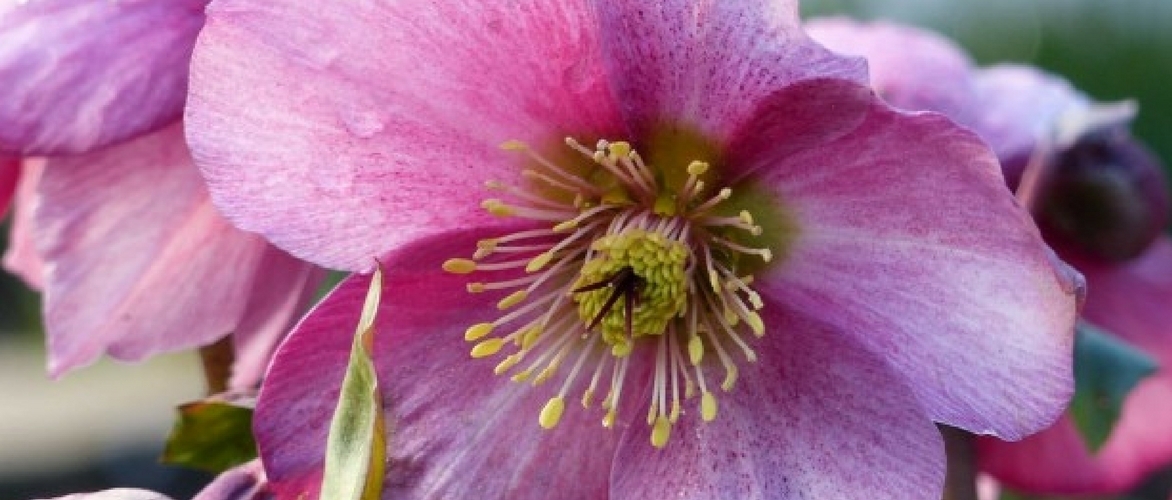
Helleborus dumetorum in pictures


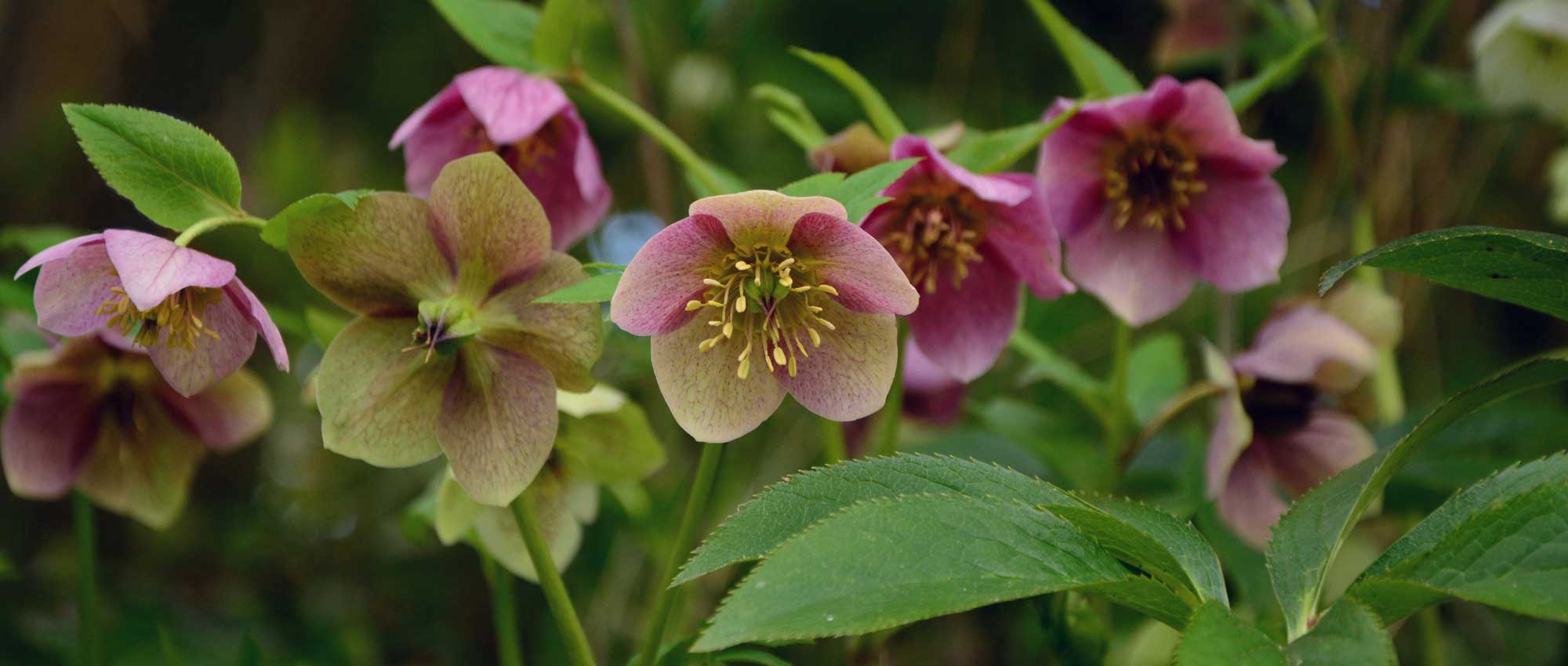
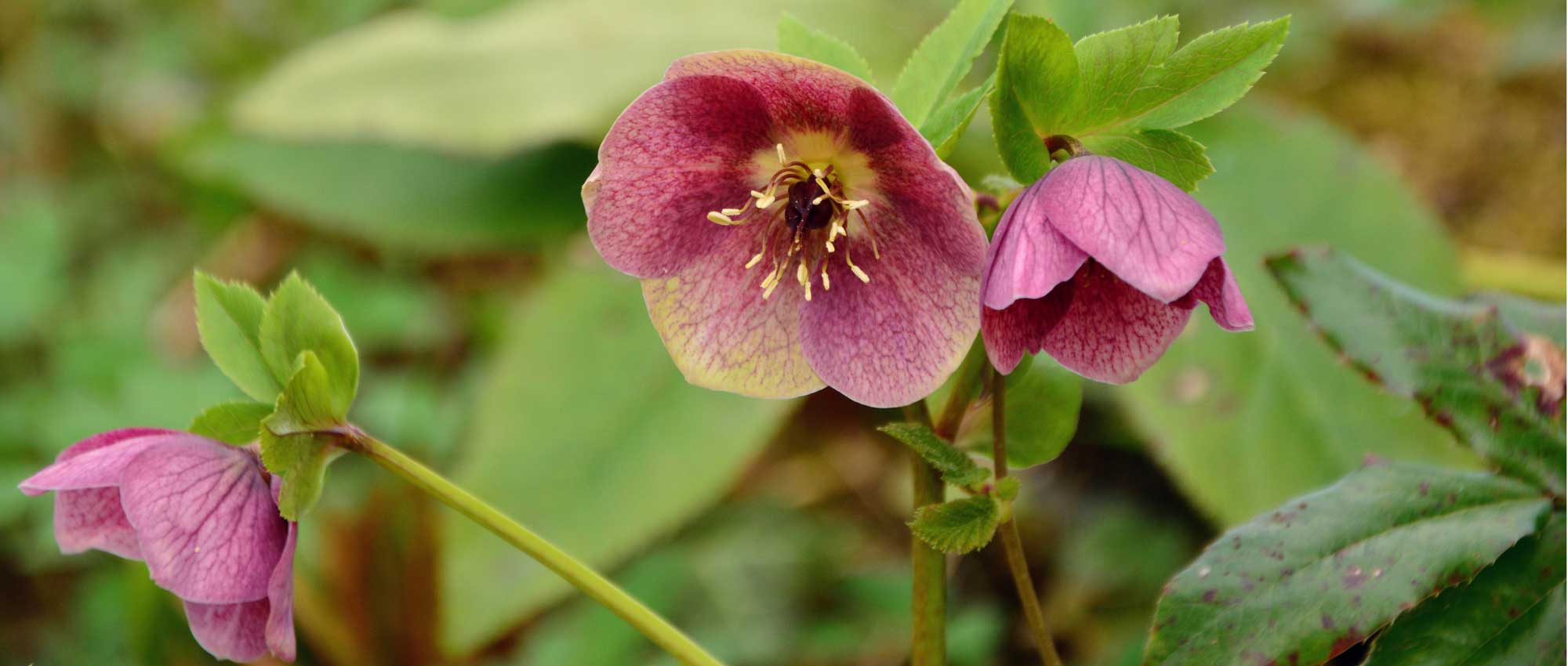
Flowering
Foliage
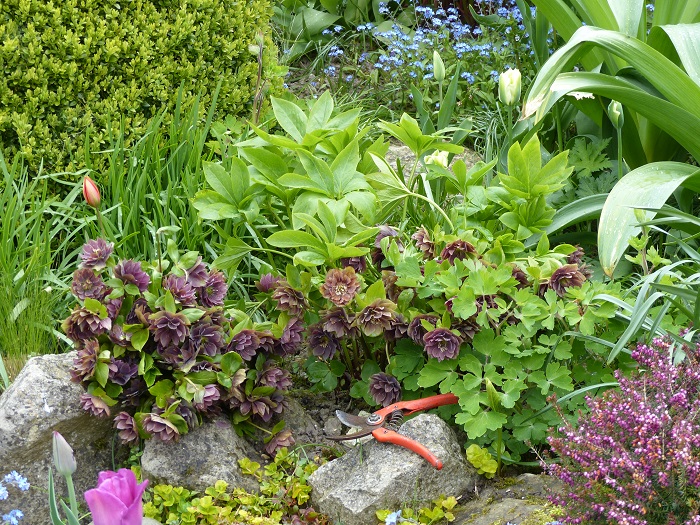
Plant habit
Botanical data
Helleborus
dumetorum
Ranunculaceae
Hellebore
Helleborus pallidus, Helleborus vaginatus
Central Europe, Eastern Europe, Balkans
Planting and care
Helleborus dumetorum can be planted from February to April or from September to November, ideally in March or October, outside periods of frost. In Mediterranean climates, choose October, once the rains have returned, and a cool spot protected from the afternoon sun. The light shade of a deciduous tree provides light during flowering, then shade in summer. Loosen the soil and incorporate compost or leaf mould. Clay soil is suitable provided it does not retain water in winter; improve its structure with soil conditioner and a draining material. Water at planting time, then during the first season of growth whenever the soil dries out. A well-established plant needs water between autumn and late spring; during the summer rest period, only water in cases of prolonged drought. Cut back the foliage once it has yellowed. Avoid moving or dividing the stump.
Planting period
Intended location
Care
Planting & care advice
-
-
-
-
-
-
-
-
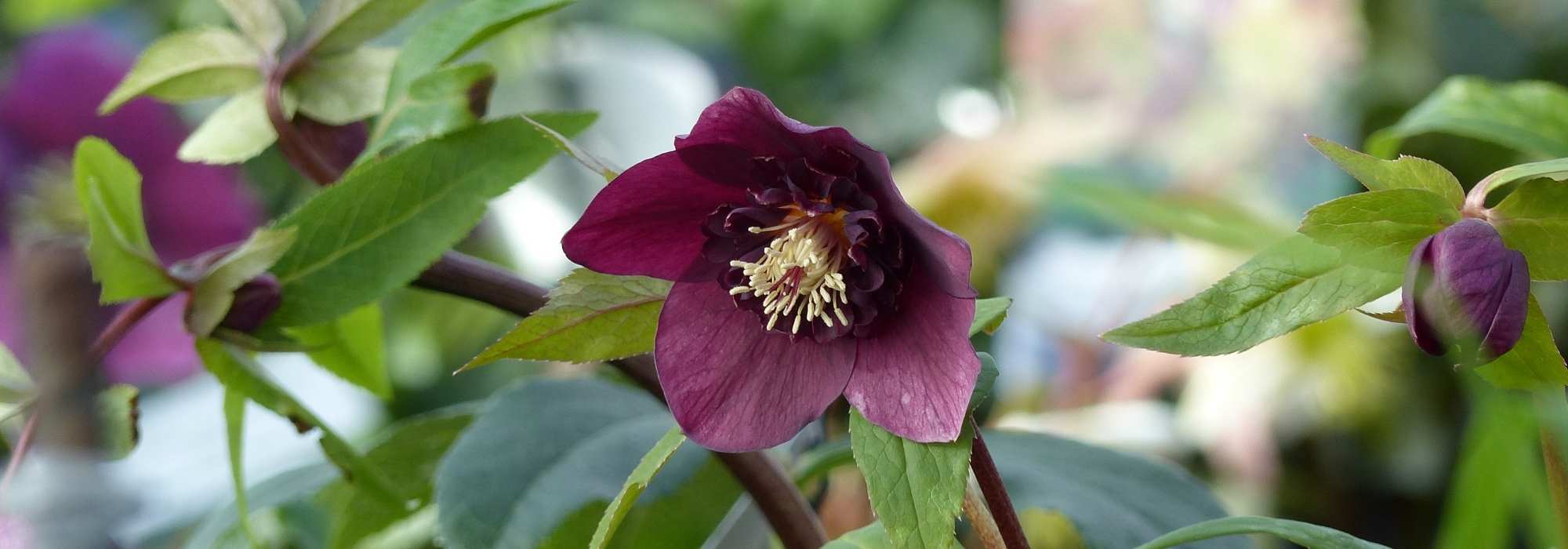
This item has not been reviewed yet - be the first to leave a review about it.
Recently viewed products
Haven't found what you were looking for?
Hardiness is the lowest winter temperature a plant can endure without suffering serious damage or even dying. However, hardiness is affected by location (a sheltered area, such as a patio), protection (winter cover) and soil type (hardiness is improved by well-drained soil).

The flowering period indicated on our website applies to countries and regions located in USDA zone 8 (France, the United Kingdom, Ireland, the Netherlands, etc.)
It will vary according to where you live:- In zones 9 to 10 (Italy, Spain, Greece, etc.), flowering will occur about 2 to 4 weeks earlier.
- In zones 6 to 7 (Germany, Poland, Slovenia, and lower mountainous regions), flowering will be delayed by 2 to 3 weeks.
- In zone 5 (Central Europe, Scandinavia), blooming will be delayed by 3 to 5 weeks.
In temperate climates, pruning of spring-flowering shrubs (forsythia, spireas, etc.) should be done just after flowering.
Pruning of summer-flowering shrubs (Indian Lilac, Perovskia, etc.) can be done in winter or spring.
In cold regions as well as with frost-sensitive plants, avoid pruning too early when severe frosts may still occur.
The planting period indicated on our website applies to countries and regions located in USDA zone 8 (France, United Kingdom, Ireland, Netherlands).
It will vary according to where you live:
- In Mediterranean zones (Marseille, Madrid, Milan, etc.), autumn and winter are the best planting periods.
- In continental zones (Strasbourg, Munich, Vienna, etc.), delay planting by 2 to 3 weeks in spring and bring it forward by 2 to 4 weeks in autumn.
- In mountainous regions (the Alps, Pyrenees, Carpathians, etc.), it is best to plant in late spring (May-June) or late summer (August-September).
The harvesting period indicated on our website applies to countries and regions in USDA zone 8 (France, England, Ireland, the Netherlands).
In colder areas (Scandinavia, Poland, Austria...) fruit and vegetable harvests are likely to be delayed by 3-4 weeks.
In warmer areas (Italy, Spain, Greece, etc.), harvesting will probably take place earlier, depending on weather conditions.
The sowing periods indicated on our website apply to countries and regions within USDA Zone 8 (France, UK, Ireland, Netherlands).
In colder areas (Scandinavia, Poland, Austria...), delay any outdoor sowing by 3-4 weeks, or sow under glass.
In warmer climes (Italy, Spain, Greece, etc.), bring outdoor sowing forward by a few weeks.
Shipping country and language
Your country of residence may be:
Your country of residence is:
For a better user experience on our website, you can select:
Your shipping country:
-
 Austria
-
 Belgium
-
 Bosnia & Herzegovina
-
 Bulgaria
-
 Croatia
-
 Cyprus
-
 Czechia
-
 Denmark
-
 Estonia
-
 Finland
-
 France
-
 Germany
-
 Greece
-
 Hungary
-
 Iceland
-
 Ireland
-
 Italy
-
 Latvia
-
 Liechtenstein
-
 Lithuania
-
 Luxembourg
-
 Malta
-
 Netherlands
-
 Poland
-
 Portugal
-
 Romania
-
 Serbia
-
 Slovakia
-
 Slovenia
-
 Spain
-
 Sweden
-
 Switzerland
Language:
-
French
-
 English
-
Spanish
-
Italian
-
German
-
Portuguese
-
Dutch
-
Finnish
My Account
Hello
My wish lists
My cart
Log in / Register
Existing customer?
This form is protected by reCAPTCHA - the Google Privacy Policy and Terms of Service apply.
New customer?
Create an account to track your orders, access our customer service and, if you wish, make the most of our upcoming offers.