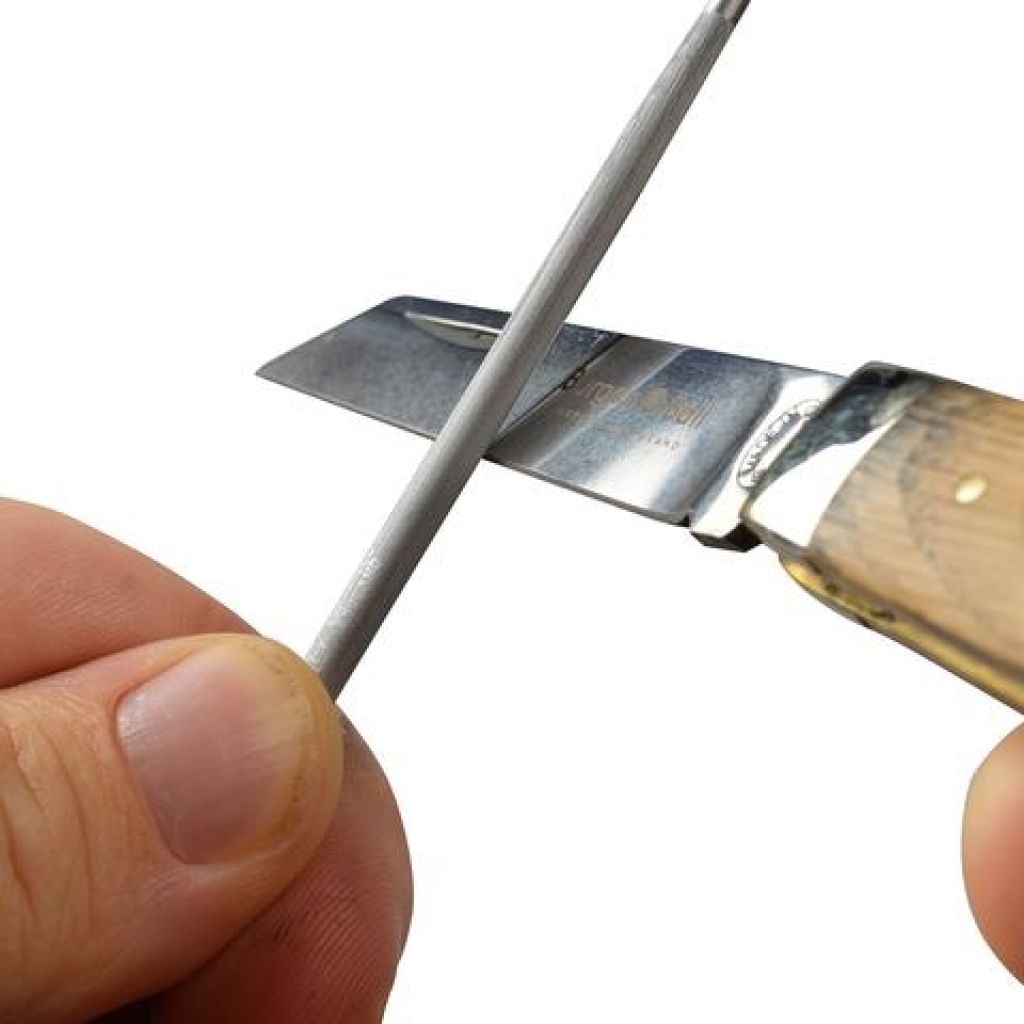
Small acute blade sharpener by Burgon & Ball
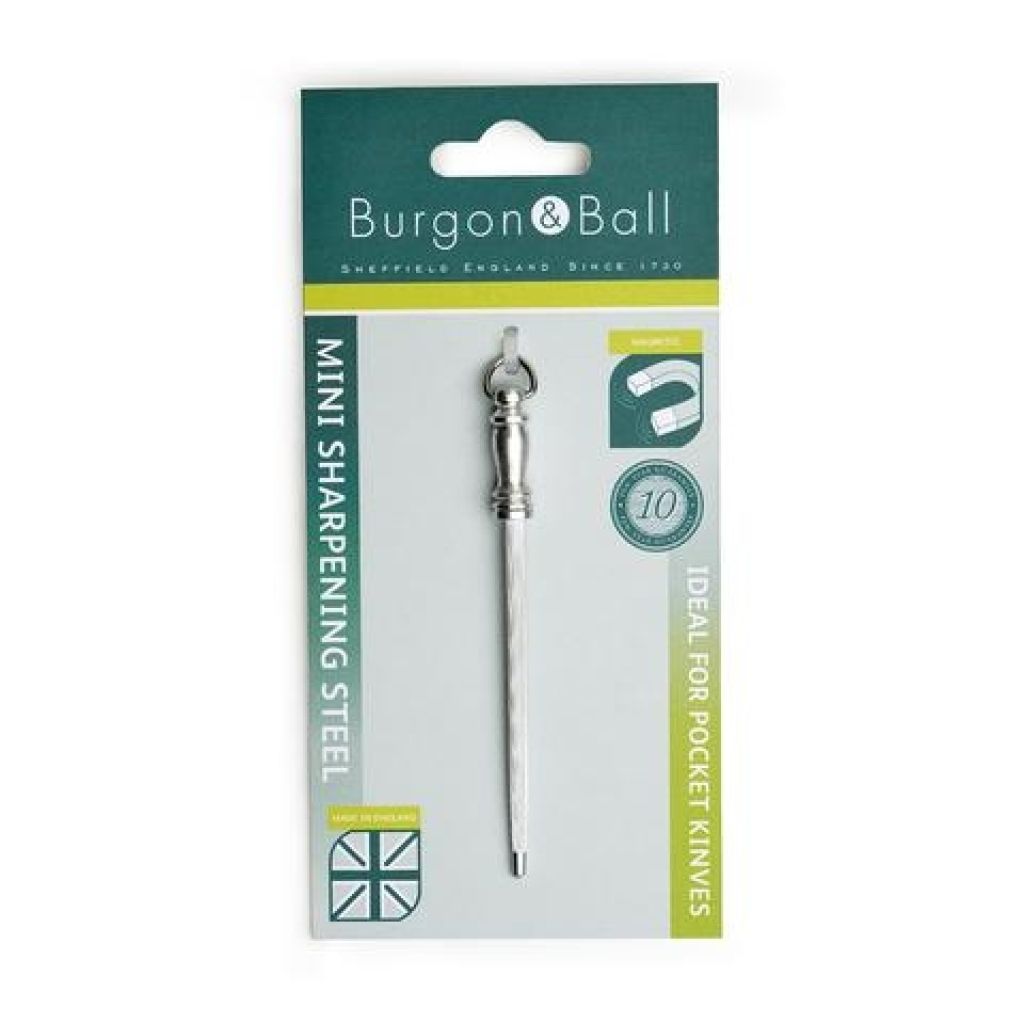
Small acute blade sharpener by Burgon & Ball
Small acute blade sharpener by Burgon & Ball
Back-to-school special offer!
Get €10 off for every €50 you spend! And get up to €40 off on a single order.
How does it work?
1. Shop your favourites
Add your favourite plants to your basket. For every €50 you spend (excluding delivery charges, store credit and the plastic-free option), you’ll receive a €10 voucher.
€50 spent = €10 voucher
€100 spent = €20 voucher
€150 spent = €30 voucher
€200 spent = €40 voucher
2. Place your order
Once your basket reaches one of the spending thresholds, place your order. You can even choose your delivery date!
3. Receive your voucher
As soon as your order has been shipped, you’ll receive an email containing your personal voucher code and its value.
4. Use it on your next order
Your voucher is valid for 90 days from the date you receive it. It can be used once only, on a new order worth at least the value of the voucher, excluding delivery charges.
Please note: Vouchers can be combined with other offers, but cannot be split or refunded.
Home or relay delivery (depending on size and destination)
Important: You may be charged customs duties by your country’s customs authorities upon delivery.
Schedule delivery date,
and select date in basket
We guarantee the quality of our plants for a full growing cycle, and will replace at our expense any plant that fails to recover under normal climatic and planting conditions.

The Burgon & Ball small steel blade sharpener is specifically designed to quickly and easily restore the edge of all sharp tools, particularly pocket knives and secateurs.
The dormant period is the ideal time to undertake maintenance and shaping pruning of ornamental or fruit trees in the garden. To ensure clean cuts, use perfectly sharp tools. Do not wait until the cutting edge of the tools is too dull to sharpen them. A cut that is not clean damages the plant by leaving strips of bark or tissue, which are conducive to the development of diseases or parasites. Only sharpen clean tools. To do this, wash them with clean water and then dry them to prevent rust.
Sharpeners are essential for maintaining the cutting edge and ensuring not only cutting quality and blade and counter-blade longevity, but also optimization of cutting effort. This also allows for longer intervals between sharpenings.
A precaution often overlooked by gardeners is the need to regularly disinfect cutting tools. To do this, use a cloth soaked in 90° alcohol. It destroys parasites, fungi, or viruses that may have taken hold when pruning a diseased plant.
Remember to sharpen your cutting tools after each use
It is much easier to sharpen a cutting tool after each use than to wait until the tool no longer cuts at all. In the first case, it will require little time and effort. Whereas in the second case, the task will be much more difficult.
The proper technique for sharpening
Sharpening is always done from the inside to the outside and on both sides. Maintain the original angle for better efficiency. At the end of the operation, remove the slight burr that forms at the tip of the cutting edge (wire edge) with a small file held flat.
Tip for sharpening
Before you start, color the area to be sharpened with a permanent black marker and sharpen until no trace of the marker can be seen on the cutting edge.
This small blade sharpener, a true steel honing rod is guaranteed for 10 years, but we recommend taking care of your sharpener and storing it away from the weather and sunlight.
Technical specifications:
- Length: 7 cm (3in).
-
Weight: 200 g
It must be acknowledged that the English have the privilege of being the reference in gardening (if not in cooking). Promesses de fleurs has chosen the English company Burgon & Ball for the quality of its materials and its nearly three-century-old steel manufacturing methods. The company has been working with steel in Sheffield since 1730, starting with a patent for solid steel sheep shears. The production of garden shears and equipment quickly surpassed that of sheep shears, but Burgon & Ball stainless steel tools are officially approved by the Royal Horticultural Society - probably the ultimate reward in the gardening industry. And it's well known that to have good tools, they must be well-maintained.
Technical features
Tips
This item has not been reviewed yet - be the first to leave a review about it.
Recently viewed products
Haven't found what you were looking for?
Hardiness is the lowest winter temperature a plant can endure without suffering serious damage or even dying. However, hardiness is affected by location (a sheltered area, such as a patio), protection (winter cover) and soil type (hardiness is improved by well-drained soil).

The flowering period indicated on our website applies to countries and regions located in USDA zone 8 (France, the United Kingdom, Ireland, the Netherlands, etc.)
It will vary according to where you live:- In zones 9 to 10 (Italy, Spain, Greece, etc.), flowering will occur about 2 to 4 weeks earlier.
- In zones 6 to 7 (Germany, Poland, Slovenia, and lower mountainous regions), flowering will be delayed by 2 to 3 weeks.
- In zone 5 (Central Europe, Scandinavia), blooming will be delayed by 3 to 5 weeks.
In temperate climates, pruning of spring-flowering shrubs (forsythia, spireas, etc.) should be done just after flowering.
Pruning of summer-flowering shrubs (Indian Lilac, Perovskia, etc.) can be done in winter or spring.
In cold regions as well as with frost-sensitive plants, avoid pruning too early when severe frosts may still occur.
The planting period indicated on our website applies to countries and regions located in USDA zone 8 (France, United Kingdom, Ireland, Netherlands).
It will vary according to where you live:
- In Mediterranean zones (Marseille, Madrid, Milan, etc.), autumn and winter are the best planting periods.
- In continental zones (Strasbourg, Munich, Vienna, etc.), delay planting by 2 to 3 weeks in spring and bring it forward by 2 to 4 weeks in autumn.
- In mountainous regions (the Alps, Pyrenees, Carpathians, etc.), it is best to plant in late spring (May-June) or late summer (August-September).
The harvesting period indicated on our website applies to countries and regions in USDA zone 8 (France, England, Ireland, the Netherlands).
In colder areas (Scandinavia, Poland, Austria...) fruit and vegetable harvests are likely to be delayed by 3-4 weeks.
In warmer areas (Italy, Spain, Greece, etc.), harvesting will probably take place earlier, depending on weather conditions.
The sowing periods indicated on our website apply to countries and regions within USDA Zone 8 (France, UK, Ireland, Netherlands).
In colder areas (Scandinavia, Poland, Austria...), delay any outdoor sowing by 3-4 weeks, or sow under glass.
In warmer climes (Italy, Spain, Greece, etc.), bring outdoor sowing forward by a few weeks.
Shipping country and language
Your country of residence may be:
Your country of residence is:
For a better user experience on our website, you can select:
Your shipping country:
-
 Austria
-
 Belgium
-
 Bosnia & Herzegovina
-
 Bulgaria
-
 Croatia
-
 Cyprus
-
 Czechia
-
 Denmark
-
 Estonia
-
 Finland
-
 France
-
 Germany
-
 Greece
-
 Hungary
-
 Iceland
-
 Ireland
-
 Italy
Italy
-
 Latvia
-
 Liechtenstein
-
 Lithuania
-
 Luxembourg
-
 Malta
Malta
-
 Netherlands
-
 Poland
-
 Portugal
-
 Romania
-
 Serbia
-
 Slovakia
-
 Slovenia
-
 Spain
Spain
-
 Sweden
-
 Switzerland
Language:
-
French
-
 English
-
Spanish
-
Italian
-
German
-
Portuguese
-
Dutch
-
Finnish
My Account
Hello
My wish lists
My cart
Log in / Register
Existing customer?
This form is protected by reCAPTCHA - the Google Privacy Policy and Terms of Service apply.
New customer?
Create an account to track your orders, access our customer service and, if you wish, make the most of our upcoming offers.