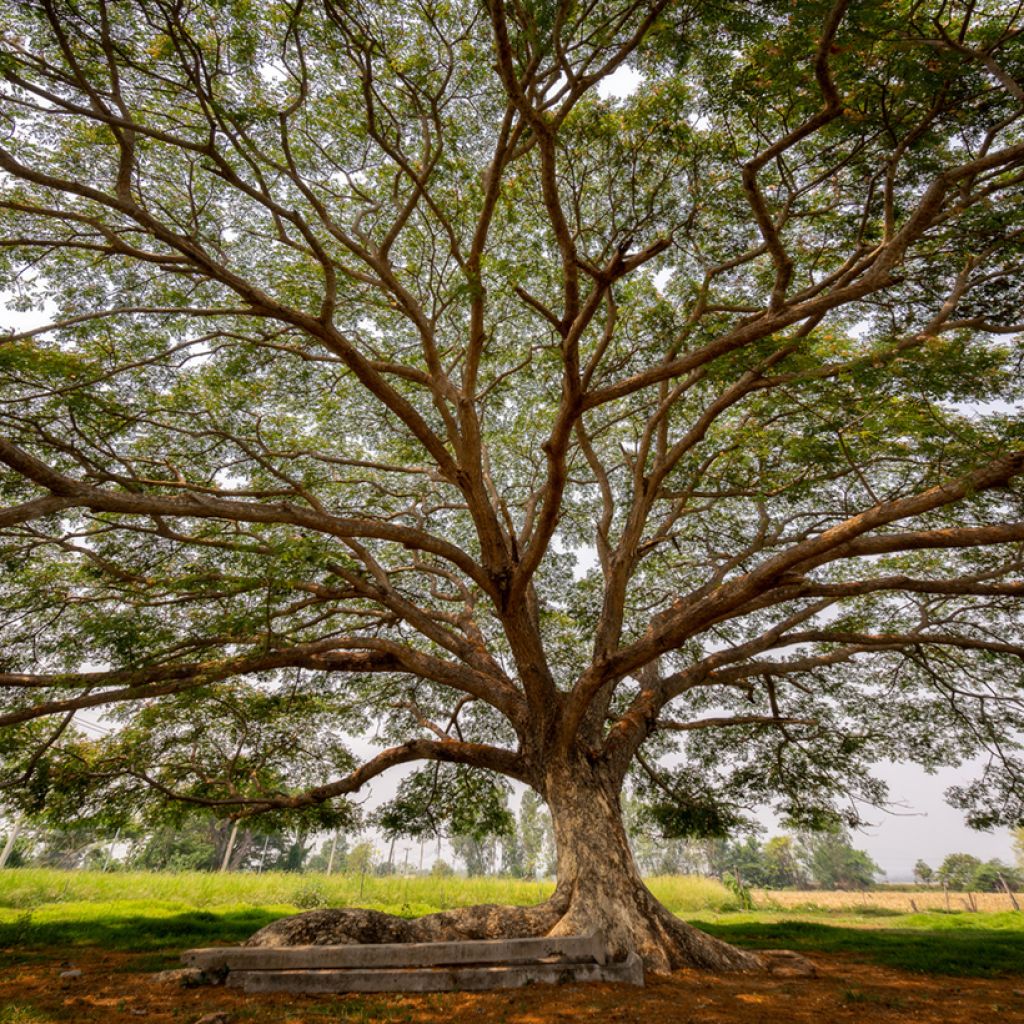
Albizia saman - Monkey pod tree
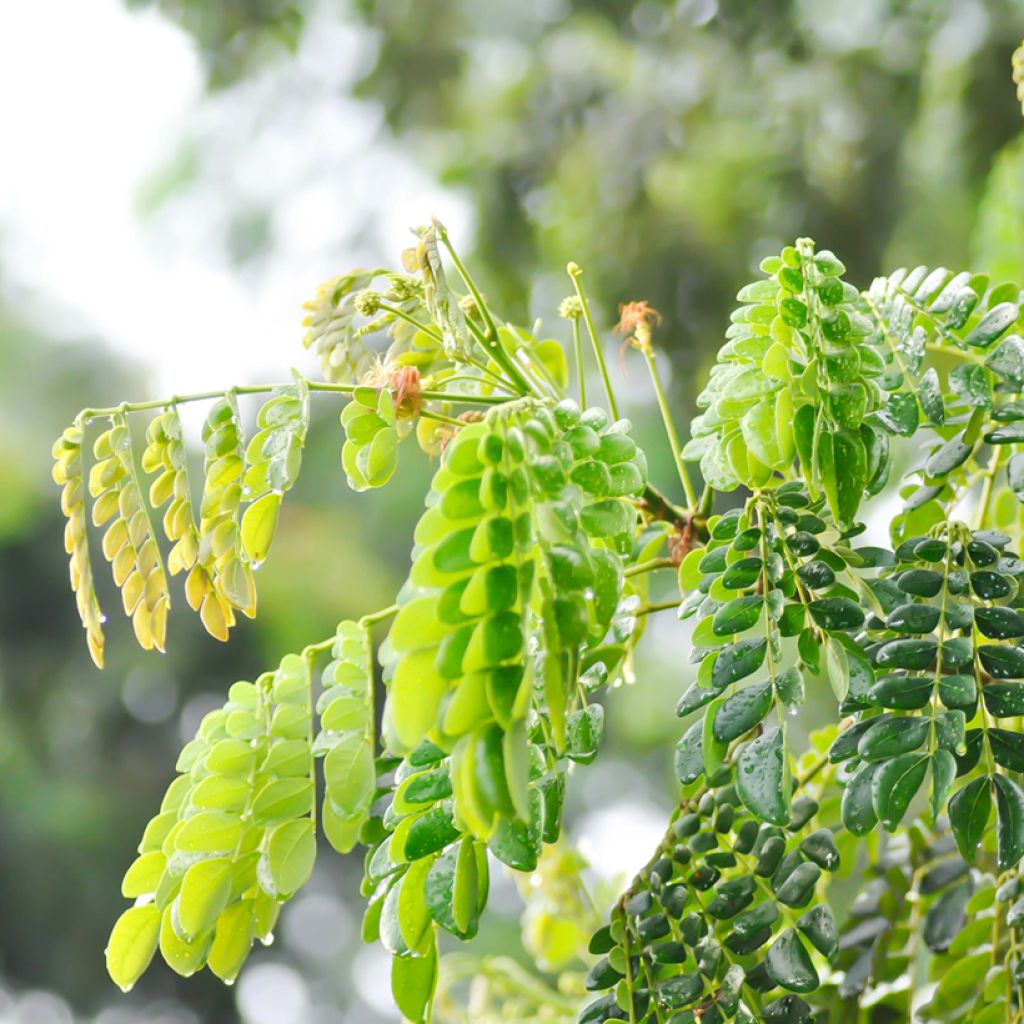
Albizia saman - Monkey pod tree
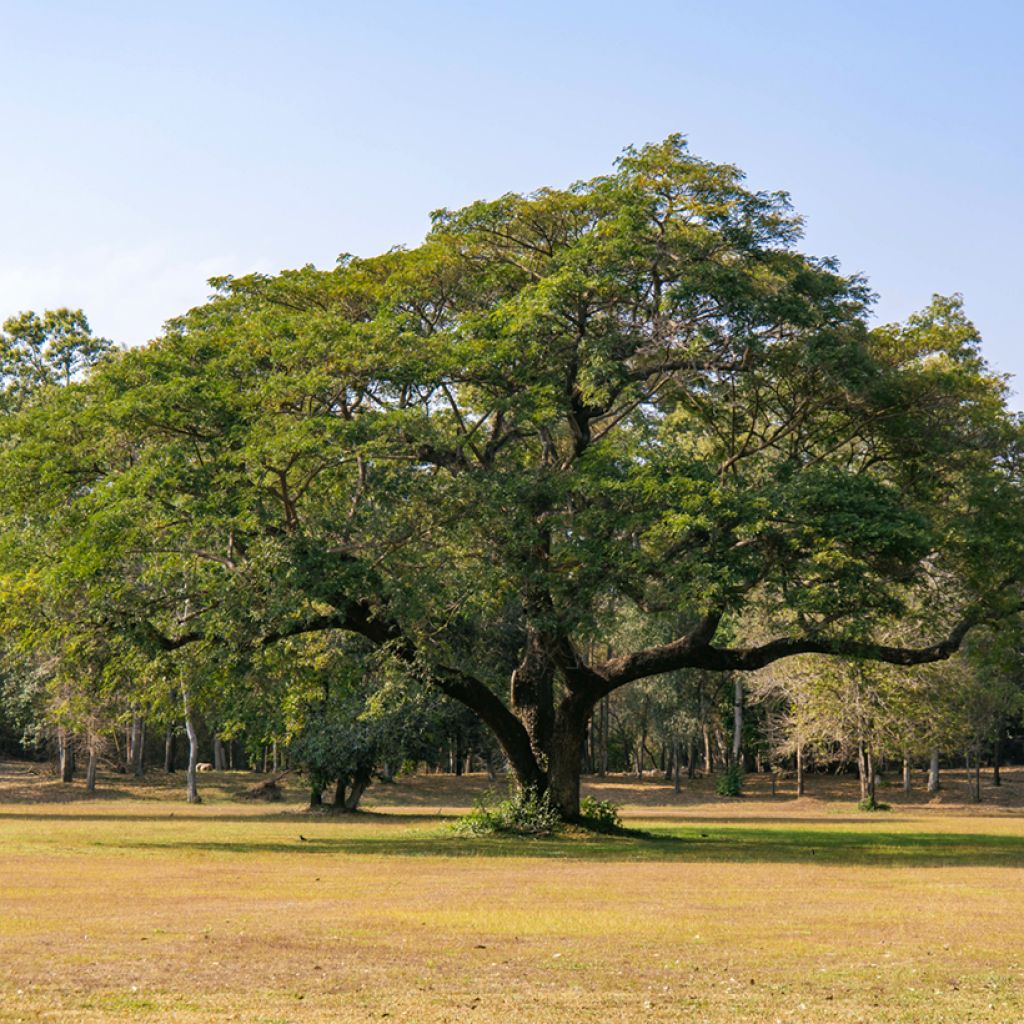
Albizia saman - Monkey pod tree
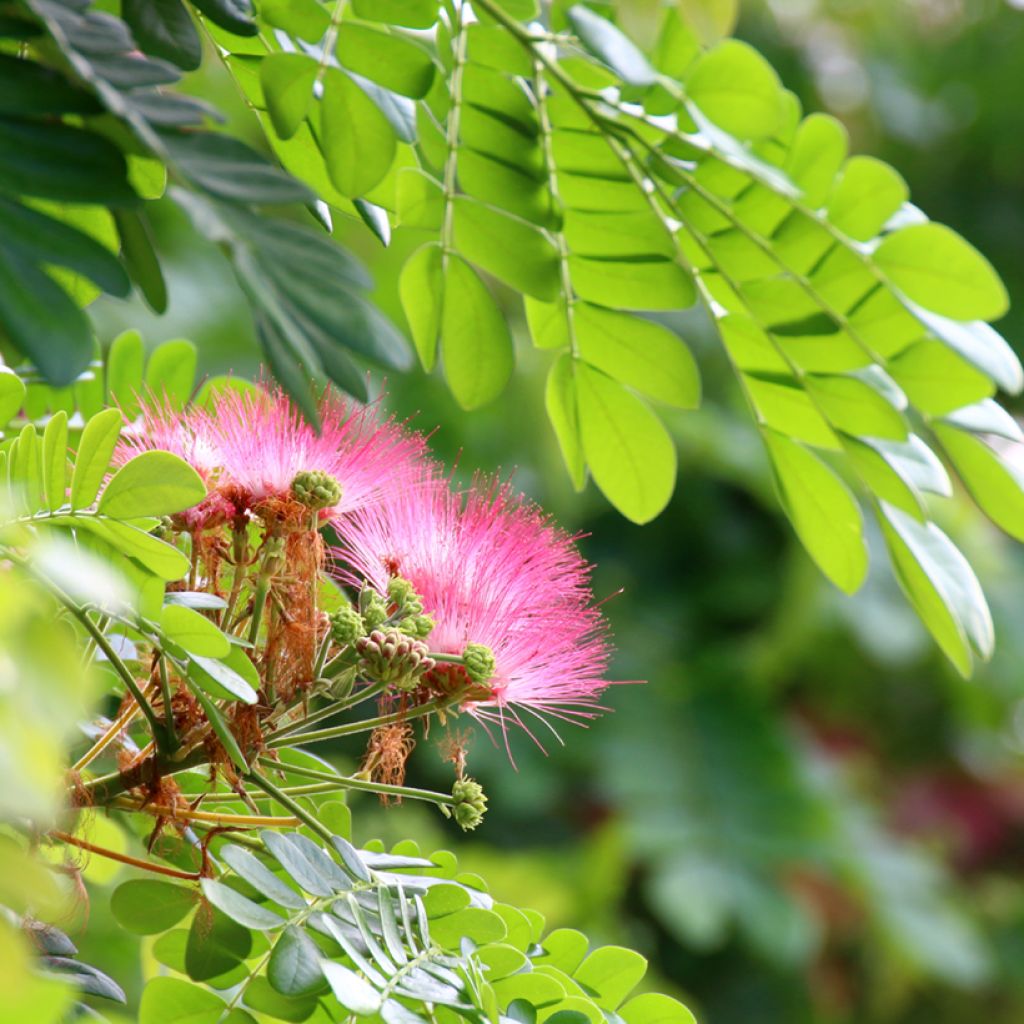
Albizia saman - Monkey pod tree
Albizia saman - Monkey pod tree
Albizia saman - Monkey pod tree
Albizia saman - Monkey pod tree
Albizia saman - Monkey pod tree
Albizia saman - Monkey pod tree
Albizia saman - Monkey pod tree
Albizia saman - Monkey pod tree
Albizzia saman
Monkey pod, saman, zamang, rain tree, saman tree
Back-to-school special offer!
Get €10 off for every €50 you spend! And get up to €40 off on a single order.
How does it work?
1. Shop your favourites
Add your favourite plants to your basket. For every €50 you spend (excluding delivery charges, store credit and the plastic-free option), you’ll receive a €10 voucher.
€50 spent = €10 voucher
€100 spent = €20 voucher
€150 spent = €30 voucher
€200 spent = €40 voucher
2. Place your order
Once your basket reaches one of the spending thresholds, place your order. You can even choose your delivery date!
3. Receive your voucher
As soon as your order has been shipped, you’ll receive an email containing your personal voucher code and its value.
4. Use it on your next order
Your voucher is valid for 90 days from the date you receive it. It can be used once only, on a new order worth at least the value of the voucher, excluding delivery charges.
Please note: Vouchers can be combined with other offers, but cannot be split or refunded.
Why not try an alternative variety in stock?
View all →
Available in 1 sizes
Available in 3 sizes
Available in 2 sizes
Available in 2 sizes
Available in 1 sizes
Available in 1 sizes
Available in 1 sizes
This plant carries a 24 months recovery warranty
More information
We guarantee the quality of our plants for a full growing cycle, and will replace at our expense any plant that fails to recover under normal climatic and planting conditions.
Would this plant suit my garden?
Set up your Plantfit profile →
Description
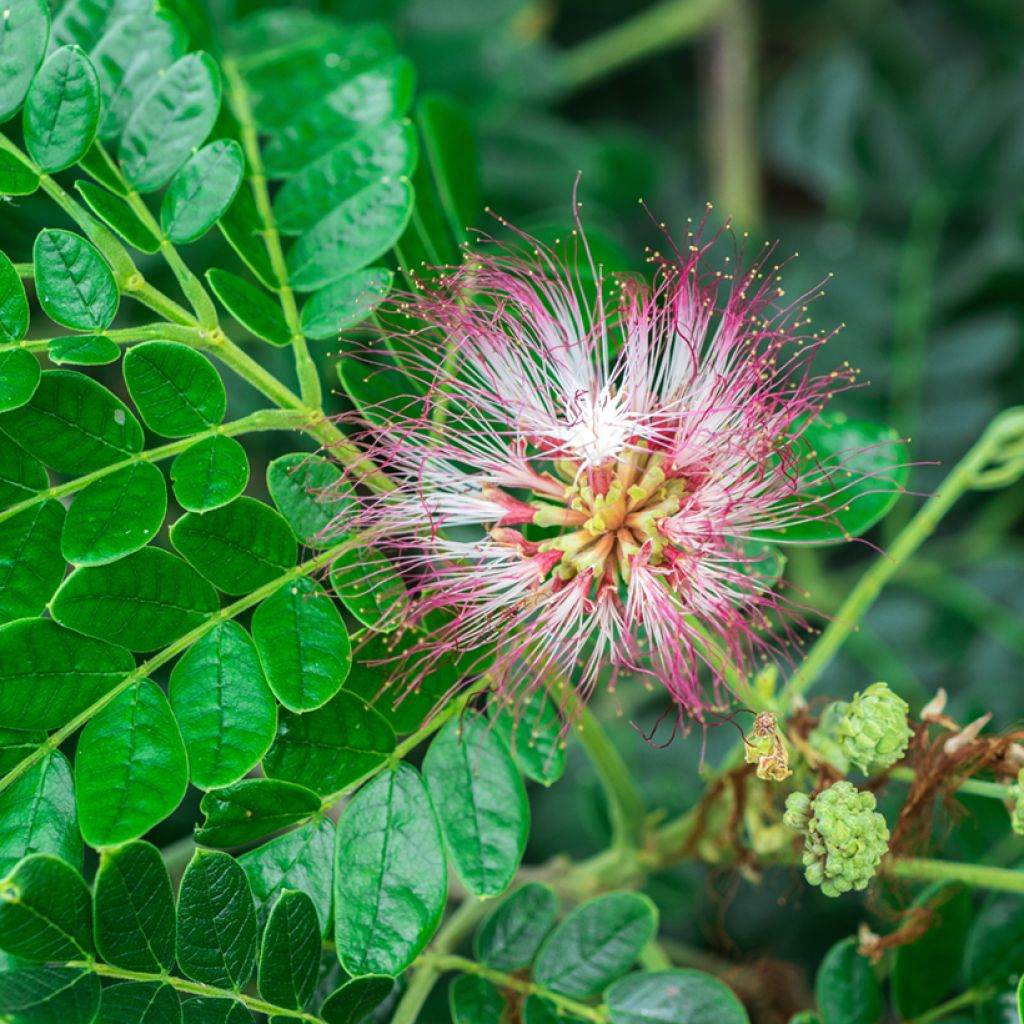
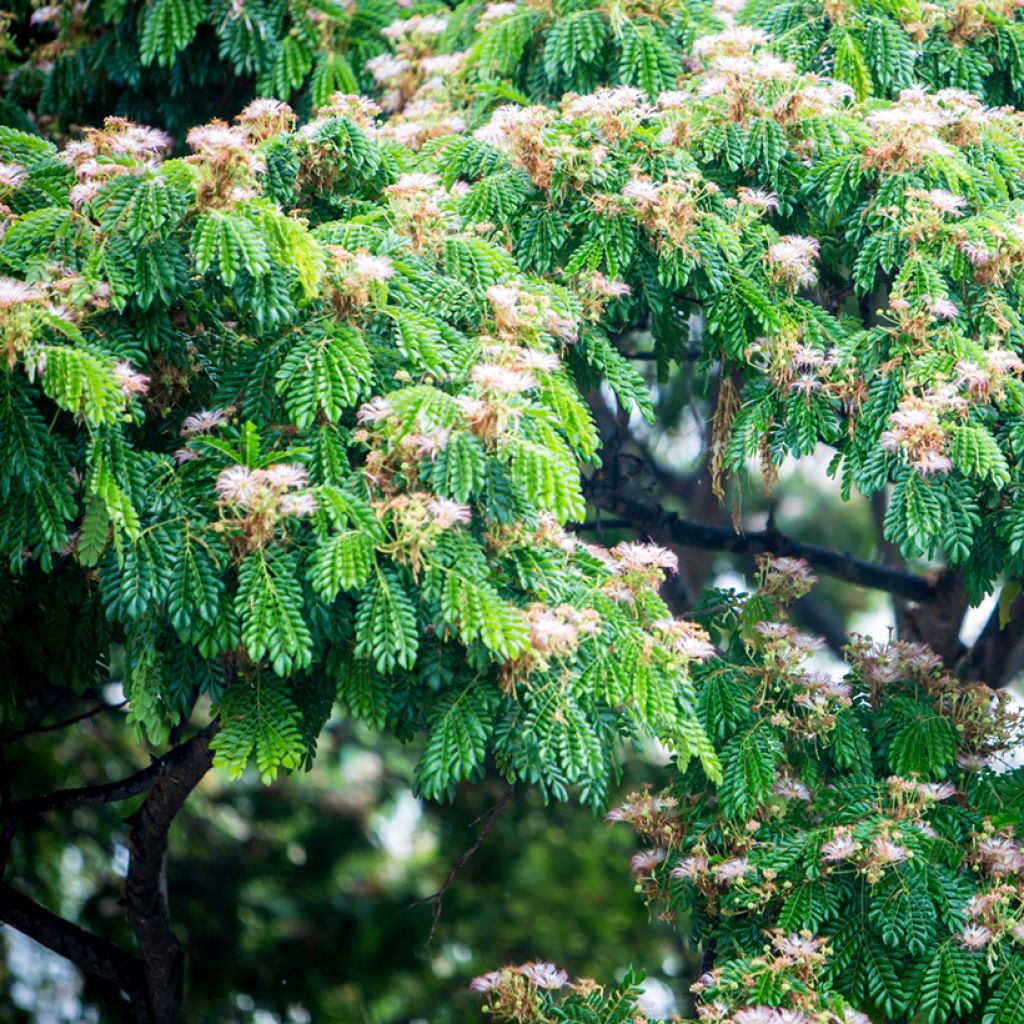
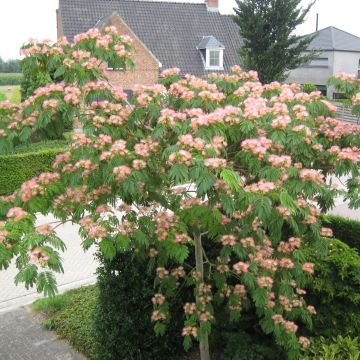
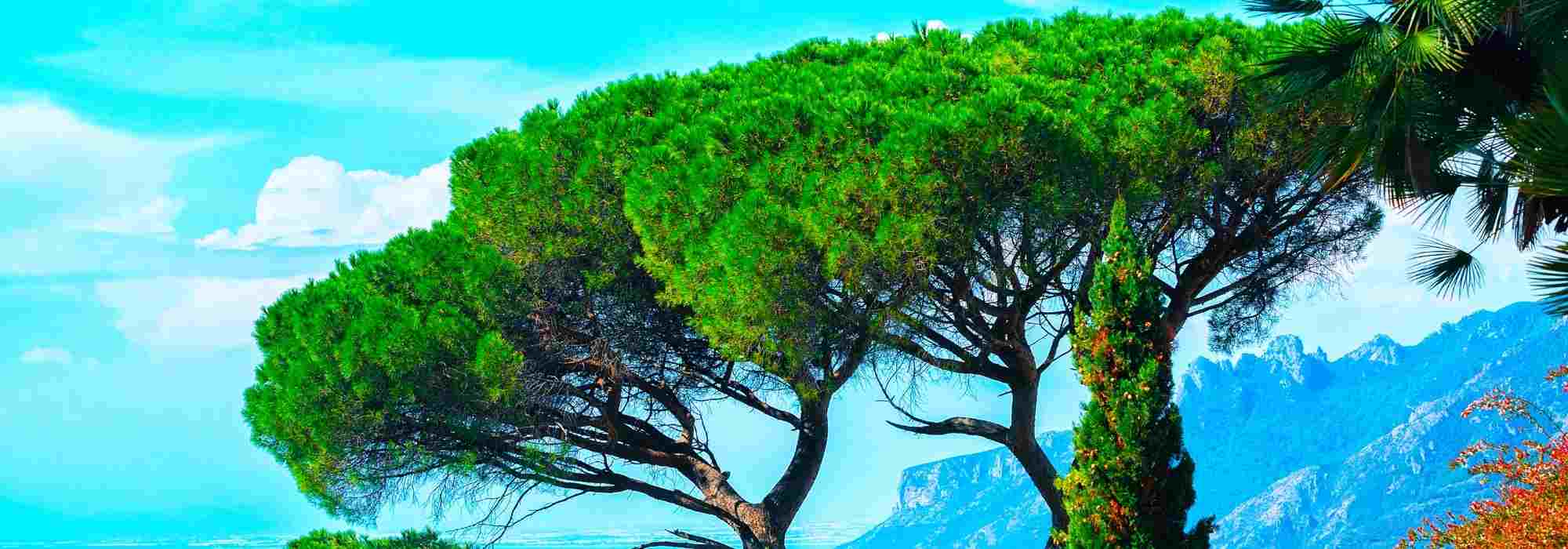
Albizia saman, nicknamed the Rain Tree or Black Wood of Haiti, boasts a majestic habit and a broad parasol-shaped crown. Its delicate foliage closes up in the rain, and its airy pink and white flowers offer a refined spectacle. This beautiful tropical tree struggles with temperatures below 10°C: it will need to be grown in a pot in most of our climates and brought indoors during winter. You can place it in a bright conservatory or heated greenhouse. It may be attempted in open ground in southern Europe, or even in very sheltered gardens on the French Riviera or Corsica.
Albizia saman, formerly named Samanea saman, belongs to the Fabaceae family and the Mimosoideae subfamily. Native to neotropical regions, its natural range extends from Mexico to Brazil, including countries like Guatemala, Peru, and Bolivia. It has been widely introduced to other tropical regions, particularly Southeast Asia and some Pacific islands, where it is often planted as a shade tree.
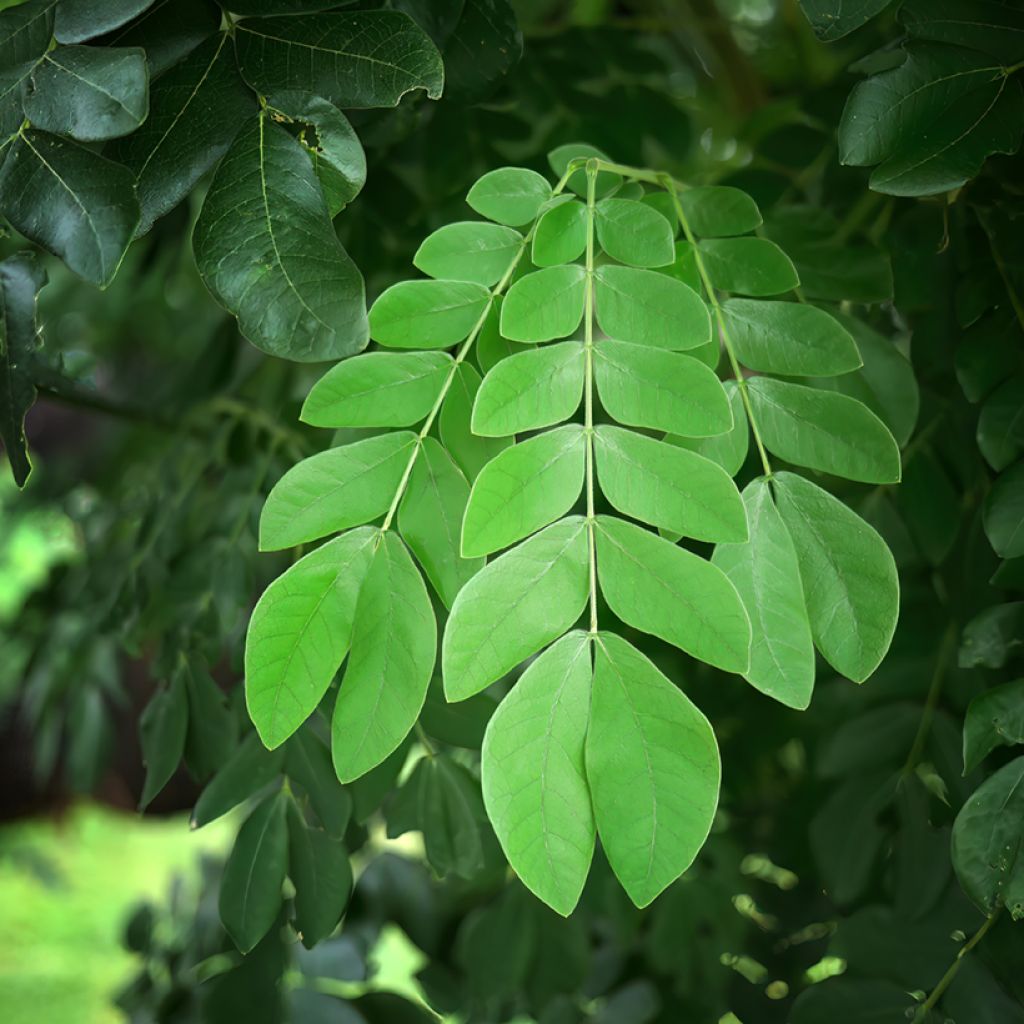
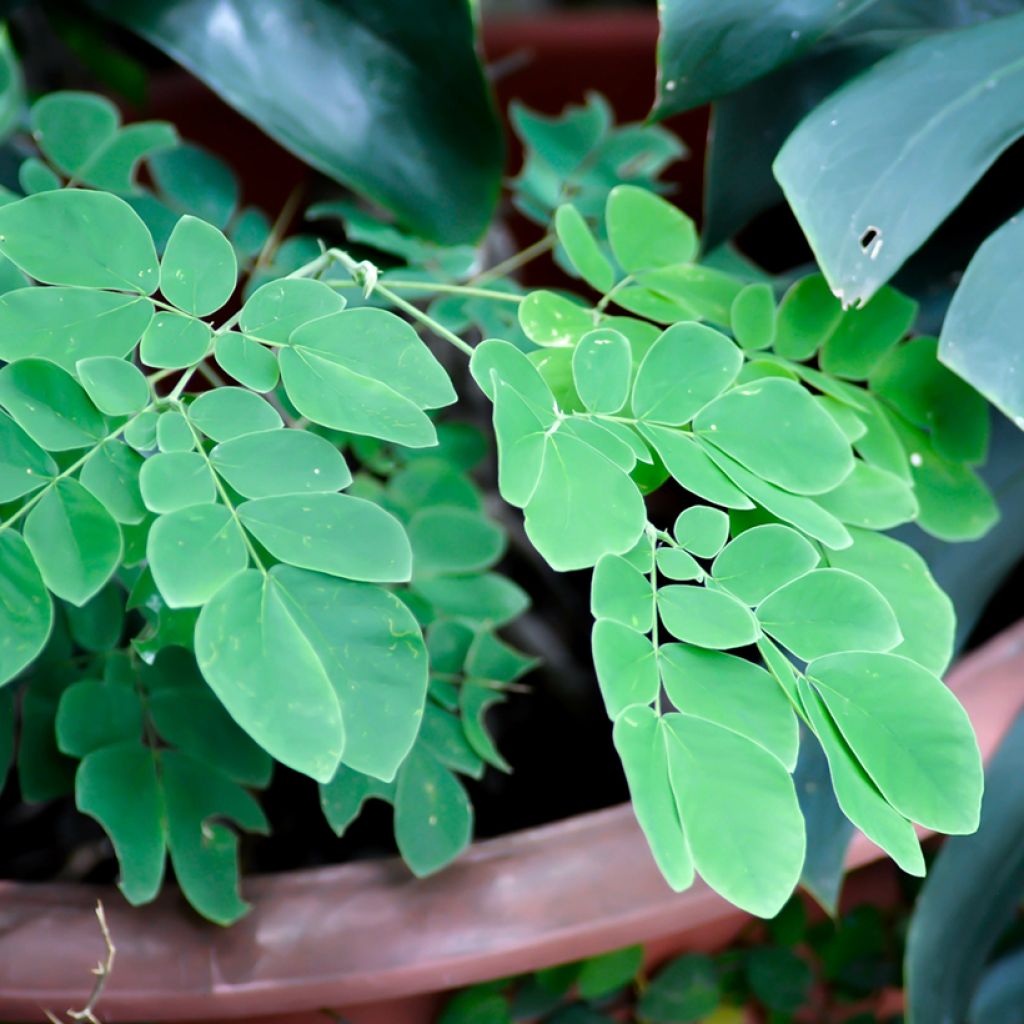
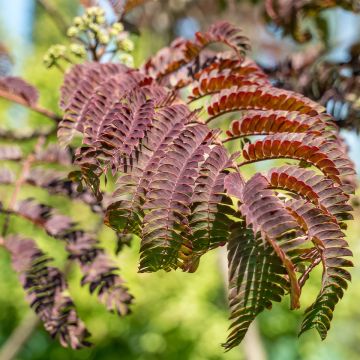
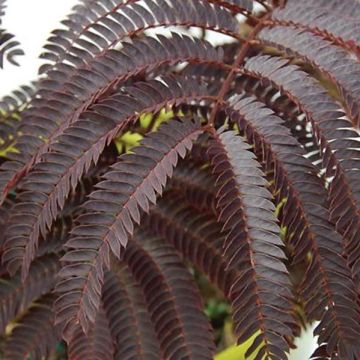
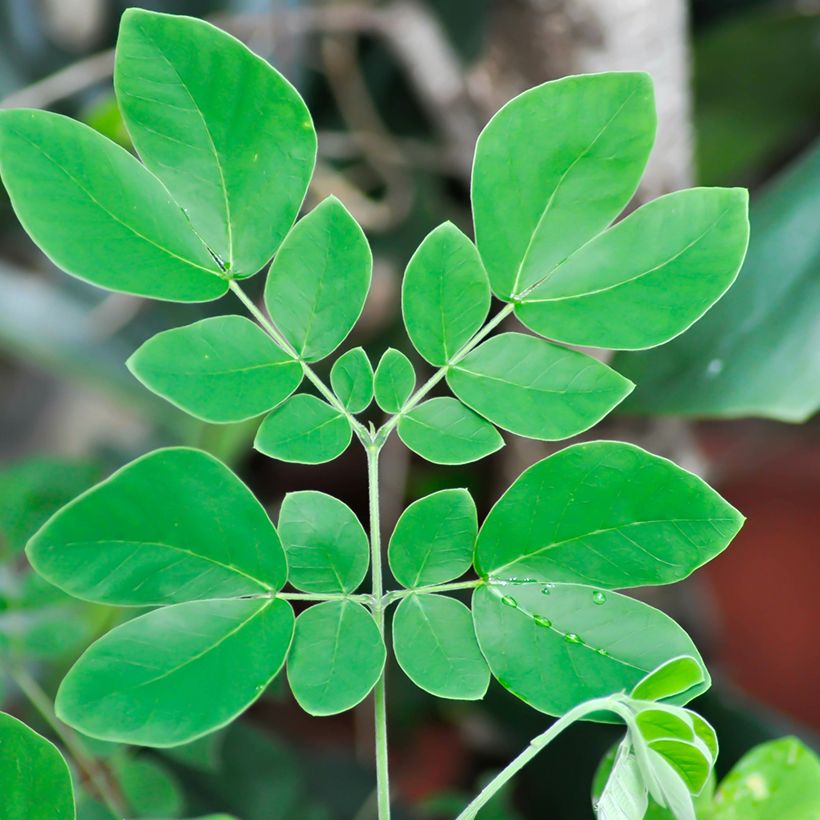
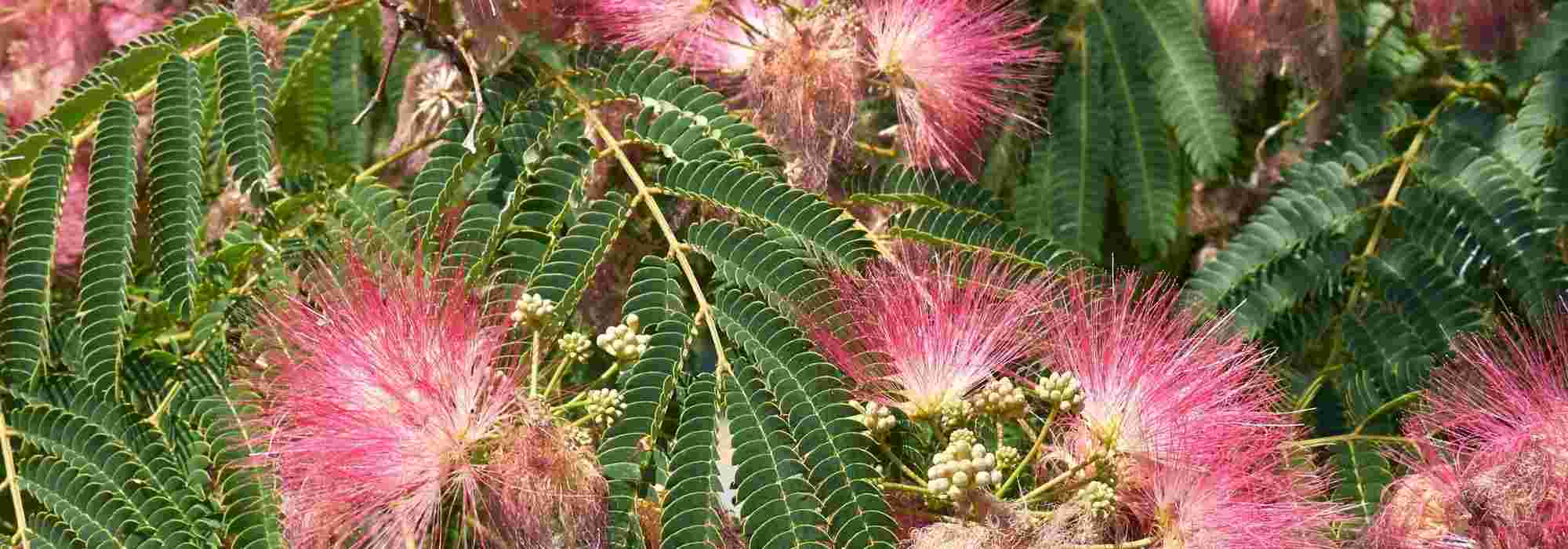
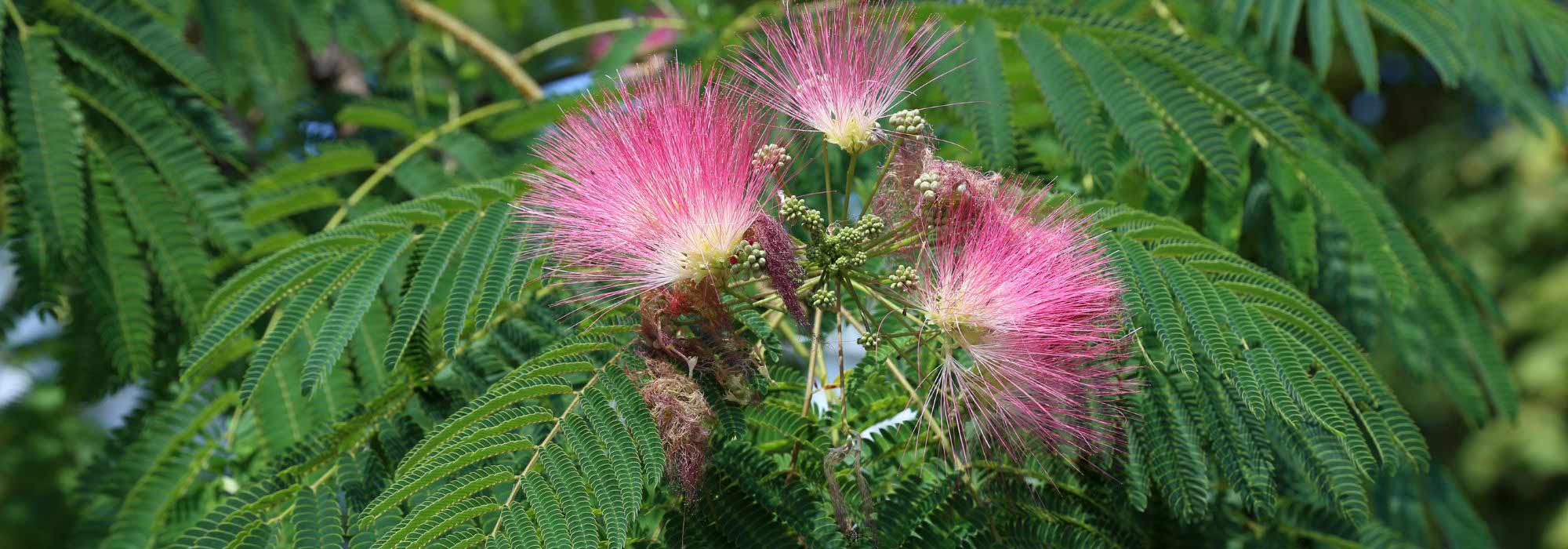
Albizia saman is a tree with bipinnate foliage, reaching a height of 15 to 25 m in the wild, with a dense, spreading crown that can extend up to 30 m in diameter. Of course, it will not reach these dimensions in our latitudes, let alone in a pot. Its often short and twisted trunk has grey-brown bark, smooth in young specimens, becoming fissured with age. The branches are velvety to the touch. The 15 to 40 cm long leaves are composed of 4 to 6 pairs of opposite pinnae, each bearing 4 to 8 pairs of leaflets. The oblong and asymmetrical leaflets measure about 4 to 5 cm long and 1.8 to 3.2 cm wide, with a smooth upper surface and a finely hairy underside. A notable characteristic is the nyctinastic movement of the leaves, which close at night or during rainy weather, allowing rain to pass through—hence the common name Rain Tree. The foliage is evergreen in humid tropical forests but becomes deciduous in the dry season in tropical dry forests. When grown in a greenhouse under optimal temperature and humidity conditions, Albizia saman generally retains its foliage year-round.
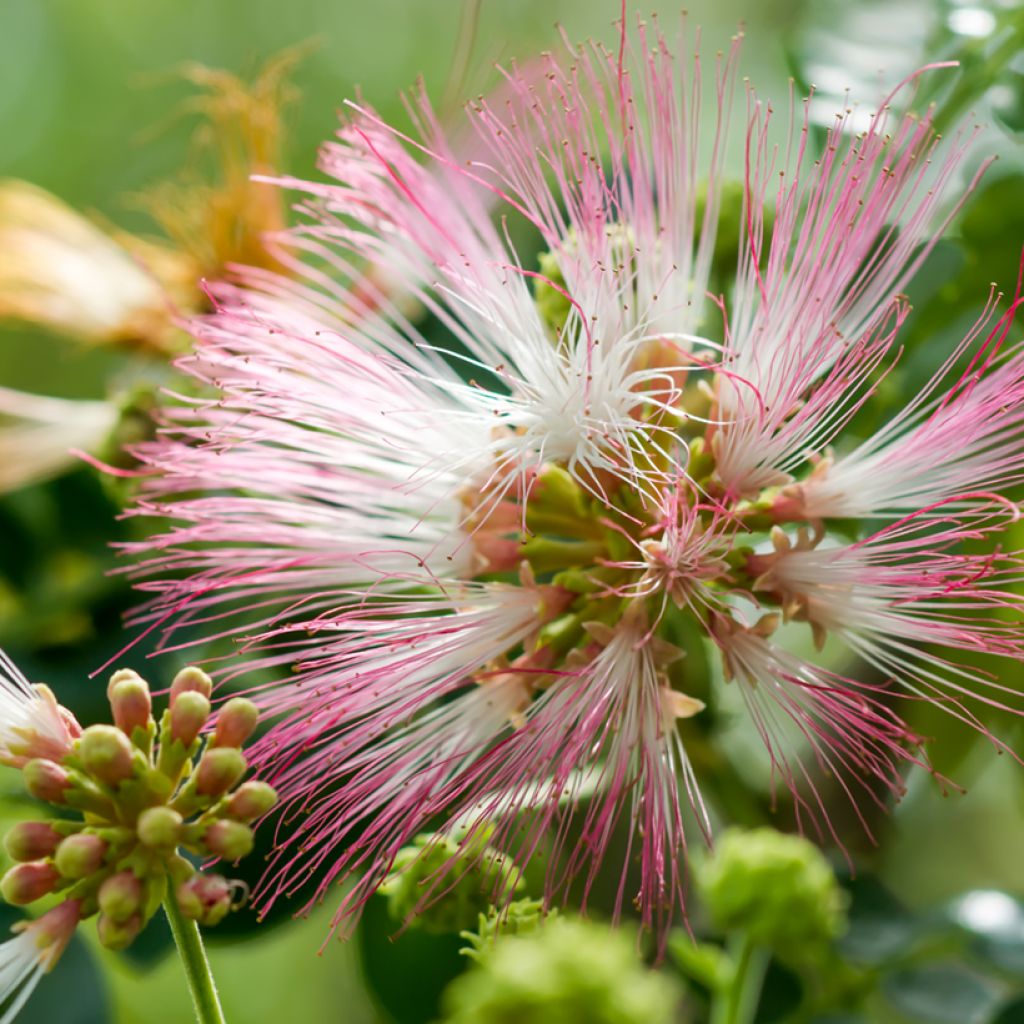
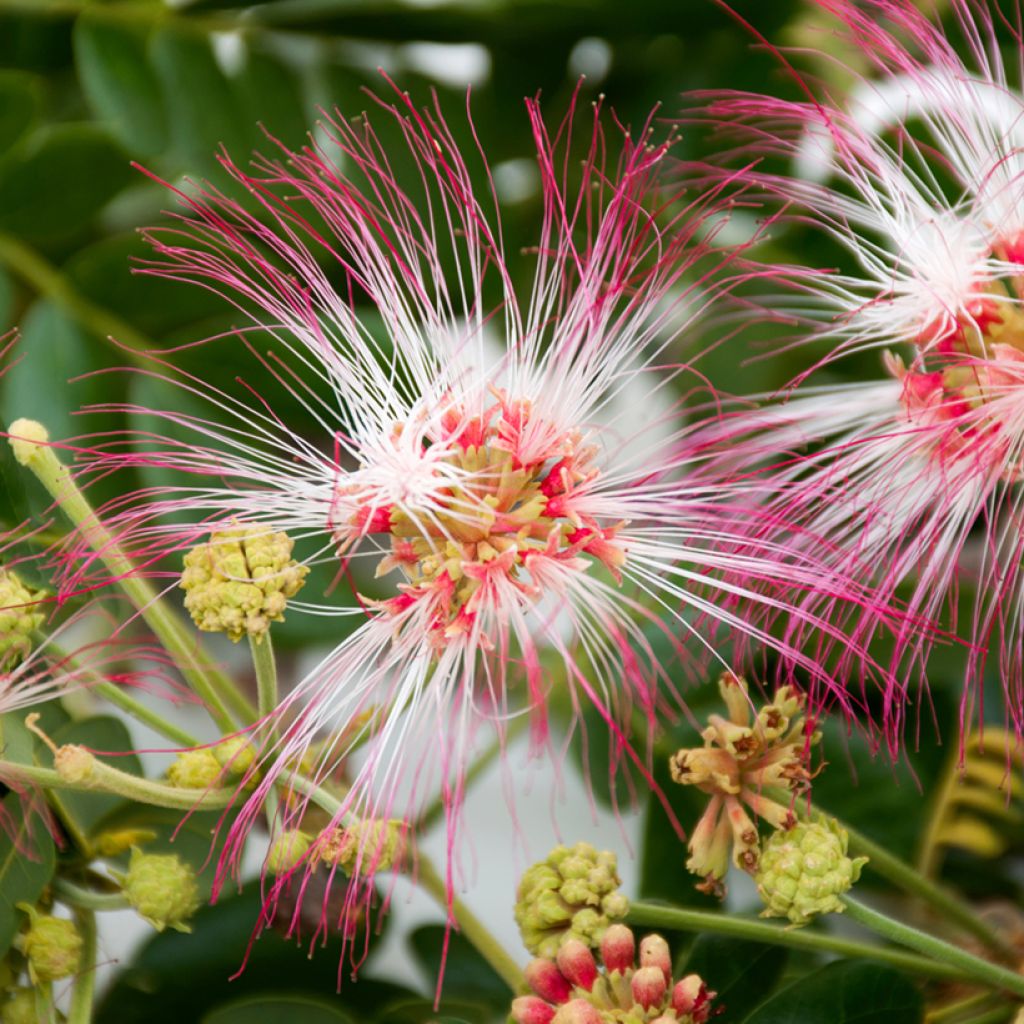
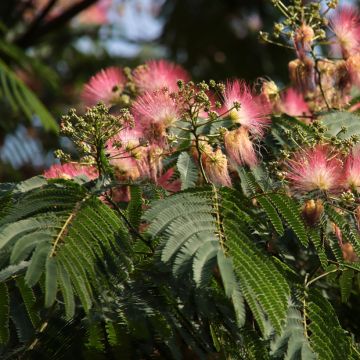
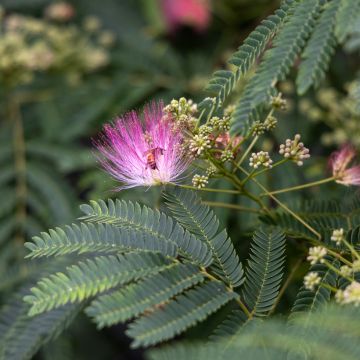
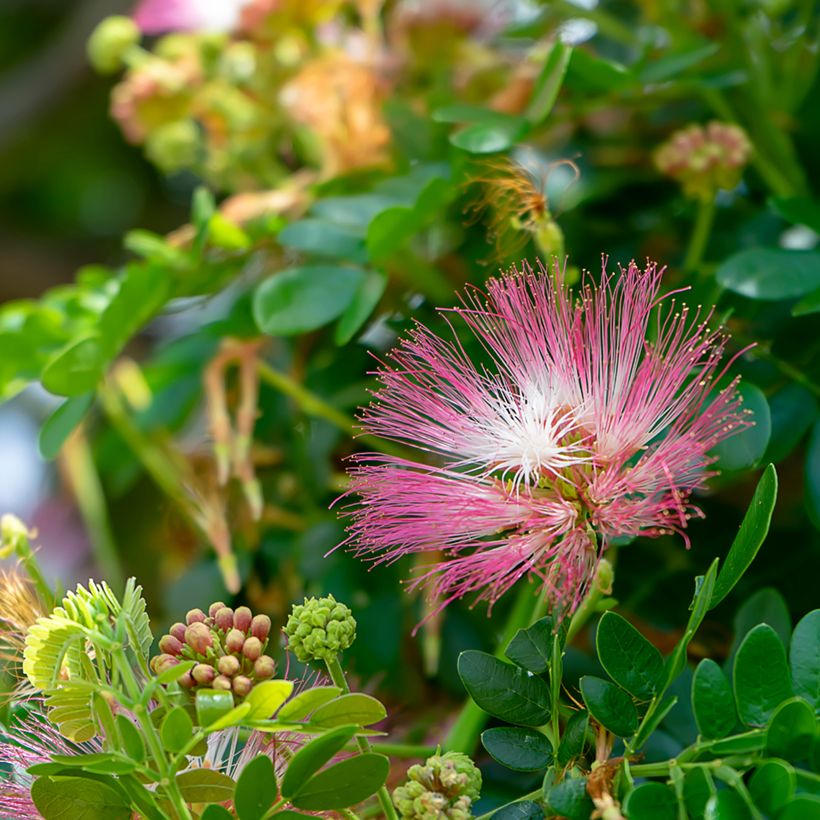
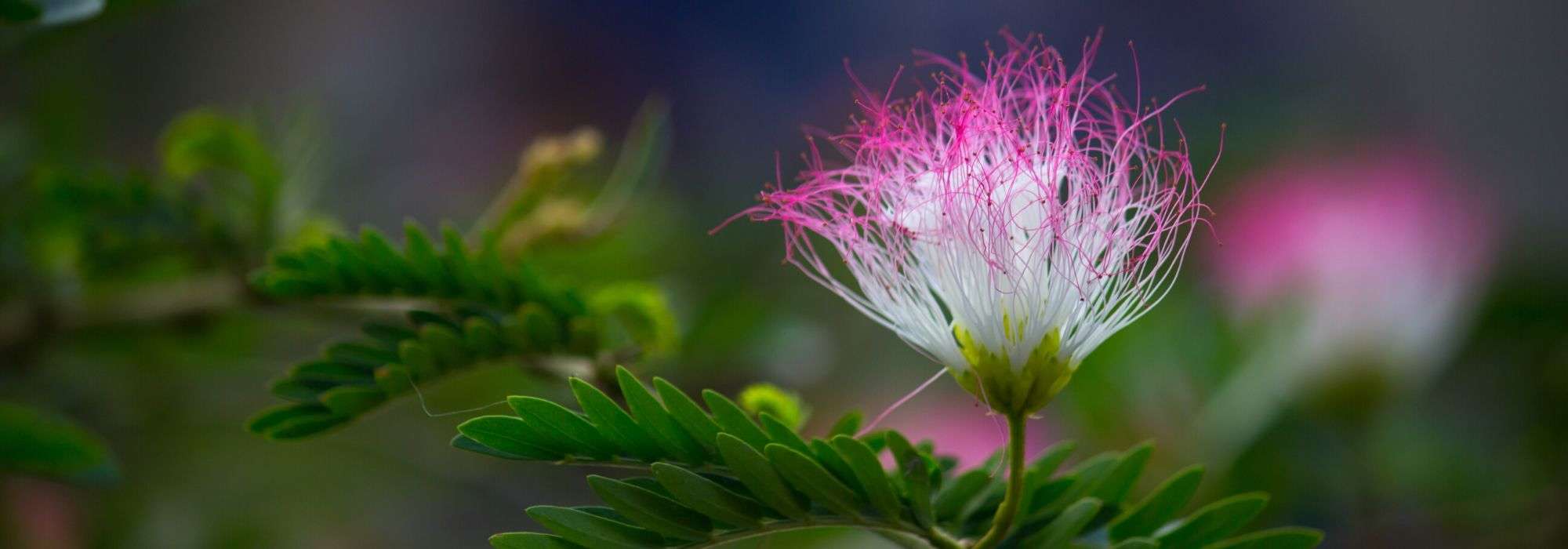
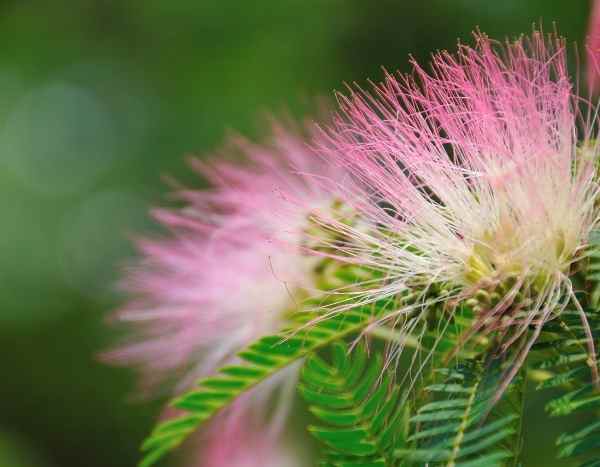
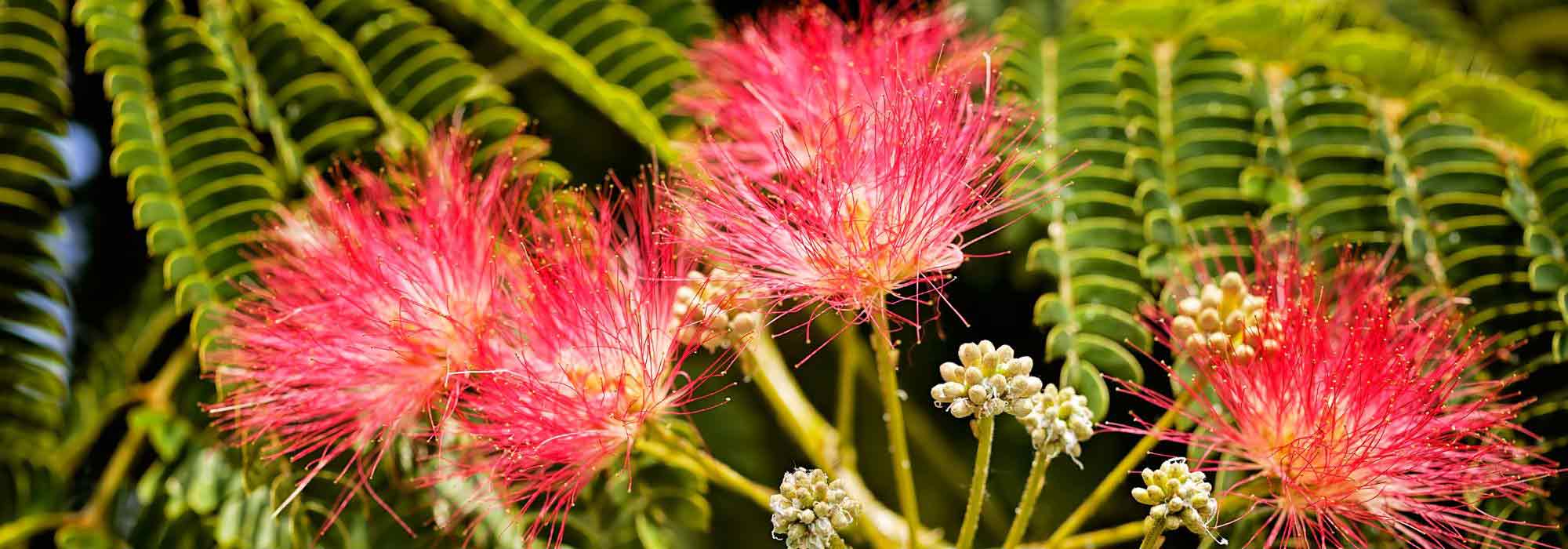
Flowering occurs at the start of the rainy season in the wild. In the Northern Hemisphere, particularly in Europe and the United States, the flowering period of Albizia saman varies depending on local climate conditions and cultivation practices. When grown in pots and maintained in controlled environments, such as greenhouses or conservatories, the tree may flower from late spring to early autumn, typically from May to September. However, this period can fluctuate depending on care, light exposure, and ambient temperatures. This flowering is characterised by subglobose heads of 5 to 7 cm in diameter, composed of white flowers at the base and pink at the top, with prominent stamens. The central flowers of the heads are distinct from the others, often nectar-rich. The fruits are straight, black pods when ripe, measuring between 12 and 20 cm in length and about 1.2 cm thick. They are indehiscent and contain numerous oblong seeds, embedded in a brownish, sweet pulp, appreciated by livestock and some local populations.
Albizia saman is known for its rapid growth, especially under favourable climatic conditions, with annual rainfall between 600 and 3,000 mm and average temperatures of 20 to 35°C. It tolerates a wide range of soils, including neutral to moderately acidic ones, with a pH between 5.5 and 8.5. Locally, the tree is frequently used as a source of timber, fodder, and shade in agricultural plantations.
Albizia saman, with its majestic habit and broad parasol-shaped crown, is ideal for creating a tropical atmosphere in a spacious greenhouse or conservatory. To accompany this tree, consider, for example, a Red Banana (Musa acuminata 'Red Dacca'), a Bird of Paradise (Strelitzia reginae), and a Bougainvillea glabra 'Variegata' to add height. Together, these plants will create a lush and dynamic scene.
Albizia saman is famous for a remarkable specimen located in the Parc de l'Habitation Céron in Martinique. This majestic tree, over 300 years old, is considered one of the largest in the Lesser Antilles. It has survived numerous cyclones as well as the devastating eruption of Mount Pelée in 1902. In 2017, it was named "Tree of the Year" in France, a testament to its resilience and historical significance.
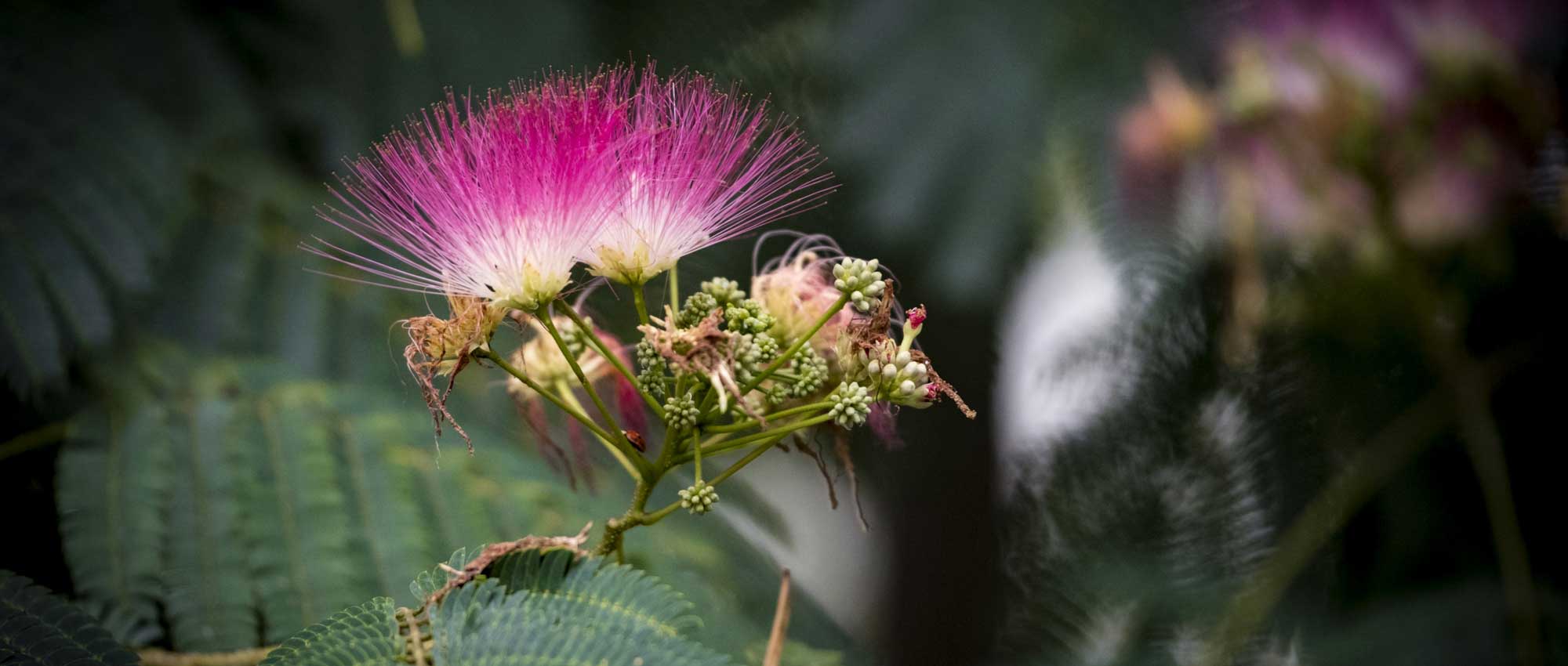
Albizia saman - Monkey pod tree in pictures
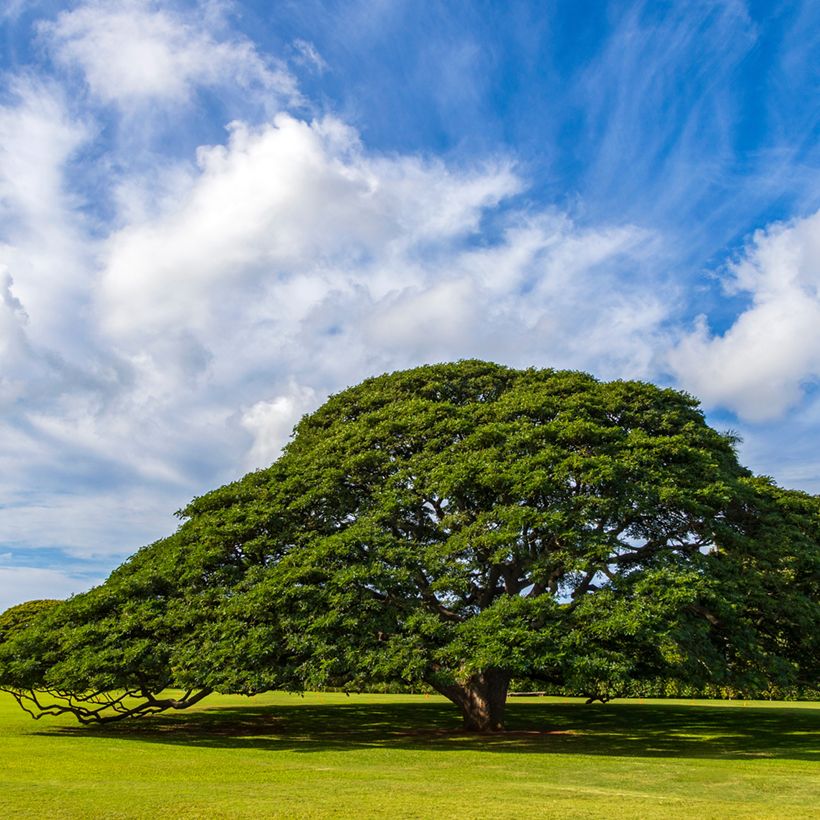
Plant habit
Flowering
Foliage
Botanical data
Albizzia
saman
Fabaceae
Monkey pod, saman, zamang, rain tree, saman tree
Samanea saman, Pithecellobium saman, Inga saman, Mimosa saman, Albizia saman
Cultivar or hybrid, Central America, South America
Planting and care
Albizia saman is a non-hardy tropical tree that requires special care when grown in pots in our latitudes. It is essential to place it in a bright environment, ideally in a greenhouse or conservatory, where it can benefit from warm temperatures and adequate humidity. The substrate must be well-drained to avoid excess moisture, which can be harmful to its roots. A mix of compost, sand, and perlite is recommended to ensure good soil aeration. Watering should be moderate, allowing the substrate to dry slightly between waterings, especially during the dormant period in winter. It is also advisable to reduce water intake during this time to prevent any risk of rot.
As a tree with significant growth under tropical climates, it will rarely exceed 3m in all directions if grown in a large container in our climates. Its development varies greatly depending on cultivation conditions.
Albizia saman does not appreciate severe pruning. It is therefore recommended to prune sparingly, mainly to remove dead or diseased branches and to maintain a harmonious tree shape. The ideal time for this light pruning is in early spring, before the growth resumes.
In regions with very mild climates, such as certain areas along the Mediterranean coast, it is possible to plant Albizia saman directly in the ground. However, even in these conditions, it is crucial to choose a location sheltered from cold winds and to provide winter protection, especially during the first few years after planting. Covering the soil with a thick mulch can help protect the roots from the cold. It is also advisable to monitor weather forecasts and protect the tree if frost is predicted.
In summary, growing Albizia saman in pots is preferable in our latitudes unless you benefit from an exceptionally mild climate. Special attention must be paid to exposure, substrate, watering, and pruning to ensure the optimal development of this majestic tree.
Planting period
Intended location
Care
Planting & care advice
-
-
-
-
-
-
-
-
This item has not been reviewed yet - be the first to leave a review about it.
Recently viewed products
Haven't found what you were looking for?
Hardiness is the lowest winter temperature a plant can endure without suffering serious damage or even dying. However, hardiness is affected by location (a sheltered area, such as a patio), protection (winter cover) and soil type (hardiness is improved by well-drained soil).

The flowering period indicated on our website applies to countries and regions located in USDA zone 8 (France, the United Kingdom, Ireland, the Netherlands, etc.)
It will vary according to where you live:- In zones 9 to 10 (Italy, Spain, Greece, etc.), flowering will occur about 2 to 4 weeks earlier.
- In zones 6 to 7 (Germany, Poland, Slovenia, and lower mountainous regions), flowering will be delayed by 2 to 3 weeks.
- In zone 5 (Central Europe, Scandinavia), blooming will be delayed by 3 to 5 weeks.
In temperate climates, pruning of spring-flowering shrubs (forsythia, spireas, etc.) should be done just after flowering.
Pruning of summer-flowering shrubs (Indian Lilac, Perovskia, etc.) can be done in winter or spring.
In cold regions as well as with frost-sensitive plants, avoid pruning too early when severe frosts may still occur.
The planting period indicated on our website applies to countries and regions located in USDA zone 8 (France, United Kingdom, Ireland, Netherlands).
It will vary according to where you live:
- In Mediterranean zones (Marseille, Madrid, Milan, etc.), autumn and winter are the best planting periods.
- In continental zones (Strasbourg, Munich, Vienna, etc.), delay planting by 2 to 3 weeks in spring and bring it forward by 2 to 4 weeks in autumn.
- In mountainous regions (the Alps, Pyrenees, Carpathians, etc.), it is best to plant in late spring (May-June) or late summer (August-September).
The harvesting period indicated on our website applies to countries and regions in USDA zone 8 (France, England, Ireland, the Netherlands).
In colder areas (Scandinavia, Poland, Austria...) fruit and vegetable harvests are likely to be delayed by 3-4 weeks.
In warmer areas (Italy, Spain, Greece, etc.), harvesting will probably take place earlier, depending on weather conditions.
The sowing periods indicated on our website apply to countries and regions within USDA Zone 8 (France, UK, Ireland, Netherlands).
In colder areas (Scandinavia, Poland, Austria...), delay any outdoor sowing by 3-4 weeks, or sow under glass.
In warmer climes (Italy, Spain, Greece, etc.), bring outdoor sowing forward by a few weeks.
Shipping country and language
Your country of residence may be:
Your country of residence is:
For a better user experience on our website, you can select:
Your shipping country:
-
 Austria
-
 Belgium
-
 Bosnia & Herzegovina
-
 Bulgaria
-
 Croatia
-
 Cyprus
-
 Czechia
-
 Denmark
-
 Estonia
-
 Finland
-
 France
-
 Germany
-
 Greece
-
 Hungary
-
 Iceland
-
 Ireland
-
 Italy
Italy
-
 Latvia
-
 Liechtenstein
-
 Lithuania
-
 Luxembourg
-
 Malta
Malta
-
 Netherlands
-
 Poland
-
 Portugal
-
 Romania
-
 Serbia
-
 Slovakia
-
 Slovenia
-
 Spain
Spain
-
 Sweden
-
 Switzerland
Language:
-
French
-
 English
-
Spanish
-
Italian
-
German
-
Portuguese
-
Dutch
-
Finnish
My Account
Hello
My wish lists
My cart
Log in / Register
Existing customer?
This form is protected by reCAPTCHA - the Google Privacy Policy and Terms of Service apply.
New customer?
Create an account to track your orders, access our customer service and, if you wish, make the most of our upcoming offers.