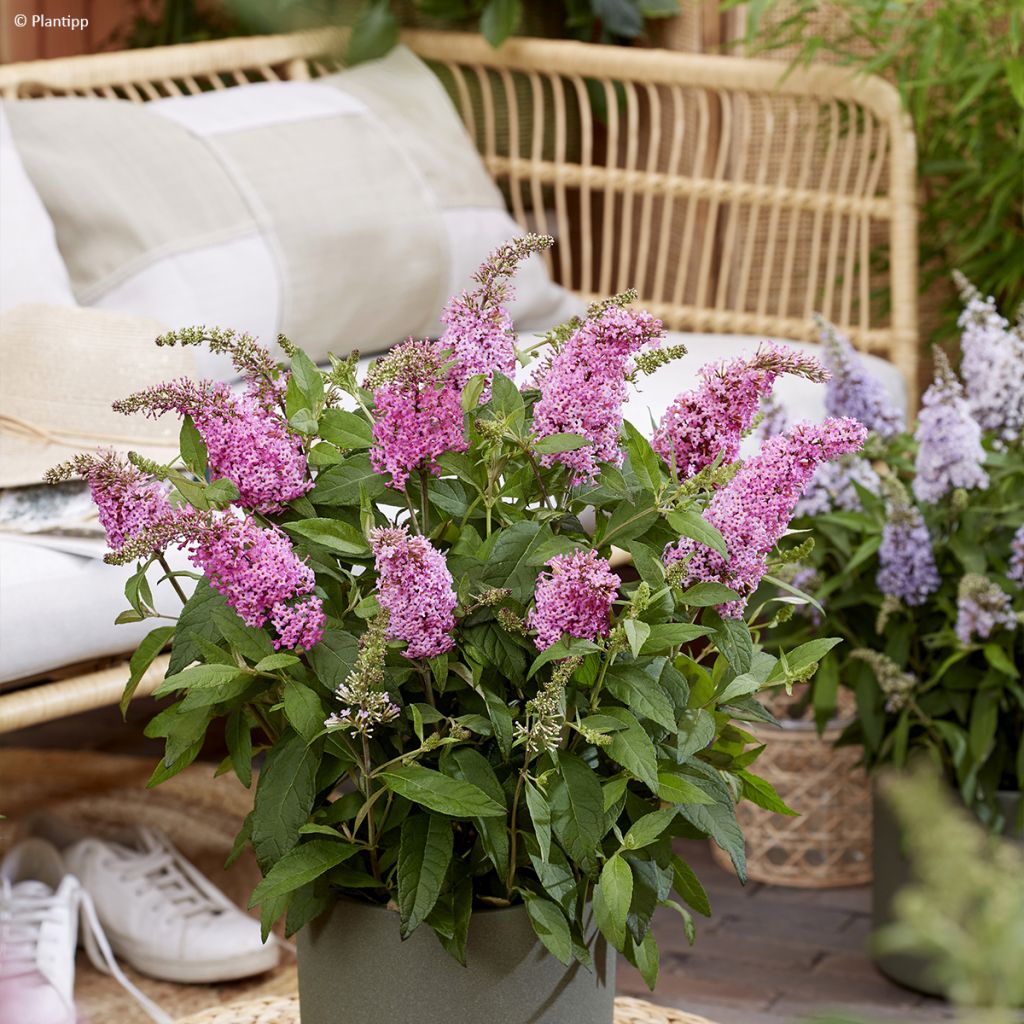
Buddleja davidii Butterfly Candy Little Pink - Butterfly Bush
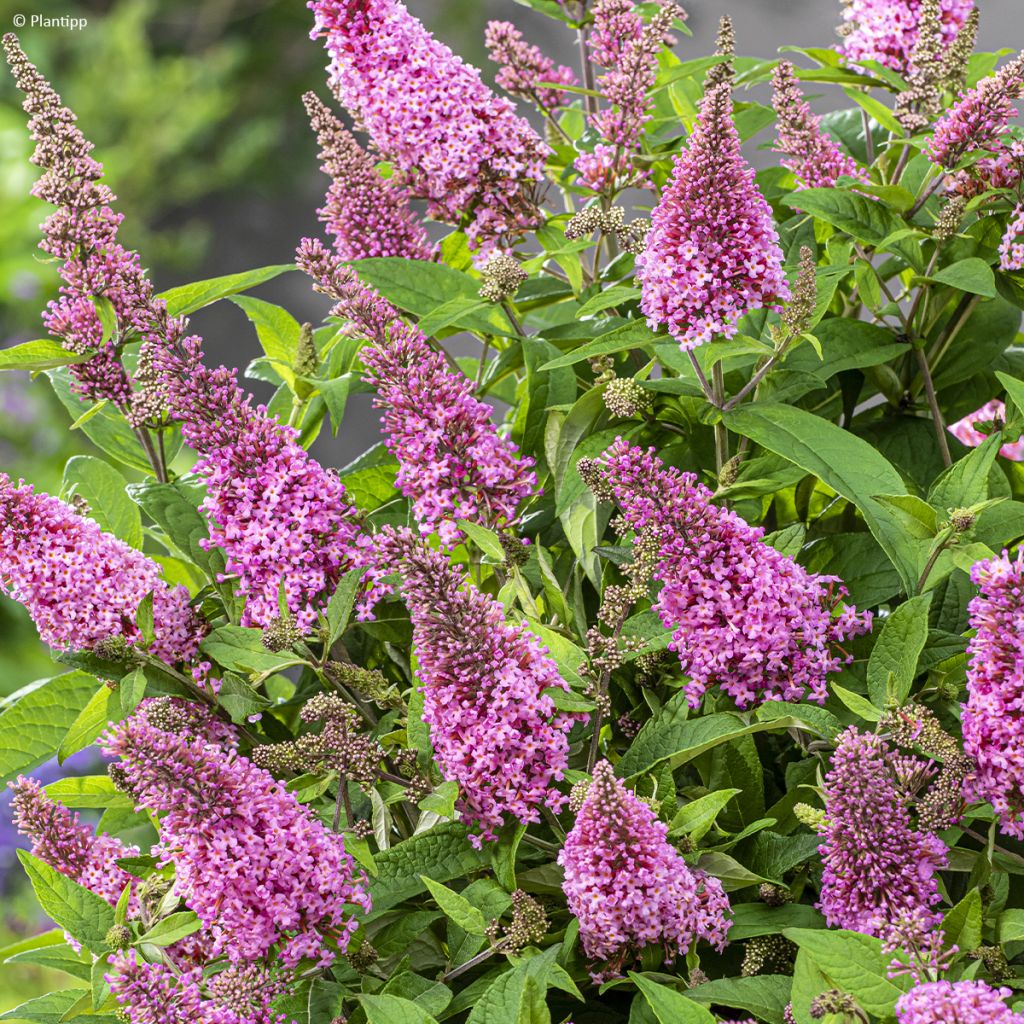
Buddleja davidii Butterfly Candy Little Pink - Butterfly Bush
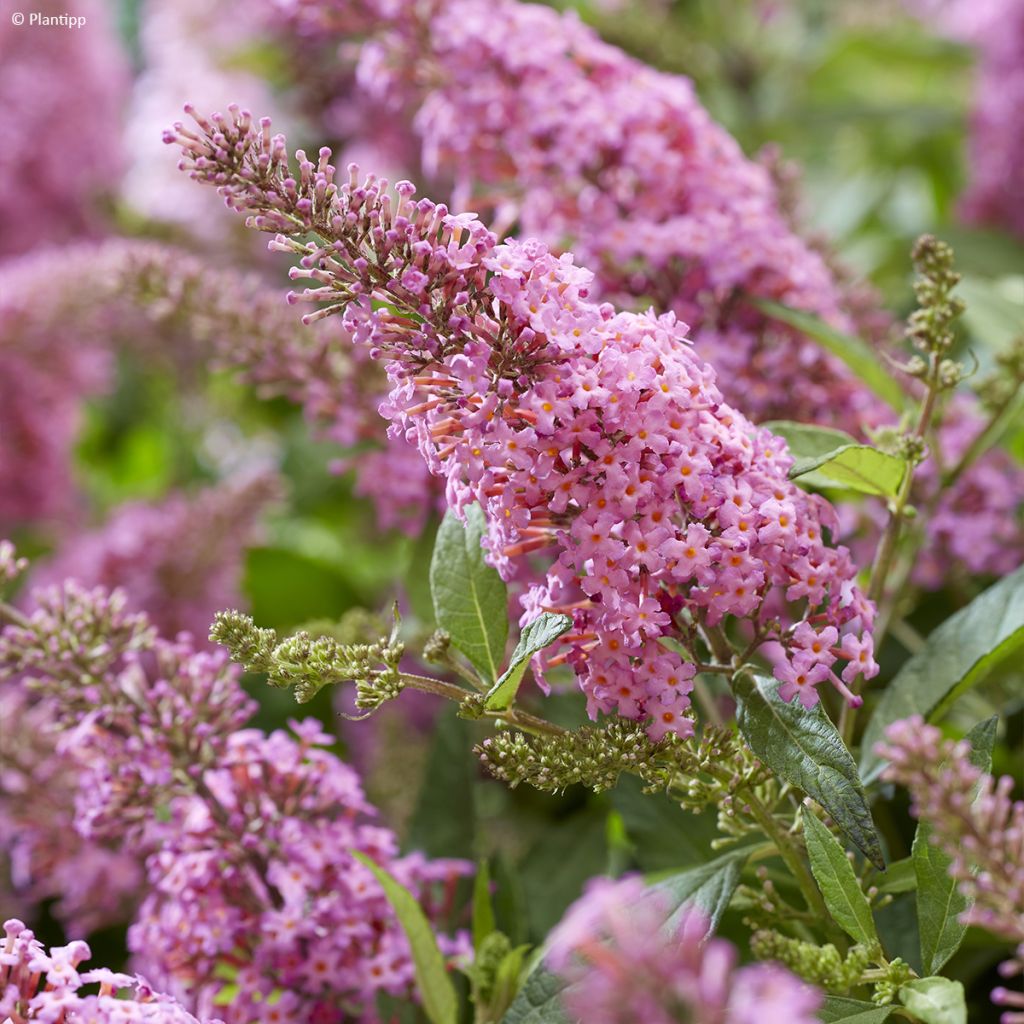
Buddleja davidii Butterfly Candy Little Pink - Butterfly Bush
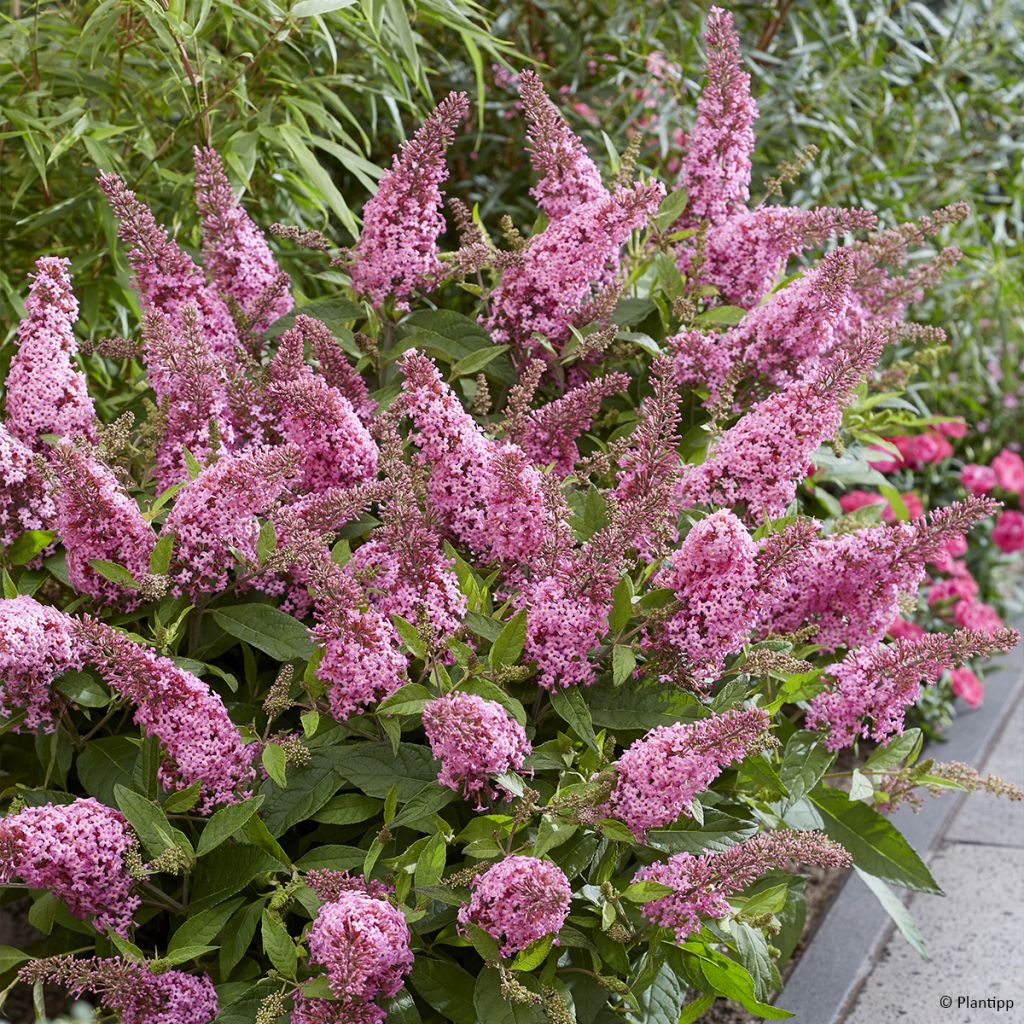
Buddleja davidii Butterfly Candy Little Pink - Butterfly Bush
Buddleja davidii Butterfly Candy Little Pink - Butterfly Bush
Buddleja davidii Butterfly Candy Little Pink - Butterfly Bush
Buddleja x davidii Butterfly Candy® Little Pink
Butterfly Bush, Summer Lilac
I have already informed you that after winter my bush was completely dry. I pruned it, but it is struggling to recover, with just 2.3 tiny leaves at the base that are not developing... still as small and sparse... I would like a response.
Yvette, 11/05/2024
Back-to-school special offer!
Get €10 off for every €50 you spend! And get up to €40 off on a single order.
How does it work?
1. Shop your favourites
Add your favourite plants to your basket. For every €50 you spend (excluding delivery charges, store credit and the plastic-free option), you’ll receive a €10 voucher.
€50 spent = €10 voucher
€100 spent = €20 voucher
€150 spent = €30 voucher
€200 spent = €40 voucher
2. Place your order
Once your basket reaches one of the spending thresholds, place your order. You can even choose your delivery date!
3. Receive your voucher
As soon as your order has been shipped, you’ll receive an email containing your personal voucher code and its value.
4. Use it on your next order
Your voucher is valid for 90 days from the date you receive it. It can be used once only, on a new order worth at least the value of the voucher, excluding delivery charges.
Please note: Vouchers can be combined with other offers, but cannot be split or refunded.
Home or relay delivery (depending on size and destination)
Important: You may be charged customs duties by your country’s customs authorities upon delivery.
Schedule delivery date,
and select date in basket
This plant carries a 24 months recovery warranty
More information
We guarantee the quality of our plants for a full growing cycle, and will replace at our expense any plant that fails to recover under normal climatic and planting conditions.
Would this plant suit my garden?
Set up your Plantfit profile →
Description
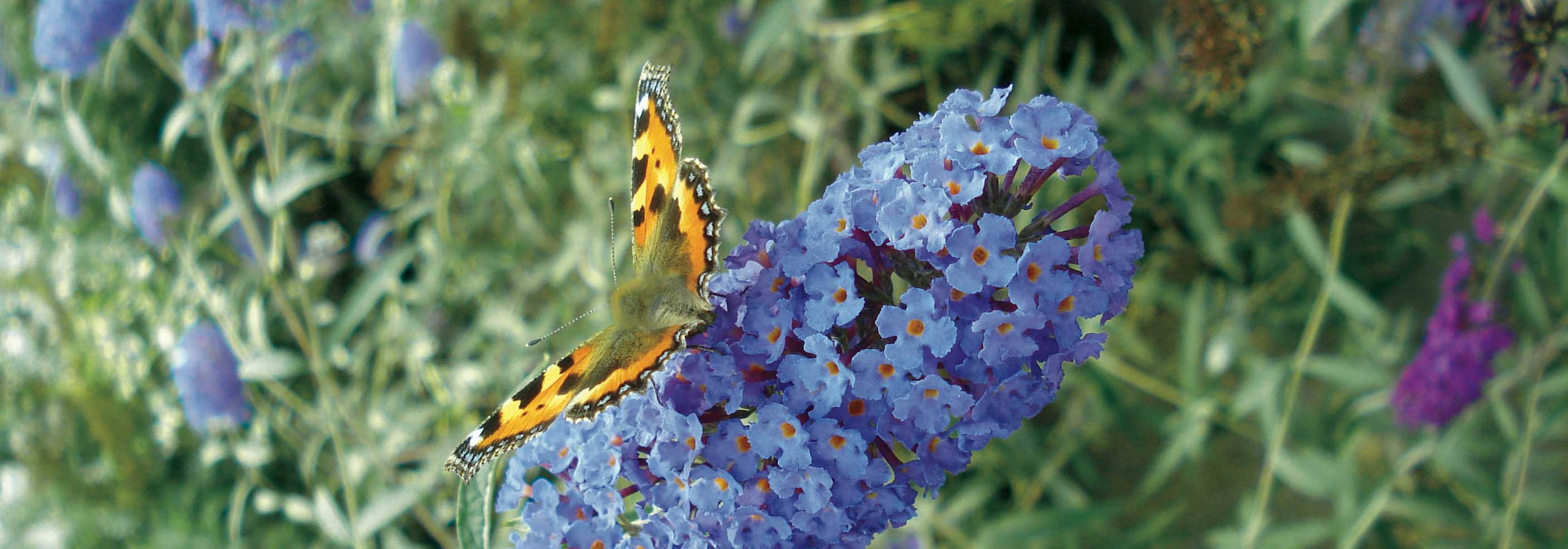
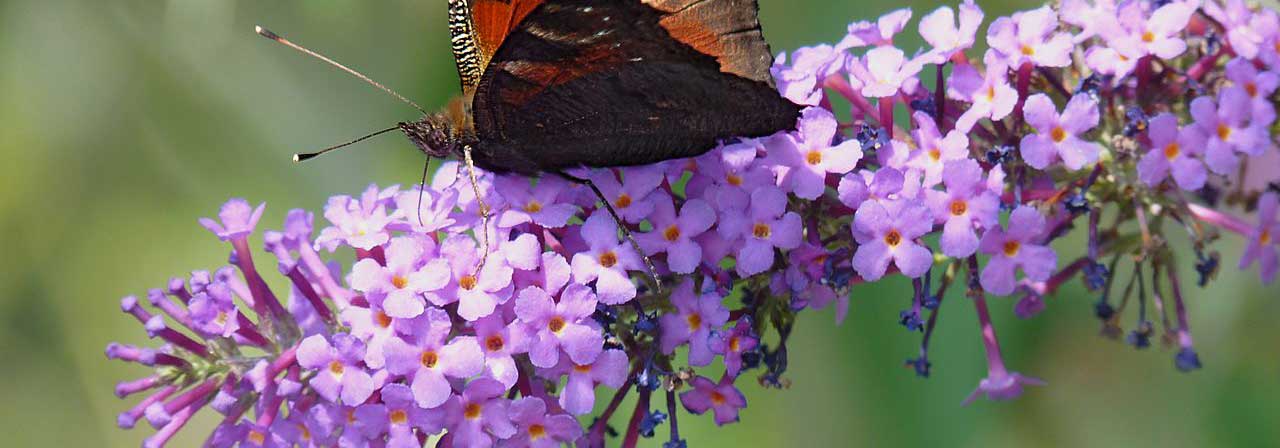
Buddleja davidii Butterfly Candy® Little Pink ('Botex005') is a variety characterised by its small size, compact habit, and long summer flowering, accompanied by a sweet and light fragrance. With its elegant and balanced silhouette, this variety is well suited to gardens with limited space, as well as container gardening on balconies or terraces. From summer to autumn, this dwarf buddleja is covered in bright pink conical flower spikes above its green-grey-silver foliage. The flowers are extremely popular with butterflies and bees. Hardy, easy to grow, and low-maintenance, it is a beautiful selection for gardens. Ideal for biodiversity, Little Pink adds to the Butterfly Candy series, which includes five other colours: Ruby, Purple, Lilac, Sweetheart, and White.
The genus Buddleja includes around a hundred species of deciduous or evergreen bushes native to China, Africa, South Asia, and South America. They are named after Adam Buddle, a famous 17th-century English botanist. This genus is sometimes spelled 'Buddleia', but the official spelling seems to be 'Buddleja'.
Belonging to the Scrophulariaceae (Buddlejaceae) family, Little Pink is a hybrid recently selected in the Netherlands by Botanic Experience BV and Dutch breeder Van Son & Koot from Kaatsheuvel. In 2021, it received the prestigious Silver Award KVBC Summer Challenge 2021 from the Royal Society for Cultivation, Boskoop.
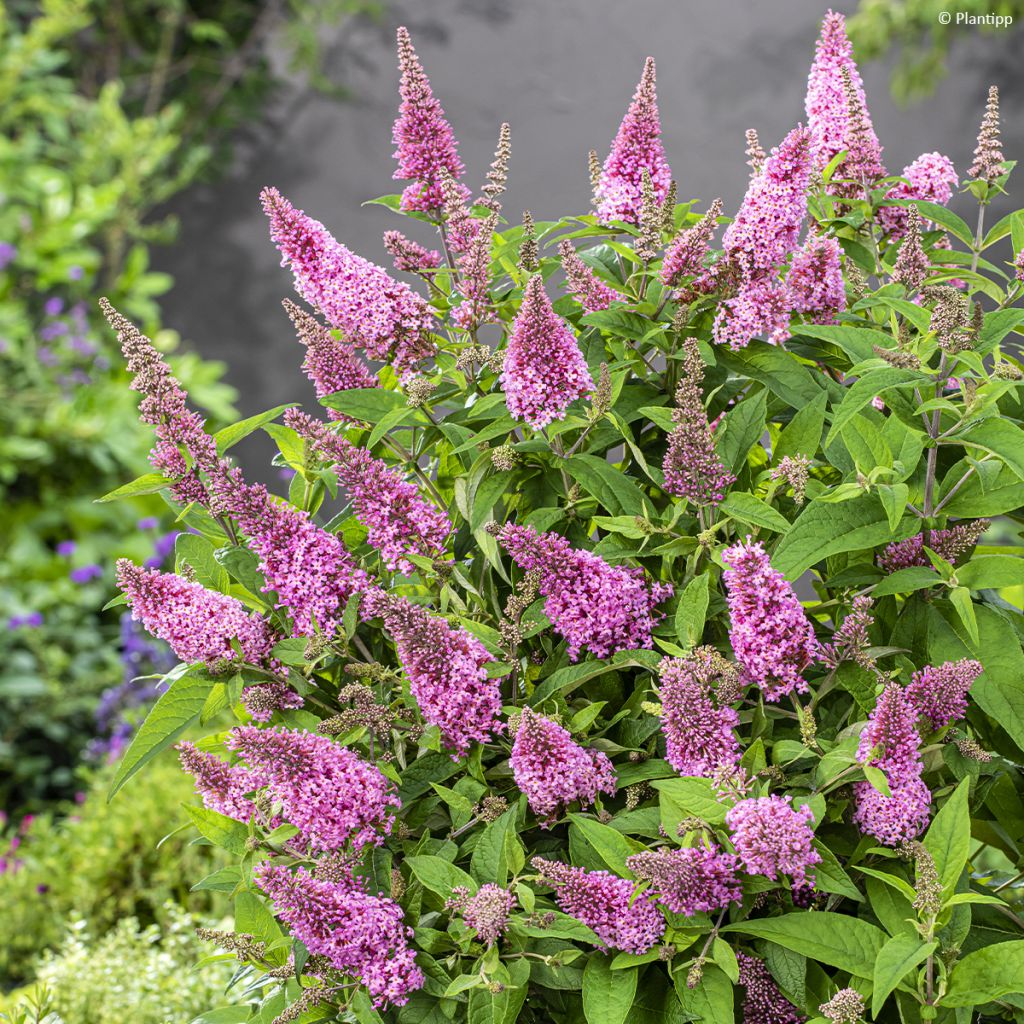
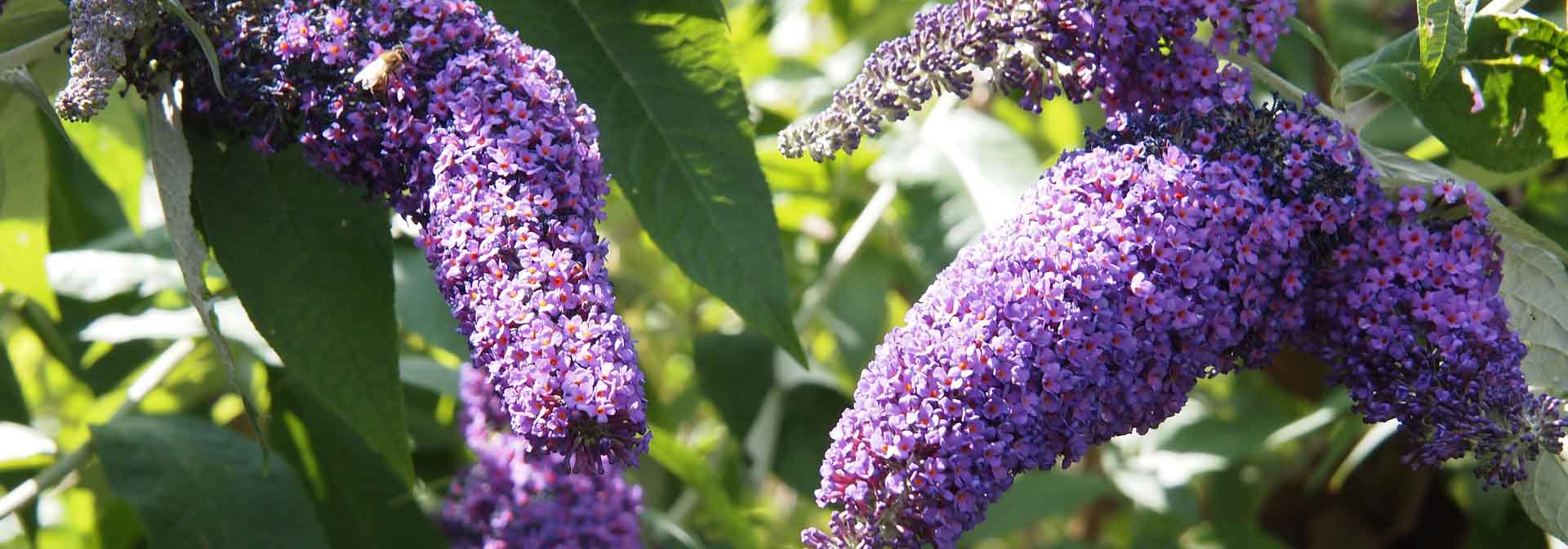
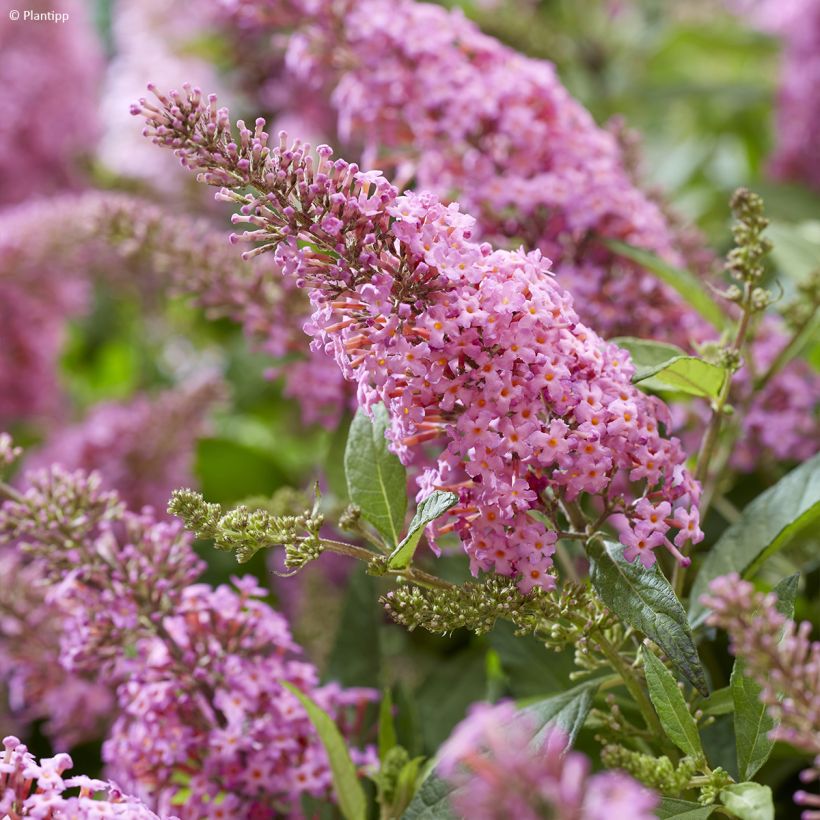
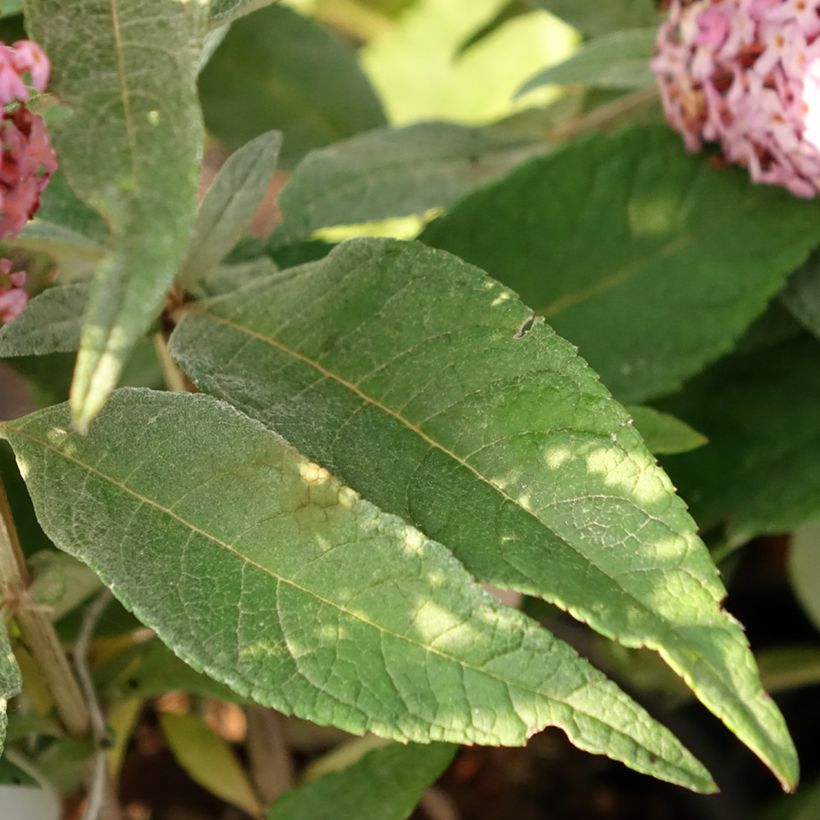
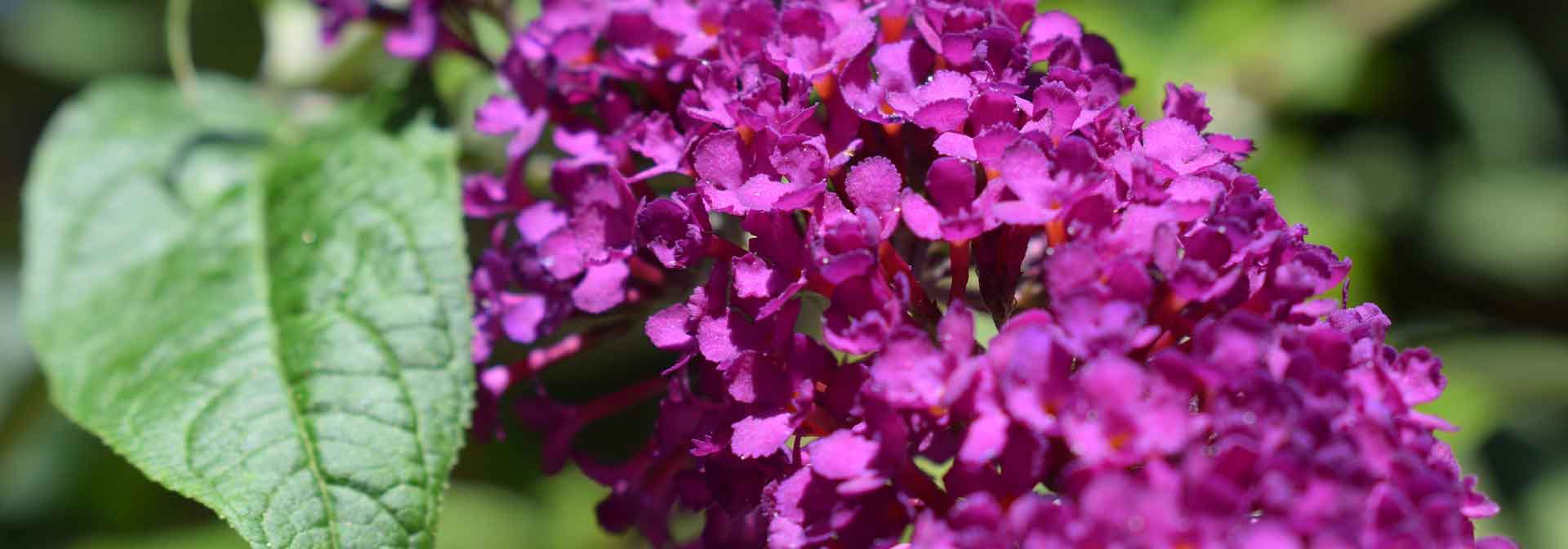
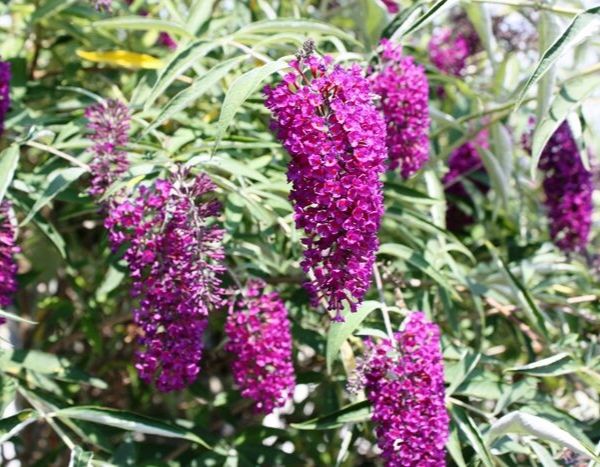
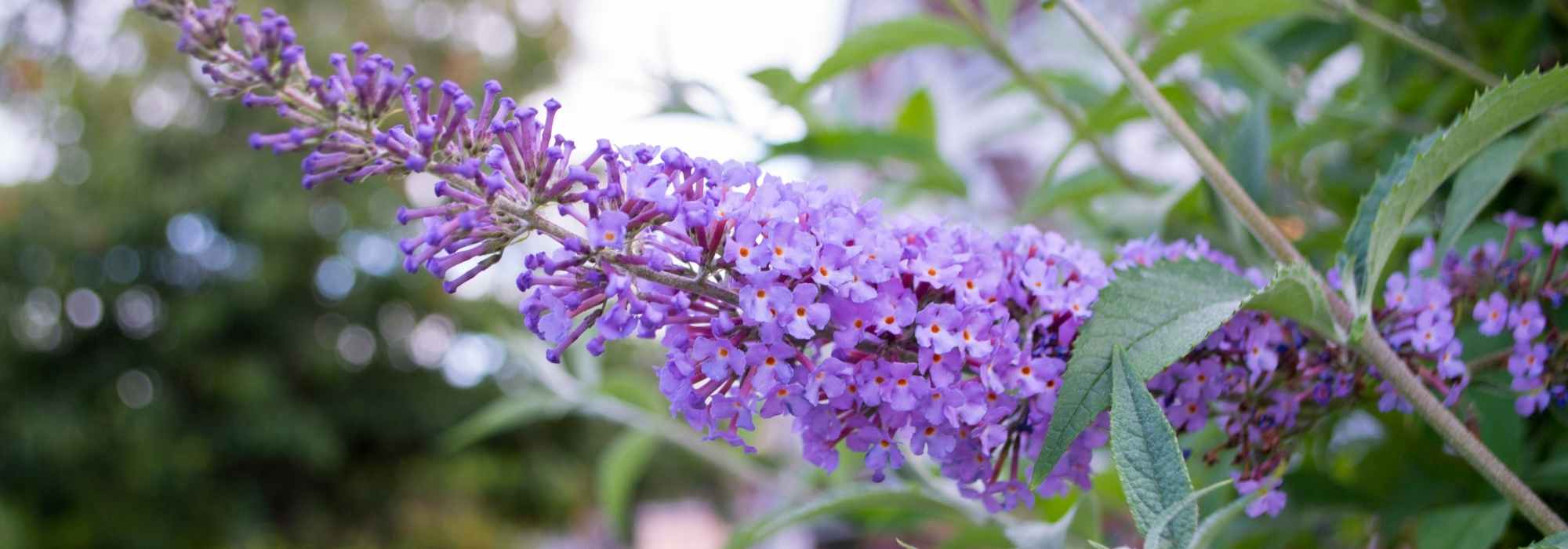
Little Pink is a small plant with a rounded habit, not exceeding 80 cm (31.5 in) in all directions. This variety has a highly branched growth, with short upright branches, giving it a balanced stature. The deciduous foliage falls in winter and regrows in spring. It consists of lanceolate, opposite leaves measuring approximately 8 to 10 cm (3 to 4 in) long and 2 to 3 cm (1 in) wide, slightly hairy, and green-grey-silver in colour. The flowering period spans 4 to 5 months, from June-July to October, depending on the region. It consists of small bright pink tubular flowers, clustered in long conical panicles at the ends of the branches, measuring 10 to 15 cm (4 to 6 in) long. The flowers release a sweet fragrance reminiscent of honey, highly sought after by pollinators and butterflies. During the summer, after each wave of flowers, light pruning encourages the buddleja to develop new flowering shoots. This hardy shrub tolerates urban pollution very well and is not affected by occasional drought. It prefers sunny or slightly shaded positions, sheltered from strong winds. It tolerates all types of soils, even poor and chalky ones, and prefers deep, well-drained, slightly enriched soil. Protect it from excess moisture in winter. When grown in pots, it will require regular watering and some fertiliser to support its growth and flowering.
There is a great diversity of varieties in the buddleja category. However, Little Pink stands out for its striking habit and intense flowering with a delicate fragrance. Thanks to its compact habit, it is perfect for containers to enhance terraces and balconies in combination with other shrubs for pots. This shrub, with its green-grey-silver foliage contrasting with its intense and elegant flowering, can be combined with colourful perennials (Asters, Delphiniums, Echinaceas, Daylilies, Kniphofias, etc.), Shrub Roses, Medium-sized Grasses, or flowering shrubs (Abelias, Caryopteris, Lavenders, Potentillas, Spireas, etc.). Plant near a terrace, along a path, above a wall, or as a hedge. It will bring to life a flowering hedge, a flower bed, or a border from summer to autumn.
Buddleja davidii Butterfly Candy Little Pink - Butterfly Bush in pictures
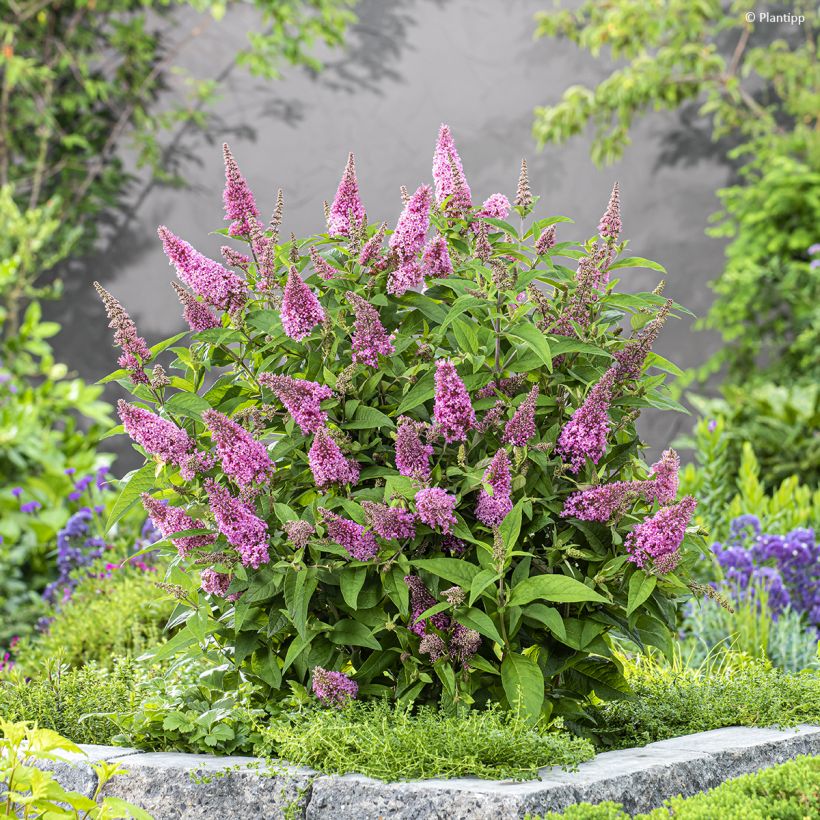
Plant habit
Flowering
Foliage
Botanical data
Buddleja
x davidii
Butterfly Candy® Little Pink
Scrophulariaceae
Butterfly Bush, Summer Lilac
Cultivar or hybrid
Planting and care
Little Pink is easy to grow, as it is a low-maintenance plant. It thrives in sunny locations, but also flowers in partial shade. Plant it in spring or early autumn, in ordinary, well-worked and well-drained soil. It can tolerate limestone and poor soil. Water recently planted specimens during the first summer to promote root growth. Afterwards, only water them in case of prolonged heatwaves. Once established, the plant will tolerate periods of moderate drought. It has no significant enemies. However, beware of caterpillars, weevils, and red spider mites that can infest it.
It can be planted in outdoor containers. Choose a container of at least 20L. Make sure the container is perforated and provide good drainage by filling the bottom with a thick layer of clay balls or gravel. In pots, they will naturally require more regular watering. In winter, move them to a sheltered place away from the wind and stop watering during freezing periods.
In pots, the nutrient reserves diminish quickly. To stimulate flowering, add fertiliser once a year in spring. Use 1 to 3 handfuls of organic fertiliser (decomposed manure, compost, horn, blood, and specific fertilisers). Then, at least every two years, surface dressing should be practiced, which involves replacing at least the topsoil with fresh soil.
Planting period
Intended location
Care
Planting & care advice
-
-
-

-

-
-
-

-
-
, onOrder confirmed
Reply from on Promesse de fleurs
Recently viewed products
Haven't found what you were looking for?
Hardiness is the lowest winter temperature a plant can endure without suffering serious damage or even dying. However, hardiness is affected by location (a sheltered area, such as a patio), protection (winter cover) and soil type (hardiness is improved by well-drained soil).

The flowering period indicated on our website applies to countries and regions located in USDA zone 8 (France, the United Kingdom, Ireland, the Netherlands, etc.)
It will vary according to where you live:- In zones 9 to 10 (Italy, Spain, Greece, etc.), flowering will occur about 2 to 4 weeks earlier.
- In zones 6 to 7 (Germany, Poland, Slovenia, and lower mountainous regions), flowering will be delayed by 2 to 3 weeks.
- In zone 5 (Central Europe, Scandinavia), blooming will be delayed by 3 to 5 weeks.
In temperate climates, pruning of spring-flowering shrubs (forsythia, spireas, etc.) should be done just after flowering.
Pruning of summer-flowering shrubs (Indian Lilac, Perovskia, etc.) can be done in winter or spring.
In cold regions as well as with frost-sensitive plants, avoid pruning too early when severe frosts may still occur.
The planting period indicated on our website applies to countries and regions located in USDA zone 8 (France, United Kingdom, Ireland, Netherlands).
It will vary according to where you live:
- In Mediterranean zones (Marseille, Madrid, Milan, etc.), autumn and winter are the best planting periods.
- In continental zones (Strasbourg, Munich, Vienna, etc.), delay planting by 2 to 3 weeks in spring and bring it forward by 2 to 4 weeks in autumn.
- In mountainous regions (the Alps, Pyrenees, Carpathians, etc.), it is best to plant in late spring (May-June) or late summer (August-September).
The harvesting period indicated on our website applies to countries and regions in USDA zone 8 (France, England, Ireland, the Netherlands).
In colder areas (Scandinavia, Poland, Austria...) fruit and vegetable harvests are likely to be delayed by 3-4 weeks.
In warmer areas (Italy, Spain, Greece, etc.), harvesting will probably take place earlier, depending on weather conditions.
The sowing periods indicated on our website apply to countries and regions within USDA Zone 8 (France, UK, Ireland, Netherlands).
In colder areas (Scandinavia, Poland, Austria...), delay any outdoor sowing by 3-4 weeks, or sow under glass.
In warmer climes (Italy, Spain, Greece, etc.), bring outdoor sowing forward by a few weeks.
Shipping country and language
Your country of residence may be:
Your country of residence is:
For a better user experience on our website, you can select:
Your shipping country:
-
 Austria
-
 Belgium
-
 Bosnia & Herzegovina
-
 Bulgaria
-
 Croatia
-
 Cyprus
-
 Czechia
-
 Denmark
-
 Estonia
-
 Finland
-
 France
-
 Germany
-
 Greece
-
 Hungary
-
 Iceland
-
 Ireland
-
 Italy
Italy
-
 Latvia
-
 Liechtenstein
-
 Lithuania
-
 Luxembourg
-
 Malta
Malta
-
 Netherlands
-
 Poland
-
 Portugal
-
 Romania
-
 Serbia
-
 Slovakia
-
 Slovenia
-
 Spain
Spain
-
 Sweden
-
 Switzerland
Language:
-
French
-
 English
-
Spanish
-
Italian
-
German
-
Portuguese
-
Dutch
-
Finnish
My Account
Hello
My wish lists
My cart
Log in / Register
Existing customer?
This form is protected by reCAPTCHA - the Google Privacy Policy and Terms of Service apply.
New customer?
Create an account to track your orders, access our customer service and, if you wish, make the most of our upcoming offers.