
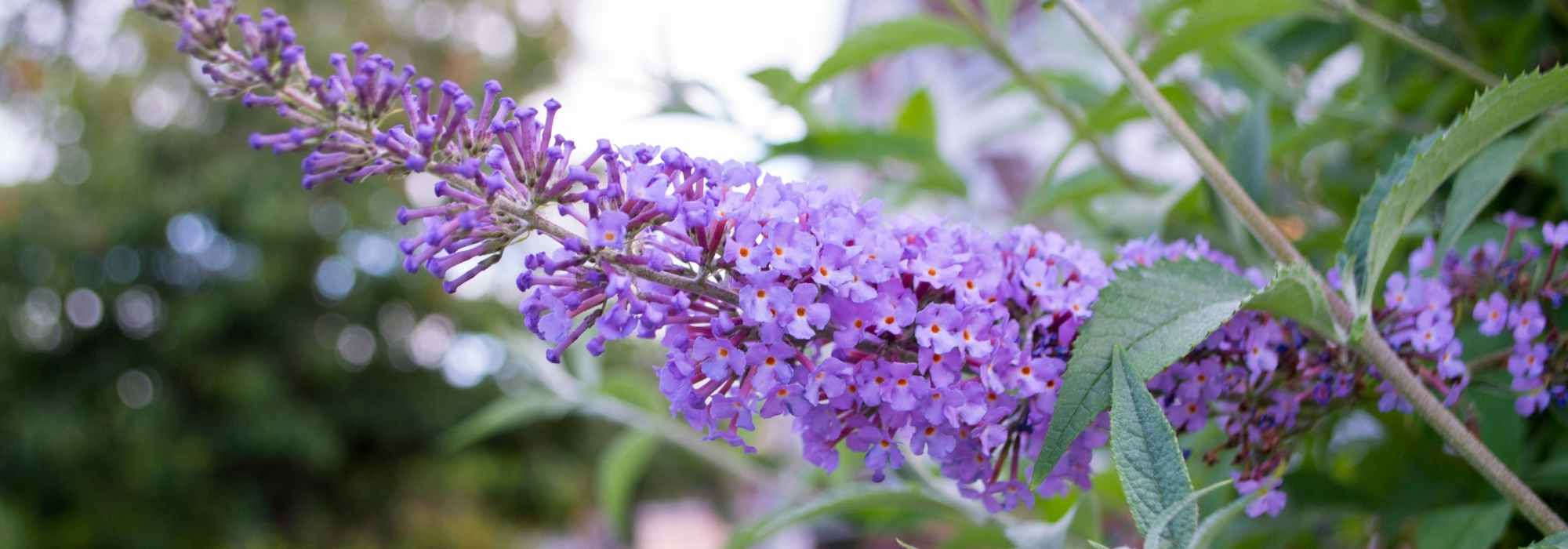
Buddleia Sungold - Butterfly Bush

Buddleia Sungold - Butterfly Bush

Buddleia Sungold - Butterfly Bush

Buddleia Sungold - Butterfly Bush
Buddleia Sungold - Butterfly Bush
Buddleja davidii × globosa Sungold
Butterfly Bush, Summer Lilac
Very beautiful young plant upon arrival; after two years of planting it is magnificent.
Carla, 05/12/2025
Back-to-school special offer!
Get €10 off for every €50 you spend! And get up to €40 off on a single order.
How does it work?
1. Shop your favourites
Add your favourite plants to your basket. For every €50 you spend (excluding delivery charges, store credit and the plastic-free option), you’ll receive a €10 voucher.
€50 spent = €10 voucher
€100 spent = €20 voucher
€150 spent = €30 voucher
€200 spent = €40 voucher
2. Place your order
Once your basket reaches one of the spending thresholds, place your order. You can even choose your delivery date!
3. Receive your voucher
As soon as your order has been shipped, you’ll receive an email containing your personal voucher code and its value.
4. Use it on your next order
Your voucher is valid for 90 days from the date you receive it. It can be used once only, on a new order worth at least the value of the voucher, excluding delivery charges.
Please note: Vouchers can be combined with other offers, but cannot be split or refunded.
Home or relay delivery (depending on size and destination)
Important: You may be charged customs duties by your country’s customs authorities upon delivery.
Schedule delivery date,
and select date in basket
This plant carries a 24 months recovery warranty
More information
We guarantee the quality of our plants for a full growing cycle, and will replace at our expense any plant that fails to recover under normal climatic and planting conditions.

Would this plant suit my garden?
Set up your Plantfit profile →
Description
Le Buddleja × weyeriana ‘Sungold’ est un arbre à papillons très différent des buddleias à longs épis violets ou roses. Ses inflorescences, qui se renouvellent de l'été à l'automne, sont une succession de petites têtes presque rondes, d'un jaune vif à gorge orangée, qui se détachent sur un feuillage vert sombre. Les fleurs exhalent un parfum doux qui attire les insectes butineurs. Ses rameaux souples et arqués forment un grand buisson ample et vigoureux, bien adapté à une haie libre ou à l’arrière d’un grand massif ensoleillé.
Cet arbuste caduc appartient à la famille des Scrophulariacées. Le Buddleja × weyeriana est un hybride horticole entre B. davidii et B. globosa, créé dans le Dorset par William van de Weyer pendant la Première Guerre mondiale. 'Sungold’ ne provient toutefois pas directement de ce premier croisement : il est apparu comme une mutation de bourgeon sur un pied de ‘Golden Glow’ dans la pépinière néerlandaise P.G. Zwijnenburg, puis a été commercialisé en 1966. Cette mutation a supprimé l’essentiel des nuances lilas encore présentes chez ‘Golden Glow’ ; les corolles de ‘Sungold’ restent d’un jaune clair et franc, avec une gorge plus orangée. La plante pousse vite et forme, sans taille sévère, un arbuste très ramifié de 2,5 à 4 m de hauteur pour une largeur comparable. Les branches s’allongent puis s’arquent sous leur propre poids. Les feuilles étroites, vert foncé dessus, plus grisâtres au revers, tombent en hiver sous nos climats. De juillet à octobre, les pousses de l’année portent des inflorescences ramifiées composées de plusieurs groupes globuleux remplis de petites fleurs tubulaires. Une tête mesure quelques centimètres de diamètre ; l’ensemble prend ainsi une forme intermédiaire entre l’épi du B. davidii et les boules compactes du B. globosa. 'Sungold’ possède une rusticité de l’ordre de -15 à -20 °C. Il a reçu l’Award of Garden Merit de la RHS en 1993 et figure toujours dans la liste actuelle. Cet hybride, comme d'autres cultivars de B. × weyeriana, peut former des graines lorsqu’un pollen compatible est présent à proximité. Pour éviter les éventuels semis spontanés, il suffit de couper les inflorescences fanées.
Utilisez votre buddleia × weyeriana 'Sungold' comme vous le souhaitez, en haie libre, en massif, associé à d’autres arbustes ou en sujet isolé. Cette variété résiste tout à fait aux conditions de bord de mer, à la pollution et à une sécheresse estivale pas trop sévère. Son coloris jaune orangé, assez inhabituel, se marie plus facilement avec des floraisons blanches, bleues ou pourpres et avec des feuillages sombres. Associez-le à un Vitex agnus-castus 'Delta Blues', un Cotinus coggygria ‘Grace’ ou un Hibiscus syriacus à fleurs blanches ou mauves. Vous pouvez aussi le placer à l’arrière d’arbustes plus bas, rustiques et économes en eau, comme le Caryopteris ‘Heavenly Blue’, la potentille ‘Abbotswood’ ou un Perovskia.
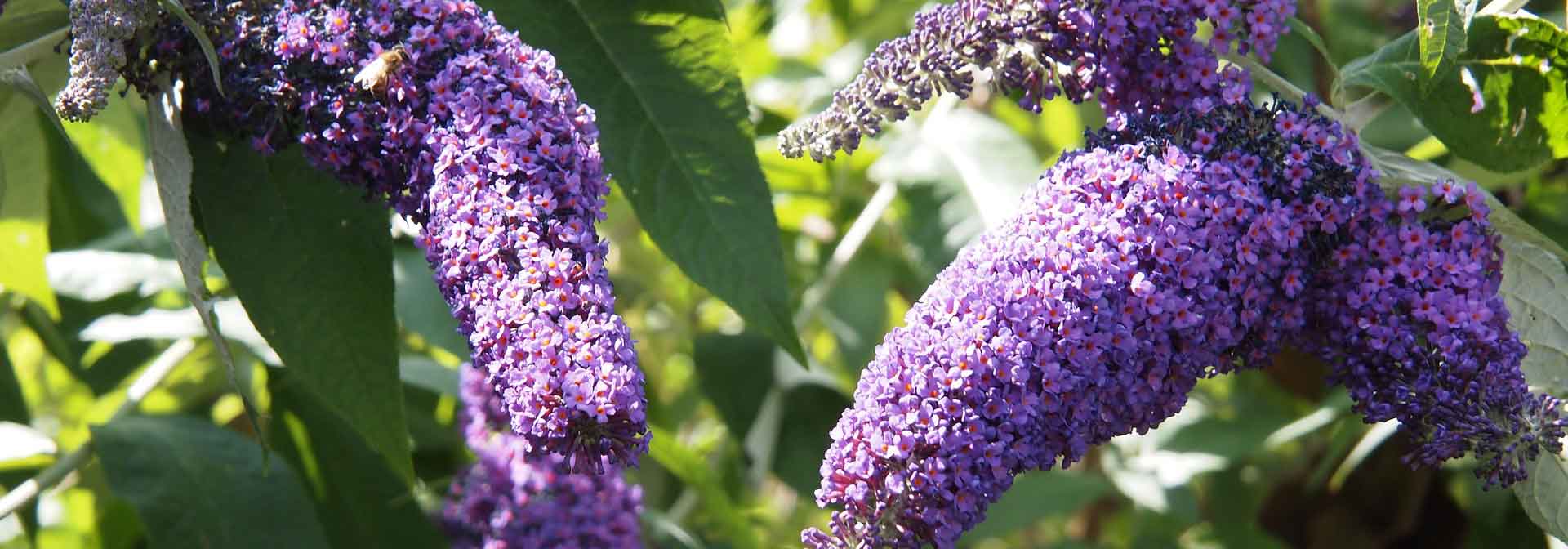
Buddleia Sungold - Butterfly Bush in pictures


Plant habit
Flowering
Foliage
Botanical data
Buddleja
davidii × globosa
Sungold
Scrophulariaceae
Butterfly Bush, Summer Lilac
Cultivar or hybrid
Planting and care
Buddleja × weyeriana ‘Sungold’ is preferentially planted in autumn in a mild climate, or in spring in regions with cold winters. Its preferential climate type lies between a mild oceanic climate and a not-too-dry Mediterranean climate. It likes sun and heat, proves very hardy, but is not a garrigue plant. Choose a sunny position and loosen the soil thoroughly; in clay soil, plant it slightly raised and incorporate coarse materials. Water regularly during the first season to encourage root establishment. Once established, a plant will then tolerate drought quite well, even though deep watering is essential during a long dry spell.
Planting period
Intended location
Care
Planting & care advice
-
-
-
-
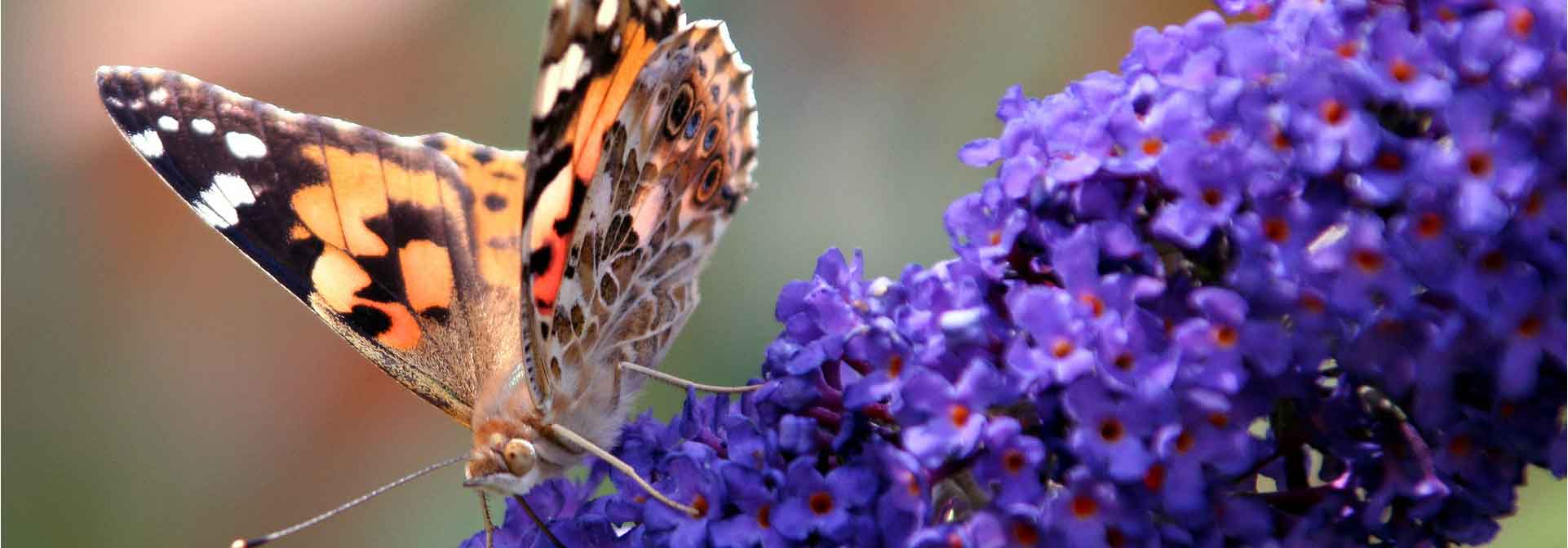
-
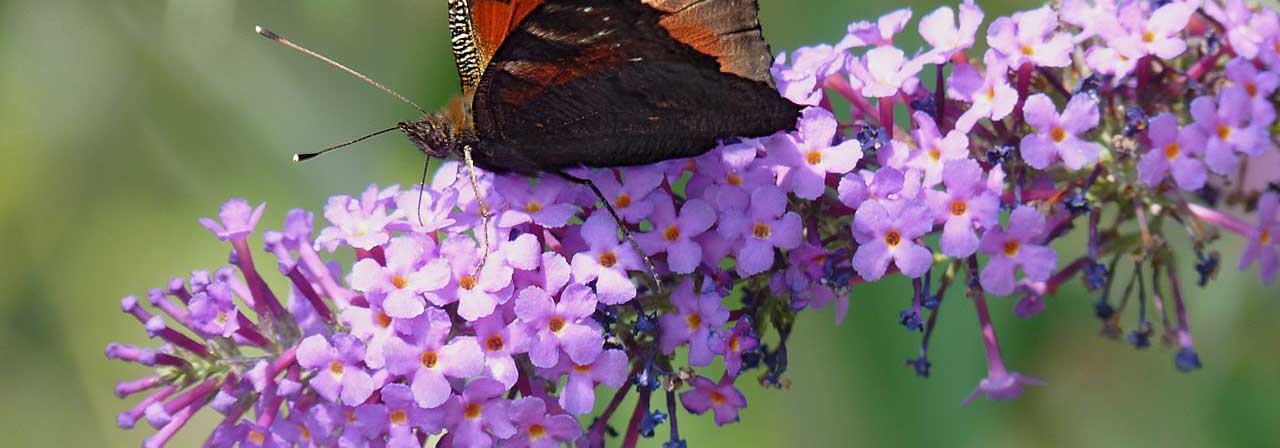
-
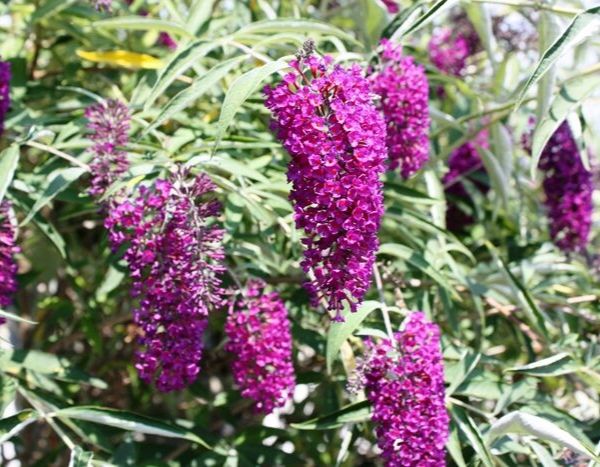
-
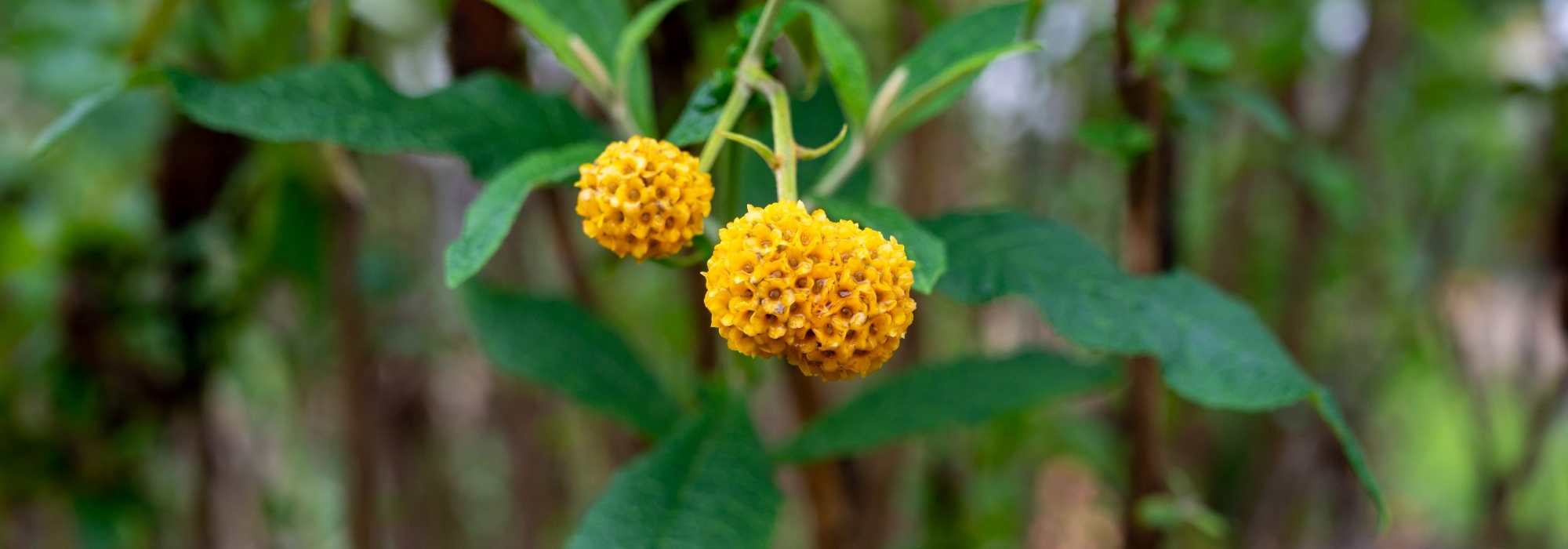
-
-
, onOrder confirmed
Reply from on Promesse de fleurs
Recently viewed products
Haven't found what you were looking for?
Hardiness is the lowest winter temperature a plant can endure without suffering serious damage or even dying. However, hardiness is affected by location (a sheltered area, such as a patio), protection (winter cover) and soil type (hardiness is improved by well-drained soil).

The flowering period indicated on our website applies to countries and regions located in USDA zone 8 (France, the United Kingdom, Ireland, the Netherlands, etc.)
It will vary according to where you live:- In zones 9 to 10 (Italy, Spain, Greece, etc.), flowering will occur about 2 to 4 weeks earlier.
- In zones 6 to 7 (Germany, Poland, Slovenia, and lower mountainous regions), flowering will be delayed by 2 to 3 weeks.
- In zone 5 (Central Europe, Scandinavia), blooming will be delayed by 3 to 5 weeks.
In temperate climates, pruning of spring-flowering shrubs (forsythia, spireas, etc.) should be done just after flowering.
Pruning of summer-flowering shrubs (Indian Lilac, Perovskia, etc.) can be done in winter or spring.
In cold regions as well as with frost-sensitive plants, avoid pruning too early when severe frosts may still occur.
The planting period indicated on our website applies to countries and regions located in USDA zone 8 (France, United Kingdom, Ireland, Netherlands).
It will vary according to where you live:
- In Mediterranean zones (Marseille, Madrid, Milan, etc.), autumn and winter are the best planting periods.
- In continental zones (Strasbourg, Munich, Vienna, etc.), delay planting by 2 to 3 weeks in spring and bring it forward by 2 to 4 weeks in autumn.
- In mountainous regions (the Alps, Pyrenees, Carpathians, etc.), it is best to plant in late spring (May-June) or late summer (August-September).
The harvesting period indicated on our website applies to countries and regions in USDA zone 8 (France, England, Ireland, the Netherlands).
In colder areas (Scandinavia, Poland, Austria...) fruit and vegetable harvests are likely to be delayed by 3-4 weeks.
In warmer areas (Italy, Spain, Greece, etc.), harvesting will probably take place earlier, depending on weather conditions.
The sowing periods indicated on our website apply to countries and regions within USDA Zone 8 (France, UK, Ireland, Netherlands).
In colder areas (Scandinavia, Poland, Austria...), delay any outdoor sowing by 3-4 weeks, or sow under glass.
In warmer climes (Italy, Spain, Greece, etc.), bring outdoor sowing forward by a few weeks.
Shipping country and language
Your country of residence may be:
Your country of residence is:
For a better user experience on our website, you can select:
Your shipping country:
-
 Austria
-
 Belgium
-
 Bosnia & Herzegovina
-
 Bulgaria
-
 Croatia
-
 Cyprus
-
 Czechia
-
 Denmark
-
 Estonia
-
 Finland
-
 France
-
 Germany
-
 Greece
-
 Hungary
-
 Iceland
-
 Ireland
-
 Italy
-
 Latvia
-
 Liechtenstein
-
 Lithuania
-
 Luxembourg
-
 Malta
-
 Netherlands
-
 Poland
-
 Portugal
-
 Romania
-
 Serbia
-
 Slovakia
-
 Slovenia
-
 Spain
-
 Sweden
-
 Switzerland
Language:
-
French
-
 English
-
Spanish
-
Italian
-
German
-
Portuguese
-
Dutch
-
Finnish
My Account
Hello
My wish lists
My cart
Log in / Register
Existing customer?
This form is protected by reCAPTCHA - the Google Privacy Policy and Terms of Service apply.
New customer?
Create an account to track your orders, access our customer service and, if you wish, make the most of our upcoming offers.