Fagus sylvatica Sandrode - Beech
Fagus sylvatica Sandrode - Beech
Fagus sylvatica Sandrode
European Beech, Common Beech
Back-to-school special offer!
Get €10 off for every €50 you spend! And get up to €40 off on a single order.
How does it work?
1. Shop your favourites
Add your favourite plants to your basket. For every €50 you spend (excluding delivery charges, store credit and the plastic-free option), you’ll receive a €10 voucher.
€50 spent = €10 voucher
€100 spent = €20 voucher
€150 spent = €30 voucher
€200 spent = €40 voucher
2. Place your order
Once your basket reaches one of the spending thresholds, place your order. You can even choose your delivery date!
3. Receive your voucher
As soon as your order has been shipped, you’ll receive an email containing your personal voucher code and its value.
4. Use it on your next order
Your voucher is valid for 90 days from the date you receive it. It can be used once only, on a new order worth at least the value of the voucher, excluding delivery charges.
Please note: Vouchers can be combined with other offers, but cannot be split or refunded.
Home or relay delivery (depending on size and destination)
Important: You may be charged customs duties by your country’s customs authorities upon delivery.
Schedule delivery date
and select date in basket
This plant carries a 24 months recovery warranty
More information
We guarantee the quality of our plants for a full growing cycle, and will replace at our expense any plant that fails to recover under normal climatic and planting conditions.
Would this plant suit my garden?
Set up your Plantfit profile →
Description
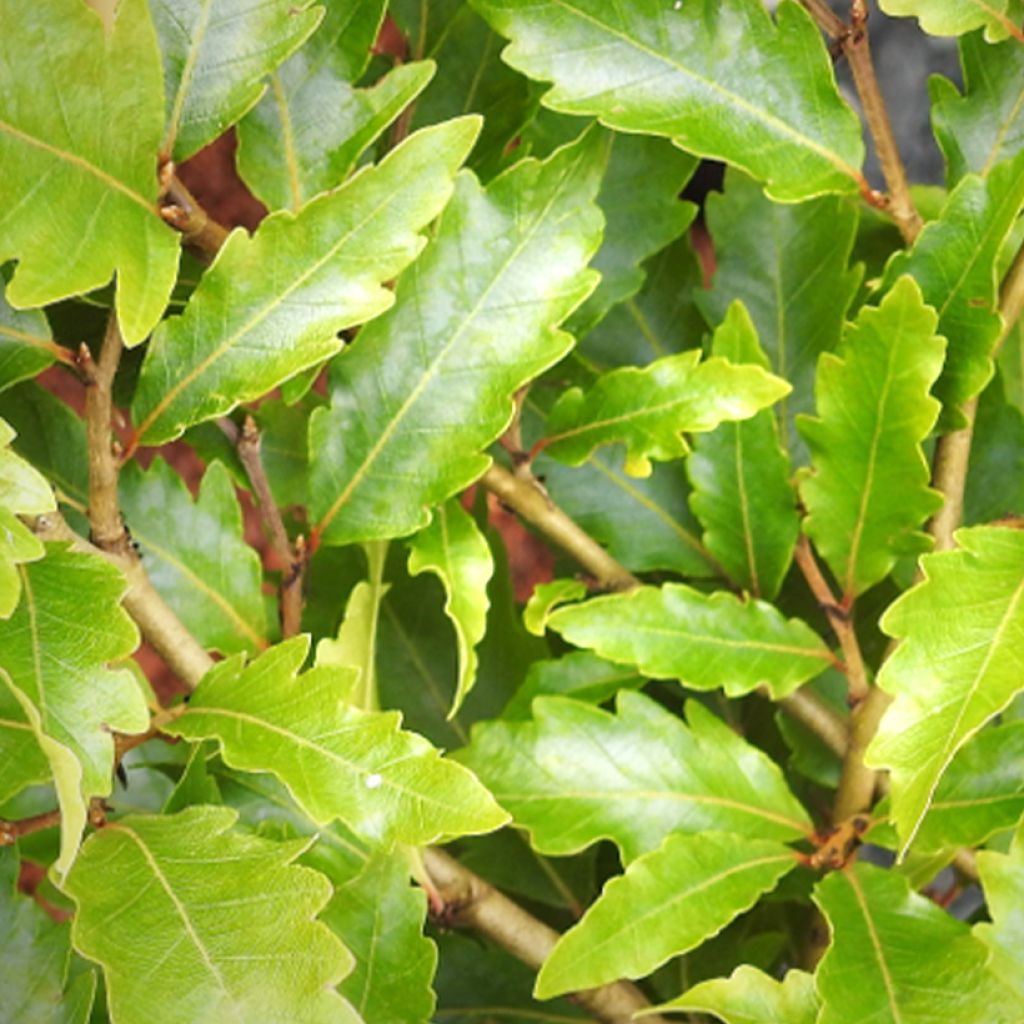
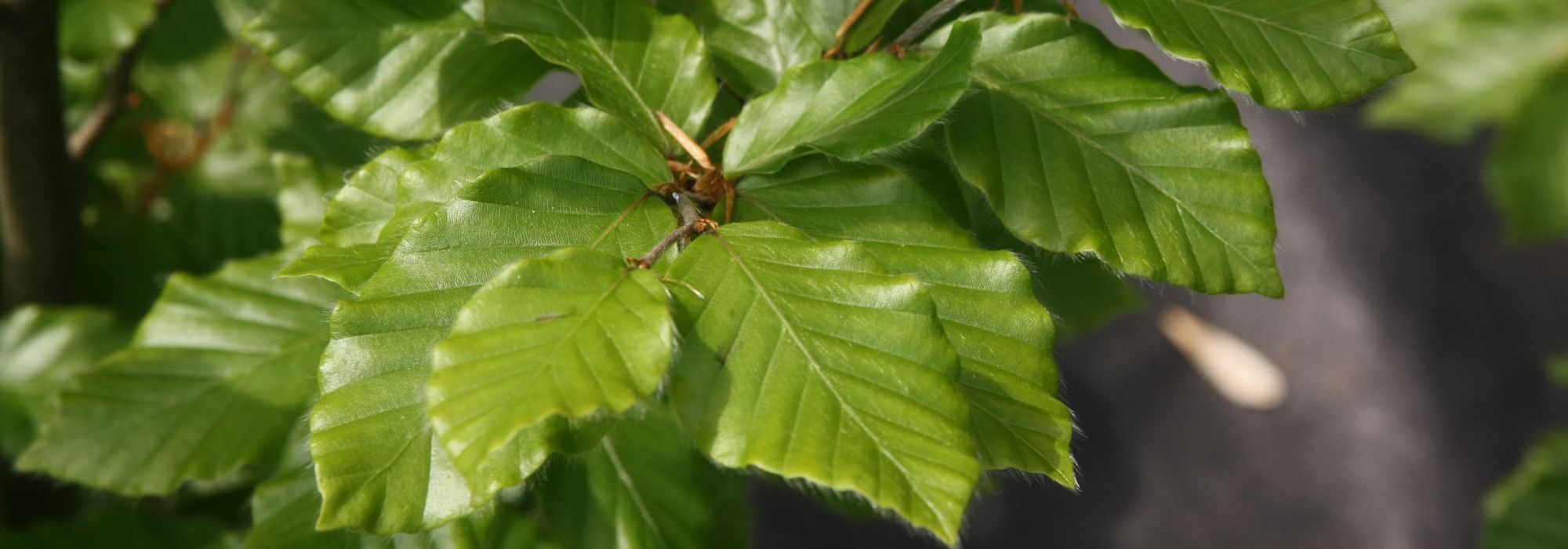
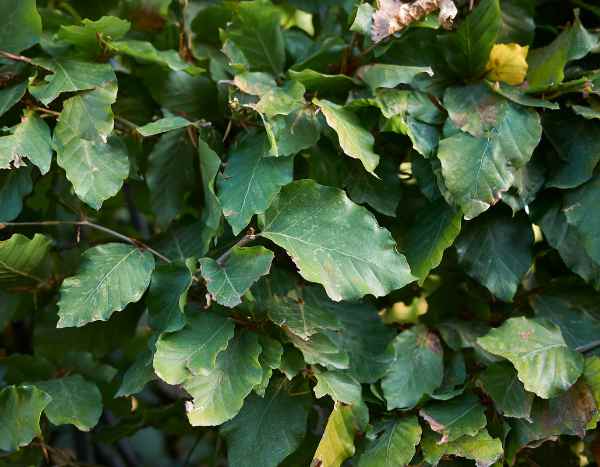
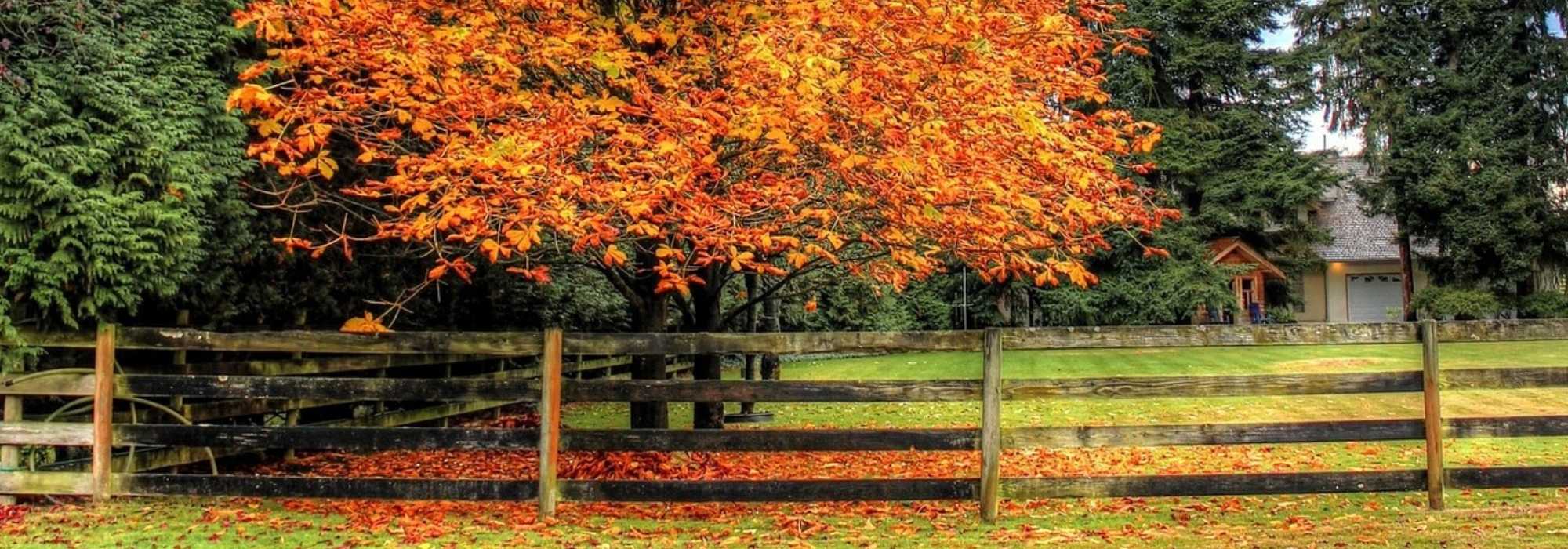
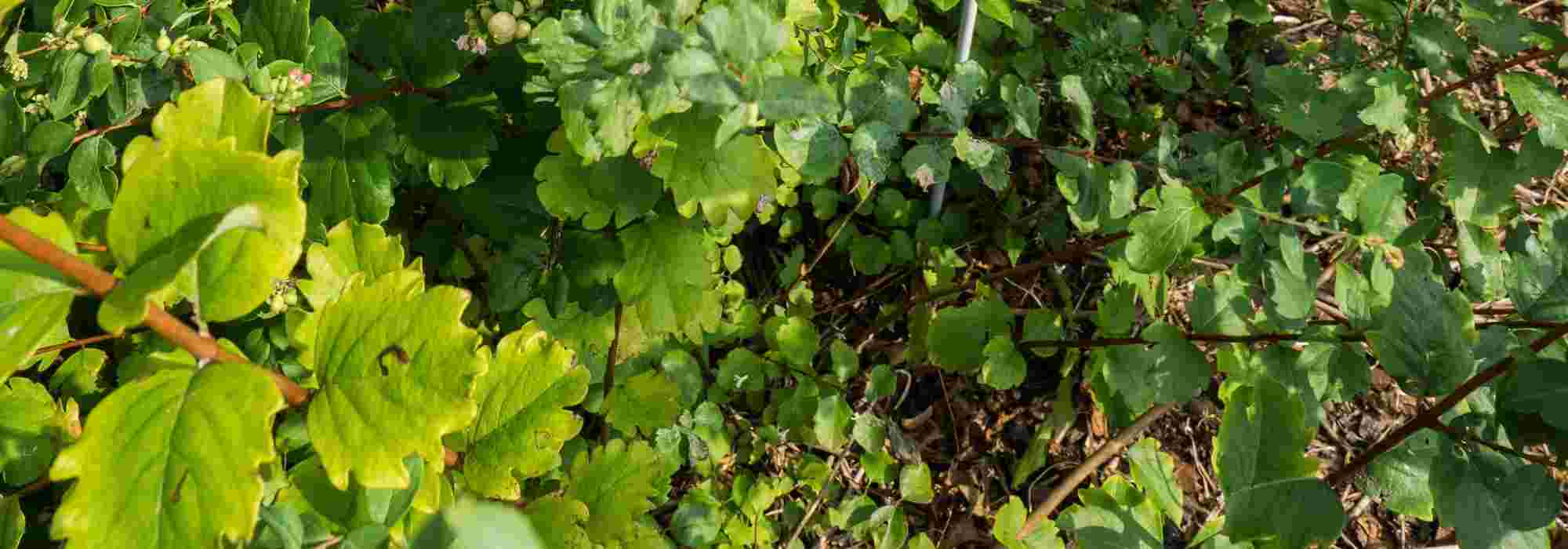
Fagus sylvatica 'Sandrode' is a variety of miniature Beech tree native to the Netherlands. This slow-growing tree forms a maximum height pyramid of 2.50 m, well suited to small gardens. Its foliage is particularly ornamental, the elliptical-shaped leaves have a well-defined and elegant toothed edge. Green during the season, they turn a golden yellow colour in autumn. This hardy Beech tree grows in full sun or partial shade, in most moist and humus-bearing soils. A beautiful, architectural variety which can be planted as a specimen or in a border.
The Beech tree, in Latin Fagus sylvatica, is an imposing tree with a spreading habit. Its cylindrical trunk is covered with smooth, light grey bark. This tree can live for several centuries. It is native to central Europe to the Caucasus and one of the most common species in European forests, reaching a height of 20 m at maturity. Its reddish wood is used in cabinetmaking and for the production of wooden tools and toys as well as firewood. It is a member of the Fagaceae family, which also includes the Oak, Chestnut, and a few other lesser-known genera.
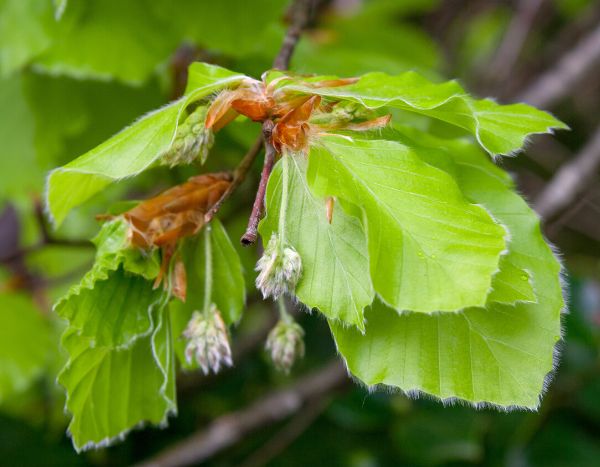
The compact cultivar 'Sandrode' is a selection from Bömer nurseries (Netherlands), from the late 1980s. This slow-growing variety forms a pyramid or cone, 2 m to 2.50 m high and 2 m wide. With a very dense branching, this bush can also have a more rounded habit. Its natural shape can be accentuated by appropriate pruning, it can even be made into a pseudo-bonsai. Nicknamed Fern-leaved Beech by the Germans, it is distinguished by its very ornamental foliage. The 5 to 10 cm long leaves have an elongated elliptical shape with a pointed tip. They are original and easily recognisable by their fairly deep, toothed edge, forming small irregular lobes with rounded edges. Their tender green, slightly glossy surface, marked by a prominent central vein, is attractive during the season. In autumn, the foliage turns a very ornamental golden yellow, before browning and remaining on the branches for a long time before finally falling to the ground. In April, barely visible beige monoecious flowers appear. The male flowers are grouped in pendulous catkins, while the female flowers are grouped in 2 to 4 at the end of the branches. Mature specimens produce shiny brown beech-nuts, covered with bristly prickles. These fruits are edible in small quantities. Mountain dwellers used to use them to make flour.
Hardy down to around -26°C, it can still suffer from late frosts. Growing in most soils, it appreciates a certain amount of humus and moisture, as it hates drought. Loamy or sandy loam soils are well suited to it, as are sunny or semi-shaded exposures.
Fagus sylvatica 'Sandrode' is an architectural tree with particularly attractive foliage, which can be planted even in the smallest gardens. Requiring little maintenance, except for some watering during hot periods, it is an original variety that deserves to be planted more. It is very tolerant of pruning and can be shaped to accentuate its natural form and become the central element of a sculptural scene. Have fun creating a miniature border by planting a Dwarf Birch (Betula nana) alongside it, a ground-covering shrub whose reduced foliage takes on magnificent red-orange tones in autumn, which will perfectly match the golden hues of the Beech tree. Another extremely architectural subject, Chamaecyparis obtusa Nana Aurea is a Japanese Hinoki Cypress whose foliage is arranged in randomly arranged, cup-like structures. To combine exceptional foliage with bright flowering, Mahonia Soft Caress will be a perfect companion for your Beech tree, with its fern-like leaves and yellow autumnal flowers.
Plant habit
Flowering
Foliage
Botanical data
Fagus
sylvatica
Sandrode
Fagaceae
European Beech, Common Beech
Cultivar or hybrid
Planting and care
Fagus sylvatica Sandrode grows in full sun or partial shade and thrives in cool and temperate climates. The soil must be moist and well-drained, and always maintain a constant level of humidity, as it does not tolerate drought at all. Dig a hole that is 50 or 60 cm wide and deep, and add planting compost to the existing soil. Soak the root ball in a bucket of water for fifteen minutes before planting, place it in the ground, fill in around it, and water generously. Water regularly for the first two years, and monitor watering, especially during hot periods. In February-March, when the tree is dormant, remove any branches that compromise symmetry or are tangled, to maintain a good shape. Monitor the foliage for any signs of scale insects.
Planting period
Intended location
Care
Planting & care advice
-
-
-
-

-
-
-
-
This item has not been reviewed yet - be the first to leave a review about it.
Recently viewed products
Haven't found what you were looking for?
Hardiness is the lowest winter temperature a plant can endure without suffering serious damage or even dying. However, hardiness is affected by location (a sheltered area, such as a patio), protection (winter cover) and soil type (hardiness is improved by well-drained soil).

The flowering period indicated on our website applies to countries and regions located in USDA zone 8 (France, the United Kingdom, Ireland, the Netherlands, etc.)
It will vary according to where you live:- In zones 9 to 10 (Italy, Spain, Greece, etc.), flowering will occur about 2 to 4 weeks earlier.
- In zones 6 to 7 (Germany, Poland, Slovenia, and lower mountainous regions), flowering will be delayed by 2 to 3 weeks.
- In zone 5 (Central Europe, Scandinavia), blooming will be delayed by 3 to 5 weeks.
In temperate climates, pruning of spring-flowering shrubs (forsythia, spireas, etc.) should be done just after flowering.
Pruning of summer-flowering shrubs (Indian Lilac, Perovskia, etc.) can be done in winter or spring.
In cold regions as well as with frost-sensitive plants, avoid pruning too early when severe frosts may still occur.
The planting period indicated on our website applies to countries and regions located in USDA zone 8 (France, United Kingdom, Ireland, Netherlands).
It will vary according to where you live:
- In Mediterranean zones (Marseille, Madrid, Milan, etc.), autumn and winter are the best planting periods.
- In continental zones (Strasbourg, Munich, Vienna, etc.), delay planting by 2 to 3 weeks in spring and bring it forward by 2 to 4 weeks in autumn.
- In mountainous regions (the Alps, Pyrenees, Carpathians, etc.), it is best to plant in late spring (May-June) or late summer (August-September).
The harvesting period indicated on our website applies to countries and regions in USDA zone 8 (France, England, Ireland, the Netherlands).
In colder areas (Scandinavia, Poland, Austria...) fruit and vegetable harvests are likely to be delayed by 3-4 weeks.
In warmer areas (Italy, Spain, Greece, etc.), harvesting will probably take place earlier, depending on weather conditions.
The sowing periods indicated on our website apply to countries and regions within USDA Zone 8 (France, UK, Ireland, Netherlands).
In colder areas (Scandinavia, Poland, Austria...), delay any outdoor sowing by 3-4 weeks, or sow under glass.
In warmer climes (Italy, Spain, Greece, etc.), bring outdoor sowing forward by a few weeks.
Shipping country and language
Your country of residence may be:
Your country of residence is:
For a better user experience on our website, you can select:
Your shipping country:
-
 Austria
-
 Belgium
-
 Bosnia & Herzegovina
-
 Bulgaria
-
 Croatia
-
 Cyprus
-
 Czechia
-
 Denmark
-
 Estonia
-
 Finland
-
 France
-
 Germany
-
 Greece
-
 Hungary
-
 Iceland
-
 Ireland
-
 Italy
Italy
-
 Latvia
-
 Liechtenstein
-
 Lithuania
-
 Luxembourg
-
 Malta
Malta
-
 Netherlands
-
 Poland
-
 Portugal
-
 Romania
-
 Serbia
-
 Slovakia
-
 Slovenia
-
 Spain
Spain
-
 Sweden
-
 Switzerland
Language:
-
French
-
 English
-
Spanish
-
Italian
-
German
-
Portuguese
-
Dutch
-
Finnish
My Account
Hello
My wish lists
My cart
Log in / Register
Existing customer?
This form is protected by reCAPTCHA - the Google Privacy Policy and Terms of Service apply.
New customer?
Create an account to track your orders, access our customer service and, if you wish, make the most of our upcoming offers.