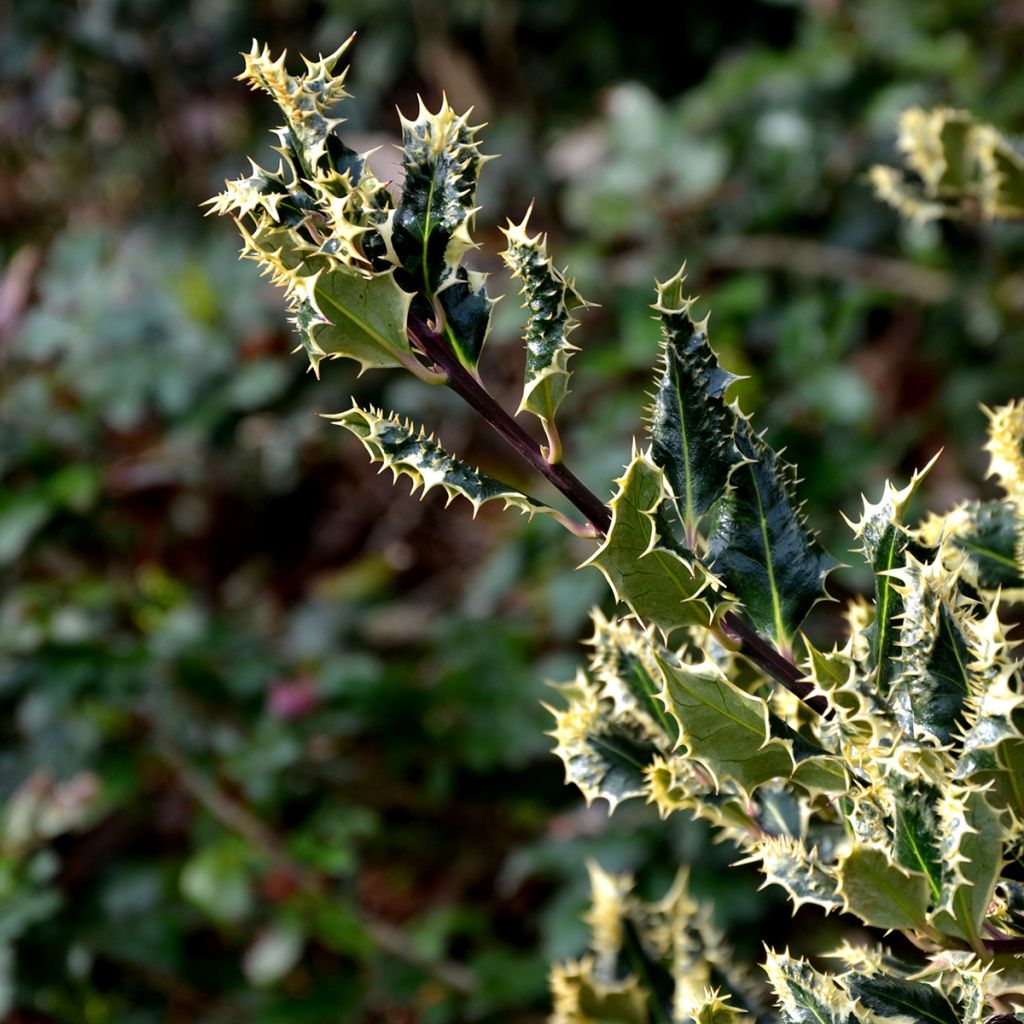
Ilex aquifolium Ferox Argentea - Common Holly
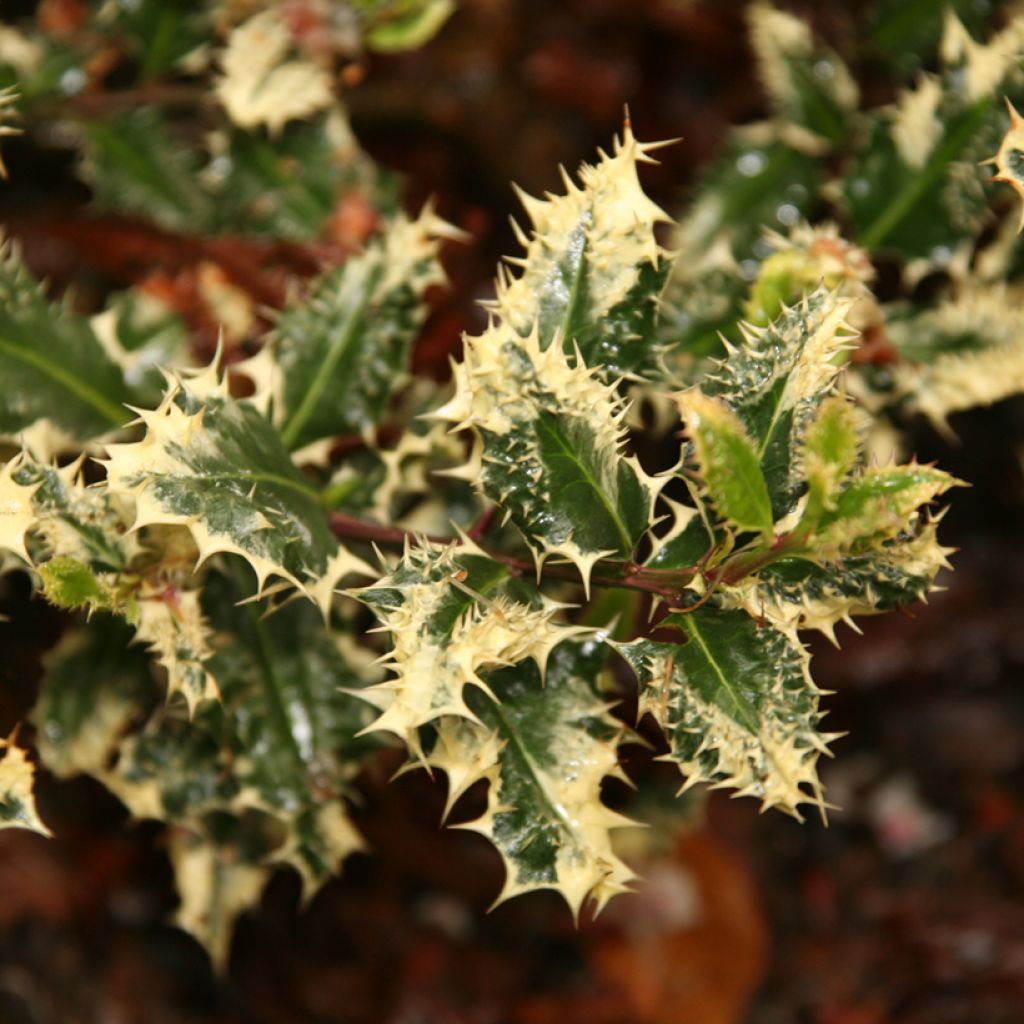
Ilex aquifolium Ferox Argentea - Common Holly
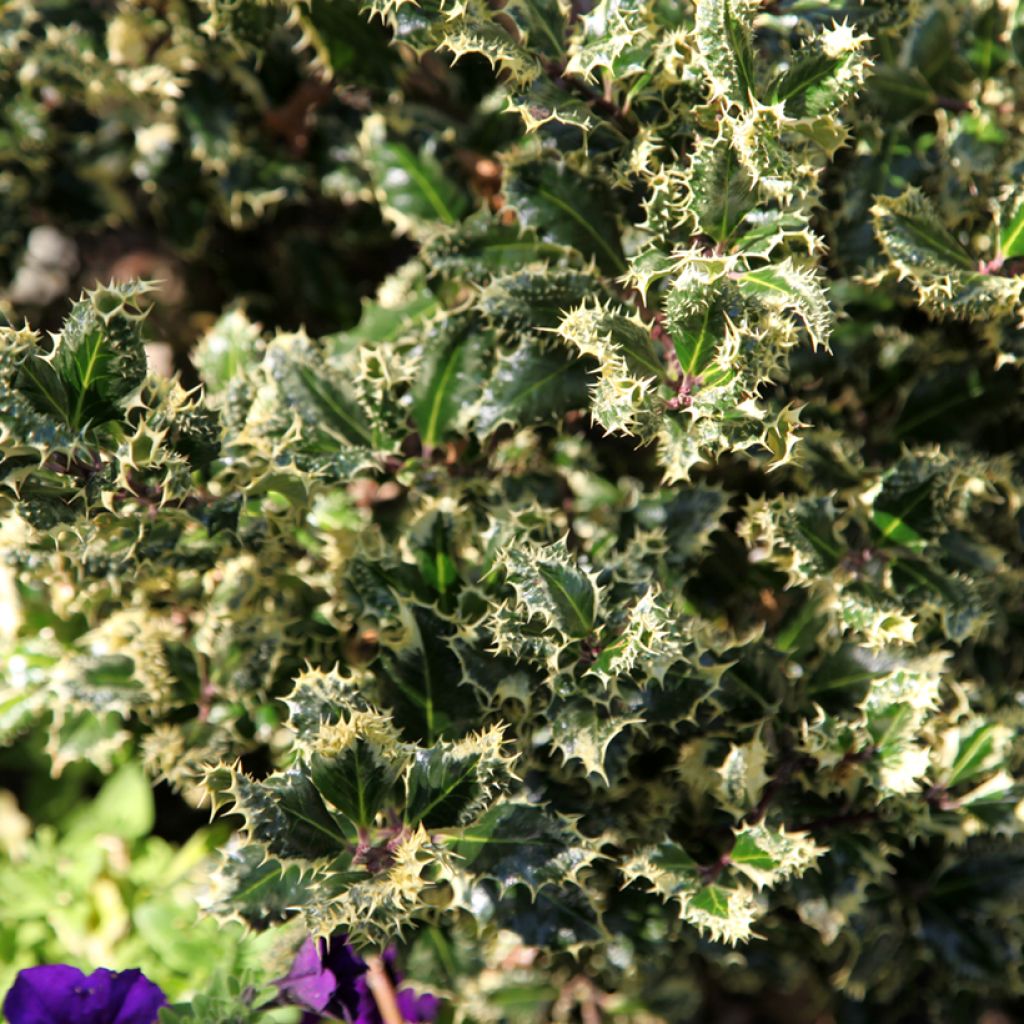
Ilex aquifolium Ferox Argentea - Common Holly
Ilex aquifolium Ferox Argentea - Common Holly
Ilex aquifolium Ferox Argentea
European Holly, Common Holly, English Holly, Evergreen Holly
Back-to-school special offer!
Get €10 off for every €50 you spend! And get up to €40 off on a single order.
How does it work?
1. Shop your favourites
Add your favourite plants to your basket. For every €50 you spend (excluding delivery charges, store credit and the plastic-free option), you’ll receive a €10 voucher.
€50 spent = €10 voucher
€100 spent = €20 voucher
€150 spent = €30 voucher
€200 spent = €40 voucher
2. Place your order
Once your basket reaches one of the spending thresholds, place your order. You can even choose your delivery date!
3. Receive your voucher
As soon as your order has been shipped, you’ll receive an email containing your personal voucher code and its value.
4. Use it on your next order
Your voucher is valid for 90 days from the date you receive it. It can be used once only, on a new order worth at least the value of the voucher, excluding delivery charges.
Please note: Vouchers can be combined with other offers, but cannot be split or refunded.
Why not try an alternative variety in stock?
View all →
Available in 3 sizes
Available in 4 sizes
Available in 1 sizes

Available in 1 sizes
Available in 1 sizes
Available in 1 sizes
Available in 2 sizes
Available in 2 sizes
Available in 1 sizes

Available in 2 sizes
This plant carries a 24 months recovery warranty
More information
We guarantee the quality of our plants for a full growing cycle, and will replace at our expense any plant that fails to recover under normal climatic and planting conditions.

Would this plant suit my garden?
Set up your Plantfit profile →
Description
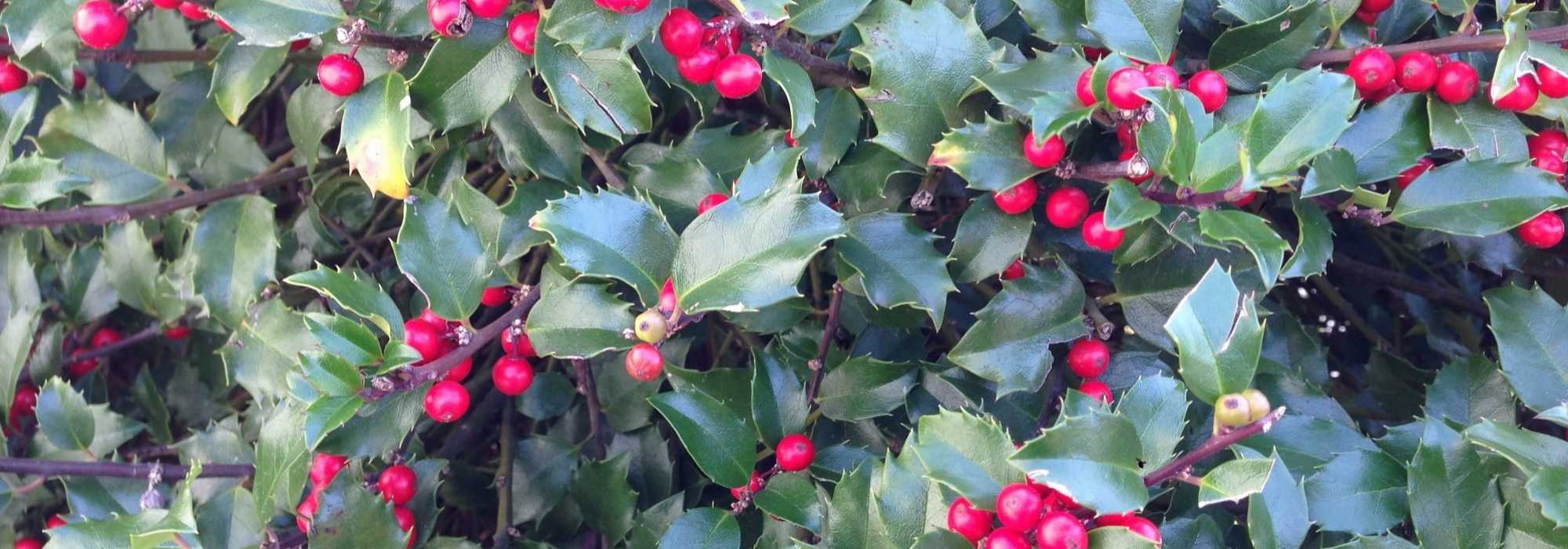
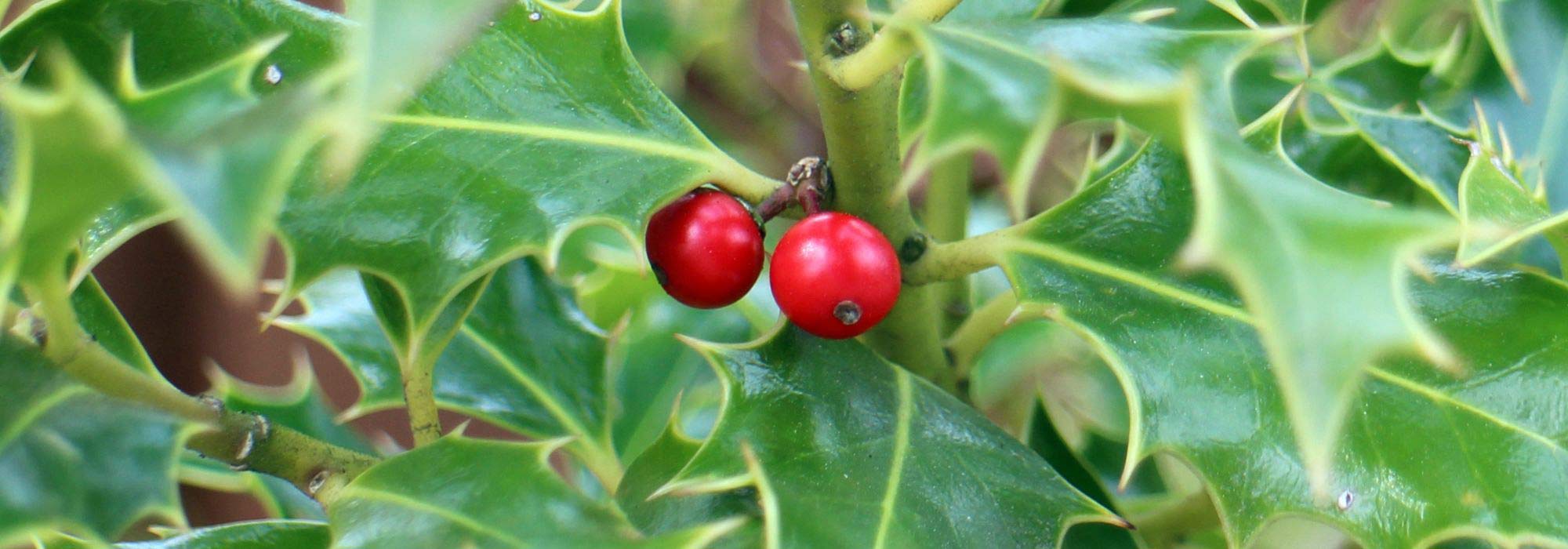
Ilex aquifolium 'Ferox argentea' is a variety of Common Holly that is both defensive and ornamental. This bush, also known as the Hedgehog Holly, has elegant, bright variegated leaves that are adorned with spines along the edges and surface. It is a male cultivar, which means it does not produce fruits. The decorative value of this shrub also lies in its evergreen foliage in winter and its broadly pyramidal shape. Its slow growth and ability to be pruned make it suitable for smaller gardens.
Hollies belong to the family Aquifoliaceae. Ilex holly, the Common Holly, is an evergreen shrub primarily native to Europe. It is ubiquitous, thriving in deep soils and moist to wet areas, but also adapting to open spaces. It is a dioecious species, meaning there are male and female individuals. The 'Ferox Argentea' cultivar only produces inconspicuous whitish male flowers and does not bear fruits. It has a slow growth rate and will reach a height of 3.50 m to 5.50 m with a spread of 2.50 m to 3.50 m (occasionally up to 7.50 m) depending on the growing conditions. The shrub has a broadly pyramidal habit, supported by semi-erect, slender, reddish-brown branches. The evergreen and leathery foliage consists of ovate, wavy, entire, dark green and glossy leaves, with cream to white variegation along the margins. The margins and upper surface are densely bristly. The bark of this small tree is green when young, turning grey and smooth with age. The Common Holly is a long-lived species, capable of living 400 to 500 years.
Ilex aquifolium 'Ferox Argentea' stands out in the garden but should be placed away from high-traffic areas. Its architectural form suits a well-kept garden, particularly in a contemporary or urban style. It also fits perfectly in a mixed or defensive hedge. It brings a touch of light and spikiness to shady areas of the garden! It can be paired with tall conifers with dark green foliage for contrast, such as Pinus nigra 'Green Tower'. It dislikes drought and lime-rich soils. It can be confidently planted in colder regions, alongside snowberries and aucubas.
Hollies are both beloved and misunderstood plants. The genus comprises nearly 800 deciduous or evergreen species, mostly originating from the temperate northern hemisphere. These ancient plants have experienced alternating periods of glaciation and dry, warm periods in our climatic history, making them extremely adaptable and resilient. Their wood, which is white to cream, is very low in water content, even when green. It is dense and heavy, yet soft and easy to work with in cabinetmaking. It also makes excellent fuel for heating.
Plant habit
Flowering
Foliage
Botanical data
Ilex
aquifolium
Ferox Argentea
Aquifoliaceae
European Holly, Common Holly, English Holly, Evergreen Holly
Cultivar or hybrid
Planting and care
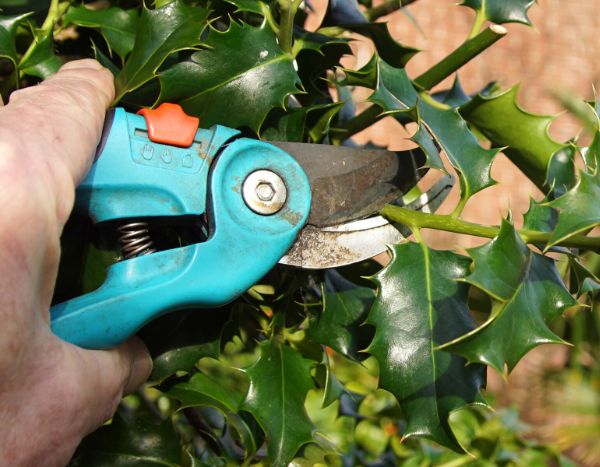
To plant the 'Ferox Argentea' common holly, add potting soil with compost and incorporate it into the soil of your garden, in order to slightly acidify a soil that is too chalky or loosen a compact terrain, to facilitate faster and deeper rooting. The common holly is a species of the understory, found in lowlands and mountains, up to 1500 metres above sea level, and tends to seek coolness in the southernmost regions of its distribution range. The common holly prefers acidic, humus-bearing, and deep soils, as well as cool locations, but can also adapt to slightly chalky soils. Therefore, choose a semi-shaded or shaded location in a warm climate, and a sunnier spot in cooler regions. Water during the first 3 years, especially in summer and during prolonged droughts, to help the bush establish itself. After that, it will manage on its own. In the first few years, prune it in late summer or early spring to shape it, selecting the branches you want to keep. Step back to view your holly as a whole and determine the shape and arrangement of the branches. An annual pruning around the entire canopy helps shape it and keep its dimensions contained.
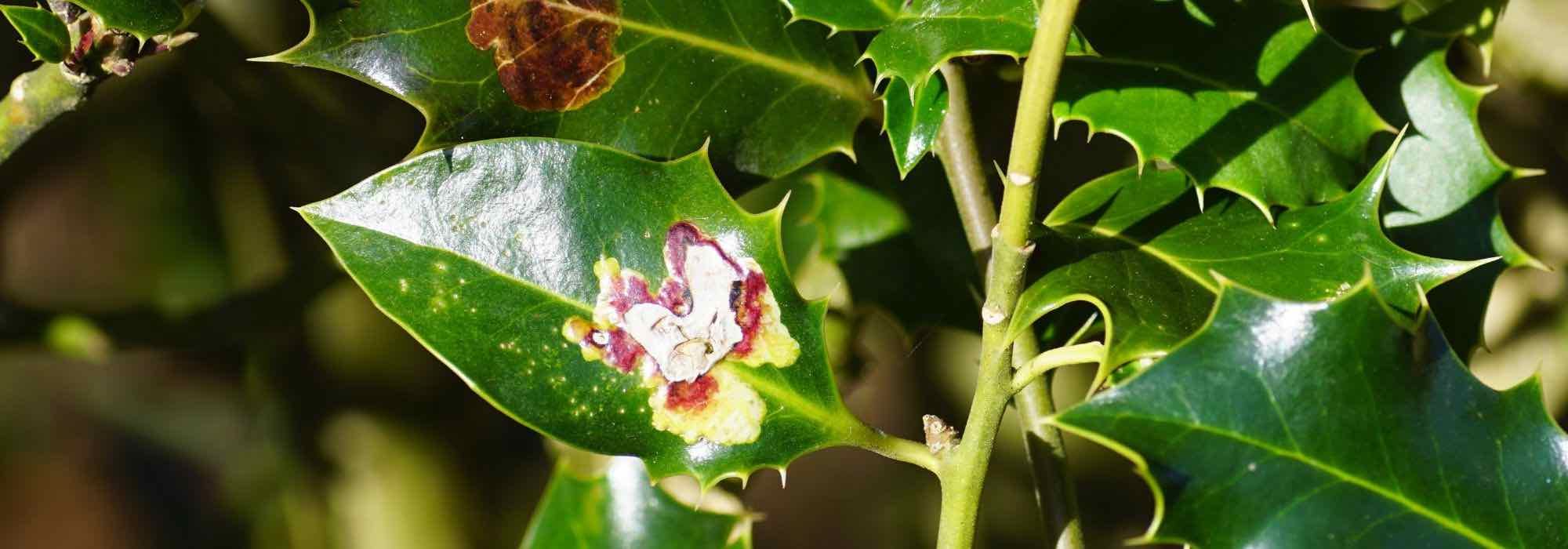
Holly can be attacked by holly leaf miner, white scale insects in spring, and mites and aphids in summer. Consider a preventive treatment at the beginning of the season.
Planting period
Intended location
Care
Planting & care advice
-

-

-

-

-
-
-
-
This item has not been reviewed yet - be the first to leave a review about it.
Recently viewed products
Haven't found what you were looking for?
Hardiness is the lowest winter temperature a plant can endure without suffering serious damage or even dying. However, hardiness is affected by location (a sheltered area, such as a patio), protection (winter cover) and soil type (hardiness is improved by well-drained soil).

The flowering period indicated on our website applies to countries and regions located in USDA zone 8 (France, the United Kingdom, Ireland, the Netherlands, etc.)
It will vary according to where you live:- In zones 9 to 10 (Italy, Spain, Greece, etc.), flowering will occur about 2 to 4 weeks earlier.
- In zones 6 to 7 (Germany, Poland, Slovenia, and lower mountainous regions), flowering will be delayed by 2 to 3 weeks.
- In zone 5 (Central Europe, Scandinavia), blooming will be delayed by 3 to 5 weeks.
In temperate climates, pruning of spring-flowering shrubs (forsythia, spireas, etc.) should be done just after flowering.
Pruning of summer-flowering shrubs (Indian Lilac, Perovskia, etc.) can be done in winter or spring.
In cold regions as well as with frost-sensitive plants, avoid pruning too early when severe frosts may still occur.
The planting period indicated on our website applies to countries and regions located in USDA zone 8 (France, United Kingdom, Ireland, Netherlands).
It will vary according to where you live:
- In Mediterranean zones (Marseille, Madrid, Milan, etc.), autumn and winter are the best planting periods.
- In continental zones (Strasbourg, Munich, Vienna, etc.), delay planting by 2 to 3 weeks in spring and bring it forward by 2 to 4 weeks in autumn.
- In mountainous regions (the Alps, Pyrenees, Carpathians, etc.), it is best to plant in late spring (May-June) or late summer (August-September).
The harvesting period indicated on our website applies to countries and regions in USDA zone 8 (France, England, Ireland, the Netherlands).
In colder areas (Scandinavia, Poland, Austria...) fruit and vegetable harvests are likely to be delayed by 3-4 weeks.
In warmer areas (Italy, Spain, Greece, etc.), harvesting will probably take place earlier, depending on weather conditions.
The sowing periods indicated on our website apply to countries and regions within USDA Zone 8 (France, UK, Ireland, Netherlands).
In colder areas (Scandinavia, Poland, Austria...), delay any outdoor sowing by 3-4 weeks, or sow under glass.
In warmer climes (Italy, Spain, Greece, etc.), bring outdoor sowing forward by a few weeks.
Shipping country and language
Your country of residence may be:
Your country of residence is:
For a better user experience on our website, you can select:
Your shipping country:
-
 Austria
-
 Belgium
-
 Bosnia & Herzegovina
-
 Bulgaria
-
 Croatia
-
 Cyprus
-
 Czechia
-
 Denmark
-
 Estonia
-
 Finland
-
 France
-
 Germany
-
 Greece
-
 Hungary
-
 Iceland
-
 Ireland
-
 Italy
Italy
-
 Latvia
-
 Liechtenstein
-
 Lithuania
-
 Luxembourg
-
 Malta
Malta
-
 Netherlands
-
 Poland
-
 Portugal
-
 Romania
-
 Serbia
-
 Slovakia
-
 Slovenia
-
 Spain
Spain
-
 Sweden
-
 Switzerland
Language:
-
French
-
 English
-
Spanish
-
Italian
-
German
-
Portuguese
-
Dutch
-
Finnish
My Account
Hello
My wish lists
My cart
Log in / Register
Existing customer?
This form is protected by reCAPTCHA - the Google Privacy Policy and Terms of Service apply.
New customer?
Create an account to track your orders, access our customer service and, if you wish, make the most of our upcoming offers.