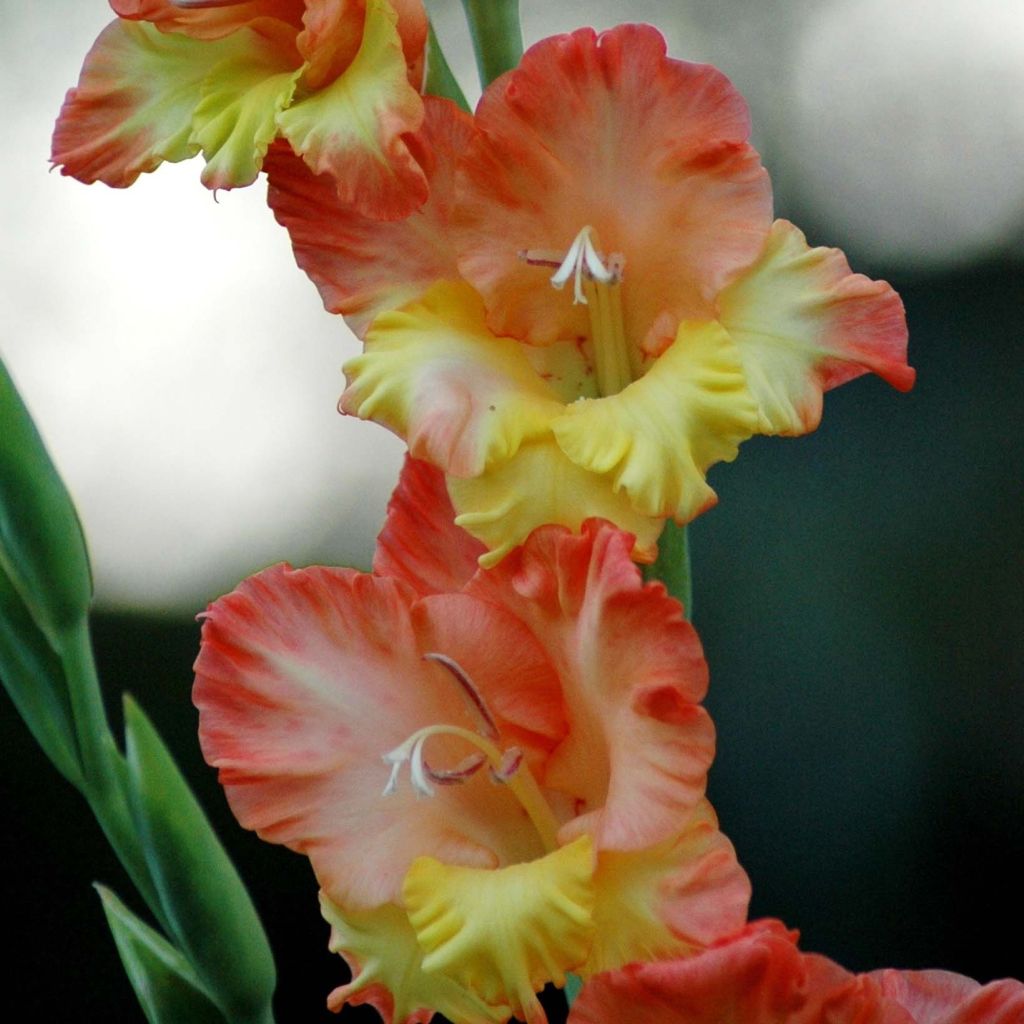
Gladiolus grandiflorus Princess Margaret Rose - Sword Lily
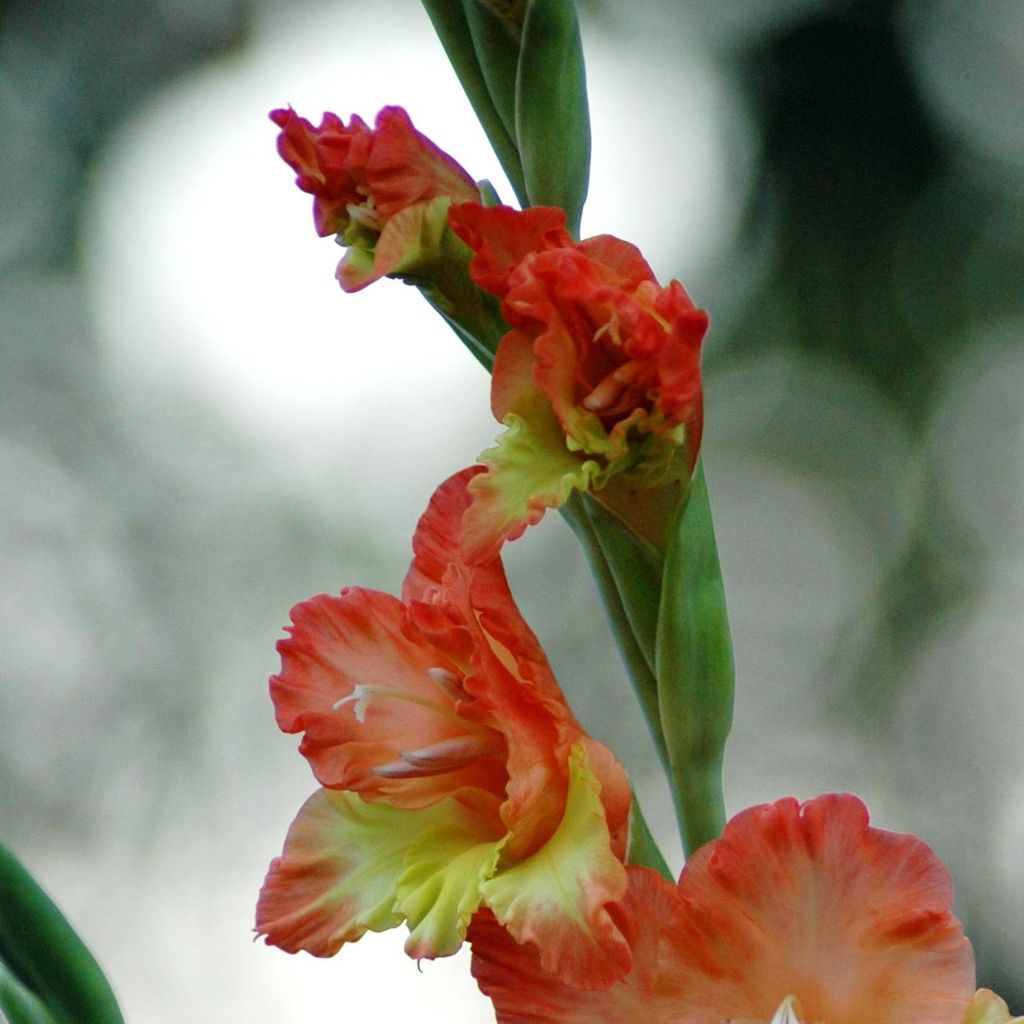
Gladiolus grandiflorus Princess Margaret Rose - Sword Lily
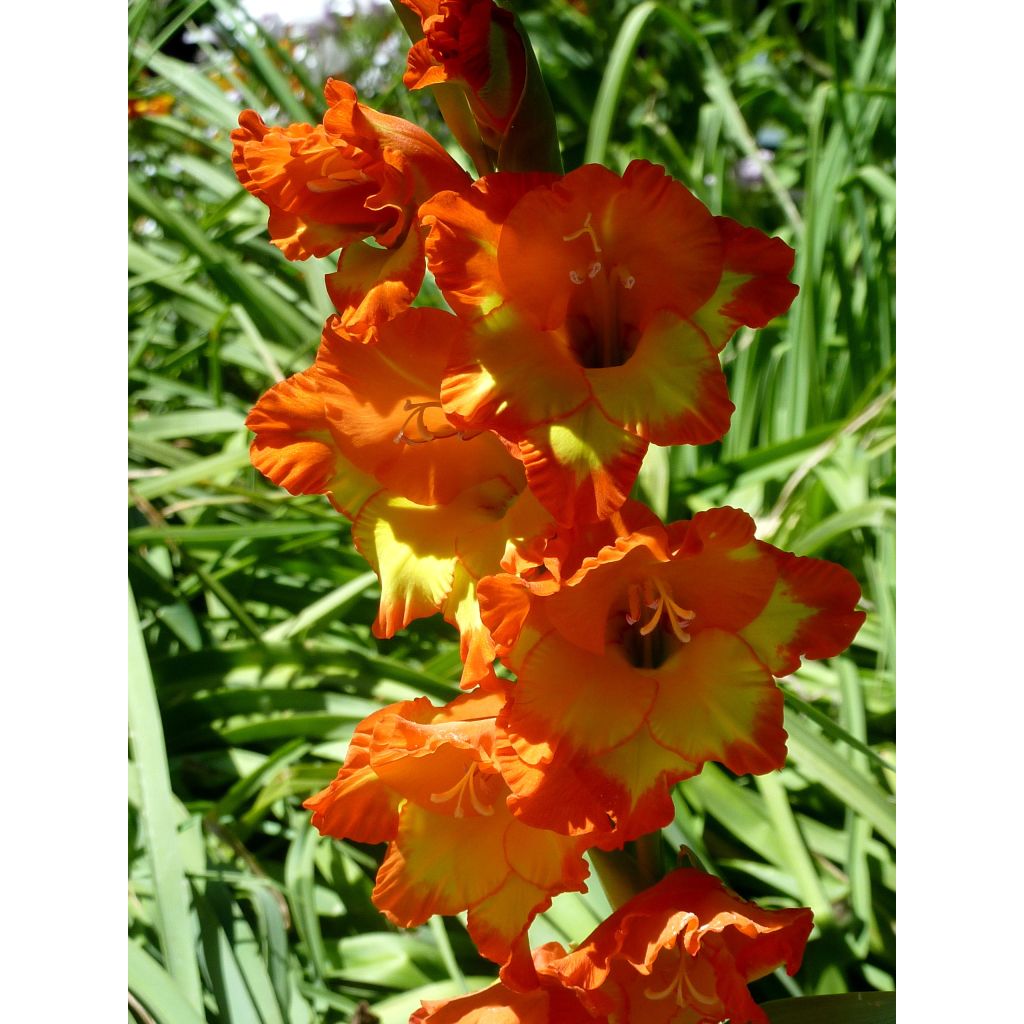
Gladiolus grandiflorus Princess Margaret Rose - Sword Lily
Gladiolus grandiflorus Princess Margaret Rose - Sword Lily
Gladiolus x grandiflorus Princess Margaret Rose
Large-Flowered Gladiolus, Sword Lily
Beautiful bulbs that gave me very lovely flowers!
Christel , 03/07/2025
Back-to-school special offer!
Get €10 off for every €50 you spend! And get up to €40 off on a single order.
How does it work?
1. Shop your favourites
Add your favourite plants to your basket. For every €50 you spend (excluding delivery charges, store credit and the plastic-free option), you’ll receive a €10 voucher.
€50 spent = €10 voucher
€100 spent = €20 voucher
€150 spent = €30 voucher
€200 spent = €40 voucher
2. Place your order
Once your basket reaches one of the spending thresholds, place your order. You can even choose your delivery date!
3. Receive your voucher
As soon as your order has been shipped, you’ll receive an email containing your personal voucher code and its value.
4. Use it on your next order
Your voucher is valid for 90 days from the date you receive it. It can be used once only, on a new order worth at least the value of the voucher, excluding delivery charges.
Please note: Vouchers can be combined with other offers, but cannot be split or refunded.
This plant carries a 6 months recovery warranty
More information
We guarantee the quality of our plants for a full growing cycle, and will replace at our expense any plant that fails to recover under normal climatic and planting conditions.

Would this plant suit my garden?
Set up your Plantfit profile →
Description
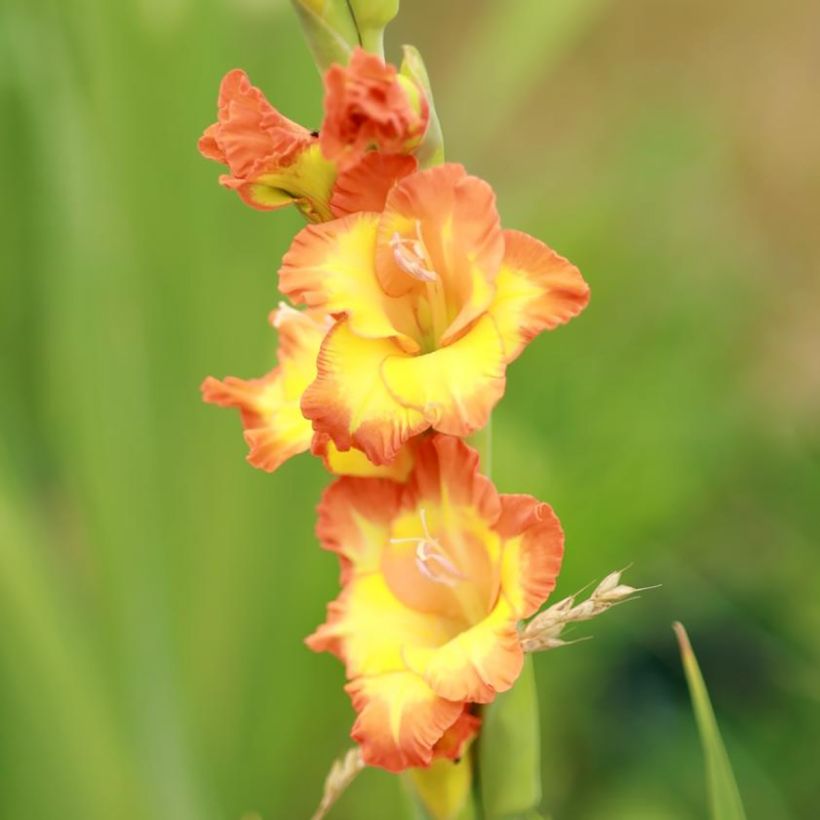
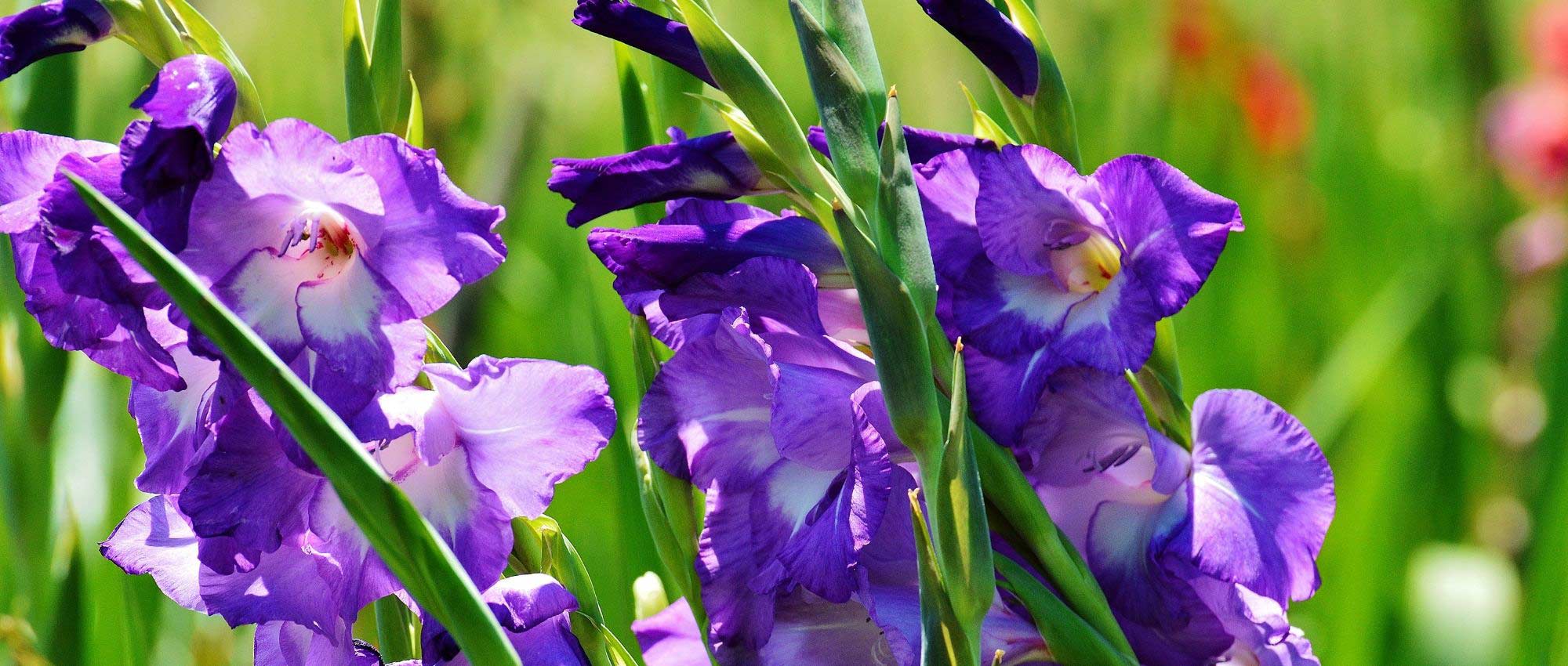
Gladiolus 'Princess Margaret Rose' is a magnificent hybrid that can be seen from afar. Its large variegated flowers boast yellow petals with red edges and a salmon-pink heart. The edges of the petals are prettily fringed. Its stems are strong and stout, and covered with a multitude of buds. It is ideal as a cut flower. We deliver them in large size 14+ corms for the best flowering.
The genus Gladiolus belongs to the Iridaceae family. Gladioli originate from Africa, Europe, and the Middle East. The most colourful gladiolus species come from South Africa. Cultivated gladioli are hybrids with large flowers, divided into 3 main groups: Grandiflorus (with large flowers), Primulinus (early), and Nanus (butterflies). 'Princess Margaret Rose' is part of the Grandiflorus group. It is a perennial herbaceous plant with corms (globose bulbs) and wide sword-shaped leaves arranged in a fan shape. It forms a clump 80cm (32in) tall. The leaves are topped by a spike-shaped inflorescence 40 to 50cm (16 to 20in) long, with funnel-shaped flowers, 10cm (4in) in diameter. They are arranged unilaterally and borne on sturdy stems. They are golden yellow, with a salmon-pink throat. The edges of the fringed petals are brick red.
Gladioli and their colourful flower stalks are a symbol of the 1970s and somewhat formal floral arrangements. While they are irreplaceable in bouquets, their silhouette in gardens needs the presence of plants with lush foliage that will enhance their flowers. Plant them in groups in beds with salvias, small grasses, linarias, monardas, wallflowers, and forget-me-nots to create large colourful bouquets. They are regulars in cottage gardens. For bouquets, cut the flower stalks when the first floret starts to open. Plant them at intervals of two weeks from early spring until the end of June to have flowers in the house and garden all summer long.
Gladiolus gets its name from the shape of its sword-like leaves, derived from the Latin word gladius.
About botanical gladioli
Wild gladioli are far from the cultivated varieties with elaborate blooms. However, they are an interesting alternative for gardeners, and it is perfectly possible to welcome them in our gardens, as many of them originate from our temperate climates and are still very elegant.
The most common ones are Gladiolus byzantinus, with its pink-purple spring flowering, which naturalises itself, and Gladiolus x colvillei, which displays flowers in various colours that are usually marked with pink or red at the throat. Among the very hardy species that naturalise, there is Gladiolus communis from southern Europe, with pink flowers striped or speckled with white or red. Gladiolus illyricus, widespread from southern England to the Caucasus, forms superb spikes of magenta-violet flowers streaked with white. Gladiolus imbricatus has crimson-violet flowers with a very bright white spot highlighted with carmine purple.
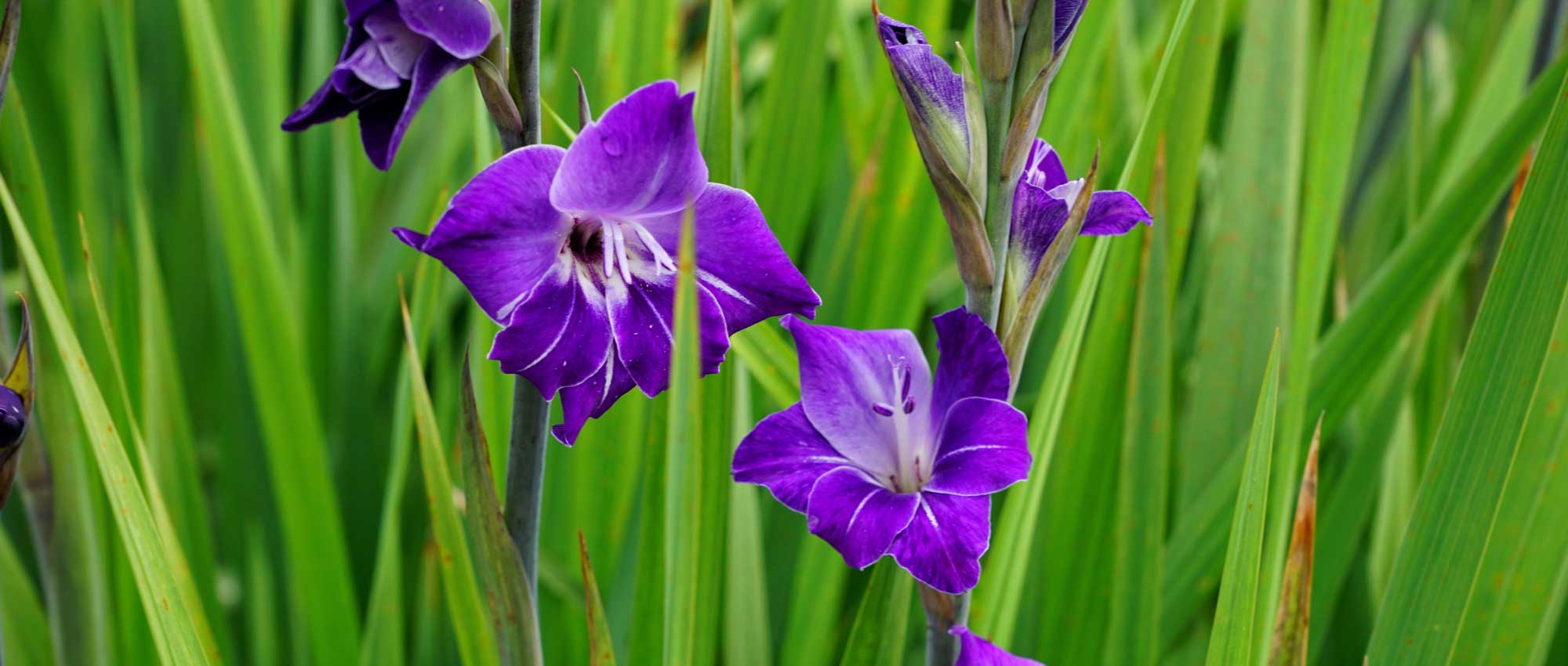
Gladiolus grandiflorus Princess Margaret Rose - Sword Lily in pictures

Plant habit
Flowering
Foliage
Botanical data
Gladiolus
x grandiflorus
Princess Margaret Rose
Iridaceae
Large-Flowered Gladiolus, Sword Lily
Cultivar or hybrid
Planting and care
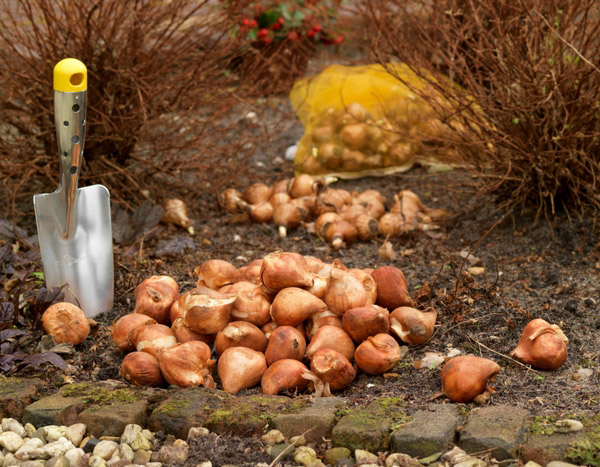
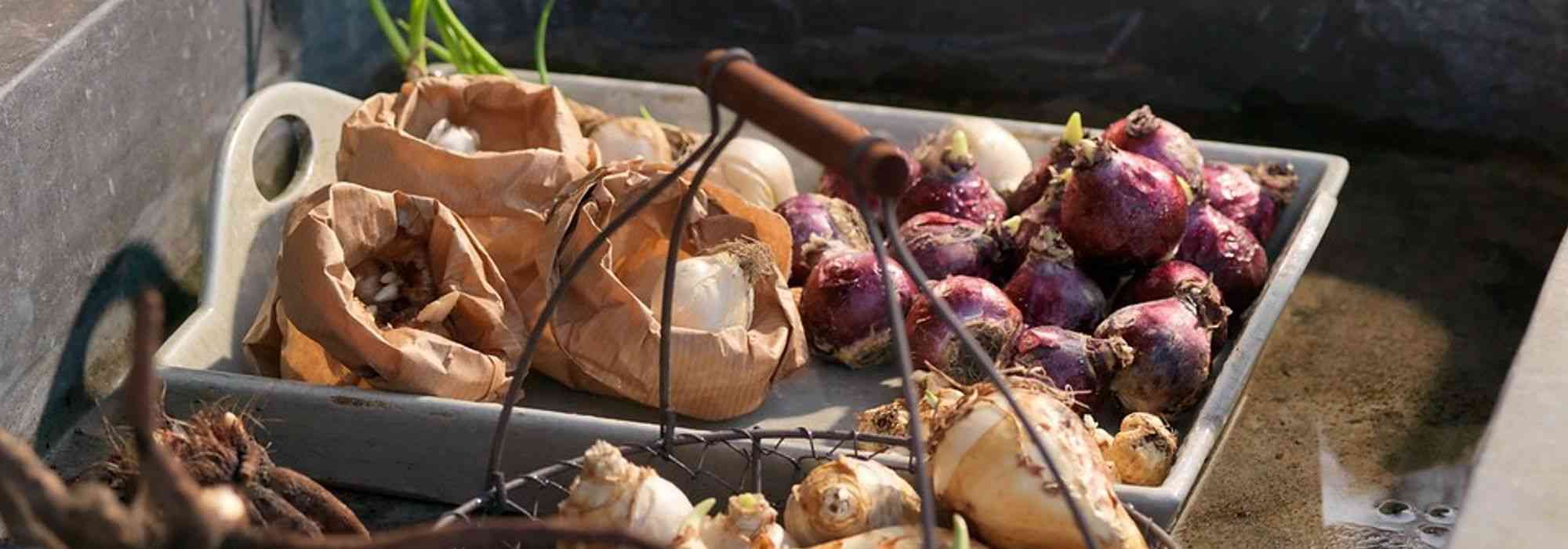
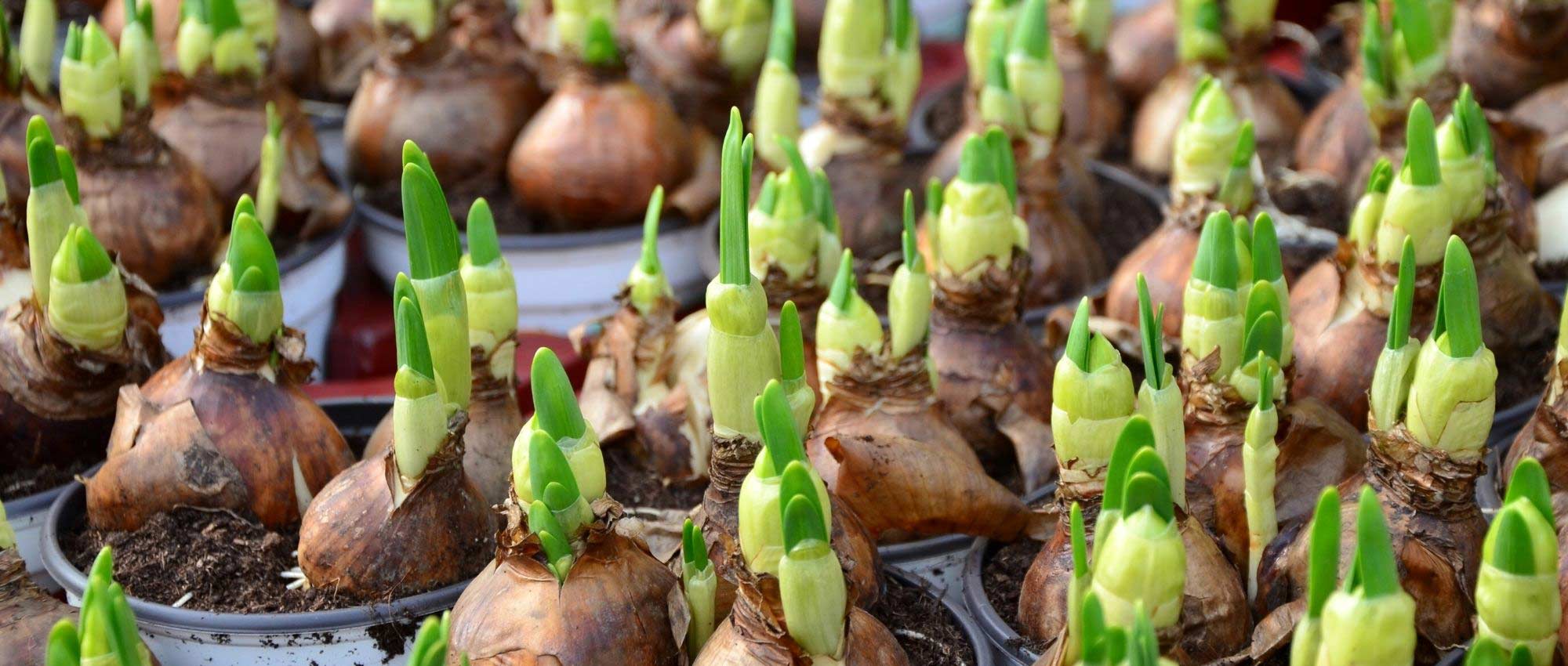
Hybrid gladioli thrive in rich, fertile, well-drained, sandy soils. Plant them in full sun. Space the corms 10 to 15cm (4 to 6in) apart, covered with 10cm (4in) of soil. Avoid using manure to fertilise the soil as it promotes bulb rot. Gladioli are susceptible to frost, so they should be dug up when they have withered or immediately after the first frost. Cut the leaves and let them dry in a well-ventilated area for three weeks. Remove the old corms, store the new corms throughout winter in a cool place that is protected from frost. The cormlets will flower in two years. It is advisable not to plant gladiolus corms in the same spot for several years in a row. An annual rotation will yield better results. In mild climates, corms can be planted in September-October and left in the ground over winter without damage.
Planting period
Intended location
Care
Planting & care advice
-
-
-

-
-
-
-
-
-
, onOrder confirmed
Reply from on Promesse de fleurs
Recently viewed products
Haven't found what you were looking for?
Hardiness is the lowest winter temperature a plant can endure without suffering serious damage or even dying. However, hardiness is affected by location (a sheltered area, such as a patio), protection (winter cover) and soil type (hardiness is improved by well-drained soil).

The flowering period indicated on our website applies to countries and regions located in USDA zone 8 (France, the United Kingdom, Ireland, the Netherlands, etc.)
It will vary according to where you live:- In zones 9 to 10 (Italy, Spain, Greece, etc.), flowering will occur about 2 to 4 weeks earlier.
- In zones 6 to 7 (Germany, Poland, Slovenia, and lower mountainous regions), flowering will be delayed by 2 to 3 weeks.
- In zone 5 (Central Europe, Scandinavia), blooming will be delayed by 3 to 5 weeks.
In temperate climates, pruning of spring-flowering shrubs (forsythia, spireas, etc.) should be done just after flowering.
Pruning of summer-flowering shrubs (Indian Lilac, Perovskia, etc.) can be done in winter or spring.
In cold regions as well as with frost-sensitive plants, avoid pruning too early when severe frosts may still occur.
The planting period indicated on our website applies to countries and regions located in USDA zone 8 (France, United Kingdom, Ireland, Netherlands).
It will vary according to where you live:
- In Mediterranean zones (Marseille, Madrid, Milan, etc.), autumn and winter are the best planting periods.
- In continental zones (Strasbourg, Munich, Vienna, etc.), delay planting by 2 to 3 weeks in spring and bring it forward by 2 to 4 weeks in autumn.
- In mountainous regions (the Alps, Pyrenees, Carpathians, etc.), it is best to plant in late spring (May-June) or late summer (August-September).
The harvesting period indicated on our website applies to countries and regions in USDA zone 8 (France, England, Ireland, the Netherlands).
In colder areas (Scandinavia, Poland, Austria...) fruit and vegetable harvests are likely to be delayed by 3-4 weeks.
In warmer areas (Italy, Spain, Greece, etc.), harvesting will probably take place earlier, depending on weather conditions.
The sowing periods indicated on our website apply to countries and regions within USDA Zone 8 (France, UK, Ireland, Netherlands).
In colder areas (Scandinavia, Poland, Austria...), delay any outdoor sowing by 3-4 weeks, or sow under glass.
In warmer climes (Italy, Spain, Greece, etc.), bring outdoor sowing forward by a few weeks.
Shipping country and language
Your country of residence may be:
Your country of residence is:
For a better user experience on our website, you can select:
Your shipping country:
-
 Austria
-
 Belgium
-
 Bosnia & Herzegovina
-
 Bulgaria
-
 Croatia
-
 Cyprus
-
 Czechia
-
 Denmark
-
 Estonia
-
 Finland
-
 France
-
 Germany
-
 Greece
-
 Hungary
-
 Iceland
-
 Ireland
-
 Italy
Italy
-
 Latvia
-
 Liechtenstein
-
 Lithuania
-
 Luxembourg
-
 Malta
Malta
-
 Netherlands
-
 Poland
-
 Portugal
-
 Romania
-
 Serbia
-
 Slovakia
-
 Slovenia
-
 Spain
Spain
-
 Sweden
-
 Switzerland
Language:
-
French
-
 English
-
Spanish
-
Italian
-
German
-
Portuguese
-
Dutch
-
Finnish
My Account
Hello
My wish lists
My cart
Log in / Register
Existing customer?
This form is protected by reCAPTCHA - the Google Privacy Policy and Terms of Service apply.
New customer?
Create an account to track your orders, access our customer service and, if you wish, make the most of our upcoming offers.