
WE’RE OPEN ALL SUMMER: Discover our current offers!
New arrival

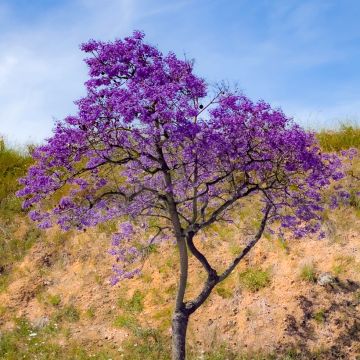
Cercidiphyllum japonicum seeds - Katsura tree

Cercidiphyllum japonicum
Katsura tree, Japanese Judas-tree

Be the first to leave a review

Why not try an alternative variety in stock?

3
6,50 € Seeds
48
From 3,90 € Seeds
46
From 8,90 € Seeds
45
4,90 € Seeds
16
From 3,90 € Seeds
21
From 4,90 € Seeds
22
From 3,90 € Seeds
15
From 5,90 € Seeds
12
From 4,90 € Seeds

This plant carries a 6 months recovery warranty

More information

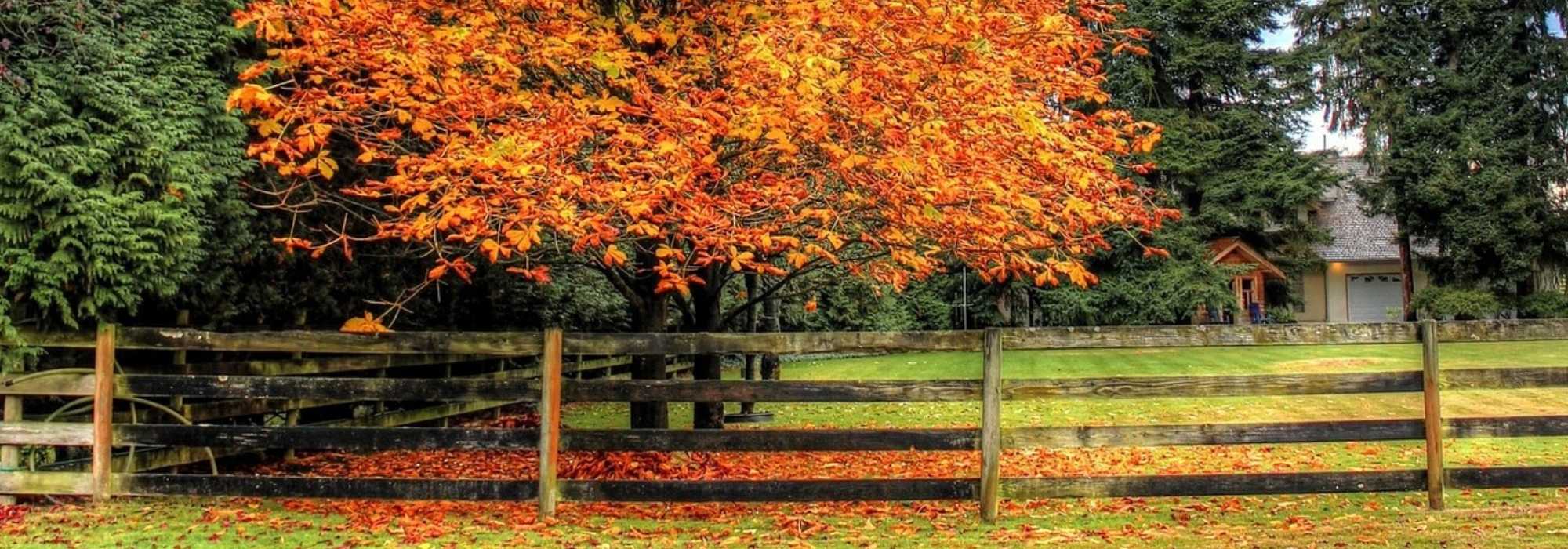
A graceful tree, whose heart-shaped foliage changes colour throughout the seasons and gives off a light caramel scent in autumn. Its elegant silhouette, beautiful grey-brown bark and autumn colours make it an excellent choice near a terrace or as a specimen on a lawn. It appreciates a deep, humus-bearing, moist but well-drained soil, preferably neutral to slightly acidic. Sowing requires cold stratification and patience, but allows you to obtain several trees at a lower cost.
Height at maturity
12.50 m
Exposure
Sun, Partial shade
Germination time (days)
30 days
Sowing method
Sowing under cover
plantfit-full

Would this plant suit my garden?

Set up your Plantfit profile →

Sowing period March to May, October to November
J
F
M
A
M
J
J
A
S
O
N
D
Flowering time March to April
J
F
M
A
M
J
J
A
S
O
N
D

Description

Cercidiphyllum japonicum, the caramel tree or katsura, is a refined ornamental tree, prized for its heart-shaped leaves, its changing colours and the scent of caramel and gingerbread it can release in autumn. Its fairly broad, dome-shaped crown and light foliage give it great charm. It is often planted near a house, a path or a water feature. The seeds will grow into several katsuras that can be distributed around the garden or grouped together in a thicket.

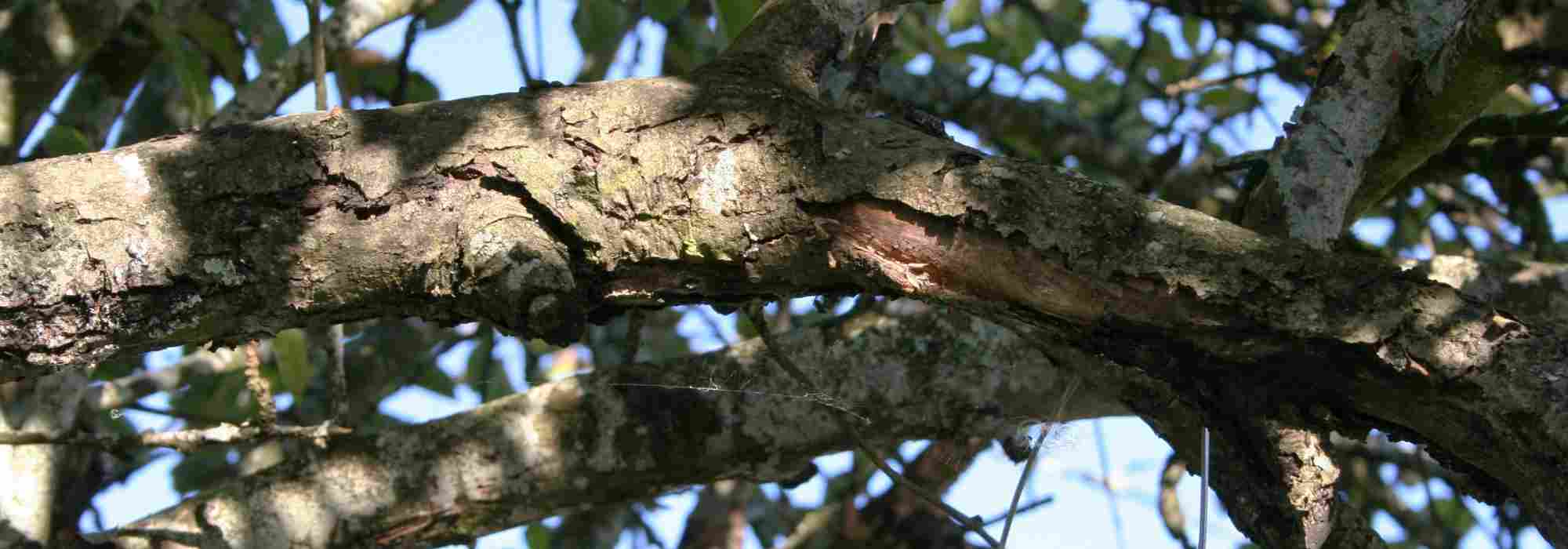
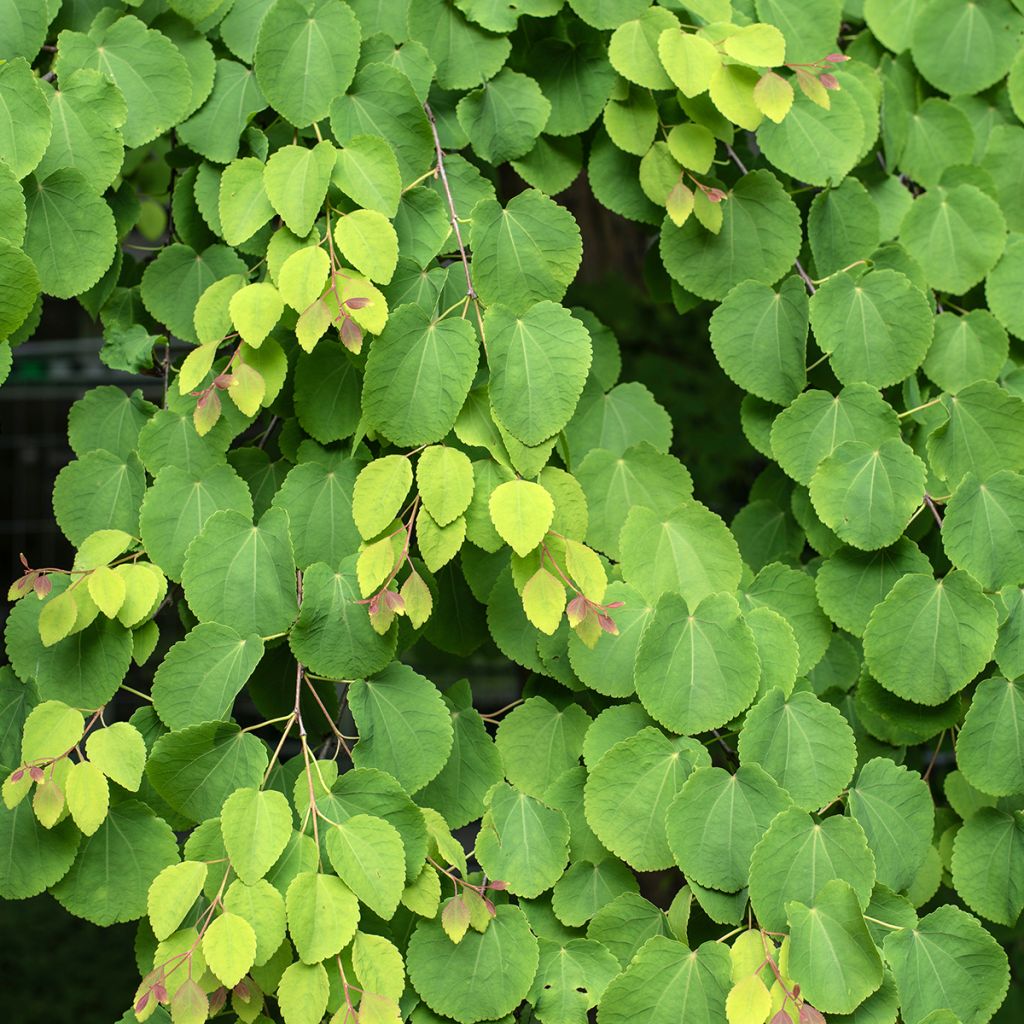
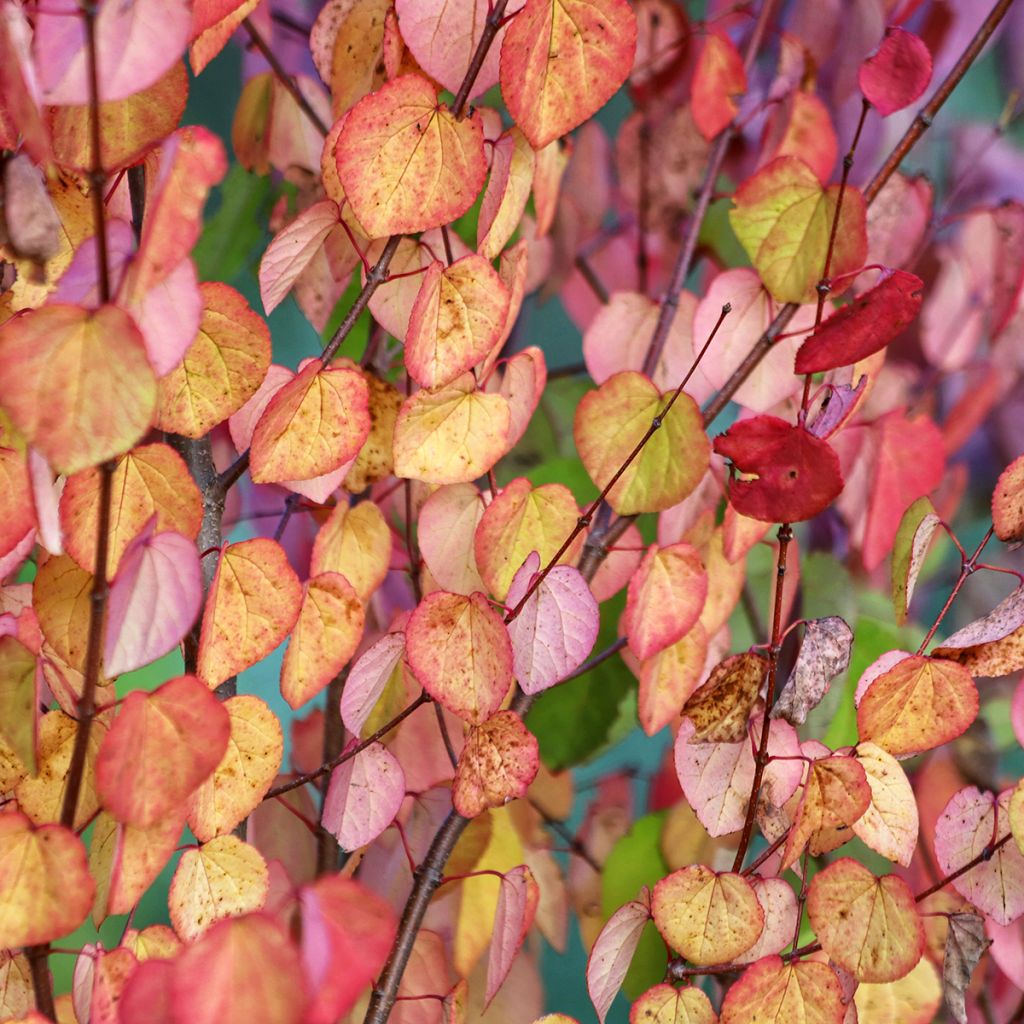
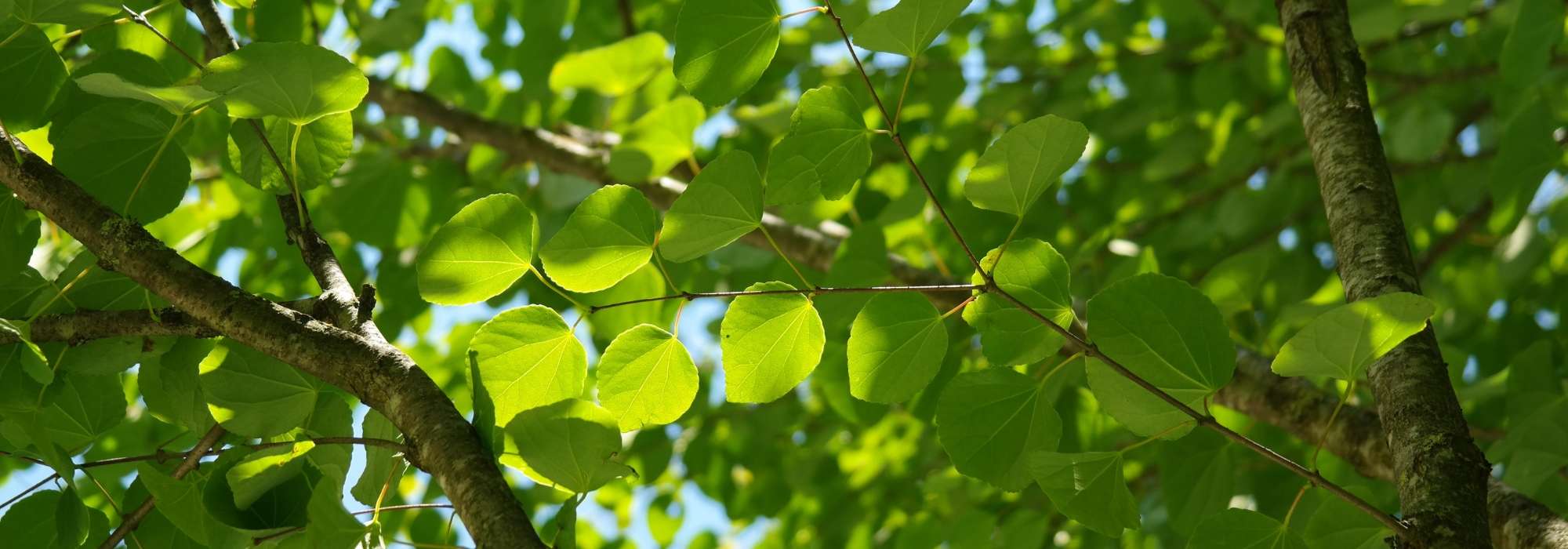
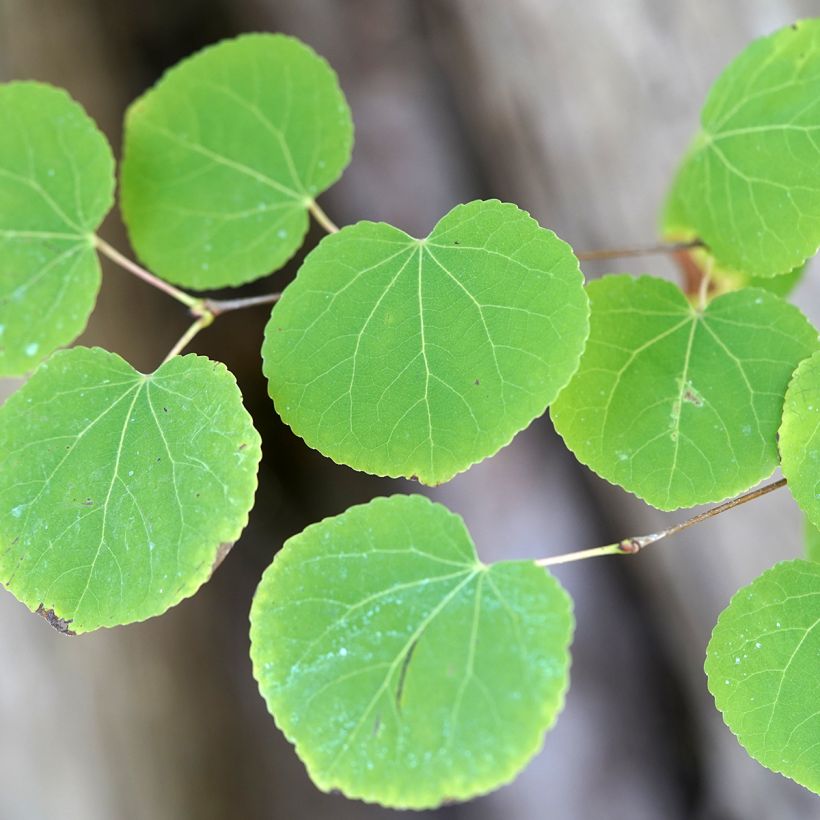
This tree belongs to the small family of Cercidiphyllaceae, of which it is one of the few representatives. Cercidiphyllum japonicum is the accepted name for this species. In the wild, it grows in the temperate humid forests of China and Japan, often along streams or on damp, deep slopes. It is a deciduous tree, with significant longevity, which can reach 10 to 15m in height in cultivation. The straight trunk bears a grey-brown bark that finely cracks with age. Young shoots are often tinged with rosy bronze. The heart-shaped leaves with a finely scalloped margin measure 4 to 7cm in length. They are somewhat similar to those of the Judas tree, but finer. The genus name, "Cercidiphyllum", literally means "leaves of Cercis". In spring, they emerge tinged with pink or bronze, turn blue-green in summer, then colour golden yellow, orange, pink and sometimes red in autumn. It is in autumn that you can smell caramel when crumpling or treading on the dry leaves.
In March-April, insignificant very small reddish or greenish flowers are borne on distinct male or female specimens, as the species is dioecious. When fertilised, they are followed on female trees by small clusters of small, elongated fruits which contain several winged seeds dispersed by the wind. 
The caramel tree thrives in deep, humus-bearing, well-drained soils that do not dry out too much in summer, neutral to slightly acidic; it tolerates a little lime, but the most beautiful autumn colours are seen in non-calcareous soil.

Growing from seed is the most natural and economical method for propagating the caramel tree. In return, one must accept a certain variability between individuals (sex, size, vigour, intensity of colours) and a longer establishment period than with a grafted or already formed young plant. From sowing in deep, moist soil, one can hope for a young tree of 2 to 3m in 4 to 5 years, then a specimen of 4 to 6m after about ten years, already very decorative, with a well-defined habit and spectacular autumn colours; full maturity will be reached after twenty years or more.

Report an error about the product description

Caramel tree, Cercidiphyllum: planting, pruning and care
Family sheet
by Eva 10 min.
Caramel tree, Cercidiphyllum: planting, pruning and care
Read article

Cercidiphyllum japonicum seeds - Katsura tree in pictures

Cercidiphyllum japonicum seeds - Katsura tree (Foliage) Foliage

Flowering

Flower colour insignificant
Flowering time March to April

Foliage

Foliage persistence Deciduous
Foliage colour dark green
Aromatic? Fragrant foliage when creased
Foliage description The leaves that have fallen to the soil give off a sweet fragrance when crushed or trodden upon.

Plant habit

Height at maturity 12.50 m
Spread at maturity 7 m
Growth rate normal

Botanical data

Genus

Cercidiphyllum

Species

japonicum

Family

Cercidiphyllaceae

Other common names

Katsura tree, Japanese Judas-tree

Origin

China, East Asia

Product reference25455

Planting and care

Sowing the Katsura Tree (Cercidiphyllum japonicum):

The seeds benefit significantly from a short period of cold, moist stratification before sowing. Pour the seeds into a small container with very slightly damp sand or vermiculite, mix well, then place the whole container in the refrigerator (3–5 °C) for one to four weeks. This "mini winter" awakens the seeds and improves the uniformity of germination.

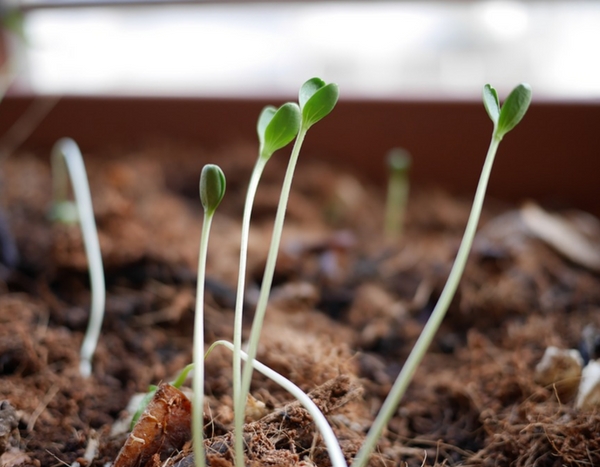
After this cold period, sow from late winter to spring in a seed tray or shallow box, using a very light mix: specialist seed compost or fine, sieved compost, possibly mixed with a little perlite or sand. Katsura seeds are tiny and need light to germinate: scatter them on the surface of the substrate without covering them, or barely cover them with vermiculite. Water with a sprayer to avoid displacing them. Then place the tray in a bright location, out of direct scorching sunlight, at a gentle temperature of 15 to 20 °C. The substrate must remain evenly moist, never waterlogged. Germination usually occurs within two to six weeks, sometimes somewhat unevenly; it is important to keep the trays in place even if emergence seems delayed.

When the seedlings have two to three well-formed true leaves, they can be pricked out into individual pots. Use a slightly richer mix: good potting compost, supplemented with a little garden soil and sand or perlite. Then place the pots in bright partial shade, preferably outdoors as soon as temperatures allow. In the first year, growth is concentrated as much on the roots as on the top growth; it is best to keep the young katsura trees in pots for a whole season, or even until the second spring in cold regions.

Undertake the final planting in autumn (October-November) or early spring. The katsura tree likes deep, humus-bearing, damp to moist but well-drained soils, neutral to slightly acidic; it tolerates a little lime if not in excess. Avoid very dry, compacted or waterlogged soils in winter.
Prepare a wide, deep hole, loosen the soil well and mix in mature compost or leaf mould. Place the young tree at the same depth as it was in its pot, taking care not to bury the collar, backfill, firm in and water generously. A thick mulch (dead leaves, RCW, coarse compost) will help keep the soil moist and suppress weeds. Choose a position in non-scorching sun or partial shade, in a spot sheltered from cold, drying winds to protect the young spring foliage.

For the first two or three years, monitor watering carefully in summer: the soil should never dry out completely at depth.
Sowing period

Sowing period March to May, October to November
Sowing method Sowing under cover
Germination time (days) 30 days

Intended location

Suitable for Meadow
Type of use Back of border, Free-standing
Hardiness Hardy down to -20.5°C (USDA zone 6b) Show map
Ease of cultivation Amateur
Exposure Sun, Partial shade
Soil pH Acidic, Neutral
Soil moisture Moist soil, deep, humus-bearing, well-drained

This item has not been reviewed yet - be the first to leave a review about it.

Leave a review →

Recently viewed products

Haven't found what you were looking for?