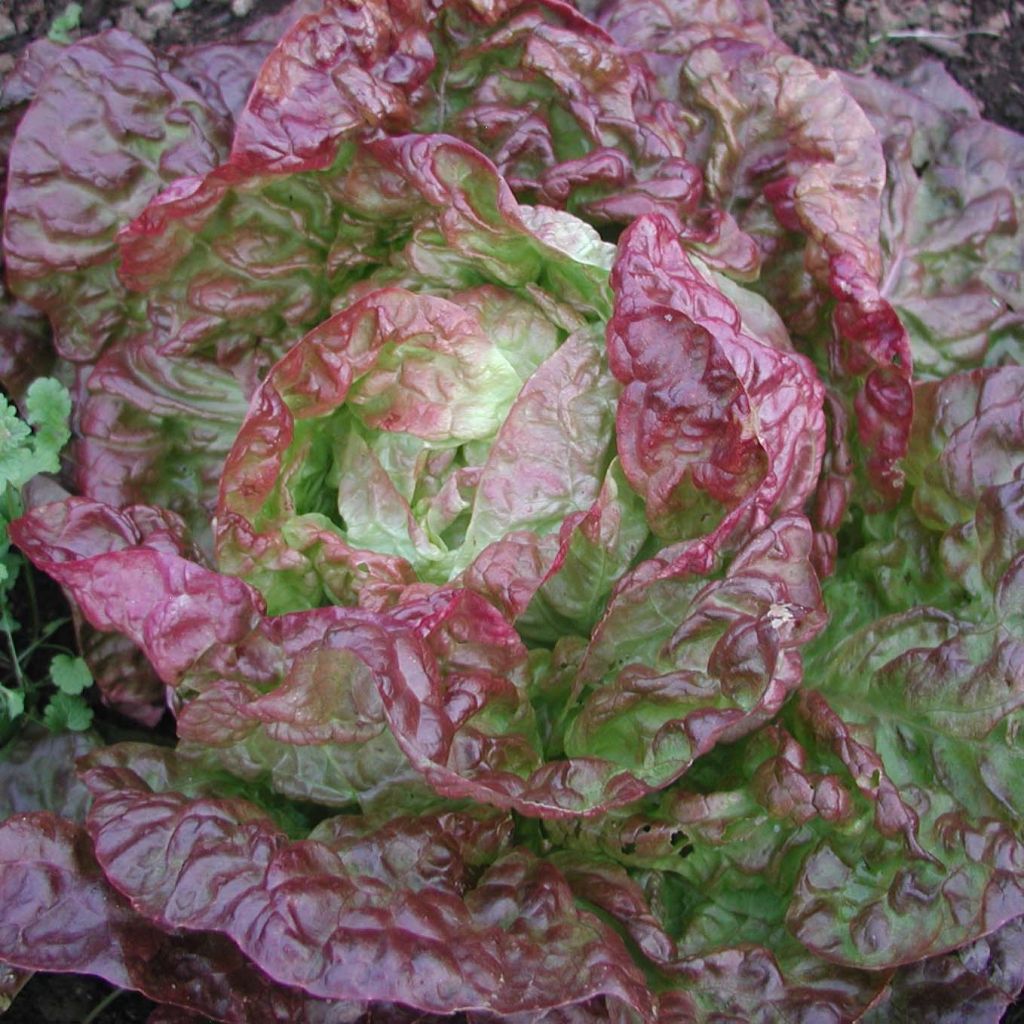
Butterhead Lettuce Merveille des 4 saisons plants - Lactuca sativa
Butterhead Lettuce Merveille des 4 saisons plants - Lactuca sativa
Lactuca sativa Merveille des 4 saisons
Lettuce
Very beautiful seedlings. They are currently thriving with no apparent issues, and slugs have been kept at bay.
Anne, 02/05/2023
Back-to-school special offer!
Get €10 off for every €50 you spend! And get up to €40 off on a single order.
How does it work?
1. Shop your favourites
Add your favourite plants to your basket. For every €50 you spend (excluding delivery charges, store credit and the plastic-free option), you’ll receive a €10 voucher.
€50 spent = €10 voucher
€100 spent = €20 voucher
€150 spent = €30 voucher
€200 spent = €40 voucher
2. Place your order
Once your basket reaches one of the spending thresholds, place your order. You can even choose your delivery date!
3. Receive your voucher
As soon as your order has been shipped, you’ll receive an email containing your personal voucher code and its value.
4. Use it on your next order
Your voucher is valid for 90 days from the date you receive it. It can be used once only, on a new order worth at least the value of the voucher, excluding delivery charges.
Please note: Vouchers can be combined with other offers, but cannot be split or refunded.
Why not try an alternative variety in stock?
View all →
Available in 1 sizes

Available in 1 sizes
Available in 1 sizes
Available in 1 sizes

Available in 1 sizes

Available in 1 sizes
Available in 1 sizes

Available in 1 sizes

Available in 1 sizes

Available in 1 sizes
This plant carries a 6 months recovery warranty
More information
We guarantee the quality of our plants for a full growing cycle, and will replace at our expense any plant that fails to recover under normal climatic and planting conditions.
Description
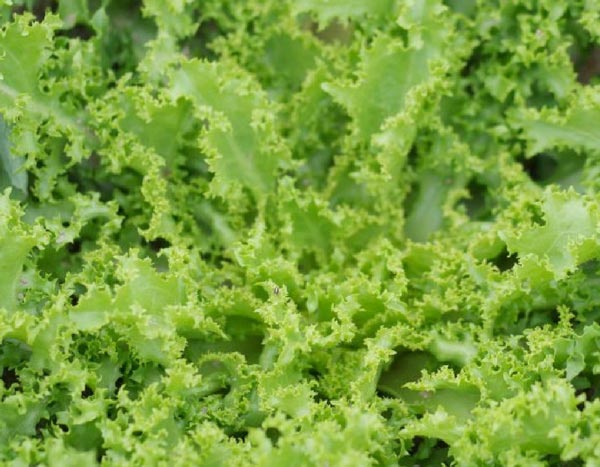
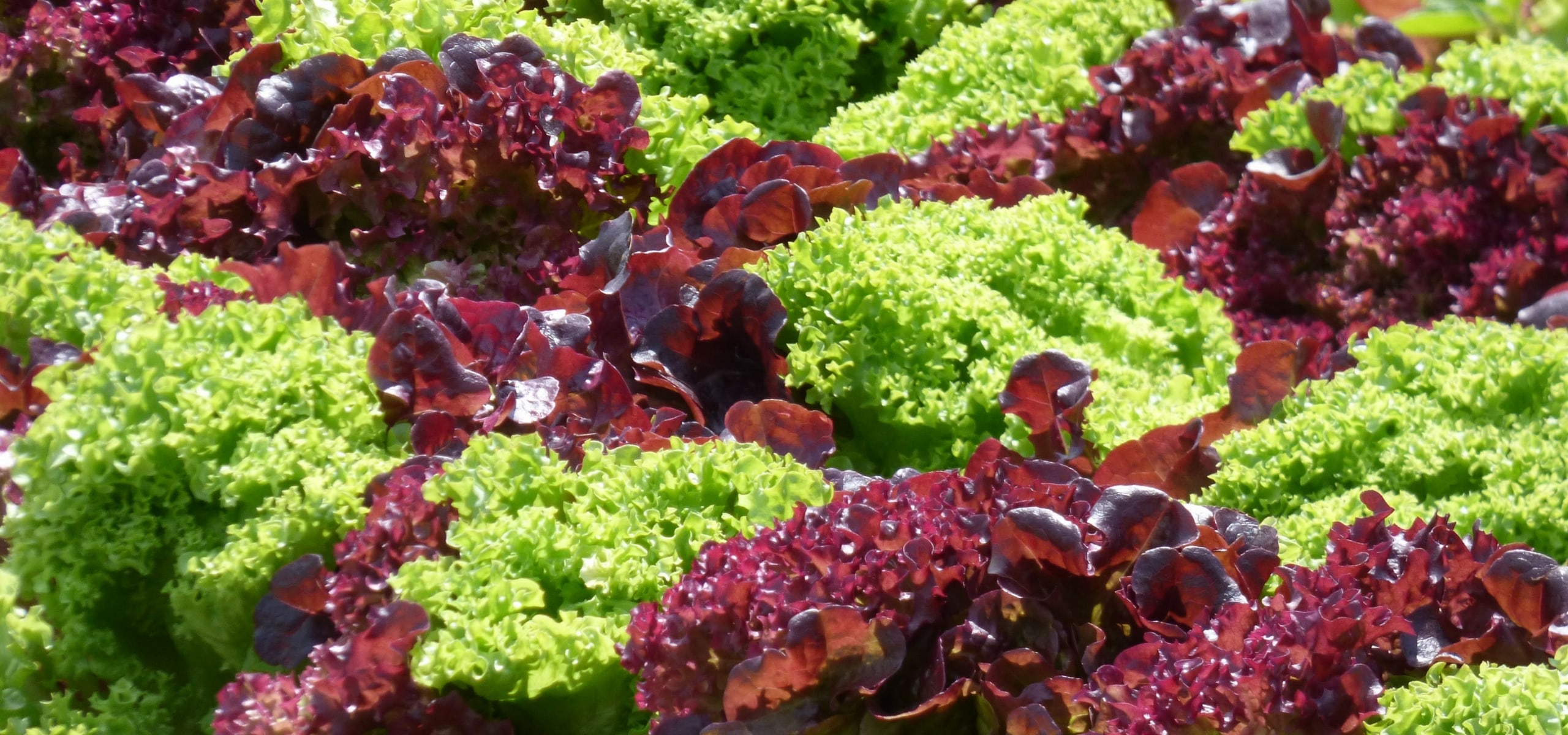
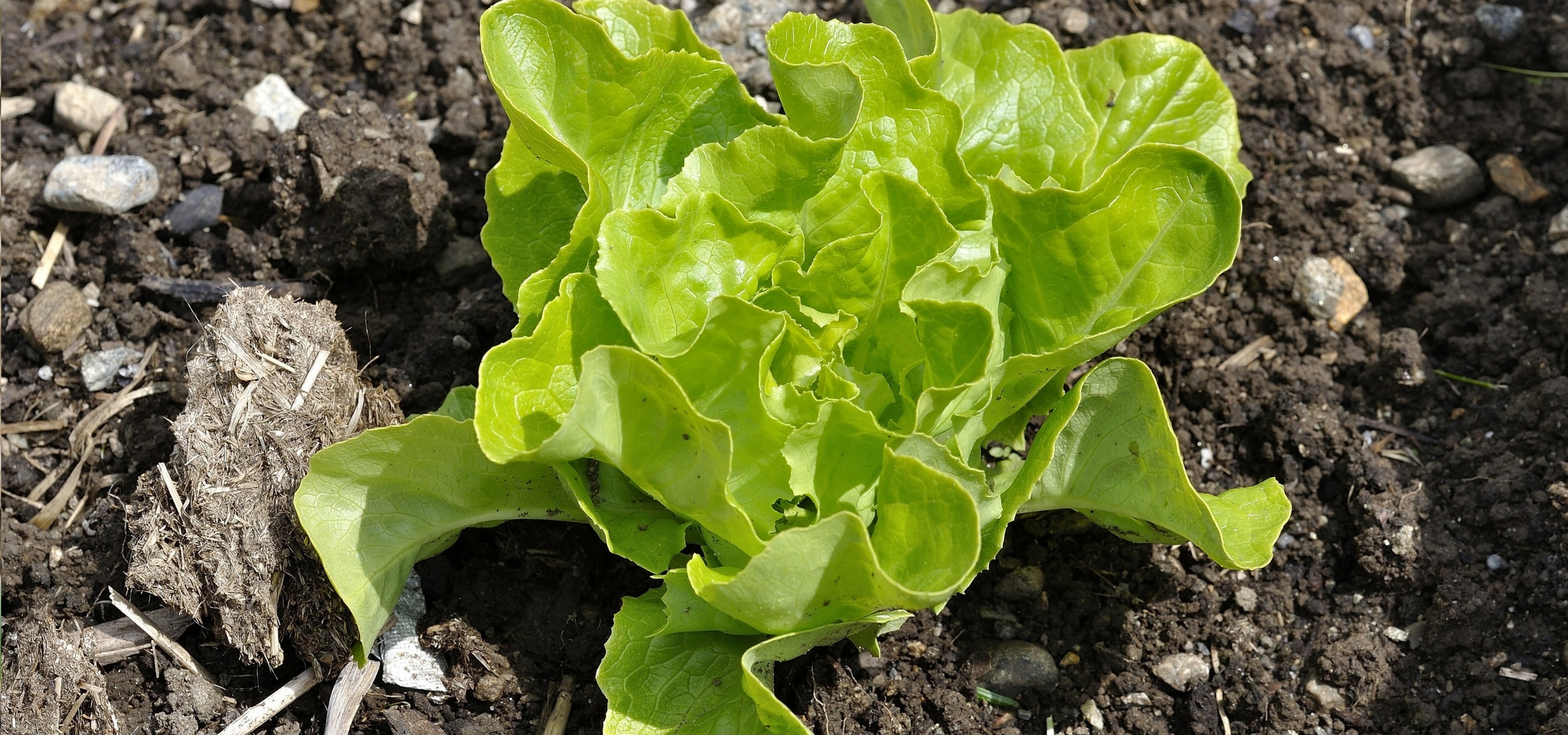
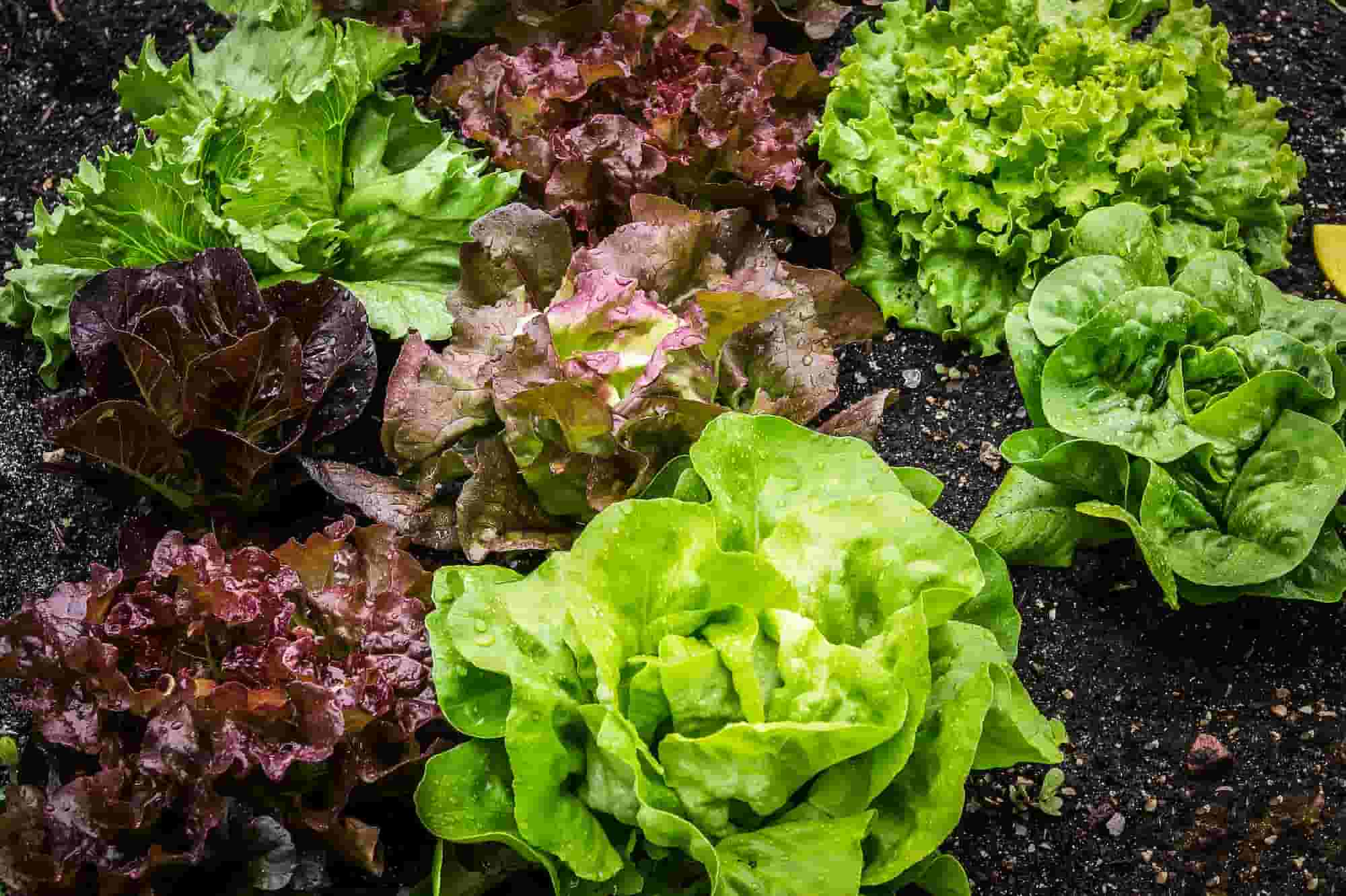
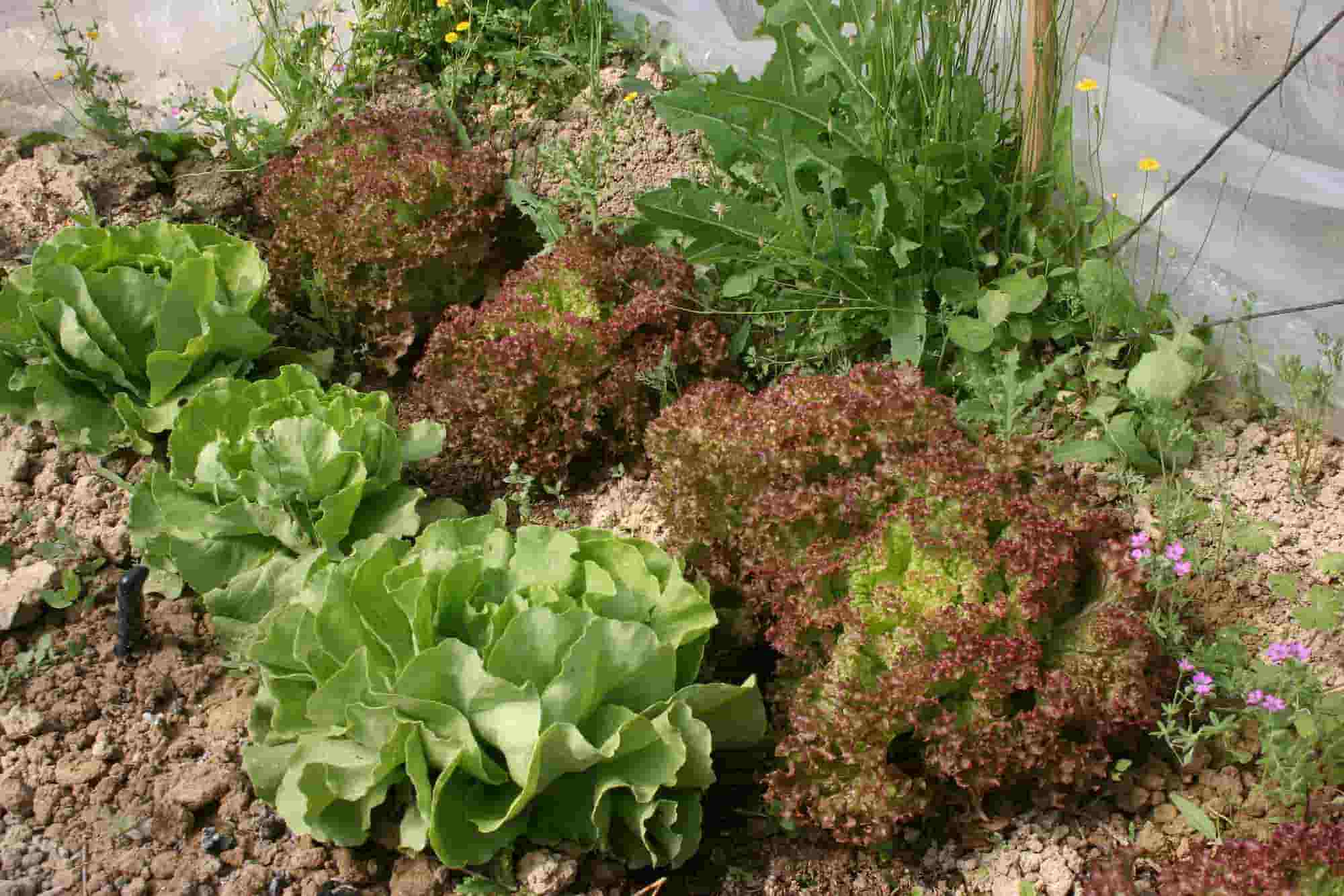
The Marvel of Four Seasons Lettuce is a Lettuce with large heads of leaves widely tinted with red brown. It is a very beautiful variety, voluminous and colorful, easy to grow, which can be harvested from May to October.
If Lettuce is one of the most popular vegetables (4.2 kilos per year per person are consumed), it is as much for its freshness, crunchiness as for its taste and nutritional qualities. It can be consumed raw in salads but also cooked, to accompany peas, for example.
As the ultimate leaf vegetable, Lettuce is an annual plant belonging to the large Asteraceae family. Its Latin name, Lactuca sativa, refers both to the white sap (lactuca) that flows when it is cut and to the fact that it is cultivated (sativa).
It is an essential vegetable in any respectable vegetable garden and there are so many varieties that it can be grown almost all year round.
Growing Lettuce is easy as long as you respect the cultivation calendar for each variety. Its growth is fast and it thrives in any soil, provided it is rich and remains moist.
Harvest: It is simply done with a knife when the Lettuces are well developed.
Storage: Lettuce can be stored for a few days in the refrigerator, but to make the most of its freshness, we recommend consuming it immediately after harvest. Freezing cooked Lettuce is also possible.
Gardener's tip: A real nightmare for gardeners, slugs and snails love lettuce leaves. When the hunt is on, it must be admitted that one is ready to do anything to repel or eliminate them: the ash cord (which will quickly be leached by the rain), the homemade trap filled with beer (which hedgehogs get drunk on until they are in an alcoholic coma), the copper strips supposed to electrocute them (which tickle them a little)...
Instead of wasting your time and, incidentally, your salads, we recommend using an anti-slug product composed of ferric phosphate known as Ferramol. Unlike metaldehyde-based slug killers, which are dangerous for wildlife and polluting, Ferramol is natural, non-toxic, and very effective as long as you remember to "treat" your plot a few days before sowing.
Note: Please note that our young plug plants are professional products reserved for experienced gardeners: upon receipt, transplant and store them in sheltered areas (veranda, greenhouse, cold frame...) at a temperature above 14°C (57.2°F) for a few weeks before being installed outdoors once the risk of frost is definitively eliminated.
Report an error about the product description
Harvest
Plant habit
Foliage
Botanical data
Lactuca
sativa
Merveille des 4 saisons
Asteraceae
Lettuce
Cultivar or hybrid
Annual
Planting and care
Lettuce is not a very demanding vegetable, but it still requires humus-rich soil, otherwise it tends to bolt prematurely. It is advisable to apply a moderate amount of mature compost in autumn by raking it in to a depth of 5 cm (2in), after having loosened the soil, as is necessary for all vegetable crops. Lettuce prefers slightly acidic to neutral soils (pH between 5.5 and 7.5).
During cultivation, remember that lettuce prefers moist soil and remember to water it regularly.
Lettuce is a good companion plant, as it easily fits in between other slower-growing vegetables such as beans, tomatoes, cucumbers... Just avoid planting it next to corn.
Cultivation
Care
Intended location
Planting & care advice


-
, onOrder confirmed
Reply from on Promesse de fleurs
Recently viewed products
Haven't found what you were looking for?
Hardiness is the lowest winter temperature a plant can endure without suffering serious damage or even dying. However, hardiness is affected by location (a sheltered area, such as a patio), protection (winter cover) and soil type (hardiness is improved by well-drained soil).

The flowering period indicated on our website applies to countries and regions located in USDA zone 8 (France, the United Kingdom, Ireland, the Netherlands, etc.)
It will vary according to where you live:- In zones 9 to 10 (Italy, Spain, Greece, etc.), flowering will occur about 2 to 4 weeks earlier.
- In zones 6 to 7 (Germany, Poland, Slovenia, and lower mountainous regions), flowering will be delayed by 2 to 3 weeks.
- In zone 5 (Central Europe, Scandinavia), blooming will be delayed by 3 to 5 weeks.
In temperate climates, pruning of spring-flowering shrubs (forsythia, spireas, etc.) should be done just after flowering.
Pruning of summer-flowering shrubs (Indian Lilac, Perovskia, etc.) can be done in winter or spring.
In cold regions as well as with frost-sensitive plants, avoid pruning too early when severe frosts may still occur.
The planting period indicated on our website applies to countries and regions located in USDA zone 8 (France, United Kingdom, Ireland, Netherlands).
It will vary according to where you live:
- In Mediterranean zones (Marseille, Madrid, Milan, etc.), autumn and winter are the best planting periods.
- In continental zones (Strasbourg, Munich, Vienna, etc.), delay planting by 2 to 3 weeks in spring and bring it forward by 2 to 4 weeks in autumn.
- In mountainous regions (the Alps, Pyrenees, Carpathians, etc.), it is best to plant in late spring (May-June) or late summer (August-September).
The harvesting period indicated on our website applies to countries and regions in USDA zone 8 (France, England, Ireland, the Netherlands).
In colder areas (Scandinavia, Poland, Austria...) fruit and vegetable harvests are likely to be delayed by 3-4 weeks.
In warmer areas (Italy, Spain, Greece, etc.), harvesting will probably take place earlier, depending on weather conditions.
The sowing periods indicated on our website apply to countries and regions within USDA Zone 8 (France, UK, Ireland, Netherlands).
In colder areas (Scandinavia, Poland, Austria...), delay any outdoor sowing by 3-4 weeks, or sow under glass.
In warmer climes (Italy, Spain, Greece, etc.), bring outdoor sowing forward by a few weeks.
Shipping country and language
Your country of residence may be:
Your country of residence is:
For a better user experience on our website, you can select:
Your shipping country:
-
 Austria
-
 Belgium
-
 Bosnia & Herzegovina
-
 Bulgaria
-
 Croatia
-
 Cyprus
-
 Czechia
-
 Denmark
-
 Estonia
-
 Finland
-
 France
-
 Germany
-
 Greece
-
 Hungary
-
 Iceland
-
 Ireland
-
 Italy
Italy
-
 Latvia
-
 Liechtenstein
-
 Lithuania
-
 Luxembourg
-
 Malta
Malta
-
 Netherlands
-
 Poland
-
 Portugal
-
 Romania
-
 Serbia
-
 Slovakia
-
 Slovenia
-
 Spain
Spain
-
 Sweden
-
 Switzerland
Language:
-
French
-
 English
-
Spanish
-
Italian
-
German
-
Portuguese
-
Dutch
-
Finnish
My Account
Hello
My wish lists
My cart
Log in / Register
Existing customer?
This form is protected by reCAPTCHA - the Google Privacy Policy and Terms of Service apply.
New customer?
Create an account to track your orders, access our customer service and, if you wish, make the most of our upcoming offers.