Echinacea Pink Parasol - Purple Coneflower seeds
Echinacea Pink Parasol - Purple Coneflower seeds
Echinacea purpurea Pink Parasol
Purple Coneflower, Eastern Purple Coneflower
She starts to flower.
LAURENT MOREAU, 01/09/2016
Back-to-school special offer!
Get €10 off for every €50 you spend! And get up to €40 off on a single order.
How does it work?
1. Shop your favourites
Add your favourite plants to your basket. For every €50 you spend (excluding delivery charges, store credit and the plastic-free option), you’ll receive a €10 voucher.
€50 spent = €10 voucher
€100 spent = €20 voucher
€150 spent = €30 voucher
€200 spent = €40 voucher
2. Place your order
Once your basket reaches one of the spending thresholds, place your order. You can even choose your delivery date!
3. Receive your voucher
As soon as your order has been shipped, you’ll receive an email containing your personal voucher code and its value.
4. Use it on your next order
Your voucher is valid for 90 days from the date you receive it. It can be used once only, on a new order worth at least the value of the voucher, excluding delivery charges.
Please note: Vouchers can be combined with other offers, but cannot be split or refunded.
Home or relay delivery (depending on size and destination)
Important: You may be charged customs duties by your country’s customs authorities upon delivery.
Schedule delivery date
and select date in basket
This plant carries a 6 months recovery warranty
More information
We guarantee the quality of our plants for a full growing cycle, and will replace at our expense any plant that fails to recover under normal climatic and planting conditions.

Would this plant suit my garden?
Set up your Plantfit profile →
Description
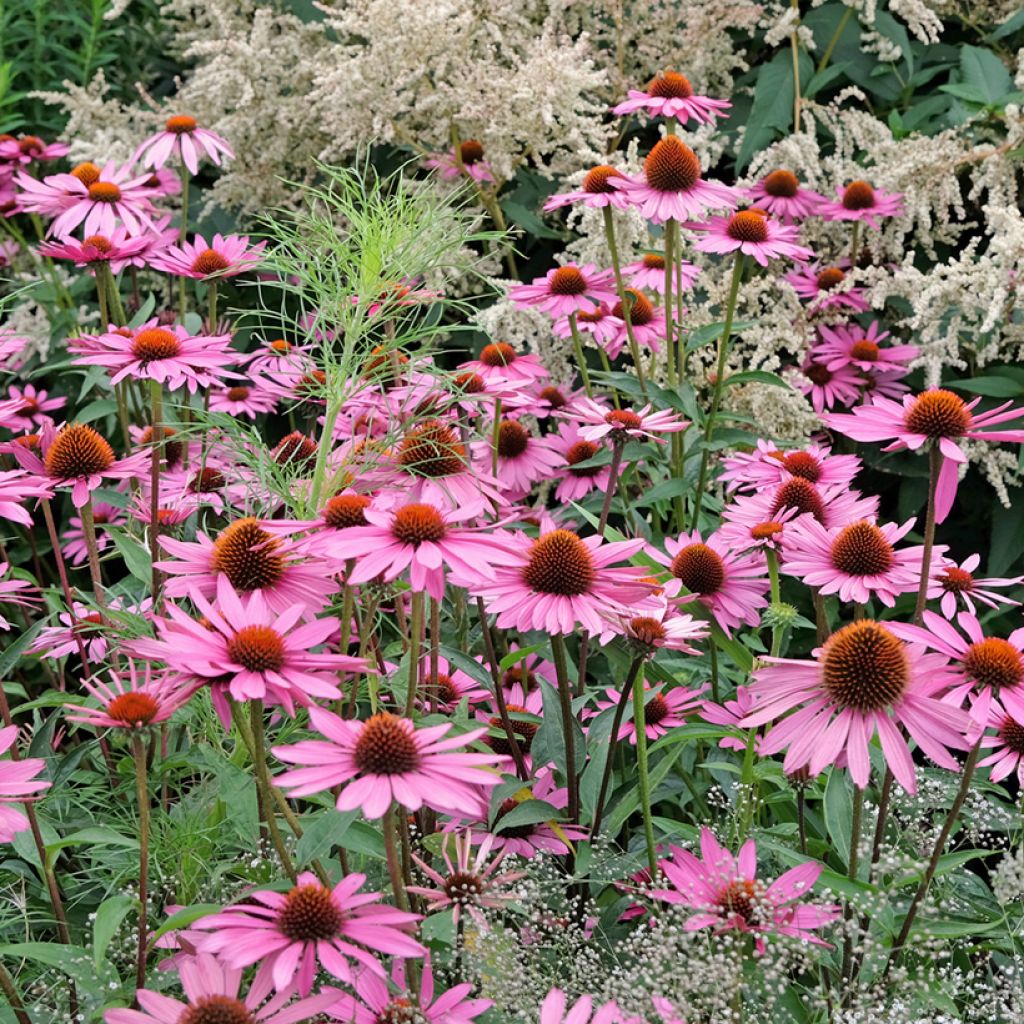
Echinacea purpurea 'Pink Parasol' is a beautiful variety with large purple flowers, lighter than the typical variety.
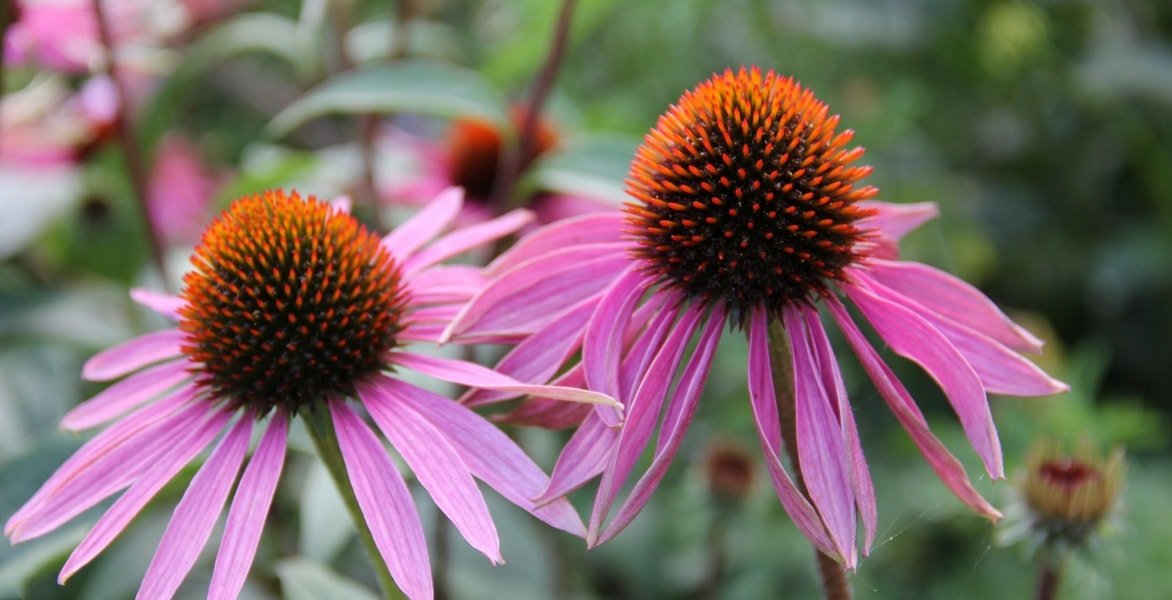
Echinacea purpurea or Purple Coneflower is a perennial herbaceous plant endemic to North America. It can be found in the dry prairies of the Eastern United States or in sparsely wooded areas. Its natural habitat includes heathlands as well as cultivated fields. This tall asteraceae is characterized by large pale pink to violet heads, sometimes white, carried by tall, very stiff stems, dark green to purple, which branch at their ends. Typically, it measures between 60cm (23.6in) and 1.20m (3.3ft). When the flower is immature, the ligules of the collar spread horizontally and then adopt a widely involute (bent downwards or towards the stem) habit. The colors of the flower fade over time. The central florets form a conical dome covered with rough, amber and brown-red pointed tubules that become more prominent and darker as the flower blooms. This uniqueness gave it the name Echinacea, which comes from the Greek 'Ekhinos' meaning hedgehog. The dark green leaves are lanceolate, pubescent, and become sessile at the top of the stem.
Echinacea purpurea 'Pink Parasol' is a giant variety, reaching 1.20m in height. Its petal collar is a lighter purple than the typical variety and the central dome takes on more orange shades. The flower is larger than other varieties.
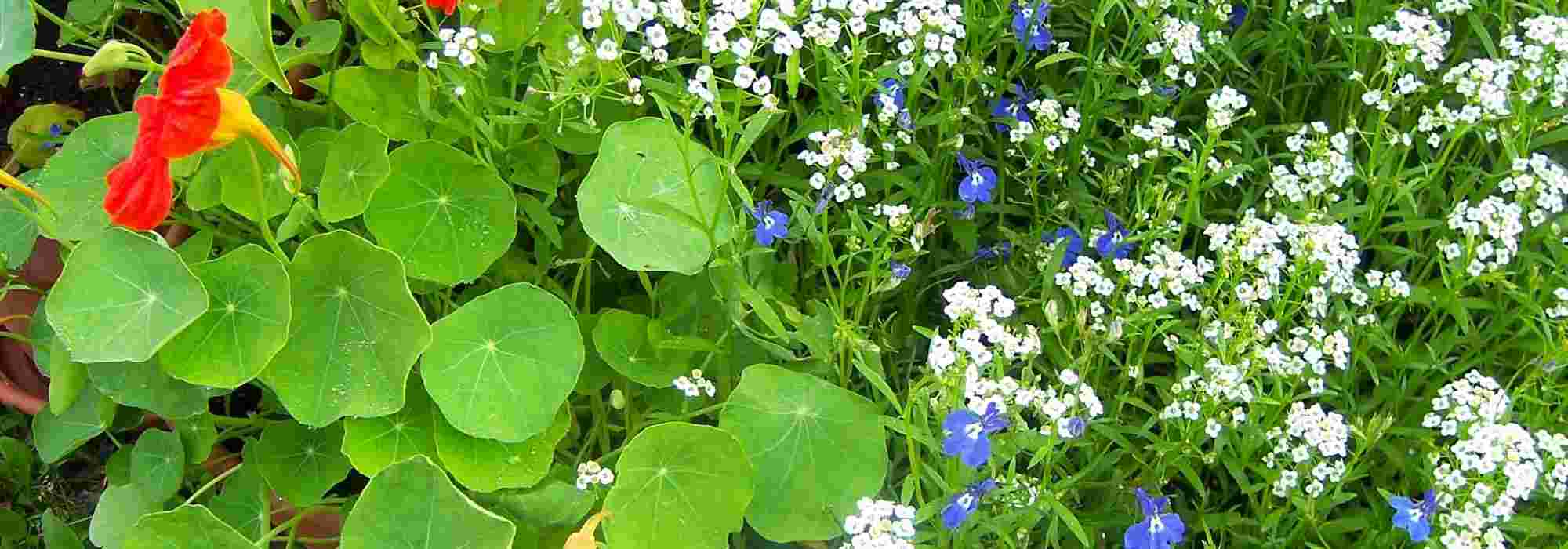
Of course, it prefers rich, sandy, well-drained soils but is not affected by soil pH. It likes full sun and light shade. It is hardy and can withstand long periods of drought. Echinacea naturalizes very easily. You can use it with other perennials in a meadow where it will spontaneously settle. Combine it with Echinacea 'Coconut Lime', Phlox, Alliums, or large Eupatoriums.
Very melliferous and nectariferous, its scent attracts butterflies; by placing purple flowers near orchards, you will undoubtedly contribute to the pollination of your fruit trees. On the edge of a border within meadows, or in rockeries, this beautiful daisy will naturally take over the place. Trimming faded flowers stimulates new blooms. However, you can leave some stems and heads in winter: they are very graphic but more importantly, the seeds are highly prized by birds, especially bullfinches and goldfinches. The flowers make a sensation in bouquets within floral compositions.
The different species of Echinacea, especially purpurea, pallida, and angustifolia, are panaceas in Native American pharmacopoeia. They are reputed to be immune stimulants and promote the healing of winter diseases (colds, flu, respiratory ailments). All cultivars have retained the properties of their original species.
Flowering
Foliage
Plant habit
Botanical data
Echinacea
purpurea
Pink Parasol
Asteraceae
Purple Coneflower, Eastern Purple Coneflower
Cultivar or hybrid
Planting and care
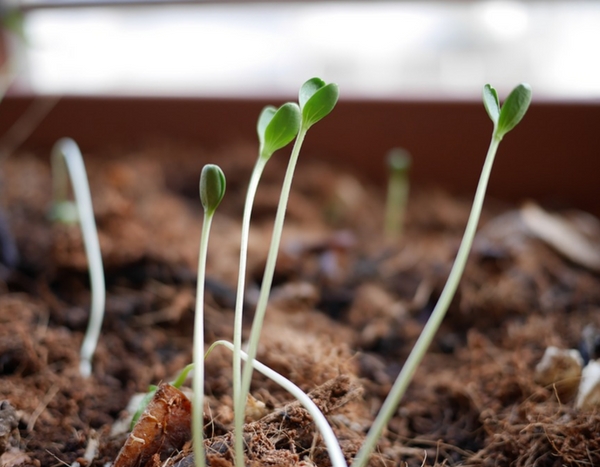
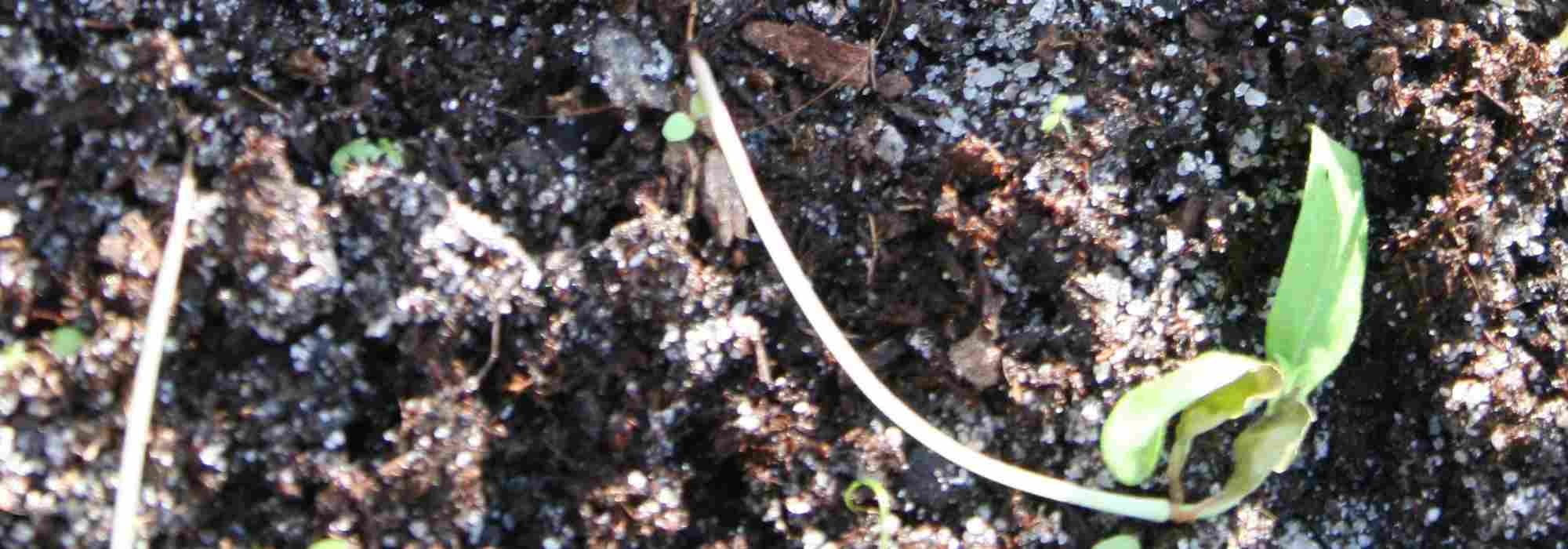
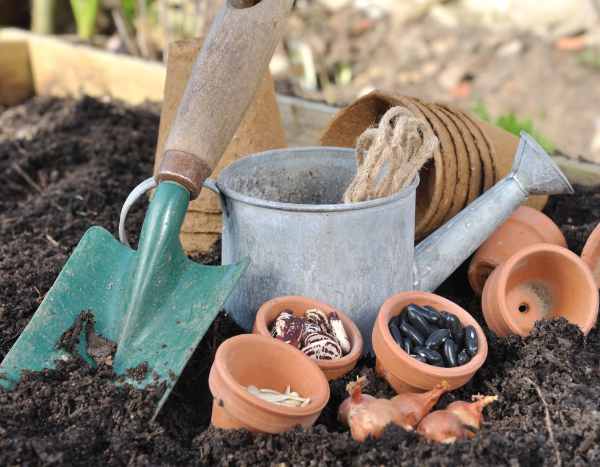
Sow the seeds indoors from late winter or early spring from March to May. If you started them early enough indoors, it is possible to have flowering in the first season. Sow between 20 and 24°C, in a good specific research area mix. Moisturize the seeds by keeping them in water for a few hours. This will promote germination. Gently press the seeds onto the medium but do not bury them: they need light to germinate. The medium should remain constantly moist without excess.
Under good conditions, germination begins in just five days, but can take up to 20 days. Thin out and transplant your seedlings as soon as they are strong enough to be handled into well-drained and well-worked soil. You can also gradually acclimatize them to outdoor conditions for 10 to 15 days. In their natural environment, Echinacea seeds need a cold period to germinate. If you experience little or no germination, do not hesitate to move them to a cooler area at 4°C for a few days.
If you prefer to sow in place, wait until daytime temperatures have reached an average of 20°C to ensure that the soil is well warmed and space your plants at least 40cm (15.7in) apart.
Echinacea purpurea is highly resistant to diseases and requires very little. Simply avoid overwatering once they are well established. They prefer, by far, dry conditions rather than excessive water and will give their best if the clumps are divided every 2 to 3 years. To stimulate flowering, cut back the dry stems. Keep only a few, thus allowing birds to survive the winter thanks to the seeds you provide them. You will benefit from this in three ways:
- spontaneous reseeding for the following years.
- assured bird songs for spring.
- the very graphic aspect of a few Echinacea heads under the snow.
Sowing period
Intended location
Planting & care advice
-
-

-
-
-
-

-
-

-
, onOrder confirmed
Reply from on Promesse de fleurs
Recently viewed products
Haven't found what you were looking for?
Hardiness is the lowest winter temperature a plant can endure without suffering serious damage or even dying. However, hardiness is affected by location (a sheltered area, such as a patio), protection (winter cover) and soil type (hardiness is improved by well-drained soil).

The flowering period indicated on our website applies to countries and regions located in USDA zone 8 (France, the United Kingdom, Ireland, the Netherlands, etc.)
It will vary according to where you live:- In zones 9 to 10 (Italy, Spain, Greece, etc.), flowering will occur about 2 to 4 weeks earlier.
- In zones 6 to 7 (Germany, Poland, Slovenia, and lower mountainous regions), flowering will be delayed by 2 to 3 weeks.
- In zone 5 (Central Europe, Scandinavia), blooming will be delayed by 3 to 5 weeks.
In temperate climates, pruning of spring-flowering shrubs (forsythia, spireas, etc.) should be done just after flowering.
Pruning of summer-flowering shrubs (Indian Lilac, Perovskia, etc.) can be done in winter or spring.
In cold regions as well as with frost-sensitive plants, avoid pruning too early when severe frosts may still occur.
The planting period indicated on our website applies to countries and regions located in USDA zone 8 (France, United Kingdom, Ireland, Netherlands).
It will vary according to where you live:
- In Mediterranean zones (Marseille, Madrid, Milan, etc.), autumn and winter are the best planting periods.
- In continental zones (Strasbourg, Munich, Vienna, etc.), delay planting by 2 to 3 weeks in spring and bring it forward by 2 to 4 weeks in autumn.
- In mountainous regions (the Alps, Pyrenees, Carpathians, etc.), it is best to plant in late spring (May-June) or late summer (August-September).
The harvesting period indicated on our website applies to countries and regions in USDA zone 8 (France, England, Ireland, the Netherlands).
In colder areas (Scandinavia, Poland, Austria...) fruit and vegetable harvests are likely to be delayed by 3-4 weeks.
In warmer areas (Italy, Spain, Greece, etc.), harvesting will probably take place earlier, depending on weather conditions.
The sowing periods indicated on our website apply to countries and regions within USDA Zone 8 (France, UK, Ireland, Netherlands).
In colder areas (Scandinavia, Poland, Austria...), delay any outdoor sowing by 3-4 weeks, or sow under glass.
In warmer climes (Italy, Spain, Greece, etc.), bring outdoor sowing forward by a few weeks.
Shipping country and language
Your country of residence may be:
Your country of residence is:
For a better user experience on our website, you can select:
Your shipping country:
-
 Austria
-
 Belgium
-
 Bosnia & Herzegovina
-
 Bulgaria
-
 Croatia
-
 Cyprus
-
 Czechia
-
 Denmark
-
 Estonia
-
 Finland
-
 France
-
 Germany
-
 Greece
-
 Hungary
-
 Iceland
-
 Ireland
-
 Italy
Italy
-
 Latvia
-
 Liechtenstein
-
 Lithuania
-
 Luxembourg
-
 Malta
Malta
-
 Netherlands
-
 Poland
-
 Portugal
-
 Romania
-
 Serbia
-
 Slovakia
-
 Slovenia
-
 Spain
Spain
-
 Sweden
-
 Switzerland
Language:
-
French
-
 English
-
Spanish
-
Italian
-
German
-
Portuguese
-
Dutch
-
Finnish
My Account
Hello
My wish lists
My cart
Log in / Register
Existing customer?
This form is protected by reCAPTCHA - the Google Privacy Policy and Terms of Service apply.
New customer?
Create an account to track your orders, access our customer service and, if you wish, make the most of our upcoming offers.