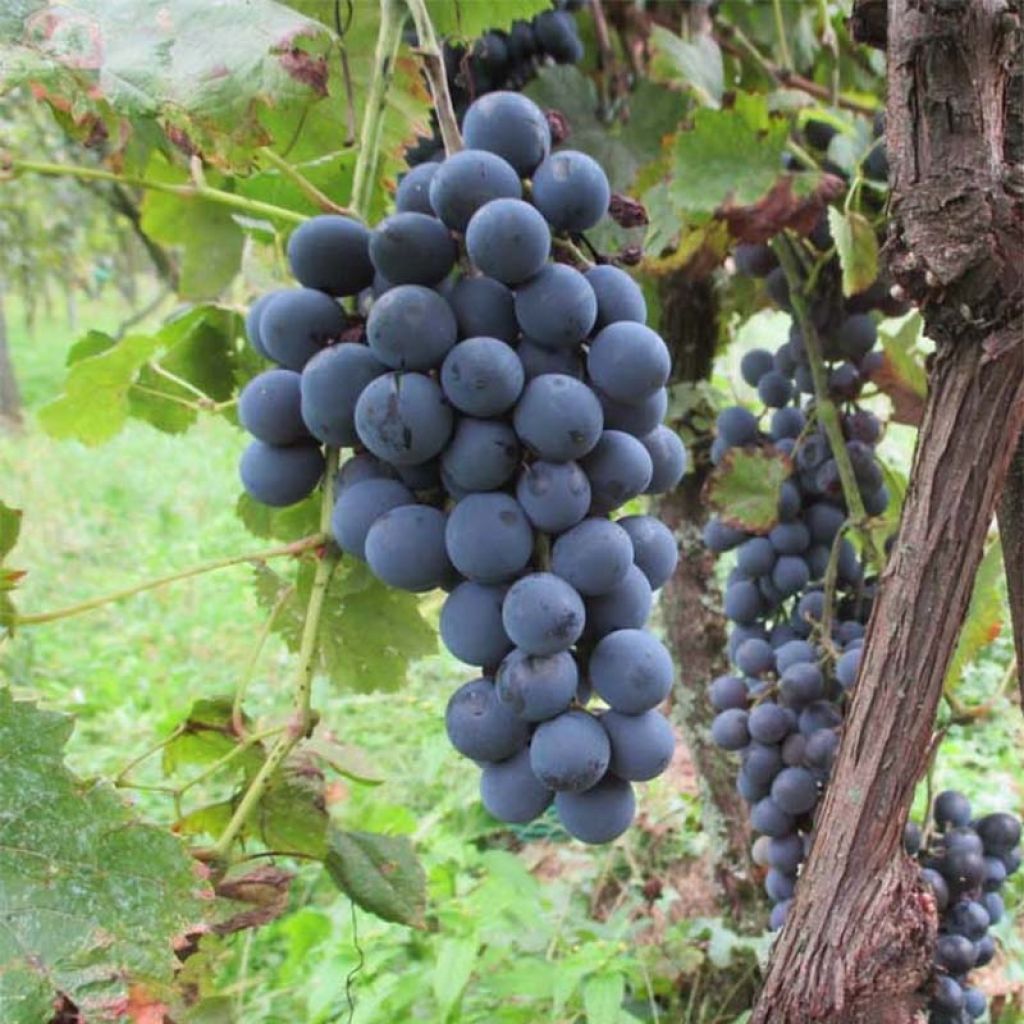
Vitis vinifera Aperina Nera - Seedless Grape vine
Vitis vinifera Aperina Nera - Seedless Grape vine
Vitis vinifera Apirena Nera
Common Grape Vine, European Grape, Wine Grape
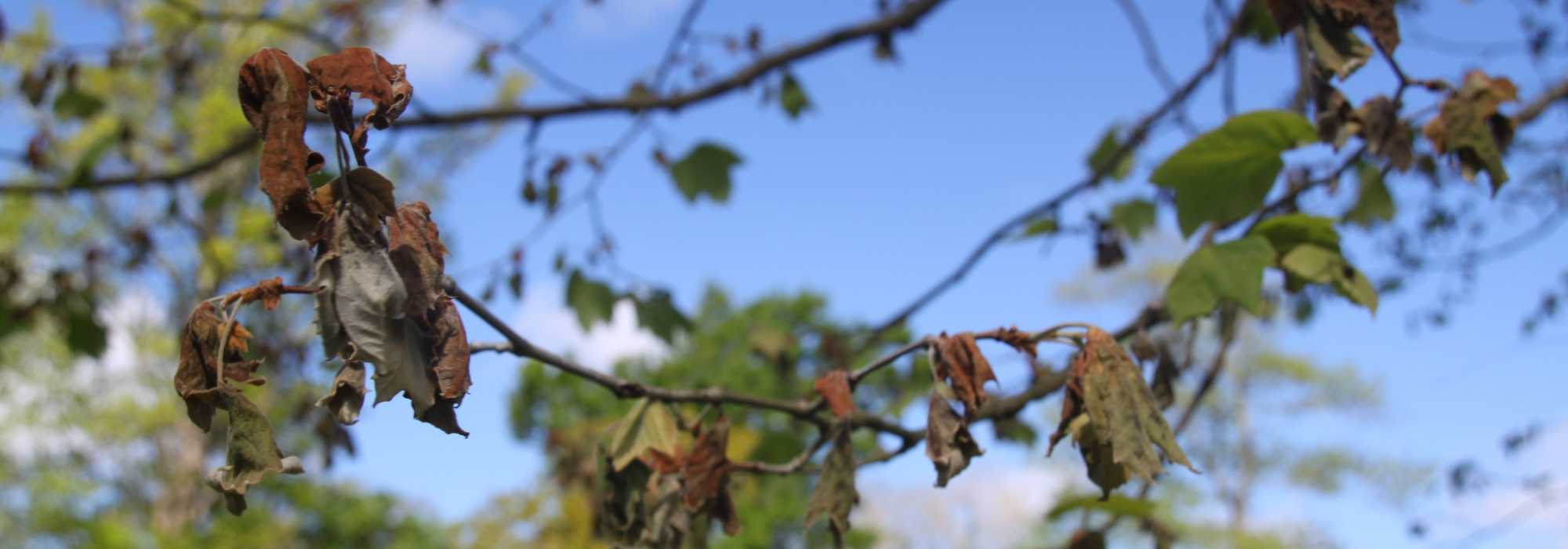
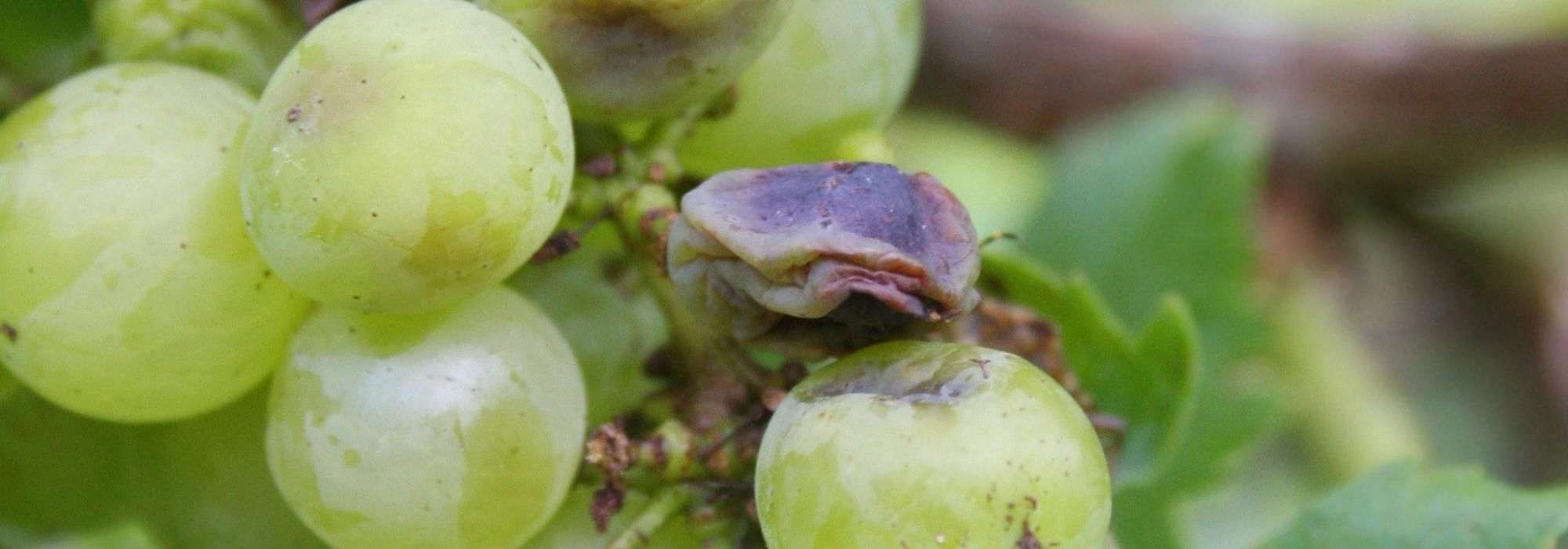
Cette vigne a très bien démarré puis elle a séché fin juillet. Un bourgeon s'est développé près de la greffe puis a séché à son tour fin août. Je crains d'avoir perdu ce plant alors qu'une autre variété planté au même moment s'est très bien développée.
Dominique , 16/01/2024
Back-to-school special offer!
Get €10 off for every €50 you spend! And get up to €40 off on a single order.
How does it work?
1. Shop your favourites
Add your favourite plants to your basket. For every €50 you spend (excluding delivery charges, store credit and the plastic-free option), you’ll receive a €10 voucher.
€50 spent = €10 voucher
€100 spent = €20 voucher
€150 spent = €30 voucher
€200 spent = €40 voucher
2. Place your order
Once your basket reaches one of the spending thresholds, place your order. You can even choose your delivery date!
3. Receive your voucher
As soon as your order has been shipped, you’ll receive an email containing your personal voucher code and its value.
4. Use it on your next order
Your voucher is valid for 90 days from the date you receive it. It can be used once only, on a new order worth at least the value of the voucher, excluding delivery charges.
Please note: Vouchers can be combined with other offers, but cannot be split or refunded.
Why not try an alternative variety in stock?
View all →
Available in 1 sizes
Available in 1 sizes
Available in 1 sizes
Available in 1 sizes
Available in 1 sizes
Available in 1 sizes
Available in 0 sizes
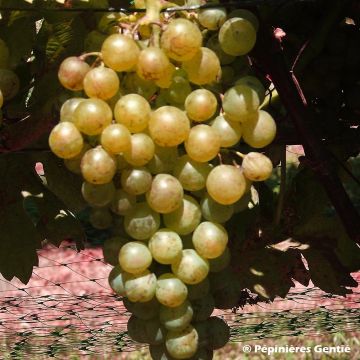
Available in 1 sizes
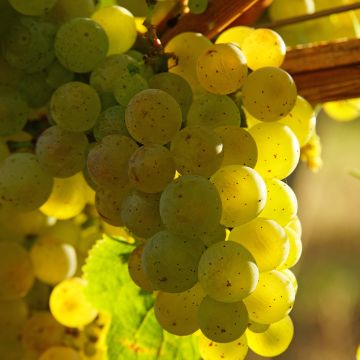
Available in 1 sizes
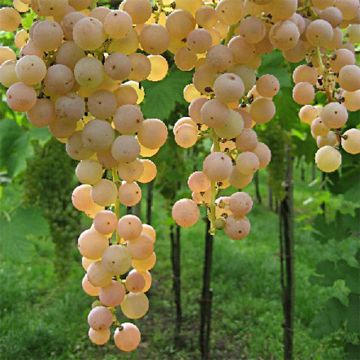
Available in 1 sizes
This plant carries a 12 months recovery warranty
More information
We guarantee the quality of our plants for a full growing cycle, and will replace at our expense any plant that fails to recover under normal climatic and planting conditions.
Would this plant suit my garden?
Set up your Plantfit profile →
Description
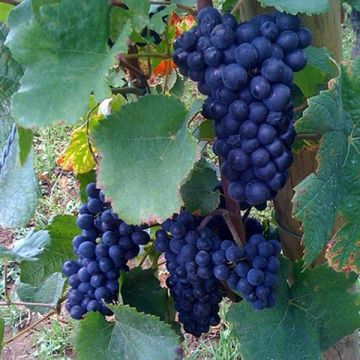
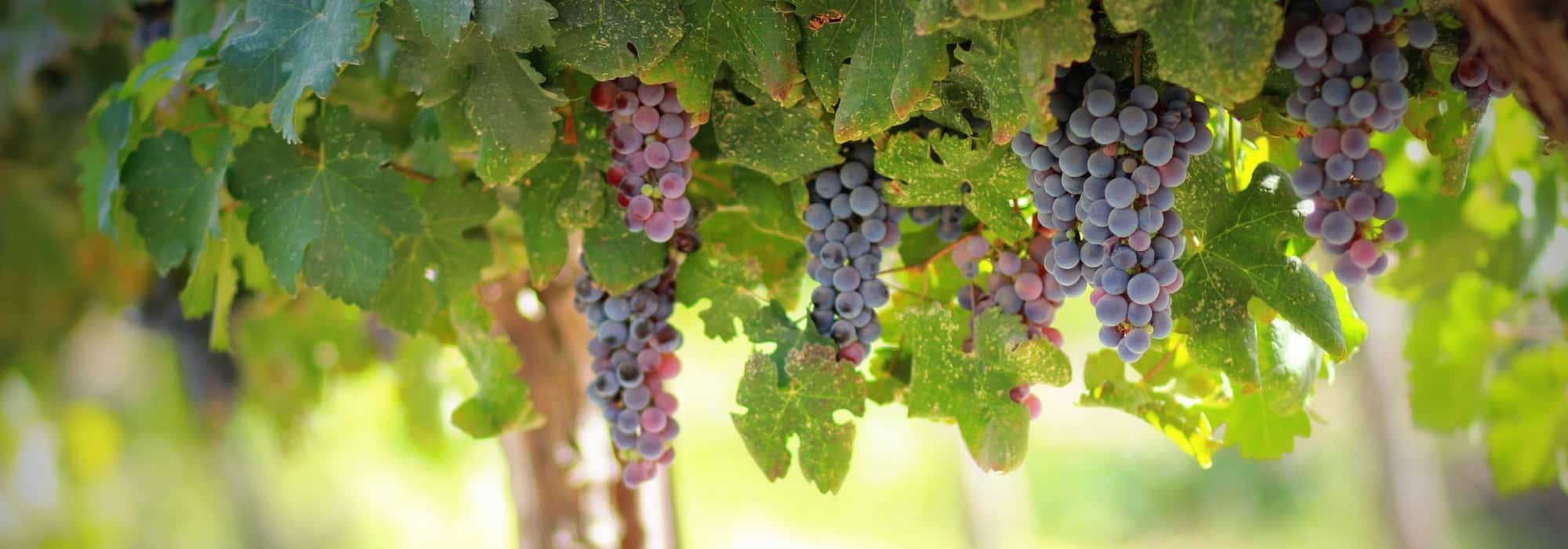
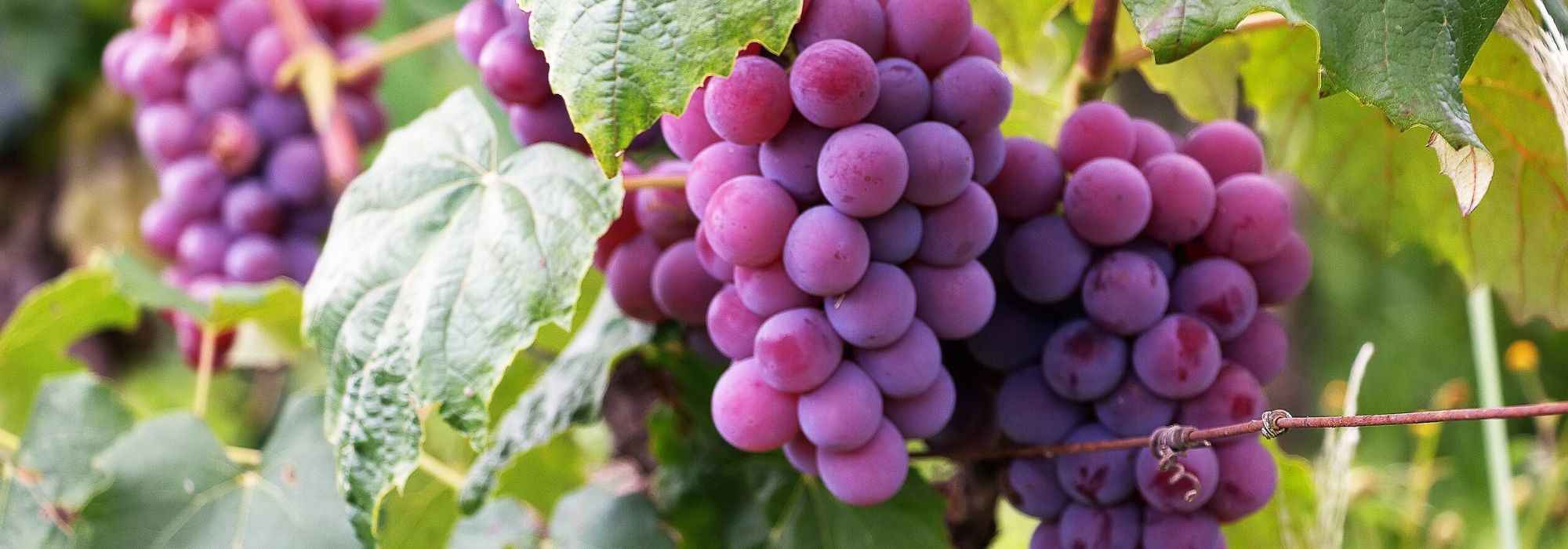
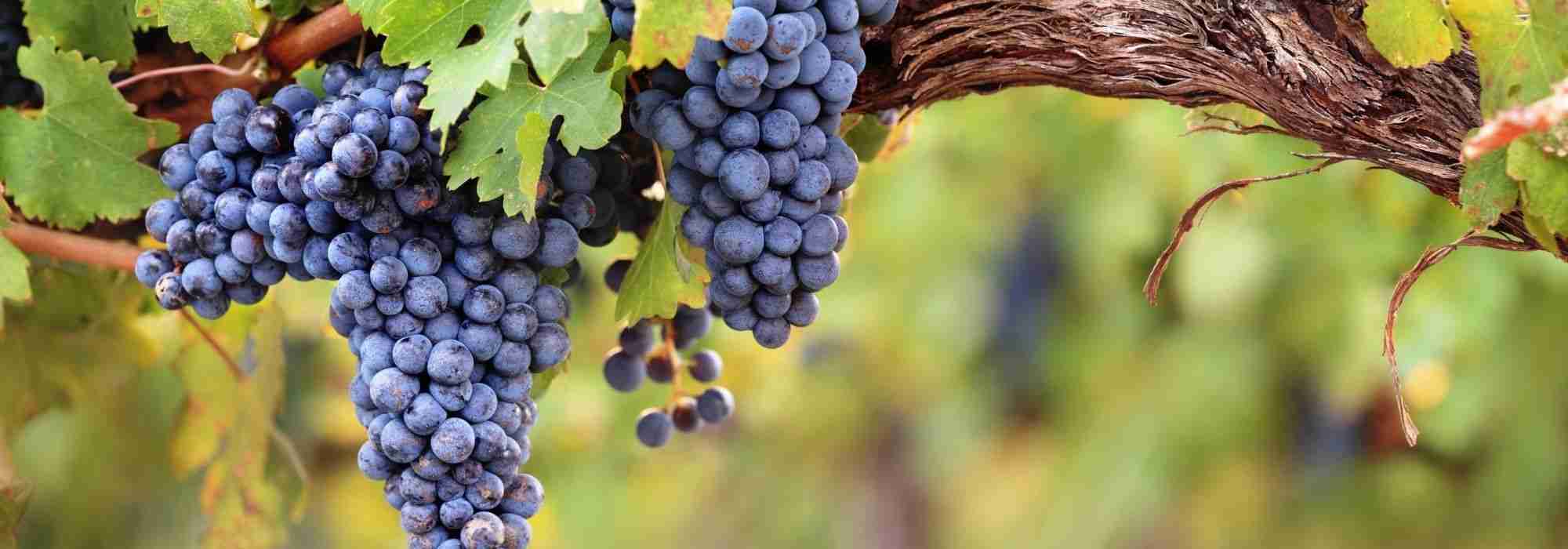
This 'Aperina Nera' vine is part of a series of descendants of the Sultanine grape (also known as Thompson Seedless), a variety known as "seedless", grown on a large scale for the production of raisins. They all have the common characteristic of producing apyrene grapes, whose seeds are atrophied. Very pleasant to taste, they will delight children! This Nera variety is similar to 'Alphonse Lavallée' in terms of flavor and productivity. The plant produces large clusters of black fruits with juicy, crunchy, and sweet pulp. Harvest takes place, depending on the region, the year, and the climate, from mid-September to the first week of October. This moderately vigorous vine is resistant to cold.
The Vitis vinifera 'Aperina Nera' belongs, like all vines, to the Vitaceae family. Its first parent, the Sultanine grape, is itself a very ancient hybrid, possibly originating from Afghanistan, which belongs to the category of white table grape varieties. The Sultanine is a vigorous plant that needs to be pruned long in late winter because its first buds do not produce flowers. Its apyrene descendants have retained this characteristic.
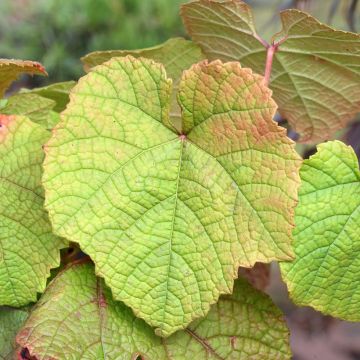
The 'Aperina Nera' vine is a woody climbing shrub, whose serpentine stems equipped with tendrils can reach a length of 3 to 4m (10 to 13ft) over time. It forms a trunk, often knotty and twisted, covered with a fibrous and brown bark that flakes off in strips as it ages. Its long green stems bear beautiful round-shaped leaves, serrated on the edges, of medium green color, turning yellow before falling in autumn. It blooms in late spring, from May to June depending on the region, in the form of dense and well-formed clusters, pyramid-shaped, loaded with tiny green flowers. After pollination by insects, the berries we call grapes are formed. They are slightly irregular and slightly oval in shape. Under their thick, bluish-black skin covered with bloom, the pulp is tender green, almost devoid of true seeds. This variety is pruned long in late winter, after the frost, above 6 to 8 buds to promote the formation of new shoots that will flower.
Contrary to popular belief, seedless grapes are not genetically modified organisms but are the result of a complex selection process carried out by vine specialists. They are fruits borne by sterile hybrid plants, whose seeds, or pips, are unable to develop: reduced to their simplest expression, these seeds are barely detectable in the mouth.
Planted in the sun, the Aperina Nera vine will be very decorative along a wall, on a arbor, a pergola, in the ground or in a large pot on a terrace. The grapes can be consumed as they are, in juice, or used to garnish tarts.
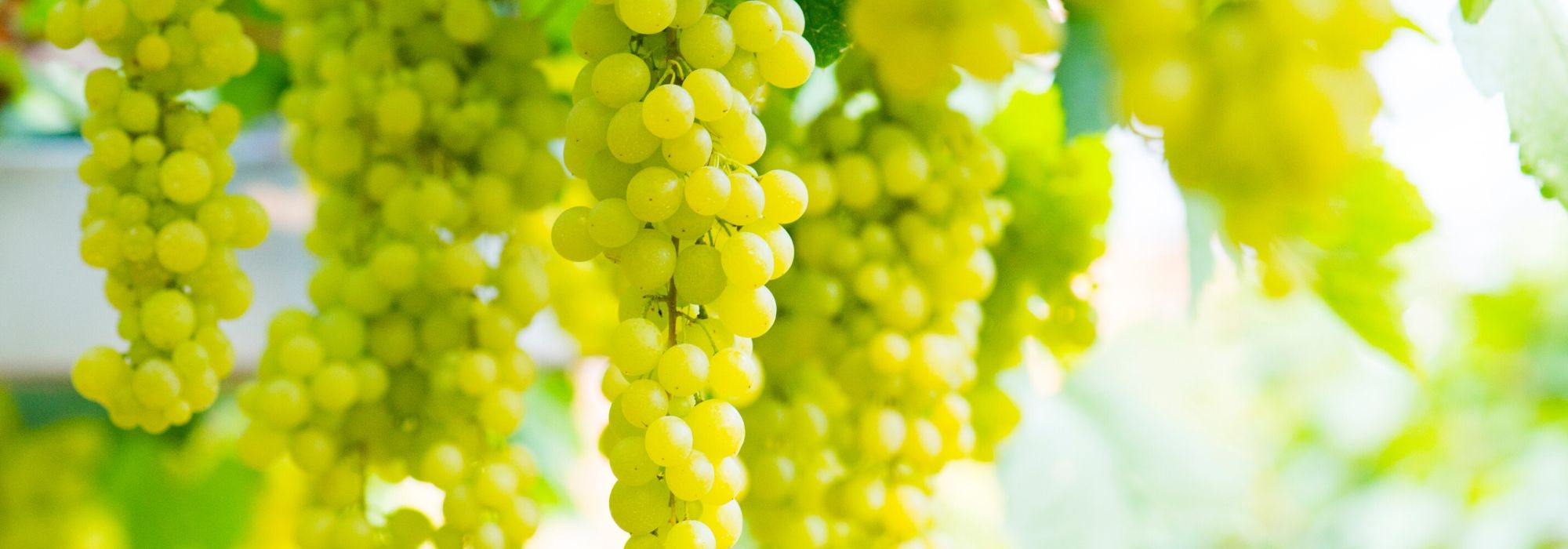
Plant habit
Flowering
Foliage
Botanical data
Vitis
vinifera
Apirena Nera
Vitaceae
Common Grape Vine, European Grape, Wine Grape
Cultivar or hybrid
Planting and care
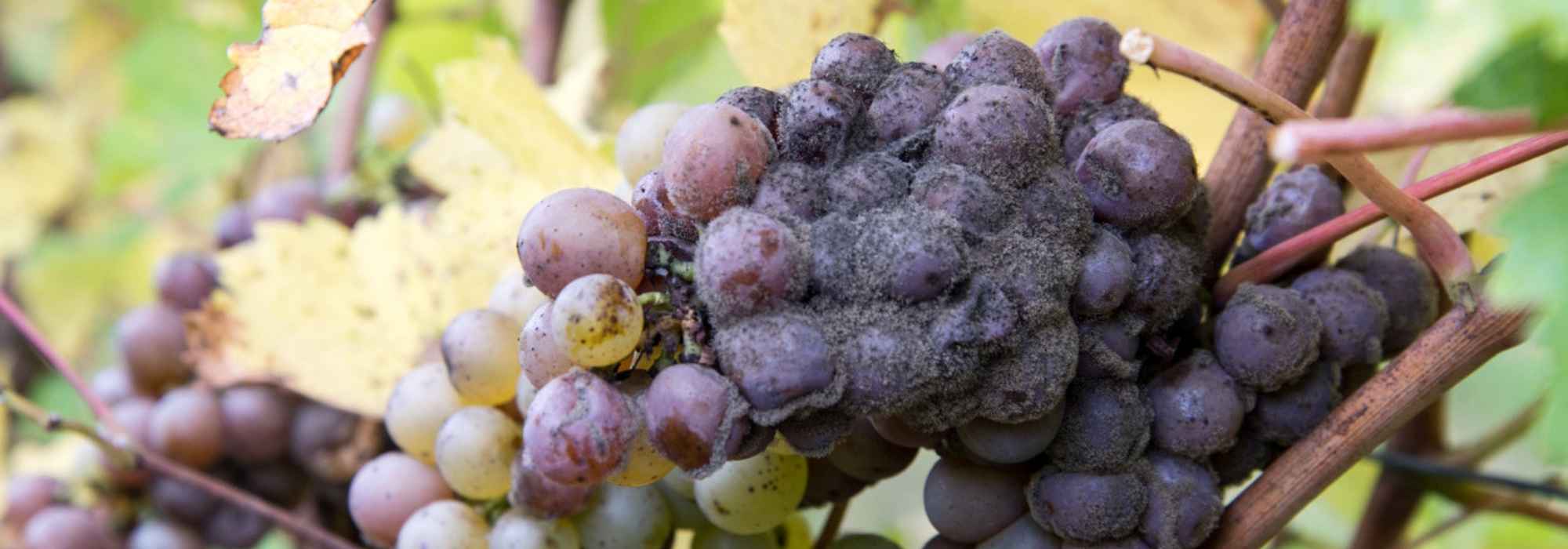
The Seedless Vine Aperina Nera can be planted in an ordinary but well-drained soil, preferably clay-limestone, even rocky, which you will have worked well and enriched with organic fertilizer or compost. Once well established, the vine can withstand summer drought because its roots dive deep to seek moisture. Choose a full sun exposure, possibly partial shade in the south (southeast exposure). It can tolerate temperatures as low as -15°C (5°F) for very short periods. Prune it in February-March, after the frost, leaving 2 or 3 buds on the secondary branches. Prune it again once the berries are formed on the clusters, leaving 2 or 3 leaves above each cluster (this allows the sun to reach the fruits and the sap to feed them more efficiently). Once the framework of your trellis is formed, remove every year the branches that have produced fruit. Stake or train to support and guide the branches. Train it against a wall to directly benefit from the grapes. Downy mildew and powdery mildew are common (especially in rainy climates) which is why it is necessary to treat the vine as a precaution in spring and during summer, with Bordeaux mixture and/or sulfur powder. This vine may take a season to establish itself properly, during which it will grow moderately. Its woody climbing stems will then gain several meters per year and will require pruning.
Planting period
Intended location
Care
Planting & care advice
-
, onOrder confirmed
Reply from on Promesse de fleurs
Recently viewed products
Haven't found what you were looking for?
Hardiness is the lowest winter temperature a plant can endure without suffering serious damage or even dying. However, hardiness is affected by location (a sheltered area, such as a patio), protection (winter cover) and soil type (hardiness is improved by well-drained soil).

The flowering period indicated on our website applies to countries and regions located in USDA zone 8 (France, the United Kingdom, Ireland, the Netherlands, etc.)
It will vary according to where you live:- In zones 9 to 10 (Italy, Spain, Greece, etc.), flowering will occur about 2 to 4 weeks earlier.
- In zones 6 to 7 (Germany, Poland, Slovenia, and lower mountainous regions), flowering will be delayed by 2 to 3 weeks.
- In zone 5 (Central Europe, Scandinavia), blooming will be delayed by 3 to 5 weeks.
In temperate climates, pruning of spring-flowering shrubs (forsythia, spireas, etc.) should be done just after flowering.
Pruning of summer-flowering shrubs (Indian Lilac, Perovskia, etc.) can be done in winter or spring.
In cold regions as well as with frost-sensitive plants, avoid pruning too early when severe frosts may still occur.
The planting period indicated on our website applies to countries and regions located in USDA zone 8 (France, United Kingdom, Ireland, Netherlands).
It will vary according to where you live:
- In Mediterranean zones (Marseille, Madrid, Milan, etc.), autumn and winter are the best planting periods.
- In continental zones (Strasbourg, Munich, Vienna, etc.), delay planting by 2 to 3 weeks in spring and bring it forward by 2 to 4 weeks in autumn.
- In mountainous regions (the Alps, Pyrenees, Carpathians, etc.), it is best to plant in late spring (May-June) or late summer (August-September).
The harvesting period indicated on our website applies to countries and regions in USDA zone 8 (France, England, Ireland, the Netherlands).
In colder areas (Scandinavia, Poland, Austria...) fruit and vegetable harvests are likely to be delayed by 3-4 weeks.
In warmer areas (Italy, Spain, Greece, etc.), harvesting will probably take place earlier, depending on weather conditions.
The sowing periods indicated on our website apply to countries and regions within USDA Zone 8 (France, UK, Ireland, Netherlands).
In colder areas (Scandinavia, Poland, Austria...), delay any outdoor sowing by 3-4 weeks, or sow under glass.
In warmer climes (Italy, Spain, Greece, etc.), bring outdoor sowing forward by a few weeks.
Shipping country and language
Your country of residence may be:
Your country of residence is:
For a better user experience on our website, you can select:
Your shipping country:
-
 Austria
-
 Belgium
-
 Bosnia & Herzegovina
-
 Bulgaria
-
 Croatia
-
 Cyprus
-
 Czechia
-
 Denmark
-
 Estonia
-
 Finland
-
 France
-
 Germany
-
 Greece
-
 Hungary
-
 Iceland
-
 Ireland
-
 Italy
Italy
-
 Latvia
-
 Liechtenstein
-
 Lithuania
-
 Luxembourg
-
 Malta
Malta
-
 Netherlands
-
 Poland
-
 Portugal
-
 Romania
-
 Serbia
-
 Slovakia
-
 Slovenia
-
 Spain
Spain
-
 Sweden
-
 Switzerland
Language:
-
French
-
 English
-
Spanish
-
Italian
-
German
-
Portuguese
-
Dutch
-
Finnish
My Account
Hello
My wish lists
My cart
Log in / Register
Existing customer?
This form is protected by reCAPTCHA - the Google Privacy Policy and Terms of Service apply.
New customer?
Create an account to track your orders, access our customer service and, if you wish, make the most of our upcoming offers.