Carya illinoinensis Delmas - Pecan Tree
Carya illinoinensis Delmas - Pecan Tree
Carya illinoinensis Delmas - Pecan Tree
Carya illinoinensis Delmas - Pecan Tree
Carya illinoinensis Delmas
Pecan, Pecan Hickory, Illinois Nut
Back-to-school special offer!
Get €10 off for every €50 you spend! And get up to €40 off on a single order.
How does it work?
1. Shop your favourites
Add your favourite plants to your basket. For every €50 you spend (excluding delivery charges, store credit and the plastic-free option), you’ll receive a €10 voucher.
€50 spent = €10 voucher
€100 spent = €20 voucher
€150 spent = €30 voucher
€200 spent = €40 voucher
2. Place your order
Once your basket reaches one of the spending thresholds, place your order. You can even choose your delivery date!
3. Receive your voucher
As soon as your order has been shipped, you’ll receive an email containing your personal voucher code and its value.
4. Use it on your next order
Your voucher is valid for 90 days from the date you receive it. It can be used once only, on a new order worth at least the value of the voucher, excluding delivery charges.
Please note: Vouchers can be combined with other offers, but cannot be split or refunded.
Home or relay delivery (depending on size and destination)
Important: You may be charged customs duties by your country’s customs authorities upon delivery.
Schedule delivery date
and select date in basket
This plant carries a 12 months recovery warranty
More information
We guarantee the quality of our plants for a full growing cycle, and will replace at our expense any plant that fails to recover under normal climatic and planting conditions.
Description
The Carya illinoinensis Delmas or Pecan tree is a medium-sized, hardy tree, but it needs long, hot summers to bear fruit. That's why it's preferable to plant it in mild climates, even though it can tolerate colder temperatures. This variety produces pecan nuts of good taste as early as September. It is best planted in spring, in neutral to slightly acidic and moist, if not wet, soil. This variety is partially self-fertile.
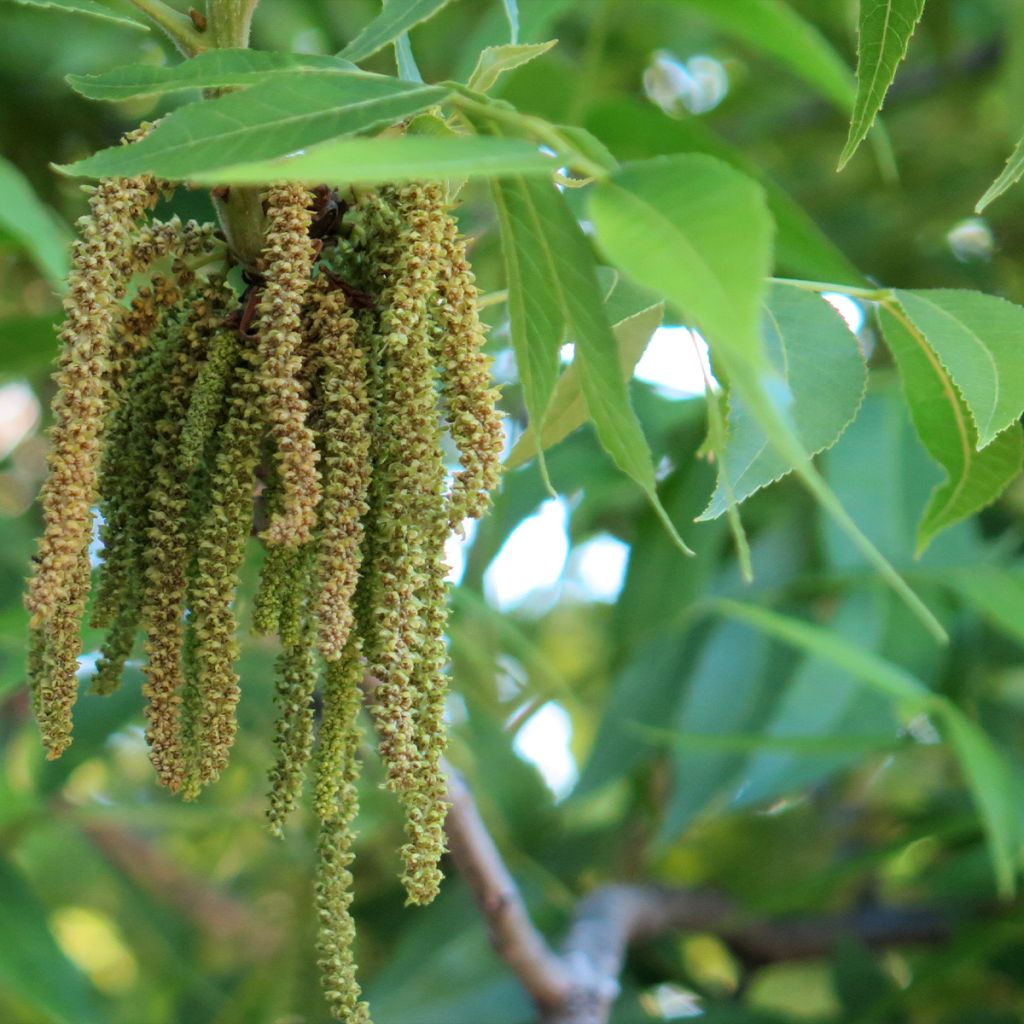
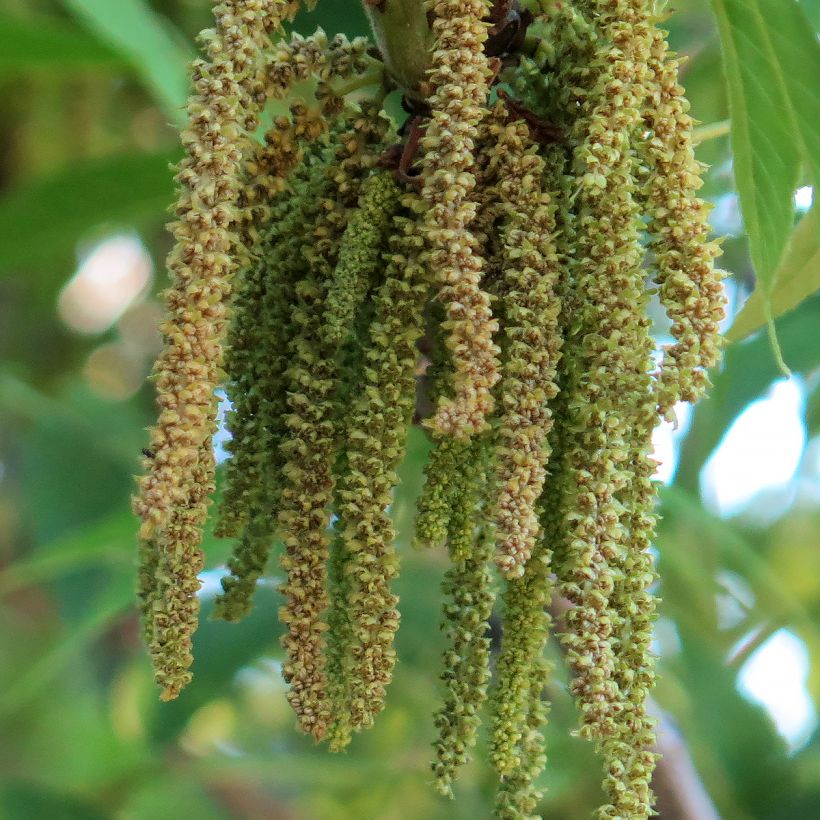
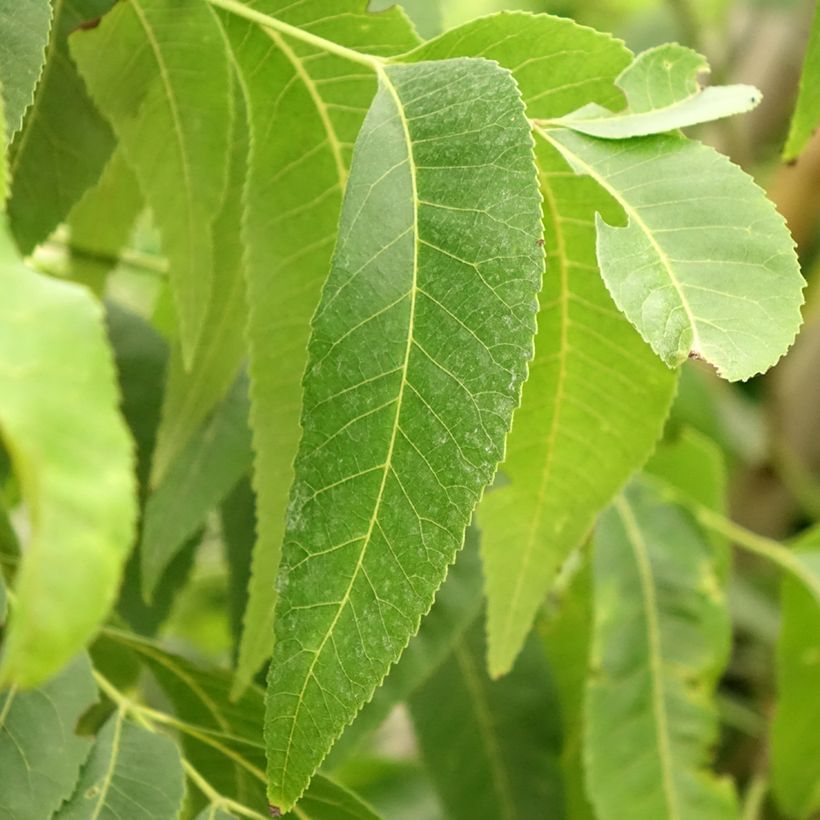
Native to North America, Carya illinoinensis is a large tree whose typical species can reach heights of 20 to 40m (66 to 131ft) and diameters of 10m (33ft) and more. It belongs to the Juglandaceae family, like the Walnut tree. Its deciduous leaves are elongated, consisting of 11 to 13 leaflets. Green in colour, they turn a beautiful golden hue in autumn. The pecan tree is hardy, tolerating cold winters down to -15°C, but it needs long, hot summers to bear fruit. Male flowers appear in late March, in the form of long yellow catkins. They are followed by the growth of young shoots and then discreet female flowers. Although both male and female flowers are borne on the same tree, their flowering periods differ.
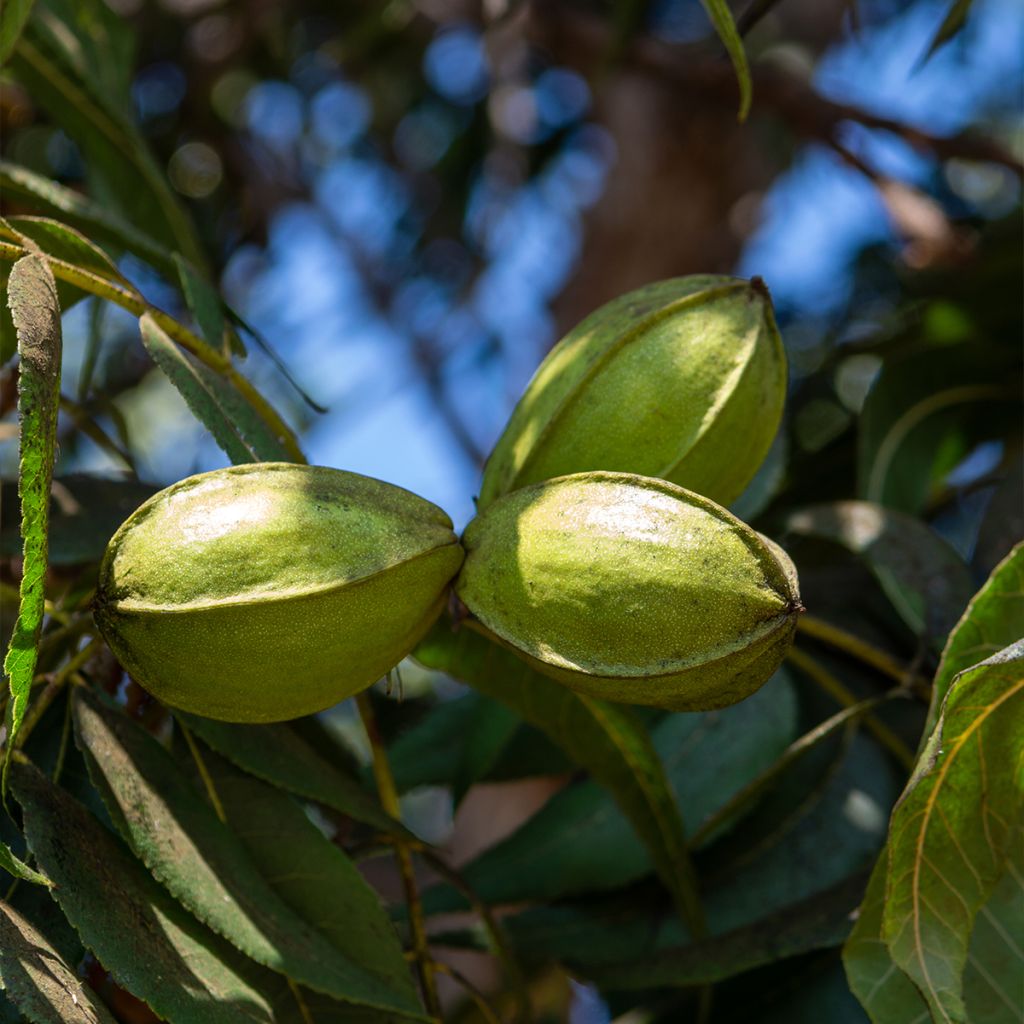
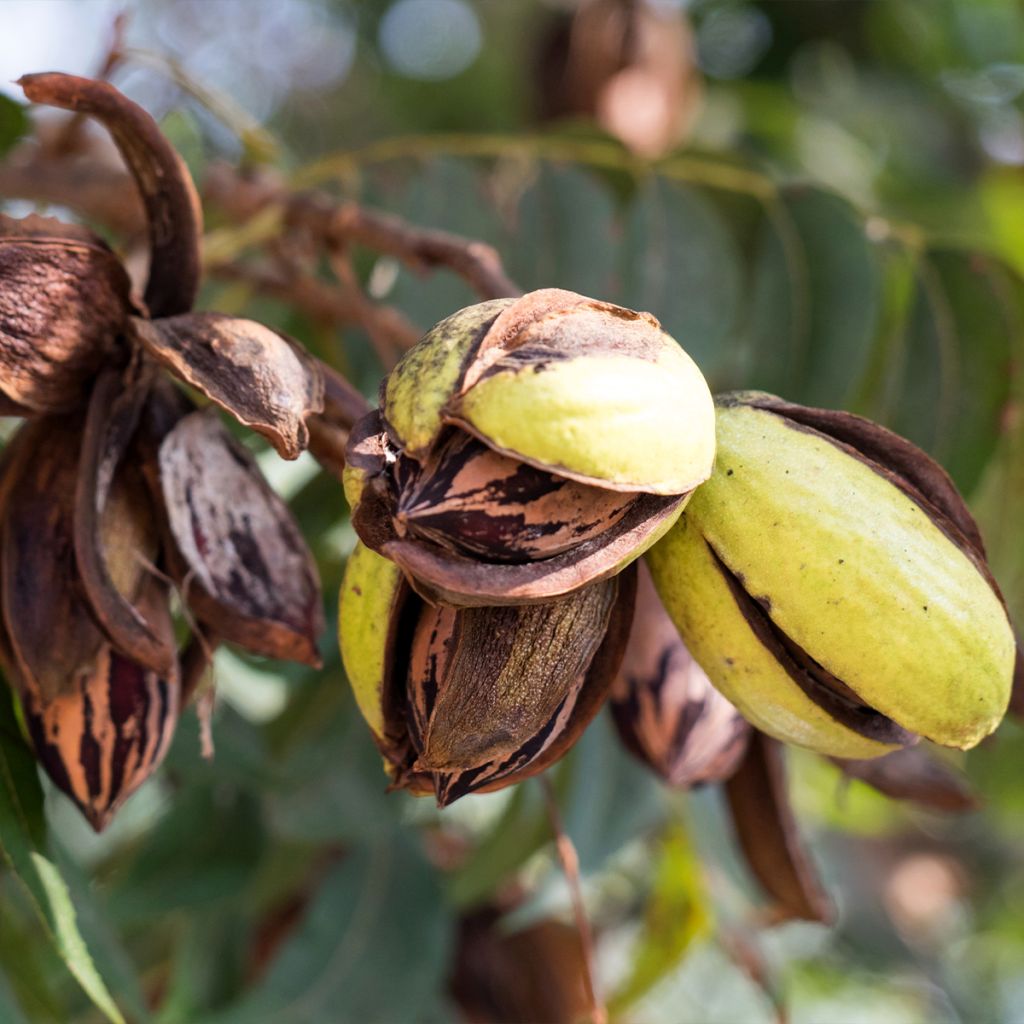
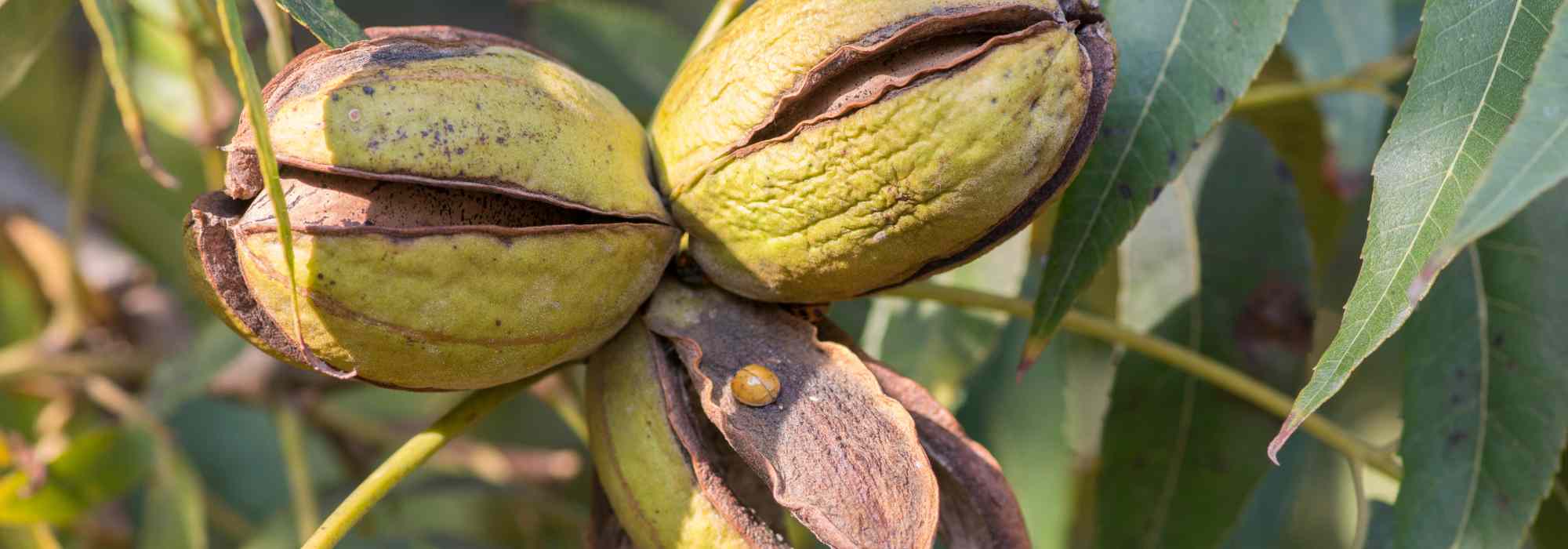
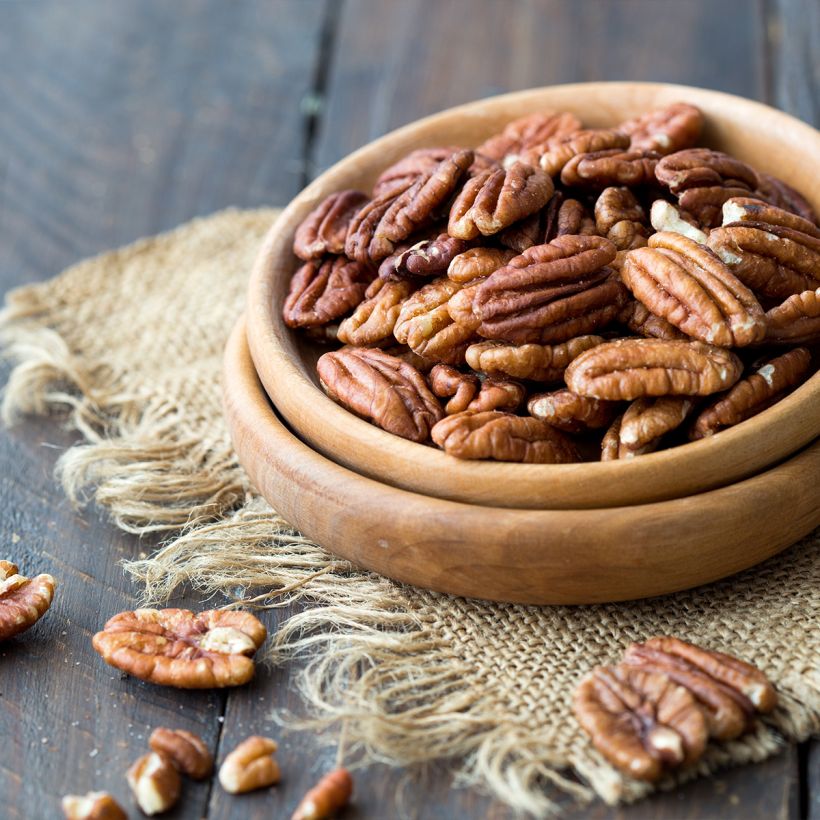
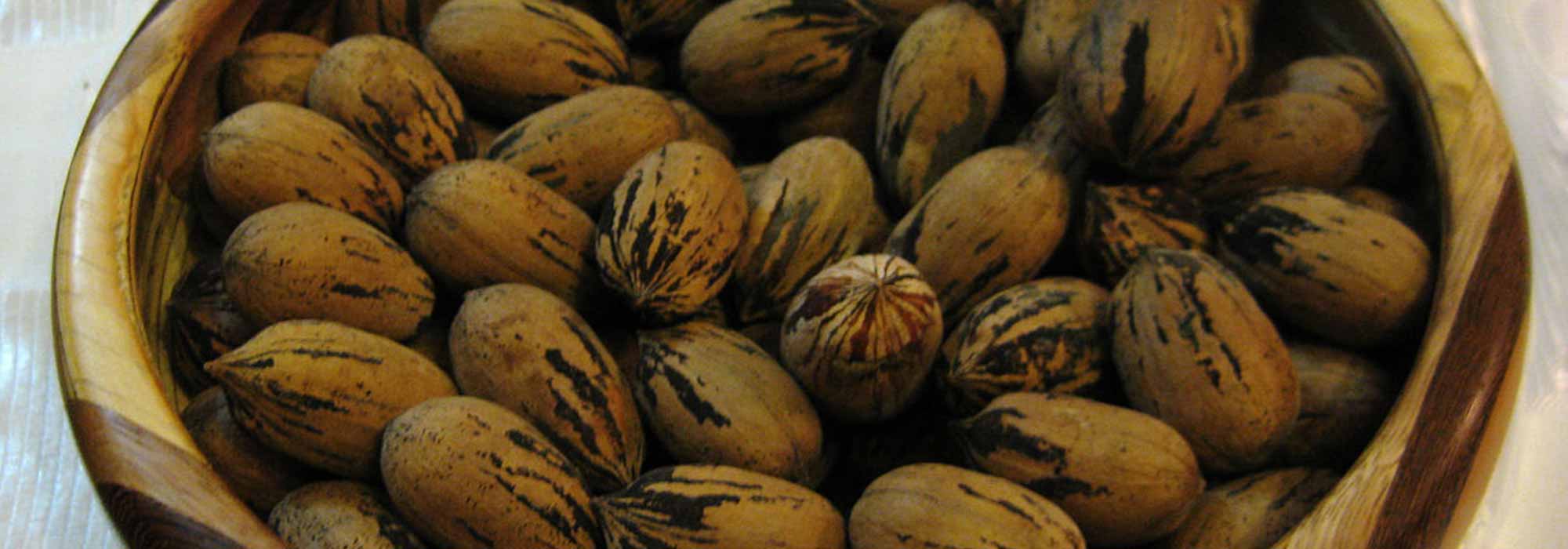
Carya illinoinensis Delmas will grow into a medium-sized tree, 15m (49ft) tall, even up to 20m (66ft), and 10 to 15m (33 to 49ft) wide. This variety originated from a farmer in Mississippi, A.G. Delmas, who planted it in 1877. He then selected a subject from the seedlings of this tree that seemed interesting to him, and propagated it by grafting to preserve its genetic characteristics. Starting from 1902, the obtained scions were introduced to the market. This variety is not recommended in Georgia and the southeastern United States, as it is highly susceptible to scab there. However, it is very popular in Israel. 'Delmas', a Pecan tree of group B, is partially self-fertile and can therefore self-pollinate. However, cross-pollination between two trees will promote fruiting. In this case, it is recommended to plant another subject from group A (at a distance of 15 to 50m (49 to 164ft) from 'Delmas') such as the varieties 'Cape Fear', 'Cherokee', 'Cheyenne', 'Desirable', 'Pawnee', or 'Western Schley'. In 'Delmas' fruiting occurs after 4 to 5 years, it is early (starting from September) and produces good-sized nuts (smaller than Mohawk, but of better quality). The fruit of the pecan tree is a drupe, with a fleshy outer covering that is green in colour. This covering, called the husk, opens at maturity, releasing a shell containing the pecan nut. Harvesting takes place from late summer through autumn. The pecan nut, similar in taste to the walnut, has a smoother kernel. The shells can be stored for several months in a cool, dry place. Pecan nuts can be eaten on their own or used in baking.
This pecan tree is best suited for larger gardens, especially if paired with another tree for cross-pollination. It thrives in cool and well-watered conditions, so sufficient water supply is necessary, which is not always the case in hotter climates. In southern regions, it can be added to an irrigated orchard consisting of fig trees, citrus trees, jujube trees, and other species that bear fruit in warm climates.
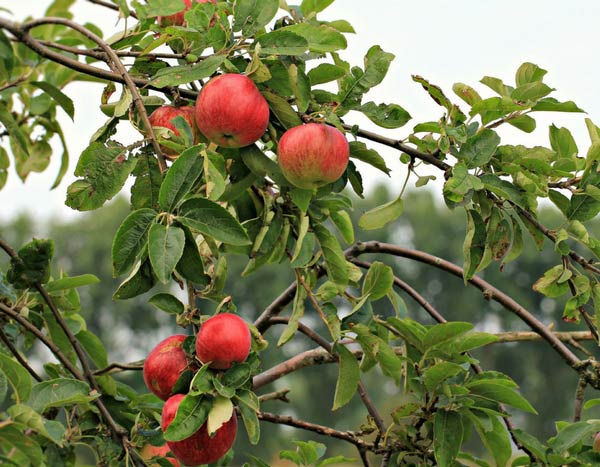
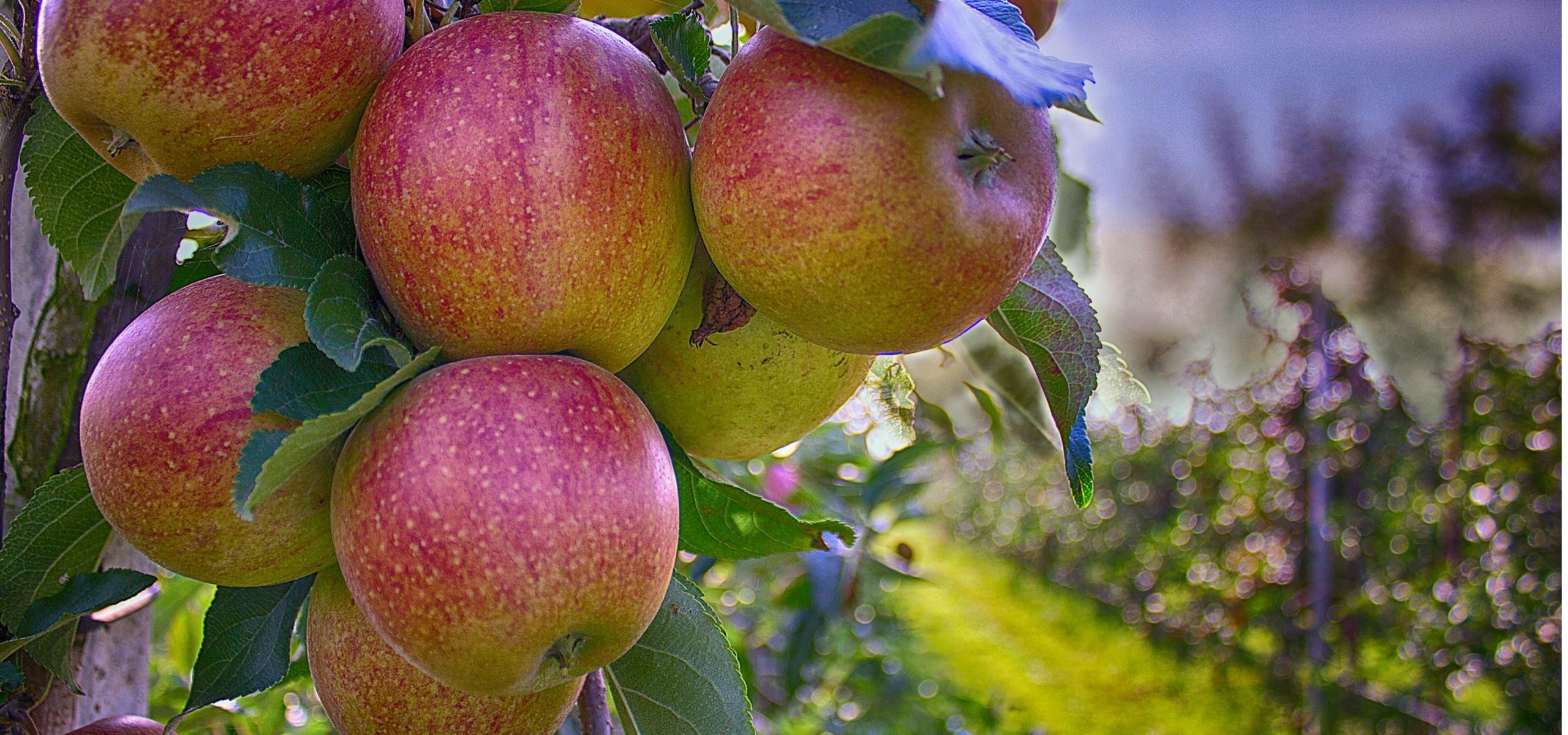
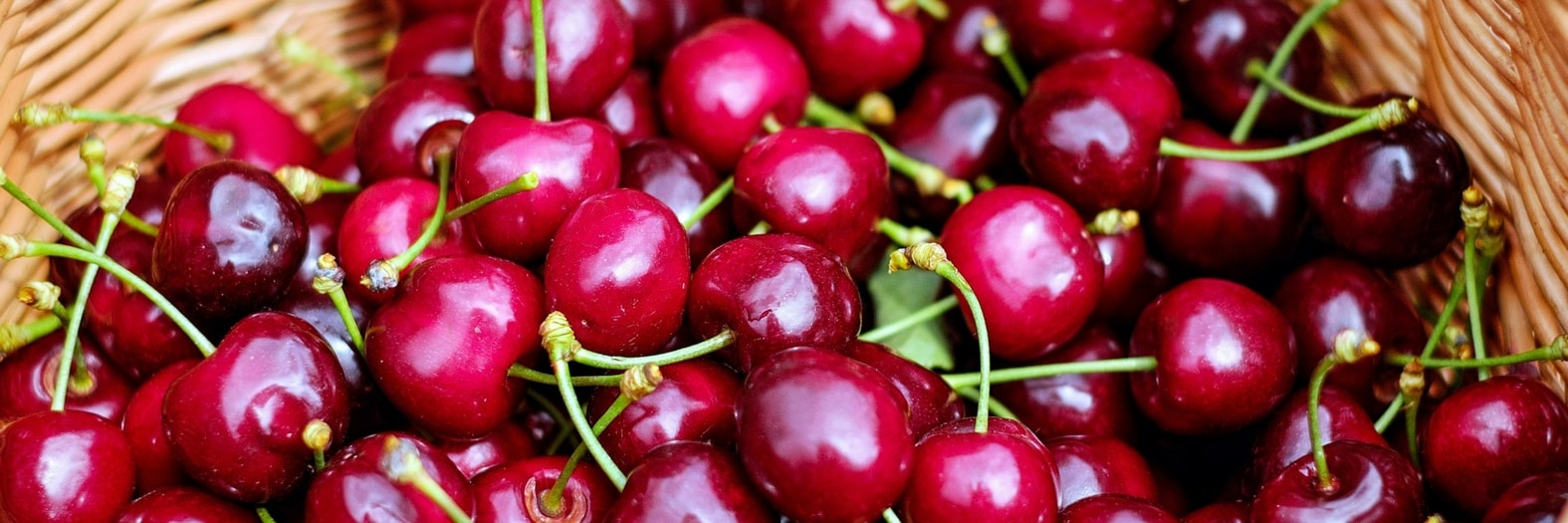
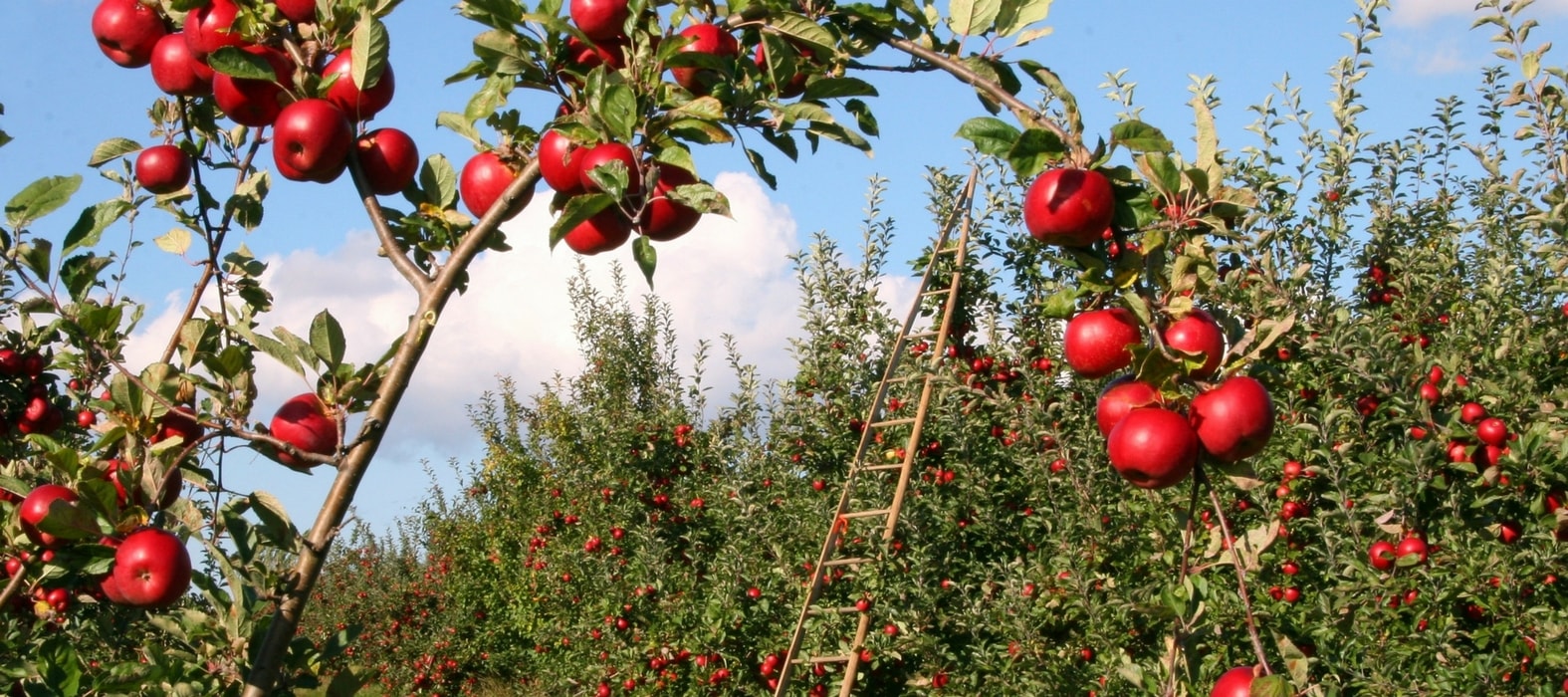
Carya illinoinensis Delmas - Pecan Tree in pictures
Plant habit
Fruit
Flowering
Foliage
Botanical data
Carya
illinoinensis
Delmas
Juglandaceae
Pecan, Pecan Hickory, Illinois Nut
Cultivar or hybrid
Planting and care
The Carya illinoinensis 'Delmas' thrives in rich, moist, and well-drained soils. Choose a very sunny exposure. Planting is preferably done in spring, ideally between March and May.
Dig a deep hole (1 metre (3 feet) in all directions) as the Pecan tree will develop a long taproot and a strong root system. Add a mixture of garden soil and compost. Place the young plant inside very delicately, leaving the collar at ground level, cover with soil, and tamp down well. Water generously at planting and regularly during dry weather and fruiting.
Apply organic fertiliser in spring. The Pecan tree does not require pruning.
Planting period
Intended location
Care
Planting & care advice
-
-
-
-
-
-
-
-
This item has not been reviewed yet - be the first to leave a review about it.
Recently viewed products
Haven't found what you were looking for?
Hardiness is the lowest winter temperature a plant can endure without suffering serious damage or even dying. However, hardiness is affected by location (a sheltered area, such as a patio), protection (winter cover) and soil type (hardiness is improved by well-drained soil).

The flowering period indicated on our website applies to countries and regions located in USDA zone 8 (France, the United Kingdom, Ireland, the Netherlands, etc.)
It will vary according to where you live:- In zones 9 to 10 (Italy, Spain, Greece, etc.), flowering will occur about 2 to 4 weeks earlier.
- In zones 6 to 7 (Germany, Poland, Slovenia, and lower mountainous regions), flowering will be delayed by 2 to 3 weeks.
- In zone 5 (Central Europe, Scandinavia), blooming will be delayed by 3 to 5 weeks.
In temperate climates, pruning of spring-flowering shrubs (forsythia, spireas, etc.) should be done just after flowering.
Pruning of summer-flowering shrubs (Indian Lilac, Perovskia, etc.) can be done in winter or spring.
In cold regions as well as with frost-sensitive plants, avoid pruning too early when severe frosts may still occur.
The planting period indicated on our website applies to countries and regions located in USDA zone 8 (France, United Kingdom, Ireland, Netherlands).
It will vary according to where you live:
- In Mediterranean zones (Marseille, Madrid, Milan, etc.), autumn and winter are the best planting periods.
- In continental zones (Strasbourg, Munich, Vienna, etc.), delay planting by 2 to 3 weeks in spring and bring it forward by 2 to 4 weeks in autumn.
- In mountainous regions (the Alps, Pyrenees, Carpathians, etc.), it is best to plant in late spring (May-June) or late summer (August-September).
The harvesting period indicated on our website applies to countries and regions in USDA zone 8 (France, England, Ireland, the Netherlands).
In colder areas (Scandinavia, Poland, Austria...) fruit and vegetable harvests are likely to be delayed by 3-4 weeks.
In warmer areas (Italy, Spain, Greece, etc.), harvesting will probably take place earlier, depending on weather conditions.
The sowing periods indicated on our website apply to countries and regions within USDA Zone 8 (France, UK, Ireland, Netherlands).
In colder areas (Scandinavia, Poland, Austria...), delay any outdoor sowing by 3-4 weeks, or sow under glass.
In warmer climes (Italy, Spain, Greece, etc.), bring outdoor sowing forward by a few weeks.
Shipping country and language
Your country of residence may be:
Your country of residence is:
For a better user experience on our website, you can select:
Your shipping country:
-
 Austria
-
 Belgium
-
 Bosnia & Herzegovina
-
 Bulgaria
-
 Croatia
-
 Cyprus
-
 Czechia
-
 Denmark
-
 Estonia
-
 Finland
-
 France
-
 Germany
-
 Greece
-
 Hungary
-
 Iceland
-
 Ireland
-
 Italy
Italy
-
 Latvia
-
 Liechtenstein
-
 Lithuania
-
 Luxembourg
-
 Malta
Malta
-
 Netherlands
-
 Poland
-
 Portugal
-
 Romania
-
 Serbia
-
 Slovakia
-
 Slovenia
-
 Spain
Spain
-
 Sweden
-
 Switzerland
Language:
-
French
-
 English
-
Spanish
-
Italian
-
German
-
Portuguese
-
Dutch
-
Finnish
My Account
Hello
My wish lists
My cart
Log in / Register
Existing customer?
This form is protected by reCAPTCHA - the Google Privacy Policy and Terms of Service apply.
New customer?
Create an account to track your orders, access our customer service and, if you wish, make the most of our upcoming offers.