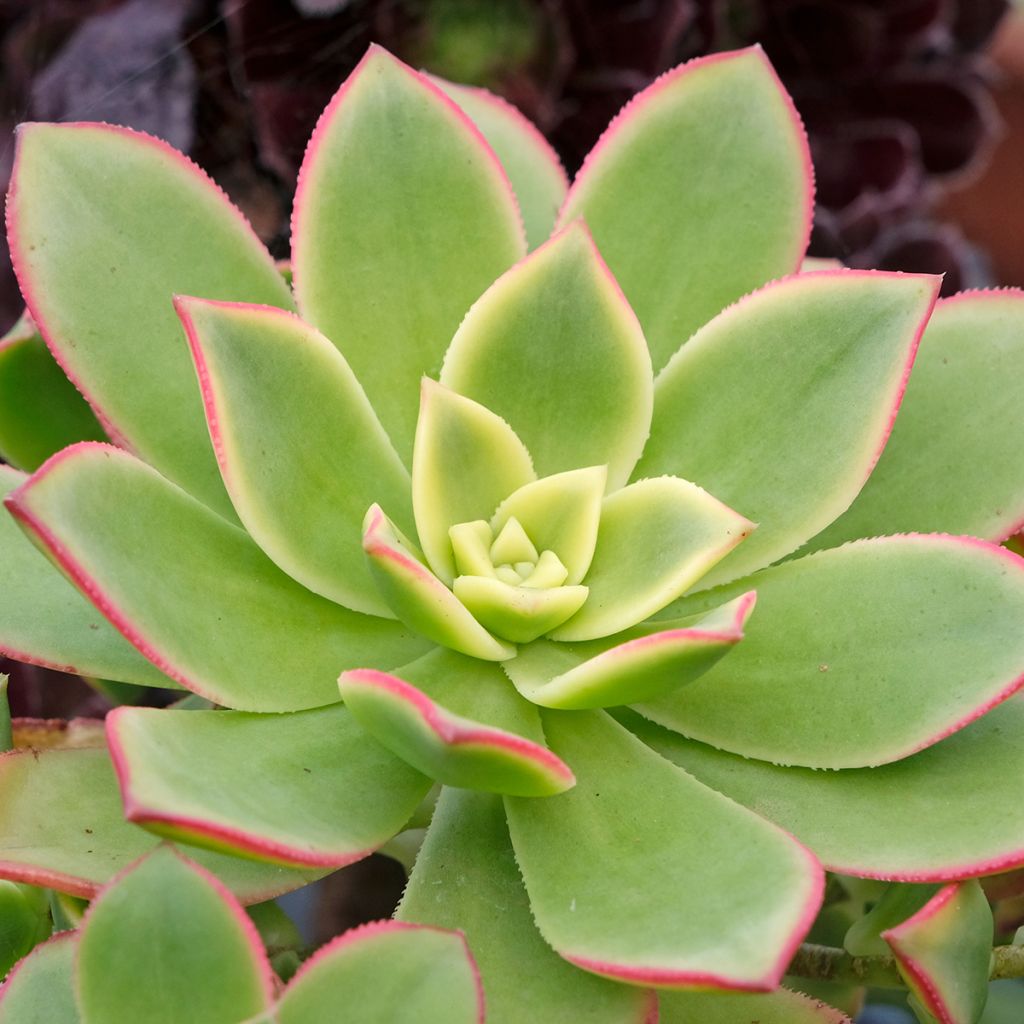
Echeveria runyonii 'Pink Edge'
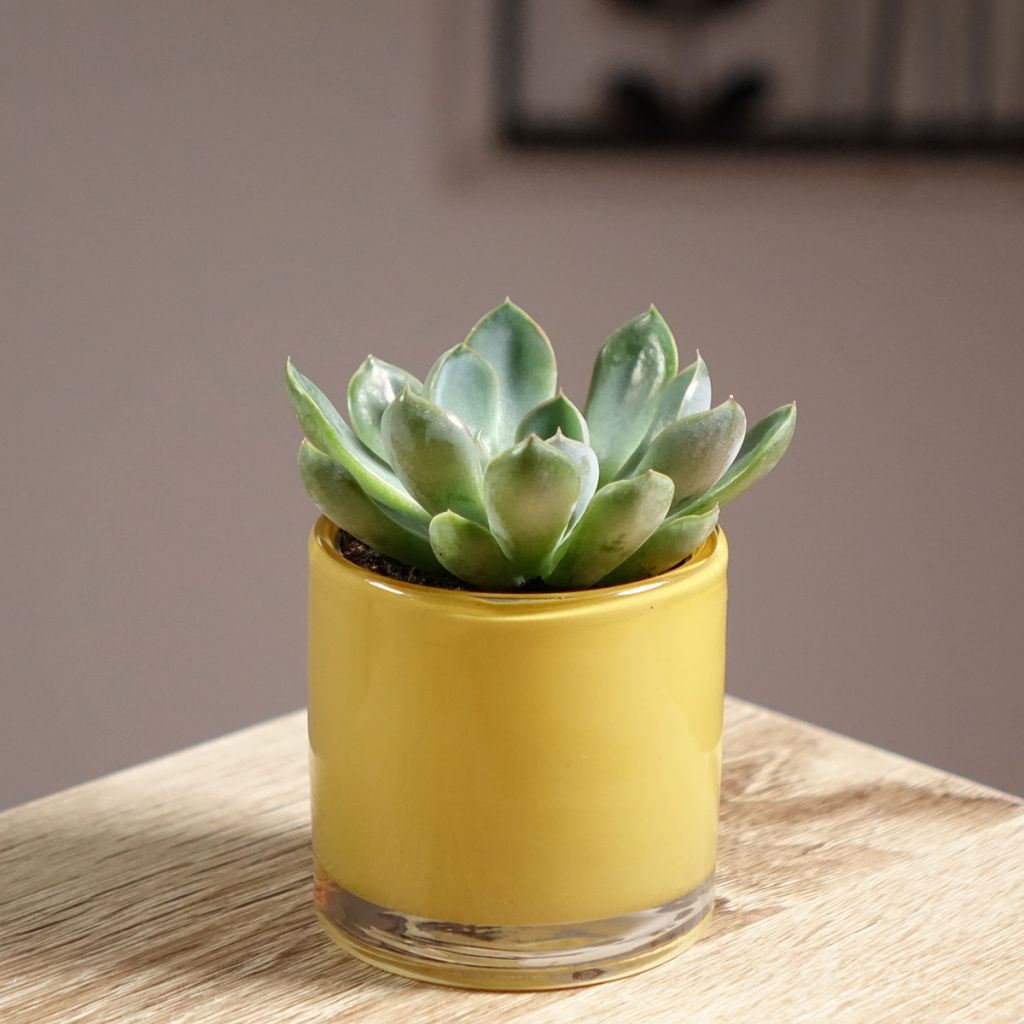
Echeveria runyonii 'Pink Edge'
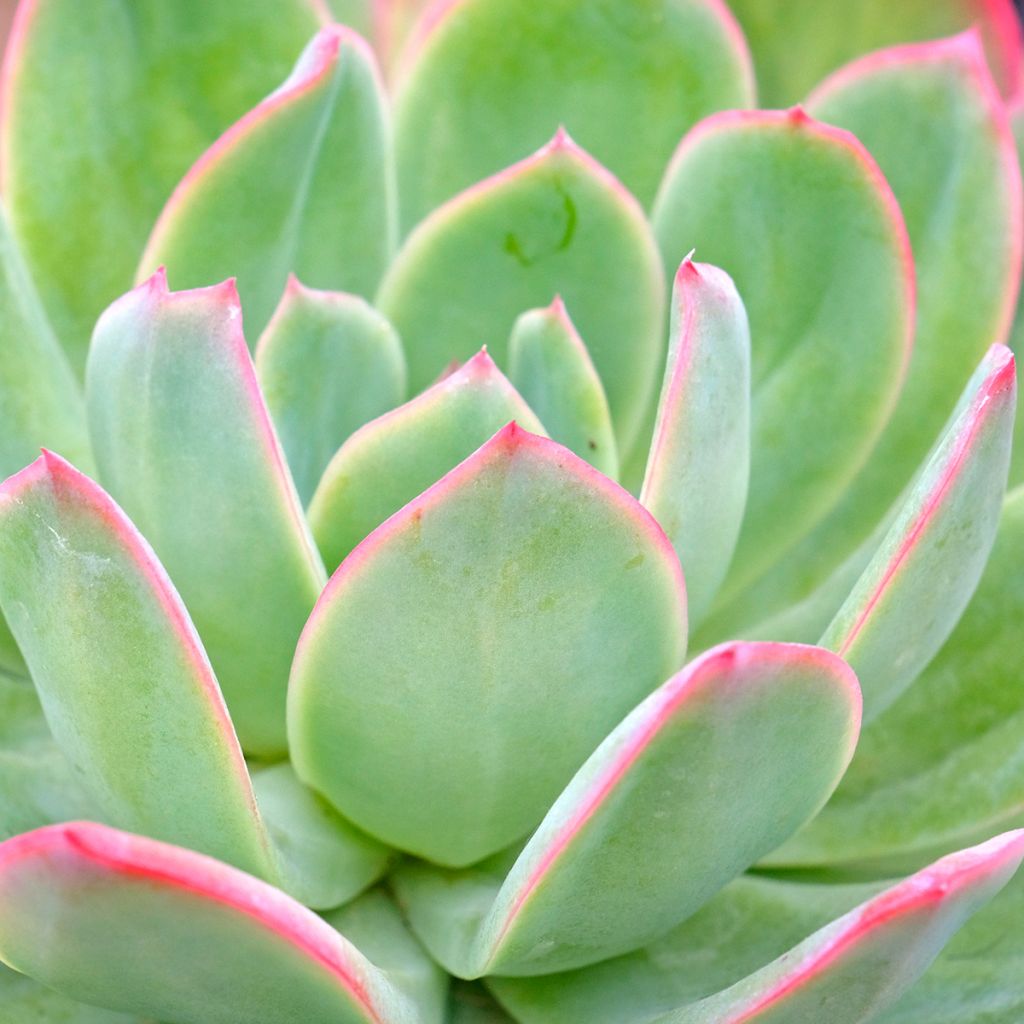
Echeveria runyonii 'Pink Edge'
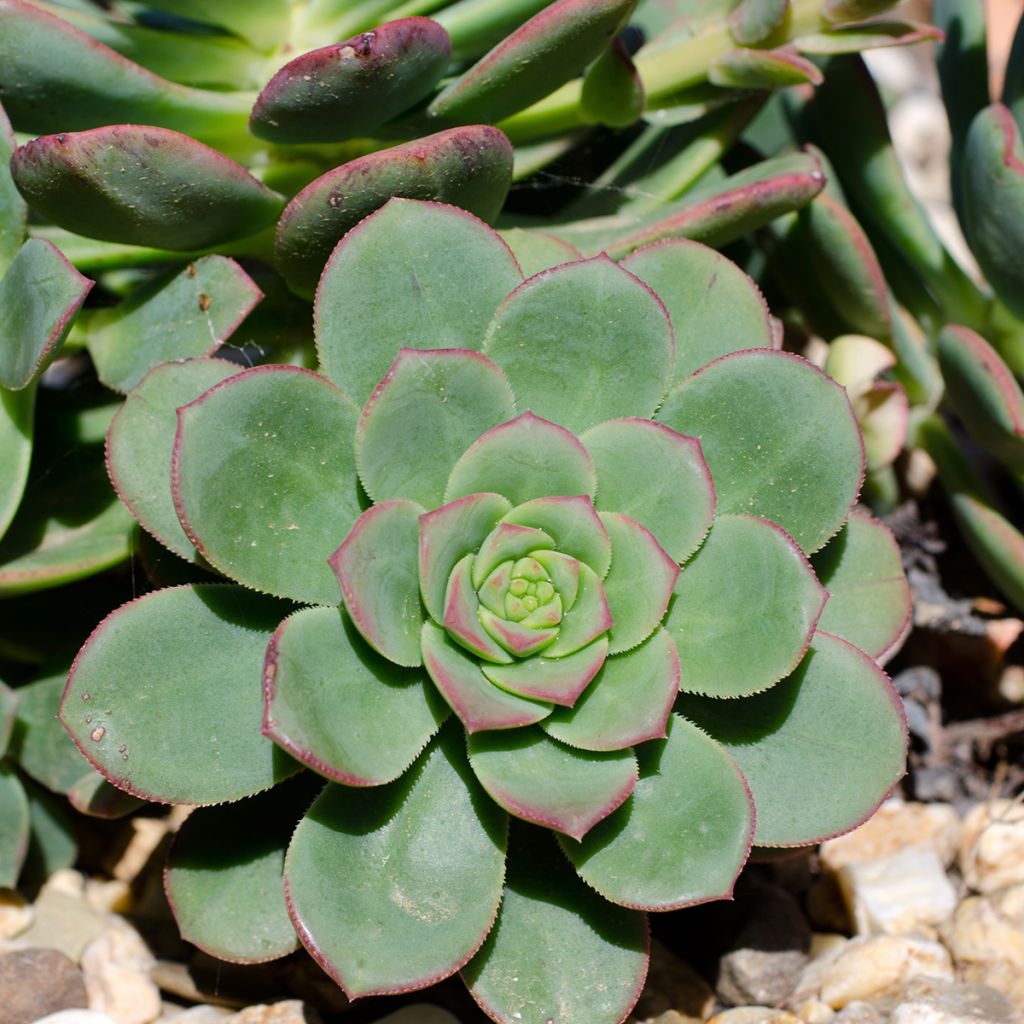
Echeveria runyonii 'Pink Edge'
Echeveria runyonii 'Pink Edge'
Echeveria runyonii 'Pink Edge'
Echeveria runyonii 'Pink Edge'
Back-to-school special offer!
Get €10 off for every €50 you spend! And get up to €40 off on a single order.
How does it work?
1. Shop your favourites
Add your favourite plants to your basket. For every €50 you spend (excluding delivery charges, store credit and the plastic-free option), you’ll receive a €10 voucher.
€50 spent = €10 voucher
€100 spent = €20 voucher
€150 spent = €30 voucher
€200 spent = €40 voucher
2. Place your order
Once your basket reaches one of the spending thresholds, place your order. You can even choose your delivery date!
3. Receive your voucher
As soon as your order has been shipped, you’ll receive an email containing your personal voucher code and its value.
4. Use it on your next order
Your voucher is valid for 90 days from the date you receive it. It can be used once only, on a new order worth at least the value of the voucher, excluding delivery charges.
Please note: Vouchers can be combined with other offers, but cannot be split or refunded.
Home or relay delivery (depending on size and destination)
Important: You may be charged customs duties by your country’s customs authorities upon delivery.
Schedule delivery date,
and select date in basket
This plant carries a 30 days recovery warranty
More information
We guarantee the quality of our plants for a full growing cycle, and will replace at our expense any plant that fails to recover under normal climatic and planting conditions.
Description
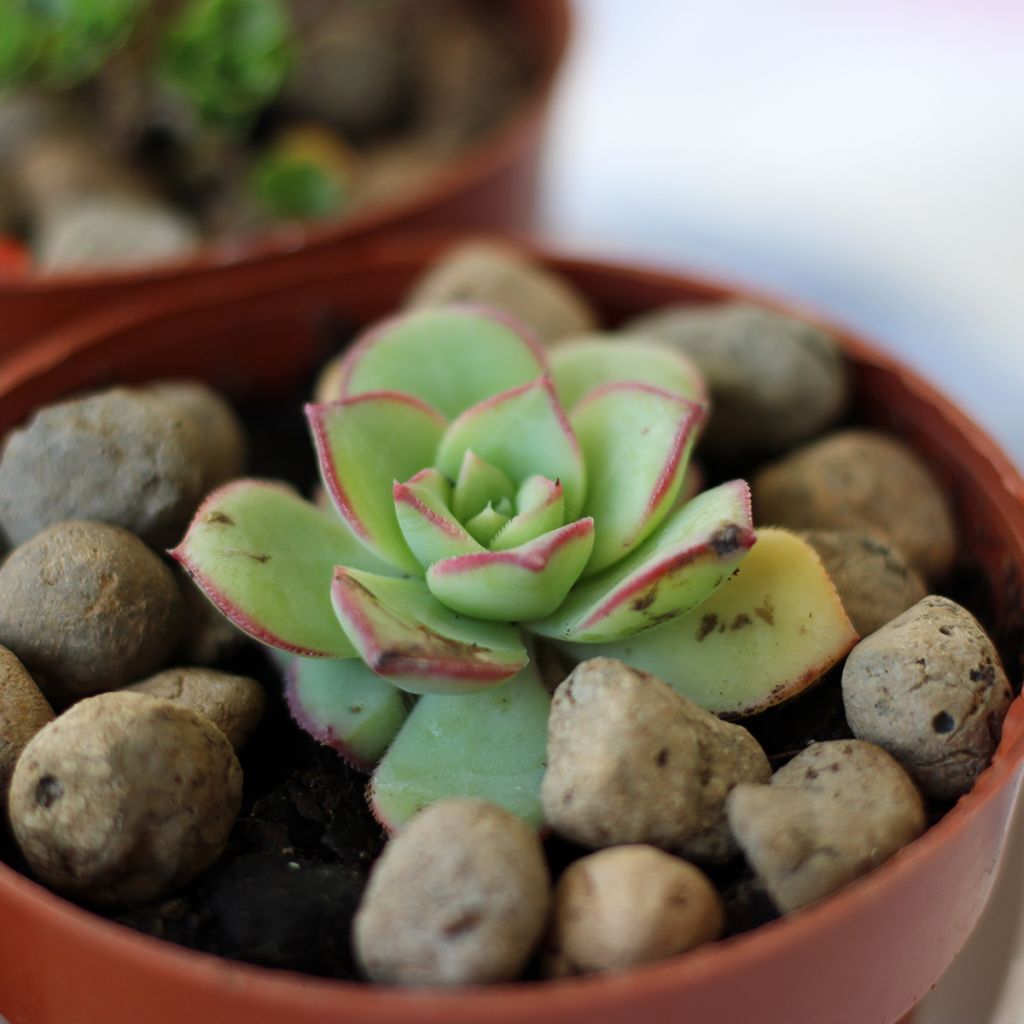
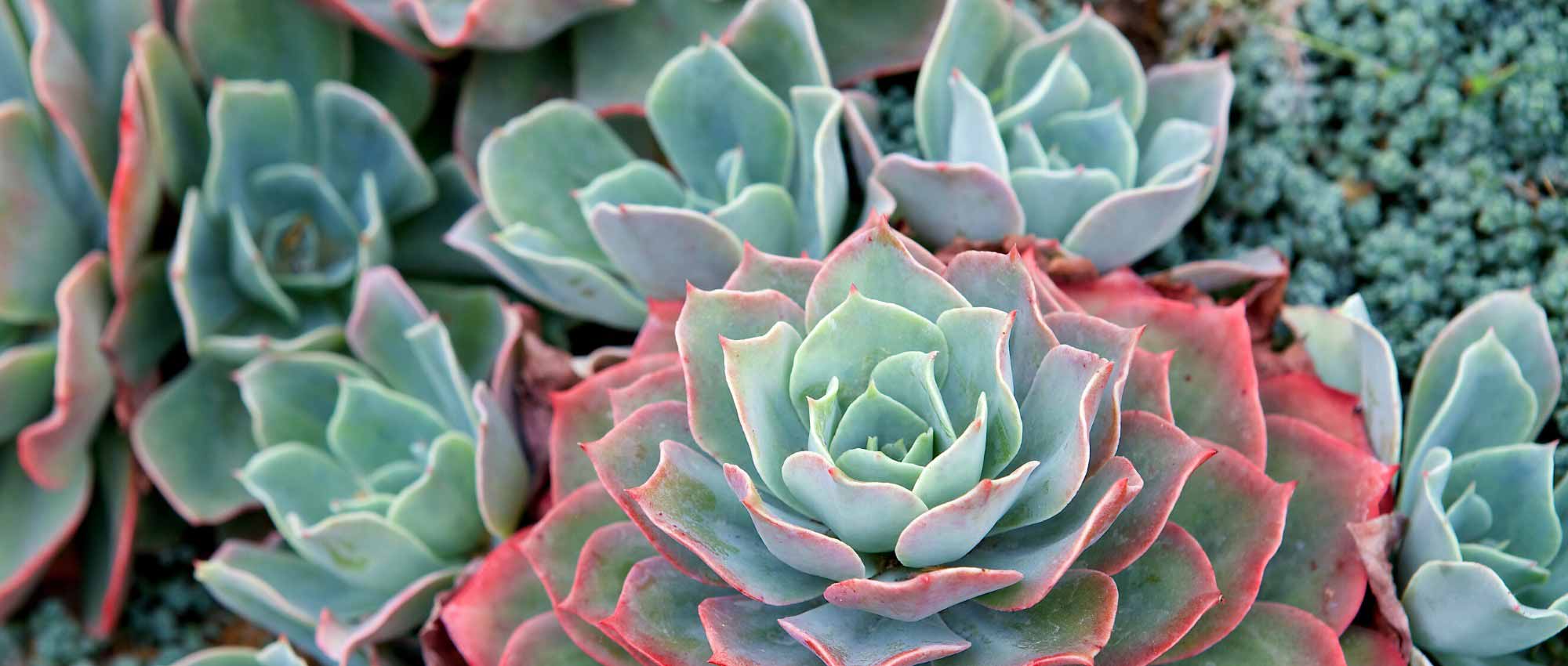
With Echeveria runyonii ‘Pink Edge’, this succulent plant comes in a particularly graphic version, designed for pot cultivation and mineral displays. Its well-defined rosette, in powdery blue-grey tones, is enhanced by a pink edge that becomes more pronounced when the plant receives plenty of light. It is a small succulent plant with character, very decorative on a windowsill, in a conservatory, or in a temperate greenhouse.
Belonging to the Crassulaceae family, Echeveria runyonii or Runyon's echeveria is native to northeastern Mexico, more precisely Tamaulipas, where it grows in dry, rocky environments. It is sometimes found under the botanical synonym Echeveria runyonii var. macabeana.
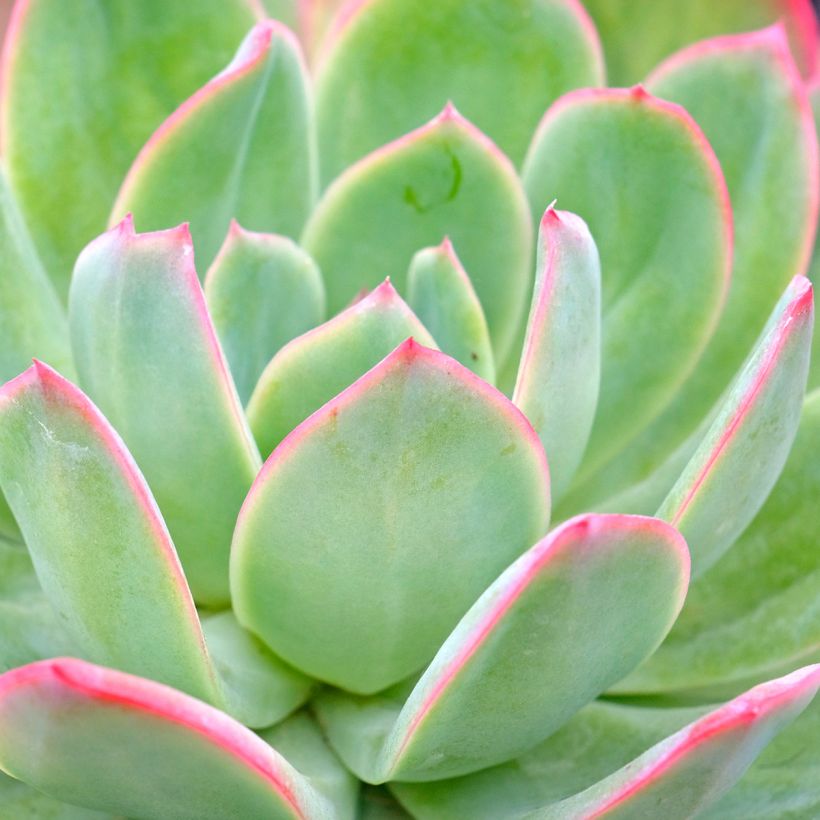
The cultivar ‘Pink Edge’ corresponds to a widely distributed horticultural selection, also sold under the name ‘Ruchina’. The plant forms a rosette 10 to 15 cm in diameter and spreads by offsets. The rosette is composed of thick, spatulate leaves with a softly pointed tip. Their colour is a very light blue-green to pearly, depending on exposure, covered with a bloom. The leaf edges take on a more or less intense pink hue depending on the light. The rosette may send up slender stalks bearing small bell-shaped flowers in yellow-orange to orange-pink. It is generally considered non-toxic to cats and dogs, although it is still preferable to avoid ingestion.
Indoors, this plant requires bright light (morning sun), a rather dry room, and thrives between 15 and 25°C. Avoid exposing it to temperatures below 5°C. Suitable for beginners, it mainly fears lack of light and excess moisture at the root level, which cause it to decline faster than drought.
You can take your Echeveria ‘Pink Edge’ outside in spring, when nights consistently stay above 10°C. Place it in very bright light with morning sun, acclimatising it over 7 to 10 days, and avoid spots where it gets repeated rain (the growing medium and rosette must dry quickly). Bring it back inside as soon as nights drop below 10°C again.
To showcase it, choose a container made of stoneware, polished concrete, or matte ceramic, and arrange a mineral mulch to accentuate its clean lines. It is perfect on a shelf, in an office near a window, or in a "dry garden" style display in a shallow bowl. Pair it with plants having the same needs, such as Aeonium haworthii, Kalanchoe thyrsiflora 'Bronze Sculpture', Opuntia microdasys var. rufida or Euphorbia globosa.
Echeveria runyonii 'Pink Edge' in pictures
Foliage
Plant habit
Flowering
Botanical data
Echeveria
runyonii
'Pink Edge'
Crassulaceae
North America
Location
Location
Maintenance & care
Watering tips
Potting advice, substrates and fertilisers
Houseplant care
Disease and pest advice
Maintenance & care
Planting & care advice
-
-
-
-
-

-
-
-
This item has not been reviewed yet - be the first to leave a review about it.
Recently viewed products
Haven't found what you were looking for?
Hardiness is the lowest winter temperature a plant can endure without suffering serious damage or even dying. However, hardiness is affected by location (a sheltered area, such as a patio), protection (winter cover) and soil type (hardiness is improved by well-drained soil).

The flowering period indicated on our website applies to countries and regions located in USDA zone 8 (France, the United Kingdom, Ireland, the Netherlands, etc.)
It will vary according to where you live:- In zones 9 to 10 (Italy, Spain, Greece, etc.), flowering will occur about 2 to 4 weeks earlier.
- In zones 6 to 7 (Germany, Poland, Slovenia, and lower mountainous regions), flowering will be delayed by 2 to 3 weeks.
- In zone 5 (Central Europe, Scandinavia), blooming will be delayed by 3 to 5 weeks.
In temperate climates, pruning of spring-flowering shrubs (forsythia, spireas, etc.) should be done just after flowering.
Pruning of summer-flowering shrubs (Indian Lilac, Perovskia, etc.) can be done in winter or spring.
In cold regions as well as with frost-sensitive plants, avoid pruning too early when severe frosts may still occur.
The planting period indicated on our website applies to countries and regions located in USDA zone 8 (France, United Kingdom, Ireland, Netherlands).
It will vary according to where you live:
- In Mediterranean zones (Marseille, Madrid, Milan, etc.), autumn and winter are the best planting periods.
- In continental zones (Strasbourg, Munich, Vienna, etc.), delay planting by 2 to 3 weeks in spring and bring it forward by 2 to 4 weeks in autumn.
- In mountainous regions (the Alps, Pyrenees, Carpathians, etc.), it is best to plant in late spring (May-June) or late summer (August-September).
The harvesting period indicated on our website applies to countries and regions in USDA zone 8 (France, England, Ireland, the Netherlands).
In colder areas (Scandinavia, Poland, Austria...) fruit and vegetable harvests are likely to be delayed by 3-4 weeks.
In warmer areas (Italy, Spain, Greece, etc.), harvesting will probably take place earlier, depending on weather conditions.
The sowing periods indicated on our website apply to countries and regions within USDA Zone 8 (France, UK, Ireland, Netherlands).
In colder areas (Scandinavia, Poland, Austria...), delay any outdoor sowing by 3-4 weeks, or sow under glass.
In warmer climes (Italy, Spain, Greece, etc.), bring outdoor sowing forward by a few weeks.
Shipping country and language
Your country of residence may be:
Your country of residence is:
For a better user experience on our website, you can select:
Your shipping country:
-
 Austria
-
 Belgium
-
 Bosnia & Herzegovina
-
 Bulgaria
-
 Croatia
-
 Cyprus
-
 Czechia
-
 Denmark
-
 Estonia
-
 Finland
-
 France
-
 Germany
-
 Greece
-
 Hungary
-
 Iceland
-
 Ireland
-
 Italy
Italy
-
 Latvia
-
 Liechtenstein
-
 Lithuania
-
 Luxembourg
-
 Malta
Malta
-
 Netherlands
-
 Poland
-
 Portugal
-
 Romania
-
 Serbia
-
 Slovakia
-
 Slovenia
-
 Spain
Spain
-
 Sweden
-
 Switzerland
Language:
-
French
-
 English
-
Spanish
-
Italian
-
German
-
Portuguese
-
Dutch
-
Finnish
My Account
Hello
My wish lists
My cart
Log in / Register
Existing customer?
This form is protected by reCAPTCHA - the Google Privacy Policy and Terms of Service apply.
New customer?
Create an account to track your orders, access our customer service and, if you wish, make the most of our upcoming offers.