Planting perennials and shrubs
Our advice on where, when and how to plant them
Contents
Perennials and shrubs have the advantage of being long-lived plants that enhance the garden for years to come, adding structure and colour year after year. However, to ensure that they establish well and grow successfully, it is essential to choose their position carefully according to their specific needs and, of course, to take care when planting them by preparing the soil properly. We offer all our advice for successfully planting your perennials and shrubs, helping your plants to thrive in your garden!

Where to plant perennials and shrubs?
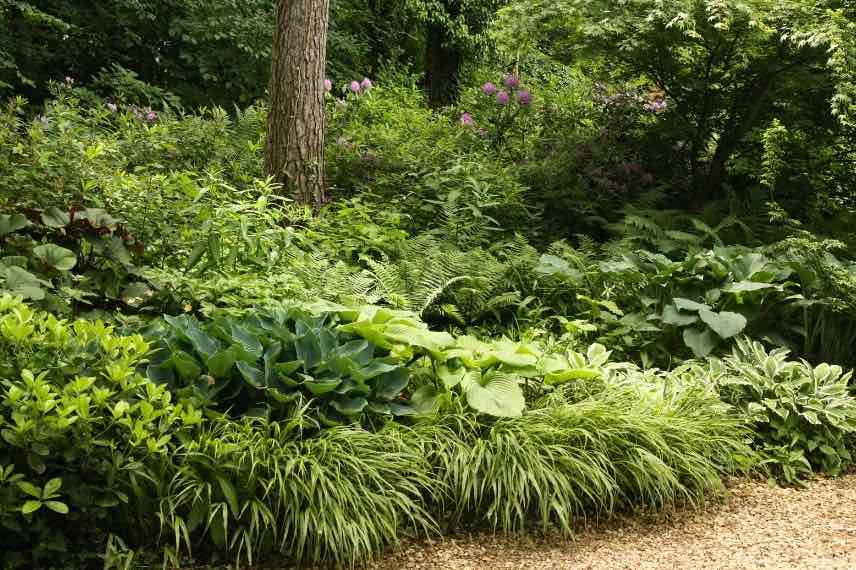
Choosing the right location is one of the most important steps when planting your perennials and shrubs. For each plant, you need to take into account its requirements in terms of aspect, soil and protection from the wind. For example, plants that thrive in full sun, such as asters and lavender, need at least six hours of direct sunlight a day. Conversely, some plants, such as hydrangeas and hostas, should be planted in a shady or partially shaded spot to prevent their leaves from scorching in overly intense sunlight.
Before planting, take the time to observe your garden, noting its exposure to the sun at different times of day, as well as areas sheltered from the wind. The most delicate plants can suffer in places that are too exposed to draughts.
Resist the temptation to place a shade-loving shrub on a south-facing terrace or a Mediterranean perennial in a north-facing spot… The quality of establishment, growth and future flowering depends on it!
Also take into account the mature size of the plants you install. We often tend to underestimate how much space they will need when fully grown. To prevent them from becoming too cumbersome or overwhelming their neighbours, find out about their future development. As a general rule, place the tallest shrubs at the back of beds, medium-sized plants in the centre, and smaller plants or groundcover plants at the front. This helps to structure the space visually while also making it easier to access the plants at the back.
Plant colour is also an important factor to take into account. You can create visual impact by grouping plants with similar colours together or by creating contrasts with bright colours. For example, you can pair yellow and orange perennials for a warm, sunny effect, or combine plants with blue and purple flowers for a cooler, more peaceful atmosphere.
In addition, you can play with textures by pairing foliage with different shapes and sizes to add depth and interest to your garden. By keeping these key elements in mind when planning your garden, you can create a beautiful, harmonious space for your shrubs and perennials.
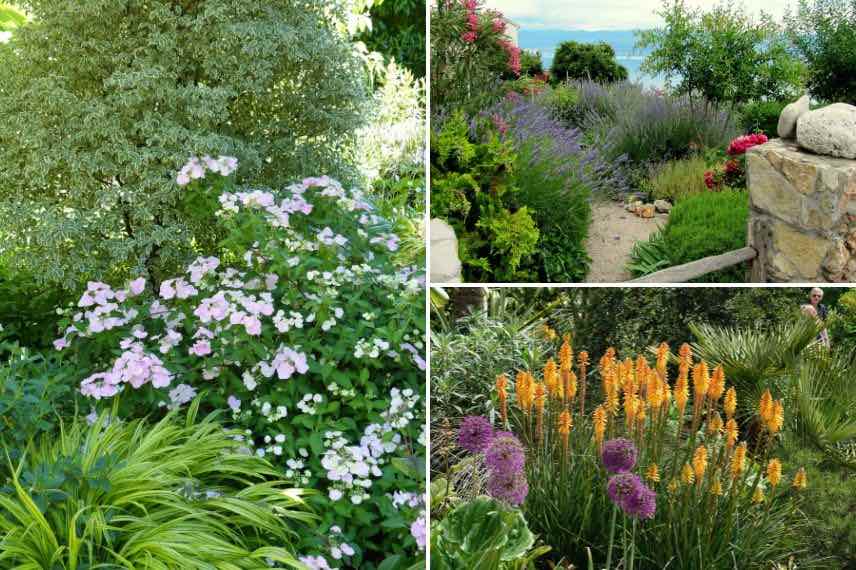
Location is one of the first factors to take into account when planting perennials and shrubs
What type of soil should they be planted in?
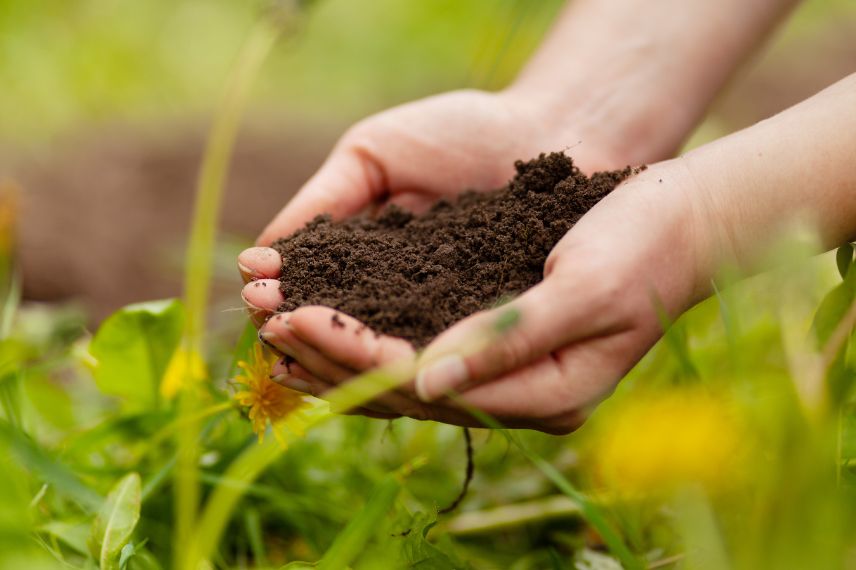
When planting, take into account the nature of your soil, as well as the specific needs of your plant.
- For a plant that tolerates different soil types, use soil from your garden, to which you can add half potting compost from Promesse de fleurs to “pamper” your latest addition.
- Ericaceous plants need acidic soil. If your garden soil is not acidic, prepare a very large planting hole and fill it with heather soil. Each year, you will need to “top-dress” the soil by replacing a few centimetres of soil with heather soil.
- Plants that need humus-bearing soil (fairly light, free-draining soil, rich in humus, such as woodland soil) are sensitive to drought, particularly during hot summer weather. When planting, create a watering basin around the plant. If your garden soil is heavy (clayey) or very free-draining (sandy), add leaf mould, turf or well-rotted compost when planting.
- Conversely, plants that need dry soil are sensitive to stagnant moisture, particularly in winter, and need gravel or pouzzolana added if your garden soil is heavy. You can also plant them on a slightly raised mound to encourage water drainage.
- To ensure healthy growth, the soil must be rich in nutrients. If your soil is poor, you can add compost or organic fertiliser to improve its quality.
Discover other Perennials
View all →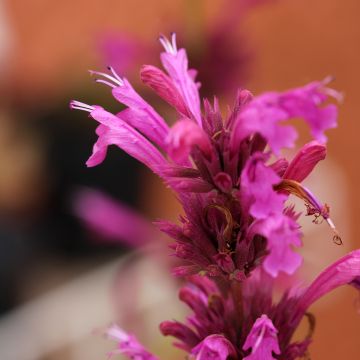
Available in 1 sizes
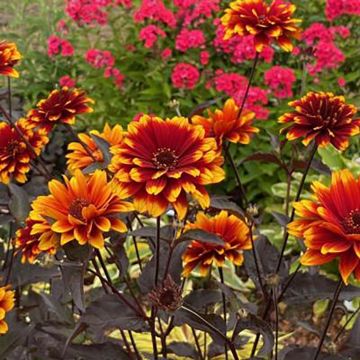
Available in 1 sizes
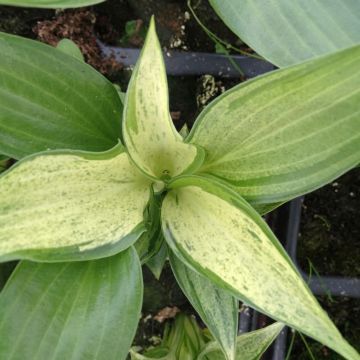
Available in 1 sizes
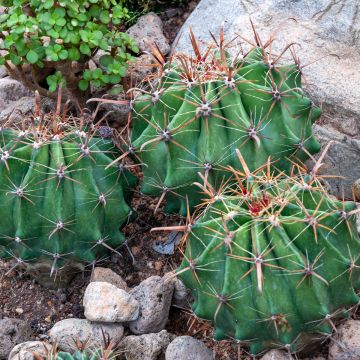
Available in 1 sizes

Available in 1 sizes
Available in 1 sizes
Available in 2 sizes
Available in 1 sizes
Available in 1 sizes
Available in 1 sizes
When to plant perennials and shrubs?
How to plant perennials and shrubs?
Planting a shrub or perennial may vary slightly depending on the plants you choose, but here are the general steps to follow for successful planting:
- Prepare the soil: Dig a hole approximately twice the width and depth of the rootball. Loosen the bottom of the planting hole thoroughly: your plants will establish much better in loosened soil. Improve the soil with compost or an organic soil improver to enhance its quality.
- Soak your potted plants in a bowl of water. For small pots (9cm), 15 minutes is enough; for larger pots, allow at least an hour. This enables the roots to hydrate properly and helps the plants establish.
- If you are planting several plants in a bed, leave a distance between each plant corresponding to its spread at maturity. A lack of space can cause competition between the plants for resources and hinder their development.
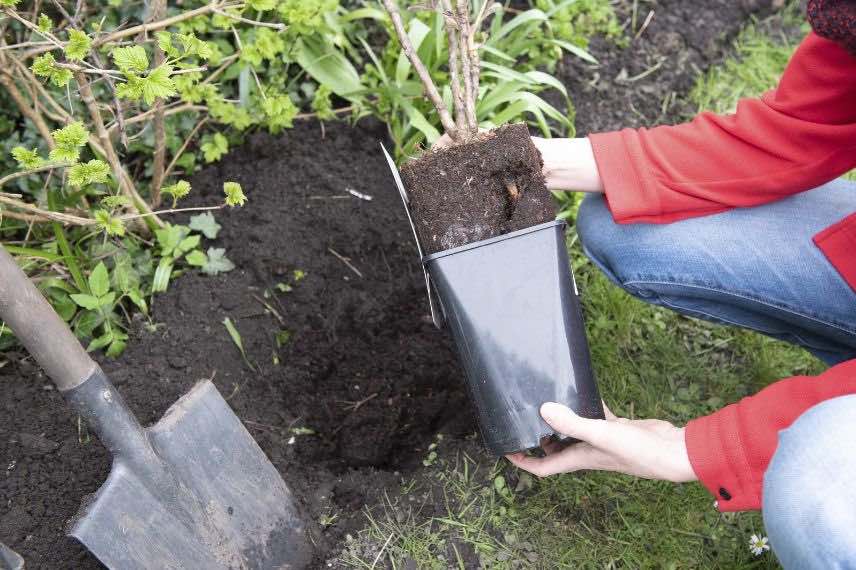
- Gently remove the plant from its pot by tapping the sides to loosen the rootball. If the roots are tangled or too dense, gently loosen them with your fingers to encourage them to spread into the soil.
- Place the rootball in the centre of the hole, ensuring that the top of the rootball is level with the soil, neither too deeply buried nor too exposed.
- Backfill with the excavated soil, then gently firm it down with your hands to remove air pockets, without compacting the soil too much, which could hinder the roots.
- Once the plant is in place, water generously to help the soil settle around the roots and ensure good contact with the soil.
- Add a layer of organic mulch (straw, wood chippings, fallen leaves) around the plant. This helps retain moisture, reduces weed growth, and protects the roots from the cold in winter and the heat in summer.
- Water regularly during the first few weeks to keep the soil slightly moist, even for drought-tolerant plants. Once they are well established, adjust watering according to the specific needs of each plant.
- Subscribe!
- Contents
This form is protected by reCAPTCHA - the Google Privacy Policy and Terms of Service apply.