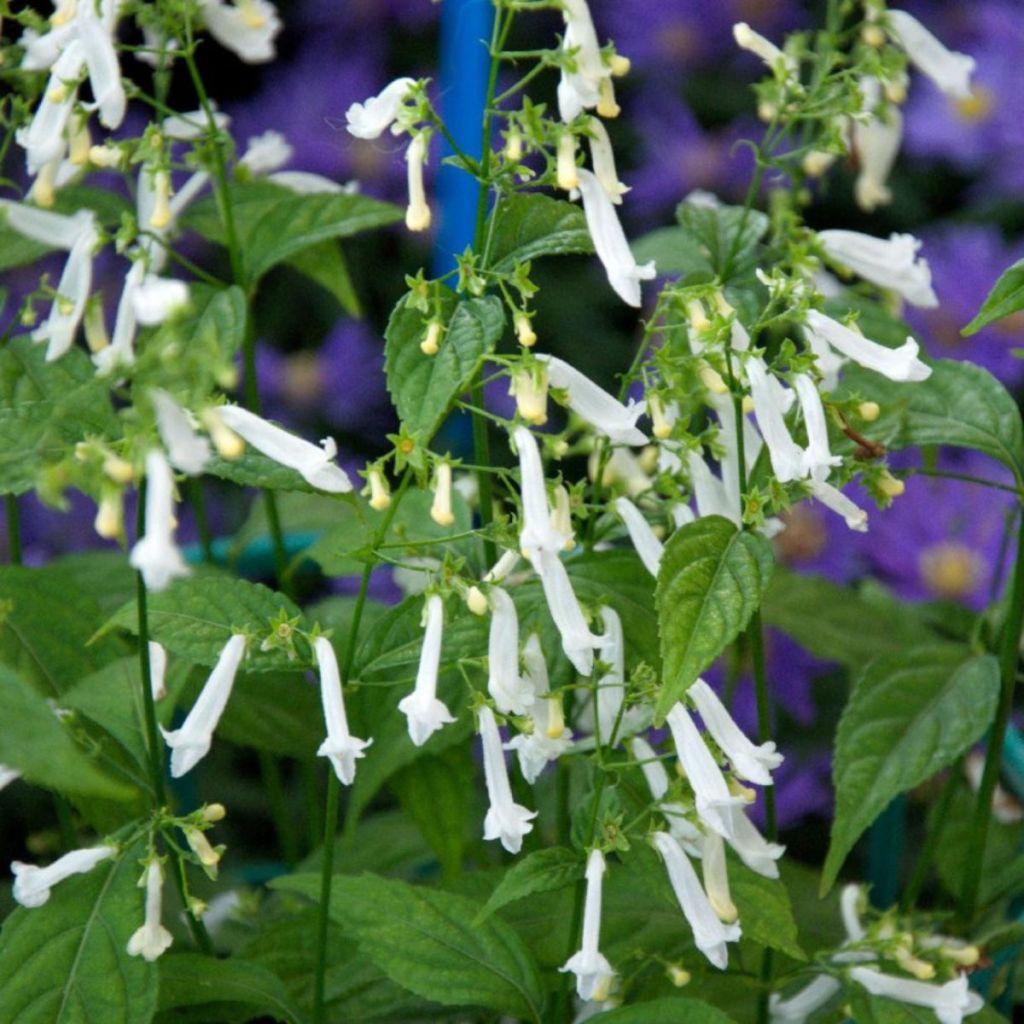
Isodon longitubus Tube Socks - Rabdosia
Isodon longitubus Tube Socks - Rabdosia
Isodon longitubus Tube Socks
Back-to-school special offer!
Get €10 off for every €50 you spend! And get up to €40 off on a single order.
How does it work?
1. Shop your favourites
Add your favourite plants to your basket. For every €50 you spend (excluding delivery charges, store credit and the plastic-free option), you’ll receive a €10 voucher.
€50 spent = €10 voucher
€100 spent = €20 voucher
€150 spent = €30 voucher
€200 spent = €40 voucher
2. Place your order
Once your basket reaches one of the spending thresholds, place your order. You can even choose your delivery date!
3. Receive your voucher
As soon as your order has been shipped, you’ll receive an email containing your personal voucher code and its value.
4. Use it on your next order
Your voucher is valid for 90 days from the date you receive it. It can be used once only, on a new order worth at least the value of the voucher, excluding delivery charges.
Please note: Vouchers can be combined with other offers, but cannot be split or refunded.
Home or relay delivery (depending on size and destination)
Important: You may be charged customs duties by your country’s customs authorities upon delivery.
Schedule delivery date,
and select date in basket
This plant carries a 12 months recovery warranty
More information
We guarantee the quality of our plants for a full growing cycle, and will replace at our expense any plant that fails to recover under normal climatic and planting conditions.
Would this plant suit my garden?
Set up your Plantfit profile →
Description
Isodon longitubus ‘Tube Socks’, still sold under the name Rabdosia longituba ‘Tube Socks’, is a tall partial shade perennial that really comes into its own at the end of the season. It forms a fairly insignificant clump during summer, then its stems bear fine, white, and very luminous flowers. Its elongated flowers are like small sage tubes, clearly visible in shaded spots. Plant white isodon at the foot of deciduous shrubs, at the edge of a border, or in a moist bed.
This variety belongs to the Lamiaceae family, which includes salvia, mint and plectranthus. The species Isodon longitubus grows naturally in southeastern China and central and southern Japan, particularly in mountain forests, at edges, and in damp sites under light canopy. Its main botanical synonyms are Plectranthus longitubus, Rabdosia longituba, Amethystanthus longitubus and Isodon longitubus f. albiflorus.
'Tube Socks' is a white form discovered in Japan, then introduced and named by American horticulturist Barry Yinger. It is a herbaceous deciduous perennial: its stems die back as soon as frost arrives, and the crown regrows fairly late in spring. The plant forms an erect clump 1 to 1.20m tall, sometimes more in rich soil. Its spread generally reaches 60 to 80cm. The thin, green to slightly purple stems are quadrangular, as with many Lamiaceae. The leaves are opposite, ovate to lanceolate, 7 to 15cm long, with a clearly toothed margin. Their light green colour can take on reddish tints at the end of summer. Flowering occurs in October and November. The flowers are tubular, white to creamy white, 2cm long, ending in two open lips. They are arranged in loose terminal clusters 20 to 30cm long.
Position rabdosia 'Tube Socks' at the back of a slightly shaded bed, under deep-rooting deciduous trees, or in front of a hedge. Its flowering brightens dark foliage and pairs well with blue or purplish blooms. Pair it, for example, with Actaea simplex ‘Brunette’, Aconitum carmichaelii ‘Arendsii’ and Fuchsia magellanica ‘Hawkshead’.
Report an error about the product description
Flowering
Foliage
Plant habit
Botanical data
Isodon
longitubus
Tube Socks
Lamiaceae
Rabdosia longituba ‘Tube Socks’, Isodon longitubus f. albiflorus, Plectranthus longitubus, Amethystanthus longitubus
Cultivar or hybrid, Southeast Asia
Planting and care
Isodon longitubus 'Tube Socks' is hardy beyond -15°C and appreciates rich, humus-bearing soils that are slightly acidic, neutral, or even slightly calcareous, which remain moist during the growing season. Choose a position sheltered from cold winds that would scorch its late flowers. For example, under the cover of trees or protected by a hedge. This plant prefers semi-shade, but tolerates dense shade well and also grows in (non-scorching) sun if the soil remains constantly moist. It is best to plant it in spring to allow it time to acclimatise properly. It seems to tolerate moderate drought, but performs best in soil that retains some moisture. A layer of compost spread around the base of the plant will be beneficial. The stems may sometimes flop over; you can let them fall naturally, provide a stake, or lean them on neighbouring plants. The stems die back late. We advise leaving them in place during winter, and cutting back the clump in spring before growth begins to allow for self-seeding. Rabdosia can be propagated by division in spring, basal cuttings in September, or sowing seeds in spring under a cold frame.
Planting period
Intended location
Care
Planting & care advice
-
-
-

-
-
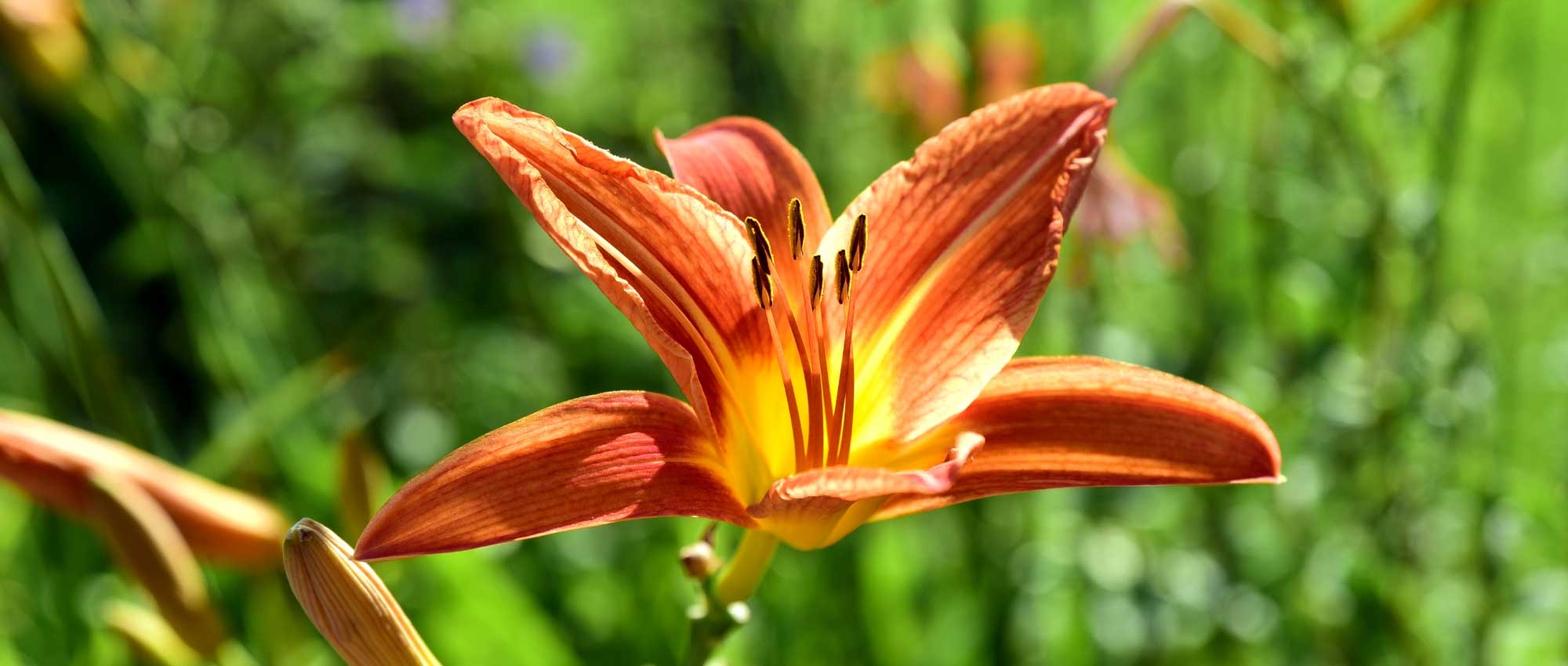
-
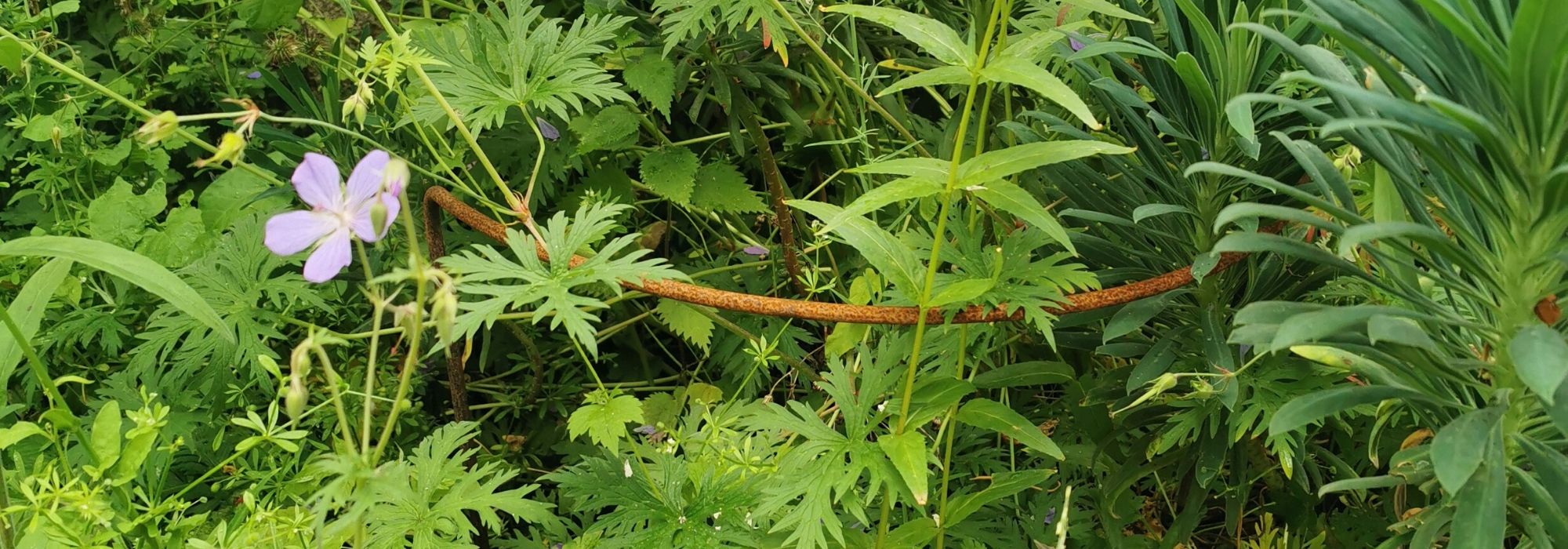
-
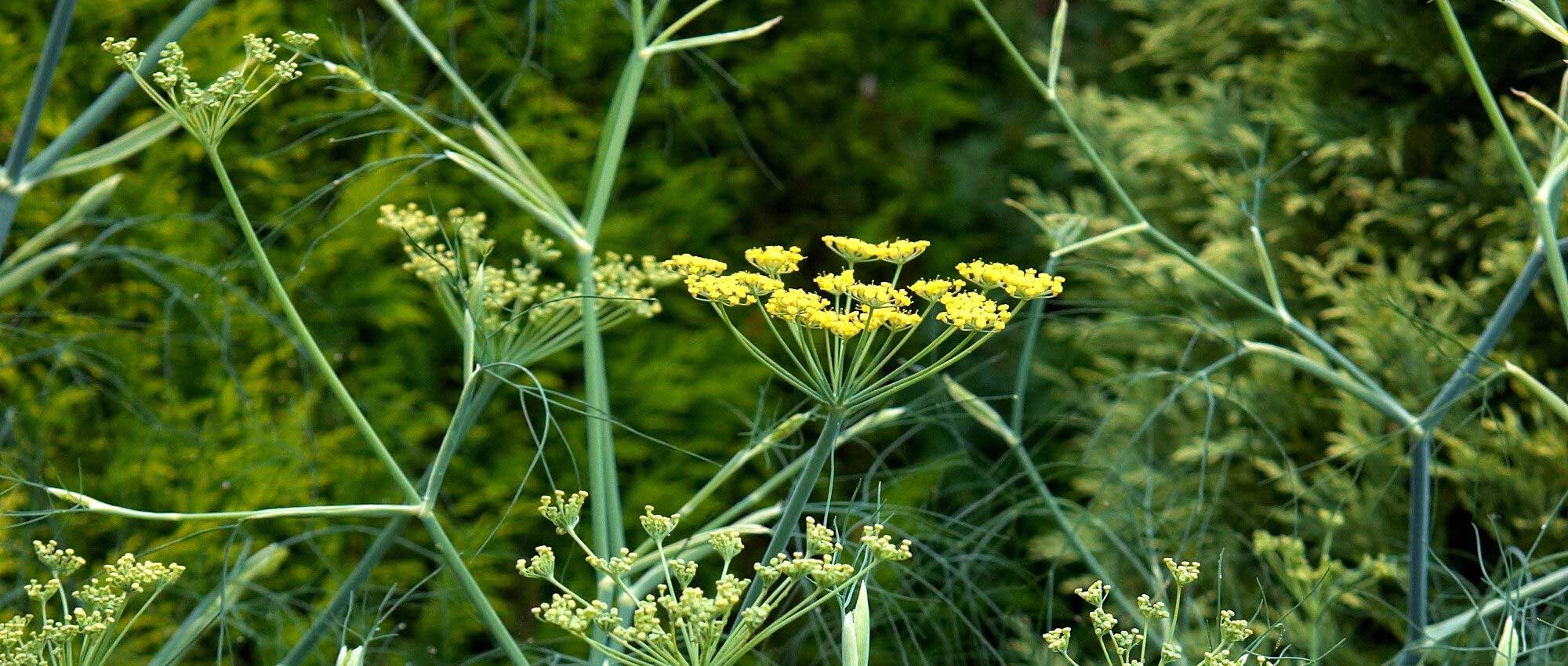
-

This item has not been reviewed yet - be the first to leave a review about it.
Recently viewed products
Haven't found what you were looking for?
Hardiness is the lowest winter temperature a plant can endure without suffering serious damage or even dying. However, hardiness is affected by location (a sheltered area, such as a patio), protection (winter cover) and soil type (hardiness is improved by well-drained soil).

The flowering period indicated on our website applies to countries and regions located in USDA zone 8 (France, the United Kingdom, Ireland, the Netherlands, etc.)
It will vary according to where you live:- In zones 9 to 10 (Italy, Spain, Greece, etc.), flowering will occur about 2 to 4 weeks earlier.
- In zones 6 to 7 (Germany, Poland, Slovenia, and lower mountainous regions), flowering will be delayed by 2 to 3 weeks.
- In zone 5 (Central Europe, Scandinavia), blooming will be delayed by 3 to 5 weeks.
In temperate climates, pruning of spring-flowering shrubs (forsythia, spireas, etc.) should be done just after flowering.
Pruning of summer-flowering shrubs (Indian Lilac, Perovskia, etc.) can be done in winter or spring.
In cold regions as well as with frost-sensitive plants, avoid pruning too early when severe frosts may still occur.
The planting period indicated on our website applies to countries and regions located in USDA zone 8 (France, United Kingdom, Ireland, Netherlands).
It will vary according to where you live:
- In Mediterranean zones (Marseille, Madrid, Milan, etc.), autumn and winter are the best planting periods.
- In continental zones (Strasbourg, Munich, Vienna, etc.), delay planting by 2 to 3 weeks in spring and bring it forward by 2 to 4 weeks in autumn.
- In mountainous regions (the Alps, Pyrenees, Carpathians, etc.), it is best to plant in late spring (May-June) or late summer (August-September).
The harvesting period indicated on our website applies to countries and regions in USDA zone 8 (France, England, Ireland, the Netherlands).
In colder areas (Scandinavia, Poland, Austria...) fruit and vegetable harvests are likely to be delayed by 3-4 weeks.
In warmer areas (Italy, Spain, Greece, etc.), harvesting will probably take place earlier, depending on weather conditions.
The sowing periods indicated on our website apply to countries and regions within USDA Zone 8 (France, UK, Ireland, Netherlands).
In colder areas (Scandinavia, Poland, Austria...), delay any outdoor sowing by 3-4 weeks, or sow under glass.
In warmer climes (Italy, Spain, Greece, etc.), bring outdoor sowing forward by a few weeks.
Shipping country and language
Your country of residence may be:
Your country of residence is:
For a better user experience on our website, you can select:
Your shipping country:
-
 Austria
-
 Belgium
-
 Bosnia & Herzegovina
-
 Bulgaria
-
 Croatia
-
 Cyprus
-
 Czechia
-
 Denmark
-
 Estonia
-
 Finland
-
 France
-
 Germany
-
 Greece
-
 Hungary
-
 Iceland
-
 Ireland
-
 Italy
Italy
-
 Latvia
-
 Liechtenstein
-
 Lithuania
-
 Luxembourg
-
 Malta
Malta
-
 Netherlands
-
 Poland
-
 Portugal
-
 Romania
-
 Serbia
-
 Slovakia
-
 Slovenia
-
 Spain
Spain
-
 Sweden
-
 Switzerland
Language:
-
French
-
 English
-
Spanish
-
Italian
-
German
-
Portuguese
-
Dutch
-
Finnish
My Account
Hello
My wish lists
My cart
Log in / Register
Existing customer?
This form is protected by reCAPTCHA - the Google Privacy Policy and Terms of Service apply.
New customer?
Create an account to track your orders, access our customer service and, if you wish, make the most of our upcoming offers.