Windbreak hedges
Would this plant suit my garden? Set up your Plantfit profile →





Available in 0 sizes
Available in 4 sizes

Available in 0 sizes
Available in 0 sizes
Available in 3 sizes

Available in 2 sizes

Available in 0 sizes
Available in 0 sizes
Available in 0 sizes
Available in 2 sizes
Available in 0 sizes
Available in 2 sizes
Available in 1 sizes

Available in 2 sizes
Available in 4 sizes
Available in 3 sizes
Available in 2 sizes
Available in 2 sizes
Available in 1 sizes
Available in 3 sizes
Available in 1 sizes
Available in 1 sizes
Available in 1 sizes
Available in 2 sizes
Available in 1 sizes
Available in 1 sizes
Available in 1 sizes
Available in 2 sizes

Available in 2 sizes
Available in 3 sizes

Available in 1 sizes
Available in 1 sizes

Available in 1 sizes
Available in 1 sizes
Available in 1 sizes
Available in 3 sizes
Available in 1 sizes
Available in 1 sizes
Available in 1 sizes
Available in 2 sizes

Available in 2 sizes
Available in 2 sizes
Available in 1 sizes
Available in 1 sizes
Available in 1 sizes
Available in 1 sizes
Available in 1 sizes
Available in 2 sizes
Available in 1 sizes
Windbreak hedges are formed of evergreen shrubs and conifers, effective at cutting the wind while forming a durable structure in the garden. Depending on the region and climate, composition can vary; here are a few examples:
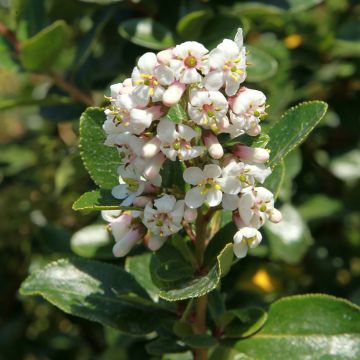
Seaside (sea spray, salty winds, mild winters): Griselinia quickly form a very green hedge. Escallonia Iveyi offers abundant white summer flowering. Pittosporum tobira tolerates pruning well. All are suited to coastal climates.
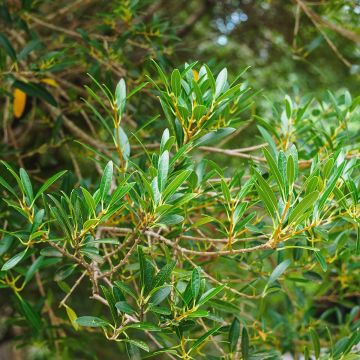
Particularly windy regions: silverberry (Elaeagnus ebbingei) offers very bushy vegetation and fragrant flowers in autumn. Mock privets (Phillyrea), Mediterranean plants, tolerate wind and drought once established; Phillyrea latifolia (broad leaves) and Phillyrea angustifolia (finer leaves, more compact habit) are suitable for clipped or informal hedges.
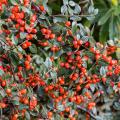
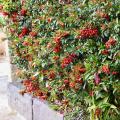
All regions and cold climates: Taxus x media ‘Hillii’ is an interesting yew for forming a narrow, very hardy hedge, while firethorn, Pyracantha, combines evergreen foliage, nectar-rich flowering, decorative berries and thorns. Leyland Cypress (Cupressocyparis leylandii) can be pruned and forms a very dense evergreen hedge.
Plant your windbreak hedge preferably in autumn, water regularly for the first two summers (the wind dries quickly), prune once or twice a year if necessary. The two main challenges in very exposed ground are dehydration (the wind dries the leaves and soil) and the loosening/tearing out of young plants before they are well rooted. It is therefore advisable to stake them.
To find out more, also read our article « 7 Trees for a Windbreak ».
Haven't found what you were looking for?