A member of the Lythraceae family (formerly Punicaceae), the ‘Lyubimy’ pomegranate is a selection originating from southern Russia introduced to North America under the trade name Favorite™ in the early 1990s by the nursery One Green World. The Russian name Lyubimy means "favourite". Synonyms for the cultivar: ‘Lyubimy’, ‘Lyubimyi’, ‘Lyubimyj’, Favorite™; Lubimi is also encountered in English-speaking commerce.
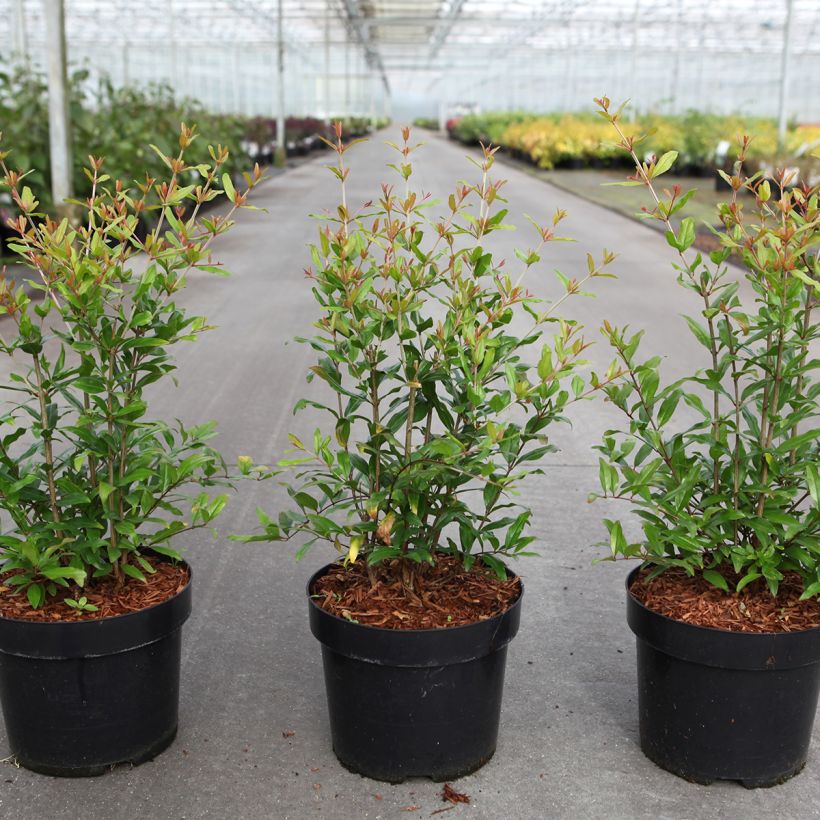
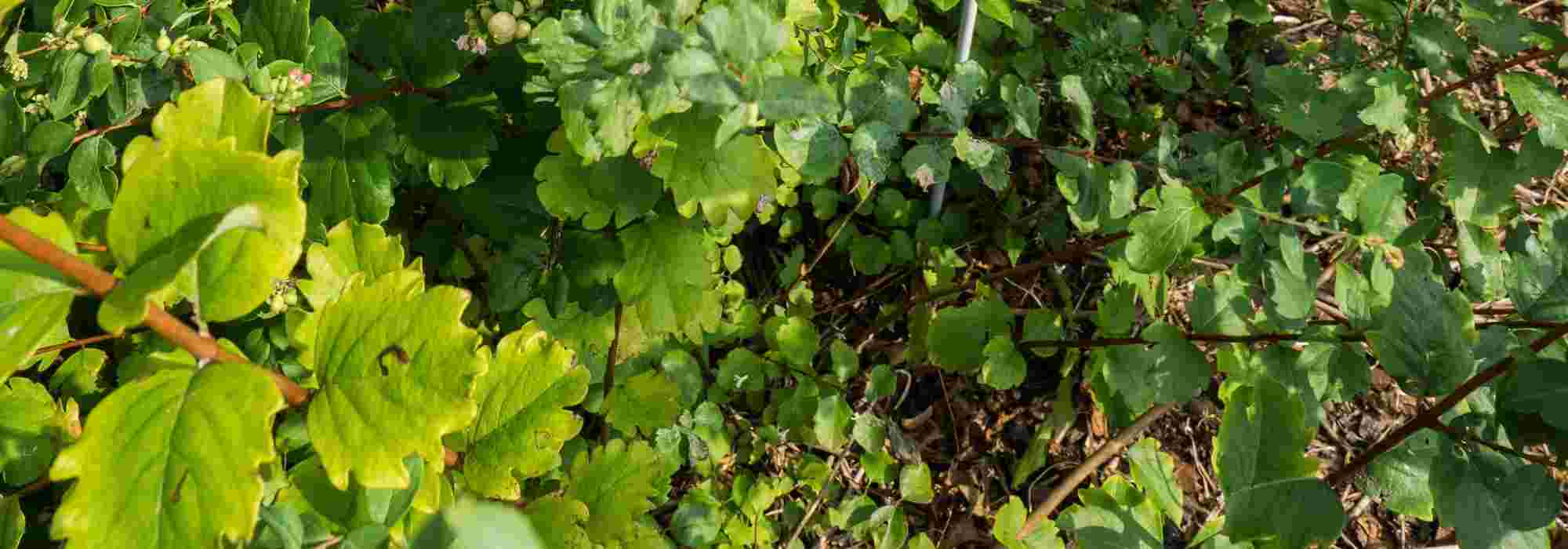
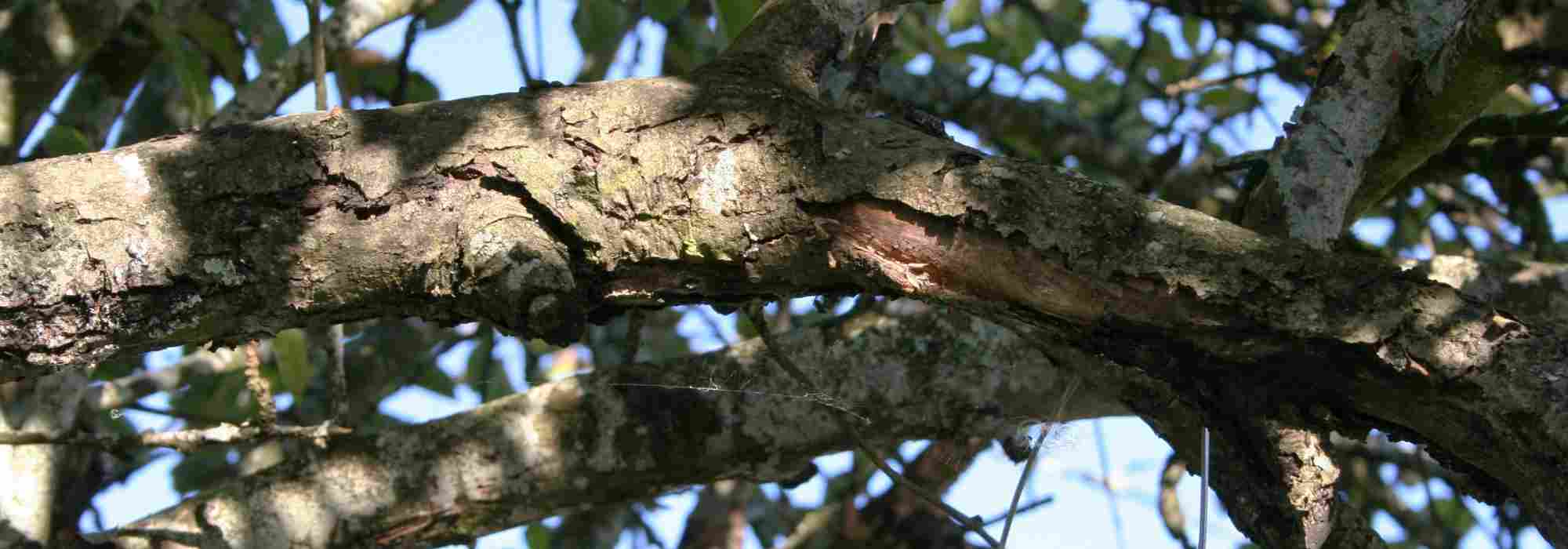
This cultivar is distinguished from the species by a more compact habit, good cold tolerance and reliable fruiting in a continental climate. A bushy and dense shrub, of medium growth, it reaches 1.20 to 1.80 m in height and as much in width after around 10 years; in a container, expect 1 m to 1.20 m depending on the container volume. The young reddish-brown stems sometimes have short thorns; the bark later becomes greyish-brown, more fissured with age. The deciduous, opposite, glossy, medium green foliage turns yellow in autumn before falling. The base may produce suckers over time.
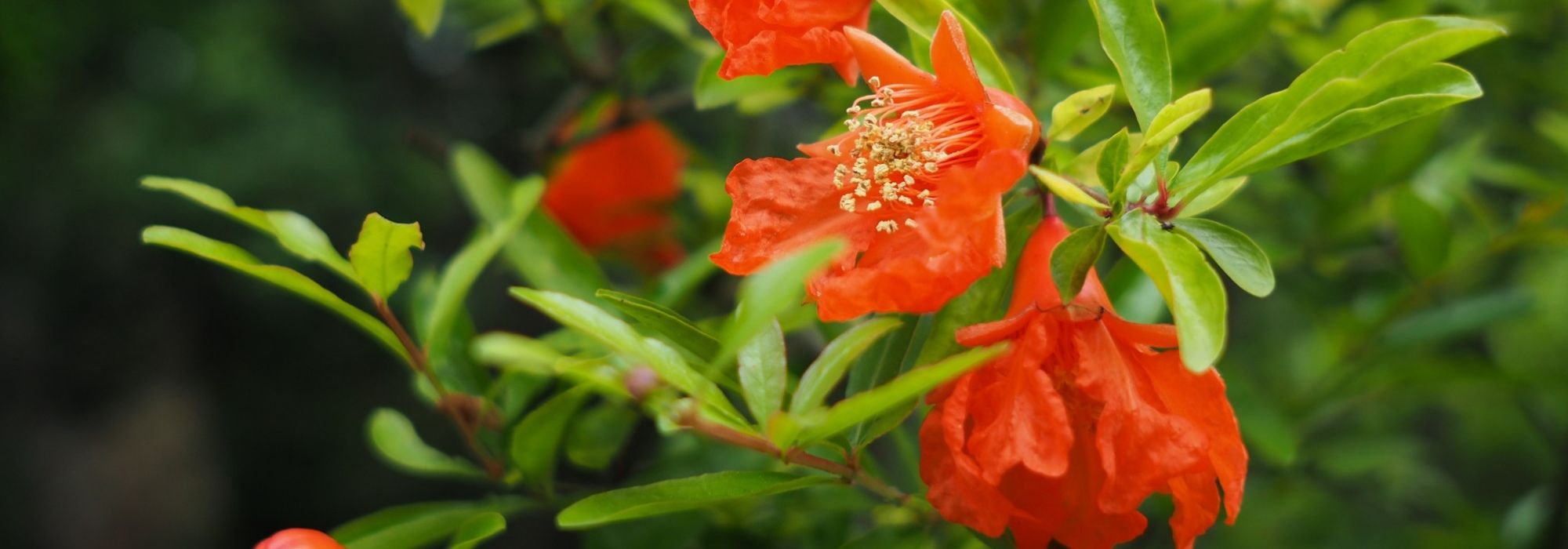
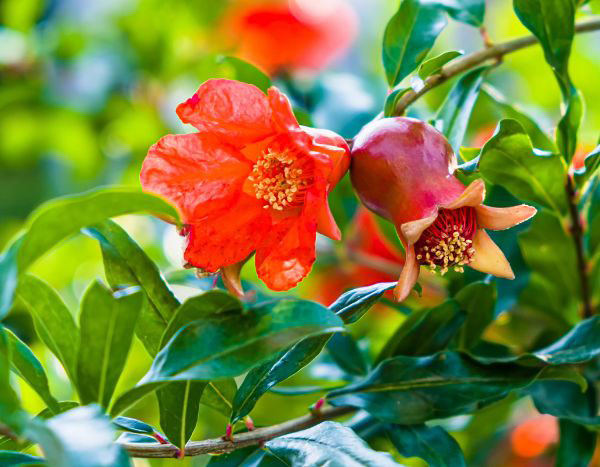
Flowering occurs in May-June, until July, depending on the climate. The nectar-rich flowers are 3–4 cm across and have an orange-red to vermilion corolla and a thick, star-shaped calyx.
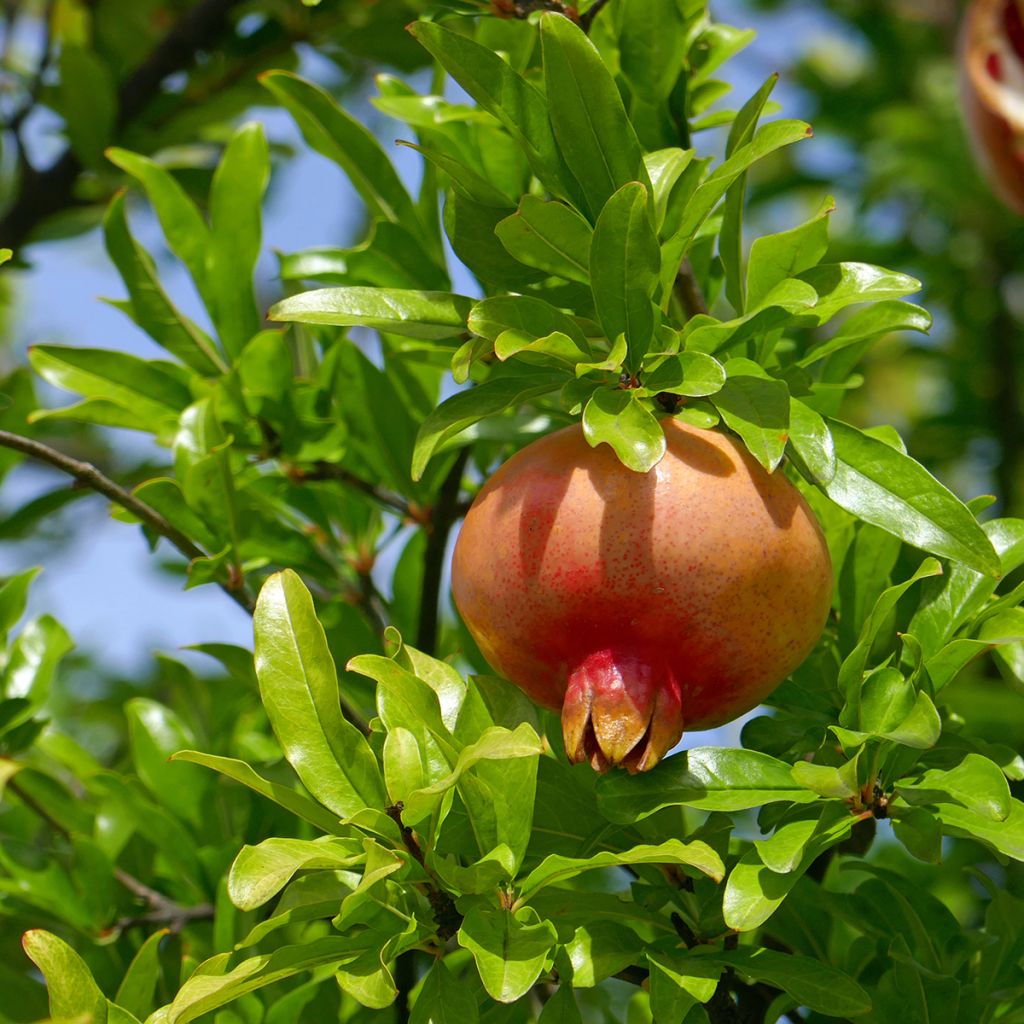
Pomegranates are globular berries 6 to 9 cm in diameter, with a leathery, reddish-orange skin that darkens when ripe. Their flesh consists of numerous pinkish-red, very juicy arils with a sweet-tart flavour; the juice is abundant and well-coloured. The seeds (at the heart of each aril) are of medium firmness. The fruits ripen late in the season: in a warm temperate climate, the harvest takes place from September to October; further north or at altitude, harvest will be late October to November, after a fine late season or when the plant is against a warm wall. 'Lyubimy’ commonly withstands –15 °C in a sheltered position; trial reports from North America mention below –17 °C for established specimens.
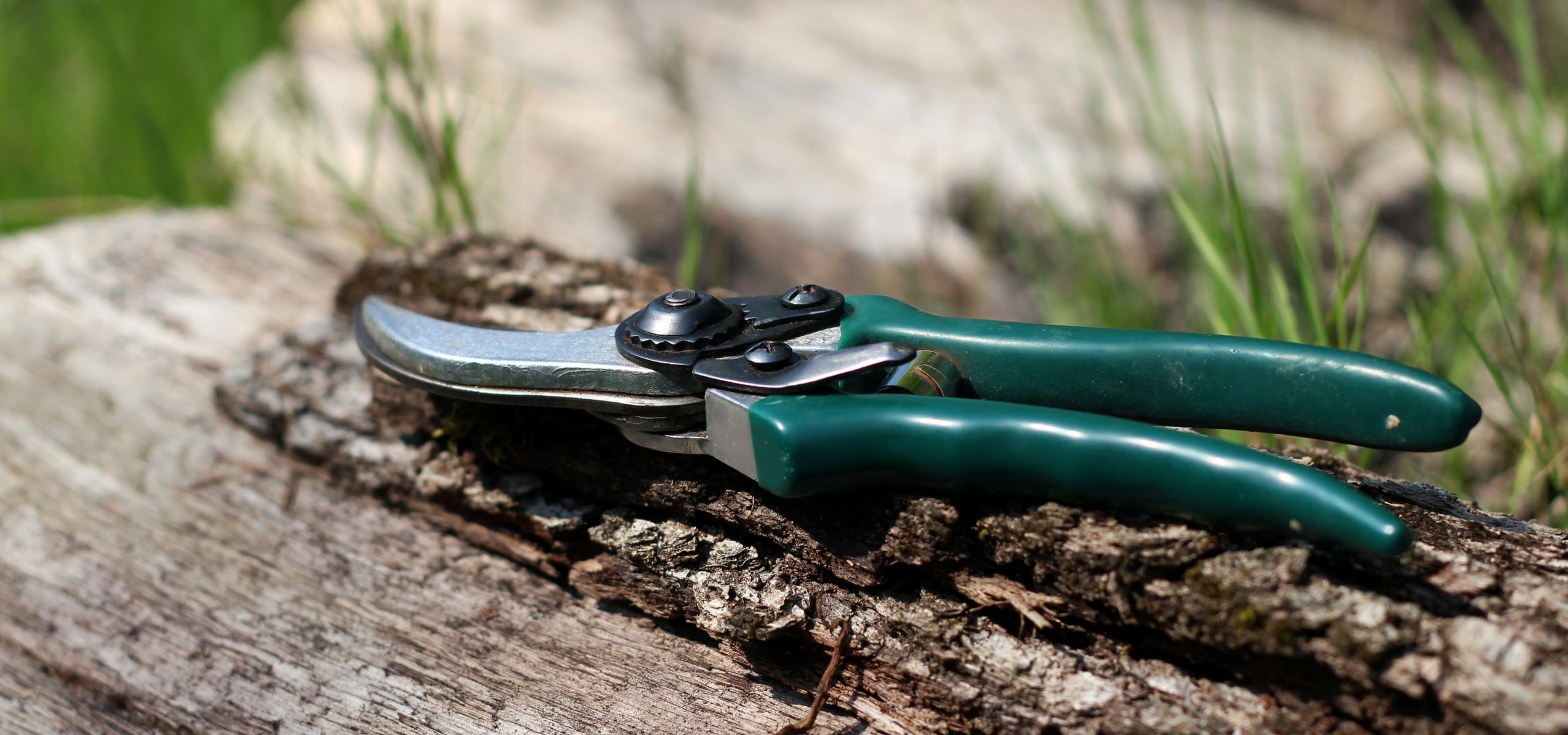
Harvest the pomegranates when the fruit is heavy, when the angular faces flatten, the colour is uniform and a hollow sound is heard when tapped. Cut the fruit with secateurs, leaving a small piece of stalk; avoid pulling, as this injures the fruit and reduces its shelf life. If there is a forecast of rain, pick the fruit to limit splitting.
Storage: do not wash the fruits before storage. Keep them cool (5 °C and 90–95% humidity) for up to 2 months. At room temperature, allow for 1 to 2 weeks. The arils keep for a few days in the refrigerator and freeze very well for later use.
Culinary uses: the arils can be eaten fresh (salads, fresh cheeses, desserts) or pressed into juice. Pomegranate syrup or molasses (reduced juice) serves as a base for sauce or marinade for poultry, lamb and fish across the Near East, the Caucasus and the Mediterranean; it is found in traditional dishes like the Iranian fesenjān. Dried arils are the basis of a spice (anardana) in some Asian cuisines.
The fruiting pomegranate bush thrives in full sun, in a deep, rich, well-drained soil, whether calcareous or clay-sandy. Once well-rooted, it tolerates drought, but regular watering in the first year ensures good rooting. Prune in late winter to remove dead wood, which promotes good aeration of the branches and stimulates flowering. You can use it as a standalone specimen, in a large container or in a hedge composed of Mediterranean fruit trees.