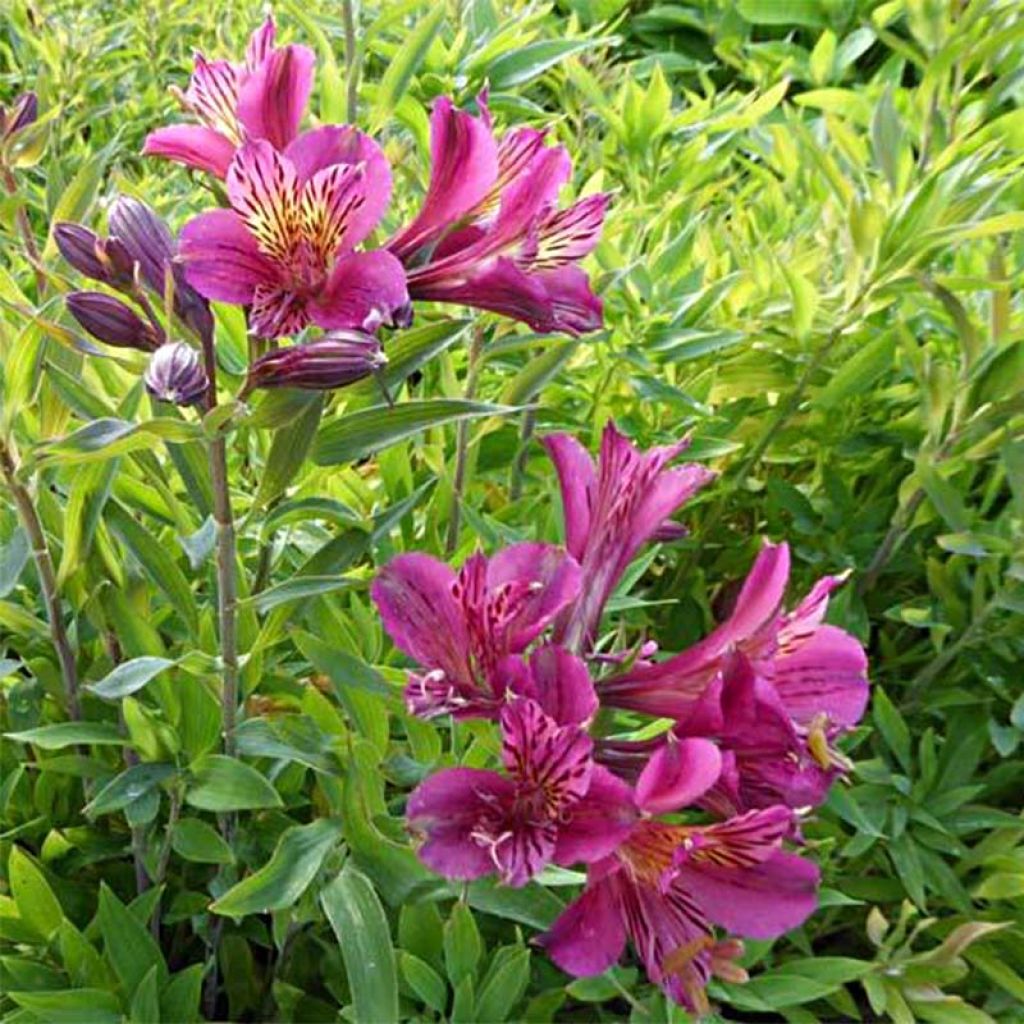
Alstroemeria Mauve Majesty
Alstroemeria Mauve Majesty
Alstroemeria Mauve Majesty
Peruvian Lily, Lily of the Incas
The plant arrived completely dried out.
Marie , 02/09/2024
Back-to-school special offer!
Get €10 off for every €50 you spend! And get up to €40 off on a single order.
How does it work?
1. Shop your favourites
Add your favourite plants to your basket. For every €50 you spend (excluding delivery charges, store credit and the plastic-free option), you’ll receive a €10 voucher.
€50 spent = €10 voucher
€100 spent = €20 voucher
€150 spent = €30 voucher
€200 spent = €40 voucher
2. Place your order
Once your basket reaches one of the spending thresholds, place your order. You can even choose your delivery date!
3. Receive your voucher
As soon as your order has been shipped, you’ll receive an email containing your personal voucher code and its value.
4. Use it on your next order
Your voucher is valid for 90 days from the date you receive it. It can be used once only, on a new order worth at least the value of the voucher, excluding delivery charges.
Please note: Vouchers can be combined with other offers, but cannot be split or refunded.
Why not try an alternative variety in stock?
View all →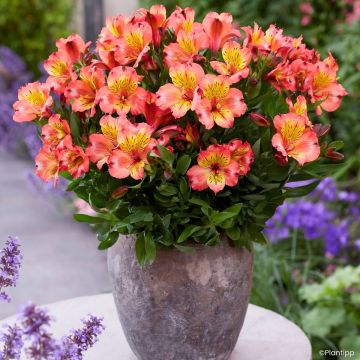
Available in 3 sizes
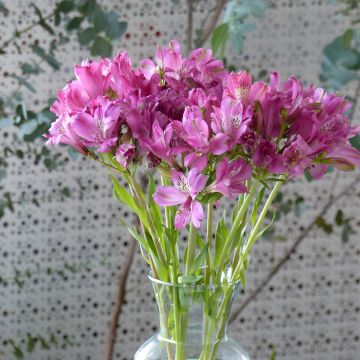
Available in 1 sizes
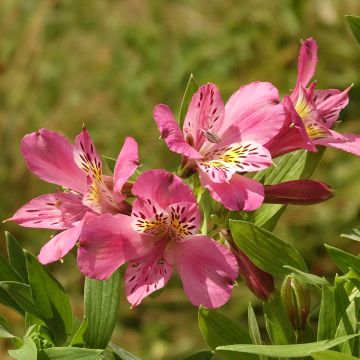
Available in 2 sizes
Available in 2 sizes
Available in 2 sizes

Available in 2 sizes
Available in 1 sizes
Available in 2 sizes
Available in 2 sizes
Available in 1 sizes
This plant carries a 12 months recovery warranty
More information
We guarantee the quality of our plants for a full growing cycle, and will replace at our expense any plant that fails to recover under normal climatic and planting conditions.

Would this plant suit my garden?
Set up your Plantfit profile →
Description
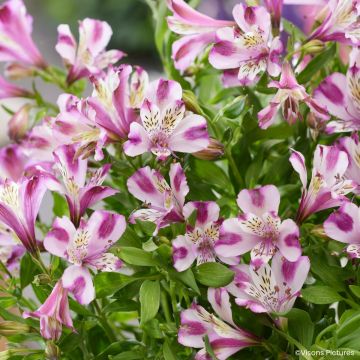
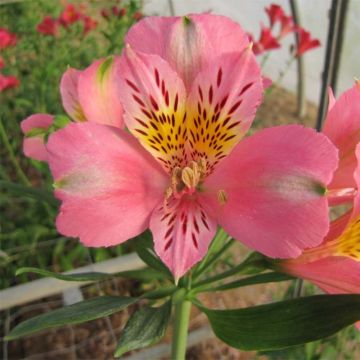
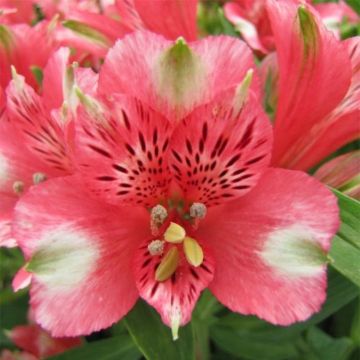
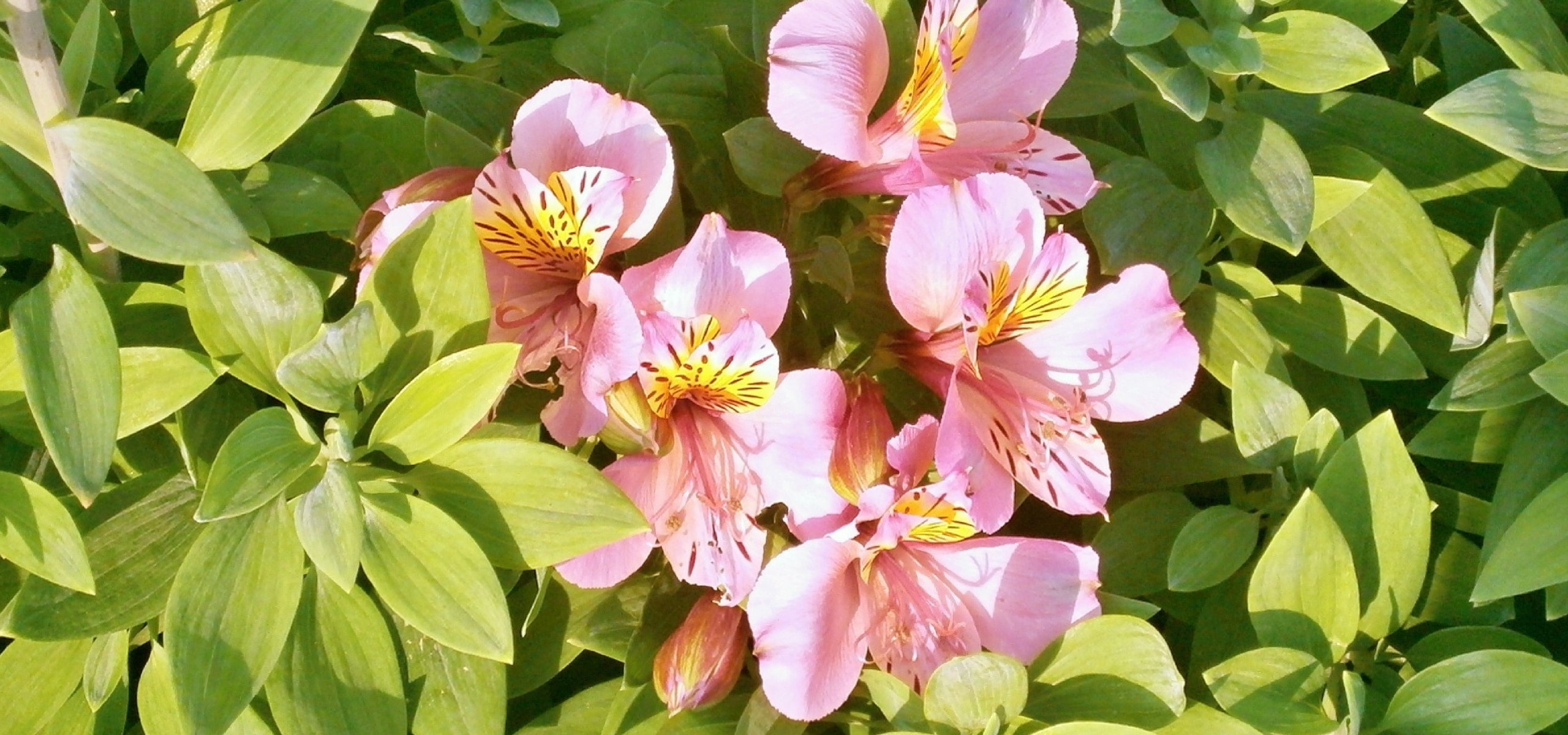
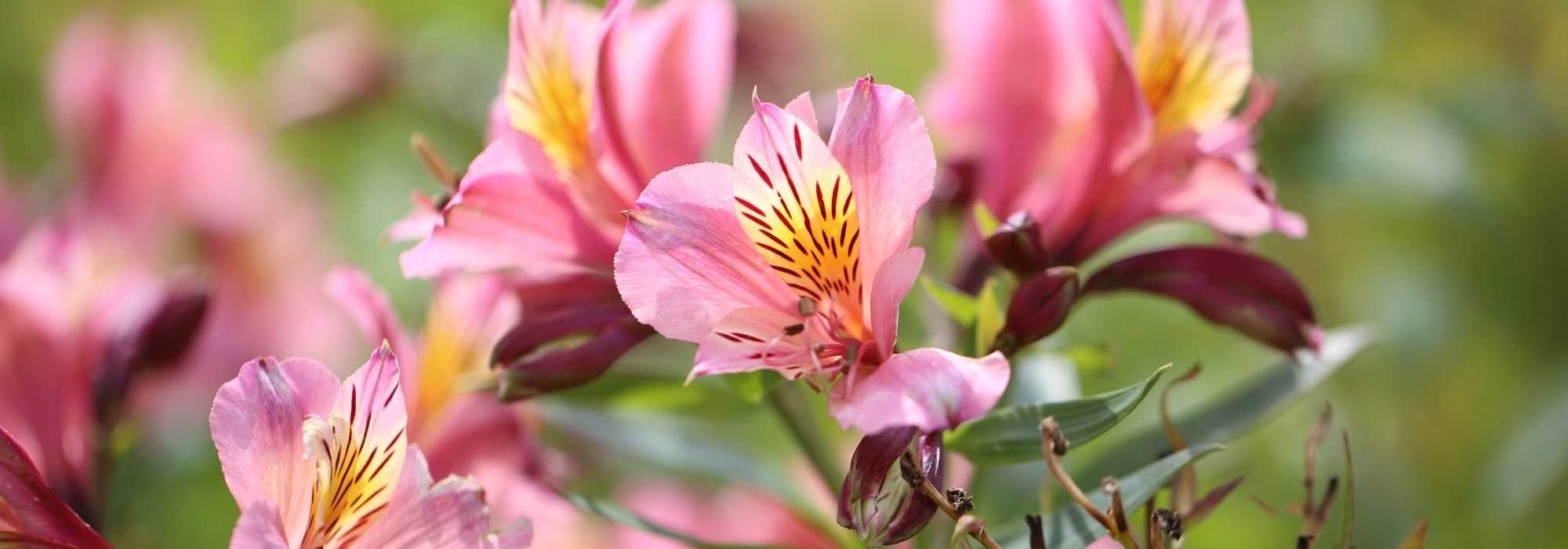
Alstroemeria 'Mauve Majesty' is part of a series of hybrids selected in the United States for their exceptional hardiness. It is probably the very first 'pink' variety capable of withstanding our normal winters, with or without protective mulch, when grown in properly drained soil. Its flowers, a lovely mauve-pink with cream markings and purple streaks in the throat, bloom tirelessly throughout the summer on sturdy flower stems that are not very tall, giving this compact plant an beautiful appearance in beds and sunny borders. You can also create beautiful bouquets with its flowers: they last for 15 days in a vase!
Alstroemerias, belonging to the Alstroemeriaceae family, are perennial plants with tuberous roots native to South America. The hardiest varieties, like A. aurantiaca, which are better adapted to our climates, come from the Chilean Andes and Patagonia. These high-altitude plants are relatively hardy and prefer cool, well-drained soil in lightly wooded and fresh areas. Slow to establish, the Peruvian lilies can disappear or... become invasive! Quirky but fantastic plants, very sensitive to growing conditions, they are "indestructible" when you find the right spot for them. Horticulturists have been working for a few years to develop more reliable and resistant varieties for our wet and cold winters. The 'Mauve Majesty' cultivar comes from a selection program developed in the USA by Cornell University, in New York. According to its creator, Mark Bridgen, 'Mauve Majesty' is his best achievement to date.
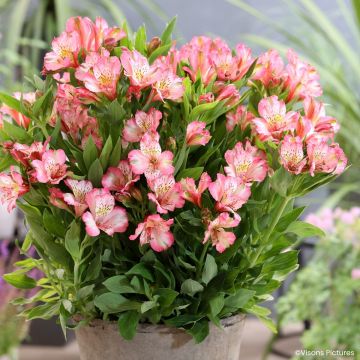
'Mauve Majesty', introduced in 2007, quickly forms dense, compact, non-suckering clumps that look very neat and tidy. They consist of sturdy leafy stems reaching about 65-68 cm (26-27in) in height when in bloom, with a spread of 50 cm. The flowering takes place from June-July to late September, and is continuous if the soil remains moist. The 4 cm (2in) wide open flowers, are gathered in terminal umbels. They are composed of 3 small central petals in lavender lilac pink, heavily speckled with cream towards the base, streaked with brown-purple, surrounded by 3 larger petals of the same mauve-pink. Each plant can produce at least 30 flowers. The foliage is arranged on the upper part of the stems. The leaves of this variety are an elegant satin dark green shade. The foliage and stems disappear in winter, leaving only the slightly creeping stump with fleshy roots underground. This stump is sensitive to transplantation shock, especially in mature plants.
Alstroemeria 'Mauve Majesty' with its stout habit and long flowering period, creates a magnificent display when well established in a border, in a container on the patio or on a partially shaded slope. In the garden, it will be enhanced in front of a dark green evergreen backdrop made of boxwood or holly. This exotic-looking plant will also pair well, for example, with the small white flowers of chamomile or the blue blooms of perennial flax. It can also be associated with grasses; Stipa, small Miscanthus, or Muhlenbergia capillaris will accompany its late summer flowering with their magnificent foliage and blooms.
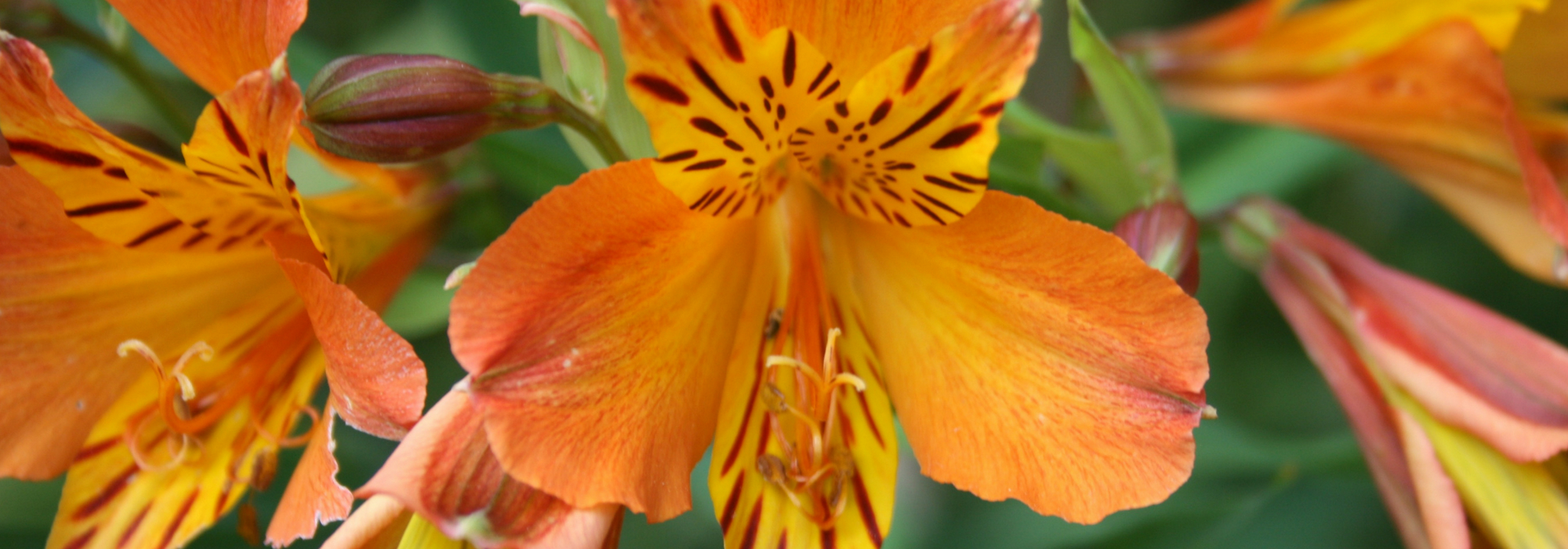
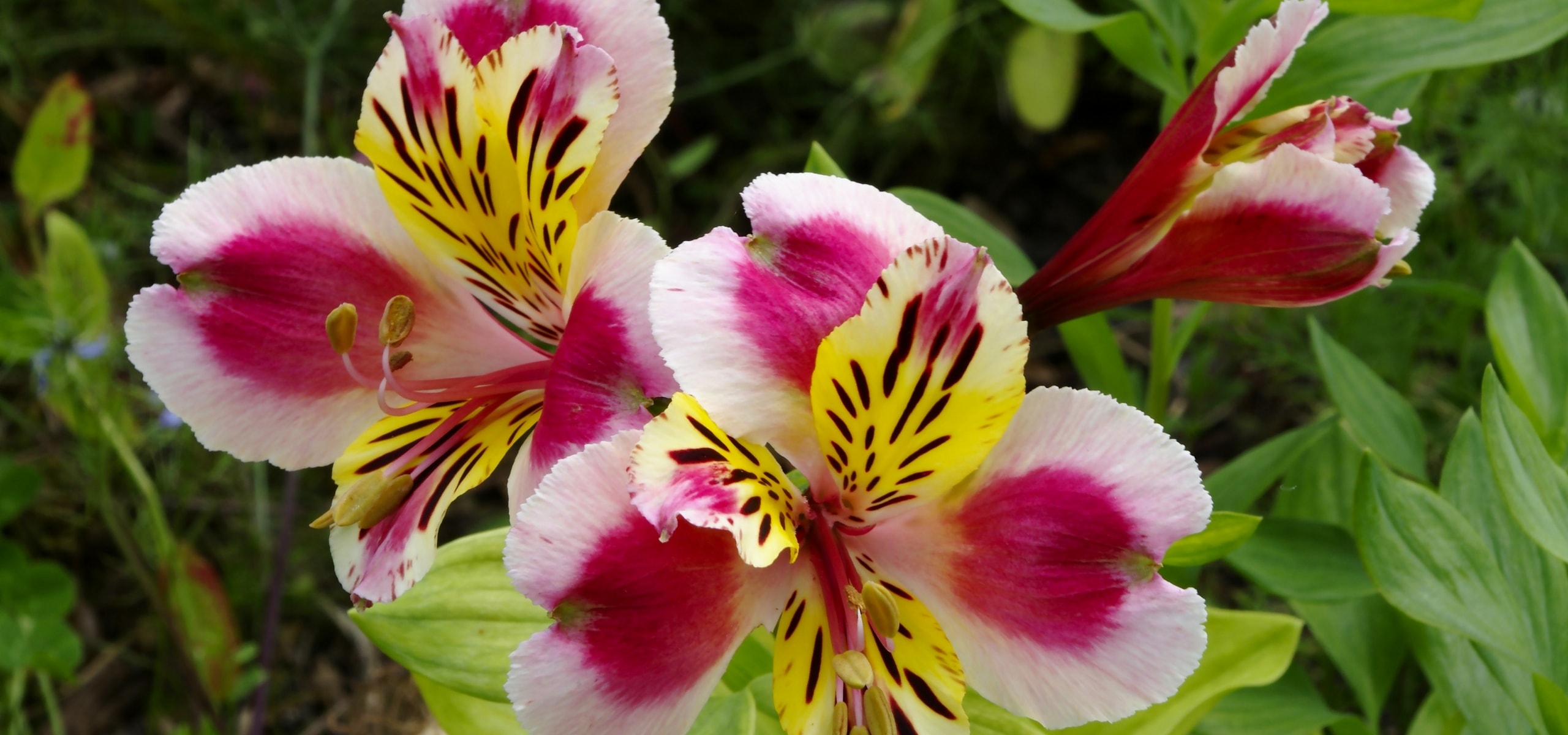
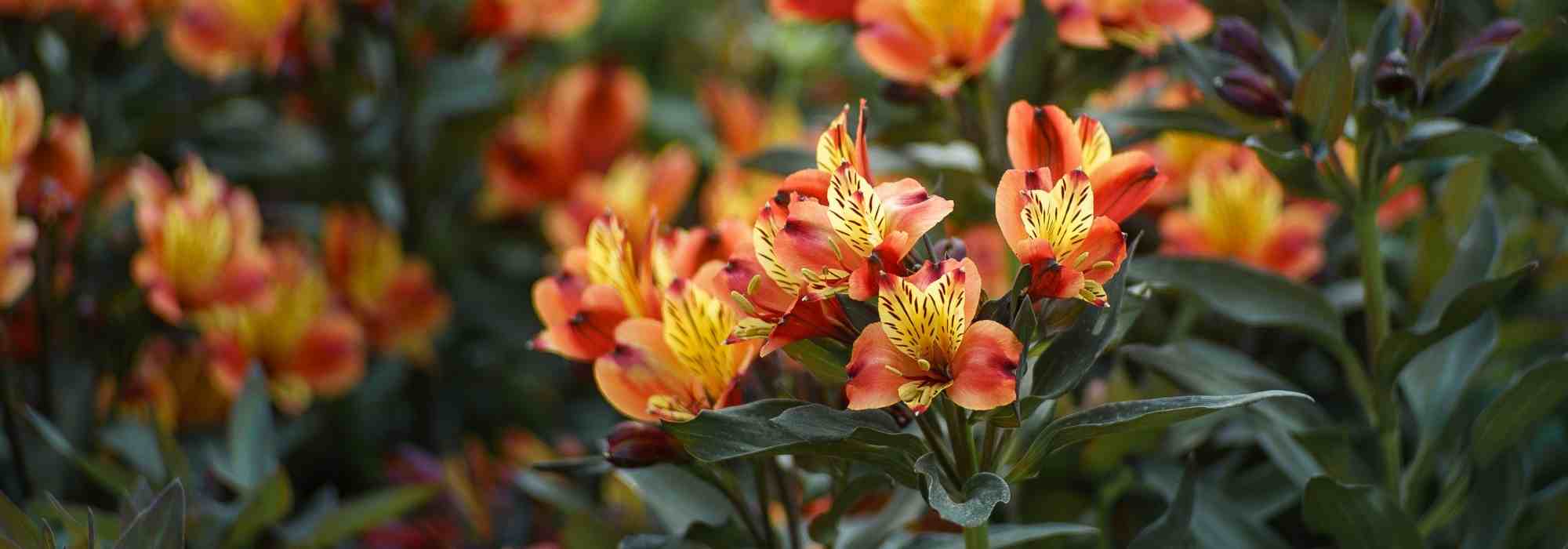
Alstroemeria Mauve Majesty in pictures
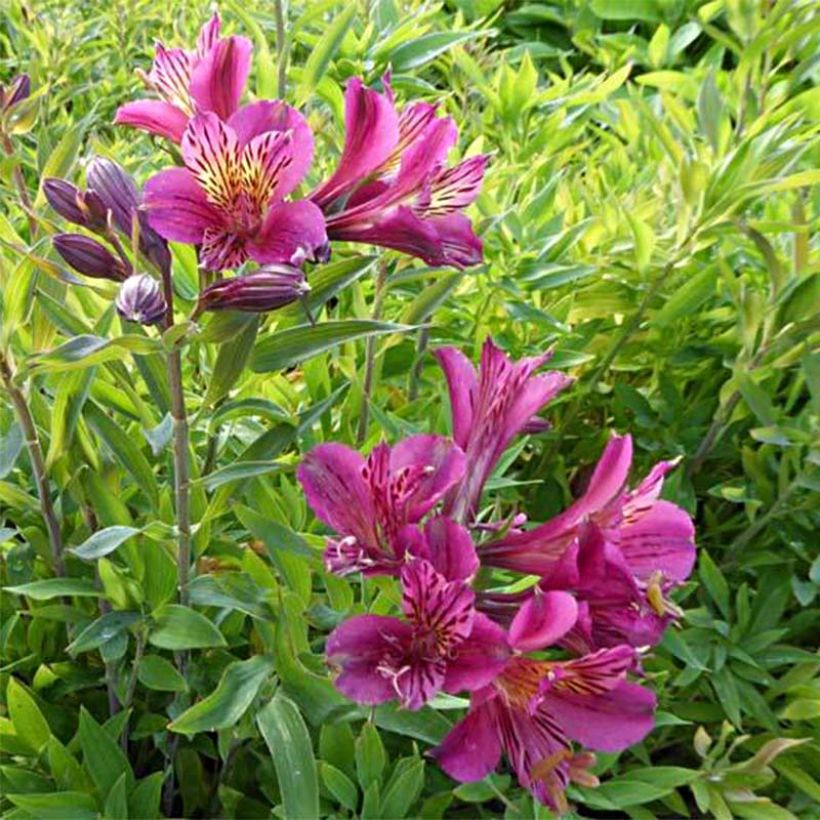
Flowering
Foliage
Plant habit
Botanical data
Alstroemeria
Mauve Majesty
Alstroemeriaceae
Peruvian Lily, Lily of the Incas
Cultivar or hybrid
Planting and care
Alstroemerias should be planted in spring, choosing a location in the morning sun or partial shade, in a light, well-drained, well-prepared soil, preferably sandy or loamy and slightly acidic to neutral, and not too fertile. While they appreciate moisture to support their flowering, they adapt quite well to drier soils in summer. These plants are quite hardy if the soil is not waterlogged in winter. You can protect the stump with a thick mulch of leaves or fern fronds in autumn. Slugs (and tortoises) love young shoots; make sure to protect them.
As the plant completely disappears in autumn, it is preferable to mark its location. Do not hoe near the clump: the tuberous roots are often wandering and are fragile. Weed carefully by hand if necessary.
Planting period
Intended location
Care
Planting & care advice
-
-
-
-
-
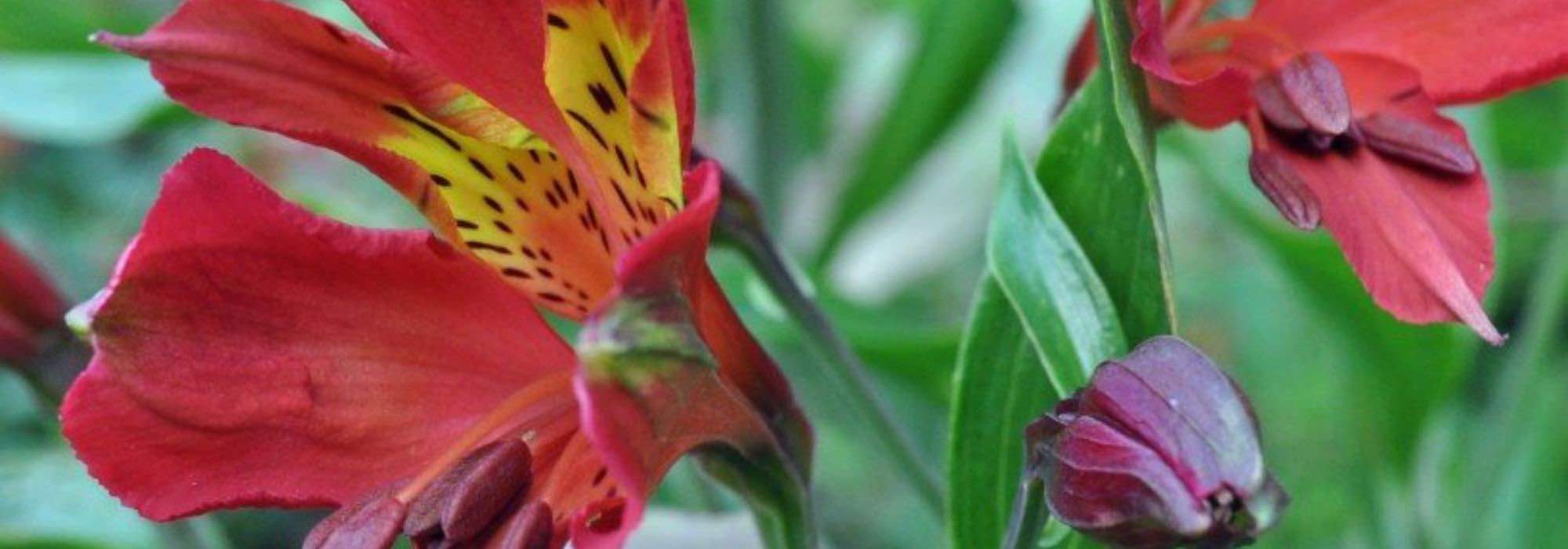
-
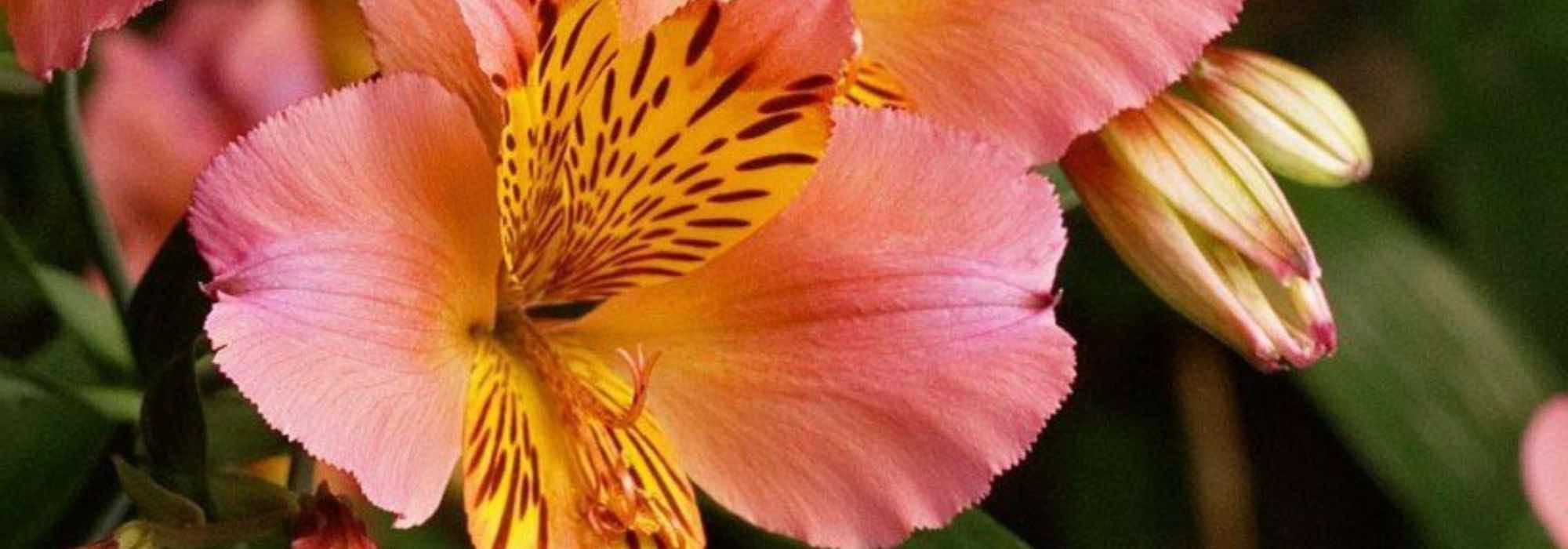
-
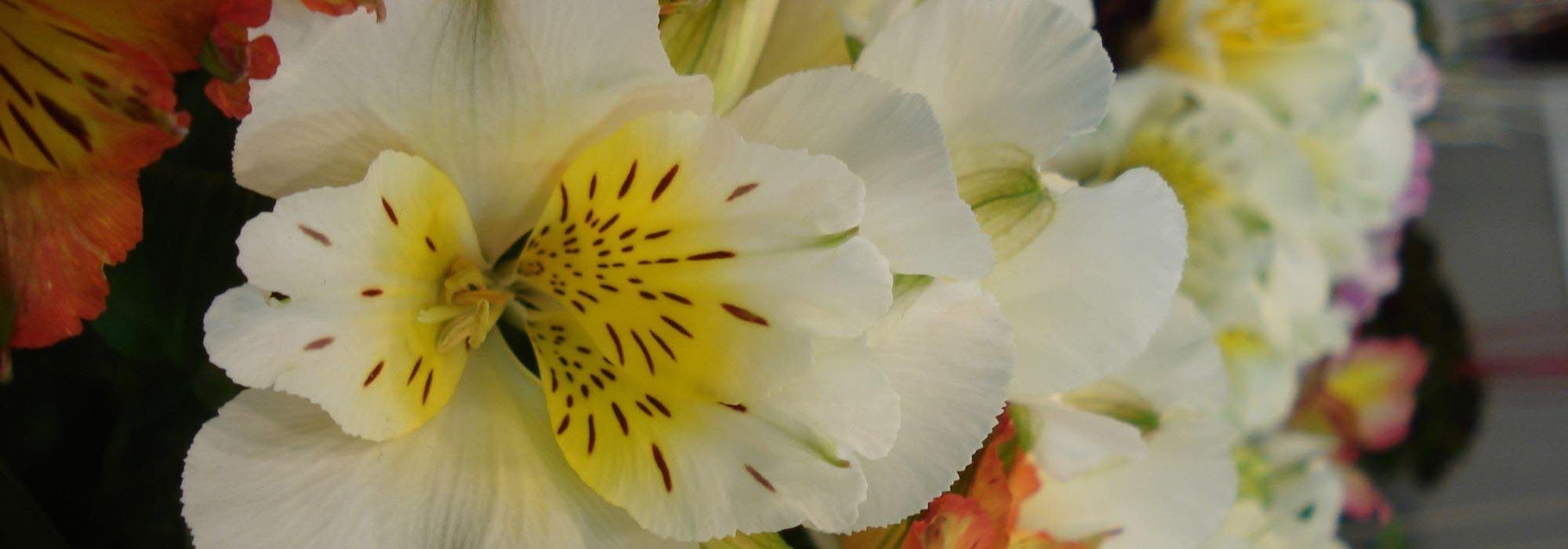
-
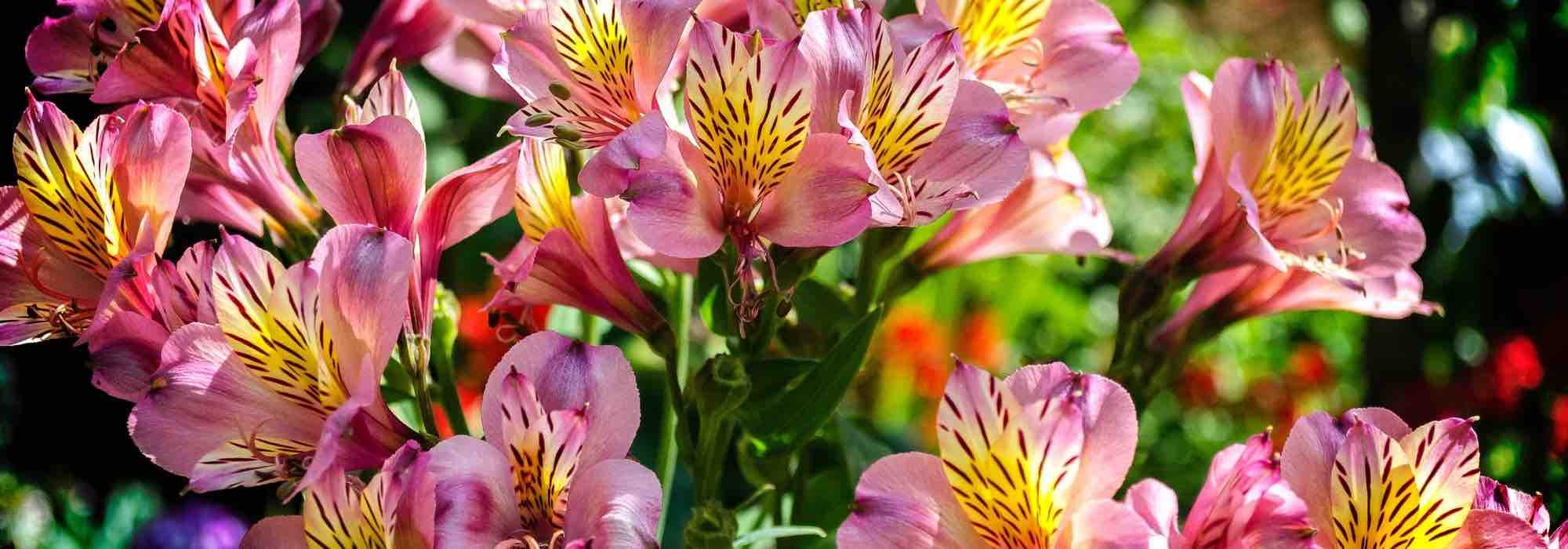
-
, onOrder confirmed
Reply from on Promesse de fleurs
Recently viewed products
Haven't found what you were looking for?
Hardiness is the lowest winter temperature a plant can endure without suffering serious damage or even dying. However, hardiness is affected by location (a sheltered area, such as a patio), protection (winter cover) and soil type (hardiness is improved by well-drained soil).

The flowering period indicated on our website applies to countries and regions located in USDA zone 8 (France, the United Kingdom, Ireland, the Netherlands, etc.)
It will vary according to where you live:- In zones 9 to 10 (Italy, Spain, Greece, etc.), flowering will occur about 2 to 4 weeks earlier.
- In zones 6 to 7 (Germany, Poland, Slovenia, and lower mountainous regions), flowering will be delayed by 2 to 3 weeks.
- In zone 5 (Central Europe, Scandinavia), blooming will be delayed by 3 to 5 weeks.
In temperate climates, pruning of spring-flowering shrubs (forsythia, spireas, etc.) should be done just after flowering.
Pruning of summer-flowering shrubs (Indian Lilac, Perovskia, etc.) can be done in winter or spring.
In cold regions as well as with frost-sensitive plants, avoid pruning too early when severe frosts may still occur.
The planting period indicated on our website applies to countries and regions located in USDA zone 8 (France, United Kingdom, Ireland, Netherlands).
It will vary according to where you live:
- In Mediterranean zones (Marseille, Madrid, Milan, etc.), autumn and winter are the best planting periods.
- In continental zones (Strasbourg, Munich, Vienna, etc.), delay planting by 2 to 3 weeks in spring and bring it forward by 2 to 4 weeks in autumn.
- In mountainous regions (the Alps, Pyrenees, Carpathians, etc.), it is best to plant in late spring (May-June) or late summer (August-September).
The harvesting period indicated on our website applies to countries and regions in USDA zone 8 (France, England, Ireland, the Netherlands).
In colder areas (Scandinavia, Poland, Austria...) fruit and vegetable harvests are likely to be delayed by 3-4 weeks.
In warmer areas (Italy, Spain, Greece, etc.), harvesting will probably take place earlier, depending on weather conditions.
The sowing periods indicated on our website apply to countries and regions within USDA Zone 8 (France, UK, Ireland, Netherlands).
In colder areas (Scandinavia, Poland, Austria...), delay any outdoor sowing by 3-4 weeks, or sow under glass.
In warmer climes (Italy, Spain, Greece, etc.), bring outdoor sowing forward by a few weeks.
Shipping country and language
Your country of residence may be:
Your country of residence is:
For a better user experience on our website, you can select:
Your shipping country:
-
 Austria
-
 Belgium
-
 Bosnia & Herzegovina
-
 Bulgaria
-
 Croatia
-
 Cyprus
-
 Czechia
-
 Denmark
-
 Estonia
-
 Finland
-
 France
-
 Germany
-
 Greece
-
 Hungary
-
 Iceland
-
 Ireland
-
 Italy
Italy
-
 Latvia
-
 Liechtenstein
-
 Lithuania
-
 Luxembourg
-
 Malta
Malta
-
 Netherlands
-
 Poland
-
 Portugal
-
 Romania
-
 Serbia
-
 Slovakia
-
 Slovenia
-
 Spain
Spain
-
 Sweden
-
 Switzerland
Language:
-
French
-
 English
-
Spanish
-
Italian
-
German
-
Portuguese
-
Dutch
-
Finnish
My Account
Hello
My wish lists
My cart
Log in / Register
Existing customer?
This form is protected by reCAPTCHA - the Google Privacy Policy and Terms of Service apply.
New customer?
Create an account to track your orders, access our customer service and, if you wish, make the most of our upcoming offers.