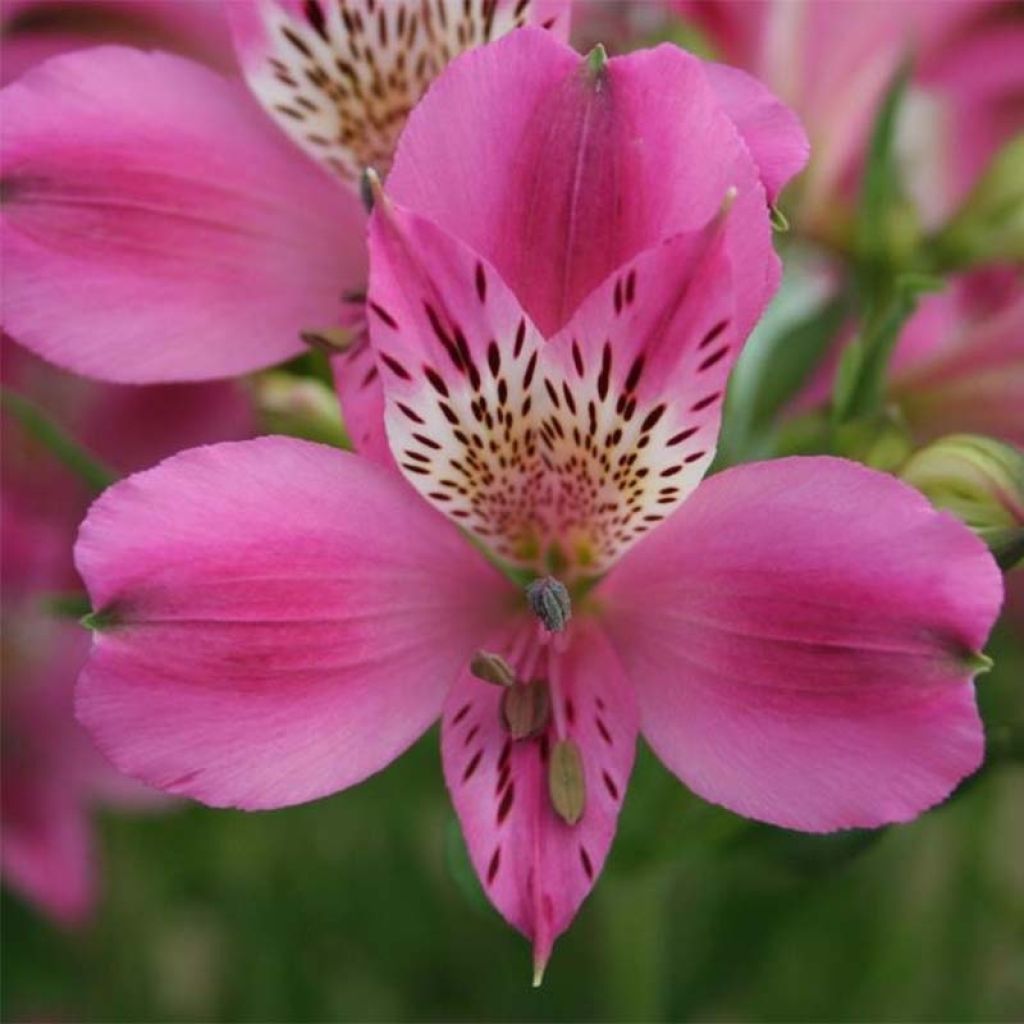
Alstroemeria Duc d'Anjou Edouard
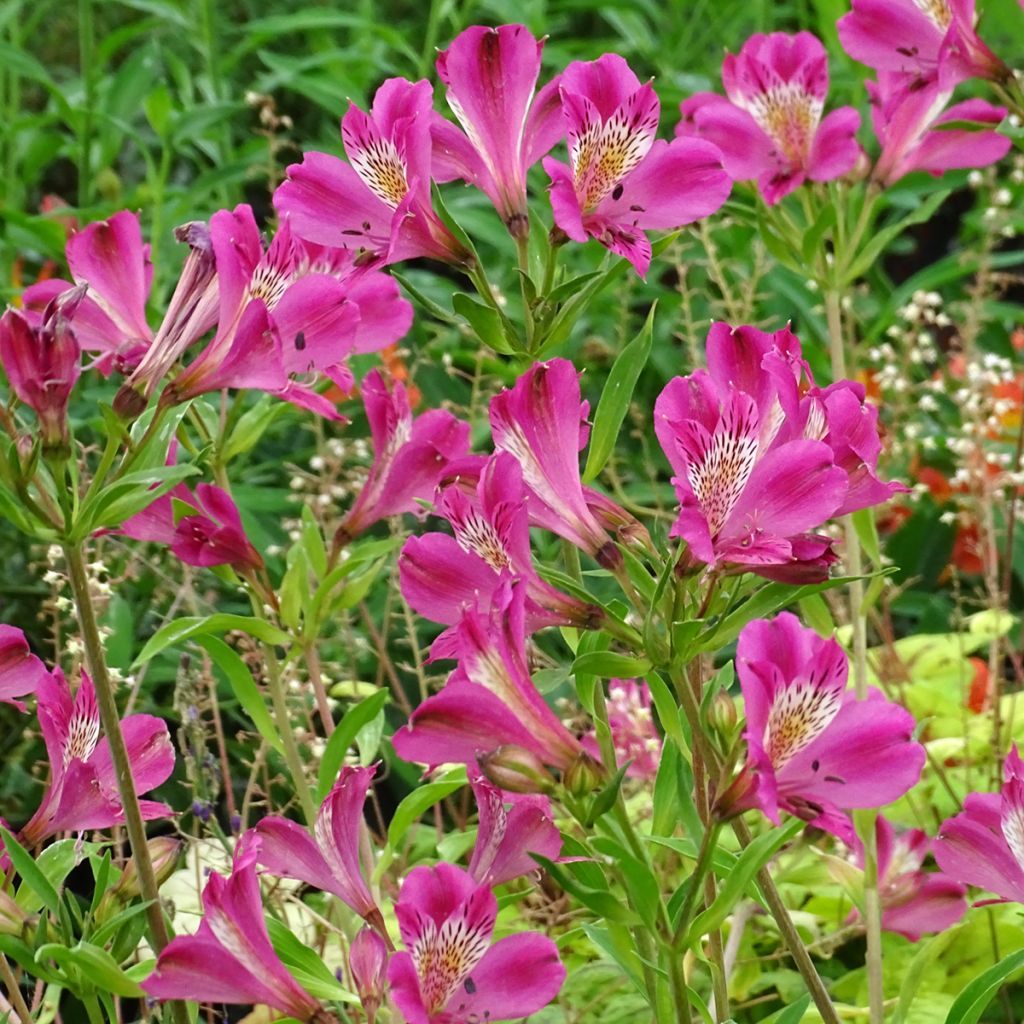
Alstroemeria Duc d'Anjou Edouard
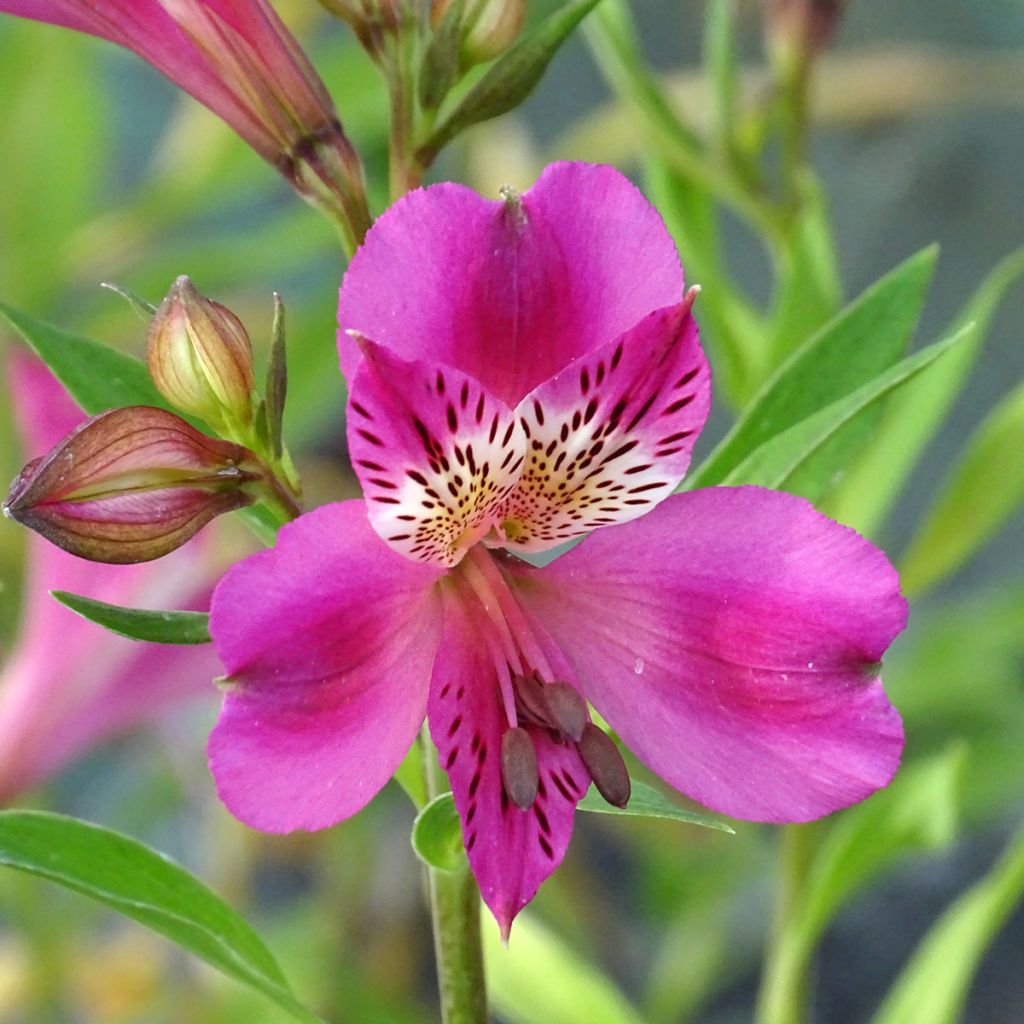
Alstroemeria Duc d'Anjou Edouard
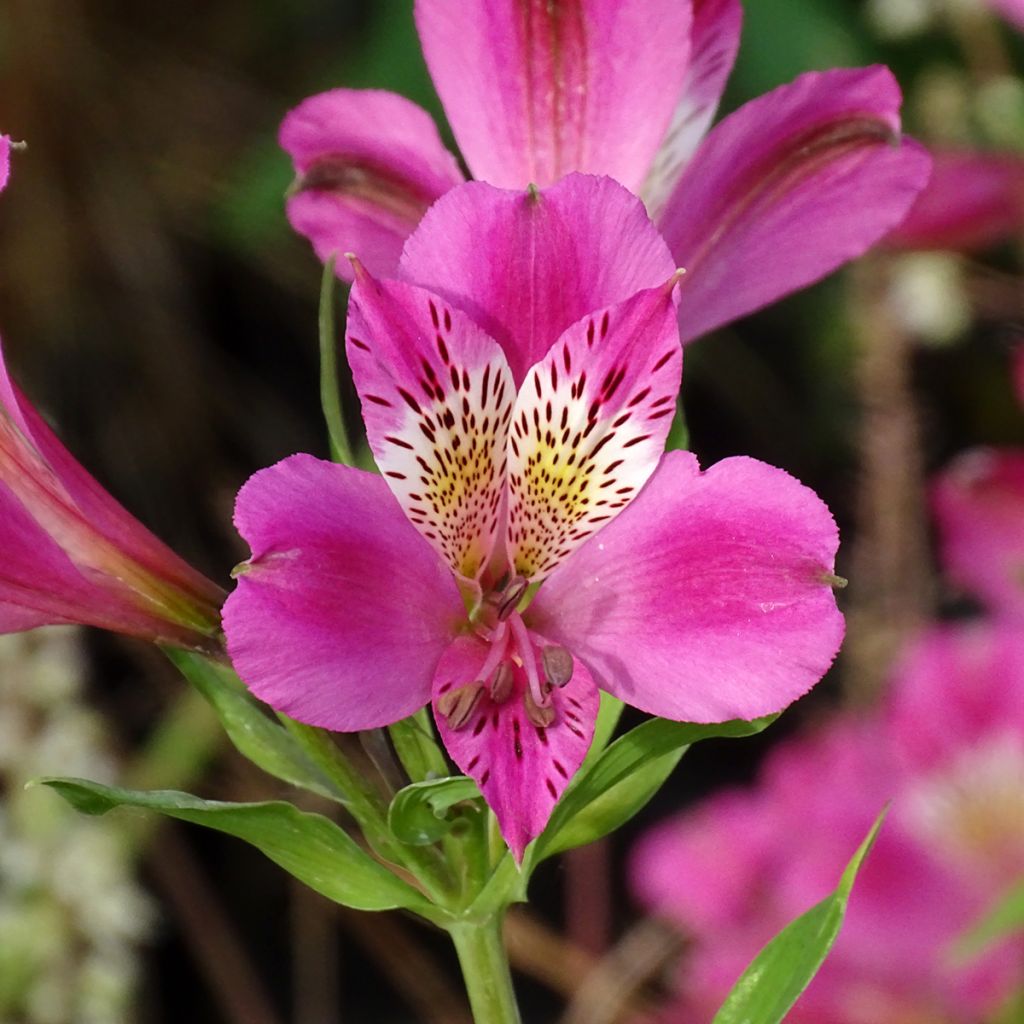
Alstroemeria Duc d'Anjou Edouard
Alstroemeria Duc d'Anjou Edouard
Alstroemeria Duc d'Anjou Edouard
Peruvian Lily, Lily of the Incas
Order received without any particular problem. I took a little while to get them in the ground, but the shoots were very quick to appear and the flowers were magnificent!
Alix, 25/09/2025
Back-to-school special offer!
Get €10 off for every €50 you spend! And get up to €40 off on a single order.
How does it work?
1. Shop your favourites
Add your favourite plants to your basket. For every €50 you spend (excluding delivery charges, store credit and the plastic-free option), you’ll receive a €10 voucher.
€50 spent = €10 voucher
€100 spent = €20 voucher
€150 spent = €30 voucher
€200 spent = €40 voucher
2. Place your order
Once your basket reaches one of the spending thresholds, place your order. You can even choose your delivery date!
3. Receive your voucher
As soon as your order has been shipped, you’ll receive an email containing your personal voucher code and its value.
4. Use it on your next order
Your voucher is valid for 90 days from the date you receive it. It can be used once only, on a new order worth at least the value of the voucher, excluding delivery charges.
Please note: Vouchers can be combined with other offers, but cannot be split or refunded.
Why not try an alternative variety in stock?
View all →
Available in 3 sizes

Available in 1 sizes
Available in 2 sizes

Available in 2 sizes
Available in 2 sizes

Available in 2 sizes

Available in 1 sizes
Available in 2 sizes

Available in 2 sizes
Available in 1 sizes
This plant carries a 12 months recovery warranty
More information
We guarantee the quality of our plants for a full growing cycle, and will replace at our expense any plant that fails to recover under normal climatic and planting conditions.
Would this plant suit my garden?
Set up your Plantfit profile →
Description
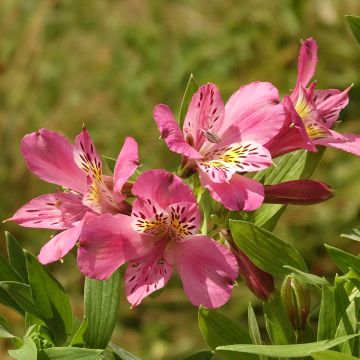
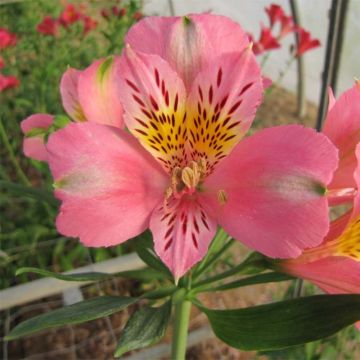
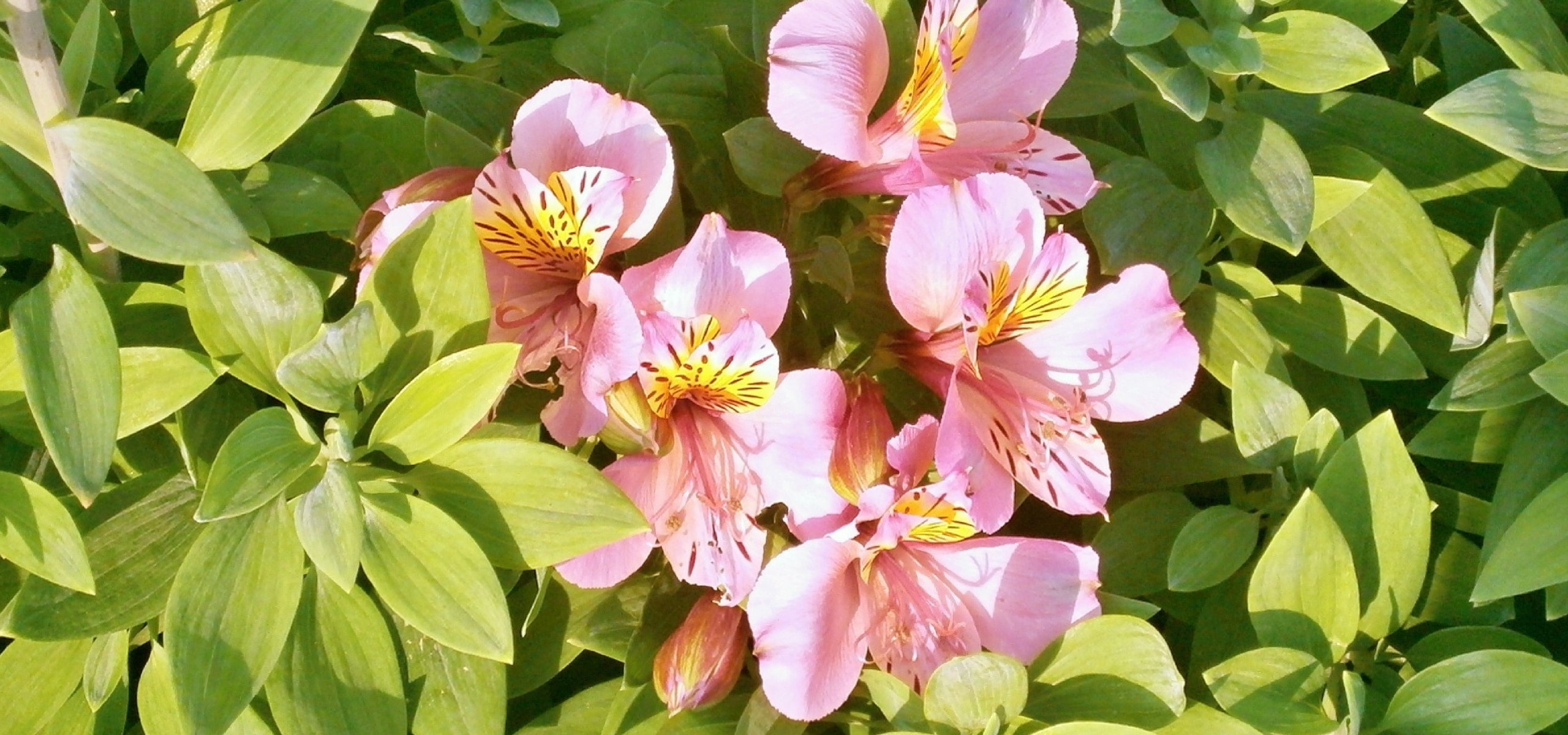
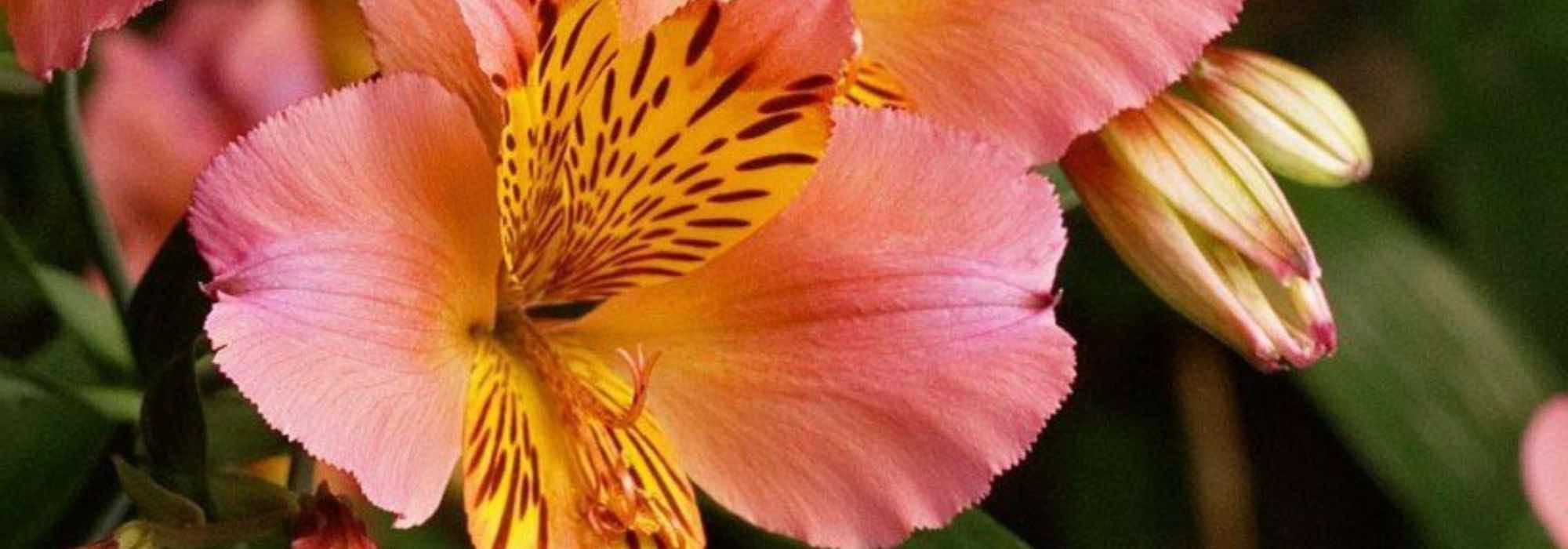
The Astroemeria 'Duc d'Anjou Edouard' is part of a series of hybrid Inca lilies that brings together several medium-sized, hardy and floriferous varieties, with varied colours, particularly suitable for mass planting. This selection is adorned with brightly coloured flowers in a violet pink shade adorned with contrasting macules at the throat and beautifully streaked with brown. An exotic flowering that renews itself from late spring until late in the season. This variety can withstand winter in open ground in most of central Europe, under a mulch that will protect the stumps from cold and excessive humidity. Its flowers are also very durable in a vase.
The Alstroemeria 'Duc d'Anjou Edouard' is a recent horticultural variety, selected near Angers. All modern Inca lilies are hybrids of several tuberous species native to South America, particularly the Chilean Andes. These high-altitude plants belonging to the amaryllidaceae family show varying degrees of hardiness, appreciate moist, well-drained soils in a light and cool wooded area. Slow to establish, they can disappear or... become invasive! Eccentric and fantastic plants, very sensitive to growing conditions, they are "indestructible" once you have found the right place for them.
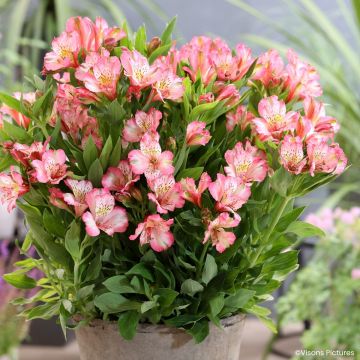
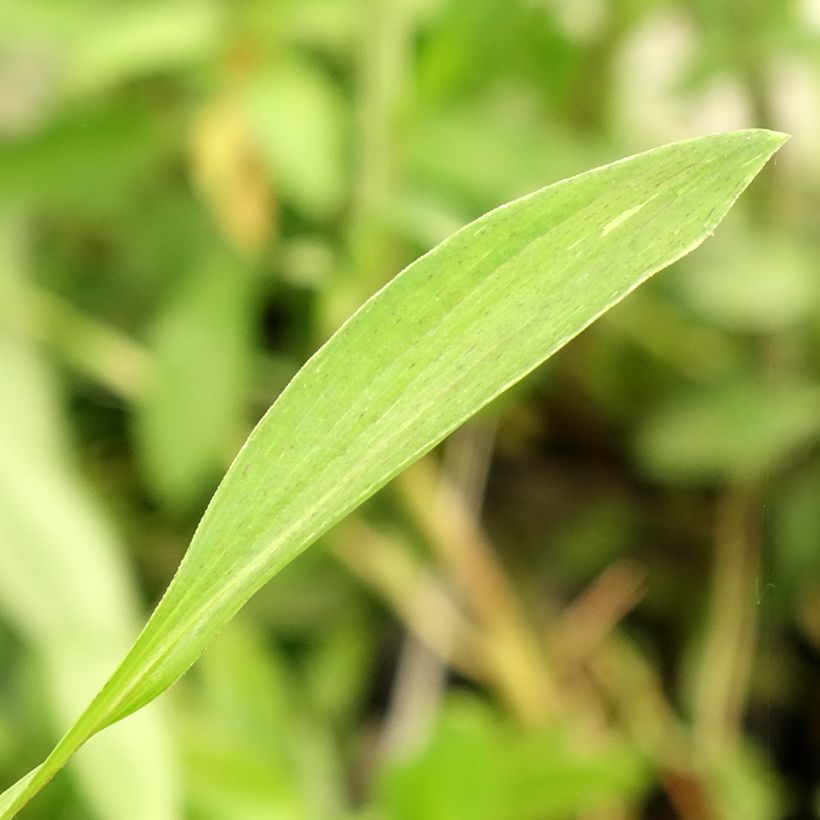
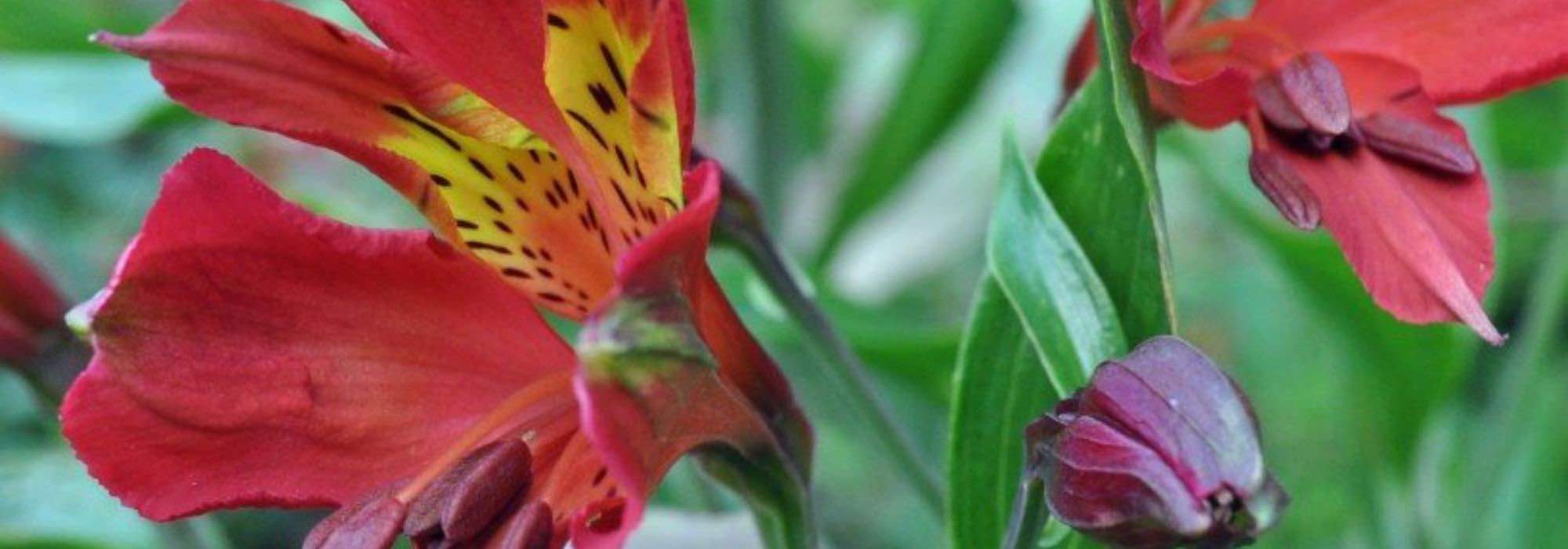
'Duc d'Anjou Edouard', like all plants in the series, can withstand short freezes of around -15°C in a well-drained soil and under a mulch. The plant quickly forms dense clumps composed of leafy stems that are 50 cm tall when flowering, with a spread of 40 cm. The flowering is renewed from June to October. The flowers are gathered in terminal umbels. They consist of 3 narrow petals streaked with brown, the two upper ones having a bright white, yellow and dark pink macule, surrounded by 3 broader petals of a solid, bright violet pink. The foliage is arranged on the upper part of the stems. The leaves of this variety are dark green with a slight bluish tint. The plant disappears in winter, leaving only the trailing stump with fleshy roots underground. The latter is sensitive to the shock of transplantation, especially in older plants.
The Alstroemeria 'Duc d'Anjou Edouard' thrives in mass plantings, where it forms a magnificent and highly flowering bouquet for weeks. Place it in small groups among grasses, daylilies, gauras or heleniums for example. It can also be paired with other Duke of Anjou Inca lily varieties and have blue lobelias or Ceratostigma plumbaginoides, with intensely blue flowers and red foliage in October, planted at its feet. Its exotic flowers last several days in a vase, up to 3 weeks if the water is changed every week, the leaves that have fallen into the water are regularly removed, and the base of the stems is recut.
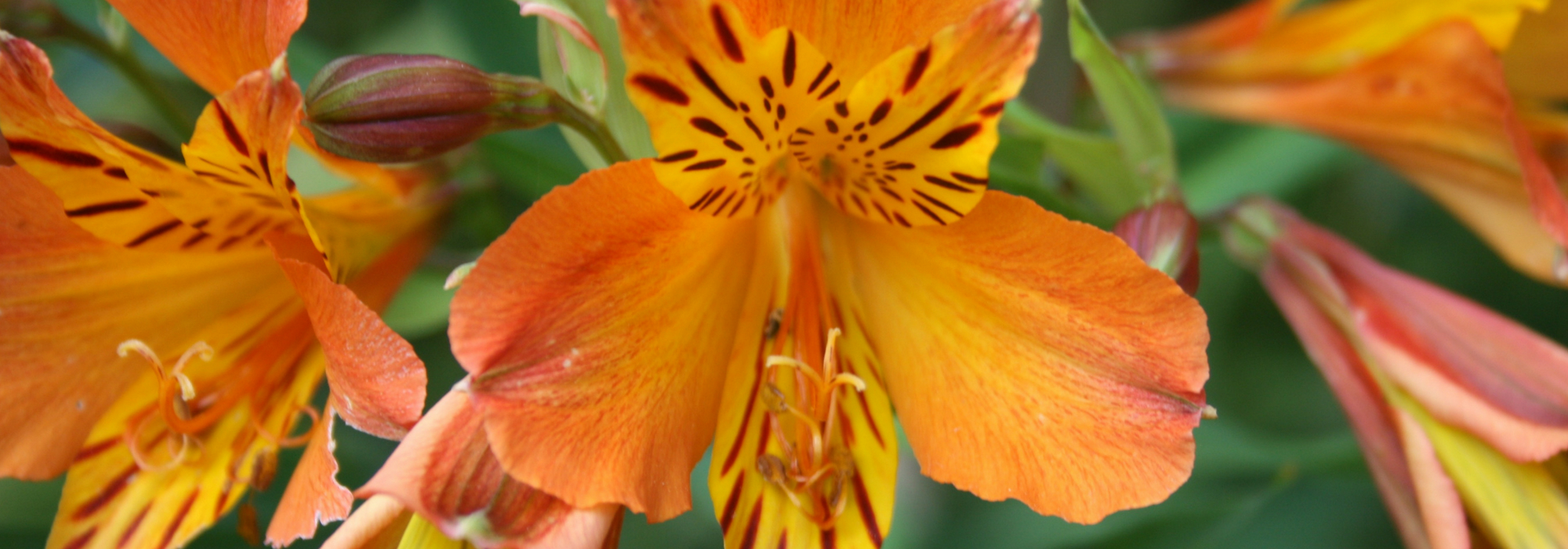
Alstroemeria Duc d'Anjou Edouard in pictures
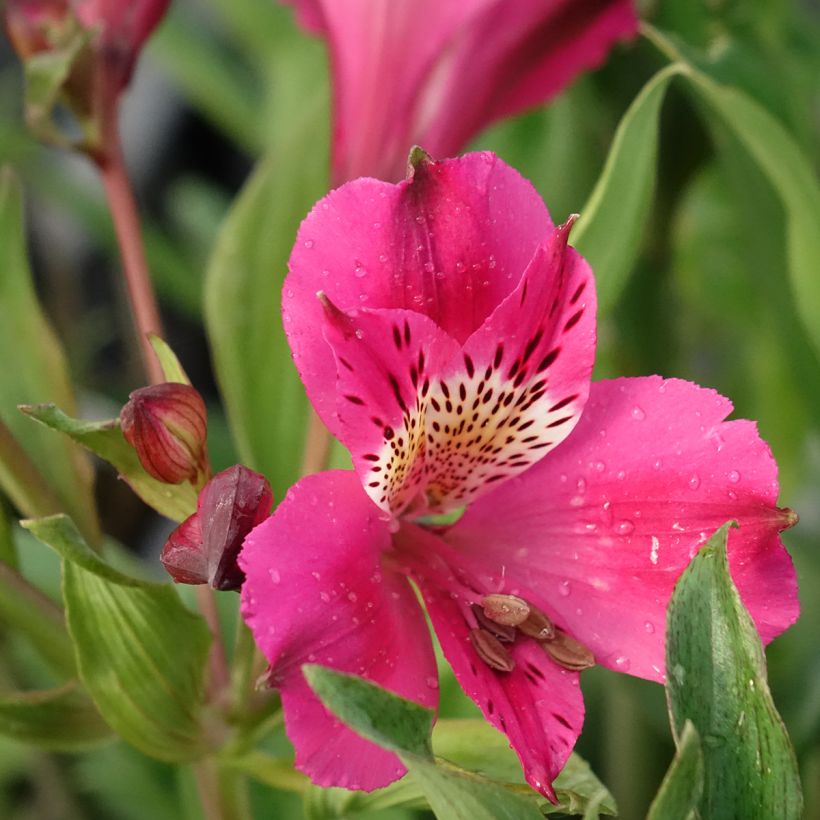
Flowering
Foliage
Plant habit
Botanical data
Alstroemeria
Duc d'Anjou Edouard
Alstroemeriaceae
Peruvian Lily, Lily of the Incas
Cultivar or hybrid
Planting and care
The 'Duc d'Anjou Edouard' Alstroemerias are planted in spring, choosing a sunny or partially shaded location in a light, well-drained, well-worked soil, with a tendency to be sandy or loamy and slightly acidic to neutral, and not too fertile. While they appreciate some coolness to support their flowering, they adapt quite well to dry soils in summer. These plants are quite hardy, down to -15°C (5°F), if the soil remains dry in winter. You can protect the stump with a thick mulch of leaves or fern fronds in autumn. Slugs love young shoots; make sure to protect them.
Cultivating them in pots allows you to shelter the plants from heavy frost combined with excessive humidity, by storing them in a bright, well-ventilated, and minimally heated area.
Planting period
Intended location
Care
Planting & care advice
-
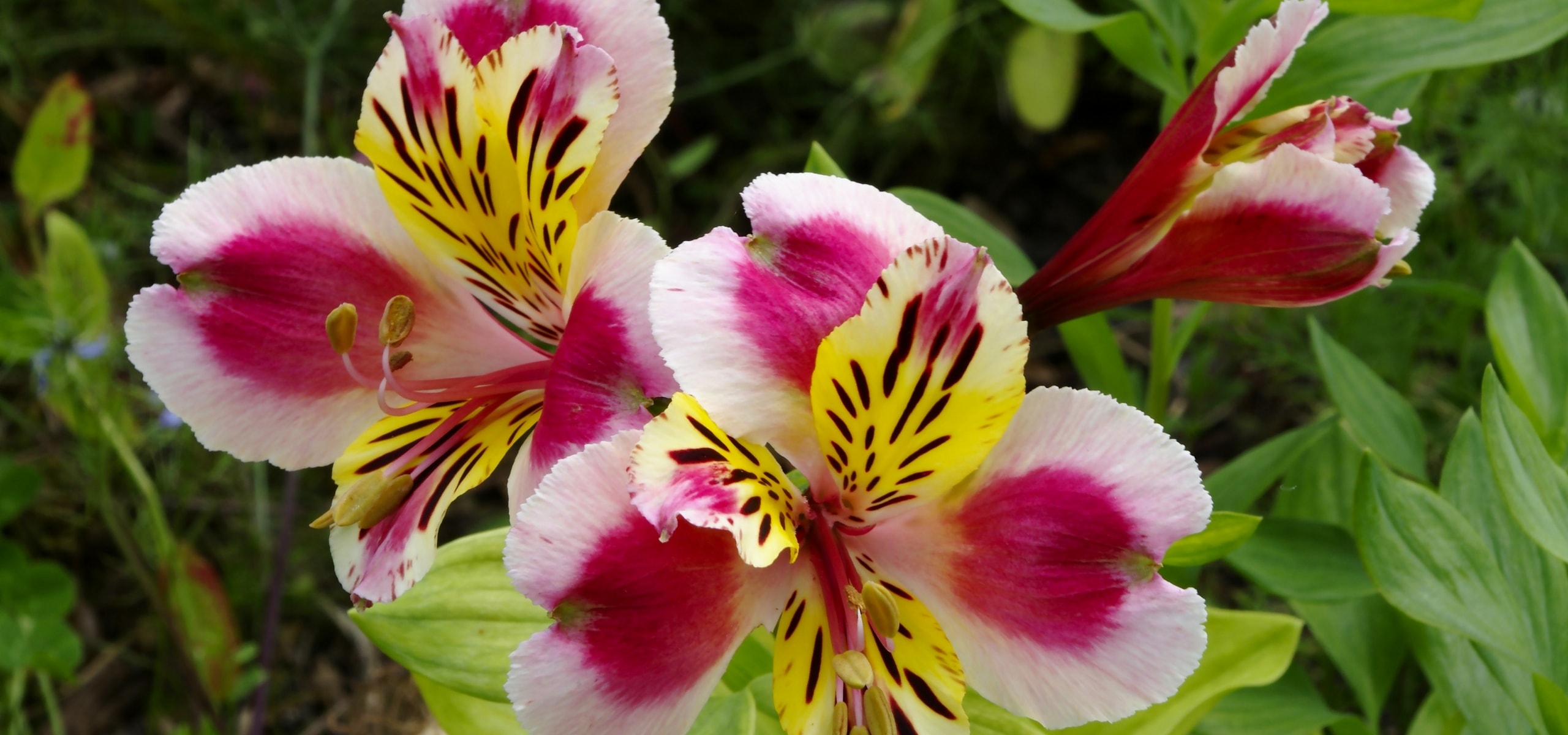
-
-

-

-
-
-

-

-
, onOrder confirmed
Reply from on Promesse de fleurs
Recently viewed products
Haven't found what you were looking for?
Hardiness is the lowest winter temperature a plant can endure without suffering serious damage or even dying. However, hardiness is affected by location (a sheltered area, such as a patio), protection (winter cover) and soil type (hardiness is improved by well-drained soil).

The flowering period indicated on our website applies to countries and regions located in USDA zone 8 (France, the United Kingdom, Ireland, the Netherlands, etc.)
It will vary according to where you live:- In zones 9 to 10 (Italy, Spain, Greece, etc.), flowering will occur about 2 to 4 weeks earlier.
- In zones 6 to 7 (Germany, Poland, Slovenia, and lower mountainous regions), flowering will be delayed by 2 to 3 weeks.
- In zone 5 (Central Europe, Scandinavia), blooming will be delayed by 3 to 5 weeks.
In temperate climates, pruning of spring-flowering shrubs (forsythia, spireas, etc.) should be done just after flowering.
Pruning of summer-flowering shrubs (Indian Lilac, Perovskia, etc.) can be done in winter or spring.
In cold regions as well as with frost-sensitive plants, avoid pruning too early when severe frosts may still occur.
The planting period indicated on our website applies to countries and regions located in USDA zone 8 (France, United Kingdom, Ireland, Netherlands).
It will vary according to where you live:
- In Mediterranean zones (Marseille, Madrid, Milan, etc.), autumn and winter are the best planting periods.
- In continental zones (Strasbourg, Munich, Vienna, etc.), delay planting by 2 to 3 weeks in spring and bring it forward by 2 to 4 weeks in autumn.
- In mountainous regions (the Alps, Pyrenees, Carpathians, etc.), it is best to plant in late spring (May-June) or late summer (August-September).
The harvesting period indicated on our website applies to countries and regions in USDA zone 8 (France, England, Ireland, the Netherlands).
In colder areas (Scandinavia, Poland, Austria...) fruit and vegetable harvests are likely to be delayed by 3-4 weeks.
In warmer areas (Italy, Spain, Greece, etc.), harvesting will probably take place earlier, depending on weather conditions.
The sowing periods indicated on our website apply to countries and regions within USDA Zone 8 (France, UK, Ireland, Netherlands).
In colder areas (Scandinavia, Poland, Austria...), delay any outdoor sowing by 3-4 weeks, or sow under glass.
In warmer climes (Italy, Spain, Greece, etc.), bring outdoor sowing forward by a few weeks.
Shipping country and language
Your country of residence may be:
Your country of residence is:
For a better user experience on our website, you can select:
Your shipping country:
-
 Austria
-
 Belgium
-
 Bosnia & Herzegovina
-
 Bulgaria
-
 Croatia
-
 Cyprus
-
 Czechia
-
 Denmark
-
 Estonia
-
 Finland
-
 France
-
 Germany
-
 Greece
-
 Hungary
-
 Iceland
-
 Ireland
-
 Italy
Italy
-
 Latvia
-
 Liechtenstein
-
 Lithuania
-
 Luxembourg
-
 Malta
Malta
-
 Netherlands
-
 Poland
-
 Portugal
-
 Romania
-
 Serbia
-
 Slovakia
-
 Slovenia
-
 Spain
Spain
-
 Sweden
-
 Switzerland
Language:
-
French
-
 English
-
Spanish
-
Italian
-
German
-
Portuguese
-
Dutch
-
Finnish
My Account
Hello
My wish lists
My cart
Log in / Register
Existing customer?
This form is protected by reCAPTCHA - the Google Privacy Policy and Terms of Service apply.
New customer?
Create an account to track your orders, access our customer service and, if you wish, make the most of our upcoming offers.