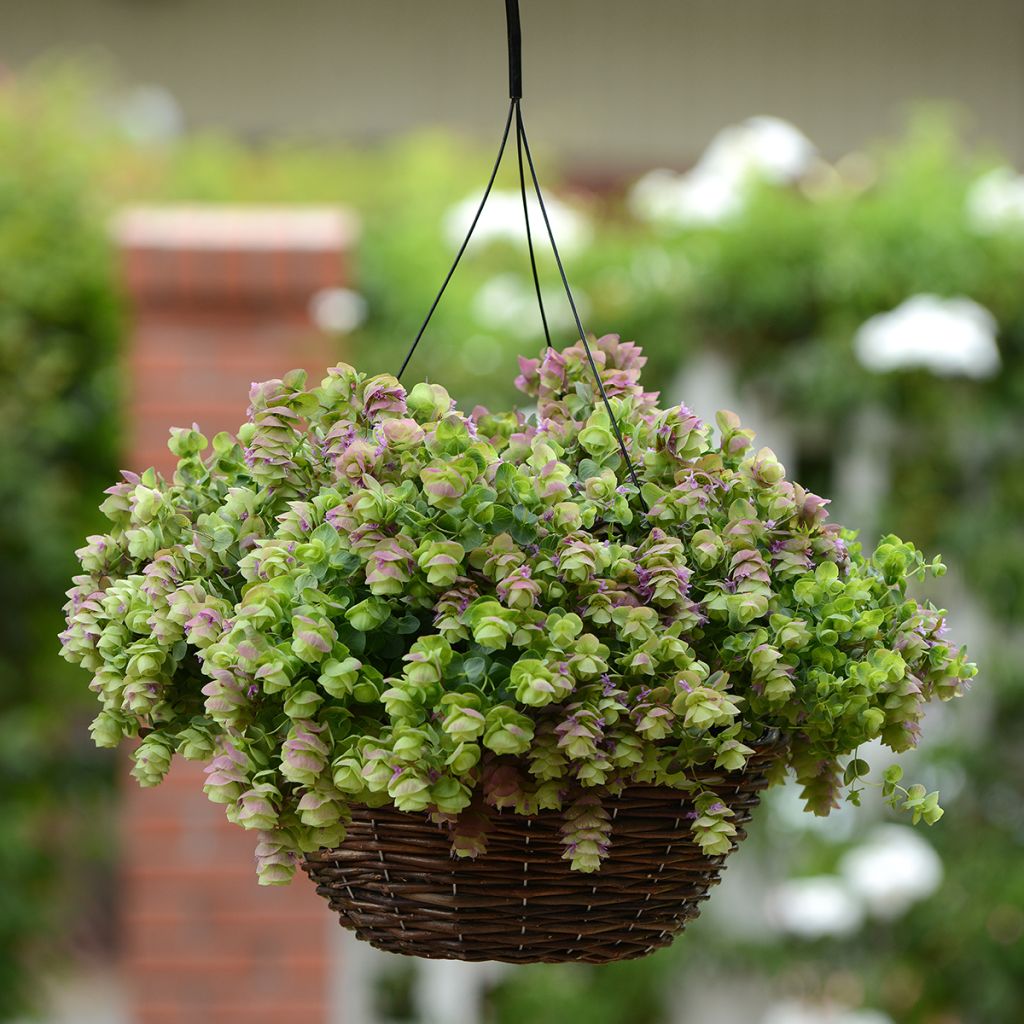
Origanum rotundifolium Kirigami - Origan à feuilles rondes Kirigami, Marjolaine à feuilles rondes, Origan ornemental
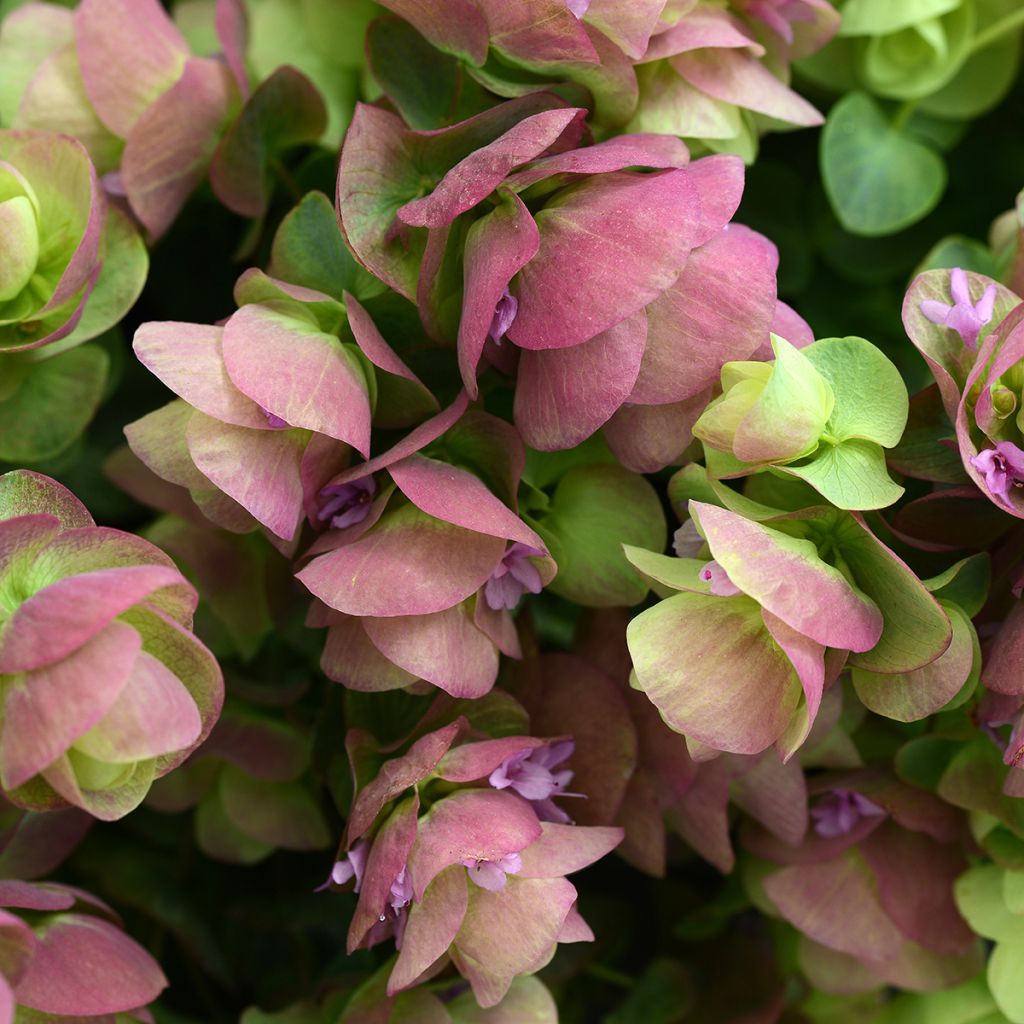
Origanum rotundifolium Kirigami - Origan à feuilles rondes Kirigami, Marjolaine à feuilles rondes, Origan ornemental
Origanum rotundifolium Kirigami - Origan à feuilles rondes Kirigami, Marjolaine à feuilles rondes, Origan ornemental
Origanum rotundifolium Kirigami
Back-to-school special offer!
Get €10 off for every €50 you spend! And get up to €40 off on a single order.
How does it work?
1. Shop your favourites
Add your favourite plants to your basket. For every €50 you spend (excluding delivery charges, store credit and the plastic-free option), you’ll receive a €10 voucher.
€50 spent = €10 voucher
€100 spent = €20 voucher
€150 spent = €30 voucher
€200 spent = €40 voucher
2. Place your order
Once your basket reaches one of the spending thresholds, place your order. You can even choose your delivery date!
3. Receive your voucher
As soon as your order has been shipped, you’ll receive an email containing your personal voucher code and its value.
4. Use it on your next order
Your voucher is valid for 90 days from the date you receive it. It can be used once only, on a new order worth at least the value of the voucher, excluding delivery charges.
Please note: Vouchers can be combined with other offers, but cannot be split or refunded.
Home or relay delivery (depending on size and destination)
Important: You may be charged customs duties by your country’s customs authorities upon delivery.
Schedule delivery date,
and select date in basket
This plant carries a 6 months recovery warranty
More information
We guarantee the quality of our plants for a full growing cycle, and will replace at our expense any plant that fails to recover under normal climatic and planting conditions.
Would this plant suit my garden?
Set up your Plantfit profile →
Description
L’Origan ‘Kirigami’ est une vivace ornementale, contrairement à la marjolaine du potager qui est annuelle. Dotée d'un port légèrement retombant et d'une floraison ravissante, cette variété florifère convient à l'ornement des jardinières, rocailles ou bordures ensoleillées. Son feuillage vert pâle, finement aromatique, forme un joli coussin surmonté de bractées vert chartreuse lavées de pourpre, enveloppant de délicates fleurs rose pâle. C'est une excellente plante de soleil et de terrain sec, tout en légèreté. On la sème au printemps.
L'Origanum rotundifolium 'Kirigami' appartient à la famille des Lamiacées. L'espèce type, Origanum rotundifolium, est originaire de Turquie, d'Arménie et de Géorgie, où elle pousse dans des crevasses rocheuses bien drainées. 'Kirigami' est un cultivar hybride sélectionné pour ses bractées florales plus décoratives, son port plus dense et plus "en coussin" ainsi que sa floraison plus généreuse. La plante atteint une hauteur de 20 à 30 cm et une envergure de 30 à 35 cm. Elle atteint sa taille adulte en 2 à 5 ans. Ses petites feuilles arrondies, d'un vert clair, aromatiques, sont caduques : elles sèchent en automne et réapparaissent au printemps. La floraison, qui s'étend de juin à octobre, prend la forme de petites fleurs rose pâle nichées dans des bractées pendantes rappelant des houppettes, de couleur vert pomme avec des nuances pourpres. Les fleurs sont discrètes, tandis que les bractées colorées persistent longtemps sur la plante. La pollinisation est principalement assurée par les abeilles et les papillons, attirés par le nectar. Après la floraison, la plante produit de petits fruits secs.
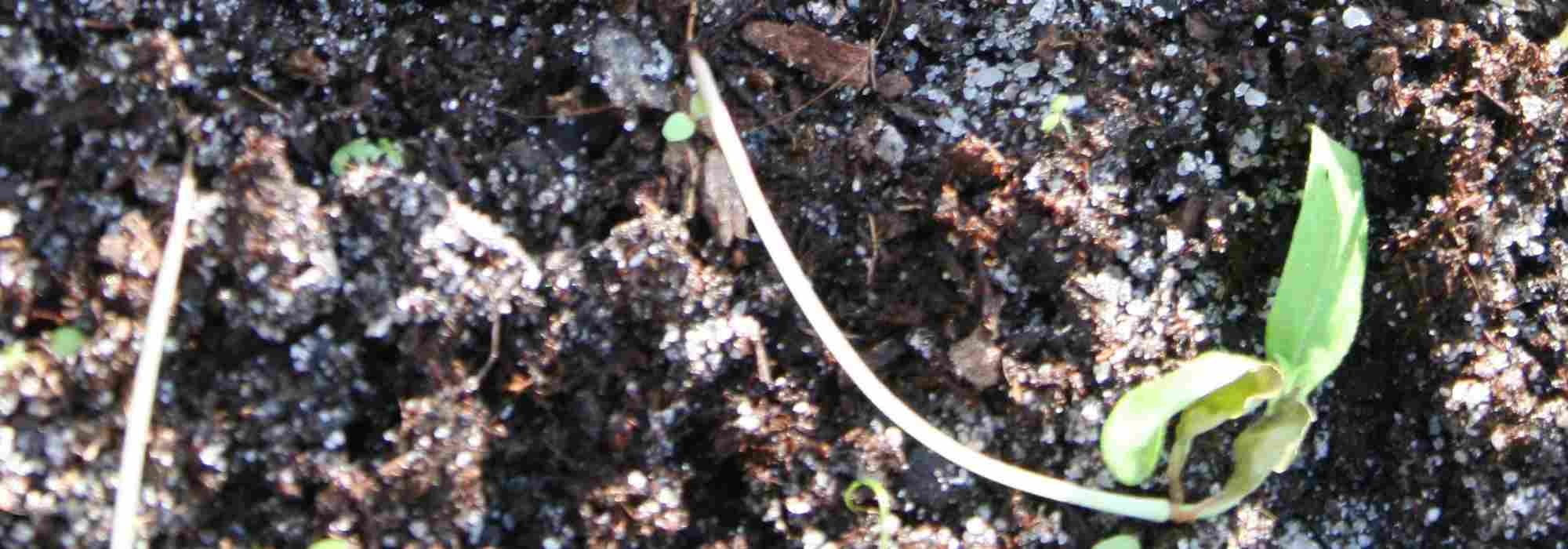
Les graines d'origan sont très fines : l'enrobage des semences, constitué d'une matière inerte (généralement à base d'argile), permet de semer les graines les plus fines avec facilité et précision.
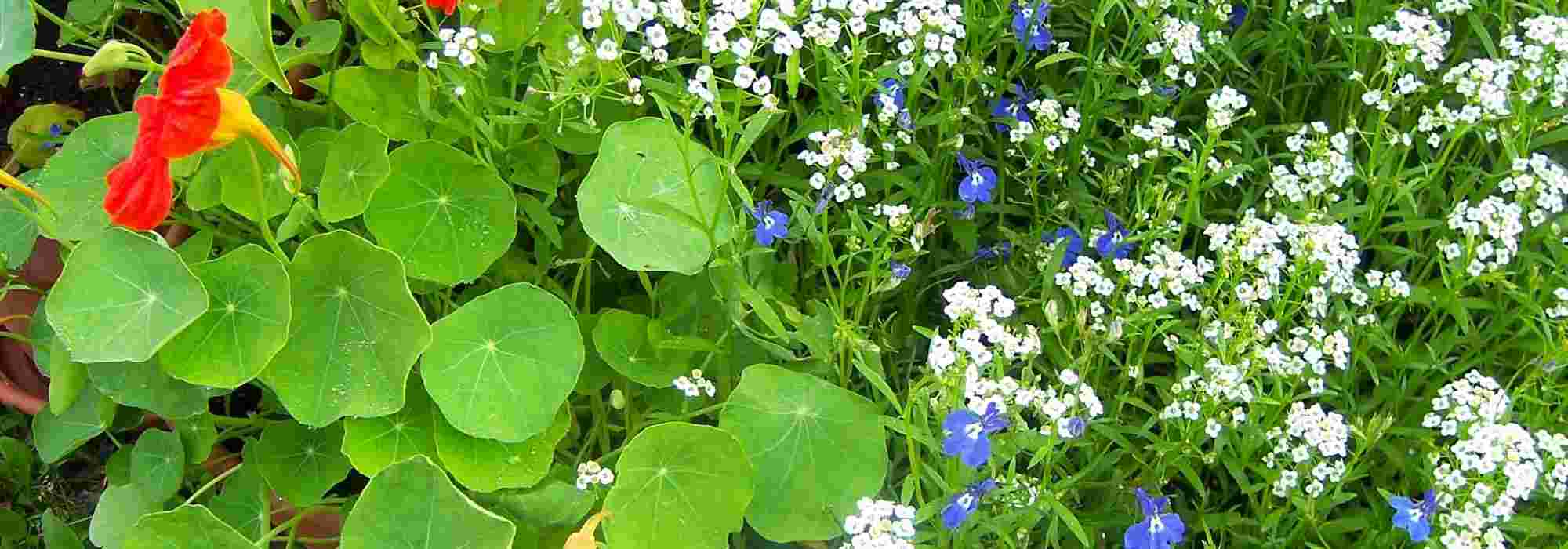
L’Origan ‘Kirigami’ s'utilise aussi bien dans une jarre en terre cuite que dans le jardin, dans une rocaille, une bordure surélevée, au-dessus d'un muret, ou sur un talus. Cette petite plante gracieuse s’épanouit en cascades souples et colorées. On l’associera facilement à la floraison légère du Nepeta faassenii ‘Cat's Pajamas’, les inflorescences aériennes du Stipa pennata et la floraison rose tendre du Géranium vivace cinereum ‘Ballerina’. En potée, il forme de belles compositions avec des fleurs annuelles comme les Némésias et les Bacopa.
Report an error about the product description
Flowering
Foliage
Plant habit
Botanical data
Origanum
rotundifolium
Kirigami
Lamiaceae
Cultivar or hybrid
Planting and care
Oregano 'Kirigami' is sown from March to May at temperatures between 13 and 16°C. Germination typically takes 18 to 24 days.
Before sowing, place the seeds in damp sand in the refrigerator for two weeks to encourage germination.
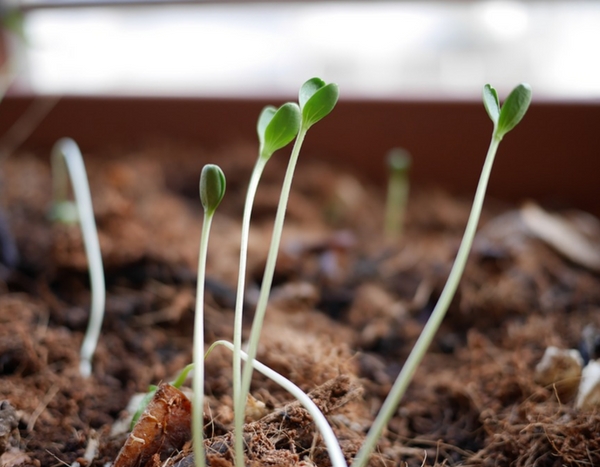
Sowing is done in a tray filled with good sowing compost, placed in full light. The seeds are very lightly buried and just covered with a pinch of compost or vermiculite. The tray should not be covered, as Oregano dislikes humidity; keep the substrate moist but not waterlogged.
When the seedlings seem strong enough to handle, prick them out into pots and gradually acclimatise your young plants to cooler conditions.
Transplanting to the garden or into pots is done when the plants are well-developed; they can potentially spend their first winter in a cold frame.
Cultivation:
Oregano is a hardy and easy-to-grow plant in sunny positions, in any well-drained soil, even stony, sandy and poor soils. It is not bothered by limestone, but dislikes moisture. If your soil is rather damp and clayey, we recommend growing it in pots, in rockeries or on a small mound where it will thrive.
In pots, choose a terracotta container at least 30 cm in diameter, with drainage holes to prevent excess moisture. Use a mixture formed of two-thirds good garden soil and one-third coarse sand. Place the pot in a sunny spot, sheltered from strong winds. Water regularly during the first few weeks after planting, then reduce watering frequency once the plant is well established, ensuring the substrate dries out slightly between waterings.
Sowing period
Intended location
Planting & care advice
-
-

-
-
-
-
-

-
This item has not been reviewed yet - be the first to leave a review about it.
Recently viewed products
Haven't found what you were looking for?
Hardiness is the lowest winter temperature a plant can endure without suffering serious damage or even dying. However, hardiness is affected by location (a sheltered area, such as a patio), protection (winter cover) and soil type (hardiness is improved by well-drained soil).

The flowering period indicated on our website applies to countries and regions located in USDA zone 8 (France, the United Kingdom, Ireland, the Netherlands, etc.)
It will vary according to where you live:- In zones 9 to 10 (Italy, Spain, Greece, etc.), flowering will occur about 2 to 4 weeks earlier.
- In zones 6 to 7 (Germany, Poland, Slovenia, and lower mountainous regions), flowering will be delayed by 2 to 3 weeks.
- In zone 5 (Central Europe, Scandinavia), blooming will be delayed by 3 to 5 weeks.
In temperate climates, pruning of spring-flowering shrubs (forsythia, spireas, etc.) should be done just after flowering.
Pruning of summer-flowering shrubs (Indian Lilac, Perovskia, etc.) can be done in winter or spring.
In cold regions as well as with frost-sensitive plants, avoid pruning too early when severe frosts may still occur.
The planting period indicated on our website applies to countries and regions located in USDA zone 8 (France, United Kingdom, Ireland, Netherlands).
It will vary according to where you live:
- In Mediterranean zones (Marseille, Madrid, Milan, etc.), autumn and winter are the best planting periods.
- In continental zones (Strasbourg, Munich, Vienna, etc.), delay planting by 2 to 3 weeks in spring and bring it forward by 2 to 4 weeks in autumn.
- In mountainous regions (the Alps, Pyrenees, Carpathians, etc.), it is best to plant in late spring (May-June) or late summer (August-September).
The harvesting period indicated on our website applies to countries and regions in USDA zone 8 (France, England, Ireland, the Netherlands).
In colder areas (Scandinavia, Poland, Austria...) fruit and vegetable harvests are likely to be delayed by 3-4 weeks.
In warmer areas (Italy, Spain, Greece, etc.), harvesting will probably take place earlier, depending on weather conditions.
The sowing periods indicated on our website apply to countries and regions within USDA Zone 8 (France, UK, Ireland, Netherlands).
In colder areas (Scandinavia, Poland, Austria...), delay any outdoor sowing by 3-4 weeks, or sow under glass.
In warmer climes (Italy, Spain, Greece, etc.), bring outdoor sowing forward by a few weeks.
Shipping country and language
Your country of residence may be:
Your country of residence is:
For a better user experience on our website, you can select:
Your shipping country:
-
 Austria
-
 Belgium
-
 Bosnia & Herzegovina
-
 Bulgaria
-
 Croatia
-
 Cyprus
-
 Czechia
-
 Denmark
-
 Estonia
-
 Finland
-
 France
-
 Germany
-
 Greece
-
 Hungary
-
 Iceland
-
 Ireland
-
 Italy
Italy
-
 Latvia
-
 Liechtenstein
-
 Lithuania
-
 Luxembourg
-
 Malta
Malta
-
 Netherlands
-
 Poland
-
 Portugal
-
 Romania
-
 Serbia
-
 Slovakia
-
 Slovenia
-
 Spain
Spain
-
 Sweden
-
 Switzerland
Language:
-
French
-
 English
-
Spanish
-
Italian
-
German
-
Portuguese
-
Dutch
-
Finnish
My Account
Hello
My wish lists
My cart
Log in / Register
Existing customer?
This form is protected by reCAPTCHA - the Google Privacy Policy and Terms of Service apply.
New customer?
Create an account to track your orders, access our customer service and, if you wish, make the most of our upcoming offers.