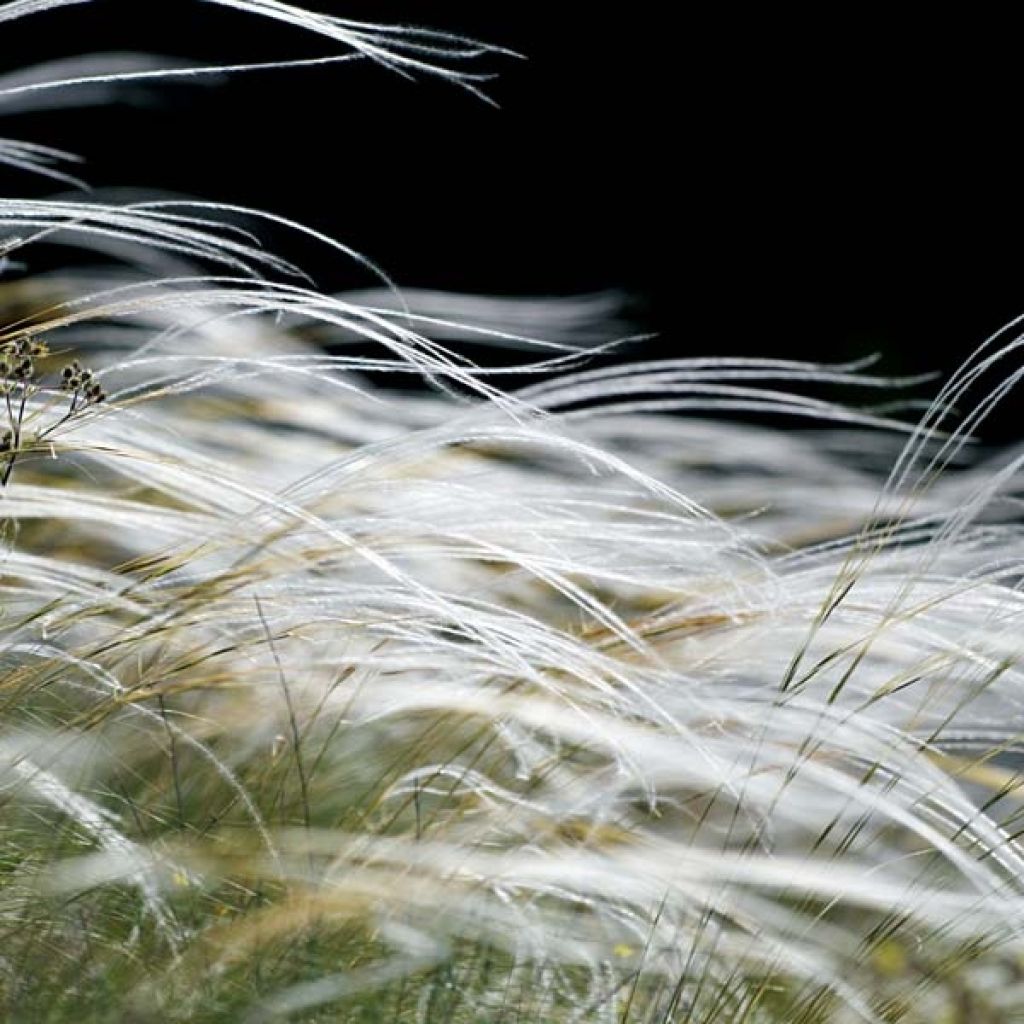
Stipa pennata
View more pictures
Hide images
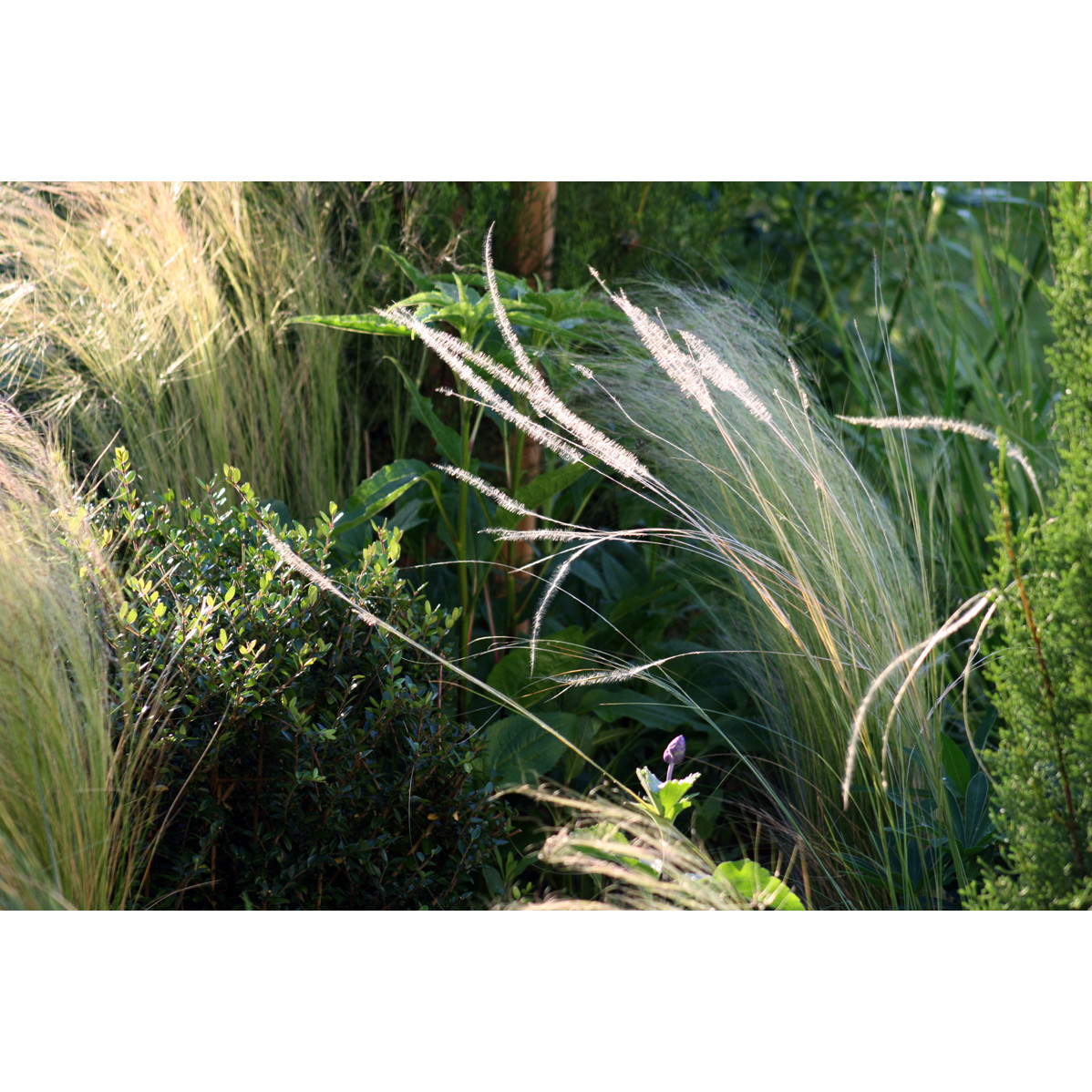
Laurence C.
Stipa pennata
Laurence C. • 40 FR
Stipa pennata
Stipa pennata
Feather grass, European feather grass
Arrived in good condition. It looks quite like the feather grass Stipa tenuifolia. I mixed the young plants together somewhat blindly, but the result promises to be splendid and wispy!
Sego, 31/10/2025
Back-to-school special offer!
Get €10 off for every €50 you spend! And get up to €40 off on a single order.
How does it work?
1. Shop your favourites
Add your favourite plants to your basket. For every €50 you spend (excluding delivery charges, store credit and the plastic-free option), you’ll receive a €10 voucher.
€50 spent = €10 voucher
€100 spent = €20 voucher
€150 spent = €30 voucher
€200 spent = €40 voucher
2. Place your order
Once your basket reaches one of the spending thresholds, place your order. You can even choose your delivery date!
3. Receive your voucher
As soon as your order has been shipped, you’ll receive an email containing your personal voucher code and its value.
4. Use it on your next order
Your voucher is valid for 90 days from the date you receive it. It can be used once only, on a new order worth at least the value of the voucher, excluding delivery charges.
Please note: Vouchers can be combined with other offers, but cannot be split or refunded.
Home or relay delivery (depending on size and destination)
Important: You may be charged customs duties by your country’s customs authorities upon delivery.
Schedule delivery date
and select date in basket
This plant carries a 12 months recovery warranty
More information
We guarantee the quality of our plants for a full growing cycle, and will replace at our expense any plant that fails to recover under normal climatic and planting conditions.

Would this plant suit my garden?
Set up your Plantfit profile →
Description
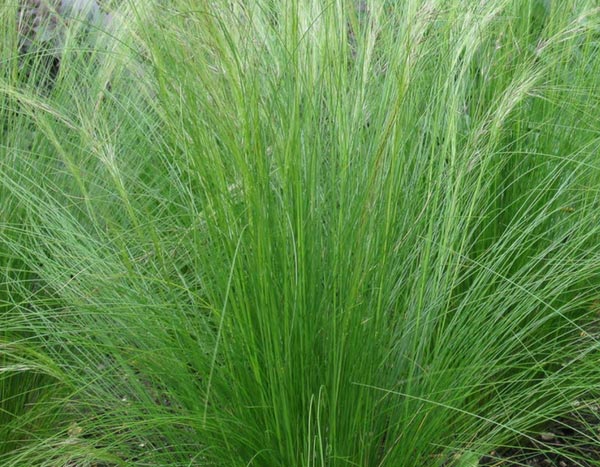
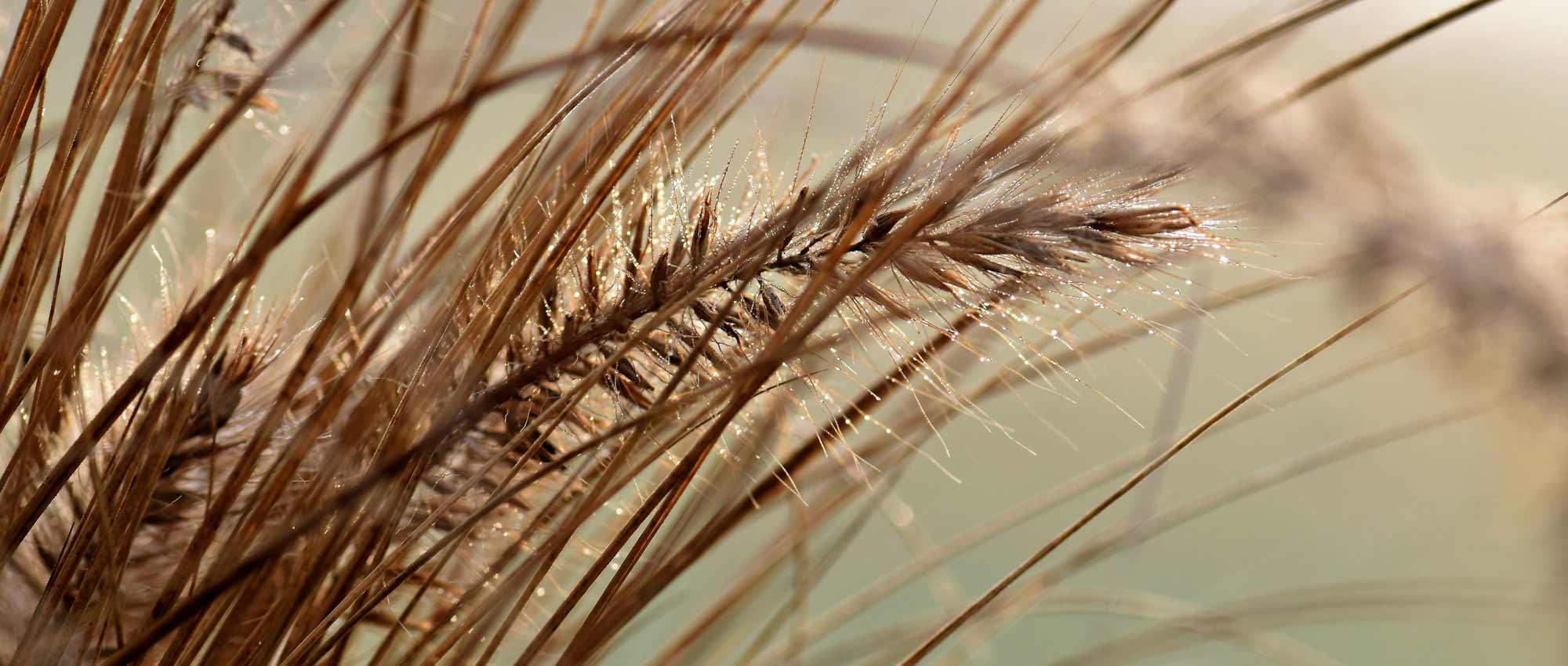
Stipa pennata, la stipe pennée, est une petite graminée sauvage dont les longues plumes argentées et déliées sont pleines de poésie. Au-dessus d’une touffe de feuilles très fines, elles se déploient comme des fils de soie et frémissent à la moindre brise. Elles sont particulièrement jolies lorsque le soleil les traverse. Cette espèce de petite taille est bien adaptée à l'ornement des rocailles et des jardins secs. Résistante à la sécheresse et heureuse dans les terres pauvres, elle permet de végétaliser des endroits peu accueillants pour de nombreuses vivaces.
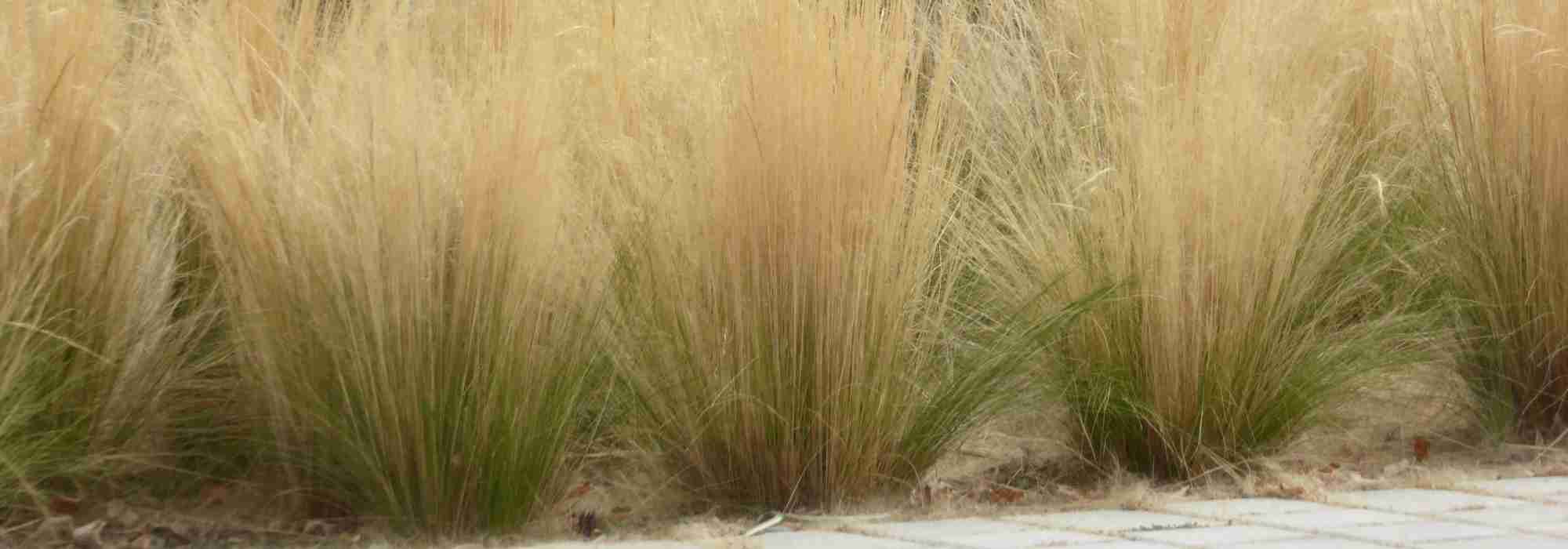
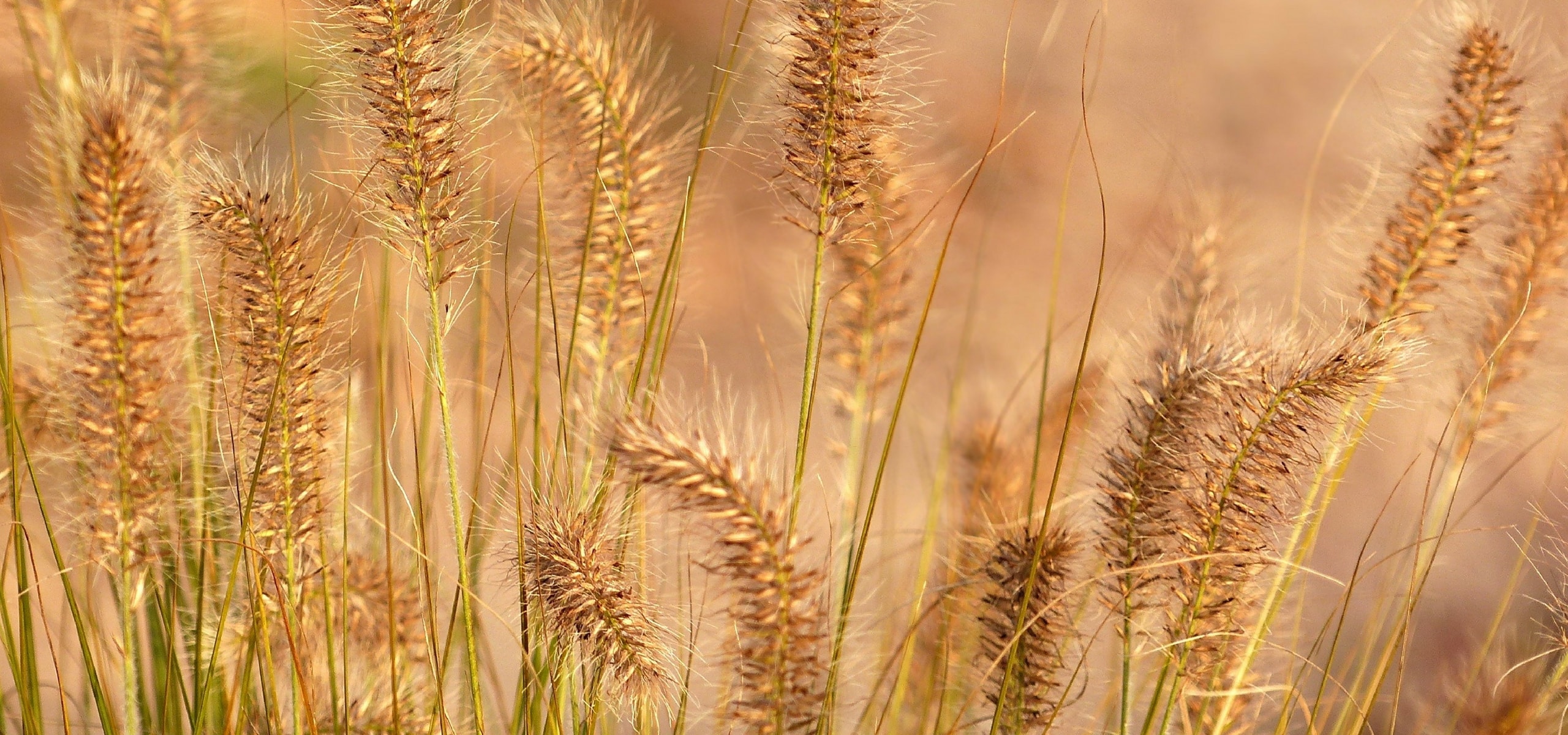
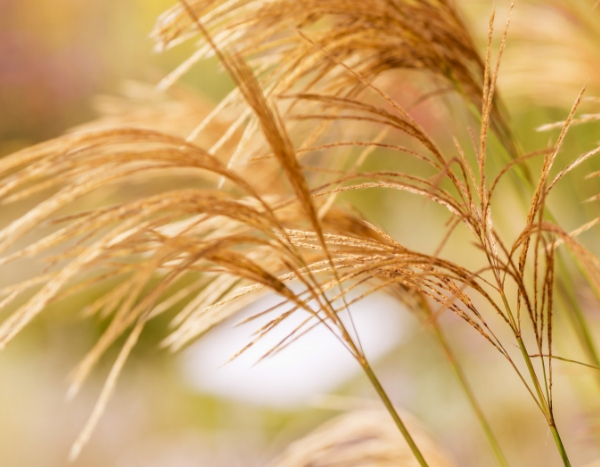
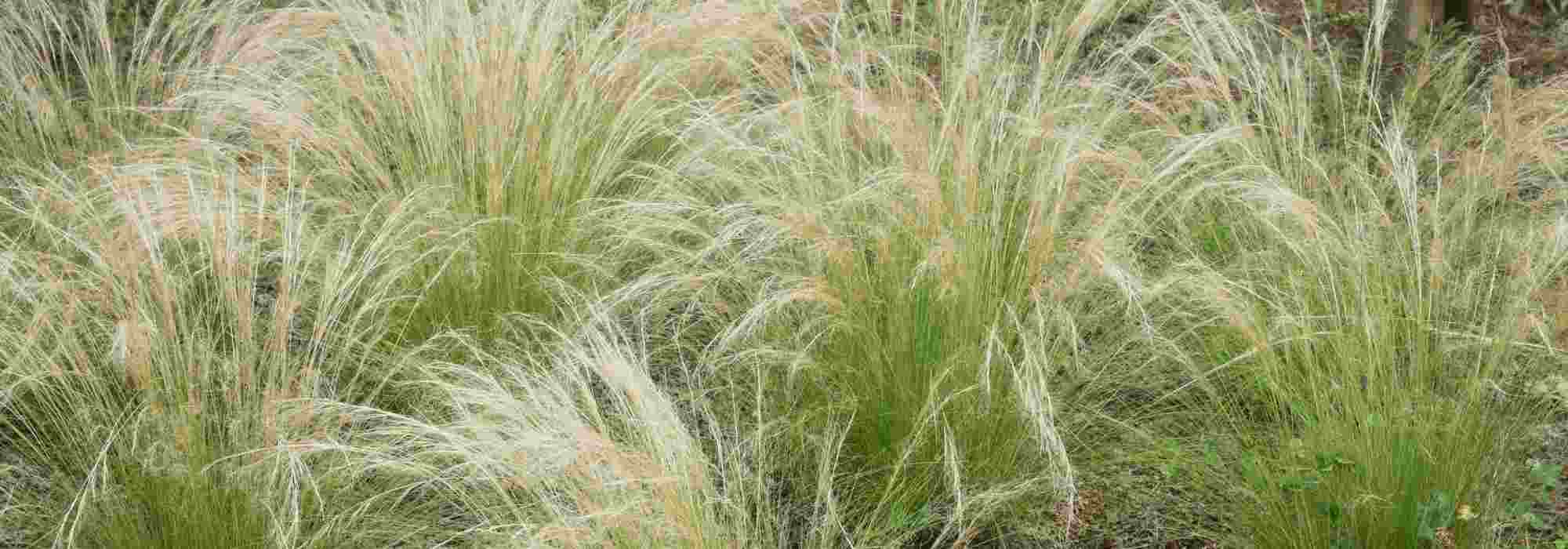
Le Stipa pennata appartient à la famille des Poacées. Il s’agit d’une espèce botanique, dont l’aire naturelle s’étend de l’Europe à la Sibérie et au Pakistan. Elle pousse notamment dans les pelouses sèches et les milieux steppiques, sur des terrains ouverts, ensoleillés et pauvres en nutriments. Son nom pennata, qui signifie « penné », fait référence à l’aspect plumeux des arêtes qui prolongent les enveloppes de ses fleurs. Son origine explique ses besoins au jardin : beaucoup de lumière, peu de fertilisation et un drainage efficace. La plante forme une touffe compacte, non traçante, composée de feuilles étroites, filiformes, vertes à légèrement glauques. D’abord dressées, elles s’inclinent en prenant de l'âge. Le feuillage est persistant à semi-persistant selon les conditions hivernales, avec une proportion de feuilles sèches qui augmente au fil des saisons. En fleurs, la plante atteint 40 à 60 cm de hauteur, pour une largeur de 30 cm. Ses chaumes fins se dressent au-dessus des feuilles sans former une masse opaque. La floraison a lieu de mai à juillet selon le climat, elle est plus précoce dans les régions chaudes. Les petites fleurs sont réunies en panicules étroites. Leur caractère remarquable tient aux arêtes de 15 à 30 cm de longueur, garnies de poils soyeux dans leur partie supérieure. Déjà présentes pendant la floraison, elles persistent sur les graines jusqu’à leur dispersion. Leur coloris argenté prend progressivement des nuances blondes. Le Stipa pennata résiste jusqu’à −15 °C dans un sol bien drainé, mais redoute l’humidité stagnante en hiver.
Le Stipa pennata est une excellente plante pour les jardins de gravier, les rocailles et les prairies sèches. Cette graminée accompagne les achillées couvre-sol, des petits chardons comme les Echinops, les orpins d'automne et les armoises de terrain sec. Ses longues plumes argentées donnent du mouvement aux massifs d’allure sauvage et se mêlent aussi à d’autres graminées telles que le Stipa tenuifolia et le Muhlenbergia capillaris. Planté en petites touffes répétées, il dessine une bordure souple le long d’une allée ou entre les pierres d’une rocaille. Quelques tiges coupées se mêleront aux fleurs d’un bouquet champêtre.
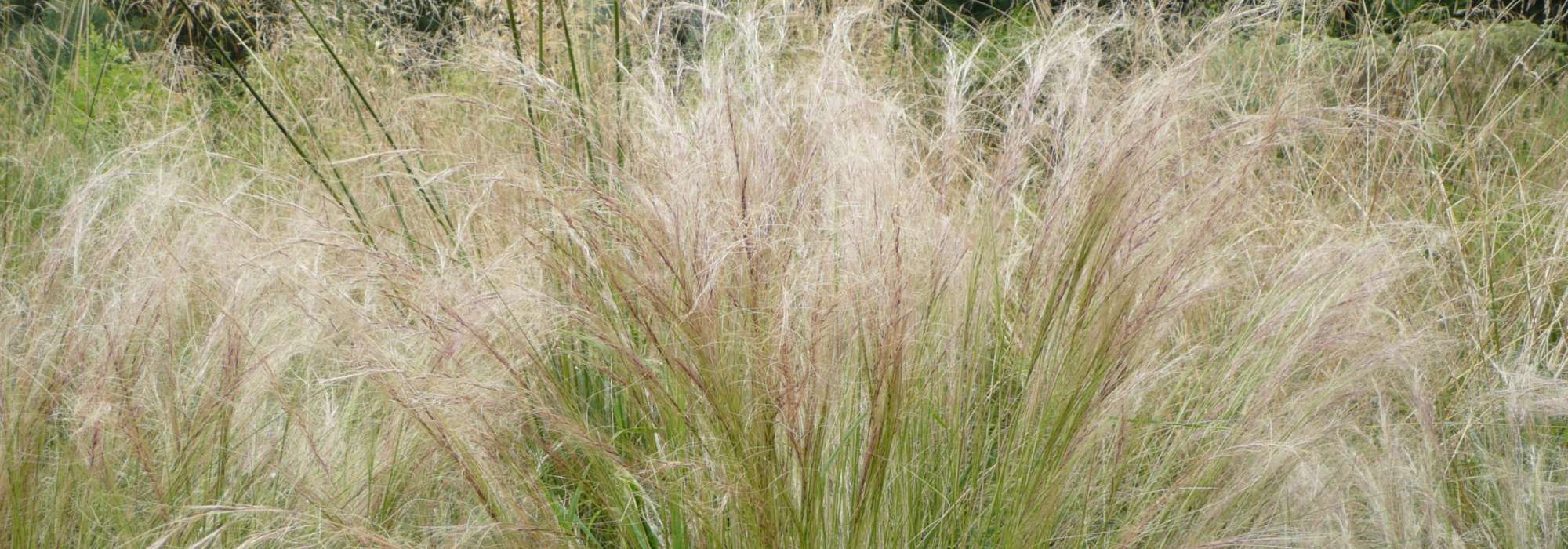
Stipa pennata in pictures
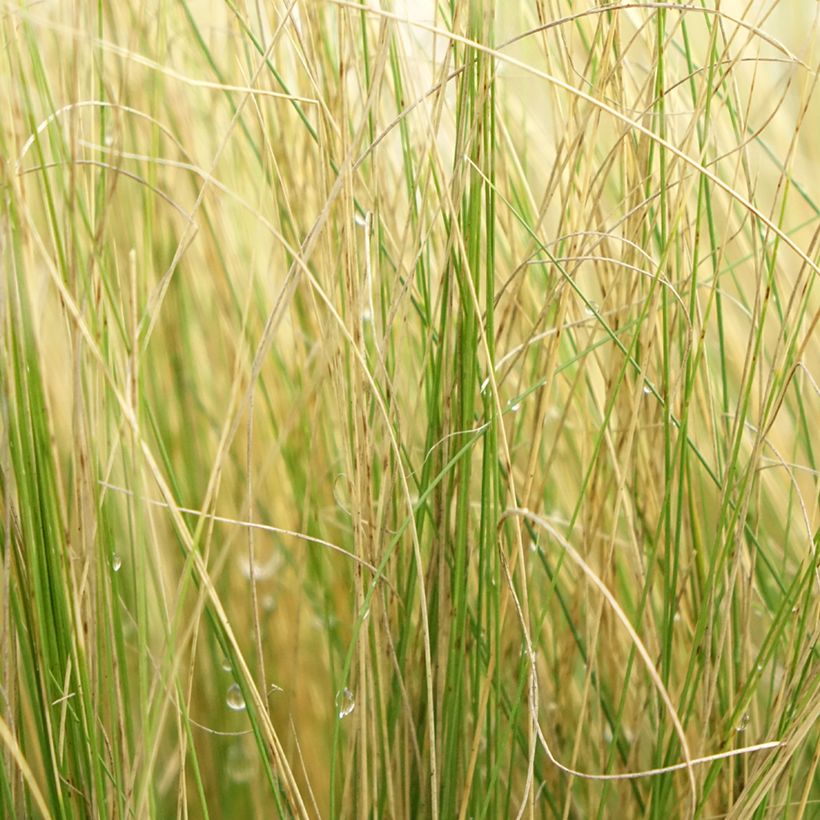
Flowering
Foliage
Plant habit
Botanical data
Stipa
pennata
Poaceae
Feather grass, European feather grass
Central Europe, Eastern Europe, Southern Europe, Central Asia
Planting and care
Stipa pennata is grown in full sun, in a poor to moderately fertile, very well-drained, even dry soil, with a neutral to alkaline pH. It likes chalky, sandy, gravelly or stony soils. Heavy clay soils and sites that hold water in winter are not suitable for it. Its hardiness reaches −15 °C in well-drained soil. This feather grass tolerates drying winds and finds favourable conditions in continental or Mediterranean climates. In an oceanic climate, winter drainage requires particular attention. Planting is carried out in spring, or in September-October when the rains return in Mediterranean regions. Watering accompanies establishment; once rooted, the plant tolerates drought very well. Fertiliser applications are unnecessary.
Planting period
Intended location
Care
Planting & care advice
-
-
-

-
-
-
-
-
-
, onOrder confirmed
Reply from on Promesse de fleurs
Recently viewed products
Haven't found what you were looking for?
Hardiness is the lowest winter temperature a plant can endure without suffering serious damage or even dying. However, hardiness is affected by location (a sheltered area, such as a patio), protection (winter cover) and soil type (hardiness is improved by well-drained soil).

The flowering period indicated on our website applies to countries and regions located in USDA zone 8 (France, the United Kingdom, Ireland, the Netherlands, etc.)
It will vary according to where you live:- In zones 9 to 10 (Italy, Spain, Greece, etc.), flowering will occur about 2 to 4 weeks earlier.
- In zones 6 to 7 (Germany, Poland, Slovenia, and lower mountainous regions), flowering will be delayed by 2 to 3 weeks.
- In zone 5 (Central Europe, Scandinavia), blooming will be delayed by 3 to 5 weeks.
In temperate climates, pruning of spring-flowering shrubs (forsythia, spireas, etc.) should be done just after flowering.
Pruning of summer-flowering shrubs (Indian Lilac, Perovskia, etc.) can be done in winter or spring.
In cold regions as well as with frost-sensitive plants, avoid pruning too early when severe frosts may still occur.
The planting period indicated on our website applies to countries and regions located in USDA zone 8 (France, United Kingdom, Ireland, Netherlands).
It will vary according to where you live:
- In Mediterranean zones (Marseille, Madrid, Milan, etc.), autumn and winter are the best planting periods.
- In continental zones (Strasbourg, Munich, Vienna, etc.), delay planting by 2 to 3 weeks in spring and bring it forward by 2 to 4 weeks in autumn.
- In mountainous regions (the Alps, Pyrenees, Carpathians, etc.), it is best to plant in late spring (May-June) or late summer (August-September).
The harvesting period indicated on our website applies to countries and regions in USDA zone 8 (France, England, Ireland, the Netherlands).
In colder areas (Scandinavia, Poland, Austria...) fruit and vegetable harvests are likely to be delayed by 3-4 weeks.
In warmer areas (Italy, Spain, Greece, etc.), harvesting will probably take place earlier, depending on weather conditions.
The sowing periods indicated on our website apply to countries and regions within USDA Zone 8 (France, UK, Ireland, Netherlands).
In colder areas (Scandinavia, Poland, Austria...), delay any outdoor sowing by 3-4 weeks, or sow under glass.
In warmer climes (Italy, Spain, Greece, etc.), bring outdoor sowing forward by a few weeks.
Shipping country and language
Your country of residence may be:
Your country of residence is:
For a better user experience on our website, you can select:
Your shipping country:
-
 Austria
-
 Belgium
-
 Bosnia & Herzegovina
-
 Bulgaria
-
 Croatia
-
 Cyprus
-
 Czechia
-
 Denmark
-
 Estonia
-
 Finland
-
 France
-
 Germany
-
 Greece
-
 Hungary
-
 Iceland
-
 Ireland
-
 Italy
Italy
-
 Latvia
-
 Liechtenstein
-
 Lithuania
-
 Luxembourg
-
 Malta
Malta
-
 Netherlands
-
 Poland
-
 Portugal
-
 Romania
-
 Serbia
-
 Slovakia
-
 Slovenia
-
 Spain
Spain
-
 Sweden
-
 Switzerland
Language:
-
French
-
 English
-
Spanish
-
Italian
-
German
-
Portuguese
-
Dutch
-
Finnish
My Account
Hello
My wish lists
My cart
Log in / Register
Existing customer?
This form is protected by reCAPTCHA - the Google Privacy Policy and Terms of Service apply.
New customer?
Create an account to track your orders, access our customer service and, if you wish, make the most of our upcoming offers.