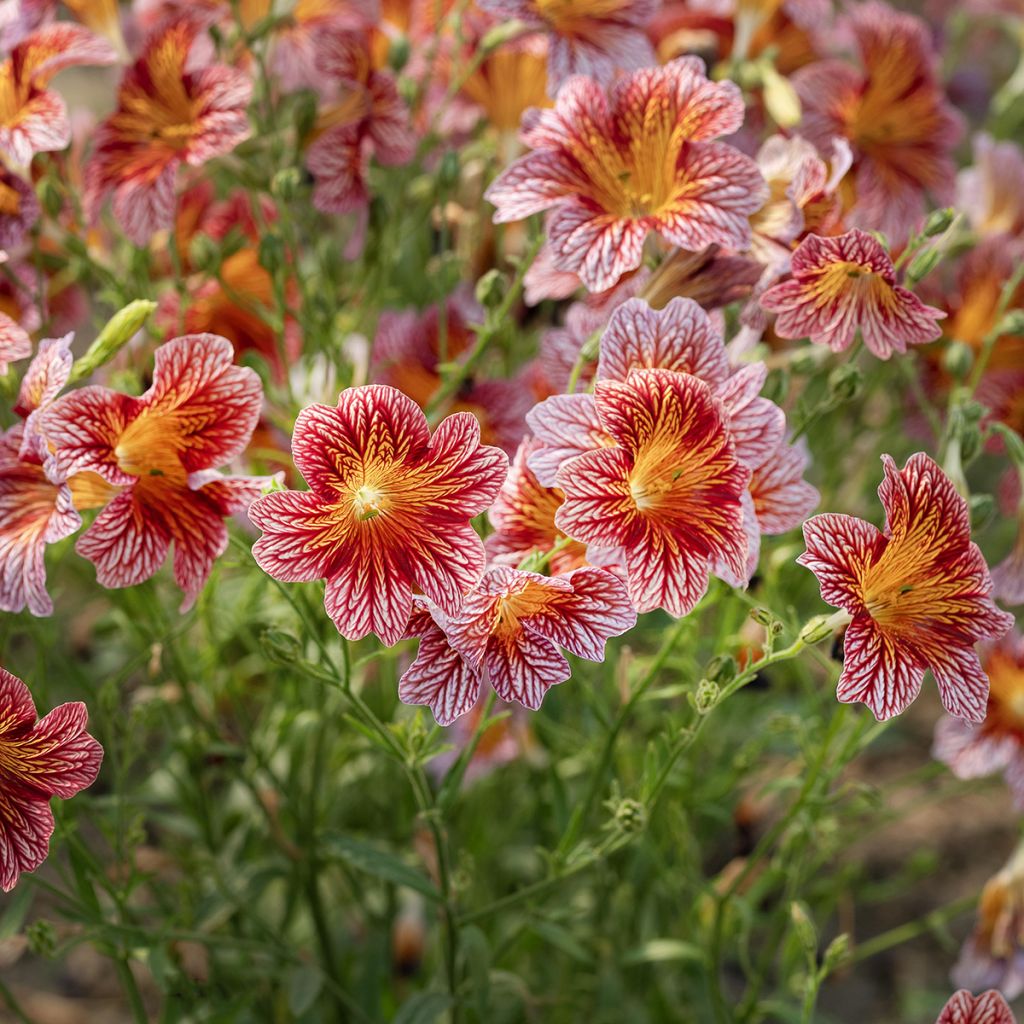
Salpiglossis sinuata Tora Red seeds - Painted Tongue
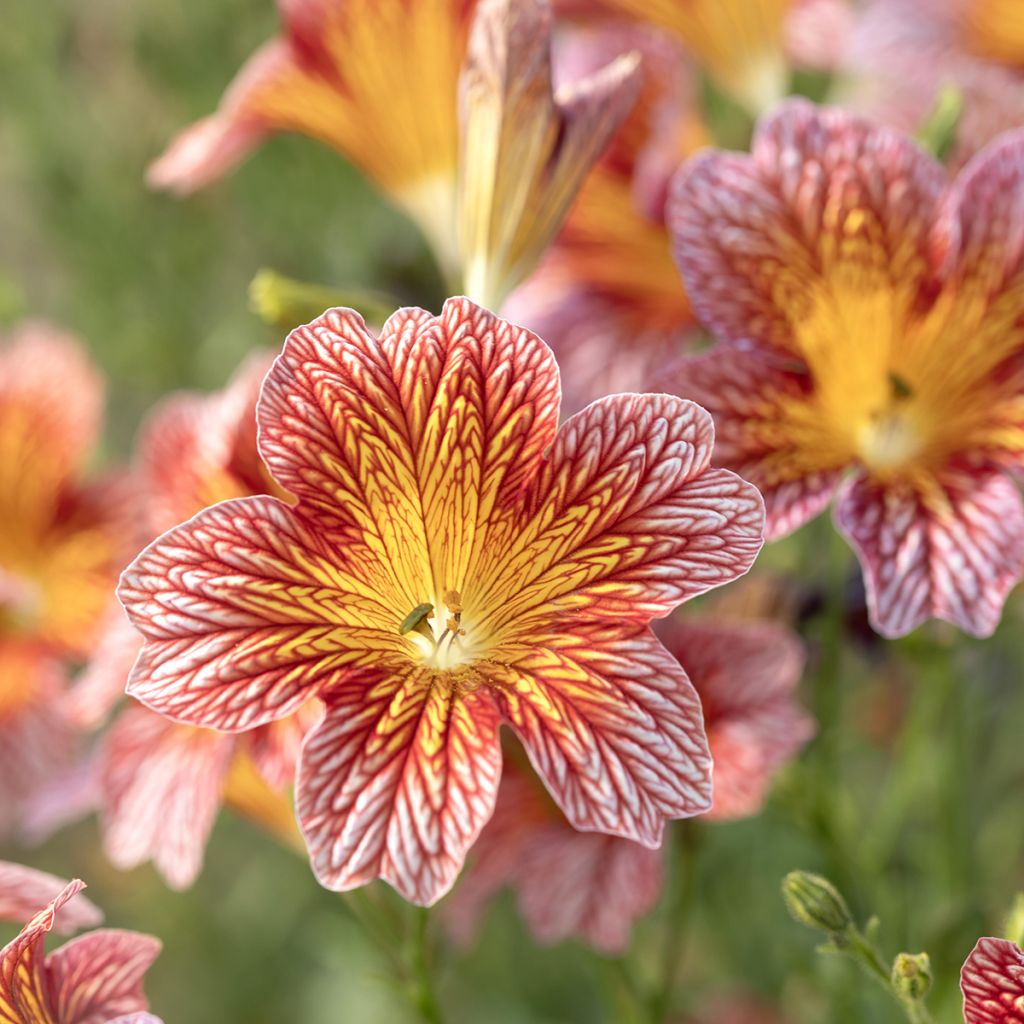
Salpiglossis sinuata Tora Red seeds - Painted Tongue
Salpiglossis sinuata Tora Red seeds - Painted Tongue
Salpiglossis sinuata Tora Red
Painted Tongue, Trompettes de velours
Back-to-school special offer!
Get €10 off for every €50 you spend! And get up to €40 off on a single order.
How does it work?
1. Shop your favourites
Add your favourite plants to your basket. For every €50 you spend (excluding delivery charges, store credit and the plastic-free option), you’ll receive a €10 voucher.
€50 spent = €10 voucher
€100 spent = €20 voucher
€150 spent = €30 voucher
€200 spent = €40 voucher
2. Place your order
Once your basket reaches one of the spending thresholds, place your order. You can even choose your delivery date!
3. Receive your voucher
As soon as your order has been shipped, you’ll receive an email containing your personal voucher code and its value.
4. Use it on your next order
Your voucher is valid for 90 days from the date you receive it. It can be used once only, on a new order worth at least the value of the voucher, excluding delivery charges.
Please note: Vouchers can be combined with other offers, but cannot be split or refunded.
Home or relay delivery (depending on size and destination)
Important: You may be charged customs duties by your country’s customs authorities upon delivery.
Schedule delivery date
and select date in basket
This plant carries a 6 months recovery warranty
More information
We guarantee the quality of our plants for a full growing cycle, and will replace at our expense any plant that fails to recover under normal climatic and planting conditions.
Would this plant suit my garden?
Set up your Plantfit profile →
Description
Salpiglossis sinuata 'Tora Red' is a spectacular variety, awarded for its originality with the Fleuroselect "Approved Novelty" label. It stands out with its large, vividly coloured funnel-shaped flowers. Nicknamed the Velvet Trumpet, it makes a striking addition to sunny borders, beds, and flowering containers. Sown early under cover, it flowers abundantly from June to September. The coated seeds allow for easy and homogeneous sowing.
Salpiglossis sinuata 'Tora Red' is a plant from the Solanaceae family, just like tomatoes and petunias. It is also known as "painted tongue" or "changing flower salpiglossis". The species, Salpiglossis sinuata, is native to southern Chile, where it grows in open prairies, forest edges, and disturbed areas. Although perennial in its native habitat, it is commonly grown as an annual in temperate climates due to its sensitivity to frost.
The 'Tora Red' cultivar was developed by Takii Europe and is part of the "Tora" series, which is characterised by 5 cm diameter flowers with intense, veined colours. This series is valued for its uniform flowering and horticultural performance.
'Tora Red' produces intense pink-red flowers with a yellow centre and dark red veins. The plant has an upright, bushy habit, reaching approximately 45 cm in height with a 30 cm spread. Its growth is rapid, and flowering is abundant from July to September. The flowers are funnel-shaped with five lobes and have a velvety texture. They are borne in terminal clusters and attract pollinators such as bees and butterflies. The foliage consists of lanceolate, medium green, 7 to 15 cm long leaves with wavy or toothed margins. The leaves and stems are slightly hairy and sticky to the touch. The plant produces dry capsules containing fine seeds, which can be harvested for sowing the following year.
Salpiglossis sinuata 'Tora Red' is particularly prized in containers for its shimmering colours and long flowering period. It is also widely used in cottage-style gardens, especially as a border plant. This colourful plant pairs well with bidens, diascas in peach or pink tones, or morning glories with purple foliage to create highly colourful pot compositions. In the ground, it pairs perfectly with white gaura, chocolate cosmos, or love-in-a-mist.
The coated seeds are covered with a thin layer of natural material, often clay-based, which facilitates their handling and sowing. This coating improves seed visibility and promotes more uniform germination. It may also contain nutrients or protective agents to support the young seedling in its early stages of development.
Report an error about the product description
Salpiglossis sinuata Tora Red seeds - Painted Tongue in pictures
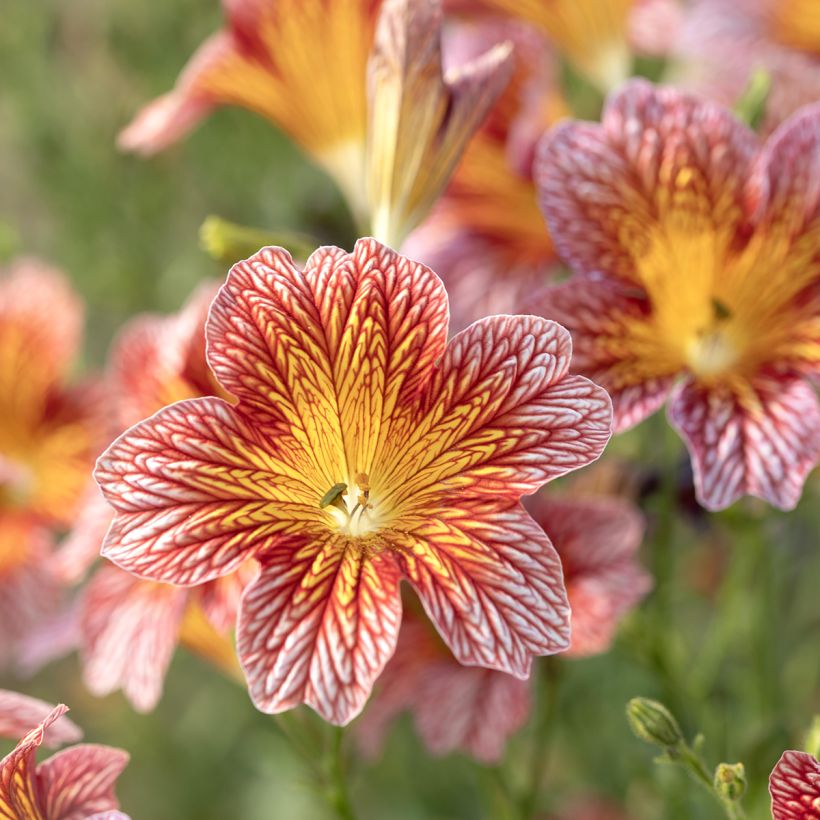
Flowering
Foliage
Plant habit
Botanical data
Salpiglossis
sinuata
Tora Red
Solanaceae
Painted Tongue, Trompettes de velours
Cultivar or hybrid
Planting and care
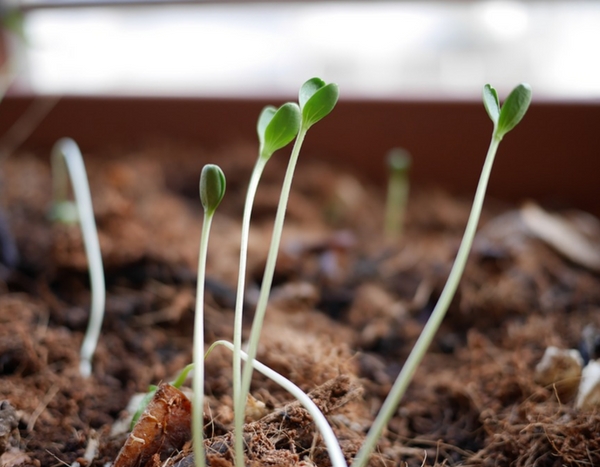
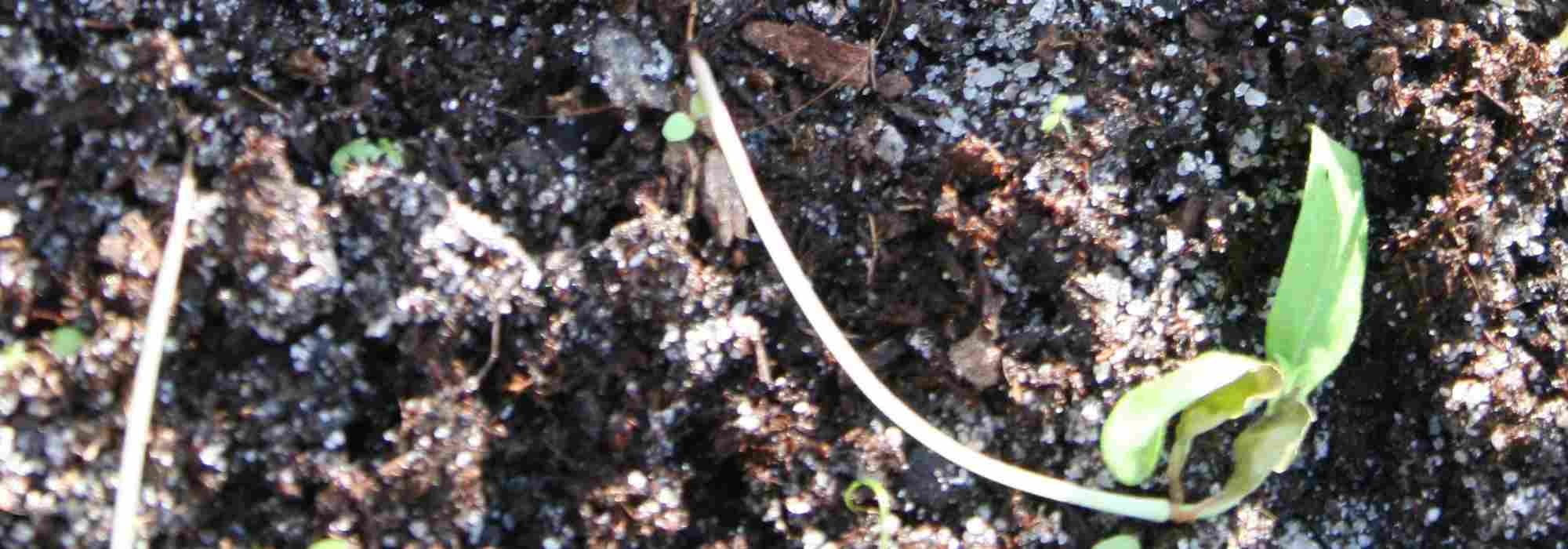
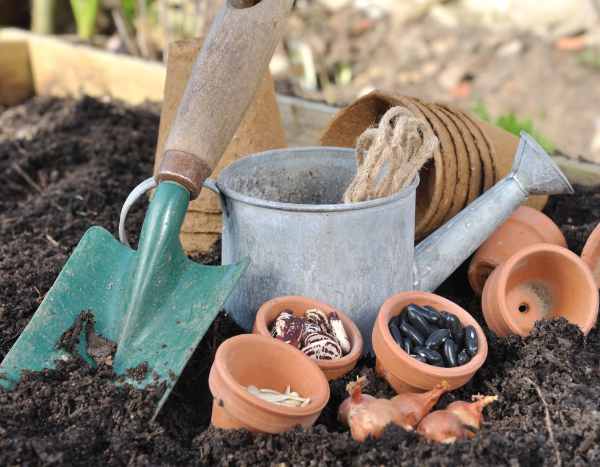
Salpiglossis 'Tora Red' is best sown under cover in seed trays from March onwards. If frost is still possible in your area, wait until April, as the seeds prefer a temperature between 18 and 25°C to germinate.
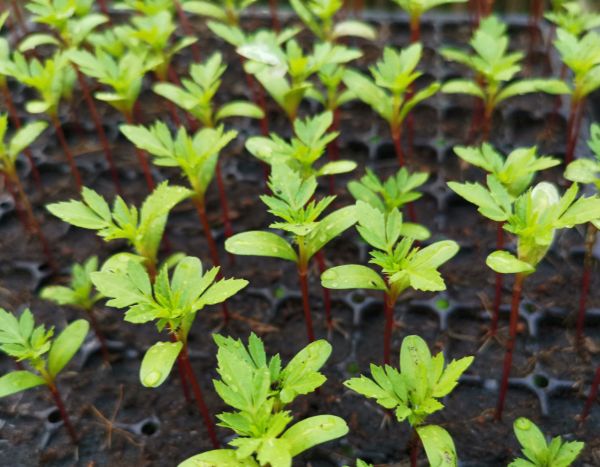
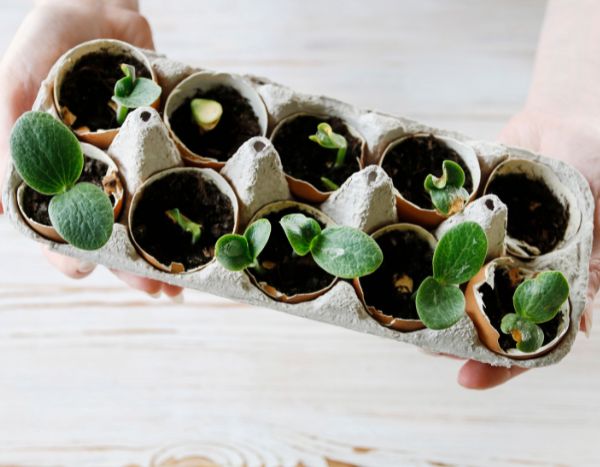
Just cover the seeds with a thin layer of compost, keeping it slightly moist. They will germinate within 14 to 30 days. Be sure to leave the trays in the sun, as the seeds need light to sprout. You can also cover them with a plastic bag to maintain a warm, humid atmosphere. When the seedlings are large enough to handle, you can separate them and pot them on if the frost period is not yet over, keeping them warm (by bringing them out during the day) until planting out in the open ground in May. Alternatively, you can place them in planters or pots. You can gradually acclimatise them if nights are still cool by taking them out of their shelter during the day. Choose a rich compost-based substrate, neither too dry nor waterlogged.
To encourage further branching of the Salpiglossis, you can pinch out the growing tips of the stems.
Sowing period
Intended location
Planting & care advice
-
-
-
-

-

-
-
-
This item has not been reviewed yet - be the first to leave a review about it.
Recently viewed products
Haven't found what you were looking for?
Hardiness is the lowest winter temperature a plant can endure without suffering serious damage or even dying. However, hardiness is affected by location (a sheltered area, such as a patio), protection (winter cover) and soil type (hardiness is improved by well-drained soil).

The flowering period indicated on our website applies to countries and regions located in USDA zone 8 (France, the United Kingdom, Ireland, the Netherlands, etc.)
It will vary according to where you live:- In zones 9 to 10 (Italy, Spain, Greece, etc.), flowering will occur about 2 to 4 weeks earlier.
- In zones 6 to 7 (Germany, Poland, Slovenia, and lower mountainous regions), flowering will be delayed by 2 to 3 weeks.
- In zone 5 (Central Europe, Scandinavia), blooming will be delayed by 3 to 5 weeks.
In temperate climates, pruning of spring-flowering shrubs (forsythia, spireas, etc.) should be done just after flowering.
Pruning of summer-flowering shrubs (Indian Lilac, Perovskia, etc.) can be done in winter or spring.
In cold regions as well as with frost-sensitive plants, avoid pruning too early when severe frosts may still occur.
The planting period indicated on our website applies to countries and regions located in USDA zone 8 (France, United Kingdom, Ireland, Netherlands).
It will vary according to where you live:
- In Mediterranean zones (Marseille, Madrid, Milan, etc.), autumn and winter are the best planting periods.
- In continental zones (Strasbourg, Munich, Vienna, etc.), delay planting by 2 to 3 weeks in spring and bring it forward by 2 to 4 weeks in autumn.
- In mountainous regions (the Alps, Pyrenees, Carpathians, etc.), it is best to plant in late spring (May-June) or late summer (August-September).
The harvesting period indicated on our website applies to countries and regions in USDA zone 8 (France, England, Ireland, the Netherlands).
In colder areas (Scandinavia, Poland, Austria...) fruit and vegetable harvests are likely to be delayed by 3-4 weeks.
In warmer areas (Italy, Spain, Greece, etc.), harvesting will probably take place earlier, depending on weather conditions.
The sowing periods indicated on our website apply to countries and regions within USDA Zone 8 (France, UK, Ireland, Netherlands).
In colder areas (Scandinavia, Poland, Austria...), delay any outdoor sowing by 3-4 weeks, or sow under glass.
In warmer climes (Italy, Spain, Greece, etc.), bring outdoor sowing forward by a few weeks.
Shipping country and language
Your country of residence may be:
Your country of residence is:
For a better user experience on our website, you can select:
Your shipping country:
-
 Austria
-
 Belgium
-
 Bosnia & Herzegovina
-
 Bulgaria
-
 Croatia
-
 Cyprus
-
 Czechia
-
 Denmark
-
 Estonia
-
 Finland
-
 France
-
 Germany
-
 Greece
-
 Hungary
-
 Iceland
-
 Ireland
-
 Italy
Italy
-
 Latvia
-
 Liechtenstein
-
 Lithuania
-
 Luxembourg
-
 Malta
Malta
-
 Netherlands
-
 Poland
-
 Portugal
-
 Romania
-
 Serbia
-
 Slovakia
-
 Slovenia
-
 Spain
Spain
-
 Sweden
-
 Switzerland
Language:
-
French
-
 English
-
Spanish
-
Italian
-
German
-
Portuguese
-
Dutch
-
Finnish
My Account
Hello
My wish lists
My cart
Log in / Register
Existing customer?
This form is protected by reCAPTCHA - the Google Privacy Policy and Terms of Service apply.
New customer?
Create an account to track your orders, access our customer service and, if you wish, make the most of our upcoming offers.