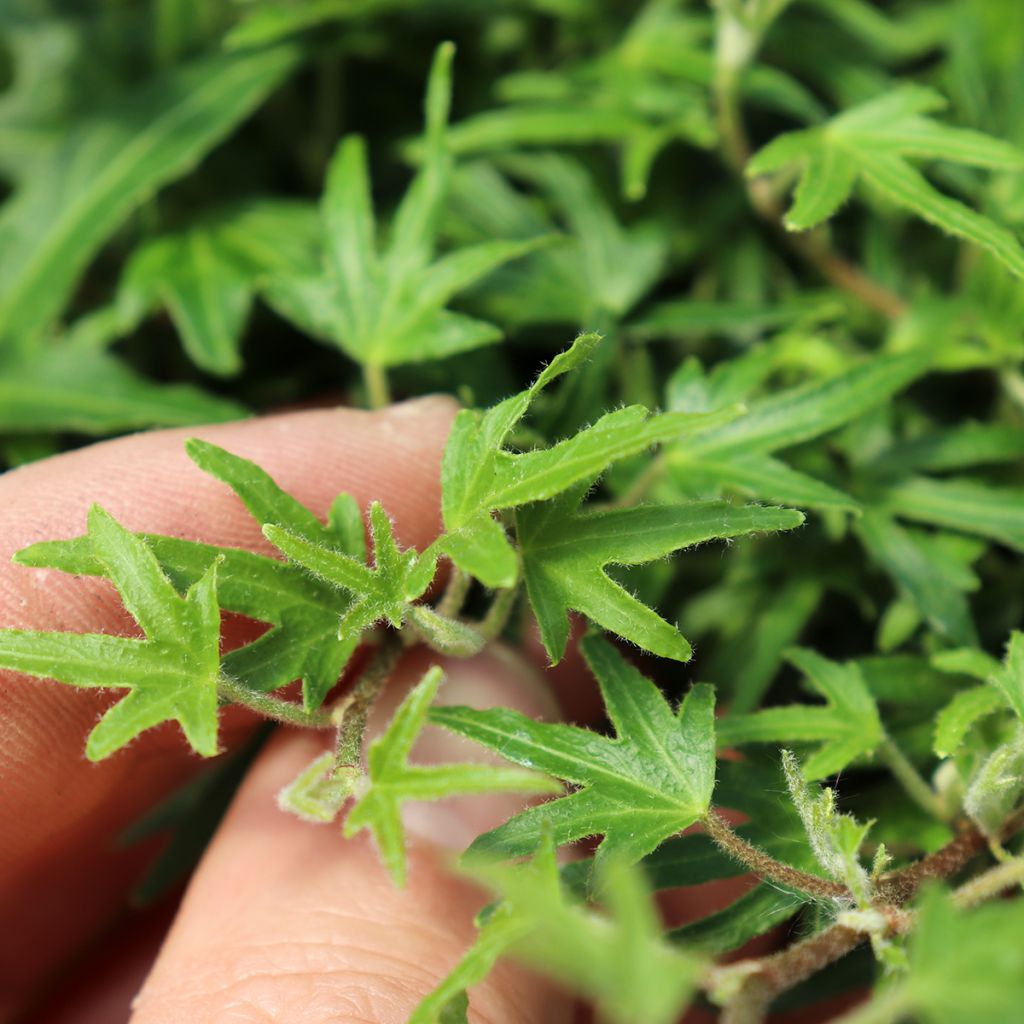
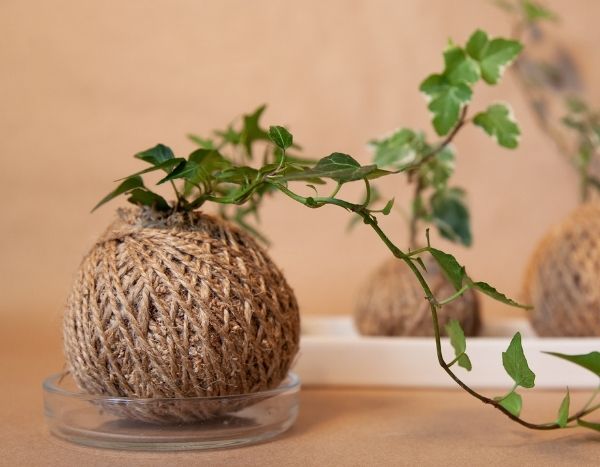
Hedera helix Dyinnii - English Ivy
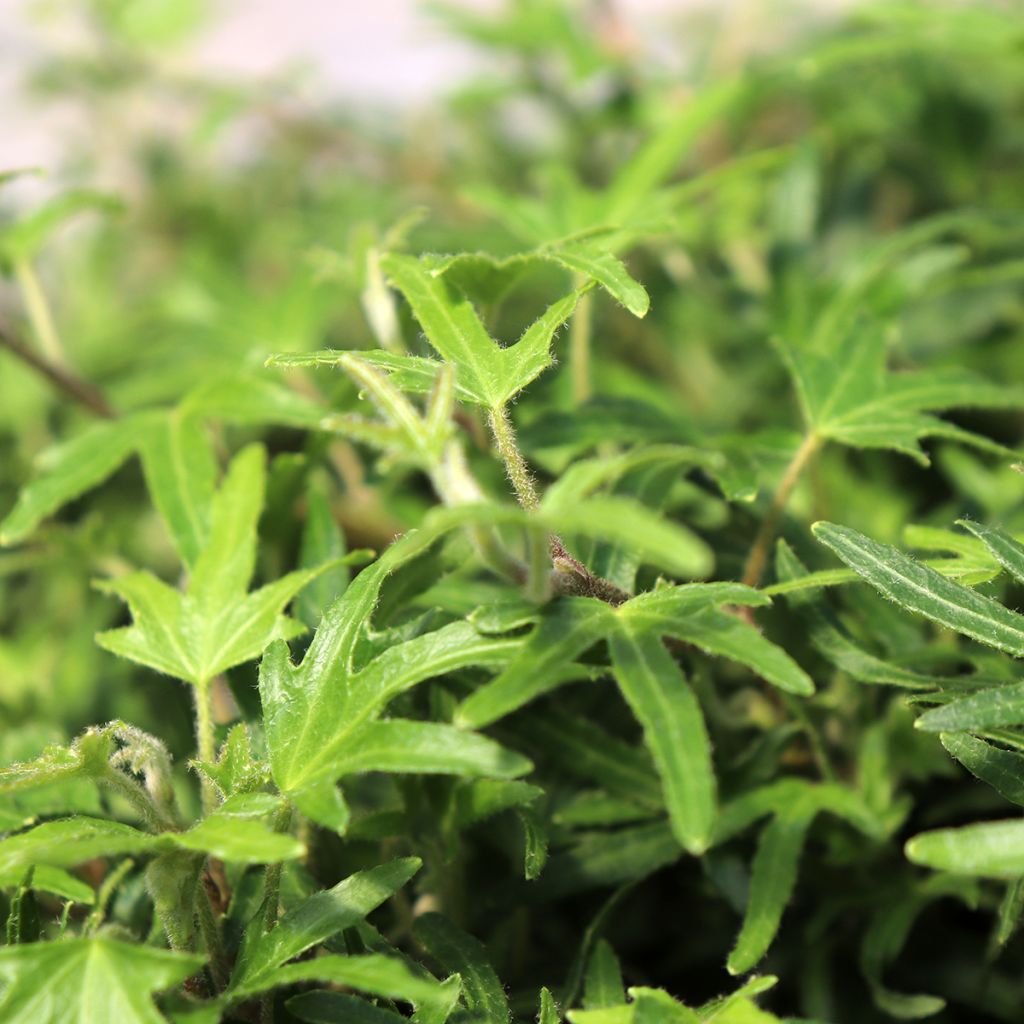
Hedera helix Dyinnii - English Ivy
Hedera helix Dyinnii - English Ivy
Hedera helix Dyinnii
English Ivy, Common Ivy, European Ivy
Very good, in perfect condition, looks like it's taking.
Mimi, 08/04/2025
Back-to-school special offer!
Get €10 off for every €50 you spend! And get up to €40 off on a single order.
How does it work?
1. Shop your favourites
Add your favourite plants to your basket. For every €50 you spend (excluding delivery charges, store credit and the plastic-free option), you’ll receive a €10 voucher.
€50 spent = €10 voucher
€100 spent = €20 voucher
€150 spent = €30 voucher
€200 spent = €40 voucher
2. Place your order
Once your basket reaches one of the spending thresholds, place your order. You can even choose your delivery date!
3. Receive your voucher
As soon as your order has been shipped, you’ll receive an email containing your personal voucher code and its value.
4. Use it on your next order
Your voucher is valid for 90 days from the date you receive it. It can be used once only, on a new order worth at least the value of the voucher, excluding delivery charges.
Please note: Vouchers can be combined with other offers, but cannot be split or refunded.
Home or relay delivery (depending on size and destination)
Important: You may be charged customs duties by your country’s customs authorities upon delivery.
Schedule delivery date
and select date in basket
This plant carries a 12 months recovery warranty
More information
We guarantee the quality of our plants for a full growing cycle, and will replace at our expense any plant that fails to recover under normal climatic and planting conditions.

Would this plant suit my garden?
Set up your Plantfit profile →
Description
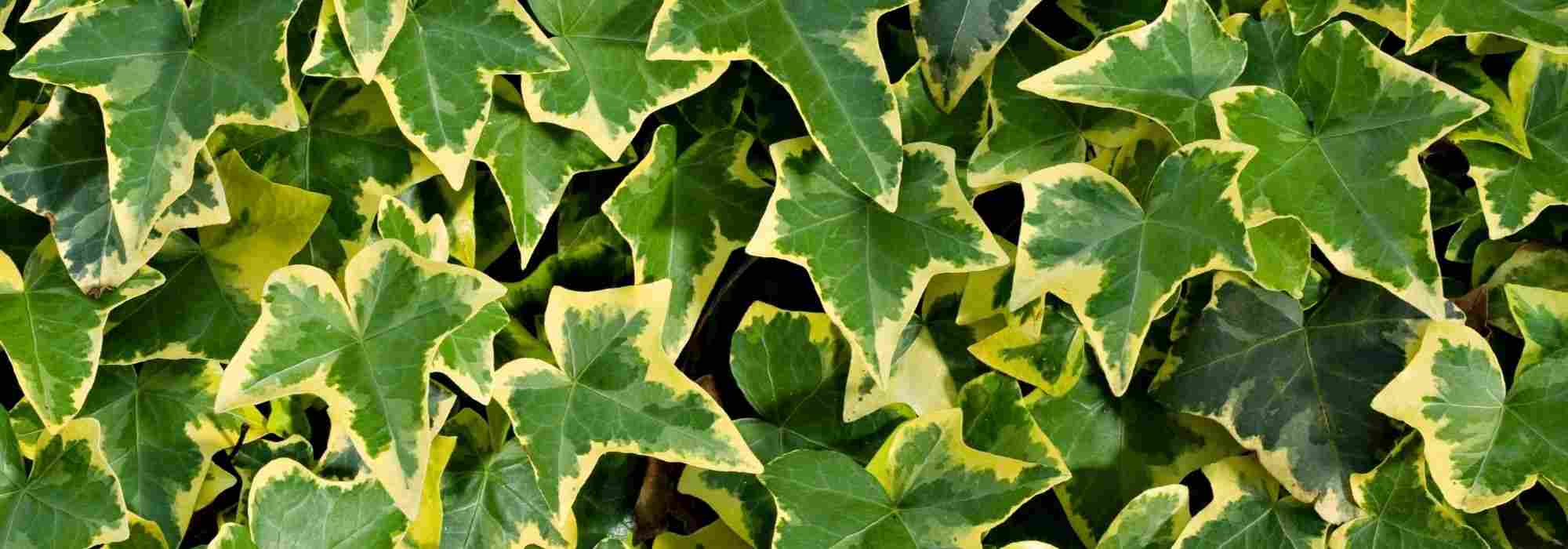
The Hedera helix 'Dyinnii' is a slow-growing evergreen ornamental ivy with a weak development. Extremely decorative with its miniature foliage deeply cut into five lobes, it is perfectly suitable for pot or container cultivation. Non-invasive, it can also be planted as a border in open ground. Adapting to most soils and exposures, except for overly sunny ones, it is a valuable plant for shady areas. Easy to grow, requiring virtually no maintenance, it is very hardy.
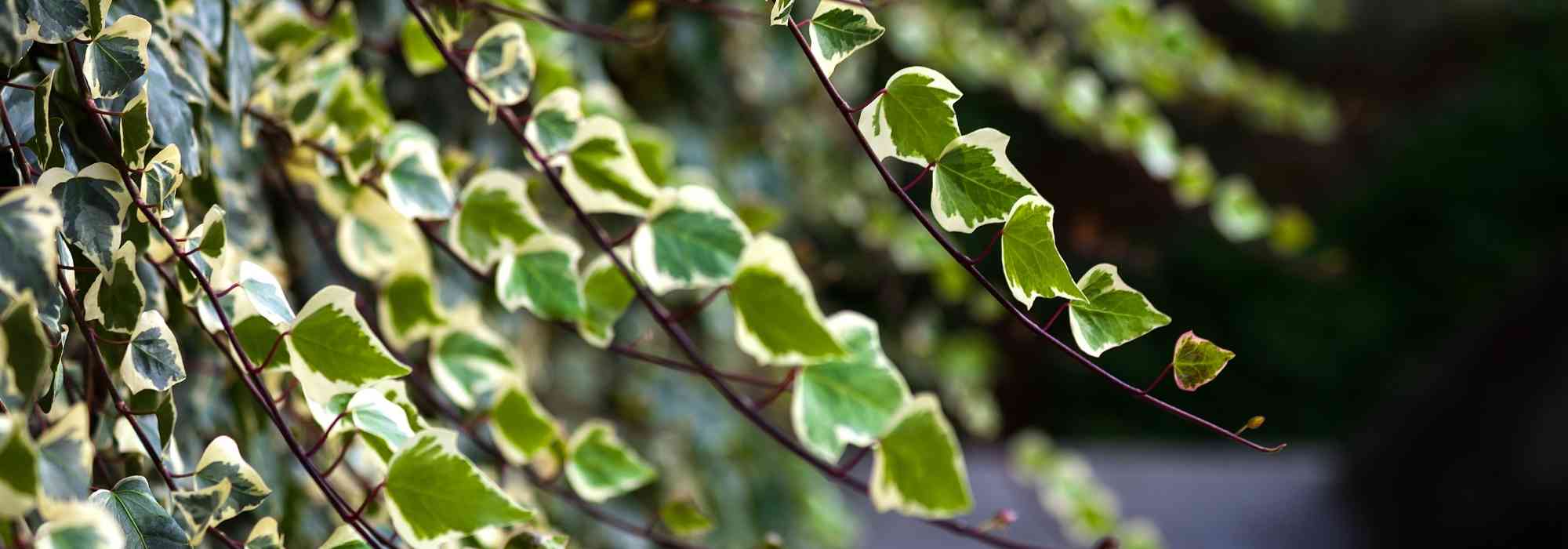
Ivy is one of the few European members of the Araliaceae family, well established in subtropical areas and represented in our gardens by the Angelica tree (Aralia elata) or the Tetrapanax papyrifera 'Rex' with giant leaves. There are less than ten species of Hedera, the most common being the climbing ivy or Hedera helix. Cultivated for a long time, there are numerous cultivars in parks and gardens, with green or variegated leaves and varying sizes, most of them climbing or, more rarely, erect (Hedera helix 'Erecta').
'Dyinnii' is a natural mutation of the 'Needlepoint' variety, which has dark green bird's foot foliage and reaches a height of 4m. Unlike it, 'Dyinnii' has a much more limited development as at maturity, it will form a low cushion about 75cm in diameter and 20cm in height. This carpet has a very dense vegetation, through which unwanted weeds cannot pass. However, its growth is slow: only about 20cm per year from the 2nd year of planting. For this reason, it is more suitable for planting in pots or containers or as ground cover rather than at the base of support, where it can undoubtedly climb but will cover only a small surface area.
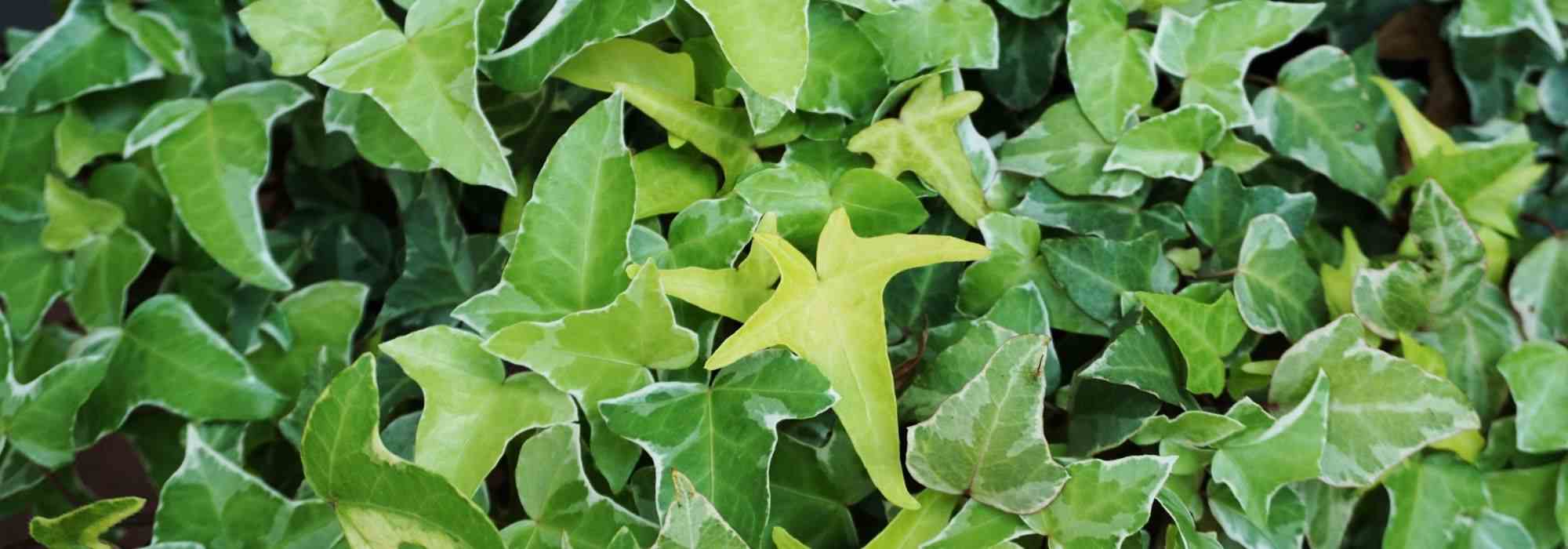
Its miniature foliage is beautiful. It produces small leaves 2 to 3cm wide, deeply cut into 3 to 5 narrow lobes of a beautiful tender green. When mature, the leaves grow a little larger, up to 4cm, and their colour becomes darker. In autumn, the plant produces insignificant greenish-yellow flowers, which are useful to pollinators at this time of year. It then produces small, almost black fruits.
The 'Dyinnii' Ivy is an effective and valuable ground cover for shady areas under a tree canopy where grasses struggle to thrive. Due to its slow growth must be planted relatively close together (5-6 per m²) to achieve a result without too much waiting. You can also grow it as a border in a shaded bed alongside Hellebores, which, in addition to their persistently ornamental foliage with its particular pattern, will reward you with beautiful flowers in autumn or winter, white, pink, yellow, purple... depending on the varieties. In non-calcareous soil, the Polygonatum 'Weihenstephan' will allow you to create an attractive scene by planting it in the background of the Hellebores. This Solomon's Seal, with its false resemblance to a giant Lily of the Valley, forms arching stems adorned with delicate pendulous white bells in spring and black berries in summer.
You can also plant it in a container to decorate a terrace, alone or in combination, for example, with the Skimmia japonica 'Magic Marlot', which has attractive variegated evergreen foliage and abundant fragrant and melliferous flowering.
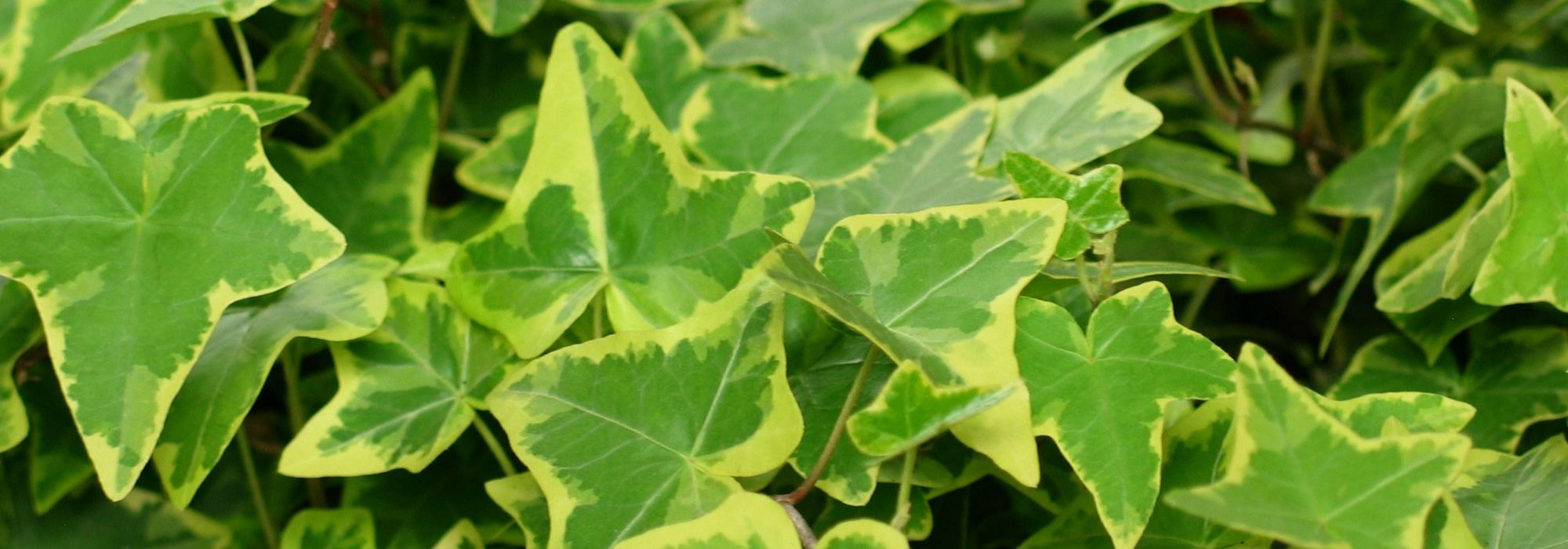
Plant habit
Flowering
Foliage
Botanical data
Hedera
helix
Dyinnii
Araliaceae
English Ivy, Common Ivy, European Ivy
Cultivar or hybrid
Planting and care
The Hedera helix 'Dyinnii' is an easy-to-grow plant that can be planted all year round in fertile, moist, well-drained soil. It tolerates most soil types, with a preference for neutral to limestone soils. You can train it to climb against support, but as its growth is weak, it will be more attractive to let it grow as a ground cover, especially along borders, where it won't become invasive. It adapts well to most exposures, tolerating the shade of large trees and moderate sunlight.
Thanks to its natural compactness, it is also ideally suited for container or planter cultivation. For container cultivation, mix seven parts of ordinary soil, three parts of turf, and two parts of sand. In this case, monitor watering to keep the substrate moist, especially during active growth periods.
Planting period
Intended location
Care
Planting & care advice


-
, onOrder confirmed
Reply from on Promesse de fleurs
Recently viewed products
Haven't found what you were looking for?
Hardiness is the lowest winter temperature a plant can endure without suffering serious damage or even dying. However, hardiness is affected by location (a sheltered area, such as a patio), protection (winter cover) and soil type (hardiness is improved by well-drained soil).

The flowering period indicated on our website applies to countries and regions located in USDA zone 8 (France, the United Kingdom, Ireland, the Netherlands, etc.)
It will vary according to where you live:- In zones 9 to 10 (Italy, Spain, Greece, etc.), flowering will occur about 2 to 4 weeks earlier.
- In zones 6 to 7 (Germany, Poland, Slovenia, and lower mountainous regions), flowering will be delayed by 2 to 3 weeks.
- In zone 5 (Central Europe, Scandinavia), blooming will be delayed by 3 to 5 weeks.
In temperate climates, pruning of spring-flowering shrubs (forsythia, spireas, etc.) should be done just after flowering.
Pruning of summer-flowering shrubs (Indian Lilac, Perovskia, etc.) can be done in winter or spring.
In cold regions as well as with frost-sensitive plants, avoid pruning too early when severe frosts may still occur.
The planting period indicated on our website applies to countries and regions located in USDA zone 8 (France, United Kingdom, Ireland, Netherlands).
It will vary according to where you live:
- In Mediterranean zones (Marseille, Madrid, Milan, etc.), autumn and winter are the best planting periods.
- In continental zones (Strasbourg, Munich, Vienna, etc.), delay planting by 2 to 3 weeks in spring and bring it forward by 2 to 4 weeks in autumn.
- In mountainous regions (the Alps, Pyrenees, Carpathians, etc.), it is best to plant in late spring (May-June) or late summer (August-September).
The harvesting period indicated on our website applies to countries and regions in USDA zone 8 (France, England, Ireland, the Netherlands).
In colder areas (Scandinavia, Poland, Austria...) fruit and vegetable harvests are likely to be delayed by 3-4 weeks.
In warmer areas (Italy, Spain, Greece, etc.), harvesting will probably take place earlier, depending on weather conditions.
The sowing periods indicated on our website apply to countries and regions within USDA Zone 8 (France, UK, Ireland, Netherlands).
In colder areas (Scandinavia, Poland, Austria...), delay any outdoor sowing by 3-4 weeks, or sow under glass.
In warmer climes (Italy, Spain, Greece, etc.), bring outdoor sowing forward by a few weeks.
Shipping country and language
Your country of residence may be:
Your country of residence is:
For a better user experience on our website, you can select:
Your shipping country:
-
 Austria
-
 Belgium
-
 Bosnia & Herzegovina
-
 Bulgaria
-
 Croatia
-
 Cyprus
-
 Czechia
-
 Denmark
-
 Estonia
-
 Finland
-
 France
-
 Germany
-
 Greece
-
 Hungary
-
 Iceland
-
 Ireland
-
 Italy
Italy
-
 Latvia
-
 Liechtenstein
-
 Lithuania
-
 Luxembourg
-
 Malta
Malta
-
 Netherlands
-
 Poland
-
 Portugal
-
 Romania
-
 Serbia
-
 Slovakia
-
 Slovenia
-
 Spain
Spain
-
 Sweden
-
 Switzerland
Language:
-
French
-
 English
-
Spanish
-
Italian
-
German
-
Portuguese
-
Dutch
-
Finnish
My Account
Hello
My wish lists
My cart
Log in / Register
Existing customer?
This form is protected by reCAPTCHA - the Google Privacy Policy and Terms of Service apply.
New customer?
Create an account to track your orders, access our customer service and, if you wish, make the most of our upcoming offers.