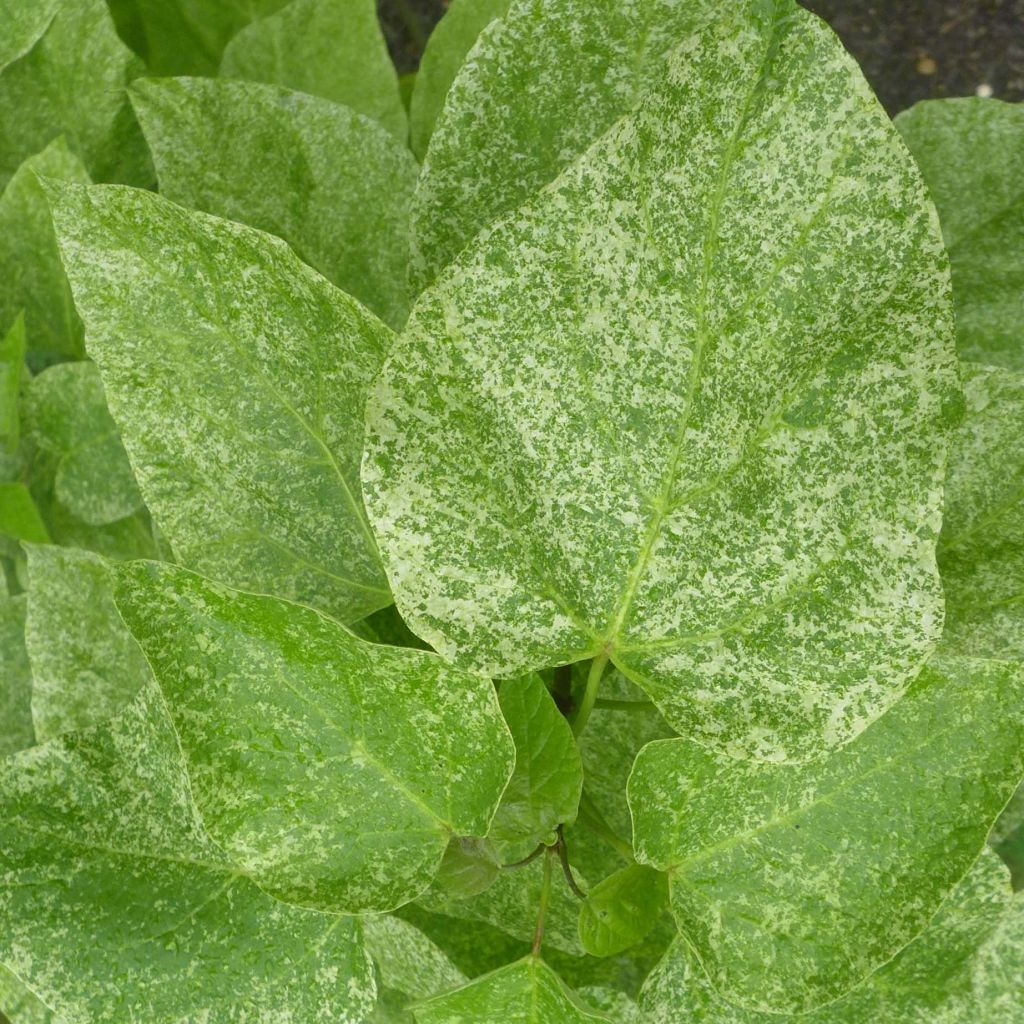
Catalpa speciosa pulverulenta
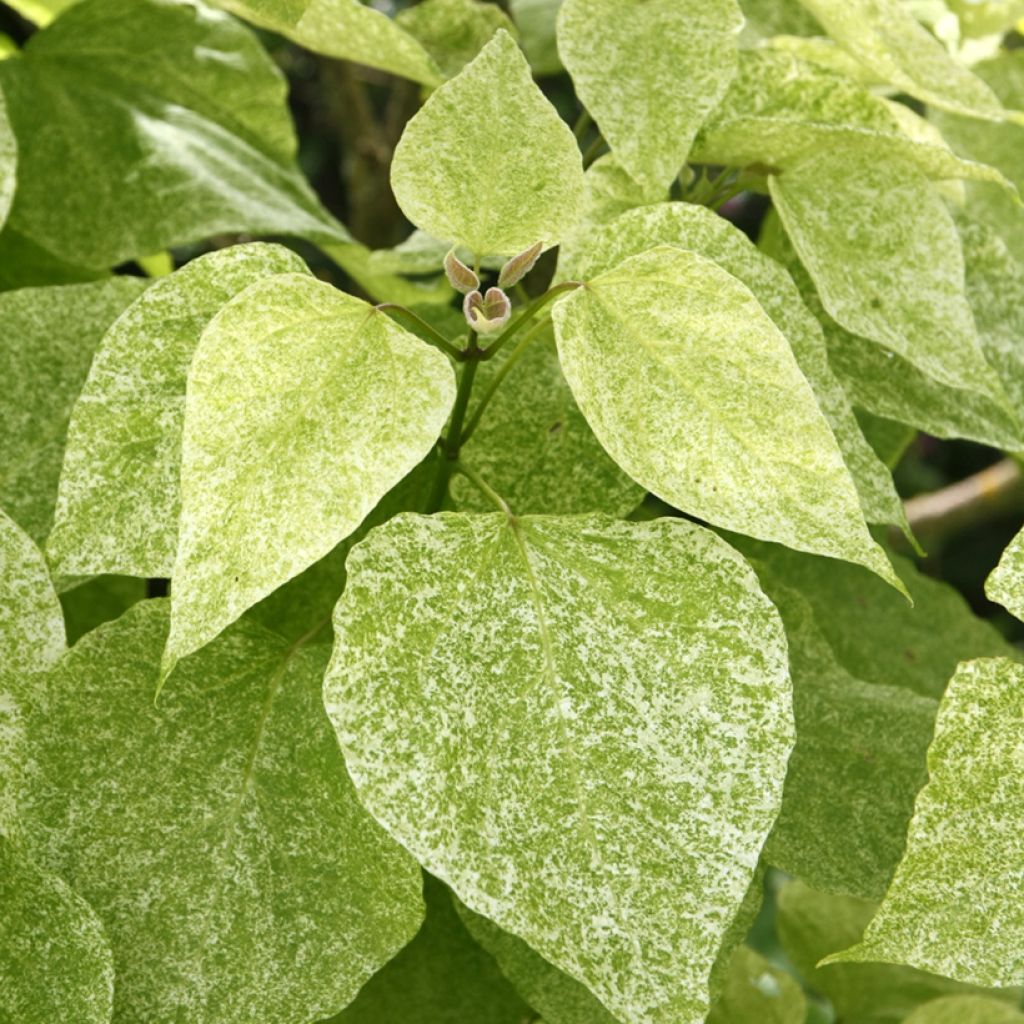
Catalpa speciosa pulverulenta
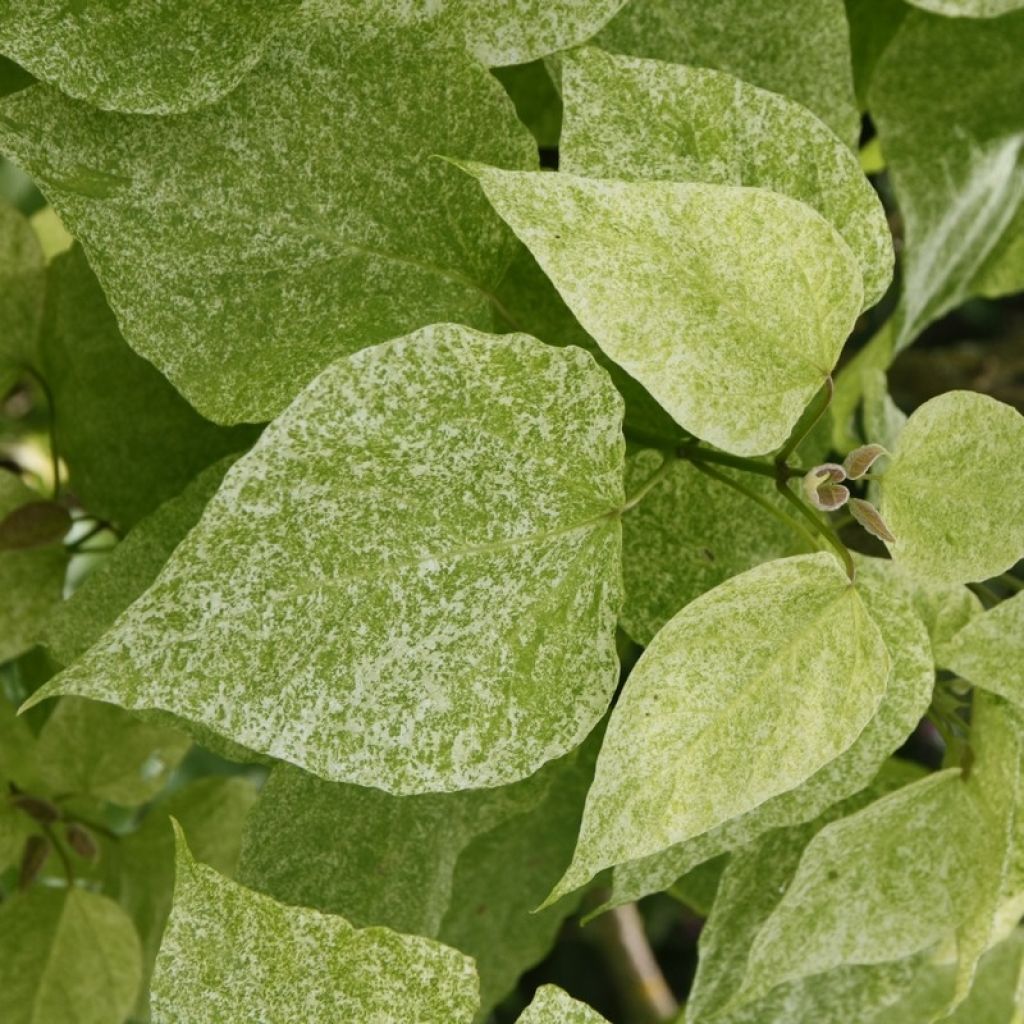
Catalpa speciosa pulverulenta
Catalpa speciosa pulverulenta
Catalpa speciosa pulverulenta
Northern Catalpa, Western Catalpa, Hardy Catalpa, Cigar Tree
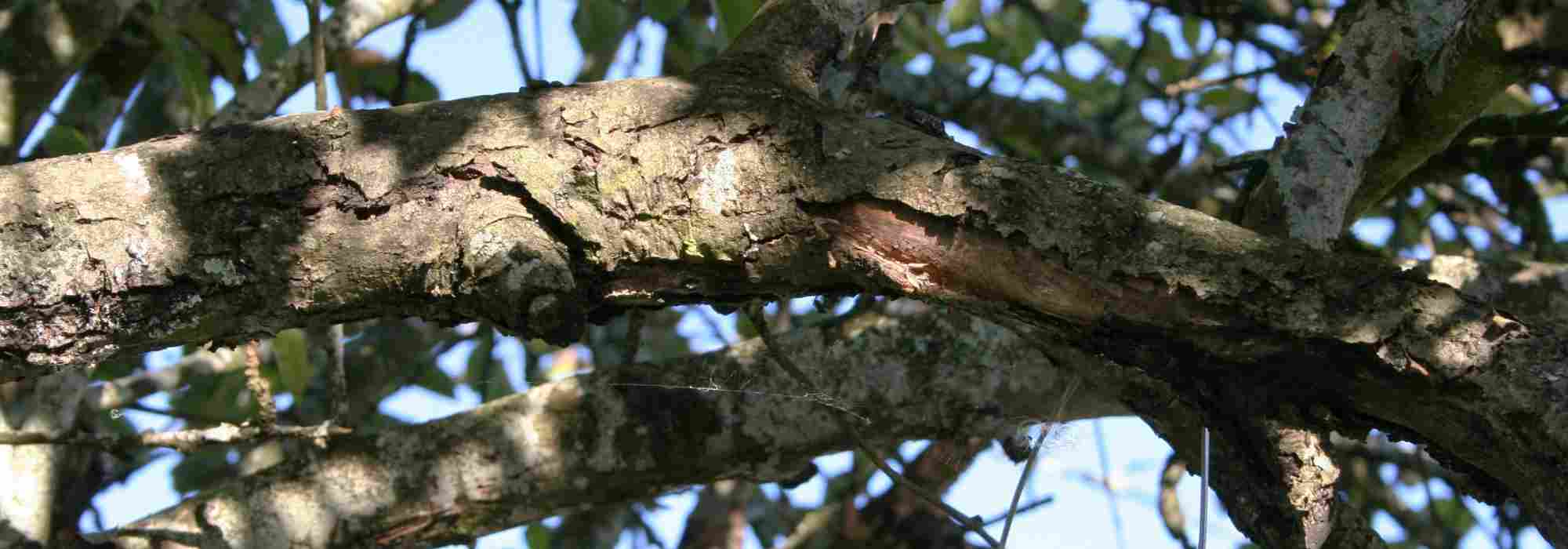
Tree arrived unfortunately damaged after quite a few delivery issues. Young plant immediately replanted, we'll see if it establishes well or not. Otherwise, it is taller than stated on the website and was well packaged.
Clou, 12/10/2023
Back-to-school special offer!
Get €10 off for every €50 you spend! And get up to €40 off on a single order.
How does it work?
1. Shop your favourites
Add your favourite plants to your basket. For every €50 you spend (excluding delivery charges, store credit and the plastic-free option), you’ll receive a €10 voucher.
€50 spent = €10 voucher
€100 spent = €20 voucher
€150 spent = €30 voucher
€200 spent = €40 voucher
2. Place your order
Once your basket reaches one of the spending thresholds, place your order. You can even choose your delivery date!
3. Receive your voucher
As soon as your order has been shipped, you’ll receive an email containing your personal voucher code and its value.
4. Use it on your next order
Your voucher is valid for 90 days from the date you receive it. It can be used once only, on a new order worth at least the value of the voucher, excluding delivery charges.
Please note: Vouchers can be combined with other offers, but cannot be split or refunded.
Home or relay delivery (depending on size and destination)
Important: You may be charged customs duties by your country’s customs authorities upon delivery.
Schedule delivery date,
and select date in basket
This plant carries a 24 months recovery warranty
More information
We guarantee the quality of our plants for a full growing cycle, and will replace at our expense any plant that fails to recover under normal climatic and planting conditions.

Would this plant suit my garden?
Set up your Plantfit profile →
Description
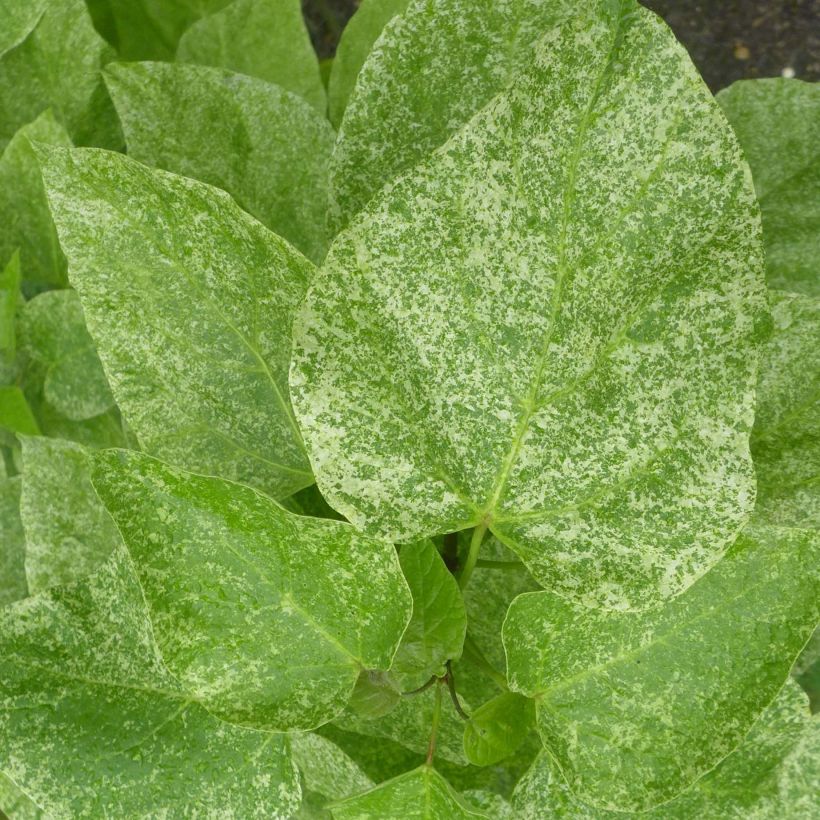
The Catalpa speciosa 'Pulverulenta', also known as Elegant Catalpa, is an ornamental tree with original green foliage speckled with white. In June-July, its foliage is scattered with white flowers in terminal spikes giving a very refined display. Planted in rich, fresh soil and sheltered from strong winds, this tree's luxuriant crown will provide you with dense shade during hot summer days, while its deciduous foliage will let in the gentle rays of winter sun.
The Catalpa genus consists of 11 deciduous tree species with rapid growth. They are appreciated for their remarkable flowering in terminal spikes and their decorative foliage, composed of large leaves. All representatives of the Catalpa genus bear fruit in the form of long, slender pods, similar to beans, often decorative. If they benefit from good planting conditions, they develop rapidly to form magnificent trees with dense and luxuriant crowns. The Catalpa speciosa, also known as Heart-leaved Catalpa, stands out, with its heart-shaped leaves, but also with its conical habit. It can reach 30m (98ft 5in) tall in its natural habitat of the central Mississippi basin. The 'Pulverulenta' variety has a slower growth and offers more modest dimensions than the typical species; about 5m (16ft) tall and 4m (13ft) wide. It is a tree with a spreading, rather compact habit, topped by a wide, rounded and dense crown. Its trunk is relatively short, covered with a grey-brown bark, and bears luxuriant foliage that provides pleasant shade from May onwards. This tree is deciduous and will not block the precious winter sun rays! The 'Pulverulenta' variety of Catalpa displays very bright foliage which is tender green, speckled with cream white. Its leaves are very large and wide (30cm (11.8in) long, 20cm (7.9in) wide), heart-shaped, smooth on top and slightly hairy underneath. The colours of this amazing Catalpa brighten up the dark areas of the garden. In June-July, the Catalpa speciosa 'Pulverulenta' is adorned with a multitude of white flowers. This flowering is composed of small, campanulate flowers, white with yellow throats, arranged in very airy terminal spikes followed by the appearance of fruits in the form of very long and slender pods, first green then brown, hanging from the tree. This decorative fruiting contains winged seeds, which, when the pods open, gracefully fly away with the breeze.
The Catalpa speciosa grows naturally in sparse forests with rich and fresh soils. This tree appreciates sunny or semi-shaded positions, sheltered from strong and drying winds. It does not tolerate drought but offers excellent hardiness, allowing it to withstand temperatures down to -20° (-4°F). Plant your Catalpa speciosa 'Pulverulenta' in fertile, deep, fresh, loose and well-drained soil. Create a good basin for it to benefit from effective watering. During the growing season, water inputs should be regular, especially in the first years after planting. The Catalpa speciosa develops a spreading root system. Therefore, place it far enough away from buildings to avoid damaging your foundations. The maintenance of the Elegant Catalpa 'Pulverulenta' consists of pruning it in late winter. Remove dead and diseased branches, as well as those that cross to maintain a harmonious habit. Easy to grow and resistant to diseases, this tree will reveal all its splendour if it has been properly planted.
Thanks to its deciduous foliage and its spreading and dense crown, the Catalpa speciosa 'Pulverulenta' constitutes a remarkable shade tree. Planted in isolation, it will work well in the middle of a lawn. It will also look good among a mass of shade-loving perennials such as purple periwinkles 'Velvet', Astilbe chinensis 'Pumila' or Columbines 'Yellow Queen'. Used as an avenue tree, in groups of 2 or 3, this Catalpa forms shaded, verdant and flourishing pathways!
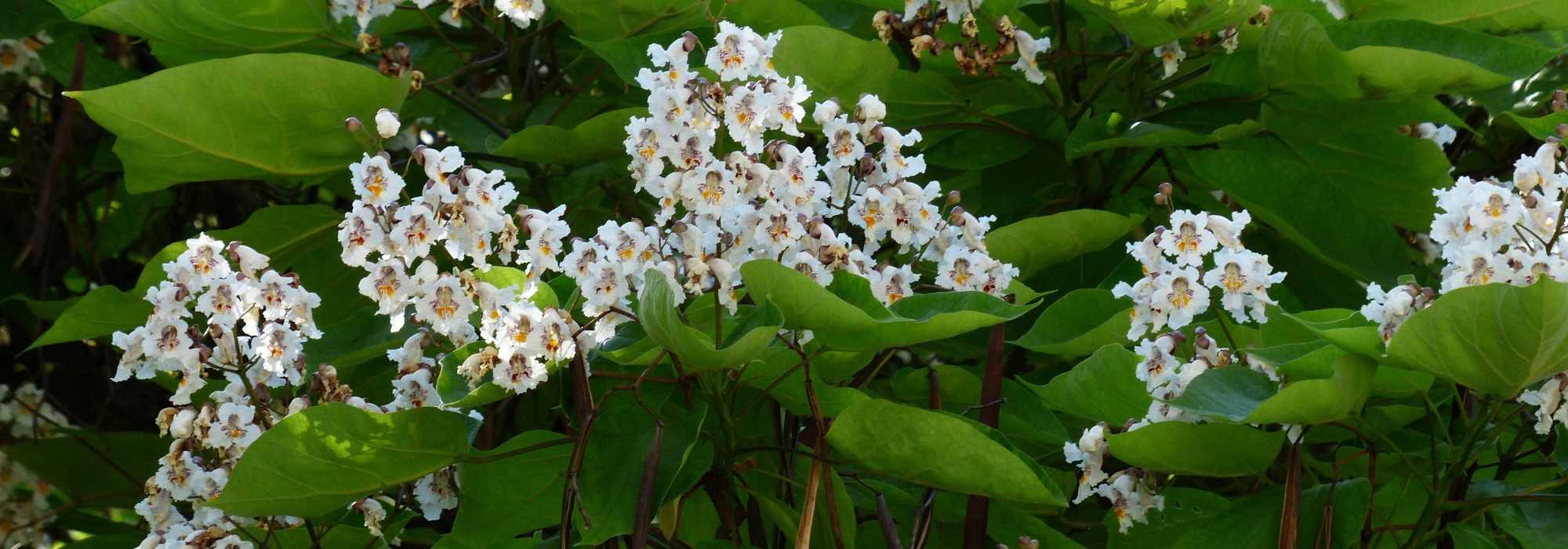
Catalpa speciosa pulverulenta in pictures
Plant habit
Flowering
Foliage
Botanical data
Catalpa
speciosa
pulverulenta
Bignoniaceae
Northern Catalpa, Western Catalpa, Hardy Catalpa, Cigar Tree
Cultivar or hybrid
Planting and care
The Catalpa speciosa is native to North America and East Asia. It grows naturally in sparse forests with rich and moist soils. This tree thrives in sunny or partially shaded locations, sheltered from strong and drying winds. It does not tolerate drought but offers excellent hardiness, allowing it to withstand temperatures as low as -20°C (-4°F).
Plant your Catalpa speciosa 'Pulverulenta' in fertile, deep, moist, loose, and well-drained soil. Create a good basin for it to benefit from effective watering. During the growing season, regular water supply is necessary, especially in the first few years of planting. The Catalpa speciosa develops an extensive root system. Place it far enough from buildings to avoid damaging your foundations.
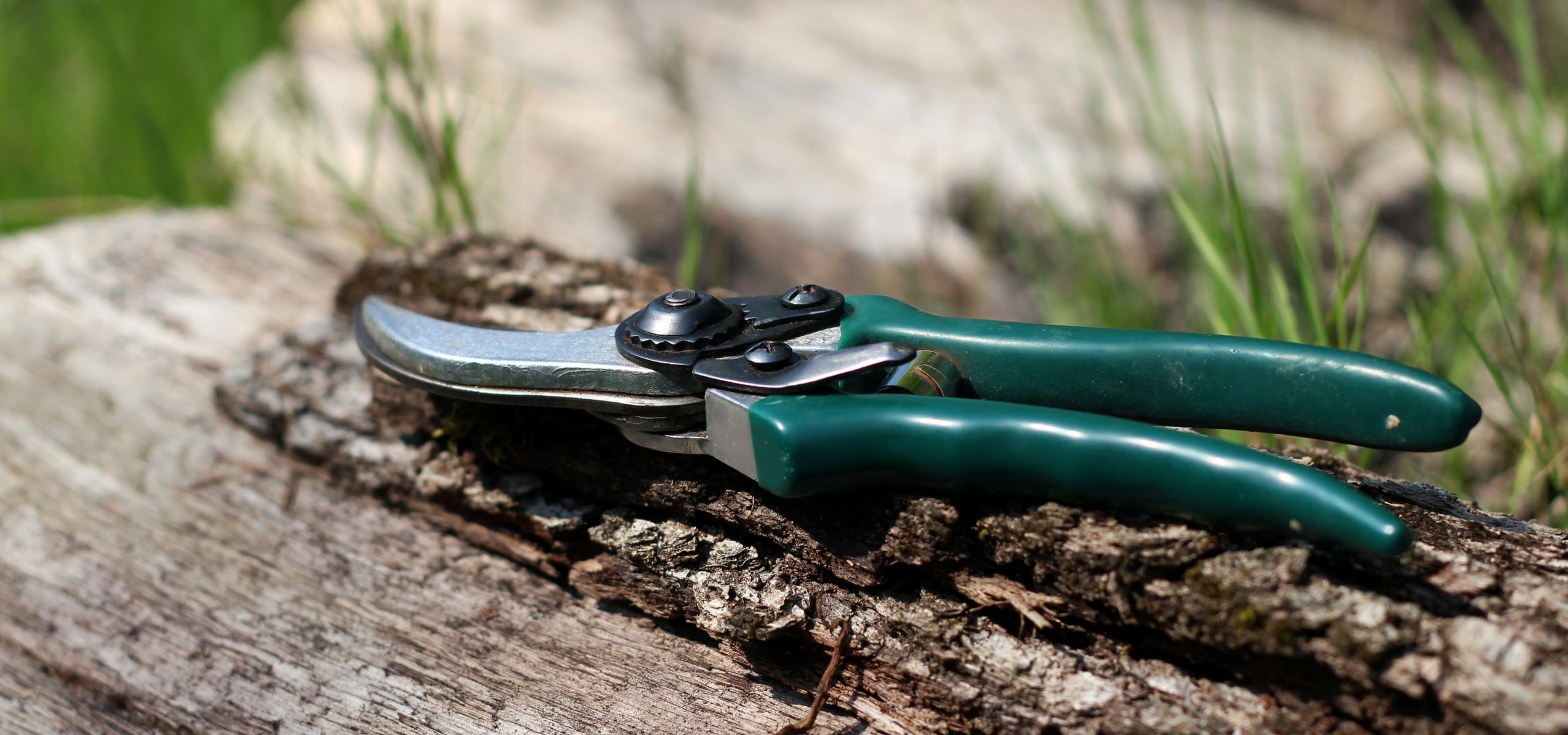
The maintenance of the elegant Catalpa 'Pulverulenta' involves pruning it in late winter to varying degrees. Remove dead and diseased branches, as well as those that cross each other to maintain a harmonious habit. Easy to grow and resistant to diseases, this tree will reveal its full splendour if it has been properly planted.
Planting period
Intended location
Care
Planting & care advice
-

-

-
-
-

-
-
-

-
, onOrder confirmed
Reply from on Promesse de fleurs
Recently viewed products
Haven't found what you were looking for?
Hardiness is the lowest winter temperature a plant can endure without suffering serious damage or even dying. However, hardiness is affected by location (a sheltered area, such as a patio), protection (winter cover) and soil type (hardiness is improved by well-drained soil).

The flowering period indicated on our website applies to countries and regions located in USDA zone 8 (France, the United Kingdom, Ireland, the Netherlands, etc.)
It will vary according to where you live:- In zones 9 to 10 (Italy, Spain, Greece, etc.), flowering will occur about 2 to 4 weeks earlier.
- In zones 6 to 7 (Germany, Poland, Slovenia, and lower mountainous regions), flowering will be delayed by 2 to 3 weeks.
- In zone 5 (Central Europe, Scandinavia), blooming will be delayed by 3 to 5 weeks.
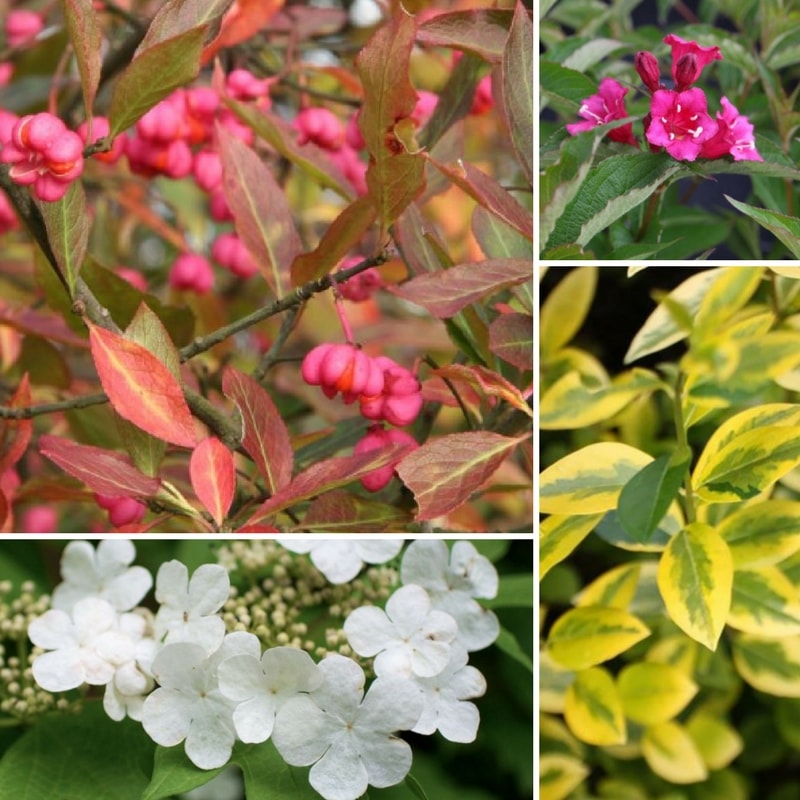
In temperate climates, pruning of spring-flowering shrubs (forsythia, spireas, etc.) should be done just after flowering.
Pruning of summer-flowering shrubs (Indian Lilac, Perovskia, etc.) can be done in winter or spring.
In cold regions as well as with frost-sensitive plants, avoid pruning too early when severe frosts may still occur.
The planting period indicated on our website applies to countries and regions located in USDA zone 8 (France, United Kingdom, Ireland, Netherlands).
It will vary according to where you live:
- In Mediterranean zones (Marseille, Madrid, Milan, etc.), autumn and winter are the best planting periods.
- In continental zones (Strasbourg, Munich, Vienna, etc.), delay planting by 2 to 3 weeks in spring and bring it forward by 2 to 4 weeks in autumn.
- In mountainous regions (the Alps, Pyrenees, Carpathians, etc.), it is best to plant in late spring (May-June) or late summer (August-September).
The harvesting period indicated on our website applies to countries and regions in USDA zone 8 (France, England, Ireland, the Netherlands).
In colder areas (Scandinavia, Poland, Austria...) fruit and vegetable harvests are likely to be delayed by 3-4 weeks.
In warmer areas (Italy, Spain, Greece, etc.), harvesting will probably take place earlier, depending on weather conditions.
The sowing periods indicated on our website apply to countries and regions within USDA Zone 8 (France, UK, Ireland, Netherlands).
In colder areas (Scandinavia, Poland, Austria...), delay any outdoor sowing by 3-4 weeks, or sow under glass.
In warmer climes (Italy, Spain, Greece, etc.), bring outdoor sowing forward by a few weeks.
Shipping country and language
Your country of residence may be:
Your country of residence is:
For a better user experience on our website, you can select:
Your shipping country:
-
 Austria
-
 Belgium
-
 Bosnia & Herzegovina
-
 Bulgaria
-
 Croatia
-
 Cyprus
-
 Czechia
-
 Denmark
-
 Estonia
-
 Finland
-
 France
-
 Germany
-
 Greece
-
 Hungary
-
 Iceland
-
 Ireland
-
 Italy
Italy
-
 Latvia
-
 Liechtenstein
-
 Lithuania
-
 Luxembourg
-
 Malta
Malta
-
 Netherlands
-
 Poland
-
 Portugal
-
 Romania
-
 Serbia
-
 Slovakia
-
 Slovenia
-
 Spain
Spain
-
 Sweden
-
 Switzerland
Language:
-
French
-
 English
-
Spanish
-
Italian
-
German
-
Portuguese
-
Dutch
-
Finnish
My Account
Hello
My wish lists
My cart
Log in / Register
Existing customer?
This form is protected by reCAPTCHA - the Google Privacy Policy and Terms of Service apply.
New customer?
Create an account to track your orders, access our customer service and, if you wish, make the most of our upcoming offers.