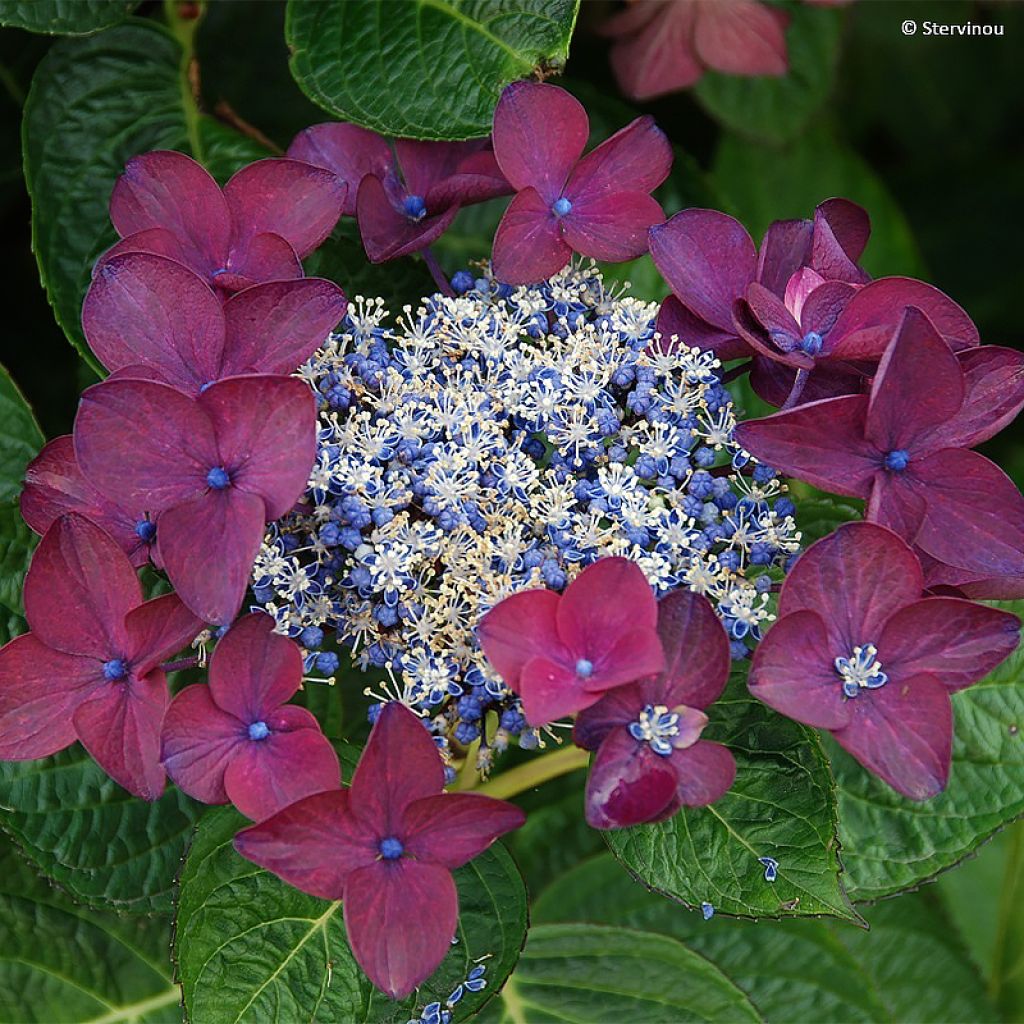
Hydrangea macrophylla Buchfink
Hydrangea macrophylla Buchfink
Hydrangea macrophylla Buchfink
Bigleaf Hydrangea, French Hydrangea
Parcel arrived in good condition. The young plant appeared to be in good shape, with no root-bound issues. Planted immediately. We'll see in the spring for effective establishment.
Franck, 02/01/2026
Back-to-school special offer!
Get €10 off for every €50 you spend! And get up to €40 off on a single order.
How does it work?
1. Shop your favourites
Add your favourite plants to your basket. For every €50 you spend (excluding delivery charges, store credit and the plastic-free option), you’ll receive a €10 voucher.
€50 spent = €10 voucher
€100 spent = €20 voucher
€150 spent = €30 voucher
€200 spent = €40 voucher
2. Place your order
Once your basket reaches one of the spending thresholds, place your order. You can even choose your delivery date!
3. Receive your voucher
As soon as your order has been shipped, you’ll receive an email containing your personal voucher code and its value.
4. Use it on your next order
Your voucher is valid for 90 days from the date you receive it. It can be used once only, on a new order worth at least the value of the voucher, excluding delivery charges.
Please note: Vouchers can be combined with other offers, but cannot be split or refunded.
Home or relay delivery (depending on size and destination)
Important: You may be charged customs duties by your country’s customs authorities upon delivery.
Schedule delivery date,
and select date in basket
This plant carries a 24 months recovery warranty
More information
We guarantee the quality of our plants for a full growing cycle, and will replace at our expense any plant that fails to recover under normal climatic and planting conditions.

Would this plant suit my garden?
Set up your Plantfit profile →
Description
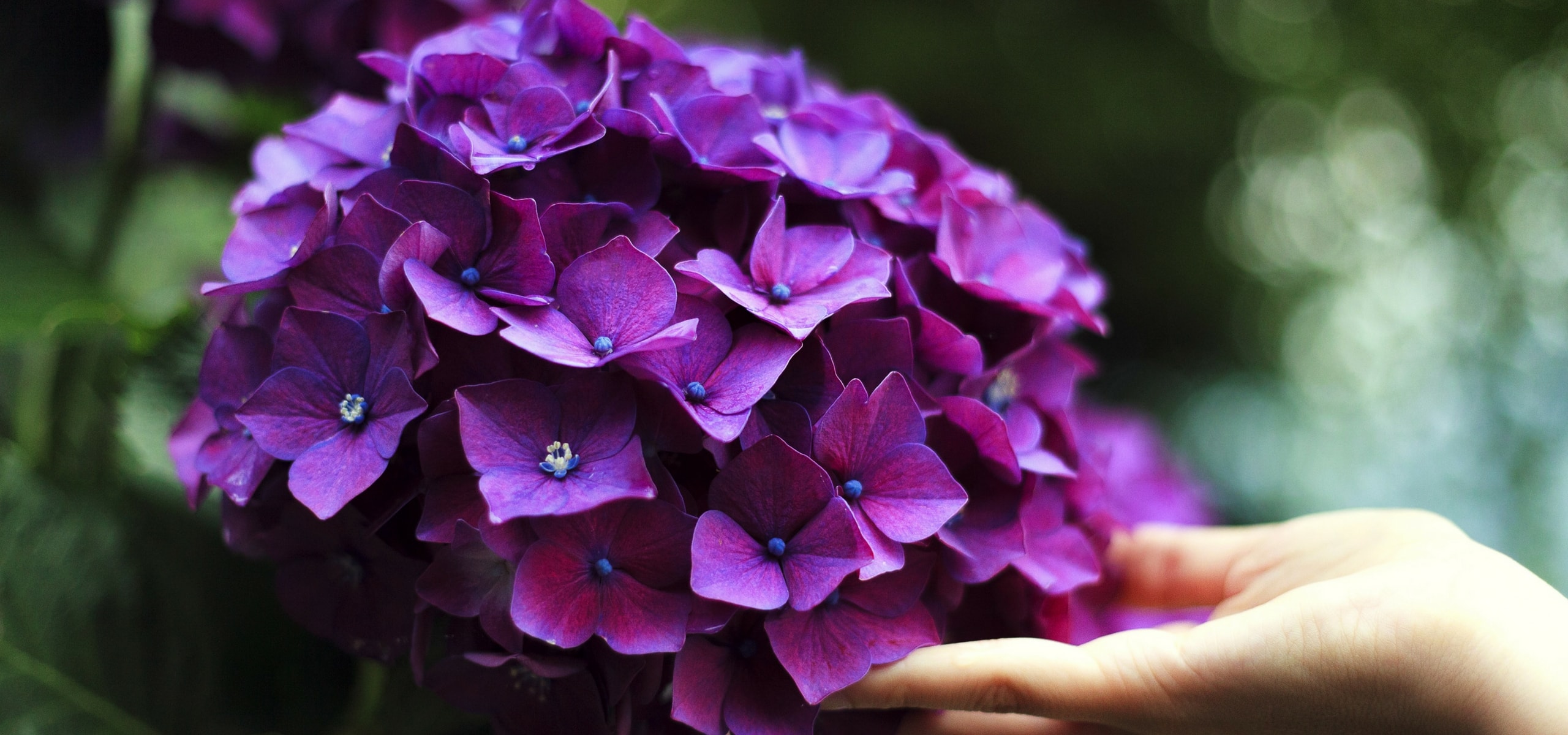
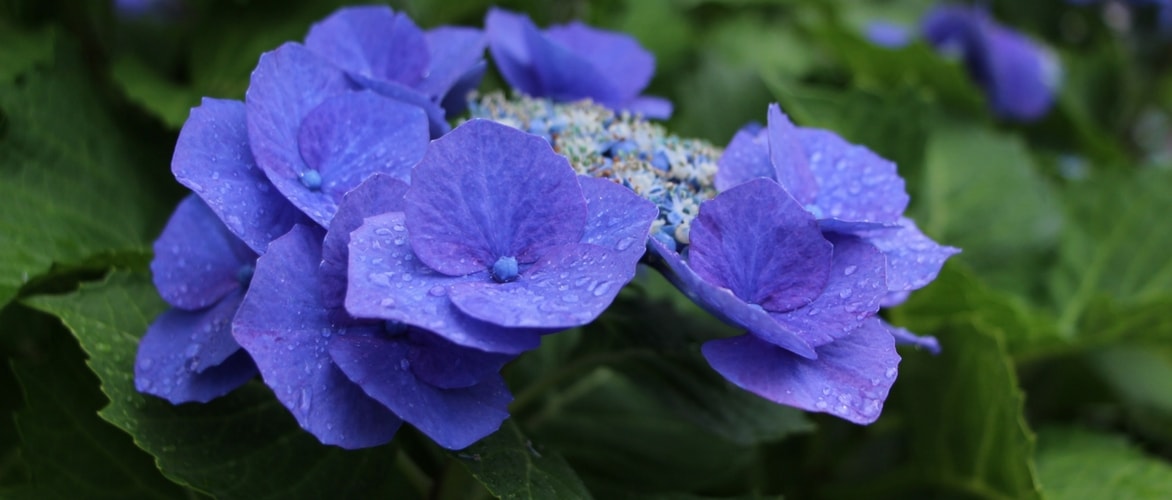
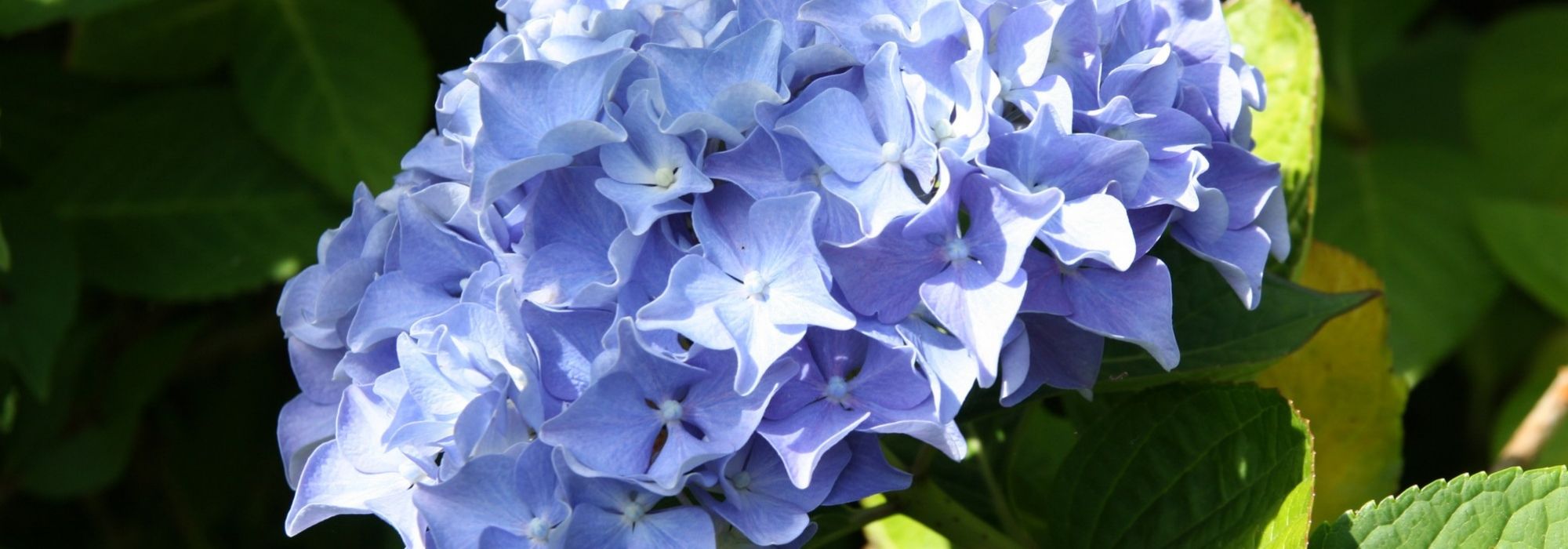
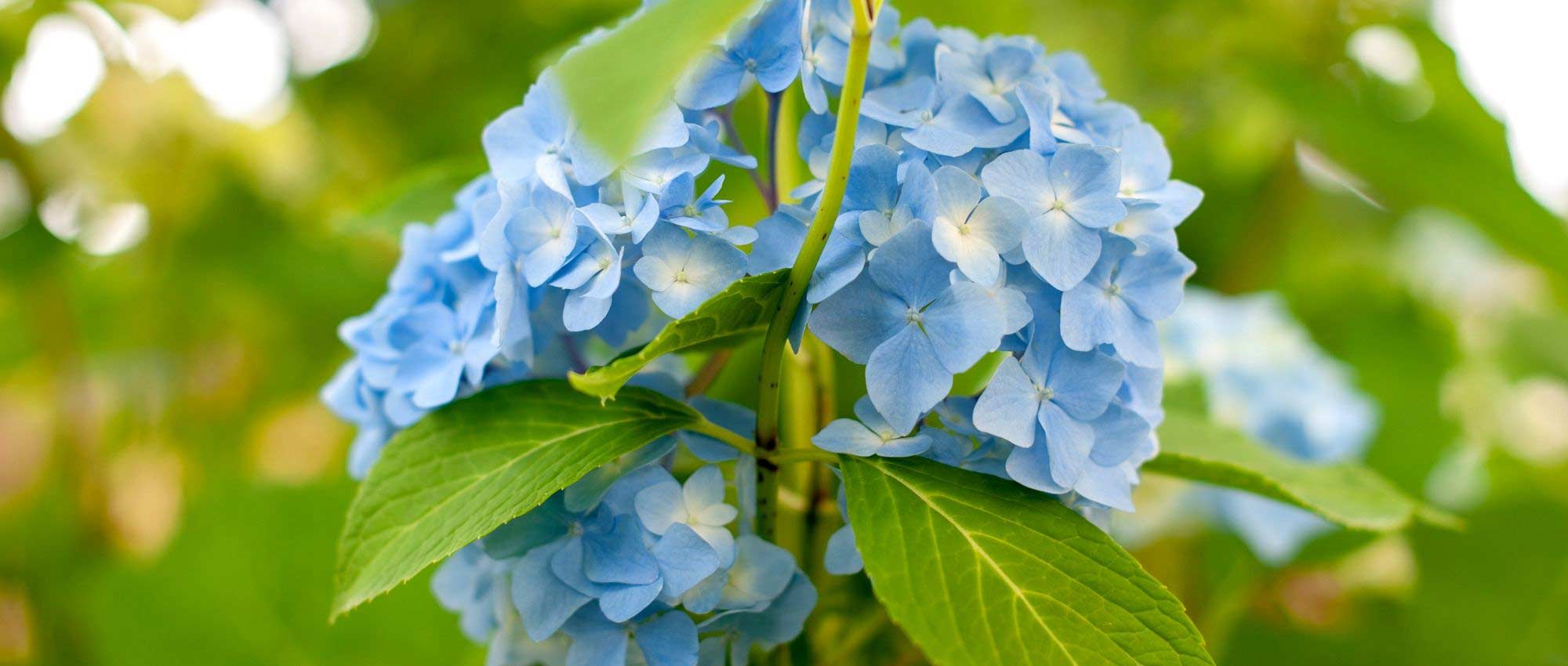
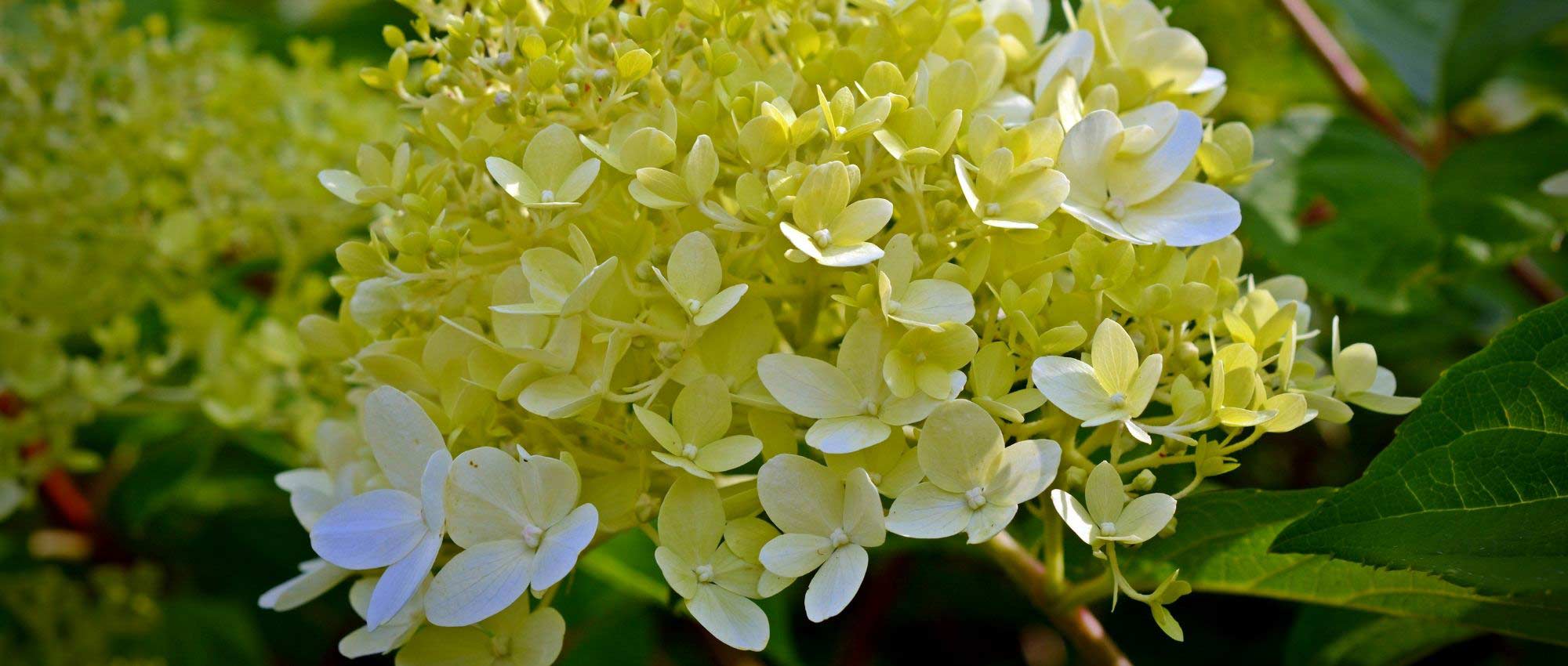
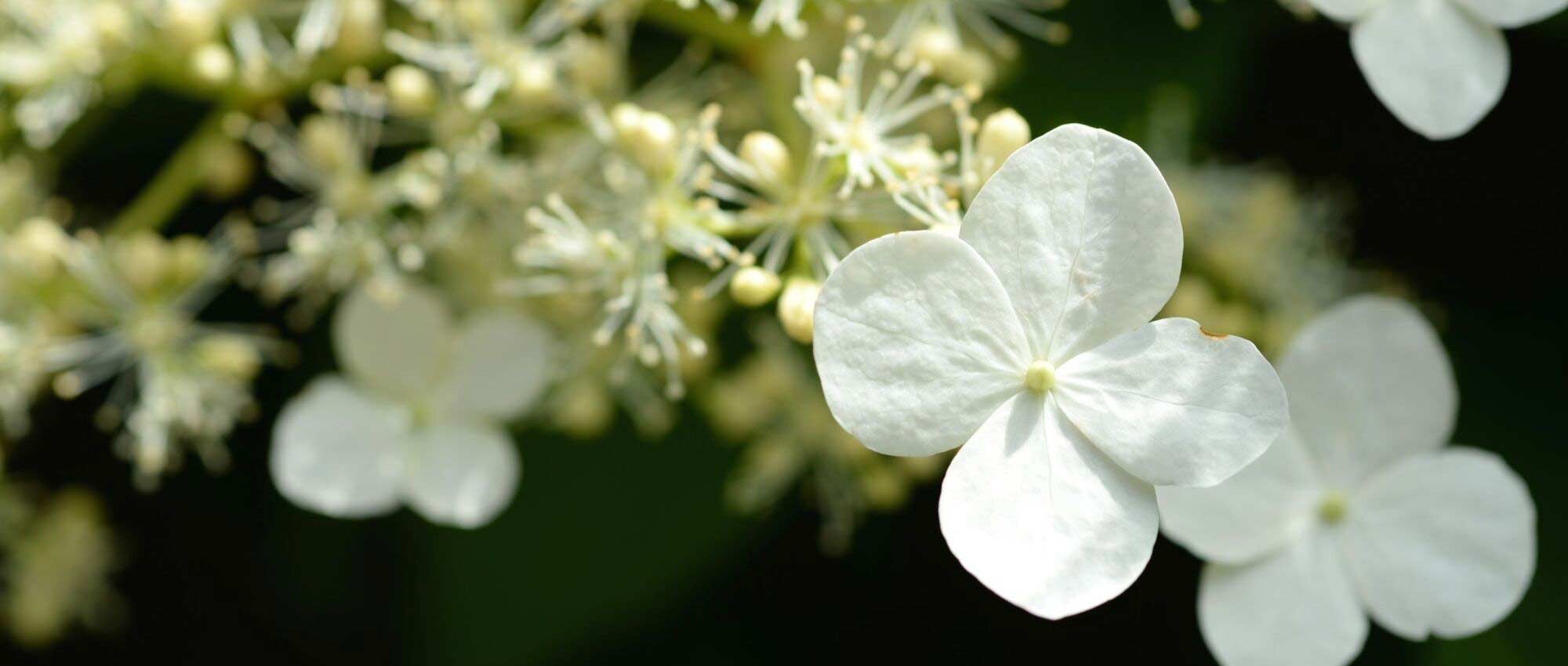
Hydrangea macrophylla 'Buchfink' is a hardy, floriferous, and colourful bush hydrangea, which is quite rare in cultivation. Its flat inflorescences are formed by one or two rows of large florets ranging from fresh pink to raspberry pink, depending on the soil, surrounding a beautiful cluster of bluish to pinkish fertile florets adorned with almost white stamens. In very acidic soil, the flowering will be more mauve, even violet, or indigo blue. This generous flowering extends over beautiful glossy dark green foliage. This bush is perfect in beds or hedges, in soft sunlight or partial shade.
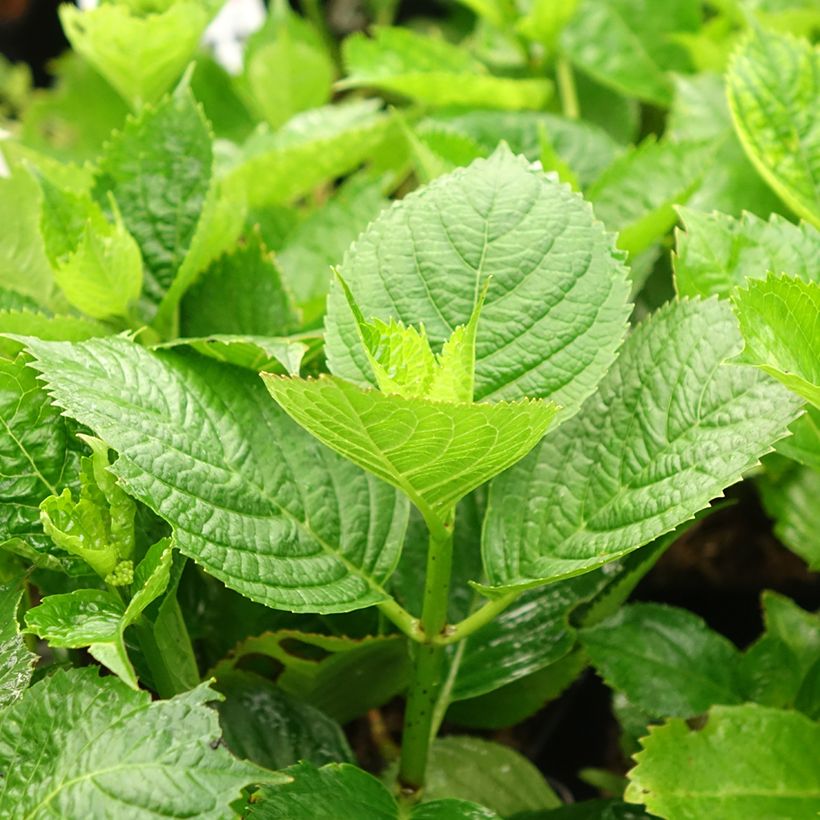
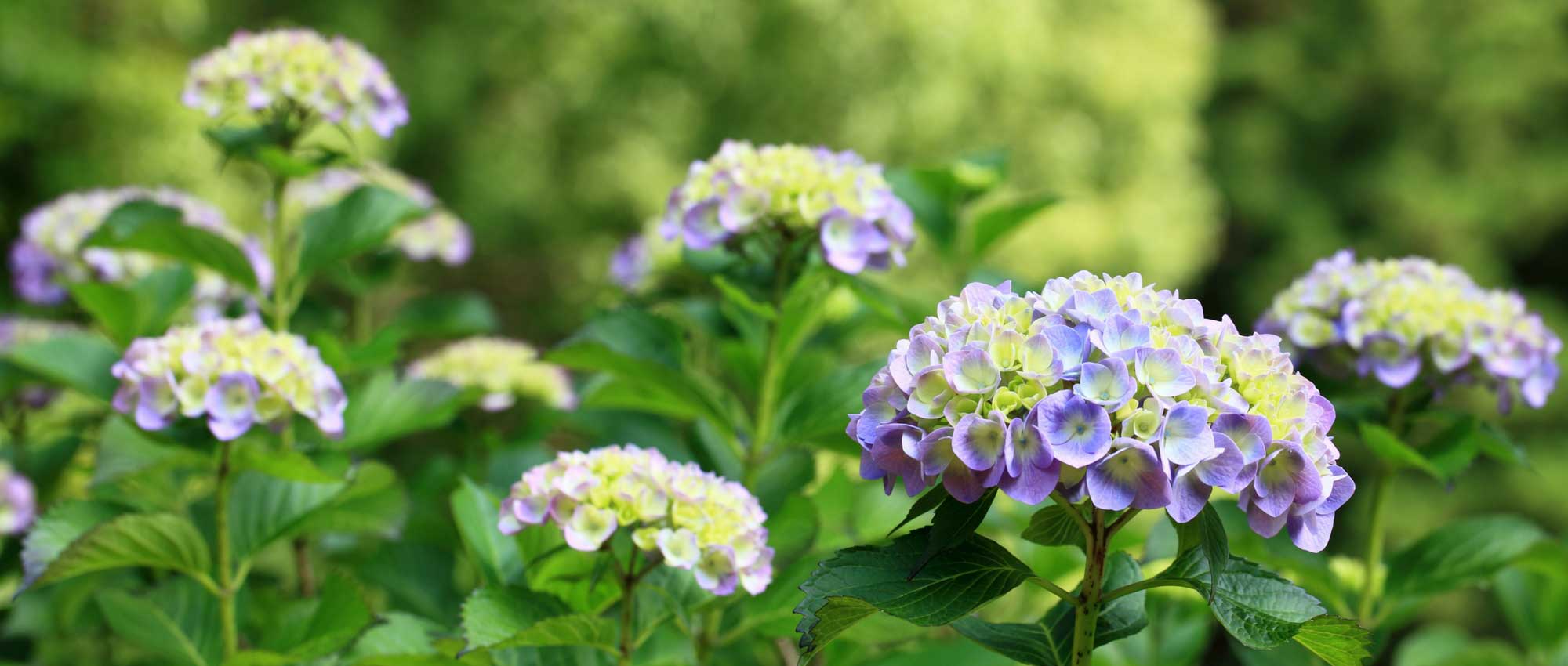
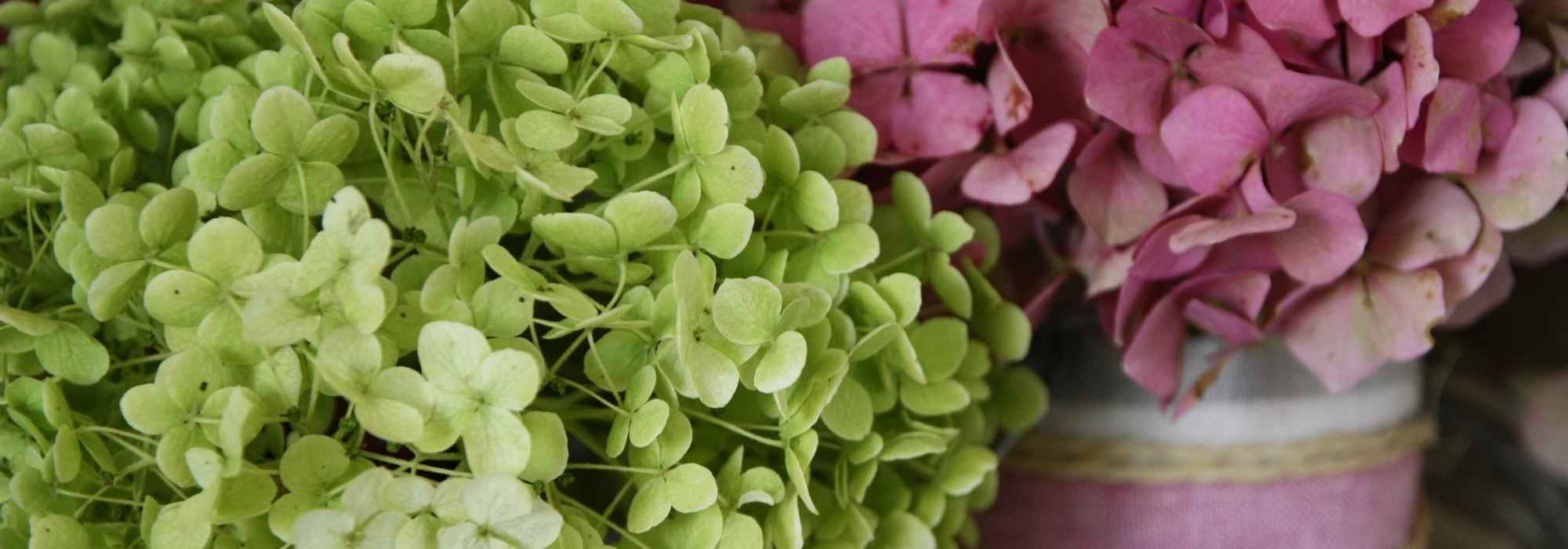
Hydrangea macrophylla 'Buchfink' is a Swiss horticultural creation dating back to 1987 belonging to the 'Teller' series, characterised by plate-shaped inflorescences. It comes from various hardy species of the Hydrangeaceae family, native to China and Japan. It is a fast-growing bush, with a taller than wide bushy habit, reaching 1.5m (5ft) in height by 1.2m (4ft) in width by the age of 10, depending on growing conditions. It flowers from July to September. Its inflorescences, measuring 15 to 17cm (6 to 7in) in diameter, have variable colours depending on the soil pH. In the presence of limestone, they tend towards intense pink. In very acidic soil, deep blue prevails. The colour of the inflorescences varies in beauty over time, fading into a paper-like texture. The flowering is accompanied by deciduous, shiny dark green foliage that falls in autumn. The leaves are opposite, reaching a minimum length of 10cm (4in). They are simple, ovate to elliptical, ending in a pointed tip, with serrated edges. Hydrangeas can live for at least 50 years.
'Buchfink' is an undemanding and adaptable bush. Considered more natural and less artificial-looking than the ball-shaped hydrangeas, it will easily find its place in shaded beds or against the house. Hydrangeas are well-known for brightening the north side of buildings. This variety will thrive in a non-scorching east or west exposure, both in beds and hedges. It adapts to a wide variety of soils, as long as they are always slightly moist and properly fertilised. Although they do not appreciate excessive limestone, hydrangeas are not strictly ericaceous plants. Pair them with Magellan fuchsias, or lilies. Alternatively, plant spring-flowering bulbs in front of their round silhouette. Enjoy their magnificent flowering in the garden or indoors for a long time.
Note: The colour of macrophylla hydrangea flowers varies depending on the soil pH. Traditionally blue varieties turn pink in neutral or slightly alkaline soil. To maintain a beautiful blue colour, mix ericaceous soil into your garden soil and apply aluminium sulphate (found in slate) or alum stone every spring.
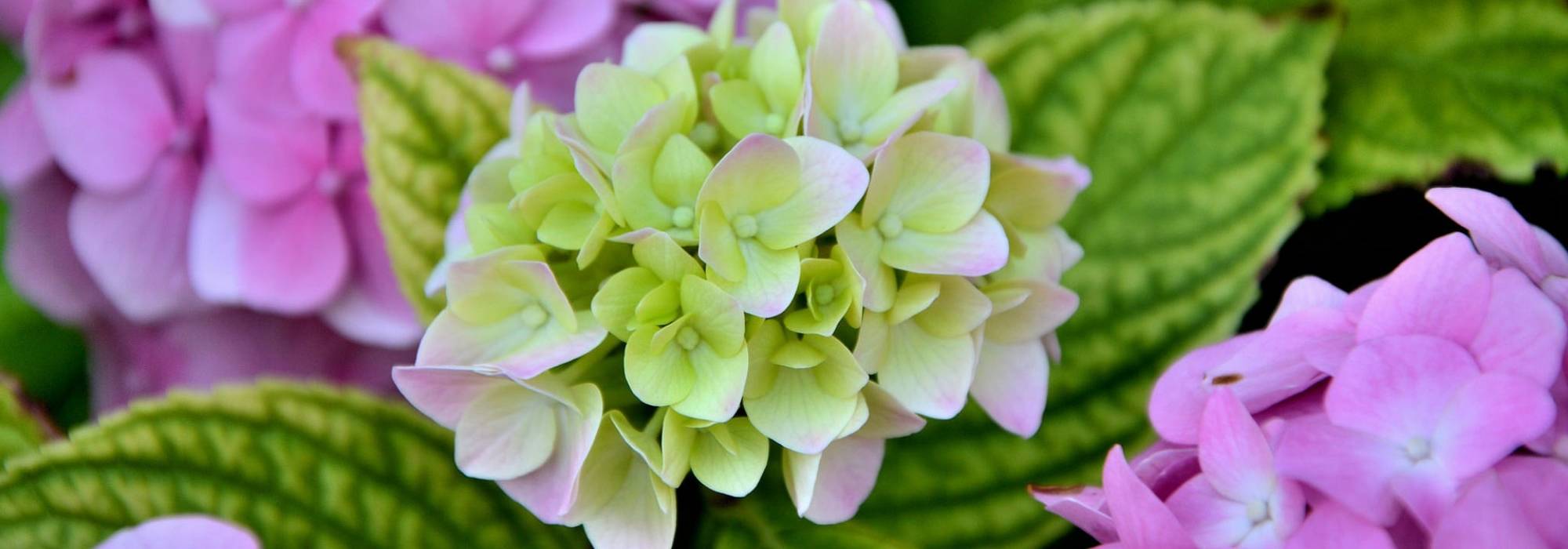
Hydrangea macrophylla Buchfink in pictures
Plant habit
Flowering
Foliage
Botanical data
Hydrangea
macrophylla
Buchfink
Hydrangeaceae
Bigleaf Hydrangea, French Hydrangea
Cultivar or hybrid
Planting and care
Plant in spring or early autumn, preferably in a semi-shaded position, for example against an east-facing, west-facing, or even north-facing wall. Keep it protected from cold and drying winds. It does not require ericaceous soil, but appreciates deep, moist but well-drained, fairly fertile soil, possibly enriched with a good base fertiliser before planting. If planting near a wall and the soil is dry at its base, place the root ball at least 30 to 40cm (12 to 16in) away from it and incorporate a quantity of well-decomposed compost to better retain moisture in the soil. Very hardy, it is not afraid to be planted in cold regions.
As for pruning, remove the faded flowers on the first bud or on the pair of buds directly below. When the plant is mature, prune the older stems back to the base by a quarter or a third. This will encourage the formation of young shoots. Carry out this pruning every year during March and April.
Planting period
Intended location
Care
Planting & care advice
-
, onOrder confirmed
Reply from on Promesse de fleurs
Recently viewed products
Haven't found what you were looking for?
Hardiness is the lowest winter temperature a plant can endure without suffering serious damage or even dying. However, hardiness is affected by location (a sheltered area, such as a patio), protection (winter cover) and soil type (hardiness is improved by well-drained soil).

The flowering period indicated on our website applies to countries and regions located in USDA zone 8 (France, the United Kingdom, Ireland, the Netherlands, etc.)
It will vary according to where you live:- In zones 9 to 10 (Italy, Spain, Greece, etc.), flowering will occur about 2 to 4 weeks earlier.
- In zones 6 to 7 (Germany, Poland, Slovenia, and lower mountainous regions), flowering will be delayed by 2 to 3 weeks.
- In zone 5 (Central Europe, Scandinavia), blooming will be delayed by 3 to 5 weeks.
In temperate climates, pruning of spring-flowering shrubs (forsythia, spireas, etc.) should be done just after flowering.
Pruning of summer-flowering shrubs (Indian Lilac, Perovskia, etc.) can be done in winter or spring.
In cold regions as well as with frost-sensitive plants, avoid pruning too early when severe frosts may still occur.
The planting period indicated on our website applies to countries and regions located in USDA zone 8 (France, United Kingdom, Ireland, Netherlands).
It will vary according to where you live:
- In Mediterranean zones (Marseille, Madrid, Milan, etc.), autumn and winter are the best planting periods.
- In continental zones (Strasbourg, Munich, Vienna, etc.), delay planting by 2 to 3 weeks in spring and bring it forward by 2 to 4 weeks in autumn.
- In mountainous regions (the Alps, Pyrenees, Carpathians, etc.), it is best to plant in late spring (May-June) or late summer (August-September).
The harvesting period indicated on our website applies to countries and regions in USDA zone 8 (France, England, Ireland, the Netherlands).
In colder areas (Scandinavia, Poland, Austria...) fruit and vegetable harvests are likely to be delayed by 3-4 weeks.
In warmer areas (Italy, Spain, Greece, etc.), harvesting will probably take place earlier, depending on weather conditions.
The sowing periods indicated on our website apply to countries and regions within USDA Zone 8 (France, UK, Ireland, Netherlands).
In colder areas (Scandinavia, Poland, Austria...), delay any outdoor sowing by 3-4 weeks, or sow under glass.
In warmer climes (Italy, Spain, Greece, etc.), bring outdoor sowing forward by a few weeks.
Shipping country and language
Your country of residence may be:
Your country of residence is:
For a better user experience on our website, you can select:
Your shipping country:
-
 Austria
-
 Belgium
-
 Bosnia & Herzegovina
-
 Bulgaria
-
 Croatia
-
 Cyprus
-
 Czechia
-
 Denmark
-
 Estonia
-
 Finland
-
 France
-
 Germany
-
 Greece
-
 Hungary
-
 Iceland
-
 Ireland
-
 Italy
Italy
-
 Latvia
-
 Liechtenstein
-
 Lithuania
-
 Luxembourg
-
 Malta
Malta
-
 Netherlands
-
 Poland
-
 Portugal
-
 Romania
-
 Serbia
-
 Slovakia
-
 Slovenia
-
 Spain
Spain
-
 Sweden
-
 Switzerland
Language:
-
French
-
 English
-
Spanish
-
Italian
-
German
-
Portuguese
-
Dutch
-
Finnish
My Account
Hello
My wish lists
My cart
Log in / Register
Existing customer?
This form is protected by reCAPTCHA - the Google Privacy Policy and Terms of Service apply.
New customer?
Create an account to track your orders, access our customer service and, if you wish, make the most of our upcoming offers.