Cucumber Picolino F1 (organic)
Cucumber Picolino F1 (organic)
Cucumis sativus Picolino F1
Cucumber
Back-to-school special offer!
Get €10 off for every €50 you spend! And get up to €40 off on a single order.
How does it work?
1. Shop your favourites
Add your favourite plants to your basket. For every €50 you spend (excluding delivery charges, store credit and the plastic-free option), you’ll receive a €10 voucher.
€50 spent = €10 voucher
€100 spent = €20 voucher
€150 spent = €30 voucher
€200 spent = €40 voucher
2. Place your order
Once your basket reaches one of the spending thresholds, place your order. You can even choose your delivery date!
3. Receive your voucher
As soon as your order has been shipped, you’ll receive an email containing your personal voucher code and its value.
4. Use it on your next order
Your voucher is valid for 90 days from the date you receive it. It can be used once only, on a new order worth at least the value of the voucher, excluding delivery charges.
Please note: Vouchers can be combined with other offers, but cannot be split or refunded.
Home or relay delivery (depending on size and destination)
Important: You may be charged customs duties by your country’s customs authorities upon delivery.
Schedule delivery date
and select date in basket
This plant carries a 6 months recovery warranty
More information
We guarantee the quality of our plants for a full growing cycle, and will replace at our expense any plant that fails to recover under normal climatic and planting conditions.
Description
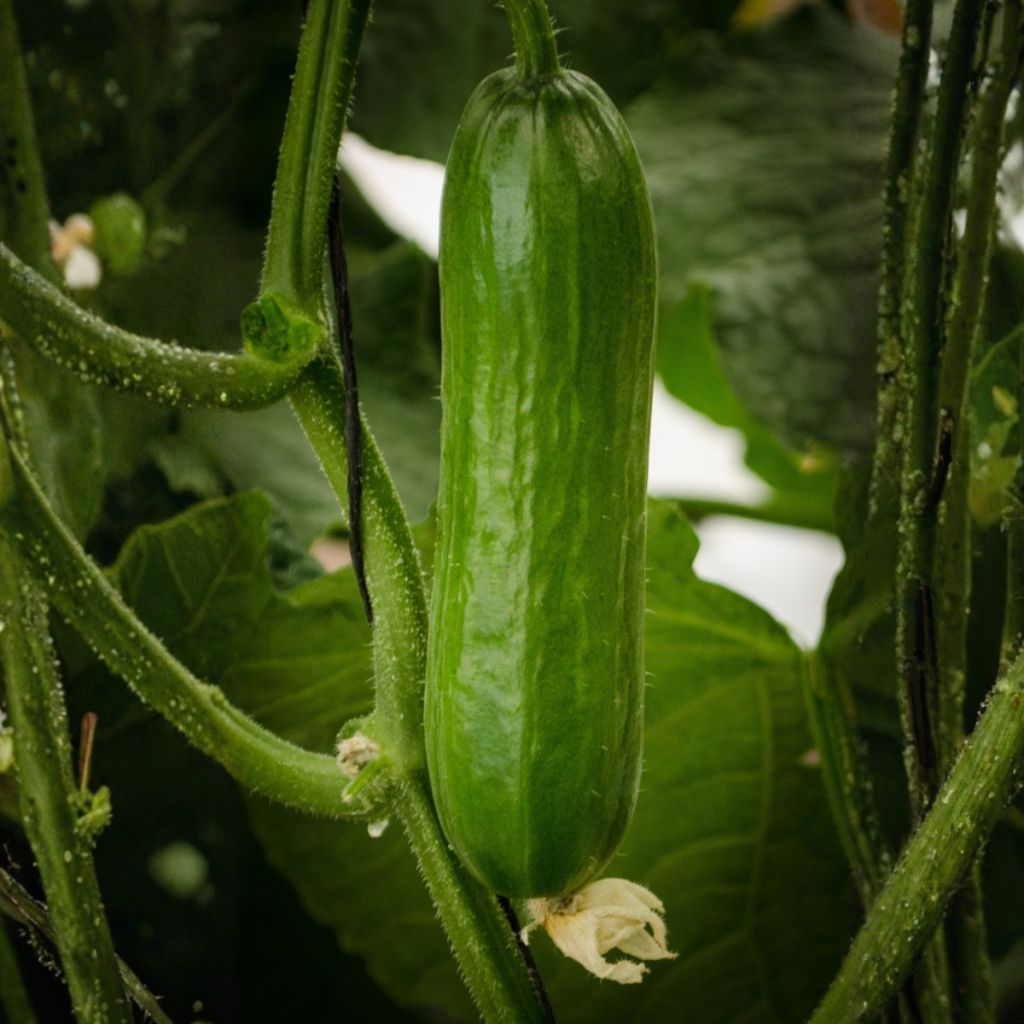
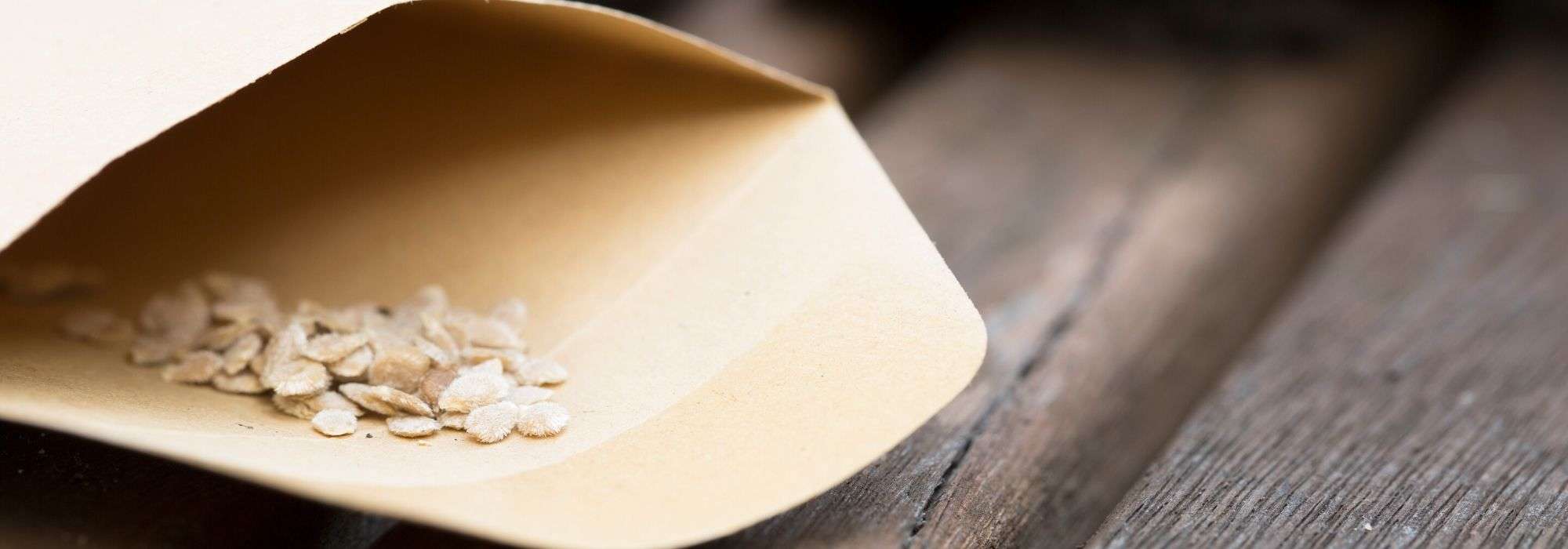
Snack cucumber Picolino F1 organic is a hybrid mini variety. It produces small, uniform, dark green, 10 to 12 cm long cucumbers with thin, shiny skin, a crunchy texture and a mild flavour, with no bitterness whatsoever. It is very productive, yielding 3 to 4 fruits at each node. It is a parthenocarpic variety: no bees, insects or a nearby male plant are needed for the flowers to produce cucumbers. Therefore, a single young plant is enough to give abundant harvests. The resulting fruits are seedless (or with very few seeds), making them even more pleasant to crunch.
Sow from April to June for a harvest from July to October, in open ground, in containers or under glass. This variety also stands out for its disease resistance (cladosporium leaf spot, powdery mildew, cucumber mosaic virus, CVYV), making it a safe and reliable choice for amateur gardeners and market gardeners alike.
Cucumbers appreciate light, loose, moist soils rich in humus. They like sunny positions and temperatures between 18 and 22 °C. They are thirsty vegetables, so regular watering is advised, especially during periods of intense heat or when the fruits are forming.
The cucumber is, along with the tomato, one of the star vegetables of summer. Refreshing, crunchy and low in calories, it can be enjoyed raw, in a compound salad or on its own, accompanied for example by a yoghurt, lemon and dill sauce. Thanks to its snack size, the Picolino F1 organic can also be enjoyed as is, as a healthy and thirst-quenching snack.
There are two main types of cucumbers: 'forcing' varieties, intended for cultivation under cover, and those suited to open ground. They can be smooth or thorny, long or half-long. Alongside these classic varieties, you can also find original cucumbers, like the Armenian Cucumber Melon or the Horned Melon, which are more demanding in terms of heat.
Picolino F1 organic, however, stands out in the mini-cucumber category for its ease of cultivation and high yield.
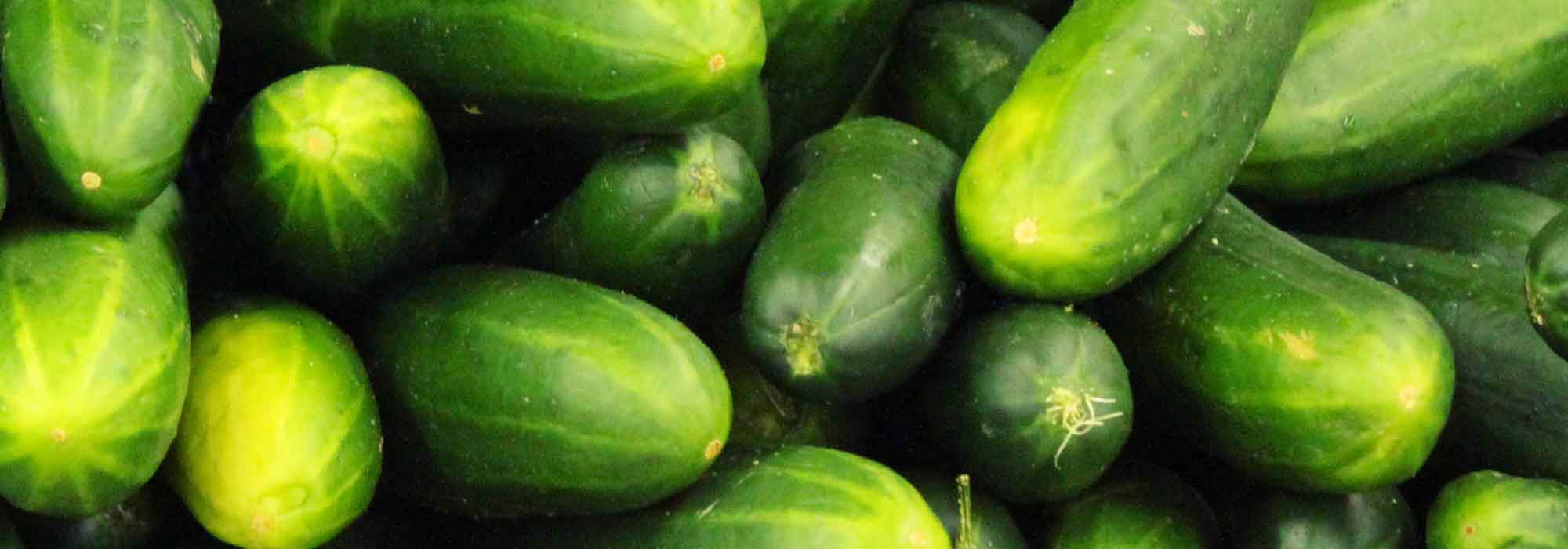
Harvest: pick the fruits when they reach their optimal size (10 to 12 cm), before they turn yellow. Regular harvesting stimulates the formation of new fruits and prolongs production.
Storage: Cucumbers keep for a few days in the refrigerator. To enjoy your harvest for longer, you can also preserve them in jars using lacto-fermentation or vinegar.
The gardener's little tip: like all cucurbits, cucumbers can be susceptible to powdery mildew, which appears as a white felting on the foliage. Remove severely affected leaves and spray with wettable sulphur every two weeks if necessary. In case of a light attack, a natural treatment based on diluted skimmed milk (10 to 20% in rainwater) may suffice. As a preventive measure, avoid watering the foliage and ensure good ventilation in your greenhouse if growing under cover. A spray of horsetail decoction also helps to strengthen the plants' natural defences.
Harvest
Plant habit
Foliage
Botanical data
Cucumis
sativus
Picolino F1
Cucurbitaceae
Cucumber
Cultivar or hybrid
Annual
Planting and care
Sowing Picolino F1 Organic Cucumber:
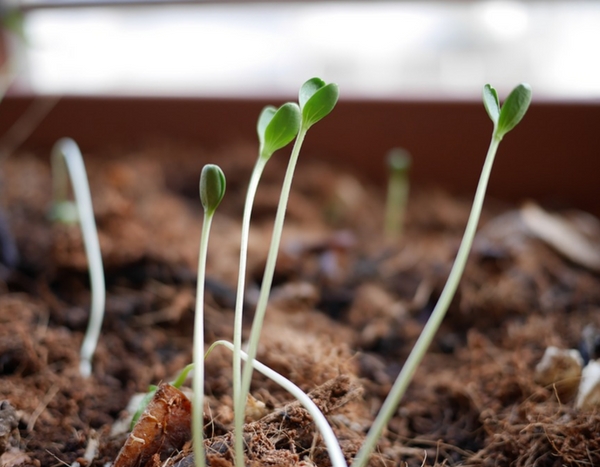
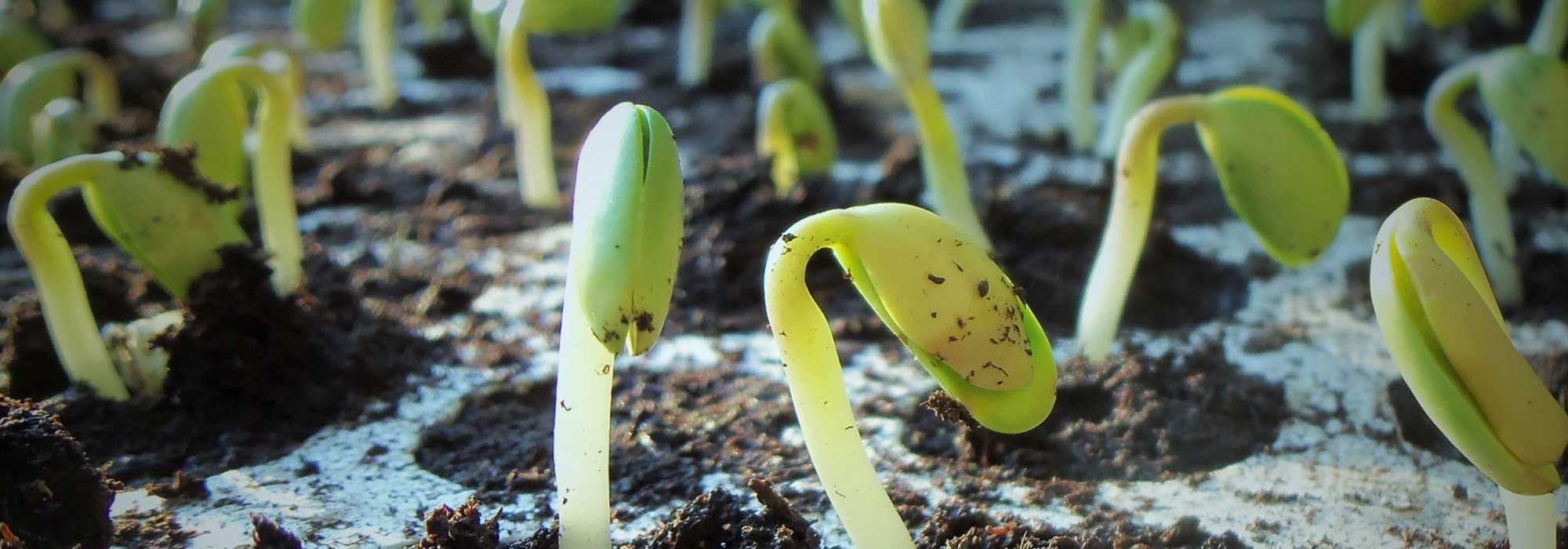
Cucumber germination occurs at temperatures between 16°C and 35°C. Emergence typically takes 8 to 10 days.
Sow from April to June, either in pots or directly in the ground:
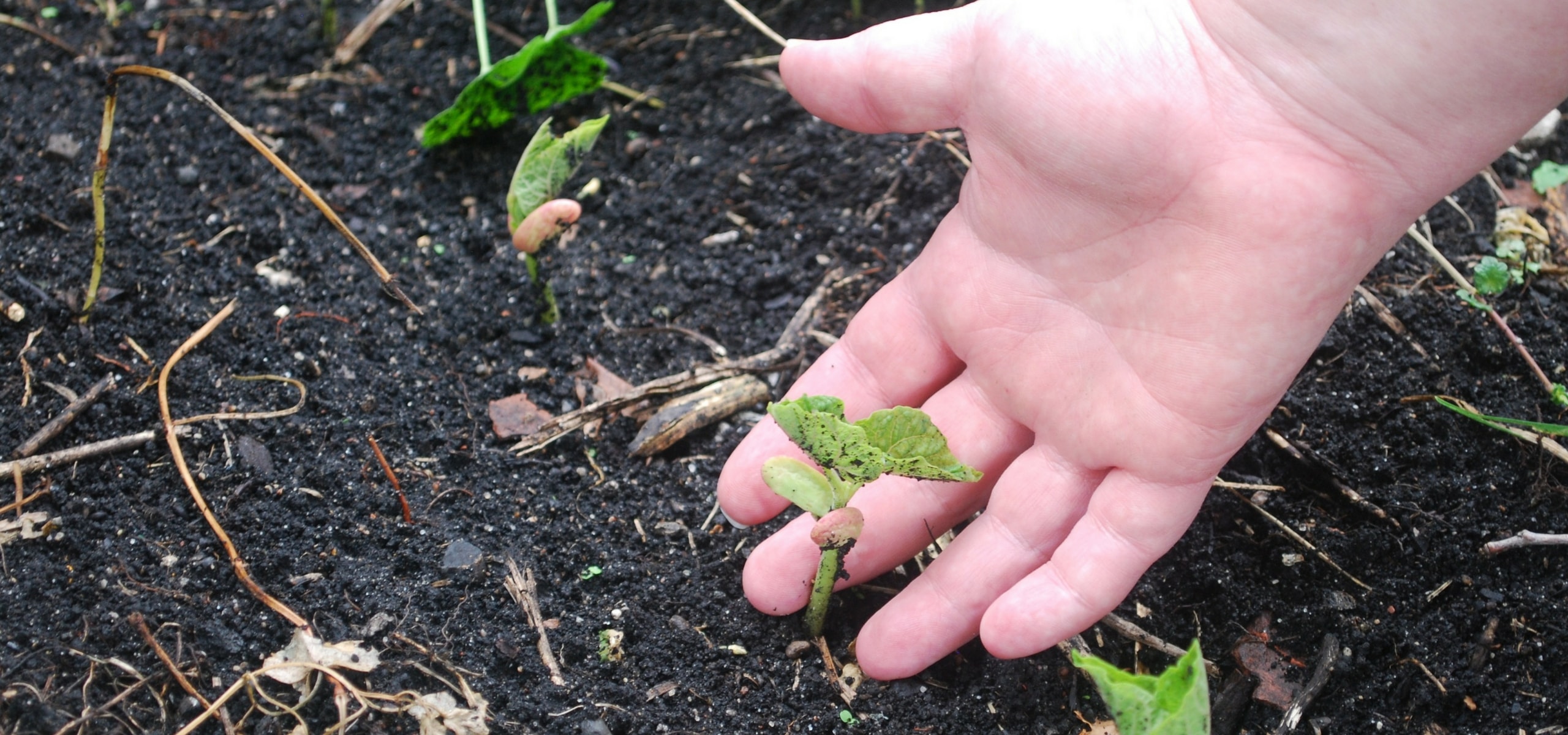
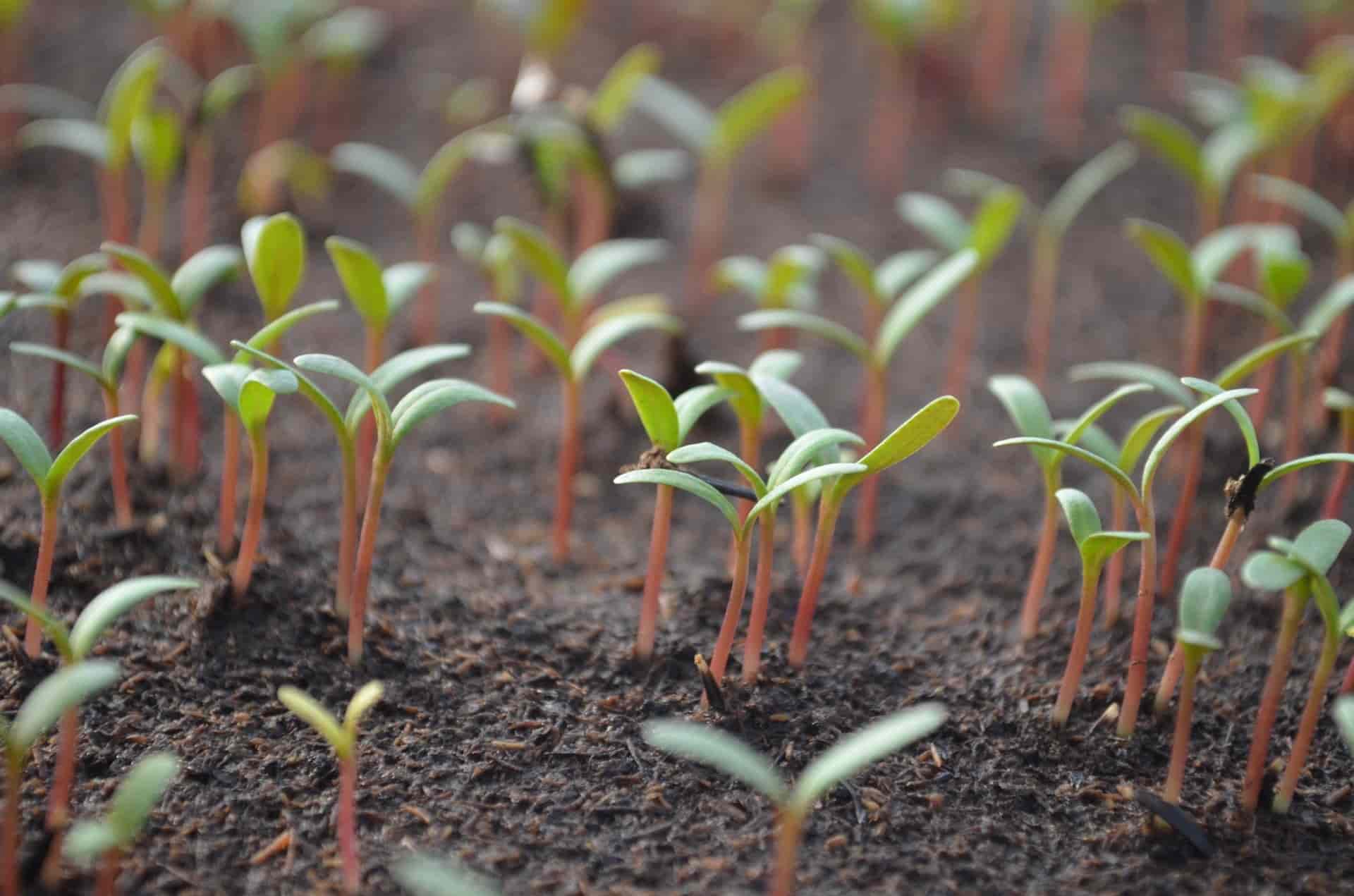
In pots, one month before the intended planting date, place 2 or 3 seeds in seed compost and water with a very fine spray. When the two true leaves appear, keep only one young plant per pot. Maintain the young plant at a mild temperature, ensuring the growing medium stays moist but not waterlogged.
Direct sowing in the ground can be done later, once the soil is well warmed: sow in stations of 2 or 3 seeds and proceed as for sowing in pots.
When planting or direct sowing, maintain a distance of one metre between each row and 50 to 60 cm between each young plant.
Growing Cucumbers:
Cucumber is a fairly demanding vegetable that requires well-manured soil. It is advisable, preferably in autumn, to incorporate mature compost (about 3 kg per m²) by lightly forking it in to a depth of 5 cm, after having thoroughly loosened the soil as for any vegetable crop. It prefers neutral soils (pH 7) but will also do very well in slightly acidic or alkaline soil (pH between 5.5 and 7.5).
Cucumbers can be grown flat on the ground, but to save space, exploit their climbing nature by training them: on a frame covered with netting, inclined at 45%, they will provide beneficial shade for lettuces, or on a teepee to add charm to the vegetable garden.
When plants are trained vertically, grow on a single stem, which should be pinched out at a height of 2.5 metres. When grown flat, pinch out above the second leaf to obtain two stems, which are themselves pinched out above the 4th leaf. The final pruning involves cutting back to one leaf above each formed fruit.
Cucumbers grow well with sweetcorn, but avoid planting them near tomatoes and potatoes.
Seedlings
Care
Intended location
Planting & care advice
-

-

-
-
-
-

-
-
This item has not been reviewed yet - be the first to leave a review about it.
Recently viewed products
Haven't found what you were looking for?
Hardiness is the lowest winter temperature a plant can endure without suffering serious damage or even dying. However, hardiness is affected by location (a sheltered area, such as a patio), protection (winter cover) and soil type (hardiness is improved by well-drained soil).

The flowering period indicated on our website applies to countries and regions located in USDA zone 8 (France, the United Kingdom, Ireland, the Netherlands, etc.)
It will vary according to where you live:- In zones 9 to 10 (Italy, Spain, Greece, etc.), flowering will occur about 2 to 4 weeks earlier.
- In zones 6 to 7 (Germany, Poland, Slovenia, and lower mountainous regions), flowering will be delayed by 2 to 3 weeks.
- In zone 5 (Central Europe, Scandinavia), blooming will be delayed by 3 to 5 weeks.
In temperate climates, pruning of spring-flowering shrubs (forsythia, spireas, etc.) should be done just after flowering.
Pruning of summer-flowering shrubs (Indian Lilac, Perovskia, etc.) can be done in winter or spring.
In cold regions as well as with frost-sensitive plants, avoid pruning too early when severe frosts may still occur.
The planting period indicated on our website applies to countries and regions located in USDA zone 8 (France, United Kingdom, Ireland, Netherlands).
It will vary according to where you live:
- In Mediterranean zones (Marseille, Madrid, Milan, etc.), autumn and winter are the best planting periods.
- In continental zones (Strasbourg, Munich, Vienna, etc.), delay planting by 2 to 3 weeks in spring and bring it forward by 2 to 4 weeks in autumn.
- In mountainous regions (the Alps, Pyrenees, Carpathians, etc.), it is best to plant in late spring (May-June) or late summer (August-September).
The harvesting period indicated on our website applies to countries and regions in USDA zone 8 (France, England, Ireland, the Netherlands).
In colder areas (Scandinavia, Poland, Austria...) fruit and vegetable harvests are likely to be delayed by 3-4 weeks.
In warmer areas (Italy, Spain, Greece, etc.), harvesting will probably take place earlier, depending on weather conditions.
The sowing periods indicated on our website apply to countries and regions within USDA Zone 8 (France, UK, Ireland, Netherlands).
In colder areas (Scandinavia, Poland, Austria...), delay any outdoor sowing by 3-4 weeks, or sow under glass.
In warmer climes (Italy, Spain, Greece, etc.), bring outdoor sowing forward by a few weeks.
Shipping country and language
Your country of residence may be:
Your country of residence is:
For a better user experience on our website, you can select:
Your shipping country:
-
 Austria
-
 Belgium
-
 Bosnia & Herzegovina
-
 Bulgaria
-
 Croatia
-
 Cyprus
-
 Czechia
-
 Denmark
-
 Estonia
-
 Finland
-
 France
-
 Germany
-
 Greece
-
 Hungary
-
 Iceland
-
 Ireland
-
 Italy
Italy
-
 Latvia
-
 Liechtenstein
-
 Lithuania
-
 Luxembourg
-
 Malta
Malta
-
 Netherlands
-
 Poland
-
 Portugal
-
 Romania
-
 Serbia
-
 Slovakia
-
 Slovenia
-
 Spain
Spain
-
 Sweden
-
 Switzerland
Language:
-
French
-
 English
-
Spanish
-
Italian
-
German
-
Portuguese
-
Dutch
-
Finnish
My Account
Hello
My wish lists
My cart
Log in / Register
Existing customer?
This form is protected by reCAPTCHA - the Google Privacy Policy and Terms of Service apply.
New customer?
Create an account to track your orders, access our customer service and, if you wish, make the most of our upcoming offers.