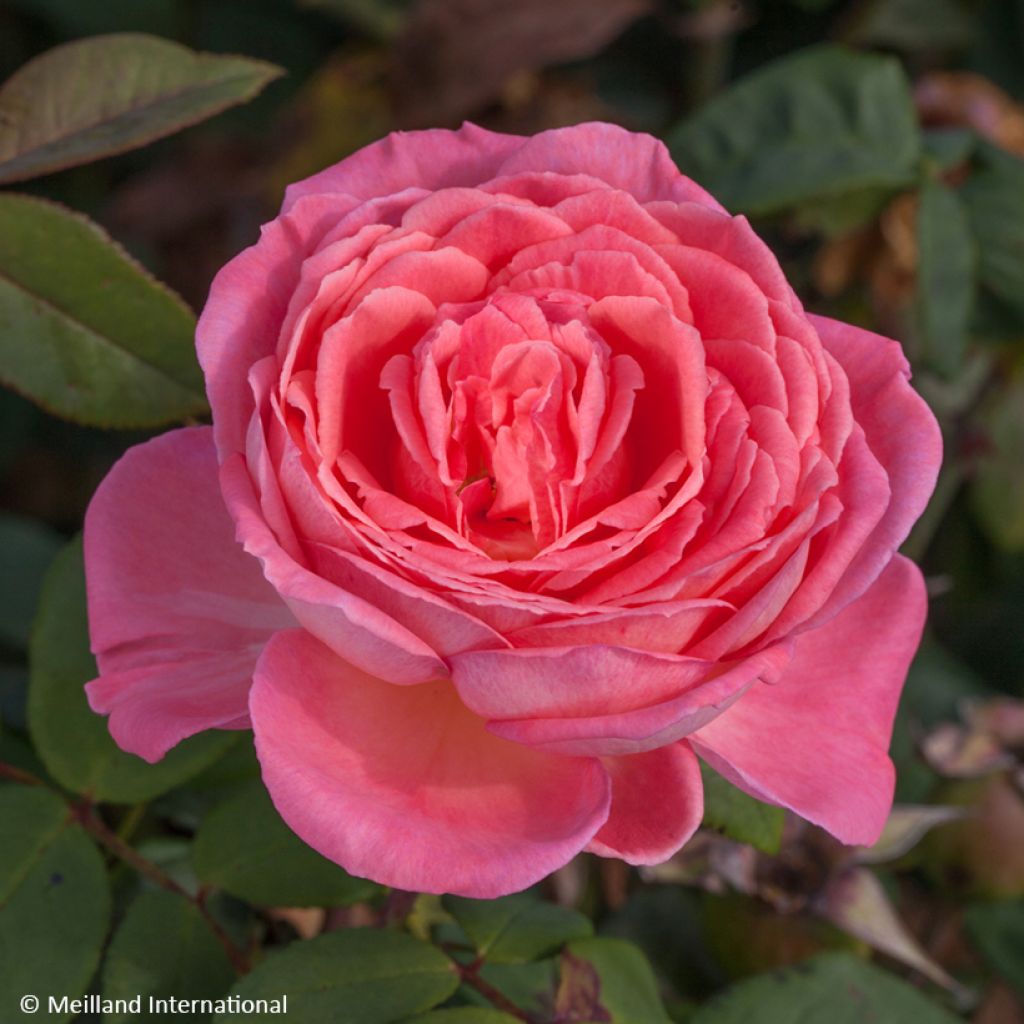
Rosa Liv Tyler - Hybrid Tea Rose
View more pictures
Hide images
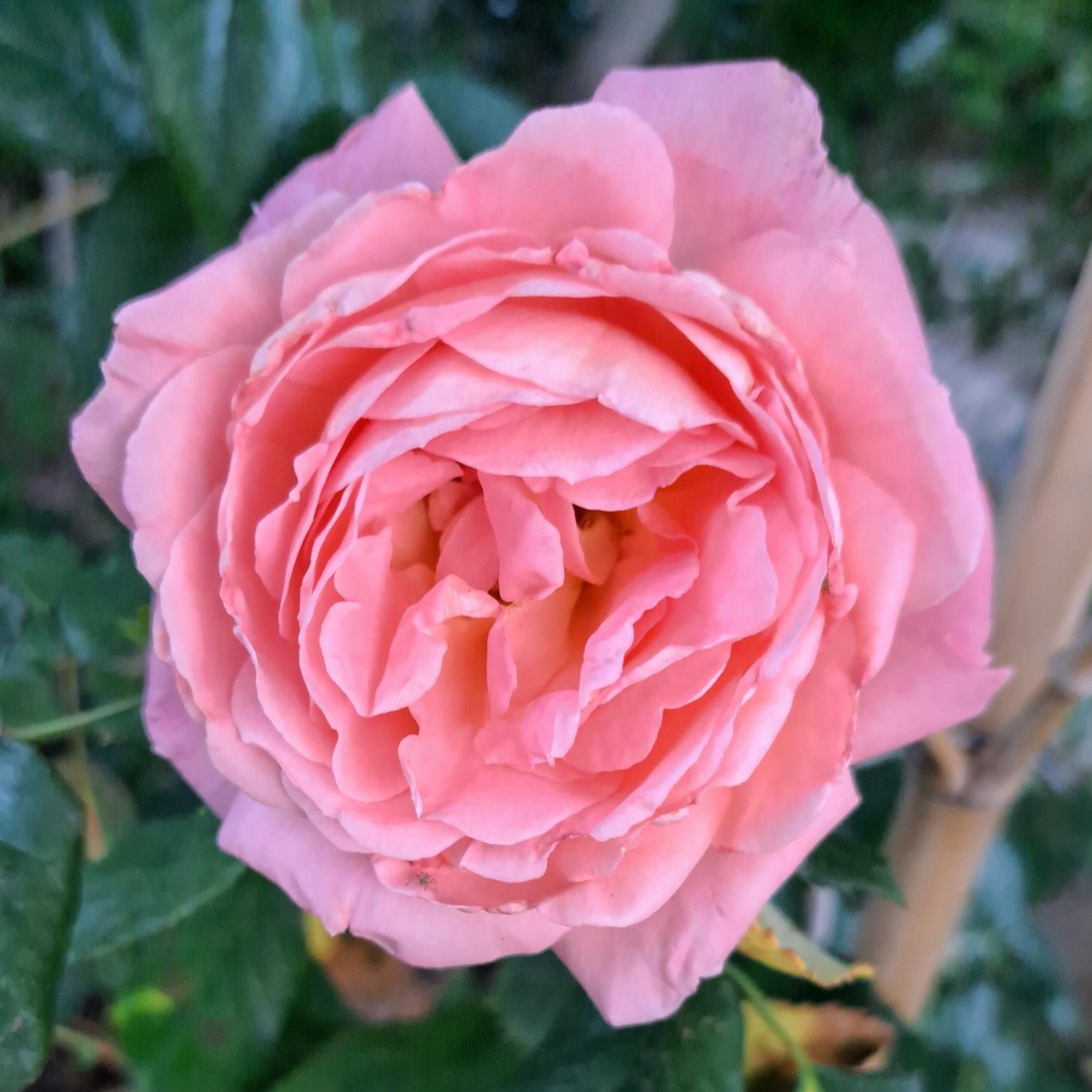
Thierry P.
Rosa Liv Tyler - Hybrid Tea Rose
Thierry P. • 84 FR
Rosa Liv Tyler - Hybrid Tea Rose
Rosa 'Meibacus' LIV TYLER®
Hybrid Tea Rose
Back-to-school special offer!
Get €10 off for every €50 you spend! And get up to €40 off on a single order.
How does it work?
1. Shop your favourites
Add your favourite plants to your basket. For every €50 you spend (excluding delivery charges, store credit and the plastic-free option), you’ll receive a €10 voucher.
€50 spent = €10 voucher
€100 spent = €20 voucher
€150 spent = €30 voucher
€200 spent = €40 voucher
2. Place your order
Once your basket reaches one of the spending thresholds, place your order. You can even choose your delivery date!
3. Receive your voucher
As soon as your order has been shipped, you’ll receive an email containing your personal voucher code and its value.
4. Use it on your next order
Your voucher is valid for 90 days from the date you receive it. It can be used once only, on a new order worth at least the value of the voucher, excluding delivery charges.
Please note: Vouchers can be combined with other offers, but cannot be split or refunded.
Why not try an alternative variety in stock?
View all →
Available in 2 sizes
Available in 3 sizes

Available in 2 sizes
Available in 2 sizes

Available in 2 sizes

Available in 3 sizes

Available in 2 sizes

Available in 2 sizes

Available in 2 sizes

Available in 3 sizes
This plant carries a 24 months recovery warranty
More information
We guarantee the quality of our plants for a full growing cycle, and will replace at our expense any plant that fails to recover under normal climatic and planting conditions.


Description
The Liv Tyler® 'Meibacus' rose bush is a beautiful creation by Meilland combining the charm of old roses with the vigour and floribundity of modern varieties. Its very pale oriental pink double flowers exude a powerful, fruity fragrance with exotic hints. It was named in honour of the American actress Liv Tyler, the muse of the 'Very Irresistible' feminine fragrance by Givenchy launched in 2003. A perfect marriage between French elegance and American glamour, this bush rose is ideal for creating romantic flowerbeds and cut flowers.
The Liv Tyler® rose is an exceptional variety created by Meilland International in 2001 and introduced to the market in 2007. It is also marketed under the name of 'Comtesse de Provence'. It is a large-flowered bush rose belonging to the horticultural group known as hybrid teas, prized for their majestic flowers and perpetual flowering. This variety is part of the ROMANTICA® collection which combines the aesthetics of old roses with the qualities of modern roses, including abundant flowering and good disease resistance.
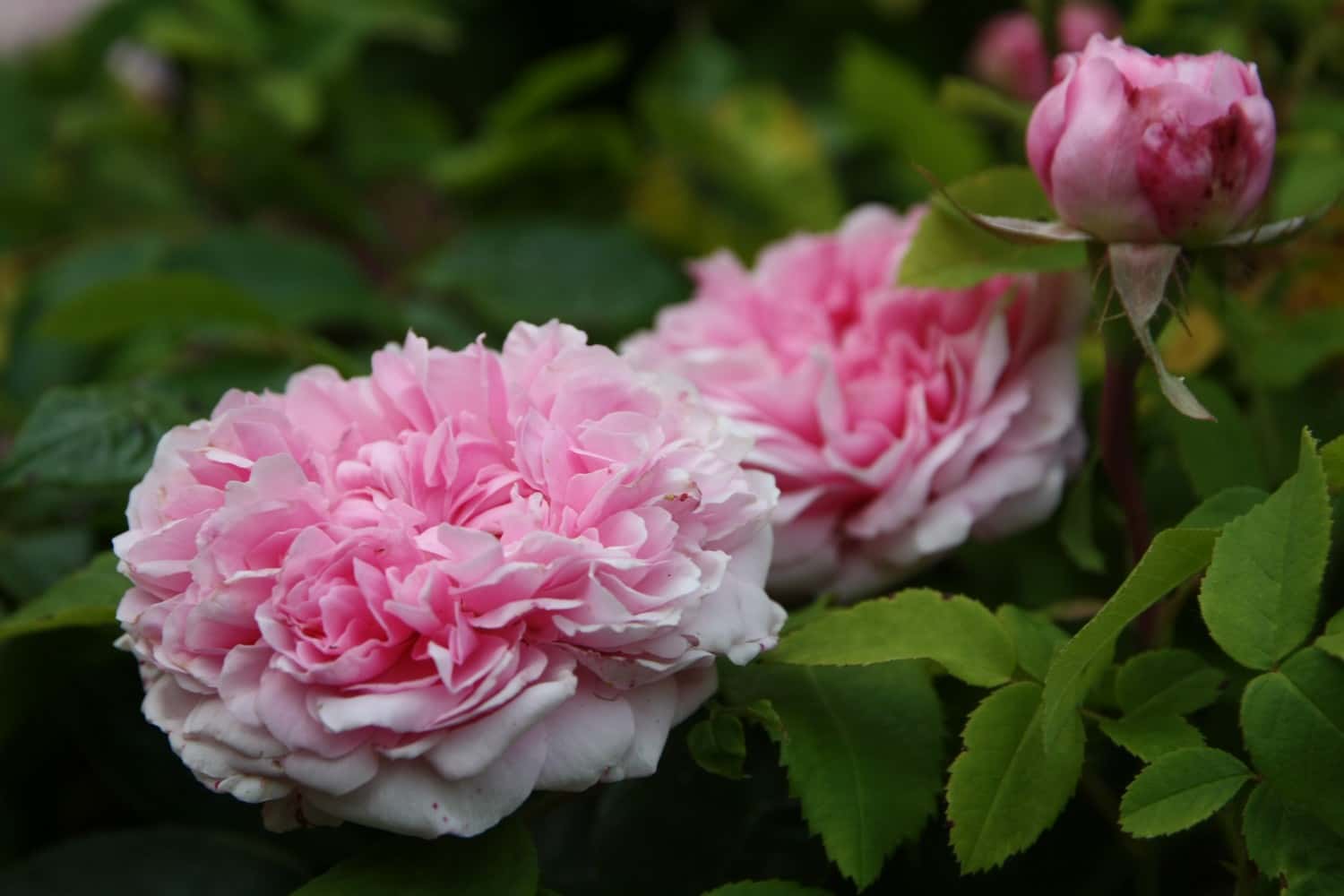
The Liv Tyler® rose has a compact, bushy habit reaching a height of 60 to 80 cm. Its dimensions make it suitable for borders, low-growing flowerbeds, or pot cultivation on patios and balconies. Its flowers od approximately 11 cm in diameter display a very pale oriental pink hue tinged with salmon pink in hot, dry weather. Its soft and refined shade is reminiscent of certain oriental textiles or porcelain. This pink lies between candy and peach pink with a slight warmth that gives it a particular elegance. Formed of around 80 petals arranged in quarters reminiscent of old roses, the flowers have a powerful fragrance with fruity hints of apricot and exotic fruits. Flowering is abundant and continuous from June until the first frosts, with blooms often appearing in single fashion or in loose clusters of 2 to 5 flowers. The matt dark green foliage is dense, highlighting the delicacy of the flowers. This rose is deciduous, losing its leaves in winter to enter dormancy. The stems are thorny.
The Liv Tyler® 'Meibacus' rose bush is the first variety in the world to have its intense and persistent fragrance incorporated into the manufacture of the famous 'Very Irresistible' perfume. This unique collaboration between Givenchy and Meilland International highlights the exceptional olfactory quality of this variety.
Charming, abundant, and highly fragrant, the Liv Tyler® ‘Meibacus’ rose bush embodies romanticism in the garden. Its colour harmonises with pastel shades in delicate displays. It is wonderful in flowerbeds, planted in groups of 3, surrounded by Nepeta ‘Walker’s Low’ and pink valerian, Centranthus ruber 'Kempenhof'. For an even more poetic setting, it can mingle with the tall, luminous vertical flower spikes of white Delphinia. In a large mixed border, the cloud-like inflorescences of Gypsophila paniculata ‘Bristol Fairy’ will accentuate its old rose allure, while the gentle blooms of hollyhocks 'Chater's Double salmon' will echo its salmon hues. Its flowers can also be used as cut flowers to spread their fragrance throughout the home.
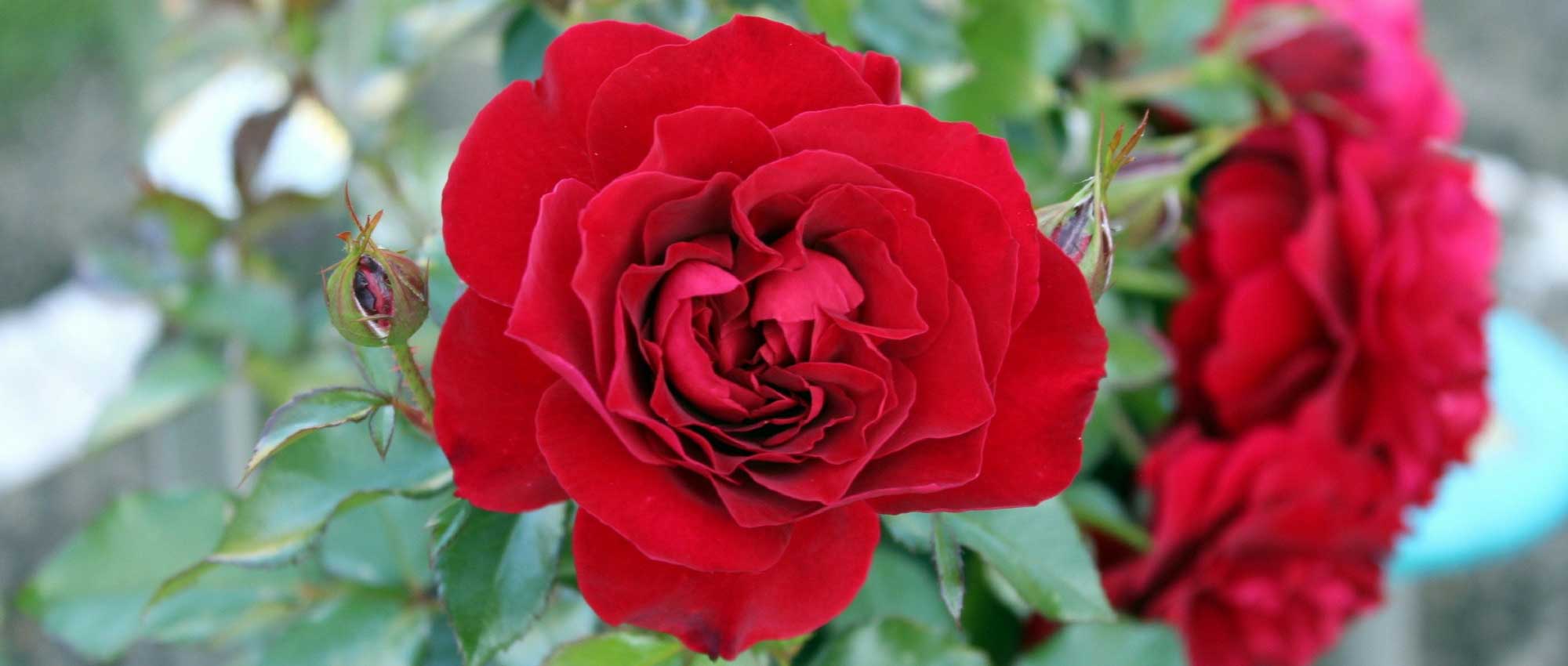
Plant habit
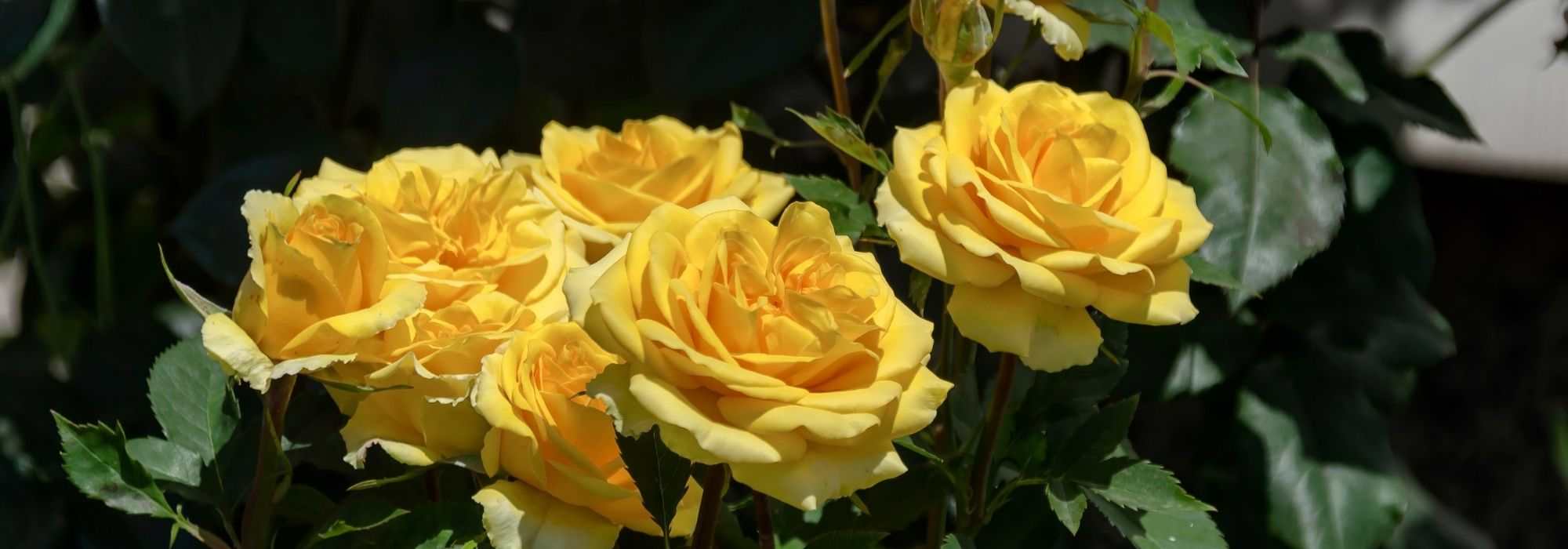
Flowering
Foliage
Botanical data
Rosa
'Meibacus' LIV TYLER®
Rosaceae
Hybrid Tea Rose
Rosa 'Meibacus' Comtesse de Provence
Cultivar or hybrid
Planting and care
To plant your Liv Tyler rose, prepare the soil by working it to a depth of 30 cm, breaking up any clumps and adding a base fertiliser such as dried blood or dehydrated horn at the bottom of the planting hole. Place your plant after removing it from its pot, covering the top of the root ball with 3 cm of soil, then backfill and water thoroughly to eliminate any air pockets. In dry weather, water regularly for a few weeks to encourage root establishment. Also consider feeding your rose with a special rose fertiliser to promote flowering. Choose a sunny spot, or partial shade in very hot regions.
Planting period
Intended location
Care
Planting & care advice
-

-

-

-

-
-

-
-

This item has not been reviewed yet - be the first to leave a review about it.
Recently viewed products
Haven't found what you were looking for?
Hardiness is the lowest winter temperature a plant can endure without suffering serious damage or even dying. However, hardiness is affected by location (a sheltered area, such as a patio), protection (winter cover) and soil type (hardiness is improved by well-drained soil).

The flowering period indicated on our website applies to countries and regions located in USDA zone 8 (France, the United Kingdom, Ireland, the Netherlands, etc.)
It will vary according to where you live:- In zones 9 to 10 (Italy, Spain, Greece, etc.), flowering will occur about 2 to 4 weeks earlier.
- In zones 6 to 7 (Germany, Poland, Slovenia, and lower mountainous regions), flowering will be delayed by 2 to 3 weeks.
- In zone 5 (Central Europe, Scandinavia), blooming will be delayed by 3 to 5 weeks.
In temperate climates, pruning of spring-flowering shrubs (forsythia, spireas, etc.) should be done just after flowering.
Pruning of summer-flowering shrubs (Indian Lilac, Perovskia, etc.) can be done in winter or spring.
In cold regions as well as with frost-sensitive plants, avoid pruning too early when severe frosts may still occur.
The planting period indicated on our website applies to countries and regions located in USDA zone 8 (France, United Kingdom, Ireland, Netherlands).
It will vary according to where you live:
- In Mediterranean zones (Marseille, Madrid, Milan, etc.), autumn and winter are the best planting periods.
- In continental zones (Strasbourg, Munich, Vienna, etc.), delay planting by 2 to 3 weeks in spring and bring it forward by 2 to 4 weeks in autumn.
- In mountainous regions (the Alps, Pyrenees, Carpathians, etc.), it is best to plant in late spring (May-June) or late summer (August-September).
The harvesting period indicated on our website applies to countries and regions in USDA zone 8 (France, England, Ireland, the Netherlands).
In colder areas (Scandinavia, Poland, Austria...) fruit and vegetable harvests are likely to be delayed by 3-4 weeks.
In warmer areas (Italy, Spain, Greece, etc.), harvesting will probably take place earlier, depending on weather conditions.
The sowing periods indicated on our website apply to countries and regions within USDA Zone 8 (France, UK, Ireland, Netherlands).
In colder areas (Scandinavia, Poland, Austria...), delay any outdoor sowing by 3-4 weeks, or sow under glass.
In warmer climes (Italy, Spain, Greece, etc.), bring outdoor sowing forward by a few weeks.
Shipping country and language
Your country of residence may be:
Your country of residence is:
For a better user experience on our website, you can select:
Your shipping country:
-
 Austria
-
 Belgium
-
 Bosnia & Herzegovina
-
 Bulgaria
-
 Croatia
-
 Cyprus
-
 Czechia
-
 Denmark
-
 Estonia
-
 Finland
-
 France
-
 Germany
-
 Greece
-
 Hungary
-
 Iceland
-
 Ireland
-
 Italy
Italy
-
 Latvia
-
 Liechtenstein
-
 Lithuania
-
 Luxembourg
-
 Malta
Malta
-
 Netherlands
-
 Poland
-
 Portugal
-
 Romania
-
 Serbia
-
 Slovakia
-
 Slovenia
-
 Spain
Spain
-
 Sweden
-
 Switzerland
Language:
-
French
-
 English
-
Spanish
-
Italian
-
German
-
Portuguese
-
Dutch
-
Finnish
My Account
Hello
My wish lists
My cart
Log in / Register
Existing customer?
This form is protected by reCAPTCHA - the Google Privacy Policy and Terms of Service apply.
New customer?
Create an account to track your orders, access our customer service and, if you wish, make the most of our upcoming offers.