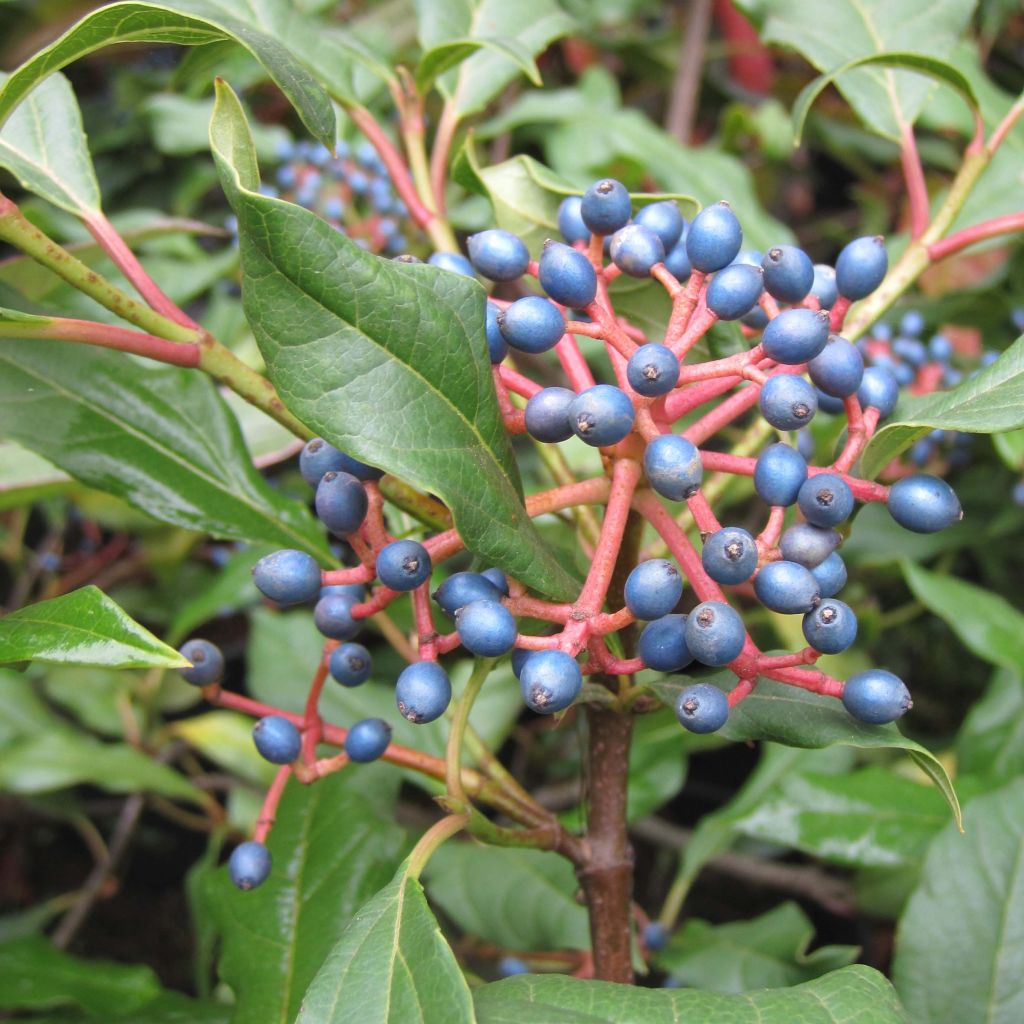
Viburnum globosum Jermyns Globe
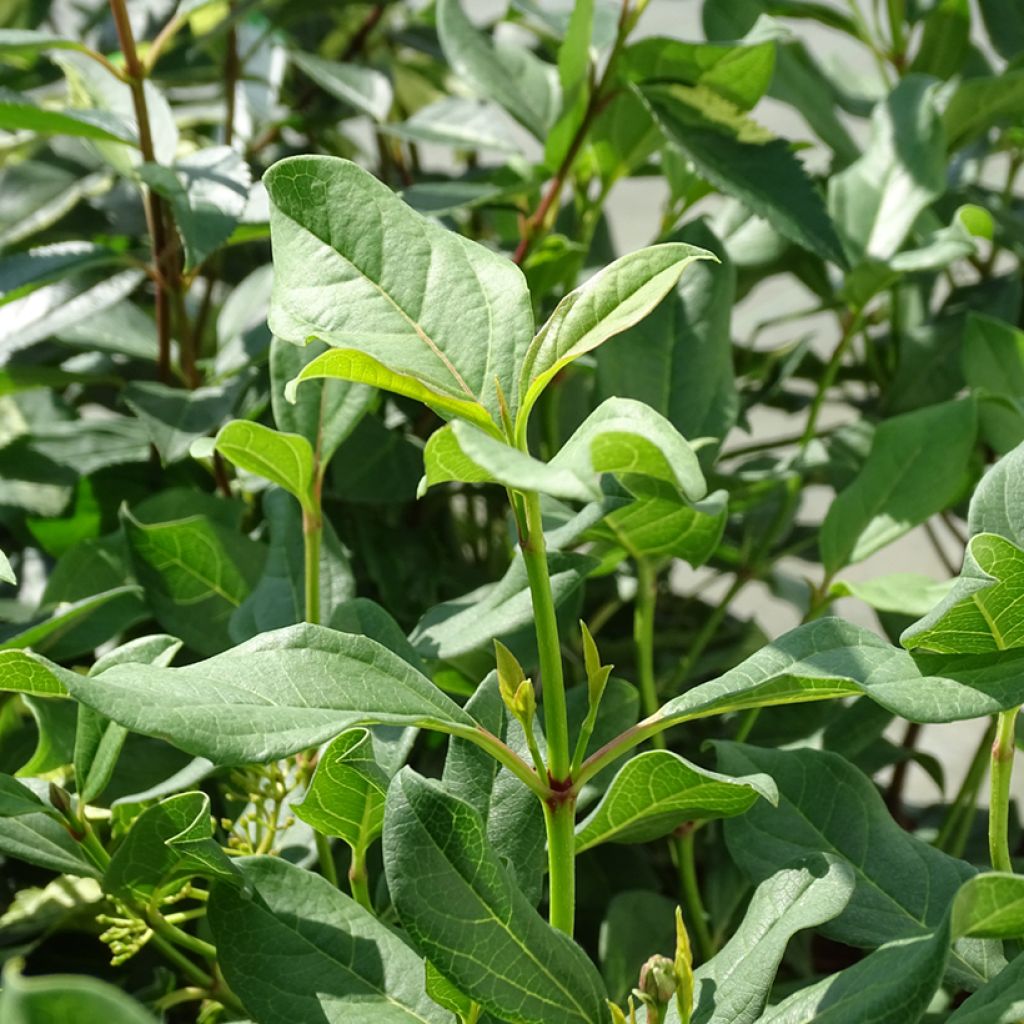
Viburnum globosum Jermyns Globe
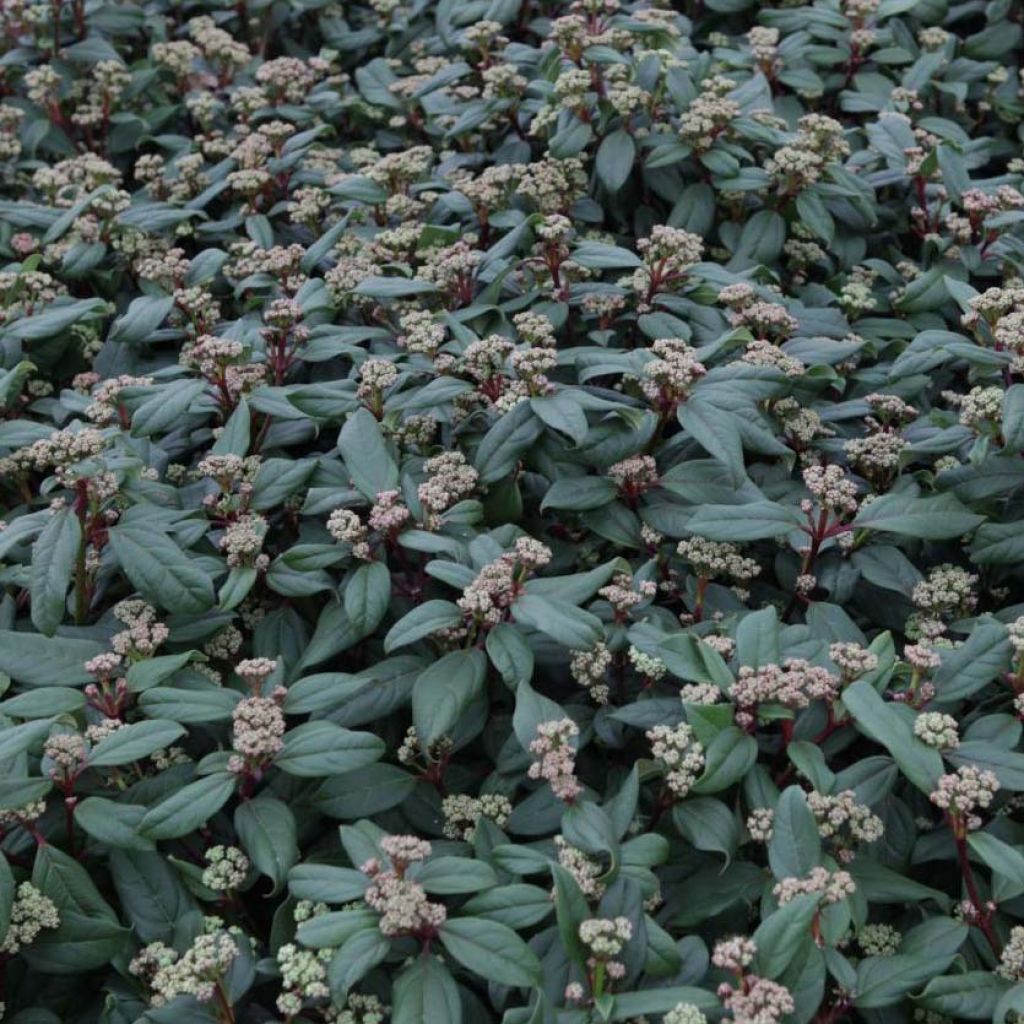
Viburnum globosum Jermyns Globe
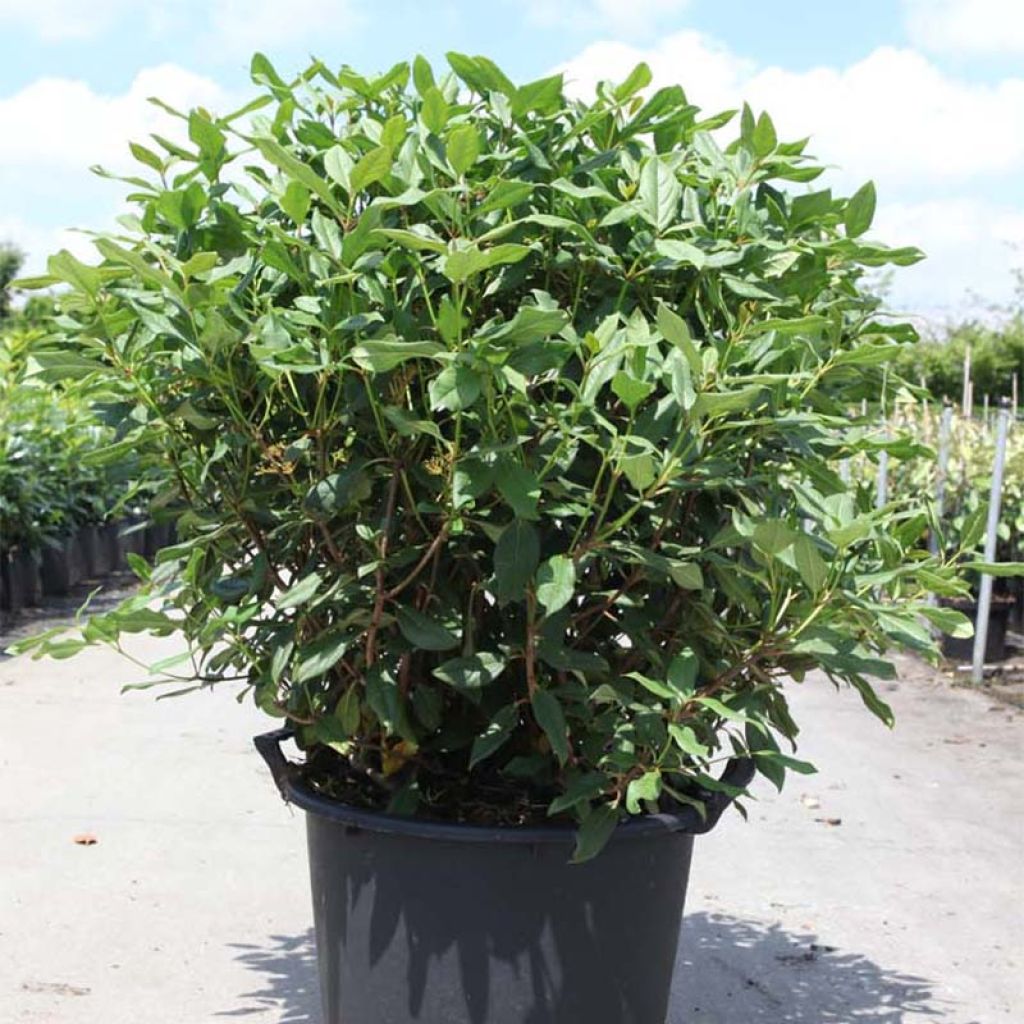
Viburnum globosum Jermyns Globe
Viburnum globosum Jermyns Globe
Viburnum x davidii Jermyns Globe
Bush correct and in good condition.
Denis, 16/05/2019
Back-to-school special offer!
Get €10 off for every €50 you spend! And get up to €40 off on a single order.
How does it work?
1. Shop your favourites
Add your favourite plants to your basket. For every €50 you spend (excluding delivery charges, store credit and the plastic-free option), you’ll receive a €10 voucher.
€50 spent = €10 voucher
€100 spent = €20 voucher
€150 spent = €30 voucher
€200 spent = €40 voucher
2. Place your order
Once your basket reaches one of the spending thresholds, place your order. You can even choose your delivery date!
3. Receive your voucher
As soon as your order has been shipped, you’ll receive an email containing your personal voucher code and its value.
4. Use it on your next order
Your voucher is valid for 90 days from the date you receive it. It can be used once only, on a new order worth at least the value of the voucher, excluding delivery charges.
Please note: Vouchers can be combined with other offers, but cannot be split or refunded.
Home or relay delivery (depending on size and destination)
Important: You may be charged customs duties by your country’s customs authorities upon delivery.
Schedule delivery date,
and select date in basket
This plant carries a 24 months recovery warranty
More information
We guarantee the quality of our plants for a full growing cycle, and will replace at our expense any plant that fails to recover under normal climatic and planting conditions.

Would this plant suit my garden?
Set up your Plantfit profile →
Description
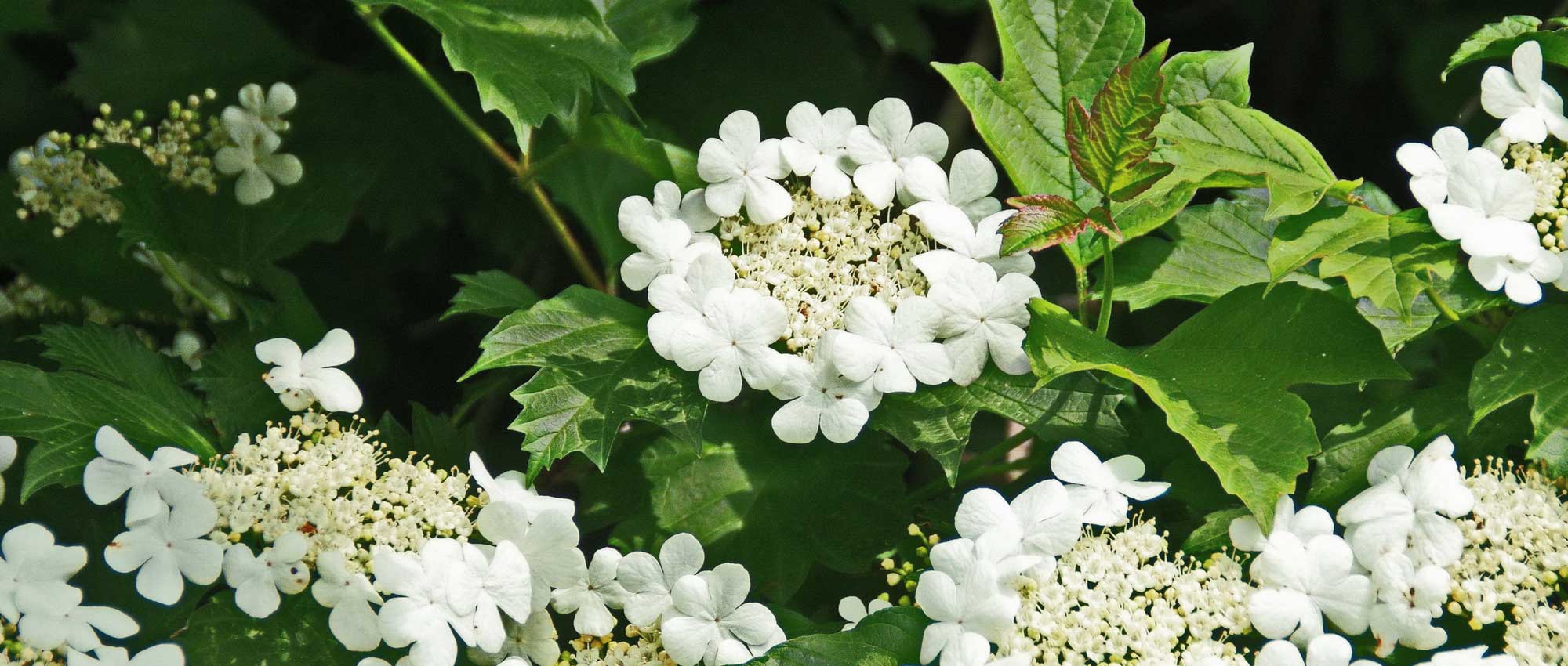
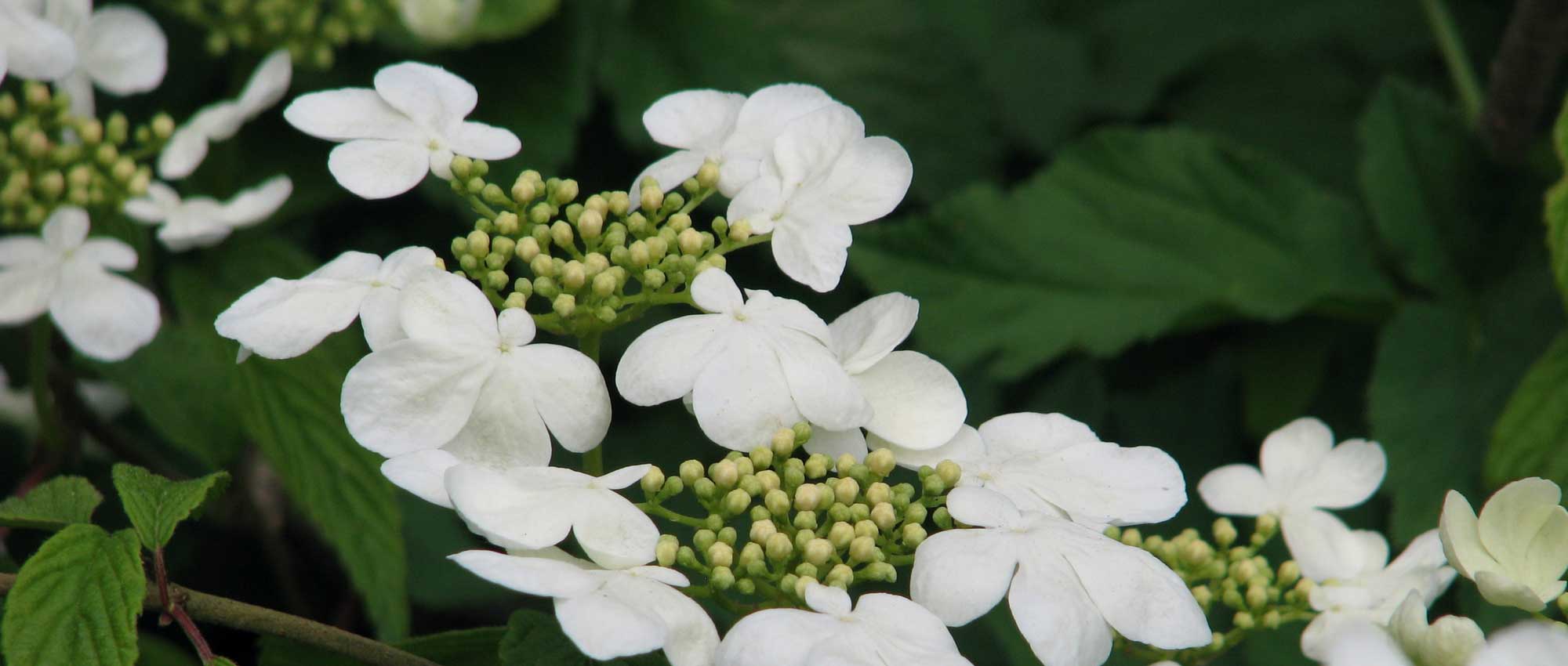
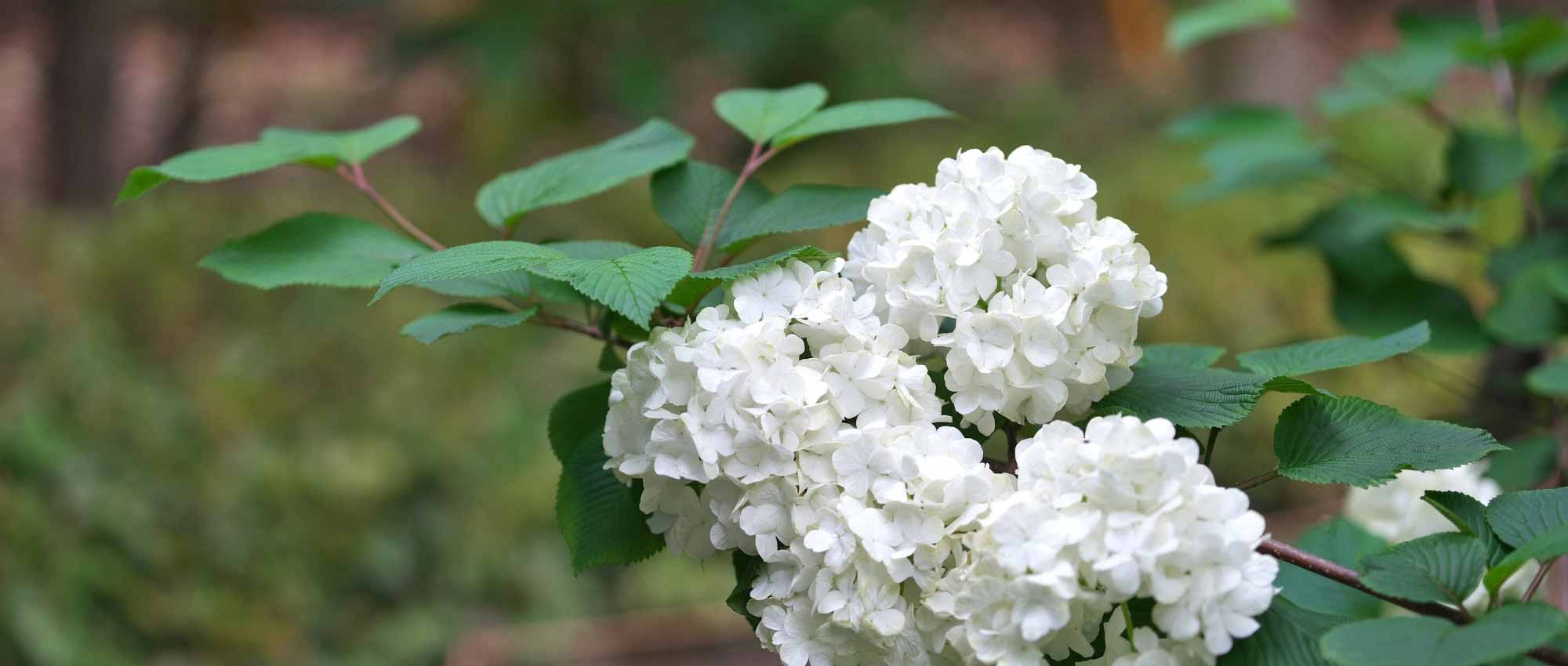
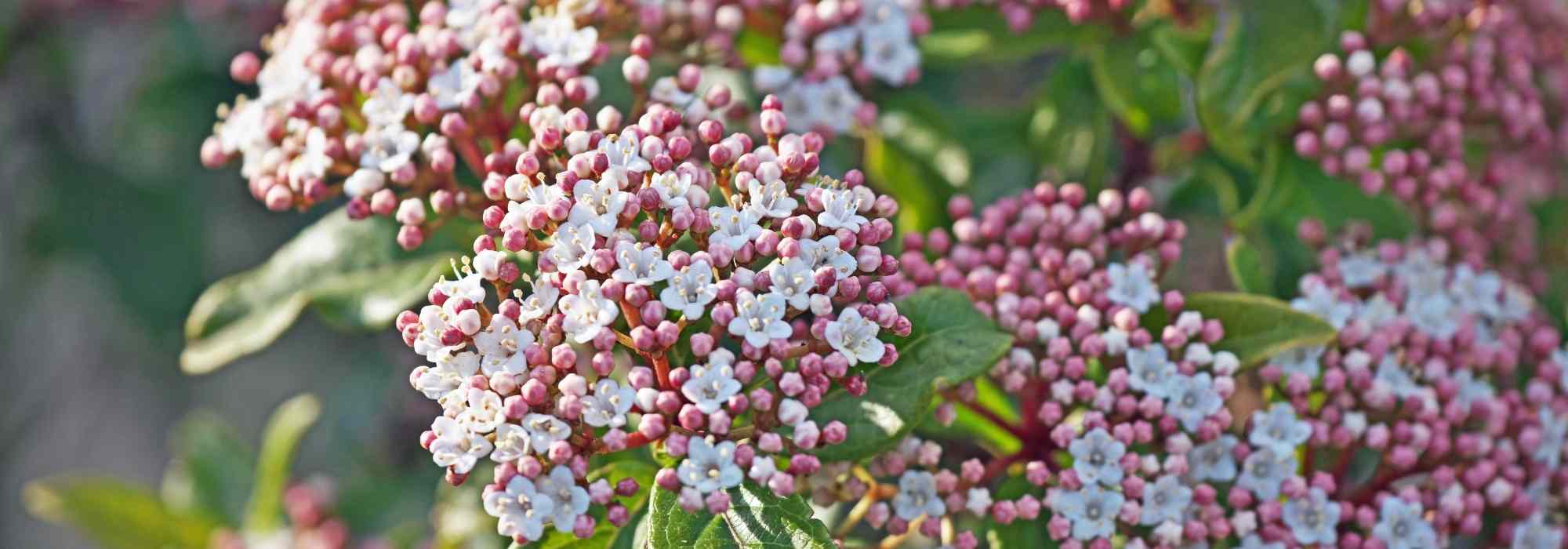
Viburnum x globosum 'Jermyns Globe' is a hybrid variety of viburnum obtained in England in 1964. It has a beautiful evergreen foliage that resembles its parent, David's viburnum, with dark green and glossy leaves. It is distinguished by a more upright habit and forms a large, nicely rounded bush with dense vegetation. Its foliage highlights its long spring to summer flowering in white and delicate corymbs, followed by small metallic blue-black fruits that persist well into autumn. This easy-to-grow shrub will easily integrate into any garden, contributing to the overall structure along with other evergreens.
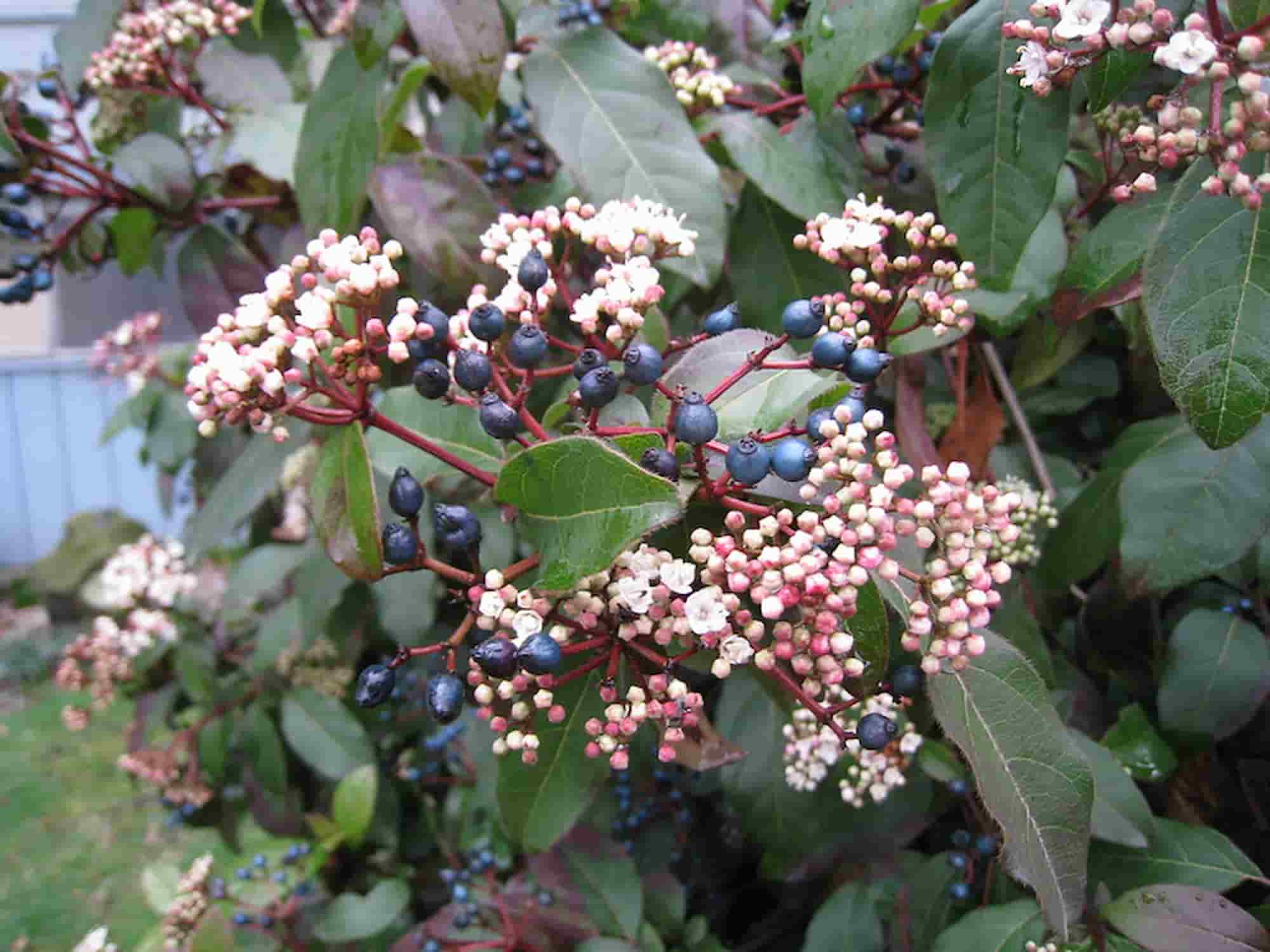
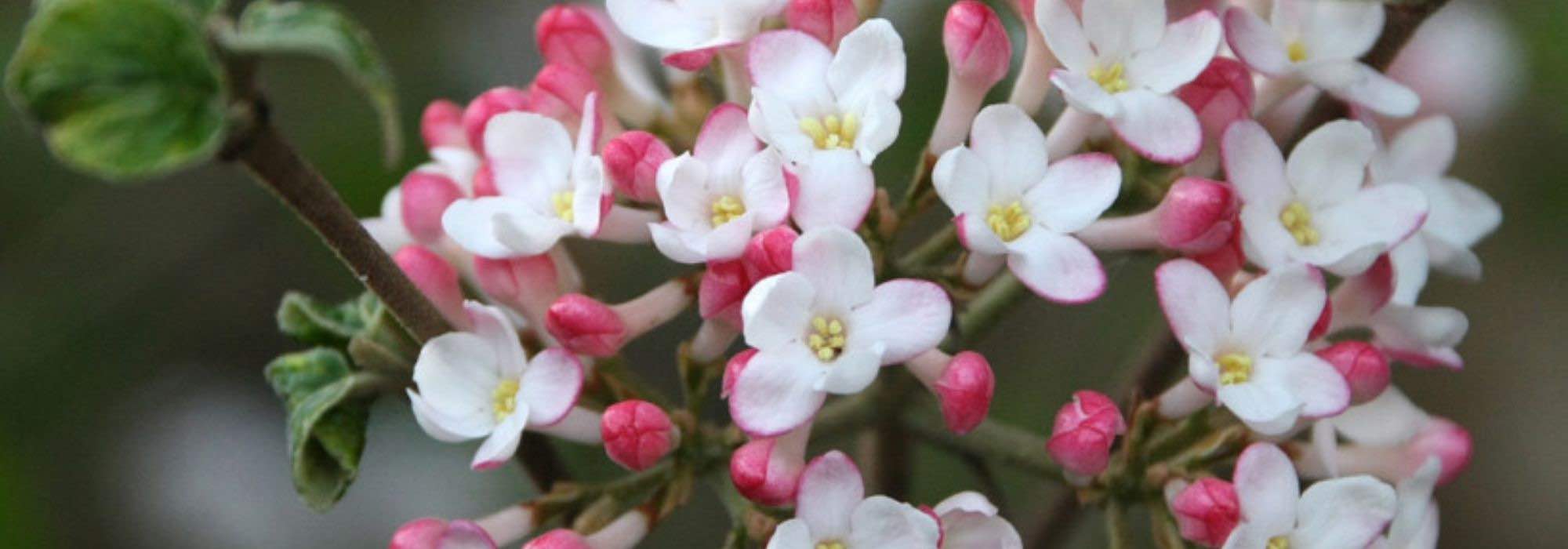
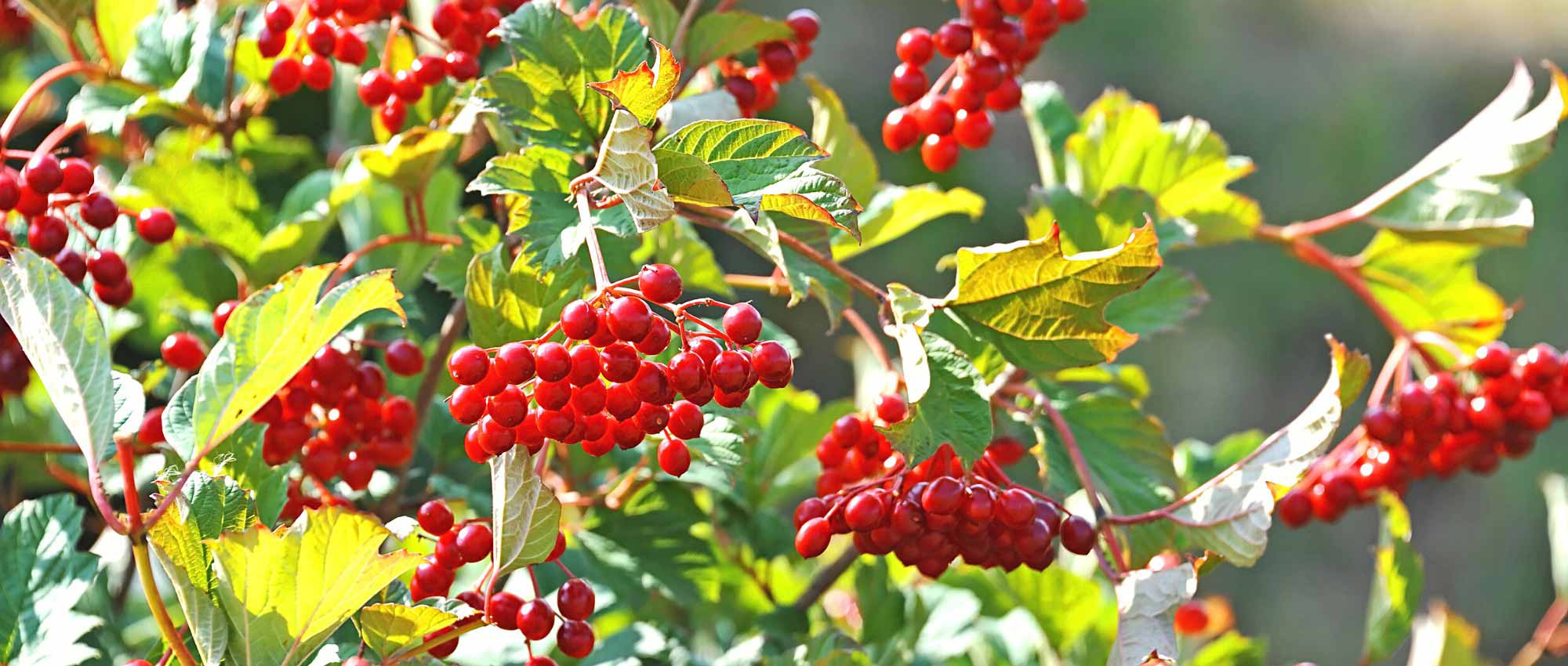
The hybrid viburnum 'Jermyns Globe' is a cross between Viburnum davidii and V. calvum, a much lesser-known Chinese species. This plant, formerly classified as part of the Caprifoliaceae family, now belongs to the Adoxaceae family, just like elderberries. It is a dioecious shrub, with distinct male and female individuals, with only the female plants producing fruits in the presence of male plants. The 'Jermyns Globe' cultivar, with its bushy and rounded habit, grows at a moderate pace and will reach an average size of 2.25 metres (7 feet 5 inches) in all directions. The dense and evergreen foliage is perhaps its main asset: its tough, ovate leaves are a beautiful dark green with a glossy finish, displaying three veins that meet on a red petiole. In cold weather, they often take on beautiful purple hues that match the branches. The remarkably extended flowering period starts in May-June, with sporadic blooms continuing until July-August, and sometimes even in autumn. The flowers, arranged in loose and flattened clusters measuring 2 to 6 centimetres (0.8 to 2.4 inches) in diameter, are white. The subsequent fruiting is quite unique and will persist on the branches at least until October. The small blue-black fruits, carried on reddish peduncles, are not edible.
The hardiness of Viburnum x globosum 'Jermyns Globe' (- 15 °C maximum) prevents it from being planted in the most continental regions. Everywhere else, it thrives in sunny or partially shaded locations, although it can tolerate shade. It is less demanding in terms of soil than David's viburnum and accepts the presence of limestone. Several shrubs need to be planted for fruiting to occur. It can be used as a standalone plant or in a mass planting. Its foliage, with its strong presence, enhances the accompanying flowering plants. It is perfect for creating a permanent structure in the garden. Its dark foliage creates interesting contrasts with shrubs with grey foliage (Artemisia ludoviciana, Buddleia 'Silver Anniversary', Gomphostigma virgatum 'White Candy'), bluish foliage (Eucalyptus gunii), yellow foliage (Phyllostachys aurea, Sambucus nigra 'Golden Tower'), or even the variegated pink foliage of the shrimp Willow. In slightly acidic soil, it can be combined, for example, with Japanese Euonymus, hydrangeas, variegated cornus, Andromedas, or Japanese maples, which thrive in similar environments.
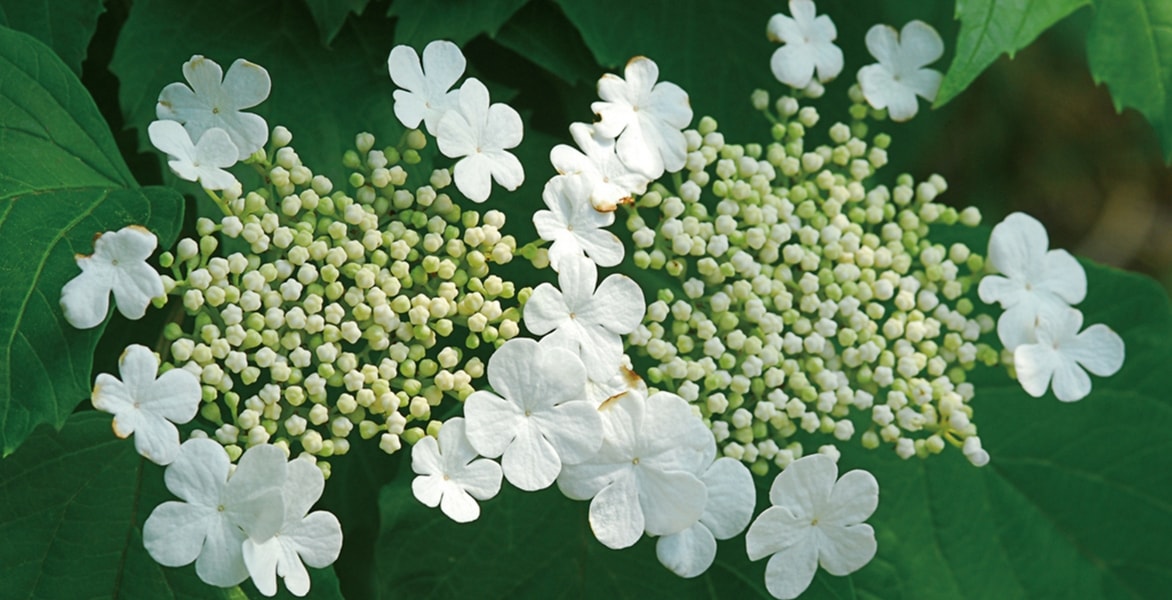
Viburnum globosum Jermyns Globe in pictures
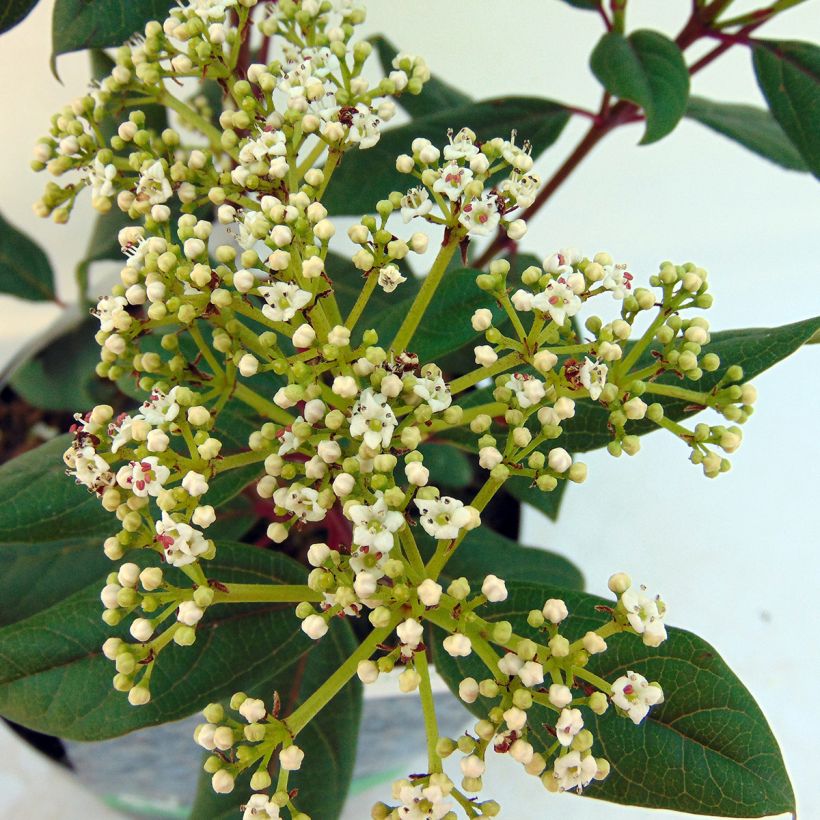
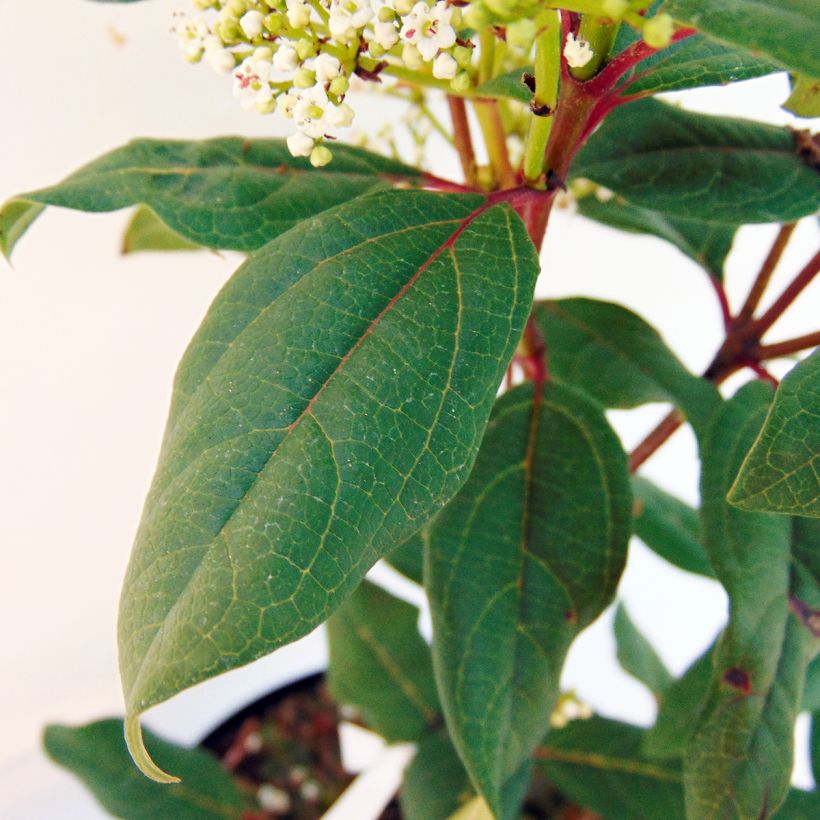
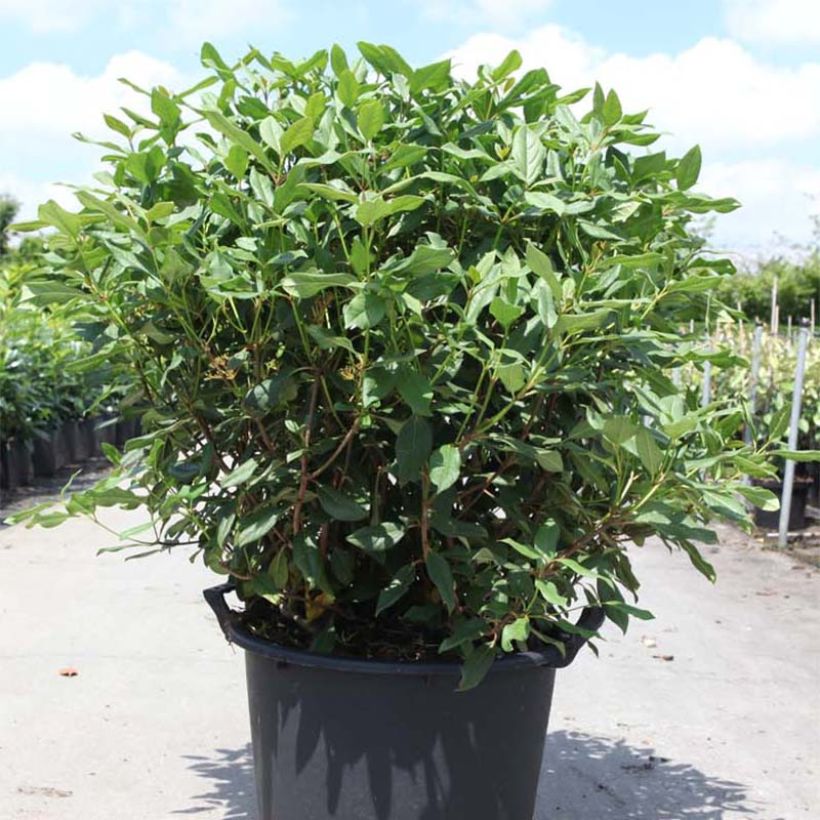
Plant habit
Flowering
Foliage
Botanical data
Viburnum
x davidii
Jermyns Globe
Viburnaceae
Cultivar or hybrid
Planting and care
Viburnum x globosum 'Jermyns Globe' is quite tolerant regarding exposure and soil. However, it prefers semi-shaded exposures and deep, loose, and moist soils. It tolerates the presence of limestone in the soil. Its foliage will be more beautiful in these optimal conditions. Plant it in a fresh and well-drained soil enriched with compost and coarse sand. When planting, water it generously and continue watering during the first two or three summers, especially in hot climates. It is necessary to plant several bushes for fruiting. Pruning is not necessary, just remove dry branches.
Planting period
Intended location
Care
Planting & care advice
-
-
-
-
-
-
-

-
-
, onOrder confirmed
Reply from on Promesse de fleurs
Recently viewed products
Haven't found what you were looking for?
Hardiness is the lowest winter temperature a plant can endure without suffering serious damage or even dying. However, hardiness is affected by location (a sheltered area, such as a patio), protection (winter cover) and soil type (hardiness is improved by well-drained soil).

The flowering period indicated on our website applies to countries and regions located in USDA zone 8 (France, the United Kingdom, Ireland, the Netherlands, etc.)
It will vary according to where you live:- In zones 9 to 10 (Italy, Spain, Greece, etc.), flowering will occur about 2 to 4 weeks earlier.
- In zones 6 to 7 (Germany, Poland, Slovenia, and lower mountainous regions), flowering will be delayed by 2 to 3 weeks.
- In zone 5 (Central Europe, Scandinavia), blooming will be delayed by 3 to 5 weeks.
In temperate climates, pruning of spring-flowering shrubs (forsythia, spireas, etc.) should be done just after flowering.
Pruning of summer-flowering shrubs (Indian Lilac, Perovskia, etc.) can be done in winter or spring.
In cold regions as well as with frost-sensitive plants, avoid pruning too early when severe frosts may still occur.
The planting period indicated on our website applies to countries and regions located in USDA zone 8 (France, United Kingdom, Ireland, Netherlands).
It will vary according to where you live:
- In Mediterranean zones (Marseille, Madrid, Milan, etc.), autumn and winter are the best planting periods.
- In continental zones (Strasbourg, Munich, Vienna, etc.), delay planting by 2 to 3 weeks in spring and bring it forward by 2 to 4 weeks in autumn.
- In mountainous regions (the Alps, Pyrenees, Carpathians, etc.), it is best to plant in late spring (May-June) or late summer (August-September).
The harvesting period indicated on our website applies to countries and regions in USDA zone 8 (France, England, Ireland, the Netherlands).
In colder areas (Scandinavia, Poland, Austria...) fruit and vegetable harvests are likely to be delayed by 3-4 weeks.
In warmer areas (Italy, Spain, Greece, etc.), harvesting will probably take place earlier, depending on weather conditions.
The sowing periods indicated on our website apply to countries and regions within USDA Zone 8 (France, UK, Ireland, Netherlands).
In colder areas (Scandinavia, Poland, Austria...), delay any outdoor sowing by 3-4 weeks, or sow under glass.
In warmer climes (Italy, Spain, Greece, etc.), bring outdoor sowing forward by a few weeks.
Shipping country and language
Your country of residence may be:
Your country of residence is:
For a better user experience on our website, you can select:
Your shipping country:
-
 Austria
-
 Belgium
-
 Bosnia & Herzegovina
-
 Bulgaria
-
 Croatia
-
 Cyprus
-
 Czechia
-
 Denmark
-
 Estonia
-
 Finland
-
 France
-
 Germany
-
 Greece
-
 Hungary
-
 Iceland
-
 Ireland
-
 Italy
Italy
-
 Latvia
-
 Liechtenstein
-
 Lithuania
-
 Luxembourg
-
 Malta
Malta
-
 Netherlands
-
 Poland
-
 Portugal
-
 Romania
-
 Serbia
-
 Slovakia
-
 Slovenia
-
 Spain
Spain
-
 Sweden
-
 Switzerland
Language:
-
French
-
 English
-
Spanish
-
Italian
-
German
-
Portuguese
-
Dutch
-
Finnish
My Account
Hello
My wish lists
My cart
Log in / Register
Existing customer?
This form is protected by reCAPTCHA - the Google Privacy Policy and Terms of Service apply.
New customer?
Create an account to track your orders, access our customer service and, if you wish, make the most of our upcoming offers.