
Jachère mellifère Tübinger
Jachère mellifère Tübinger
Back-to-school special offer!
Get €10 off for every €50 you spend! And get up to €40 off on a single order.
How does it work?
1. Shop your favourites
Add your favourite plants to your basket. For every €50 you spend (excluding delivery charges, store credit and the plastic-free option), you’ll receive a €10 voucher.
€50 spent = €10 voucher
€100 spent = €20 voucher
€150 spent = €30 voucher
€200 spent = €40 voucher
2. Place your order
Once your basket reaches one of the spending thresholds, place your order. You can even choose your delivery date!
3. Receive your voucher
As soon as your order has been shipped, you’ll receive an email containing your personal voucher code and its value.
4. Use it on your next order
Your voucher is valid for 90 days from the date you receive it. It can be used once only, on a new order worth at least the value of the voucher, excluding delivery charges.
Please note: Vouchers can be combined with other offers, but cannot be split or refunded.
Home or relay delivery (depending on size and destination)
Important: You may be charged customs duties by your country’s customs authorities upon delivery.
Schedule delivery date,
and select date in basket
This plant carries a 6 months recovery warranty
More information
We guarantee the quality of our plants for a full growing cycle, and will replace at our expense any plant that fails to recover under normal climatic and planting conditions.
Would this plant suit my garden?
Set up your Plantfit profile →
Description
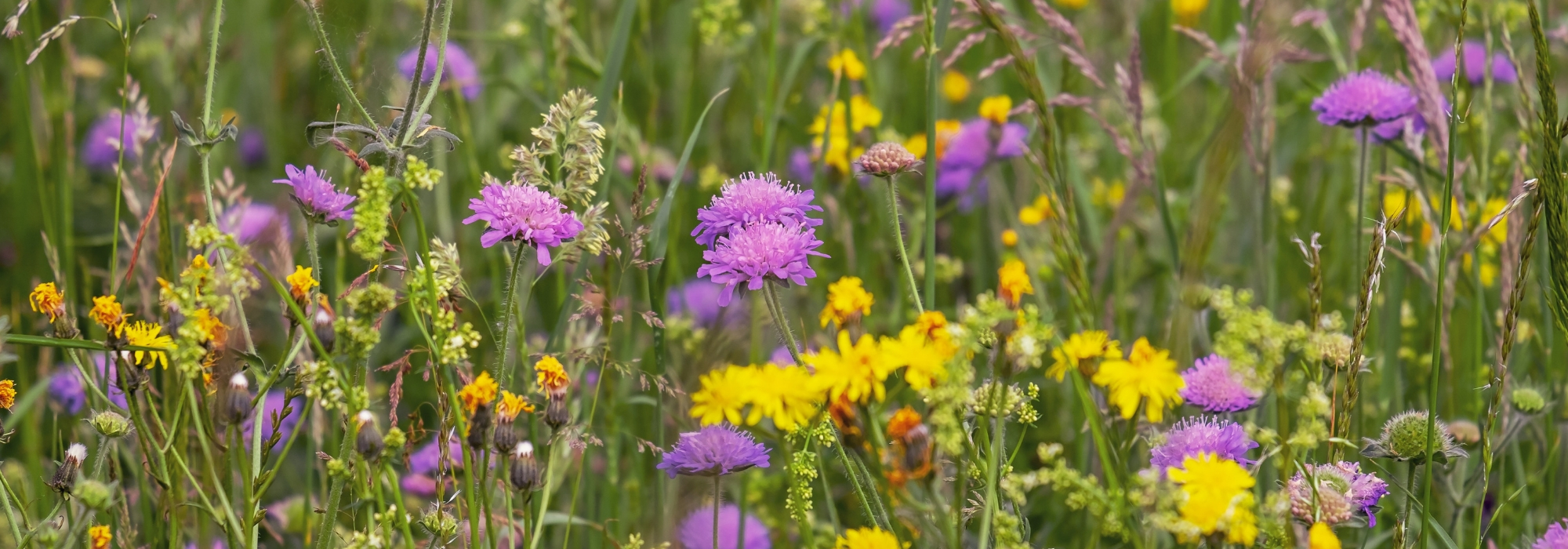
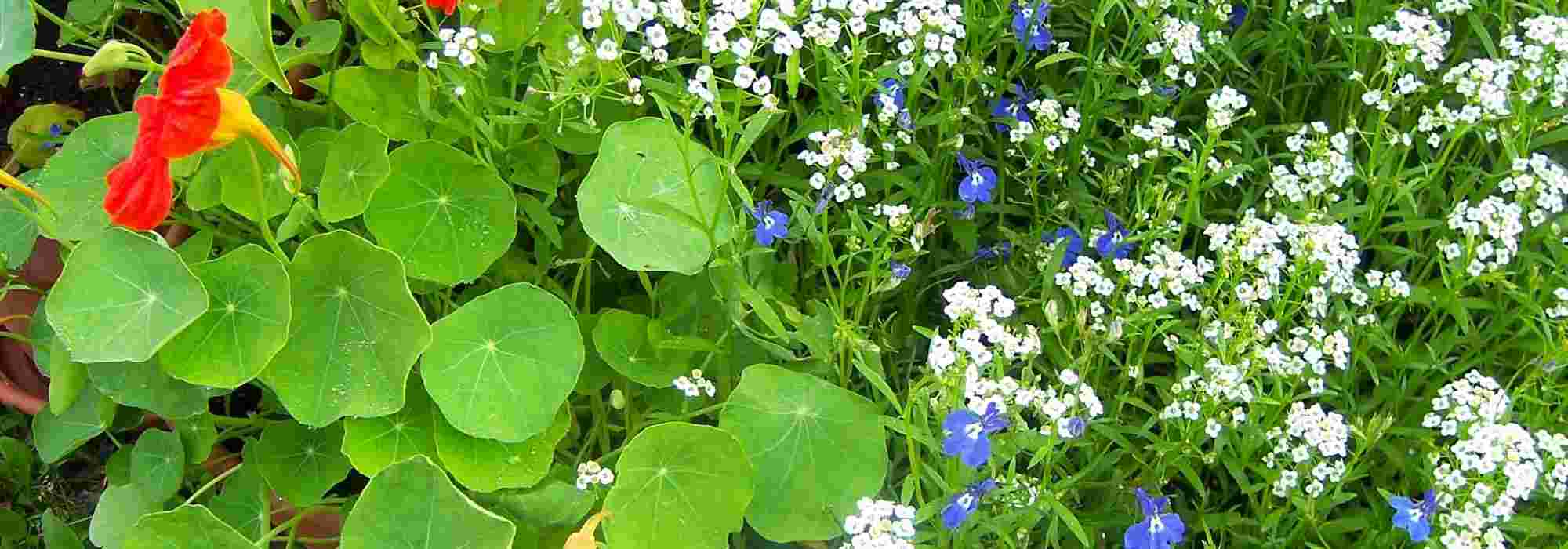
La Jachère mellifère Tübinger est un riche assortiment de fleurs annuelles spécialement conçu pour nourrir et attirer abeilles, bourdons, papillons et autres pollinisateurs. Sa floraison intensément nectarifère, qui s'étale sur plusieurs mois, fera du jardin un havre de biodiversité, tout en soutenant activement les écosystèmes naturels. Largement utilisé en Allemagne et ailleurs en Europe, ce mélange offre une ressource nectarifère continue du printemps à l’automne. On le sème directement en place au printemps, au soleil, dans un sol bien ameubli et préparé.
Le mélange Tübinger a été mis au point au début des années 1980 par le Landesanstalt für Bienenkunde, l’Institut régional pour l’apiculture de l’Université de Hohenheim, en Allemagne. Il a été conçu dans un contexte de déclin des populations d’abeilles et de pollinisateurs sauvages, dans le but de leur offrir une source continue de nectar et de pollen. Ce mélange floral a rapidement démontré son efficacité, en particulier dans les zones agricoles, les bordures de routes ou encore les friches urbaines. Bien que son nom fasse référence à la ville de Tübingen, il n’a pas été développé par son université, mais plutôt dans la région environnante. Aujourd’hui, le "Tübinger Mischung" est l’un des mélanges mellifères les plus utilisés en Europe pour favoriser la biodiversité et soutenir l’apiculture.
La composition du mélange Tübinger repose sur l’association de plantes annuelles, choisies pour leur intérêt mellifère, leur complémentarité de floraison et leur capacité à s’adapter à divers types de sols. Il contient notamment de la phacélie tanacetifolia, très appréciée pour son nectar abondant et sa floraison rapide, ainsi que du souci officinal, connu pour attirer aussi bien les abeilles que certains insectes auxiliaires. On y trouve également de la centaurée bleuet, de la bourrache et de la grande mauve, trois espèces aux fleurs riches en pollen. Le sarrasin et la moutarde blanche enrichissent la couverture végétale et attirent fortement les pollinisateurs en été. Des plantes aromatiques comme la coriandre, l’aneth et la nigelle de Damas apportent une diversité supplémentaire en formes et parfums. La présence de radis permet une couverture du sol plus dense et limite la croissance des adventices. L’ensemble forme une prairie fleurie vivante, évolutive et riche, dont la floraison s’étale généralement de mai jusqu’aux premières gelées.
Semée en bandes fleuries ou en bordure du potager, cette Jachère mellifère Tübinger permet d’attirer et de nourrir de nombreux pollinisateurs (hyménoptères, abeilles, syrphes, bourdons…). Elle améliore la qualité du sol, donne un aspect naturel et coloré au jardin, fleurit durant toute la belle saison, limite les zones à tondre, favorise la biodiversité et pousse presque sans soin. On arrosera uniquement si le printemps est très sec, surtout au moment de la levée (les 2-3 premières semaines). Une fauche est recommandée en fin de floraison, autour d’octobre. Il est possible de laisser les résidus sur place quelques jours pour permettre aux graines mûres de retomber, mais la plupart des espèces ne se ressèmeront pas suffisamment seules pour un beau tapis l’année suivante.
Ce mélange sera particulièrement utile à l'amateur qui possède quelques ruches.
Report an error about the product description
Flowering
Foliage
Plant habit
Botanical data
Cultivar or hybrid
Planting and care
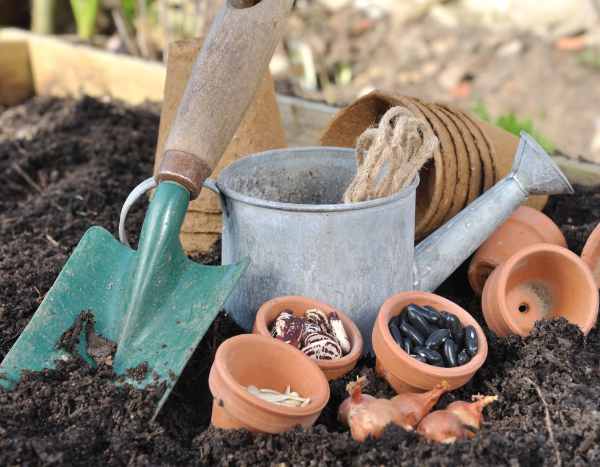
Sowing of the Tübinger melliferous mixture is ideally carried out between April and June, when soil temperatures are sufficiently mild to encourage germination. It is important to carefully prepare the plot by weeding and loosening the soil, without the need to add compost or fertiliser. Lightly levelling the surface allows for homogeneous distribution of the seeds.
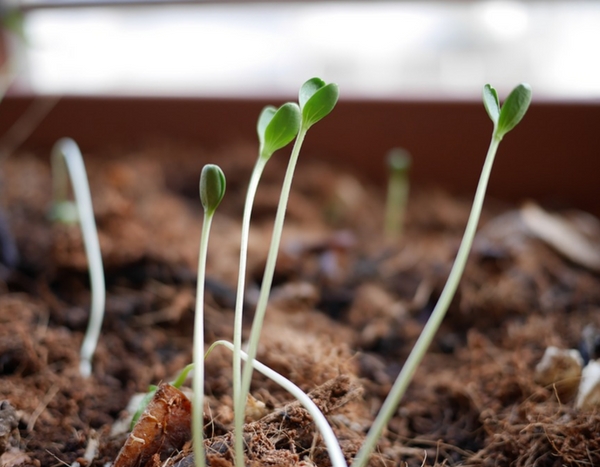
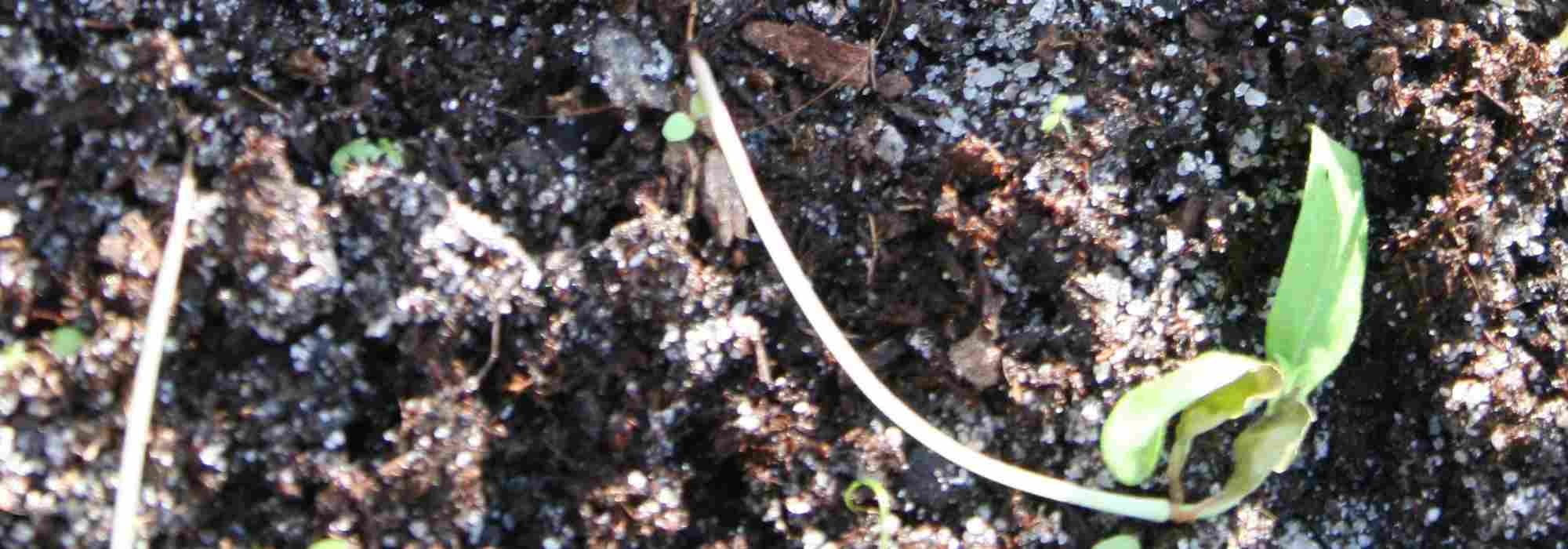
Sowing is done by broadcasting, spreading approximately 1 to 2 grams of seeds per m². To ensure good contact with the soil, it is advisable to roll or lightly firm after sowing, then water with a fine spray to maintain moisture. The first seedlings usually appear within one to two weeks, depending on the weather. During this period, regular watering may be helpful if the weather is dry, especially in light or sandy soils.
Sow 1 to 2 grams/m².
Cultivation:
To partially preserve the flowering fallow the following year, at the end of flowering (late September or early October) scythe to 10 cm from the soil. Do not collect the cuttings. Some flowers will self-seed spontaneously. However, it is preferable to carry out new sowing each year.
Sowing period
Intended location
Planting & care advice
-
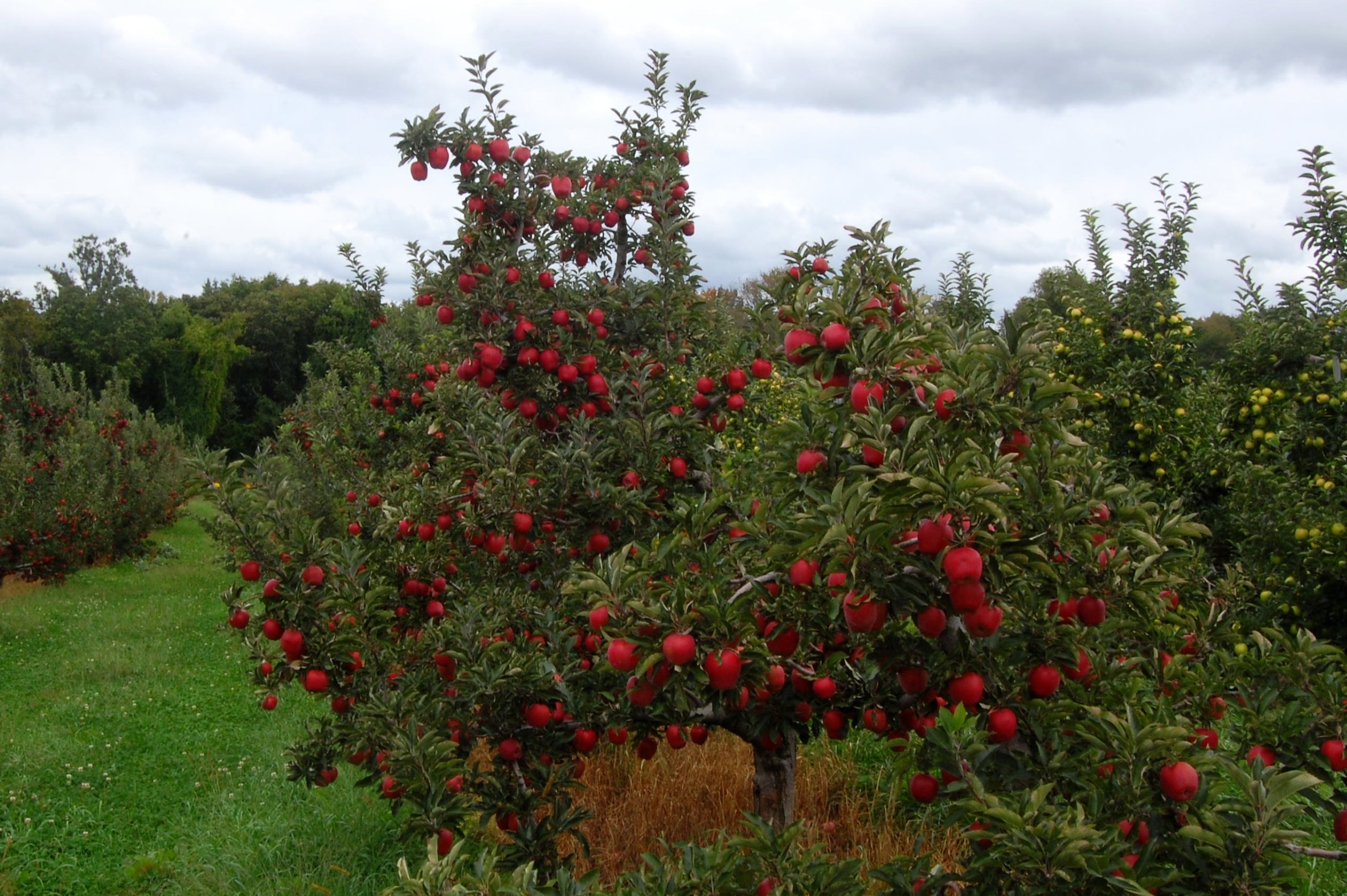
-
-

-
-
-
-

-
This item has not been reviewed yet - be the first to leave a review about it.
Recently viewed products
Haven't found what you were looking for?
Hardiness is the lowest winter temperature a plant can endure without suffering serious damage or even dying. However, hardiness is affected by location (a sheltered area, such as a patio), protection (winter cover) and soil type (hardiness is improved by well-drained soil).

The flowering period indicated on our website applies to countries and regions located in USDA zone 8 (France, the United Kingdom, Ireland, the Netherlands, etc.)
It will vary according to where you live:- In zones 9 to 10 (Italy, Spain, Greece, etc.), flowering will occur about 2 to 4 weeks earlier.
- In zones 6 to 7 (Germany, Poland, Slovenia, and lower mountainous regions), flowering will be delayed by 2 to 3 weeks.
- In zone 5 (Central Europe, Scandinavia), blooming will be delayed by 3 to 5 weeks.
In temperate climates, pruning of spring-flowering shrubs (forsythia, spireas, etc.) should be done just after flowering.
Pruning of summer-flowering shrubs (Indian Lilac, Perovskia, etc.) can be done in winter or spring.
In cold regions as well as with frost-sensitive plants, avoid pruning too early when severe frosts may still occur.
The planting period indicated on our website applies to countries and regions located in USDA zone 8 (France, United Kingdom, Ireland, Netherlands).
It will vary according to where you live:
- In Mediterranean zones (Marseille, Madrid, Milan, etc.), autumn and winter are the best planting periods.
- In continental zones (Strasbourg, Munich, Vienna, etc.), delay planting by 2 to 3 weeks in spring and bring it forward by 2 to 4 weeks in autumn.
- In mountainous regions (the Alps, Pyrenees, Carpathians, etc.), it is best to plant in late spring (May-June) or late summer (August-September).
The harvesting period indicated on our website applies to countries and regions in USDA zone 8 (France, England, Ireland, the Netherlands).
In colder areas (Scandinavia, Poland, Austria...) fruit and vegetable harvests are likely to be delayed by 3-4 weeks.
In warmer areas (Italy, Spain, Greece, etc.), harvesting will probably take place earlier, depending on weather conditions.
The sowing periods indicated on our website apply to countries and regions within USDA Zone 8 (France, UK, Ireland, Netherlands).
In colder areas (Scandinavia, Poland, Austria...), delay any outdoor sowing by 3-4 weeks, or sow under glass.
In warmer climes (Italy, Spain, Greece, etc.), bring outdoor sowing forward by a few weeks.
Shipping country and language
Your country of residence may be:
Your country of residence is:
For a better user experience on our website, you can select:
Your shipping country:
-
 Austria
-
 Belgium
-
 Bosnia & Herzegovina
-
 Bulgaria
-
 Croatia
-
 Cyprus
-
 Czechia
-
 Denmark
-
 Estonia
-
 Finland
-
 France
-
 Germany
-
 Greece
-
 Hungary
-
 Iceland
-
 Ireland
-
 Italy
Italy
-
 Latvia
-
 Liechtenstein
-
 Lithuania
-
 Luxembourg
-
 Malta
Malta
-
 Netherlands
-
 Poland
-
 Portugal
-
 Romania
-
 Serbia
-
 Slovakia
-
 Slovenia
-
 Spain
Spain
-
 Sweden
-
 Switzerland
Language:
-
French
-
 English
-
Spanish
-
Italian
-
German
-
Portuguese
-
Dutch
-
Finnish
My Account
Hello
My wish lists
My cart
Log in / Register
Existing customer?
This form is protected by reCAPTCHA - the Google Privacy Policy and Terms of Service apply.
New customer?
Create an account to track your orders, access our customer service and, if you wish, make the most of our upcoming offers.