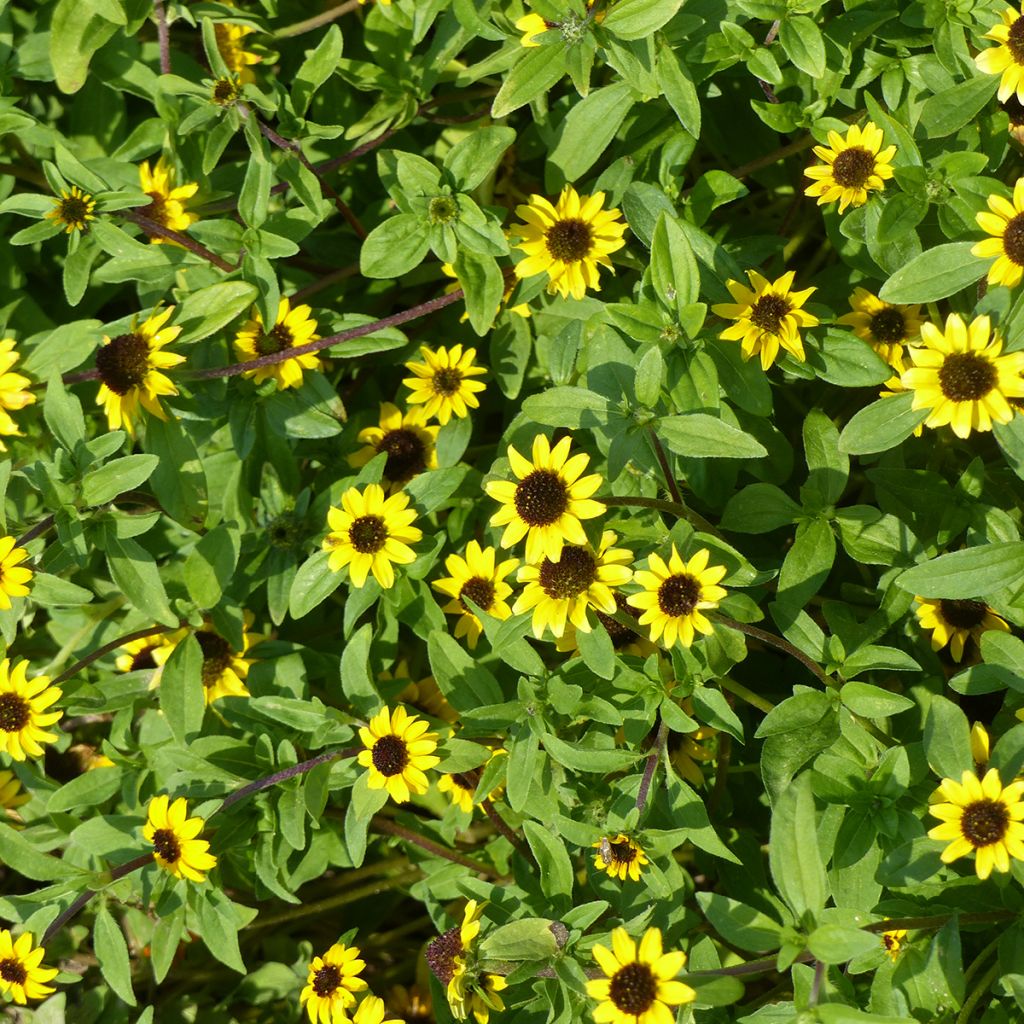
Sanvitalia procumbens Yellow - Sanvitalie rampante, Faux-zinnia mexicain
Sanvitalia procumbens Yellow - Sanvitalie rampante, Faux-zinnia mexicain
Sanvitalia procumbens Yellow
Back-to-school special offer!
Get €10 off for every €50 you spend! And get up to €40 off on a single order.
How does it work?
1. Shop your favourites
Add your favourite plants to your basket. For every €50 you spend (excluding delivery charges, store credit and the plastic-free option), you’ll receive a €10 voucher.
€50 spent = €10 voucher
€100 spent = €20 voucher
€150 spent = €30 voucher
€200 spent = €40 voucher
2. Place your order
Once your basket reaches one of the spending thresholds, place your order. You can even choose your delivery date!
3. Receive your voucher
As soon as your order has been shipped, you’ll receive an email containing your personal voucher code and its value.
4. Use it on your next order
Your voucher is valid for 90 days from the date you receive it. It can be used once only, on a new order worth at least the value of the voucher, excluding delivery charges.
Please note: Vouchers can be combined with other offers, but cannot be split or refunded.
Home or relay delivery (depending on size and destination)
Important: You may be charged customs duties by your country’s customs authorities upon delivery.
Schedule delivery date
and select date in basket
This plant carries a 6 months recovery warranty
More information
We guarantee the quality of our plants for a full growing cycle, and will replace at our expense any plant that fails to recover under normal climatic and planting conditions.
Would this plant suit my garden?
Set up your Plantfit profile →
Description
Les graines de Sanvitalia 'Yellow' forment une plante annuelle au port rampant et tapissant, formant un tapis dense et fleuri tout au long de l’été. Ses petites fleurs jaune vif à centre proéminent foncé, semblables à des mini-tournesols, contrastent avec son feuillage vert foncé légèrement duveteux. Idéal pour les massifs bas, les bordures et les suspensions, il apporte une touche lumineuse et naturelle aux jardins ensoleillés. Peu exigeant, il prospère en sol bien drainé, tolère la sécheresse et supporte les fortes chaleurs estivales. Sensible au gel, il est cultivé comme une annuelle sous climat tempéré et peut être installé en pot.
Le sanvitalia 'Yellow' appartient à la famille des Asteraceées. L'espèce type, Sanvitalia procumbens, aussi nommée Sanvitalie rampante, Faux-zinnia mexicain, est originaire du Mexique et d'Amérique centrale, où elle colonise les collines rocheuses et sèches. Ce cultivar développe un port rampant et tapissant, formant un tapis dense de tiges velues et ramifiées, dont la hauteur n’excède guère 25 cm, pour un étalement de 30 cm. Les feuilles opposées, ovales et vert vif, mesurent jusqu'à 2 cm de long. Les fleurs, semblables à de petites marguerites de 2 à 3 cm de diamètre, arborent des ligules jaune vif entourant un disque central brun foncé. La floraison s'étend de juillet à octobre en climat tempéré, attirant divers pollinisateurs. Les fruits sont des akènes secs, discrets et non comestibles. Le système racinaire est superficiel, adapté aux sols bien drainés. Traditionnellement, au Mexique, cette plante est utilisée en infusion pour traiter divers maux, bien que ces usages ne soient pas scientifiquement validés.
Le Sanvitalia 'Yellow' insuffle une énergie solaire aux compositions de jardin. Niché en bordure de massif ou suspendu en cascade depuis une jardinière, il déroule son feuillage dense où s’épanouissent ses innombrables fleurs d’or. Il accompagne à merveille l’élégance souple d’un Lobelia erinus ‘Mrs Clibran Improved’, dont les tons bleu profond contrastent avec son éclat doré. Avec les feuilles argentées d’un Helichrysum petiolare ‘Silver', il apporte une touche chaleureuse et vivante, tandis qu’avec un Bidens ‘Golden Eye’, il prolonge un jeu de textures et de lumières éclatantes. En pot, en rocaille ou en couvre-sol, il insuffle à chaque recoin du jardin un éclat estival inépuisable.
Report an error about the product description
Flowering
Foliage
Plant habit
Botanical data
Sanvitalia
procumbens
Yellow
Asteraceae
Cultivar or hybrid
Planting and care
Sow the sanvitalia 'Yellow' seeds from February to April.
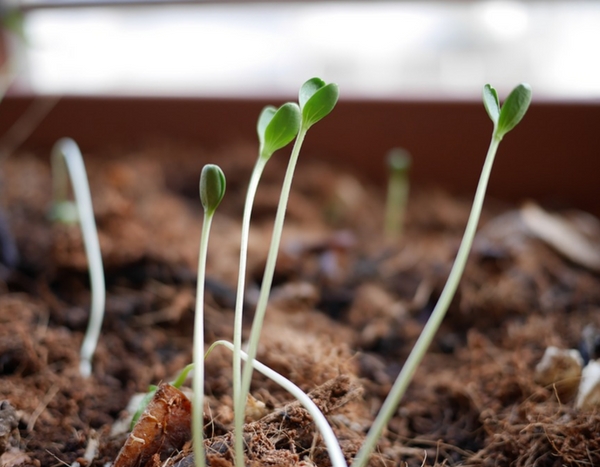
Sow on moist compost and lightly cover the seeds with vermiculite or light compost. The seeds should be placed 1.5 mm deep. Place in a mini greenhouse at 18-20°C. Germination occurs 14 to 21 days after sowing. After sowing, keep the substrate moist, but not waterlogged, until the young plants appear.
When the seedlings are sufficiently developed to be handled, transplant them into 7.5 cm pots. Shelter them in a greenhouse at 15°C. Harden them off gradually and plant them outside when all risk of frost has passed. These plants are ideal for pots and hanging baskets.
While sun is essential for good flowering, any decent garden soil, light and well-drained, suits this plant.
Sowing period
Intended location
Planting & care advice
-

-
-

-

-

-

-

-

This item has not been reviewed yet - be the first to leave a review about it.
Recently viewed products
Haven't found what you were looking for?
Hardiness is the lowest winter temperature a plant can endure without suffering serious damage or even dying. However, hardiness is affected by location (a sheltered area, such as a patio), protection (winter cover) and soil type (hardiness is improved by well-drained soil).

The flowering period indicated on our website applies to countries and regions located in USDA zone 8 (France, the United Kingdom, Ireland, the Netherlands, etc.)
It will vary according to where you live:- In zones 9 to 10 (Italy, Spain, Greece, etc.), flowering will occur about 2 to 4 weeks earlier.
- In zones 6 to 7 (Germany, Poland, Slovenia, and lower mountainous regions), flowering will be delayed by 2 to 3 weeks.
- In zone 5 (Central Europe, Scandinavia), blooming will be delayed by 3 to 5 weeks.
In temperate climates, pruning of spring-flowering shrubs (forsythia, spireas, etc.) should be done just after flowering.
Pruning of summer-flowering shrubs (Indian Lilac, Perovskia, etc.) can be done in winter or spring.
In cold regions as well as with frost-sensitive plants, avoid pruning too early when severe frosts may still occur.
The planting period indicated on our website applies to countries and regions located in USDA zone 8 (France, United Kingdom, Ireland, Netherlands).
It will vary according to where you live:
- In Mediterranean zones (Marseille, Madrid, Milan, etc.), autumn and winter are the best planting periods.
- In continental zones (Strasbourg, Munich, Vienna, etc.), delay planting by 2 to 3 weeks in spring and bring it forward by 2 to 4 weeks in autumn.
- In mountainous regions (the Alps, Pyrenees, Carpathians, etc.), it is best to plant in late spring (May-June) or late summer (August-September).
The harvesting period indicated on our website applies to countries and regions in USDA zone 8 (France, England, Ireland, the Netherlands).
In colder areas (Scandinavia, Poland, Austria...) fruit and vegetable harvests are likely to be delayed by 3-4 weeks.
In warmer areas (Italy, Spain, Greece, etc.), harvesting will probably take place earlier, depending on weather conditions.
The sowing periods indicated on our website apply to countries and regions within USDA Zone 8 (France, UK, Ireland, Netherlands).
In colder areas (Scandinavia, Poland, Austria...), delay any outdoor sowing by 3-4 weeks, or sow under glass.
In warmer climes (Italy, Spain, Greece, etc.), bring outdoor sowing forward by a few weeks.
Shipping country and language
Your country of residence may be:
Your country of residence is:
For a better user experience on our website, you can select:
Your shipping country:
-
 Austria
-
 Belgium
-
 Bosnia & Herzegovina
-
 Bulgaria
-
 Croatia
-
 Cyprus
-
 Czechia
-
 Denmark
-
 Estonia
-
 Finland
-
 France
-
 Germany
-
 Greece
-
 Hungary
-
 Iceland
-
 Ireland
-
 Italy
Italy
-
 Latvia
-
 Liechtenstein
-
 Lithuania
-
 Luxembourg
-
 Malta
Malta
-
 Netherlands
-
 Poland
-
 Portugal
-
 Romania
-
 Serbia
-
 Slovakia
-
 Slovenia
-
 Spain
Spain
-
 Sweden
-
 Switzerland
Language:
-
French
-
 English
-
Spanish
-
Italian
-
German
-
Portuguese
-
Dutch
-
Finnish
My Account
Hello
My wish lists
My cart
Log in / Register
Existing customer?
This form is protected by reCAPTCHA - the Google Privacy Policy and Terms of Service apply.
New customer?
Create an account to track your orders, access our customer service and, if you wish, make the most of our upcoming offers.