Streptosolen jamesonii - Marmalade Bush

Streptosolen jamesonii - Marmalade Bush

Streptosolen jamesonii - Marmalade Bush

Streptosolen jamesonii - Marmalade Bush

Streptosolen jamesonii - Marmalade Bush
Streptosolen jamesonii - Marmalade Bush
Streptosolen jamesonii
Marmalade Bush
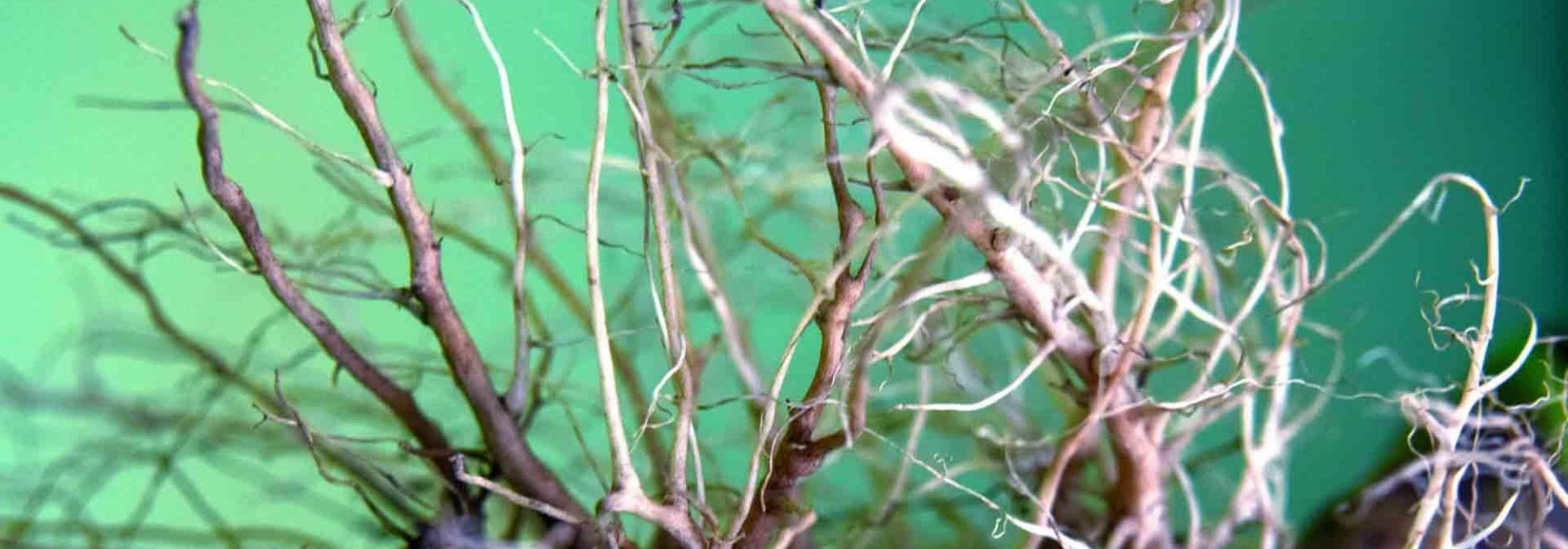
A bit yellow and not very sturdy. But planted straight away, so let's hope for a satisfactory result.
Hélène, 28/09/2025
Back-to-school special offer!
Get €10 off for every €50 you spend! And get up to €40 off on a single order.
How does it work?
1. Shop your favourites
Add your favourite plants to your basket. For every €50 you spend (excluding delivery charges, store credit and the plastic-free option), you’ll receive a €10 voucher.
€50 spent = €10 voucher
€100 spent = €20 voucher
€150 spent = €30 voucher
€200 spent = €40 voucher
2. Place your order
Once your basket reaches one of the spending thresholds, place your order. You can even choose your delivery date!
3. Receive your voucher
As soon as your order has been shipped, you’ll receive an email containing your personal voucher code and its value.
4. Use it on your next order
Your voucher is valid for 90 days from the date you receive it. It can be used once only, on a new order worth at least the value of the voucher, excluding delivery charges.
Please note: Vouchers can be combined with other offers, but cannot be split or refunded.
Why not try an alternative variety in stock?
View all →
Available in 2 sizes
Available in 1 sizes
Available in 1 sizes
Available in 1 sizes

Available in 1 sizes

Available in 1 sizes
Available in 1 sizes
Available in 1 sizes
Available in 1 sizes
Available in 1 sizes
This plant carries a 24 months recovery warranty
More information
We guarantee the quality of our plants for a full growing cycle, and will replace at our expense any plant that fails to recover under normal climatic and planting conditions.
Would this plant suit my garden?
Set up your Plantfit profile →
Description
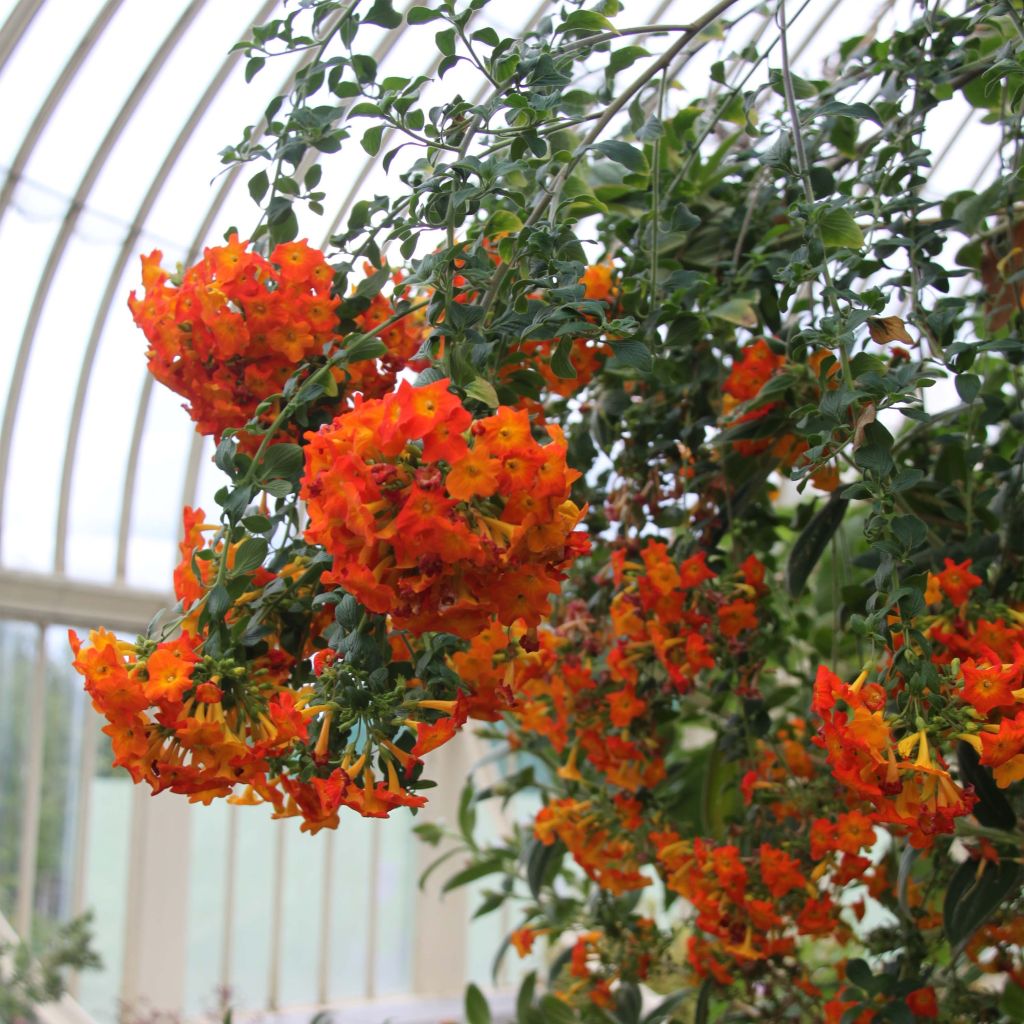
Streptosolen jamesonii, also known as Jameson's Streptosolen or Orange Browallia, is a tender South American bush with radiant flowering in vibrant citrus tones. On its beautiful dark green foliage, numerous clusters of flowers gradually change from yellow to dark orange, creating a magnificent gradient throughout the plant. This tropical shrub loves sunlight and warmth so it makes a superb terrace or balcony plant and should be grown in a pot anywhere except in the mildest regions.
Streptosolen jamesonii belongs to the Solanaceae family and is related to Solanum, Brugmansia, petunias, and tobacco. It is native to sparsely wooded regions of South America, particularly Colombia, Ecuador, and Peru, in tropical areas where frost is virtually nonexistent. It is a persistent scrambling bush, more or less climbing when growing in the wild. It can only be grown in open ground in particularly sheltered areas. The plant contains toxic alkaloids if ingested.
When grown in a pot, Orange Browallia reaches a height of about 1.50 m with a spread of 1.25 m. Its flexible and spreading habit is due to its long, flexible, and arched branches. They can be trained on a small structure or pruned to shape the plant into a bushy shrub. Its evergreen foliage consists of ovate, 4 to 5 cm long, glossy, strongly veined, and slightly hairy leaves. The abundant flowering occurs from April to July, depending on the climate, and can last for several weeks, sometimes until the end of summer if conditions are favourable. At the end of the branches, clusters of flowers form 10 cm long corymbs. The flower has the characteristic funnel shape of this plant family: the velvety corolla is formed by a long, flexible, and twisted tube that widens into 5 shiny lobes. The warm colours of this flowering, ranging from yellow to reddish-orange, have earned Jameson's Streptosolen its English nickname 'Marmalade Bush'. The nectar-rich flowers are loved by pollinating insects. The flowers are followed by tough fruits that are capsules filled with very fine seeds.
Although tender, Jameson's Streptosolen is a beautiful terrace or balcony plant during summer and will also thrive throughout the year in a bright and lightly heated conservatory, just like hibiscus and Brugmansia. To accompany it, consider, for example, Cape Leadwort and Solanum rantonnettii: these easy-to-train spreading bushes can intertwine their blue or mauve flowers with the vibrant corollas of the Browallia.
Report an error about the product description
Streptosolen jamesonii - Marmalade Bush in pictures

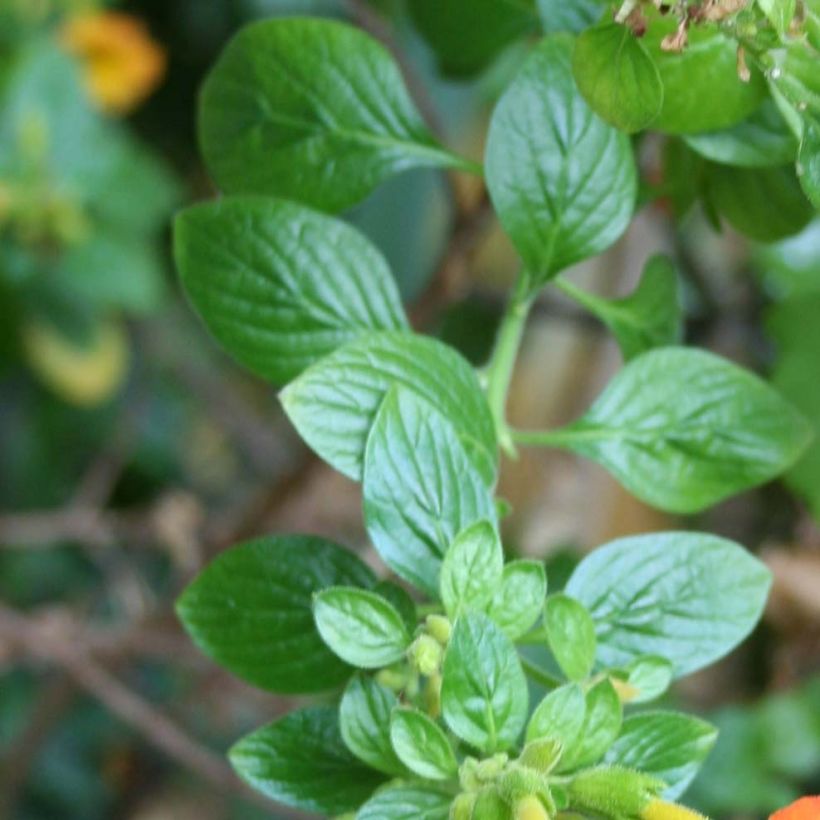

Plant habit
Flowering
Foliage
Planting and care
It is best to plant Streptosolen in spring, in April-May depending on the region. Growing it in open ground is only possible in the mildest regions as its hardiness does not exceed -3°C in dry soil during winter. This bush appreciates the sun, heat, and well-draining soils which are moist from March to September but a bit drier in winter. It dislikes limestone soils and will thrive in good garden soil. Excessive exposure to the scorching sun is not a good idea as it may burn the foliage. Filtered light during the hottest part of the day is best for a potted plant. Also, protect it from drying winds. Choose a large pot (30 to 40 litres) with drainage holes at the bottom to prevent the substrate from drying out too quickly in summer. It can be repotted every spring.
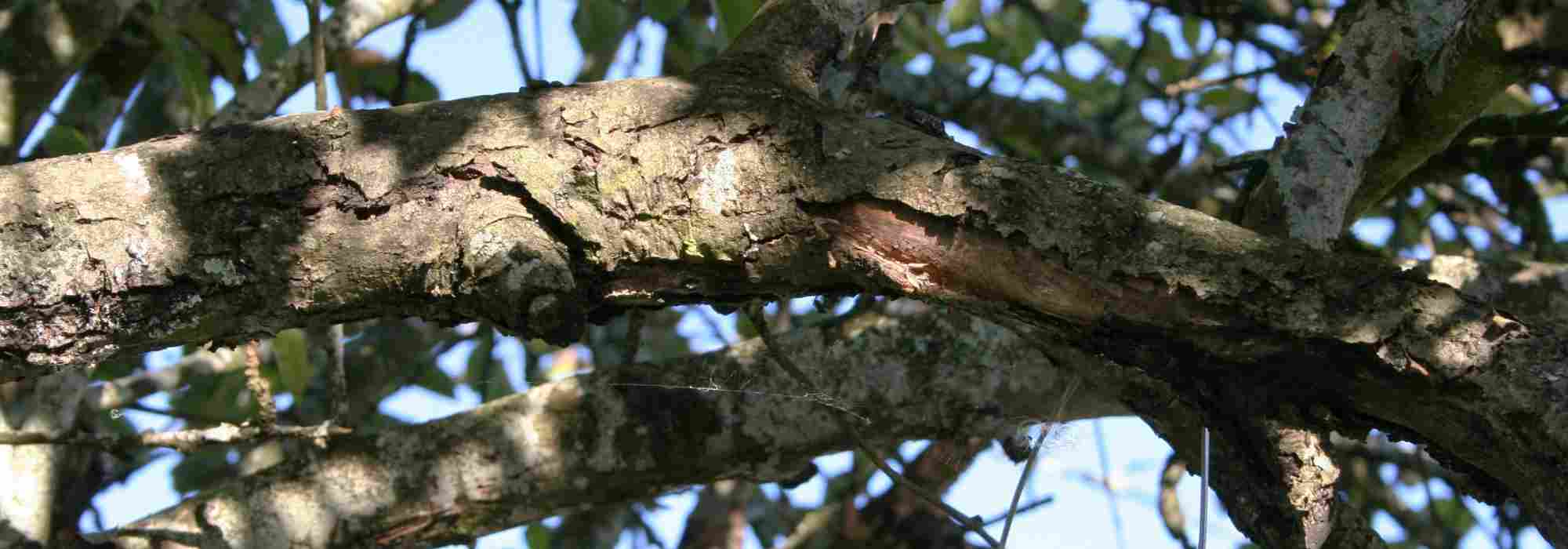
In winter, place your Streptosolen in a location where the temperature is between 8 and 15°C, and reduce watering. You can provide it with a fertiliser based on dried blood and bone meal, as it is a hungry plant that will only flower well if it is well-fed. Prune after flowering if necessary.
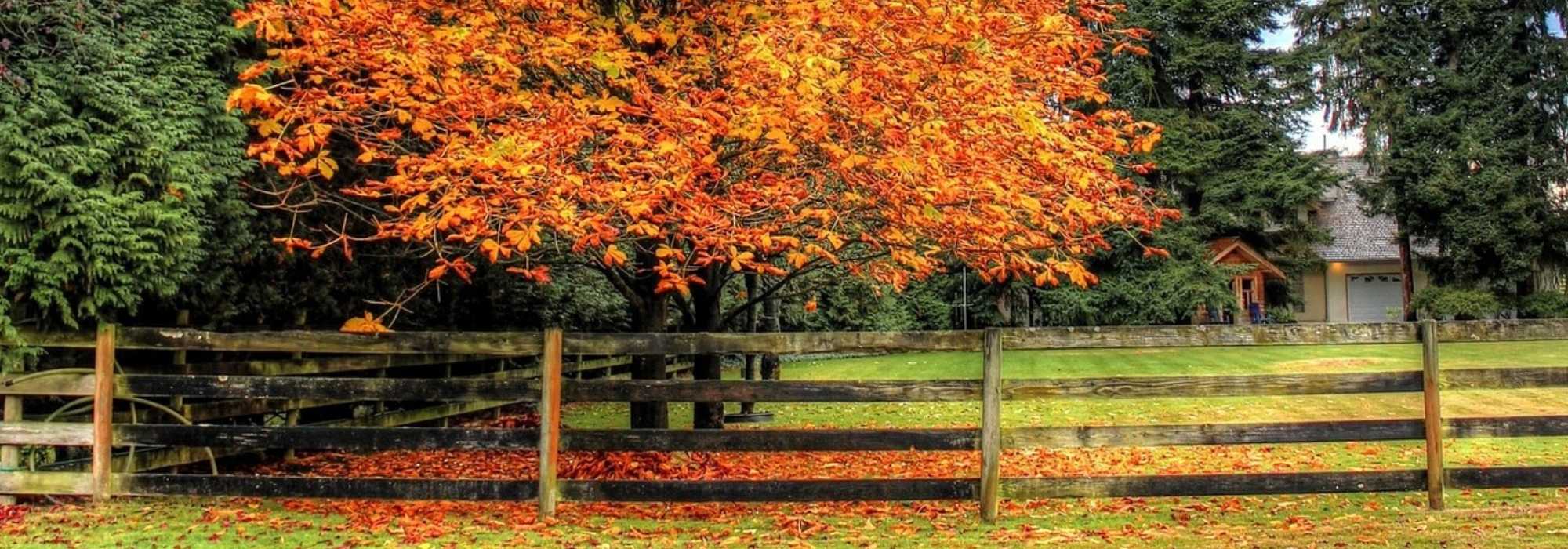
Planting period
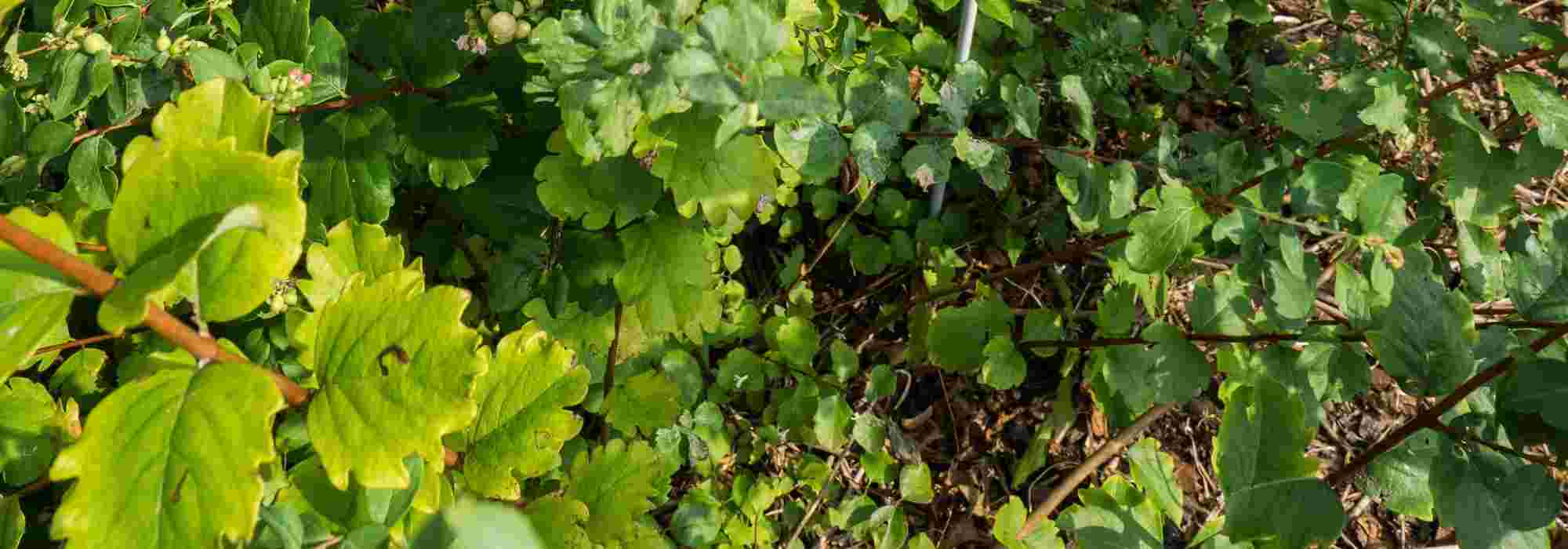
Intended location
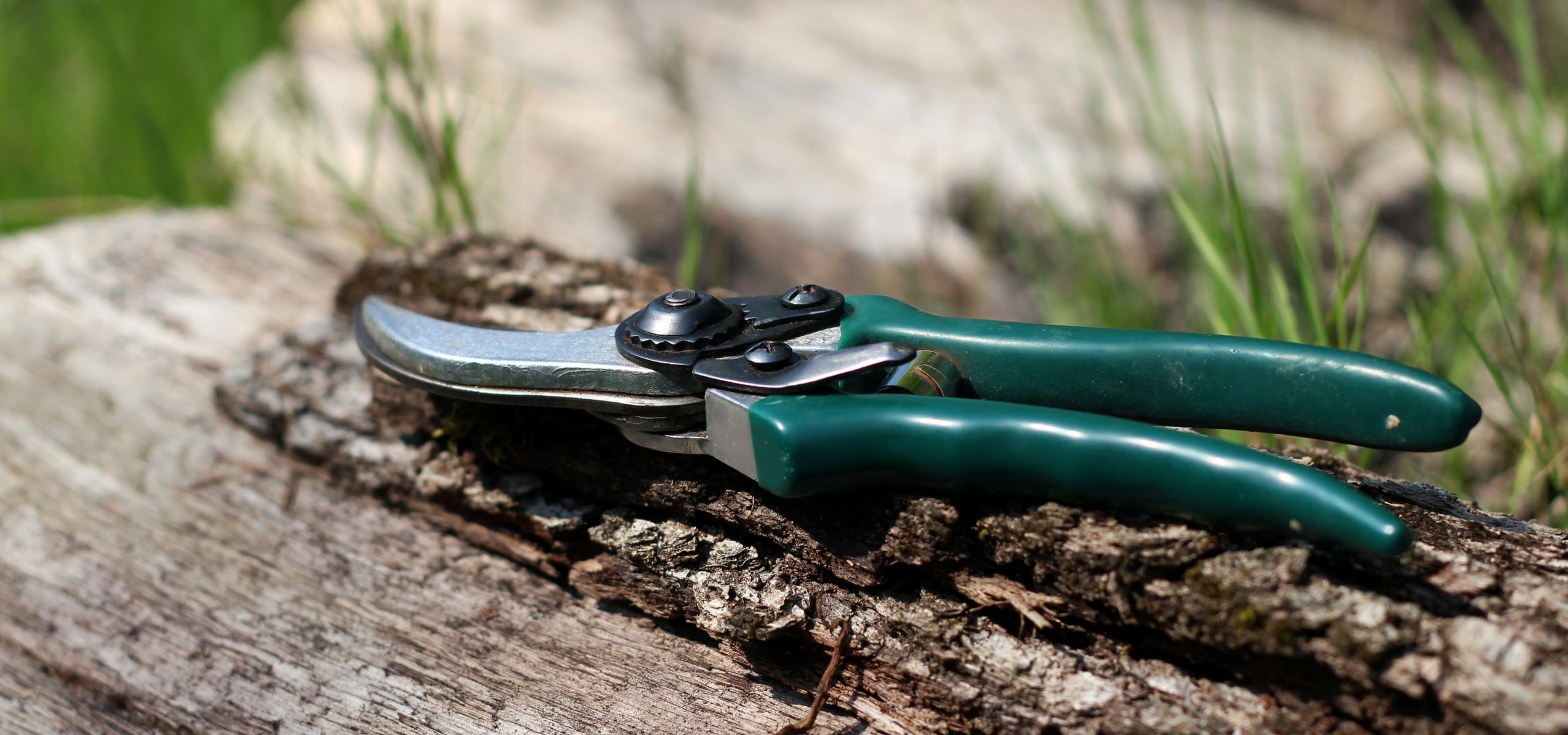
Care
Planting & care advice
-
-
-
-
-
-
-

-
-
, onOrder confirmed
Reply from on Promesse de fleurs
Recently viewed products
Haven't found what you were looking for?
Hardiness is the lowest winter temperature a plant can endure without suffering serious damage or even dying. However, hardiness is affected by location (a sheltered area, such as a patio), protection (winter cover) and soil type (hardiness is improved by well-drained soil).

The flowering period indicated on our website applies to countries and regions located in USDA zone 8 (France, the United Kingdom, Ireland, the Netherlands, etc.)
It will vary according to where you live:- In zones 9 to 10 (Italy, Spain, Greece, etc.), flowering will occur about 2 to 4 weeks earlier.
- In zones 6 to 7 (Germany, Poland, Slovenia, and lower mountainous regions), flowering will be delayed by 2 to 3 weeks.
- In zone 5 (Central Europe, Scandinavia), blooming will be delayed by 3 to 5 weeks.
In temperate climates, pruning of spring-flowering shrubs (forsythia, spireas, etc.) should be done just after flowering.
Pruning of summer-flowering shrubs (Indian Lilac, Perovskia, etc.) can be done in winter or spring.
In cold regions as well as with frost-sensitive plants, avoid pruning too early when severe frosts may still occur.
The planting period indicated on our website applies to countries and regions located in USDA zone 8 (France, United Kingdom, Ireland, Netherlands).
It will vary according to where you live:
- In Mediterranean zones (Marseille, Madrid, Milan, etc.), autumn and winter are the best planting periods.
- In continental zones (Strasbourg, Munich, Vienna, etc.), delay planting by 2 to 3 weeks in spring and bring it forward by 2 to 4 weeks in autumn.
- In mountainous regions (the Alps, Pyrenees, Carpathians, etc.), it is best to plant in late spring (May-June) or late summer (August-September).
The harvesting period indicated on our website applies to countries and regions in USDA zone 8 (France, England, Ireland, the Netherlands).
In colder areas (Scandinavia, Poland, Austria...) fruit and vegetable harvests are likely to be delayed by 3-4 weeks.
In warmer areas (Italy, Spain, Greece, etc.), harvesting will probably take place earlier, depending on weather conditions.
The sowing periods indicated on our website apply to countries and regions within USDA Zone 8 (France, UK, Ireland, Netherlands).
In colder areas (Scandinavia, Poland, Austria...), delay any outdoor sowing by 3-4 weeks, or sow under glass.
In warmer climes (Italy, Spain, Greece, etc.), bring outdoor sowing forward by a few weeks.
Shipping country and language
Your country of residence may be:
Your country of residence is:
For a better user experience on our website, you can select:
Your shipping country:
-
 Austria
-
 Belgium
-
 Bosnia & Herzegovina
-
 Bulgaria
-
 Croatia
-
 Cyprus
-
 Czechia
-
 Denmark
-
 Estonia
-
 Finland
-
 France
-
 Germany
-
 Greece
-
 Hungary
-
 Iceland
-
 Ireland
-
 Italy
Italy
-
 Latvia
-
 Liechtenstein
-
 Lithuania
-
 Luxembourg
-
 Malta
Malta
-
 Netherlands
-
 Poland
-
 Portugal
-
 Romania
-
 Serbia
-
 Slovakia
-
 Slovenia
-
 Spain
Spain
-
 Sweden
-
 Switzerland
Language:
-
French
-
 English
-
Spanish
-
Italian
-
German
-
Portuguese
-
Dutch
-
Finnish
My Account
Hello
My wish lists
My cart
Log in / Register
Existing customer?
This form is protected by reCAPTCHA - the Google Privacy Policy and Terms of Service apply.
New customer?
Create an account to track your orders, access our customer service and, if you wish, make the most of our upcoming offers.