Salvia Big Blue seeds - Hybrid sage
Salvia Big Blue seeds - Hybrid sage
Salvia Big Blue seeds - Hybrid sage
Salvia longispicata x farinacea 'PAS1246577' Big Blue
Sauge hybride Big Blue
Back-to-school special offer!
Get €10 off for every €50 you spend! And get up to €40 off on a single order.
How does it work?
1. Shop your favourites
Add your favourite plants to your basket. For every €50 you spend (excluding delivery charges, store credit and the plastic-free option), you’ll receive a €10 voucher.
€50 spent = €10 voucher
€100 spent = €20 voucher
€150 spent = €30 voucher
€200 spent = €40 voucher
2. Place your order
Once your basket reaches one of the spending thresholds, place your order. You can even choose your delivery date!
3. Receive your voucher
As soon as your order has been shipped, you’ll receive an email containing your personal voucher code and its value.
4. Use it on your next order
Your voucher is valid for 90 days from the date you receive it. It can be used once only, on a new order worth at least the value of the voucher, excluding delivery charges.
Please note: Vouchers can be combined with other offers, but cannot be split or refunded.
Home or relay delivery (depending on size and destination)
Important: You may be charged customs duties by your country’s customs authorities upon delivery.
Schedule delivery date,
and select date in basket
This plant carries a 6 months recovery warranty
More information
We guarantee the quality of our plants for a full growing cycle, and will replace at our expense any plant that fails to recover under normal climatic and planting conditions.

Would this plant suit my garden?
Set up your Plantfit profile →
Description
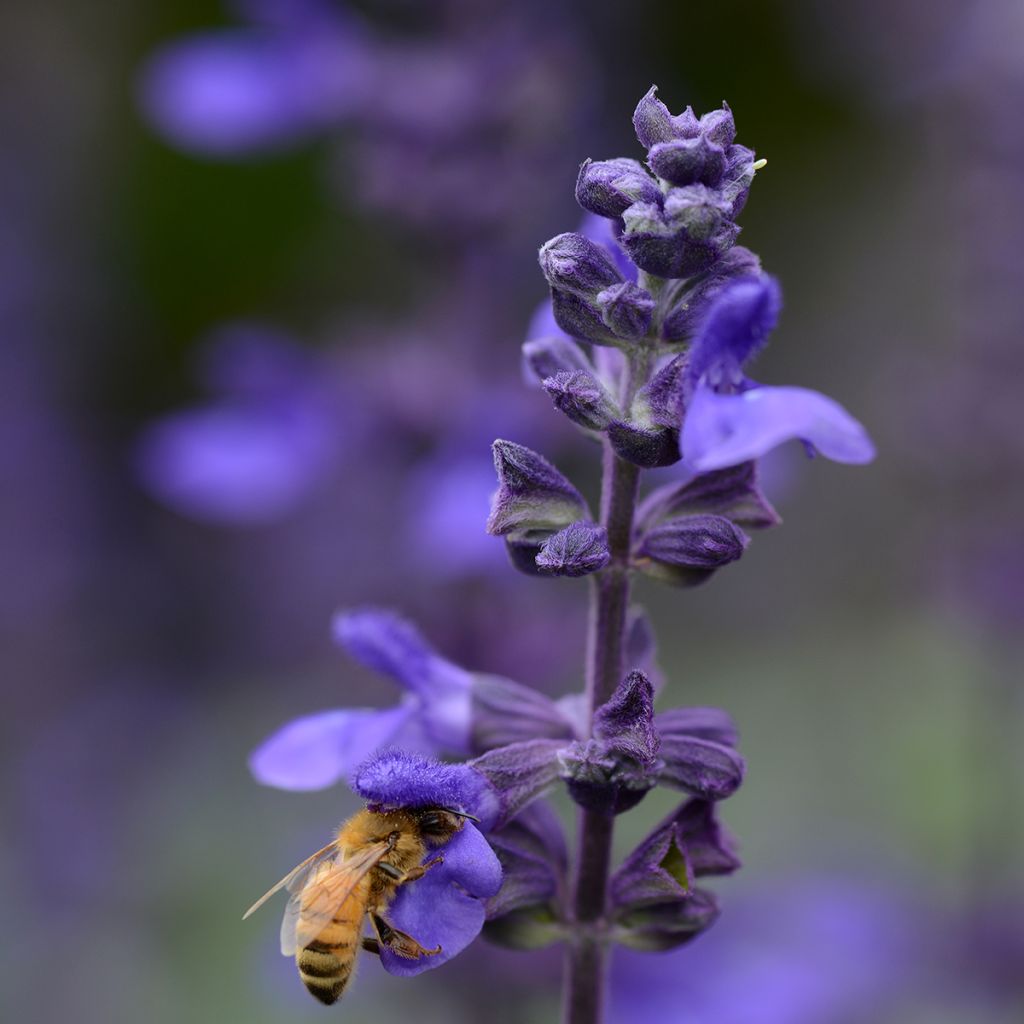
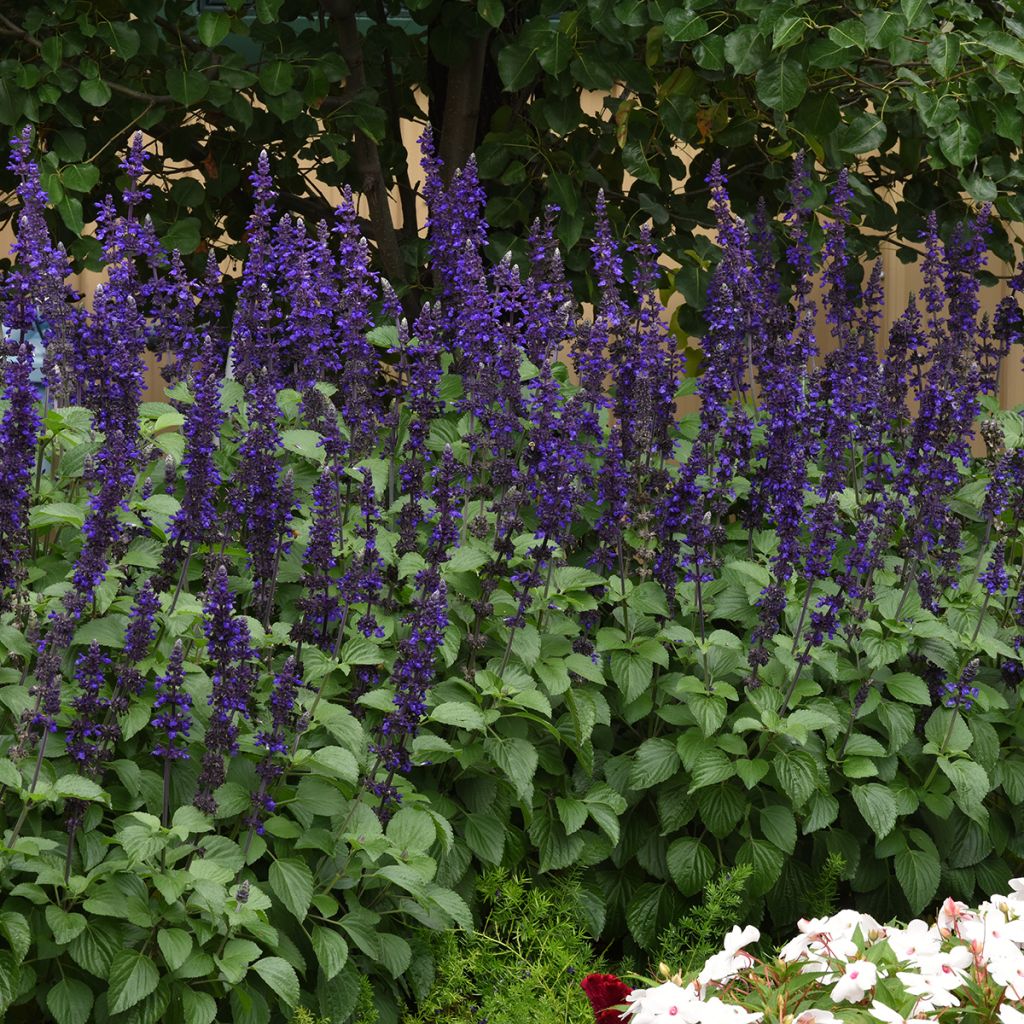
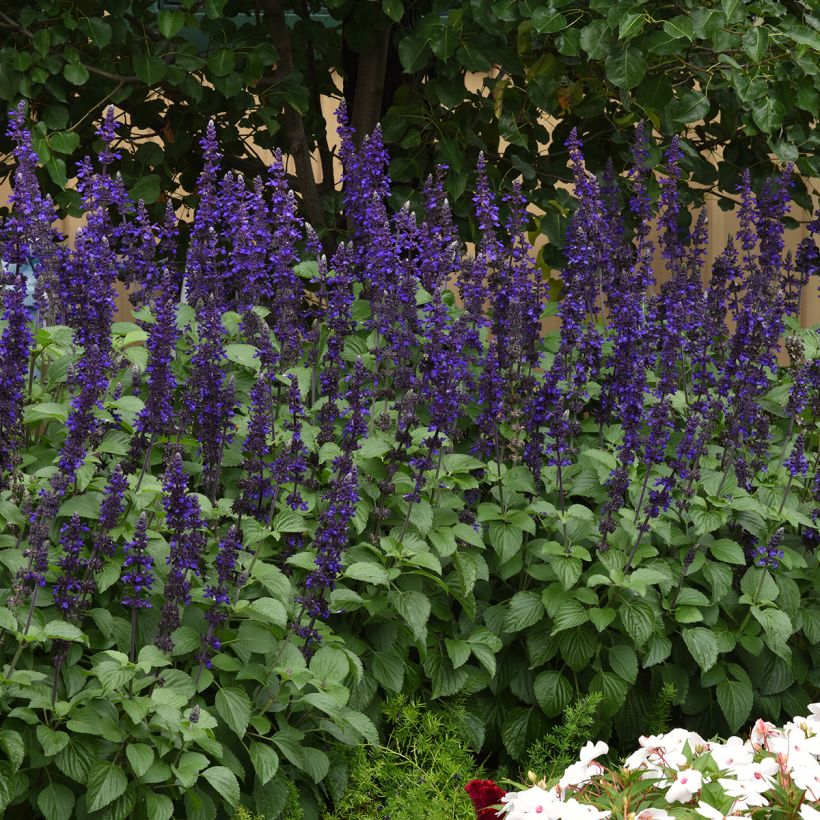
The hybrid Salvia 'Big Blue' is a tender perennial grown as an annual for its decorative and prolonged flowering. This heat-resistant sage offers superb upright spikes of intense violet-blue, carried above a well-branched clump from summer until the first frosts. Elegant and generous, awarded multiple times, 'Big Blue' is ideal for summer beds, borders, flowering pots and for making bouquets.
Salvia 'Big Blue' (Salvia longispicata × farinacea 'Big Blue', 'PAS1246577') is a sterile horticultural hybrid introduced by PanAmerican Seed in 2017. The result of a cross-breeding between Salvia longispicata, a large shrubby perennial native to the mountainous regions of southwestern Mexico, and Salvia farinacea, a perennial species from Texas and Mexico, this sage belongs to the Lamiaceae family.
Salvia 'Big Blue' has been celebrated with several major horticultural awards that confirm its exceptional qualities in the garden. It notably received the Award of Garden Merit from the Royal Horticultural Society (RHS), a recognition that highlights its performance, reliability and ease of cultivation. It also distinguished itself in the European trials organised by Fleuroselect. Across the Atlantic, it was crowned Best of Show in 2019 at the famous annual flower trials of the Colorado State University Trial Garden, thanks to its exceptional flowering and remarkable visual impact.
Not very hardy (approximately -6°C), but fast-growing, 'Big Blue' is generally grown as an annual in temperate regions. It has an elegant habit, both upright and bushy, reaching 50 cm in height when in flower, with a 40 cm spread. Its sturdy stems are covered at their base with broad ovate, dark green leaves with toothed edges and prominent veins, quite different from that of mealy sages. The flowering begins tentatively in July, intensifies in August-September and reaches its peak in October-November. Above the well-furnished foliage appear upright, dense, 30 cm long spikes filled with small, deep violet-blue flowers. The plant is sterile and does not produce viable seeds, which allows it to devote all its energy to tirelessly flowering until the first frosts.
The hybrid sage 'Big Blue' integrates very easily into all gardens. It will naturally find a place in beds, for example with white cosmos 'Sonata White', pink zinnias 'Zinderella Lilac' or agastaches in pastel tones. In autumn, it will highlight the glowing foliage of the dwarf winged spindle. Its height also pairs very well with light grasses like Stipa tenuifolia, or airy perennials like Verbena bonariensis. For a softer effect, it can emerge from a cushion of silver helichrysum or settle near lavenders or santolinas. It also creates superb borders, especially alongside border bellflowers or Erigeron karvinskianus. In flowering pots, ‘Big Blue’ pairs beautifully with Diascia Breezee Plus Orange, mauve petunias or annual lobelias. Its lavender-like spikes also hold very well in a vase.
Salvia Big Blue seeds - Hybrid sage in pictures
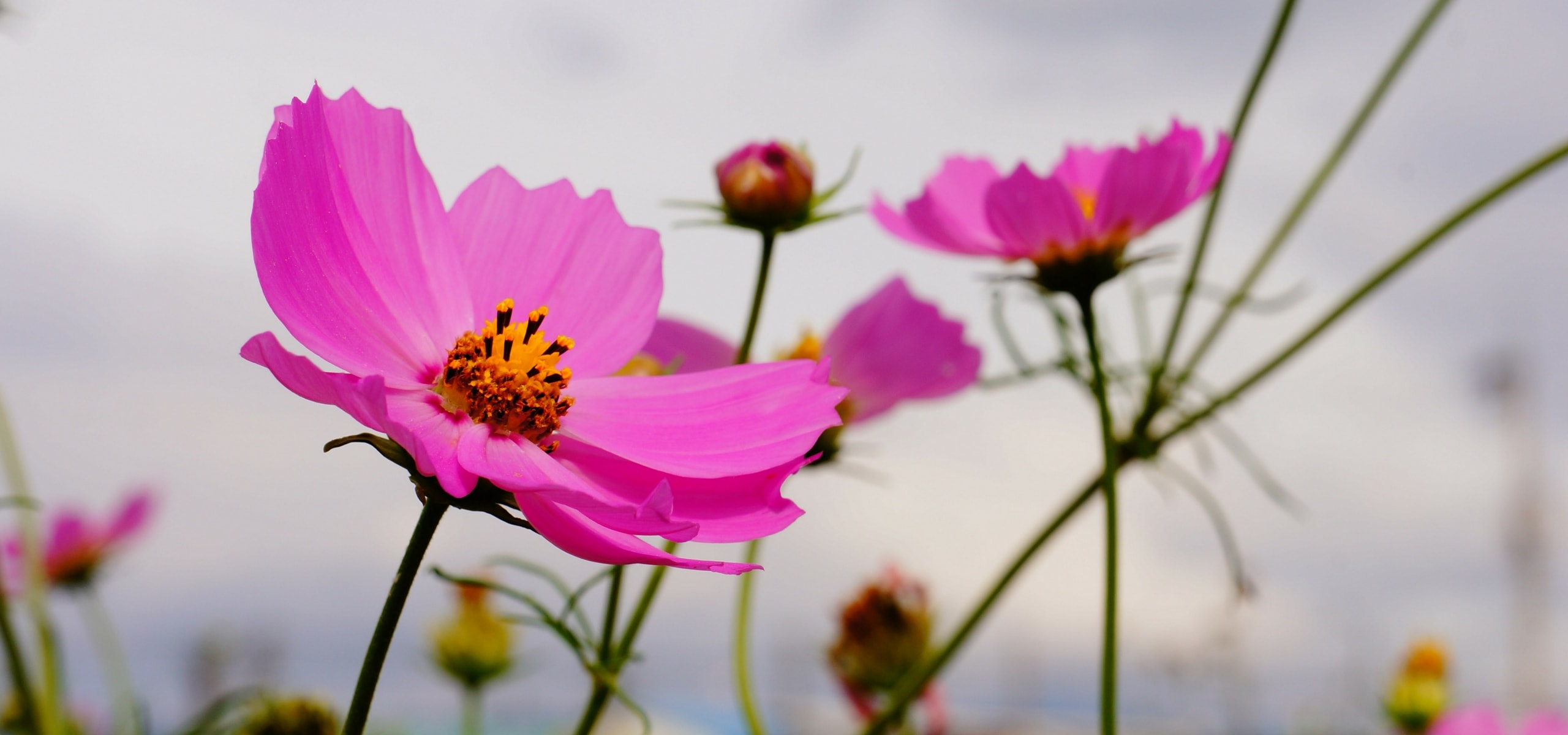
Flowering
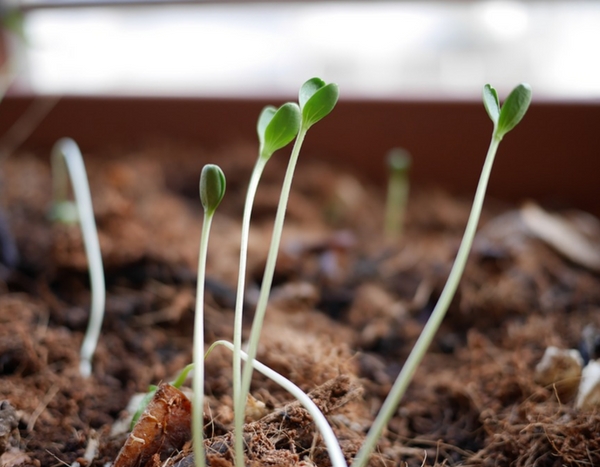
Foliage
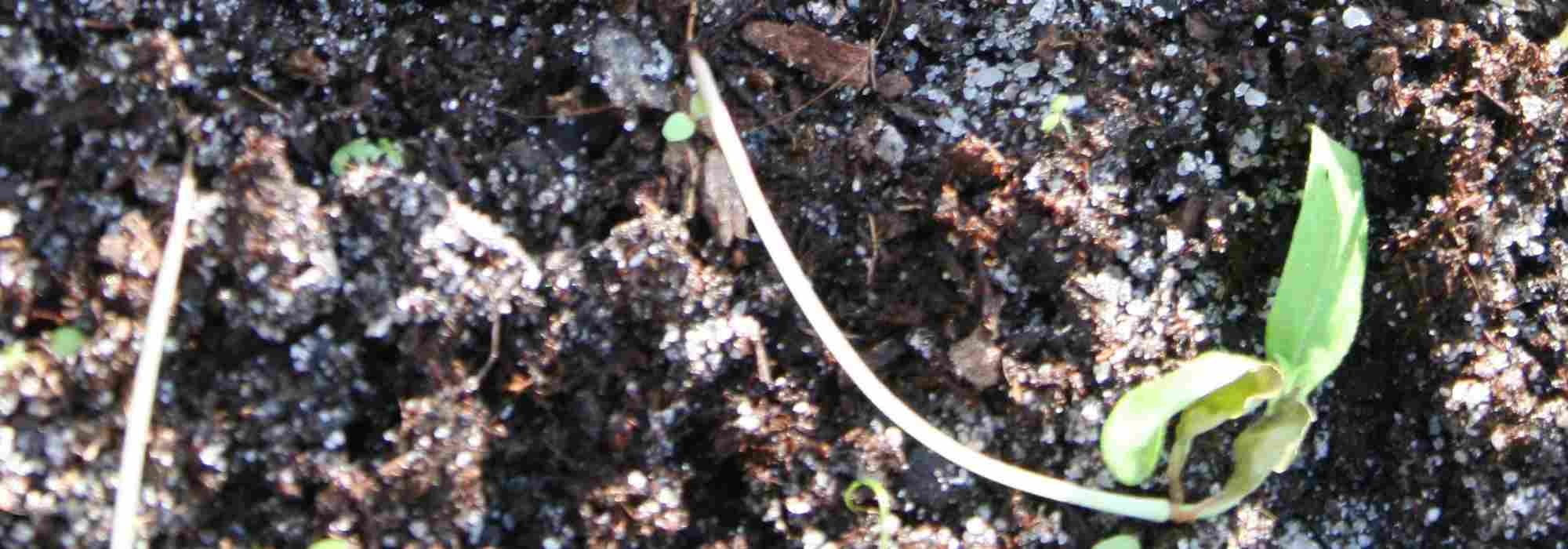
Plant habit
Botanical data
Salvia
longispicata x farinacea
'PAS1246577' Big Blue
Lamiaceae
Sauge hybride Big Blue
Cultivar or hybrid
Planting and care
To successfully sow Salvia 'Big Blue', start indoors approximately 6 weeks before the intended outdoor planting date, typically in February-March. Sow the seeds on the surface of a light, well-draining growing medium, pressing them lightly without covering, as they require light to germinate. Maintain a constant temperature of 21-24°C and adequate humidity, optionally covering the sowing tray with a transparent lid or plastic film. Germination occurs within 7-10 days.
Once the seedlings have developed a few leaves, transplant them individually into pots to encourage their development.
Plant in open ground after the last frosts, when night temperatures remain above 10°C. Choose a sunny location with rich, light, well-drained soil. If your soil is heavy or clay-based, incorporate mature compost and coarse sand to improve drainage. Space the young plants 40-50 cm apart to allow proper development. Water regularly after planting to facilitate rooting, then moderately, allowing the soil to dry slightly between waterings.
Container cultivation: choose a container at least 30 cm in diameter, with drainage holes. Use a quality growing medium, preferably universal potting compost enriched with compost. Add a layer of gravel or clay pebbles at the bottom of the pot to prevent waterlogging. Place the pot in a sunny spot and water regularly, ensuring not to saturate the growing medium. A monthly application of potassium rich liquid fertiliser, such as tomato fertiliser, will support abundant flowering throughout summer.
In regions with very mild winters, 'Big Blue' sages will overwinter in open ground. Elsewhere, they can be lifted in November, trimmed back, and stored over winter in a light, frost-free location. Growing in pots makes it easy to shelter them from severe winter frosts.
Sowing period
Intended location
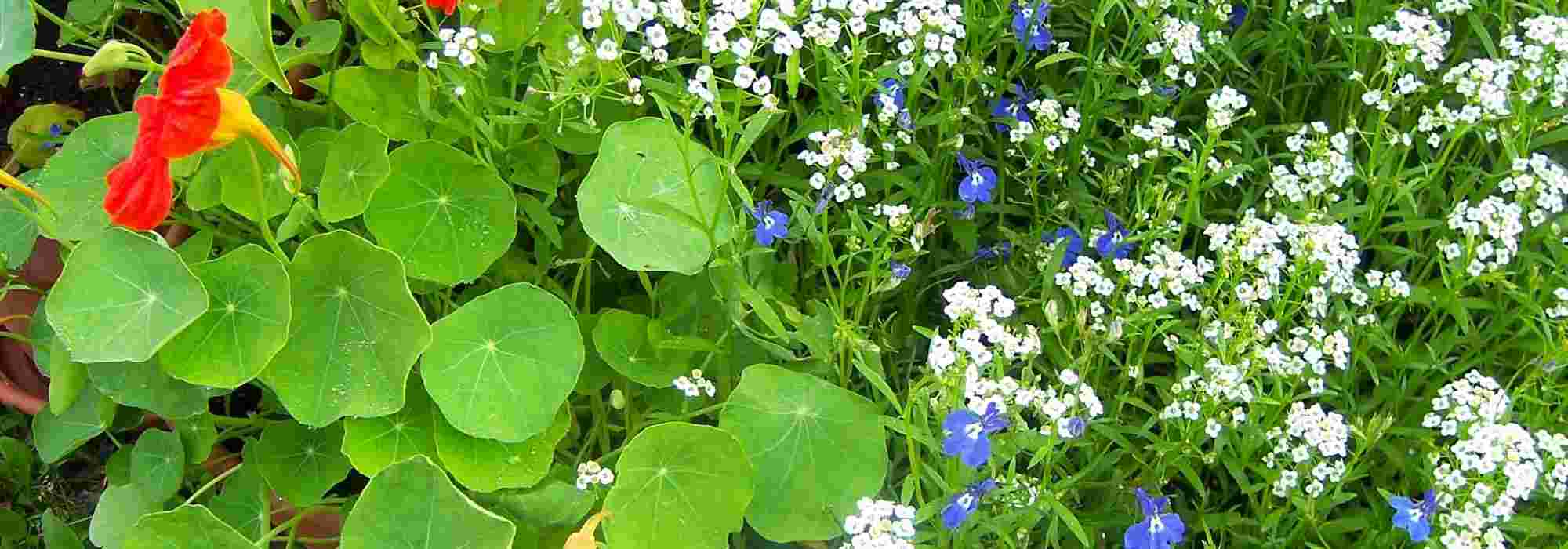
Planting & care advice
-
-
-
-
-

-
-
-
This item has not been reviewed yet - be the first to leave a review about it.
Recently viewed products
Haven't found what you were looking for?
Hardiness is the lowest winter temperature a plant can endure without suffering serious damage or even dying. However, hardiness is affected by location (a sheltered area, such as a patio), protection (winter cover) and soil type (hardiness is improved by well-drained soil).

The flowering period indicated on our website applies to countries and regions located in USDA zone 8 (France, the United Kingdom, Ireland, the Netherlands, etc.)
It will vary according to where you live:- In zones 9 to 10 (Italy, Spain, Greece, etc.), flowering will occur about 2 to 4 weeks earlier.
- In zones 6 to 7 (Germany, Poland, Slovenia, and lower mountainous regions), flowering will be delayed by 2 to 3 weeks.
- In zone 5 (Central Europe, Scandinavia), blooming will be delayed by 3 to 5 weeks.
In temperate climates, pruning of spring-flowering shrubs (forsythia, spireas, etc.) should be done just after flowering.
Pruning of summer-flowering shrubs (Indian Lilac, Perovskia, etc.) can be done in winter or spring.
In cold regions as well as with frost-sensitive plants, avoid pruning too early when severe frosts may still occur.
The planting period indicated on our website applies to countries and regions located in USDA zone 8 (France, United Kingdom, Ireland, Netherlands).
It will vary according to where you live:
- In Mediterranean zones (Marseille, Madrid, Milan, etc.), autumn and winter are the best planting periods.
- In continental zones (Strasbourg, Munich, Vienna, etc.), delay planting by 2 to 3 weeks in spring and bring it forward by 2 to 4 weeks in autumn.
- In mountainous regions (the Alps, Pyrenees, Carpathians, etc.), it is best to plant in late spring (May-June) or late summer (August-September).
The harvesting period indicated on our website applies to countries and regions in USDA zone 8 (France, England, Ireland, the Netherlands).
In colder areas (Scandinavia, Poland, Austria...) fruit and vegetable harvests are likely to be delayed by 3-4 weeks.
In warmer areas (Italy, Spain, Greece, etc.), harvesting will probably take place earlier, depending on weather conditions.
The sowing periods indicated on our website apply to countries and regions within USDA Zone 8 (France, UK, Ireland, Netherlands).
In colder areas (Scandinavia, Poland, Austria...), delay any outdoor sowing by 3-4 weeks, or sow under glass.
In warmer climes (Italy, Spain, Greece, etc.), bring outdoor sowing forward by a few weeks.
Shipping country and language
Your country of residence may be:
Your country of residence is:
For a better user experience on our website, you can select:
Your shipping country:
-
 Austria
-
 Belgium
-
 Bosnia & Herzegovina
-
 Bulgaria
-
 Croatia
-
 Cyprus
-
 Czechia
-
 Denmark
-
 Estonia
-
 Finland
-
 France
-
 Germany
-
 Greece
-
 Hungary
-
 Iceland
-
 Ireland
-
 Italy
Italy
-
 Latvia
-
 Liechtenstein
-
 Lithuania
-
 Luxembourg
-
 Malta
Malta
-
 Netherlands
-
 Poland
-
 Portugal
-
 Romania
-
 Serbia
-
 Slovakia
-
 Slovenia
-
 Spain
Spain
-
 Sweden
-
 Switzerland
Language:
-
French
-
 English
-
Spanish
-
Italian
-
German
-
Portuguese
-
Dutch
-
Finnish
My Account
Hello
My wish lists
My cart
Log in / Register
Existing customer?
This form is protected by reCAPTCHA - the Google Privacy Policy and Terms of Service apply.
New customer?
Create an account to track your orders, access our customer service and, if you wish, make the most of our upcoming offers.