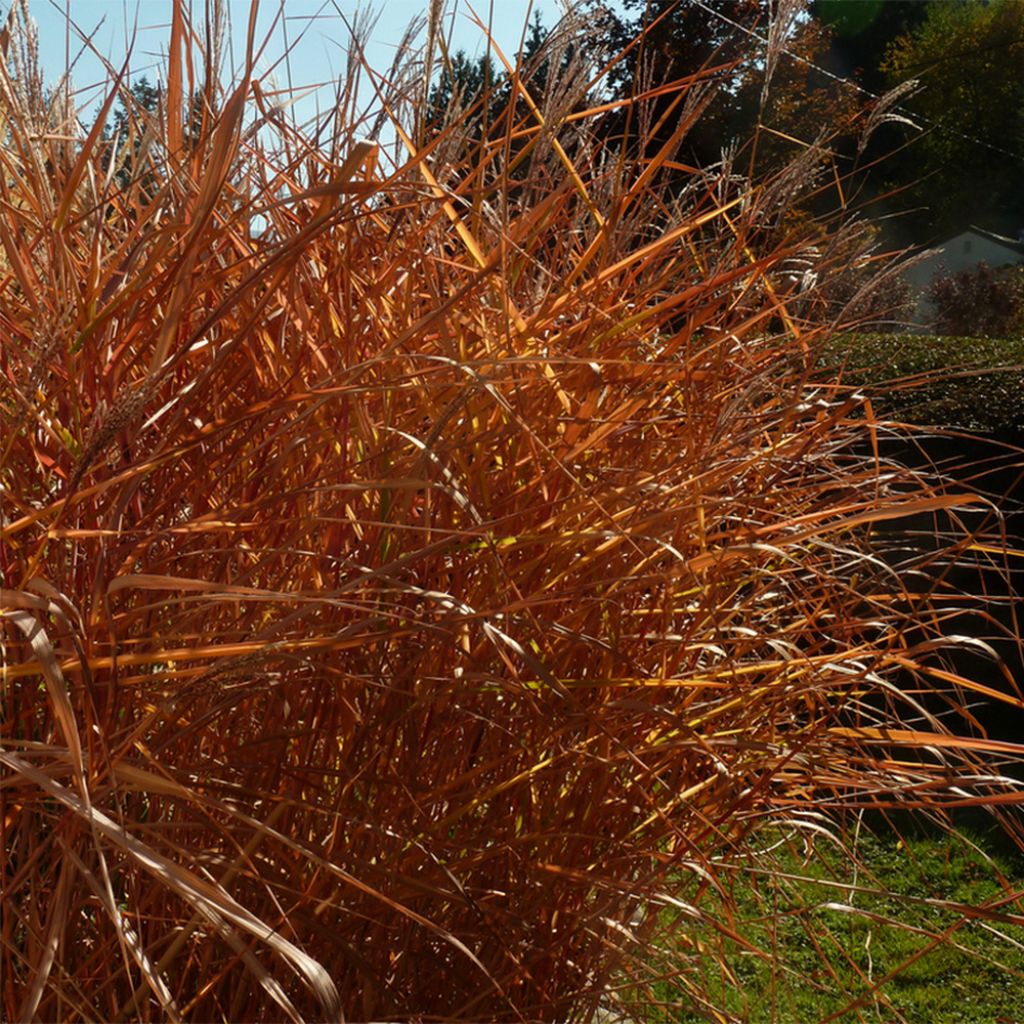
Miscanthus sinensis Purpurascens - Silvergrass
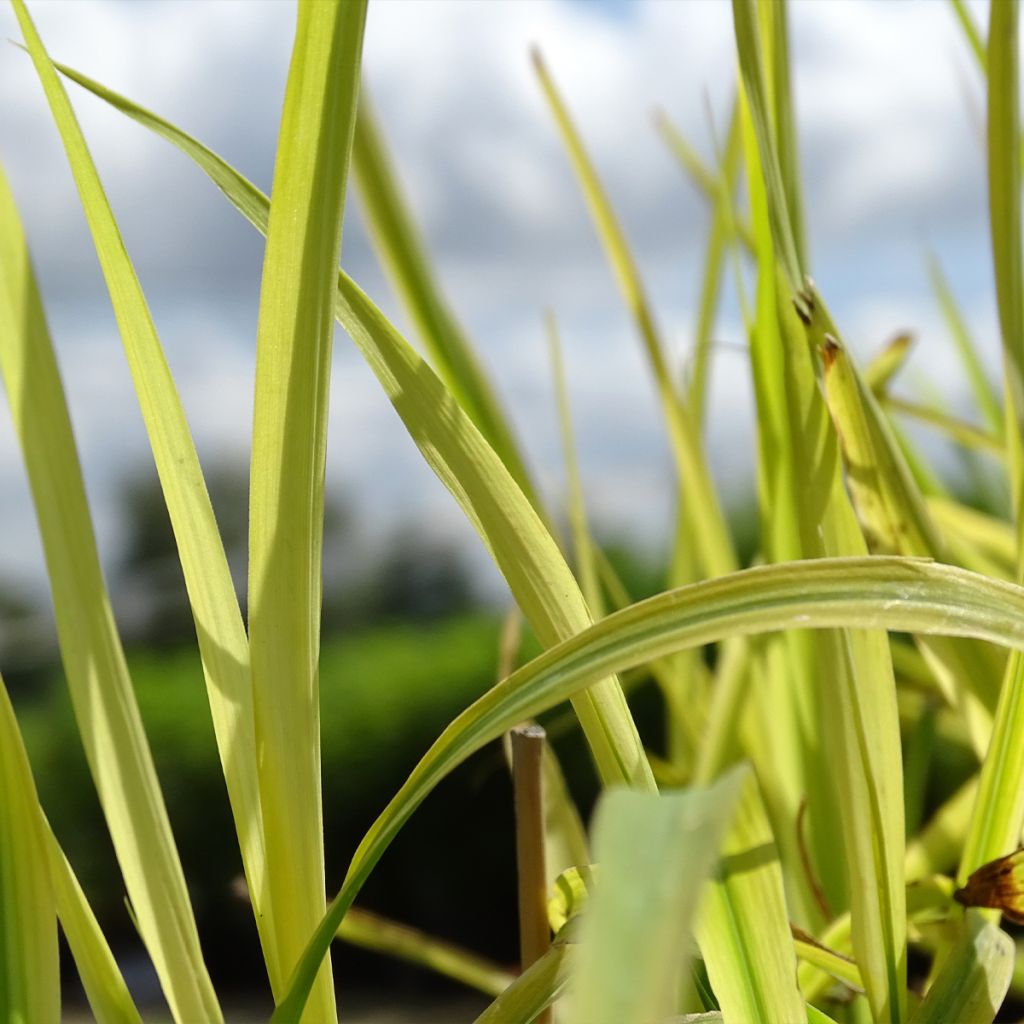
Miscanthus sinensis Purpurascens - Silvergrass
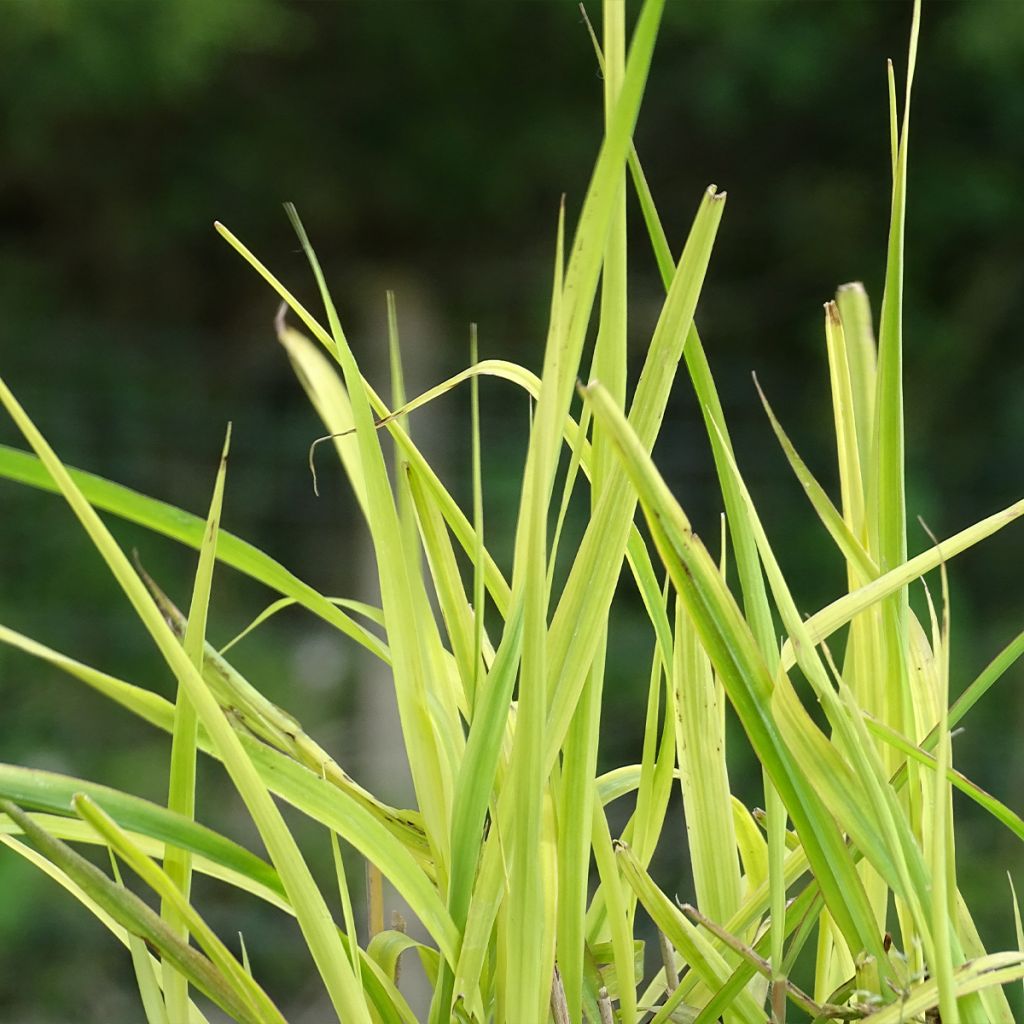
Miscanthus sinensis Purpurascens - Silvergrass
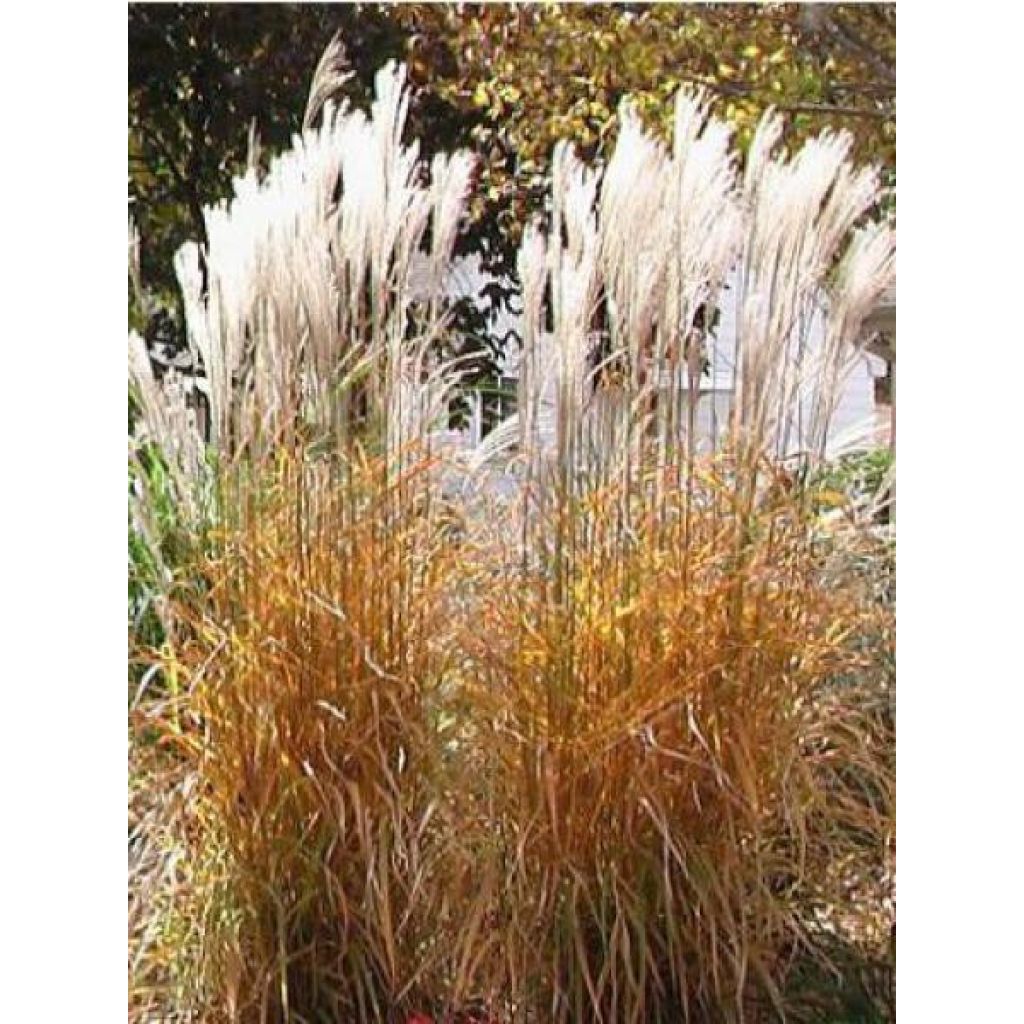
Miscanthus sinensis Purpurascens - Silvergrass
Miscanthus sinensis Purpurascens - Silvergrass
Miscanthus sinensis Purpurascens - Silvergrass
Miscanthus sinensis Purpurascens
Eulalia, Porcupine Grass, Chinese silver Grass, Maiden Grass, Zebra Grass, Susuki Grass
They arrived well packaged and in good condition, they seem to be off to a good start.
Gilles, 22/05/2025
Back-to-school special offer!
Get €10 off for every €50 you spend! And get up to €40 off on a single order.
How does it work?
1. Shop your favourites
Add your favourite plants to your basket. For every €50 you spend (excluding delivery charges, store credit and the plastic-free option), you’ll receive a €10 voucher.
€50 spent = €10 voucher
€100 spent = €20 voucher
€150 spent = €30 voucher
€200 spent = €40 voucher
2. Place your order
Once your basket reaches one of the spending thresholds, place your order. You can even choose your delivery date!
3. Receive your voucher
As soon as your order has been shipped, you’ll receive an email containing your personal voucher code and its value.
4. Use it on your next order
Your voucher is valid for 90 days from the date you receive it. It can be used once only, on a new order worth at least the value of the voucher, excluding delivery charges.
Please note: Vouchers can be combined with other offers, but cannot be split or refunded.
Home or relay delivery (depending on size and destination)
Important: You may be charged customs duties by your country’s customs authorities upon delivery.
Schedule delivery date,
and select date in basket
This plant carries a 12 months recovery warranty
More information
We guarantee the quality of our plants for a full growing cycle, and will replace at our expense any plant that fails to recover under normal climatic and planting conditions.

Would this plant suit my garden?
Set up your Plantfit profile →
Description
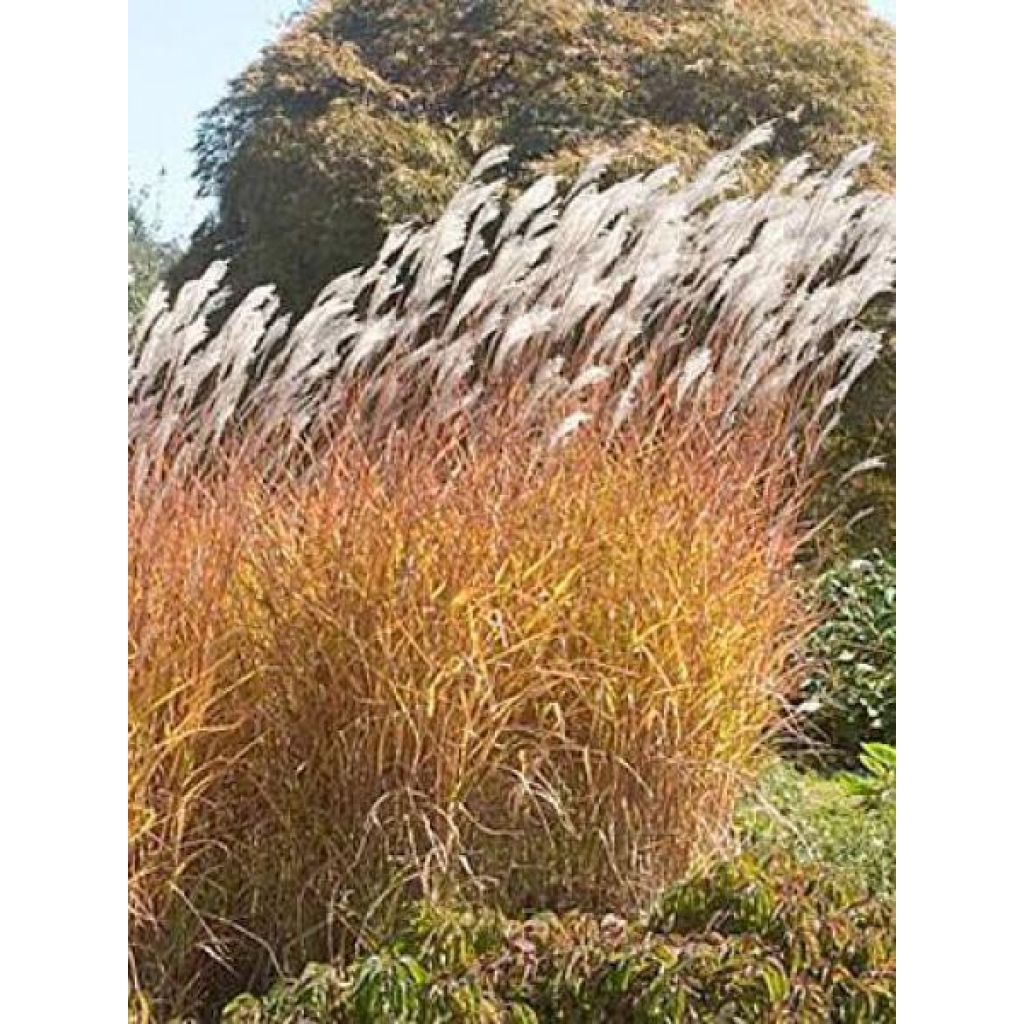
The Miscanthus sinensis 'Purpurascens' is a superb selection of Eulalia that combines reddish-orange autumn foliage with early silver flowering and compact growth. This grass is an excellent plant for cold regions due to its great hardiness. Particularly decorative late in the season, this Chinese reed is easy to grow in the sun in any well-drained soil that remains moist in summer. Although its foliage is deciduous, its silhouette remains interesting for much of the winter.
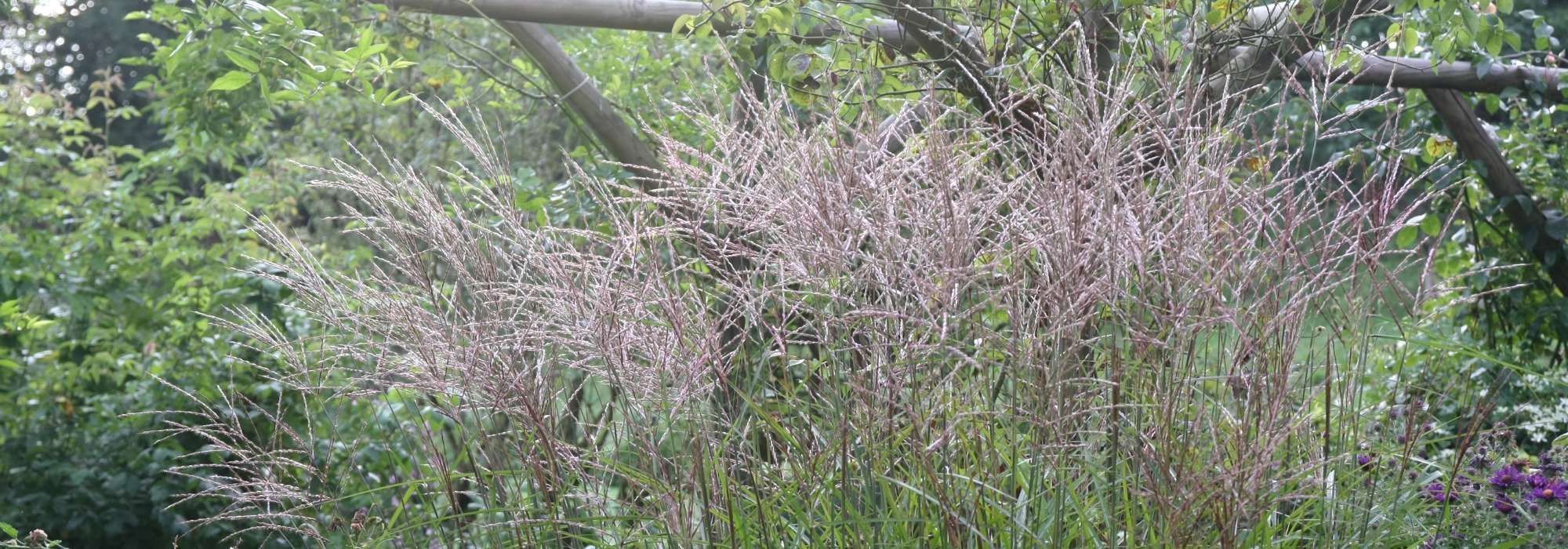
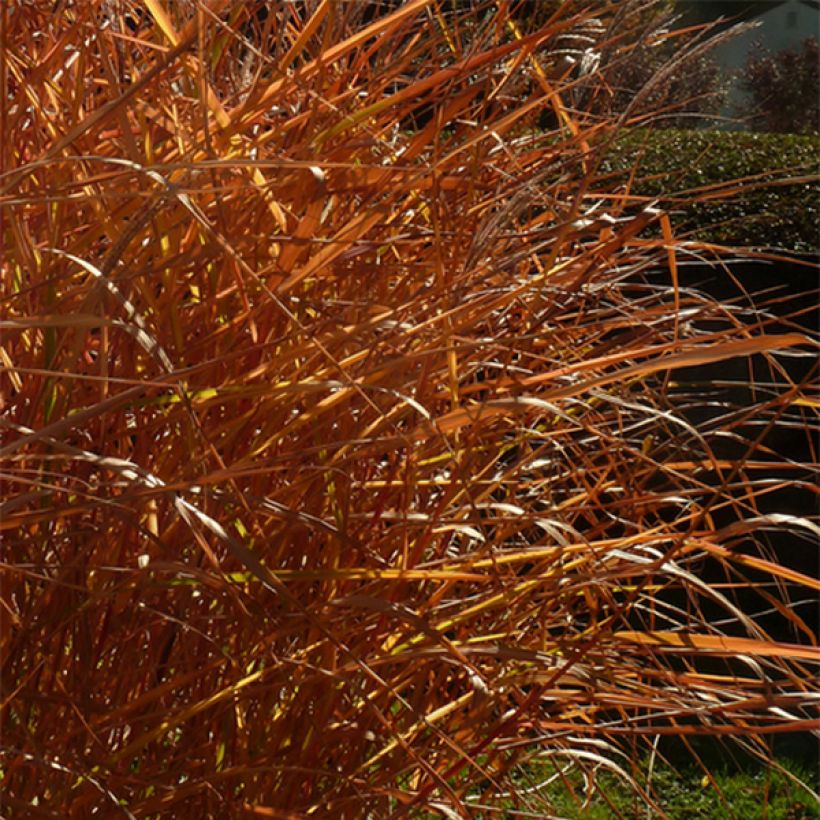
The 'Purpurascens' Chinese Reed belongs to the poaceae family. It is a horticultural selection derived from Miscanthus sinensis, native to East Asia and Oceania. This large perennial grass with short rhizomes develops in a non-trailing clump, it is tufted and non-invasive. Its habit is both upright and trailing, reaching a height of 1.50 m (5ft) when flowering, 1 m (3ft) for the foliage, with a spread of 50-60 cm (20-24in). The leaves are very thin, ribbon-like, very long, flexible, initially green with a light median, turning copper red in autumn and finally bronze. Numerous floral stems emerge well above the foliage in August. At the tip of these stems, silky digitate spikes of 20 to 30 cm (8 to 12in) long, slightly pinkish, open. As they age through the seasons, they quickly turn silver, then golden. The plumes consist of tiny pinkish flowers that close slightly afterwards, only to reopen when mature. They then appear paler and more fluffy. The Miscanthus, hardy down to -20 °C (1°F), prefer warm exposures and a healthy, rich and deep, well-drained soil.
The Miscanthus 'Purpurascens' is a perfect for large groupings to which its presence brings structure, autumn color and a lot of grace. It is also suitable for wild gardens and contemplative gardeners. Just plant it among the giant asters and landscape roses, with its base surrounded by creeping bugles or heucheras, watch it grow and expand, play with the wind and the low autumn light, and bend under the showers. In winter, just like conifers, it illuminates the garden with its reassuring silhouette. It has its place in contemporary designs, with clean lines, in the company of bamboo or ferns if the soil is moist. Miscanthus also lend themselves well to planting as a hedge, forming a screen along a path, to isolate a part of the garden, or simply to hide the view of the street or a neighbor's garden. Growing them in large pots is also possible. Finally, this Chinese Reed allows for creating beautiful dried bouquets.
Miscanthus sinensis Purpurascens - Silvergrass in pictures
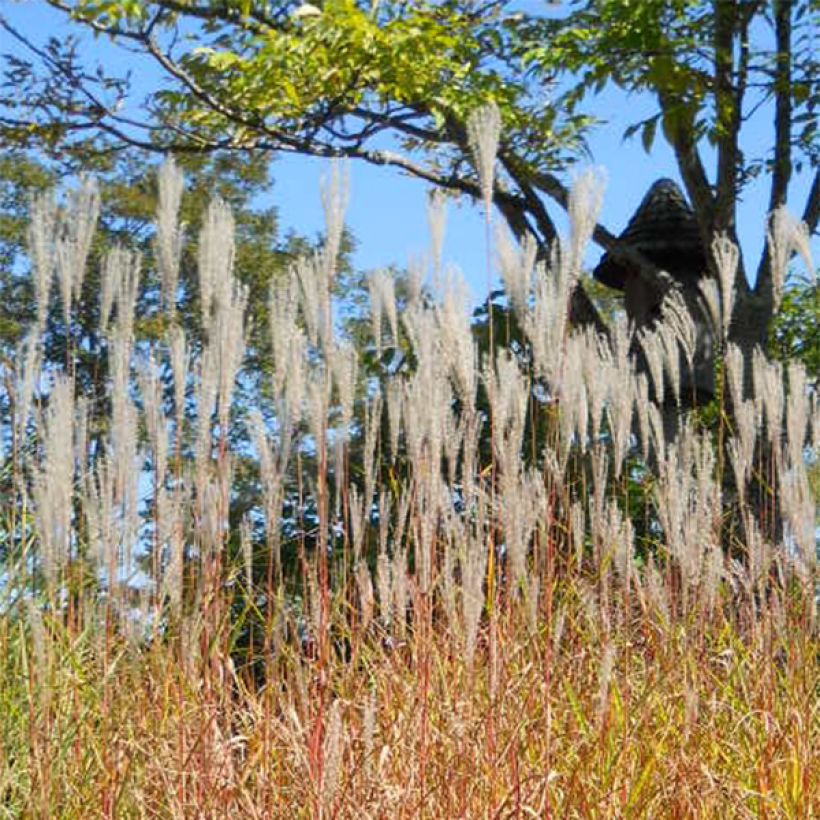
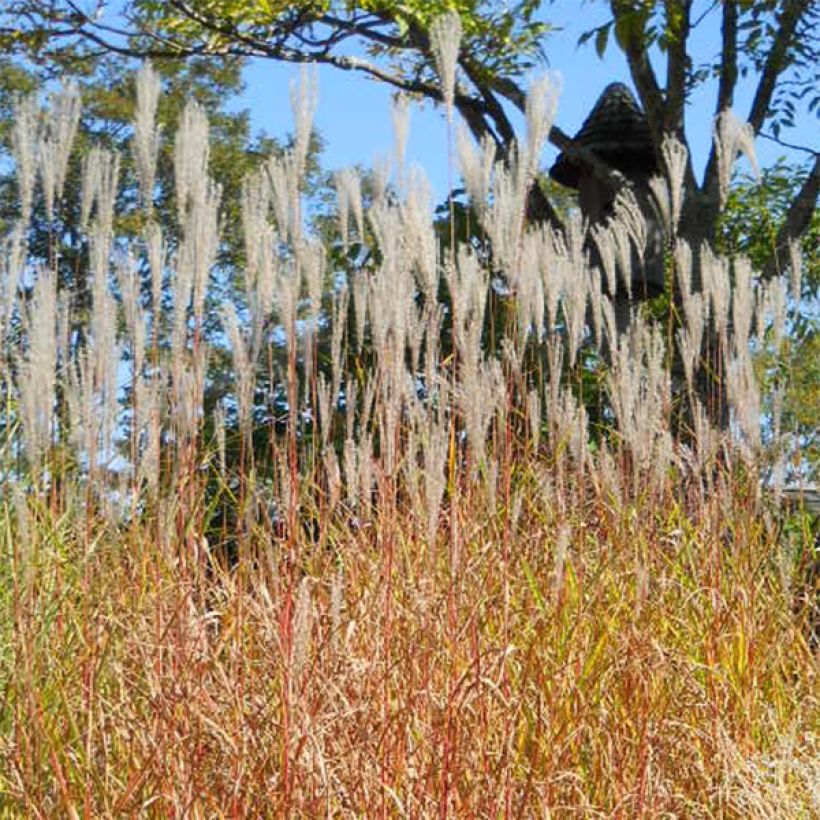
Flowering
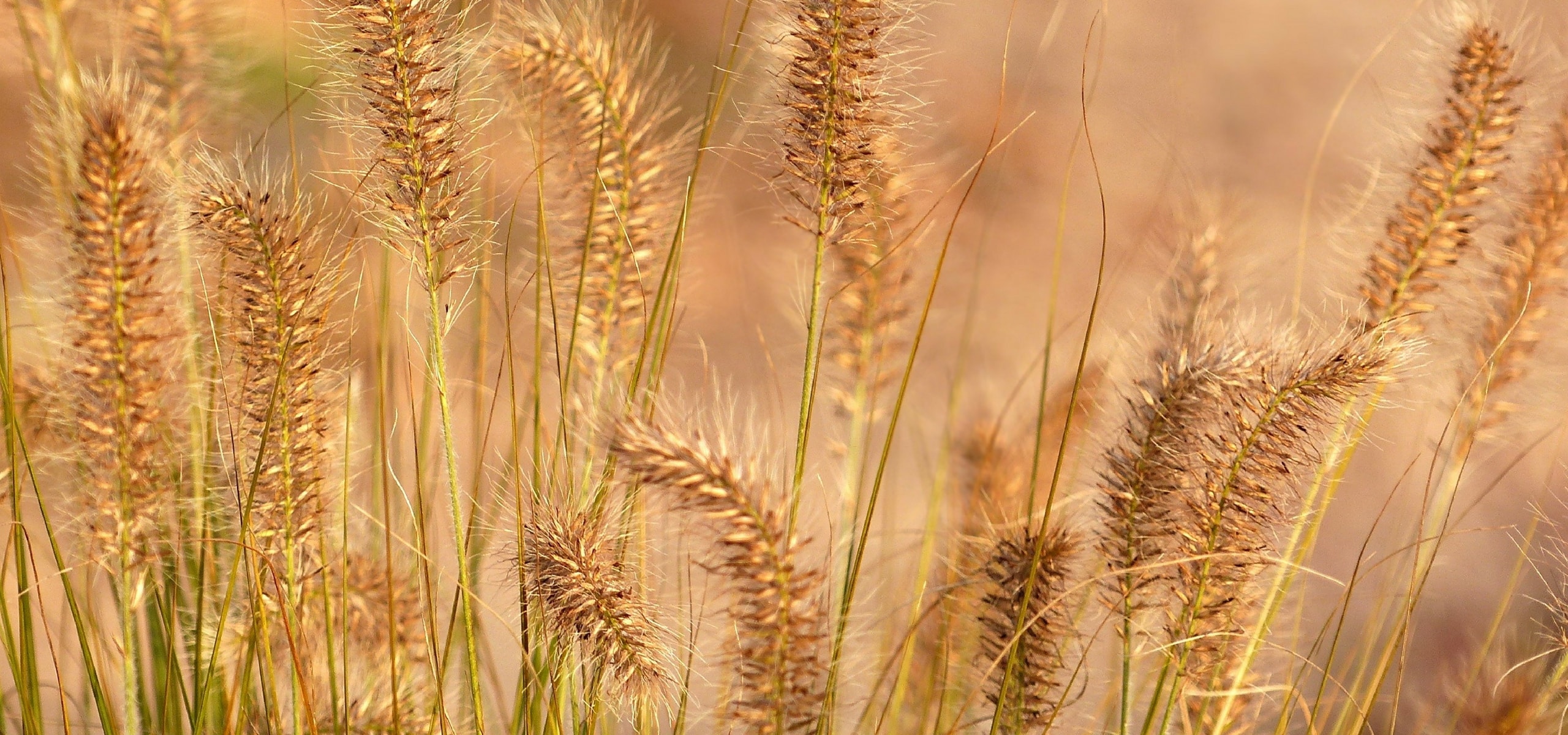
Foliage
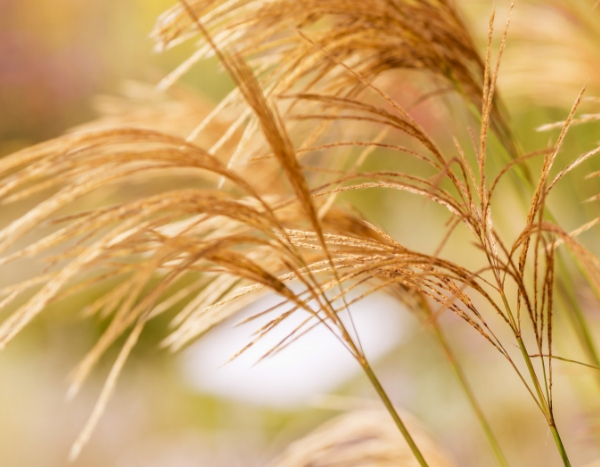
Plant habit
Botanical data
Miscanthus
sinensis
Purpurascens
Poaceae
Eulalia, Porcupine Grass, Chinese silver Grass, Maiden Grass, Zebra Grass, Susuki Grass
Cultivar or hybrid
Planting and care
Miscanthus sinensis 'Purpurascens' thrives in warm exposures and a healthy, not too rich, deep, well-drained soil, but remaining moist in summer without stagnant humidity in winter. An overly rich soil can encourage lush vegetation at the expense of flowers. Spring compost application can be beneficial in very poor soils. This plant tolerates occasional drought if the soil is deep. It adapts to poor soil, but will be less imposing and have slower growth.
Warm climate grasses such as Miscanthus, Panicum, and Pennisetum develop in late spring, they flower after mid-summer and are usually cut back in late winter. Therefore, it is preferable to plant them in spring, after the harshest frost has passed.
Miscanthus are good plants for containers. For container planting, choose a large container (minimum 45 L) filled with a fertile, well-draining, and flexible growing medium. A mixture composed of 20% good garden soil, 20% mixed draining elements (pumice or gravel or coarse river sand), and 60% horticultural compost. Apply well-decomposed compost once or twice a year (late winter and autumn) or slow-release fertilizer. When it becomes less floriferous, divide the clump and retrieve the peripheral shoots for replanting.
Planting period
Intended location
Care
Planting & care advice
-

-

-

-

-
-

-

-
-
, onOrder confirmed
Reply from on Promesse de fleurs
Recently viewed products
Haven't found what you were looking for?
Hardiness is the lowest winter temperature a plant can endure without suffering serious damage or even dying. However, hardiness is affected by location (a sheltered area, such as a patio), protection (winter cover) and soil type (hardiness is improved by well-drained soil).

The flowering period indicated on our website applies to countries and regions located in USDA zone 8 (France, the United Kingdom, Ireland, the Netherlands, etc.)
It will vary according to where you live:- In zones 9 to 10 (Italy, Spain, Greece, etc.), flowering will occur about 2 to 4 weeks earlier.
- In zones 6 to 7 (Germany, Poland, Slovenia, and lower mountainous regions), flowering will be delayed by 2 to 3 weeks.
- In zone 5 (Central Europe, Scandinavia), blooming will be delayed by 3 to 5 weeks.
In temperate climates, pruning of spring-flowering shrubs (forsythia, spireas, etc.) should be done just after flowering.
Pruning of summer-flowering shrubs (Indian Lilac, Perovskia, etc.) can be done in winter or spring.
In cold regions as well as with frost-sensitive plants, avoid pruning too early when severe frosts may still occur.
The planting period indicated on our website applies to countries and regions located in USDA zone 8 (France, United Kingdom, Ireland, Netherlands).
It will vary according to where you live:
- In Mediterranean zones (Marseille, Madrid, Milan, etc.), autumn and winter are the best planting periods.
- In continental zones (Strasbourg, Munich, Vienna, etc.), delay planting by 2 to 3 weeks in spring and bring it forward by 2 to 4 weeks in autumn.
- In mountainous regions (the Alps, Pyrenees, Carpathians, etc.), it is best to plant in late spring (May-June) or late summer (August-September).
The harvesting period indicated on our website applies to countries and regions in USDA zone 8 (France, England, Ireland, the Netherlands).
In colder areas (Scandinavia, Poland, Austria...) fruit and vegetable harvests are likely to be delayed by 3-4 weeks.
In warmer areas (Italy, Spain, Greece, etc.), harvesting will probably take place earlier, depending on weather conditions.
The sowing periods indicated on our website apply to countries and regions within USDA Zone 8 (France, UK, Ireland, Netherlands).
In colder areas (Scandinavia, Poland, Austria...), delay any outdoor sowing by 3-4 weeks, or sow under glass.
In warmer climes (Italy, Spain, Greece, etc.), bring outdoor sowing forward by a few weeks.
Shipping country and language
Your country of residence may be:
Your country of residence is:
For a better user experience on our website, you can select:
Your shipping country:
-
 Austria
-
 Belgium
-
 Bosnia & Herzegovina
-
 Bulgaria
-
 Croatia
-
 Cyprus
-
 Czechia
-
 Denmark
-
 Estonia
-
 Finland
-
 France
-
 Germany
-
 Greece
-
 Hungary
-
 Iceland
-
 Ireland
-
 Italy
Italy
-
 Latvia
-
 Liechtenstein
-
 Lithuania
-
 Luxembourg
-
 Malta
Malta
-
 Netherlands
-
 Poland
-
 Portugal
-
 Romania
-
 Serbia
-
 Slovakia
-
 Slovenia
-
 Spain
Spain
-
 Sweden
-
 Switzerland
Language:
-
French
-
 English
-
Spanish
-
Italian
-
German
-
Portuguese
-
Dutch
-
Finnish
My Account
Hello
My wish lists
My cart
Log in / Register
Existing customer?
This form is protected by reCAPTCHA - the Google Privacy Policy and Terms of Service apply.
New customer?
Create an account to track your orders, access our customer service and, if you wish, make the most of our upcoming offers.