Stipa tenuifolia
Stipa tenuifolia
Stipa tenuifolia
Stipa tenuifolia
Stipa tenuifolia
Stipa tenuifolia
Stipa tenuifolia
Stipa tenuifolia
View more pictures
Hide images
Elise A.
Stipa tenuifolia
Elise A. • 51 FR
Elise A.
Stipa tenuifolia
Elise A. • 51 FR
Elise A.
Stipa tenuifolia
Elise A. • 51 FR
Elise A.
Stipa tenuifolia
Elise A. • 51 FR
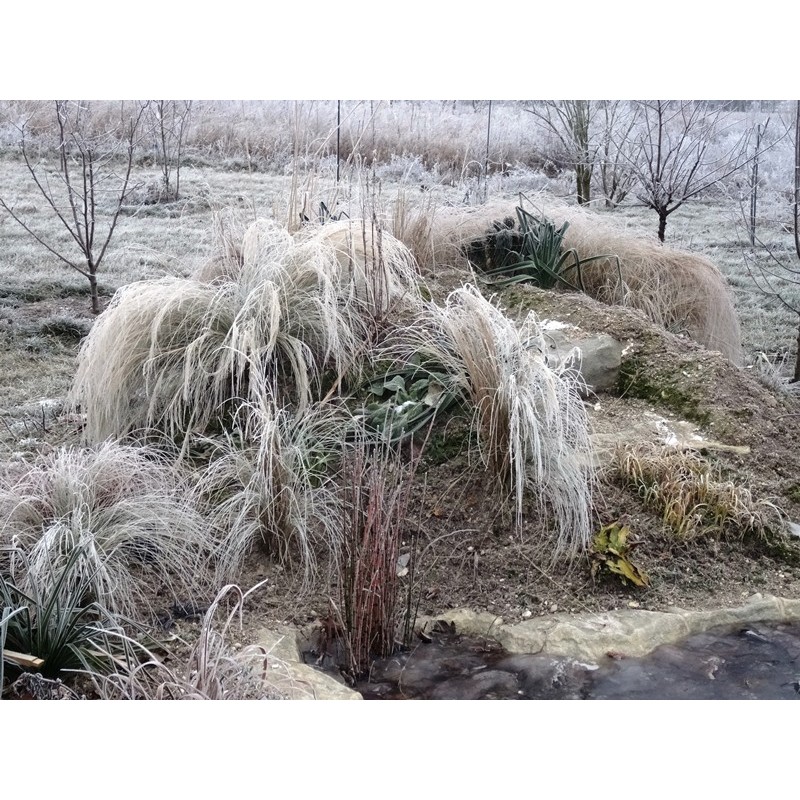
Elise A.
Stipa tenuifolia
Elise A. • 51 FR
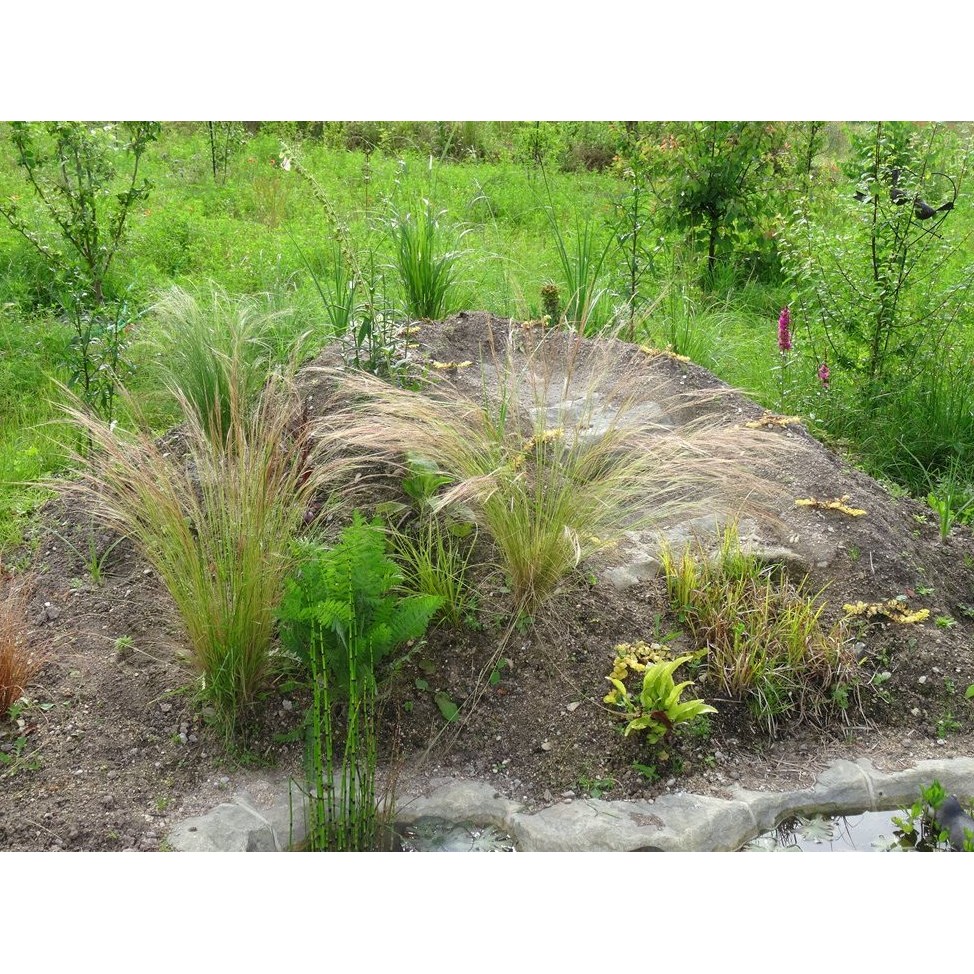
Elise A.
Stipa tenuifolia
Elise A. • 51 FR
Stipa tenuifolia
Stipa tenuifolia
Slender-leaved Feather Grass, Needle Grass, Fine Stem Needle Grass, Pony Tails
Perfect, arrived in very good condition and is doing very well after several weeks.
Jean , 23/05/2026
Back-to-school special offer!
Get €10 off for every €50 you spend! And get up to €40 off on a single order.
How does it work?
1. Shop your favourites
Add your favourite plants to your basket. For every €50 you spend (excluding delivery charges, store credit and the plastic-free option), you’ll receive a €10 voucher.
€50 spent = €10 voucher
€100 spent = €20 voucher
€150 spent = €30 voucher
€200 spent = €40 voucher
2. Place your order
Once your basket reaches one of the spending thresholds, place your order. You can even choose your delivery date!
3. Receive your voucher
As soon as your order has been shipped, you’ll receive an email containing your personal voucher code and its value.
4. Use it on your next order
Your voucher is valid for 90 days from the date you receive it. It can be used once only, on a new order worth at least the value of the voucher, excluding delivery charges.
Please note: Vouchers can be combined with other offers, but cannot be split or refunded.
Home or relay delivery (depending on size and destination)
Important: You may be charged customs duties by your country’s customs authorities upon delivery.
Schedule delivery date
and select date in basket
This plant carries a 12 months recovery warranty
More information
We guarantee the quality of our plants for a full growing cycle, and will replace at our expense any plant that fails to recover under normal climatic and planting conditions.

Would this plant suit my garden?
Set up your Plantfit profile →
Description
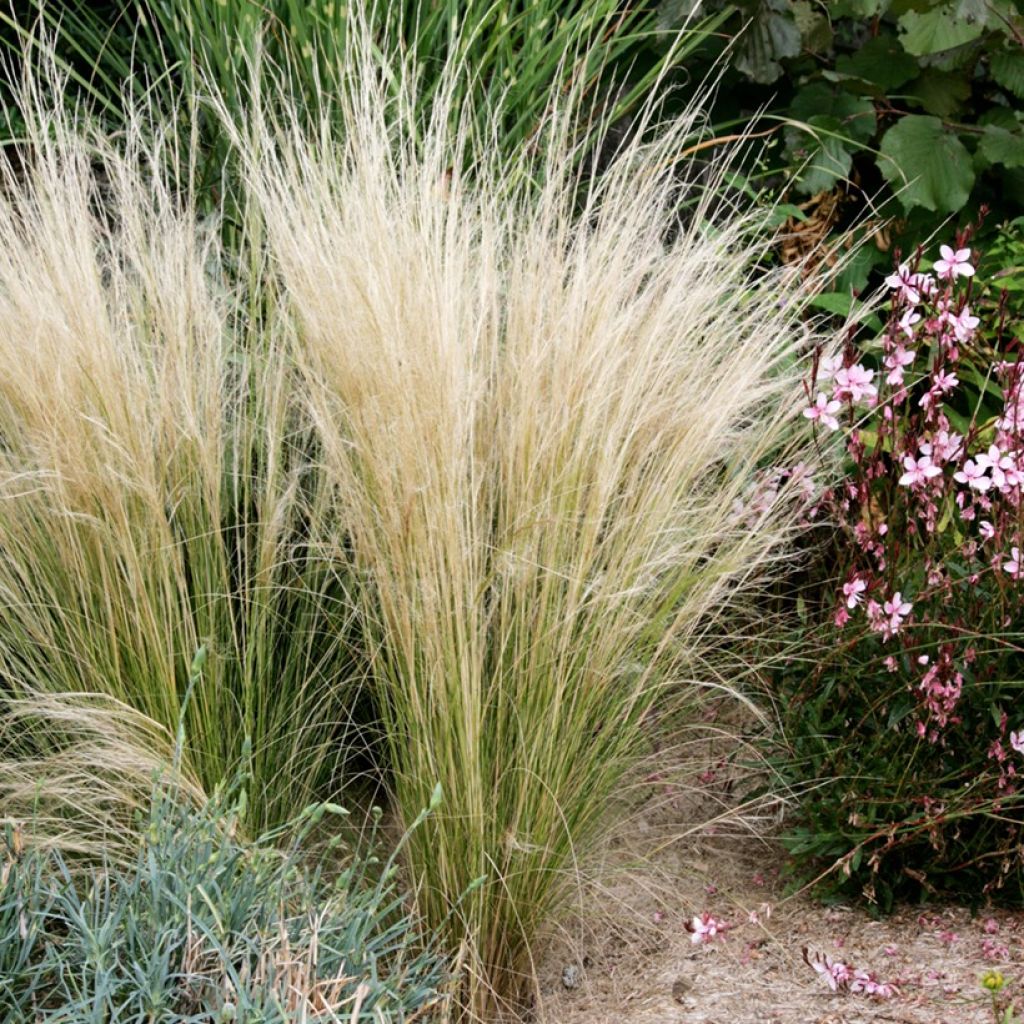
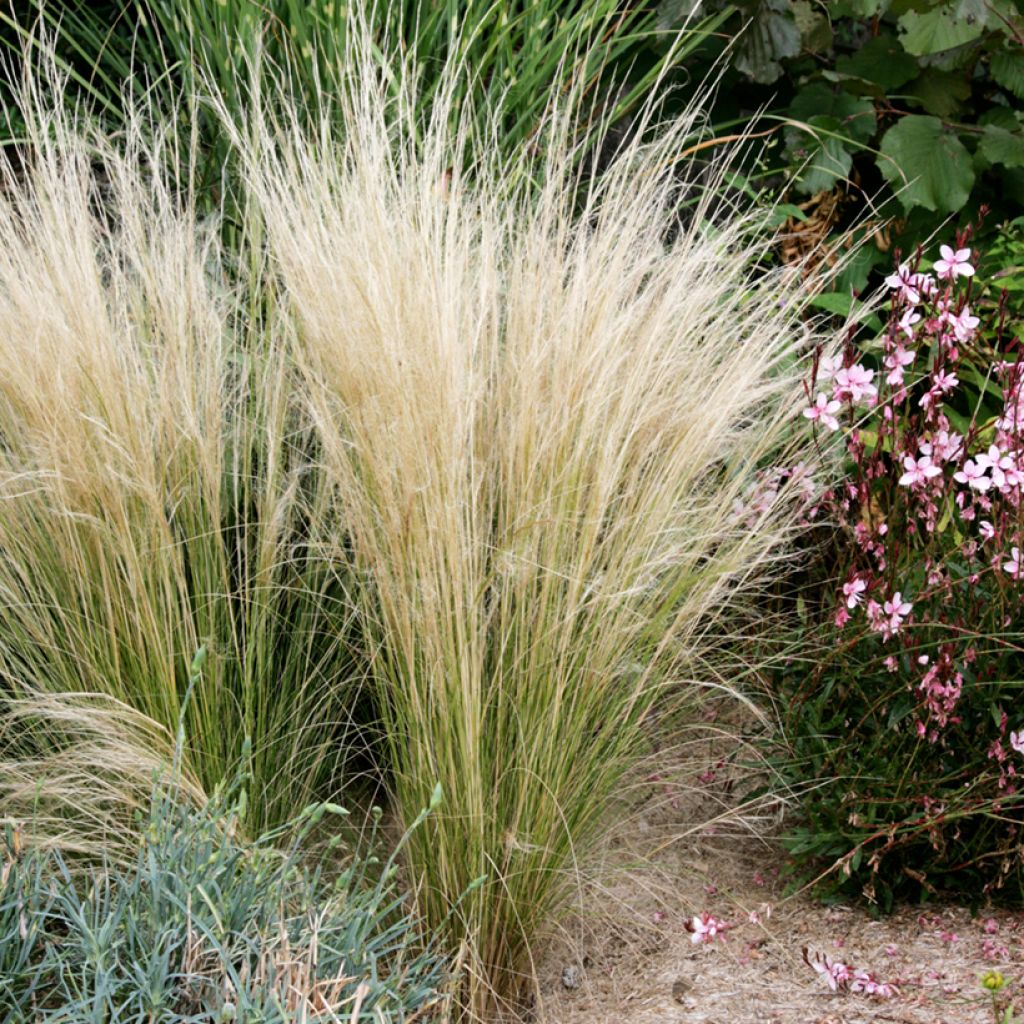
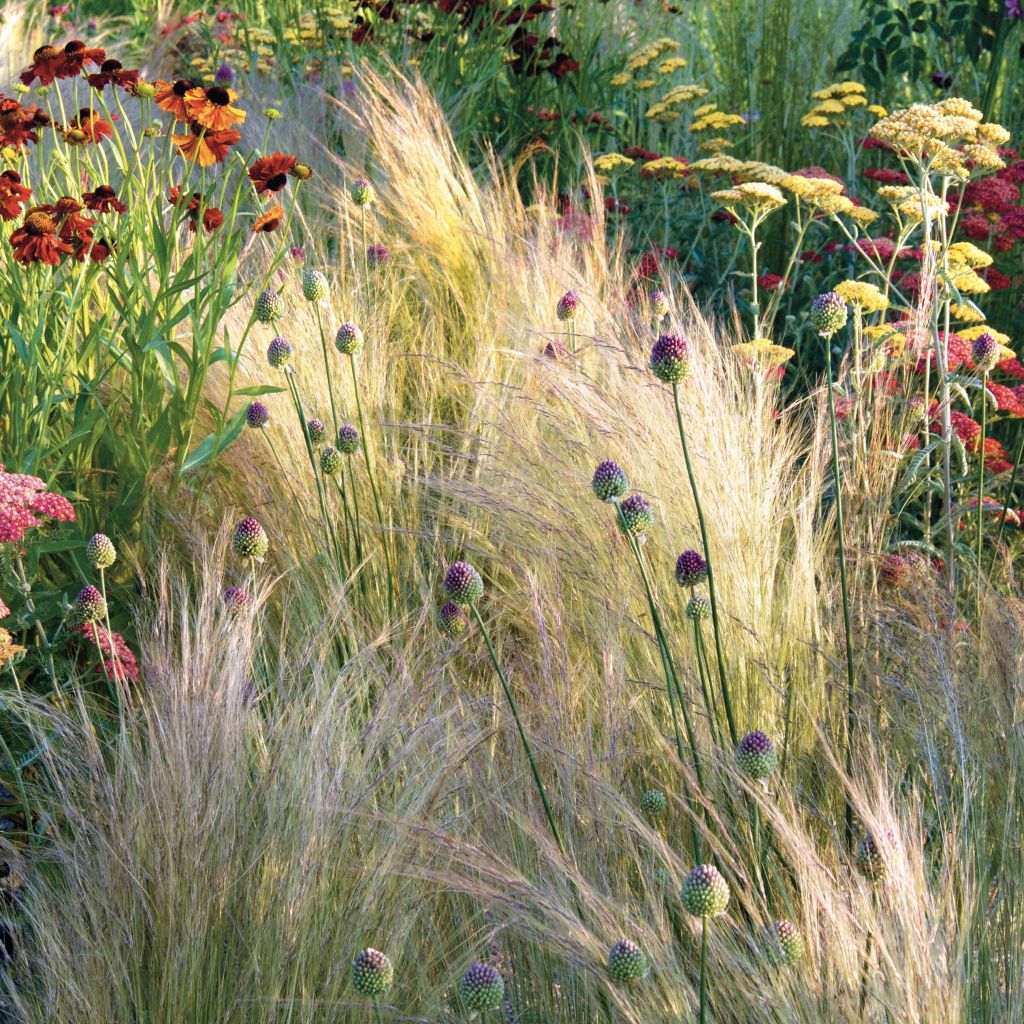
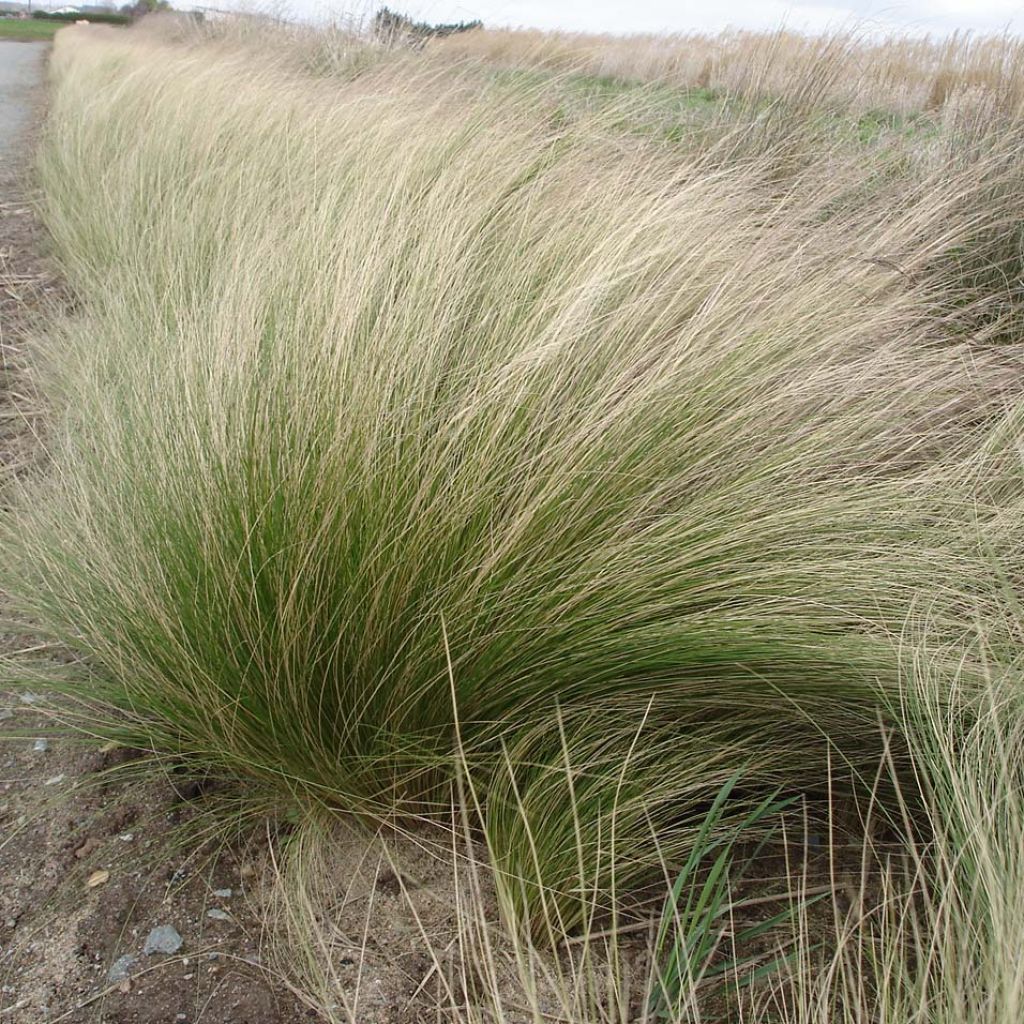
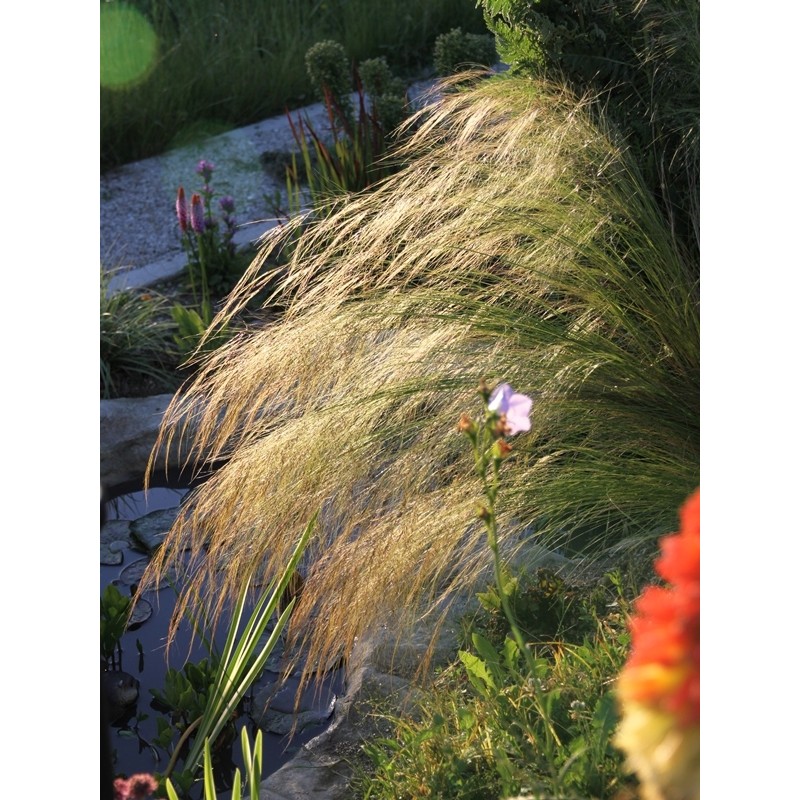
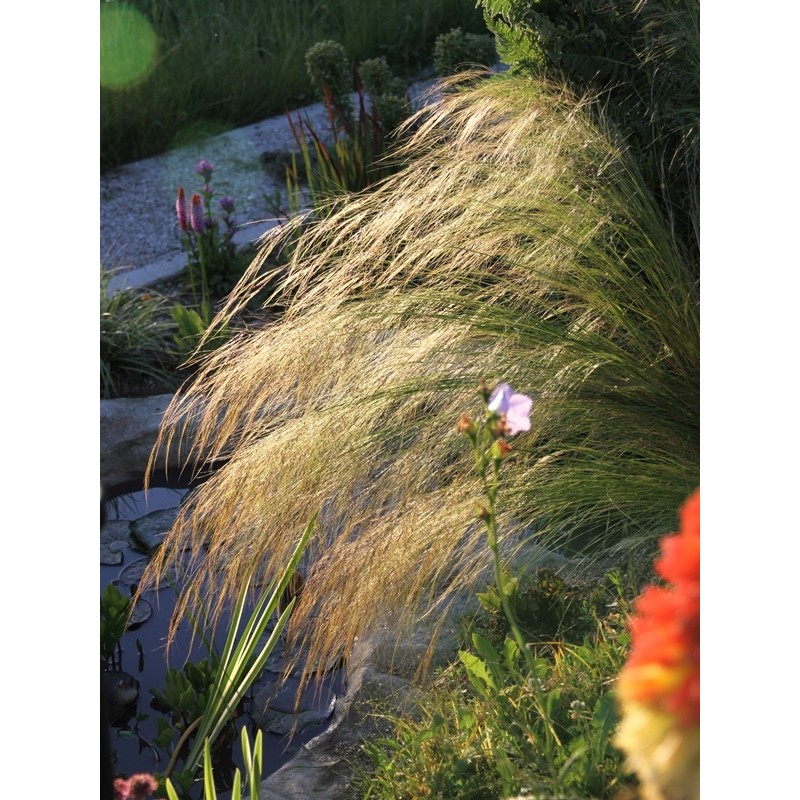
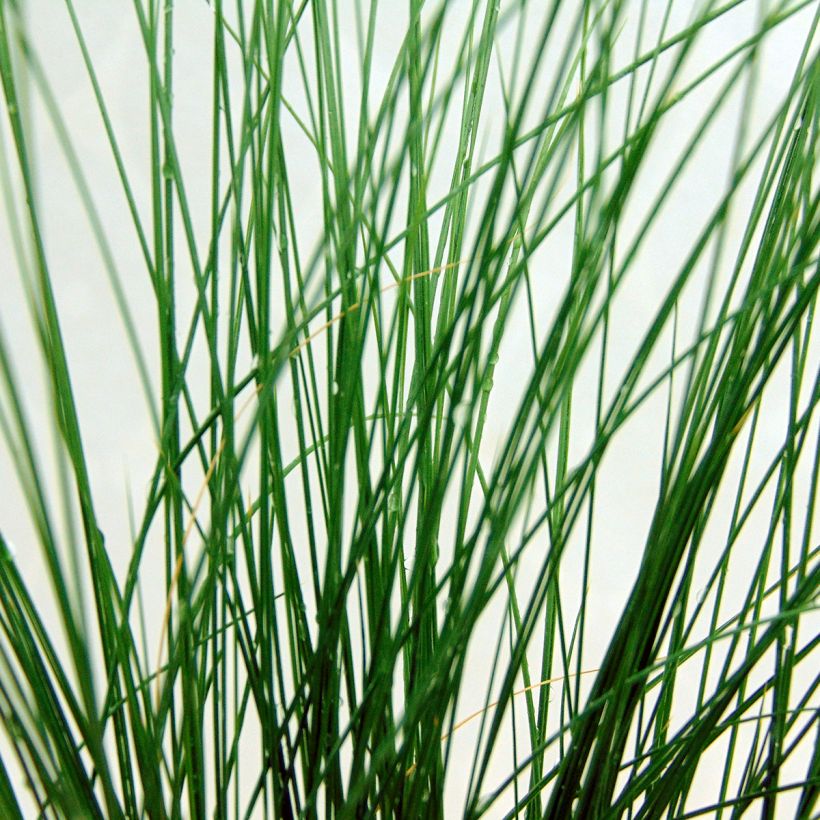
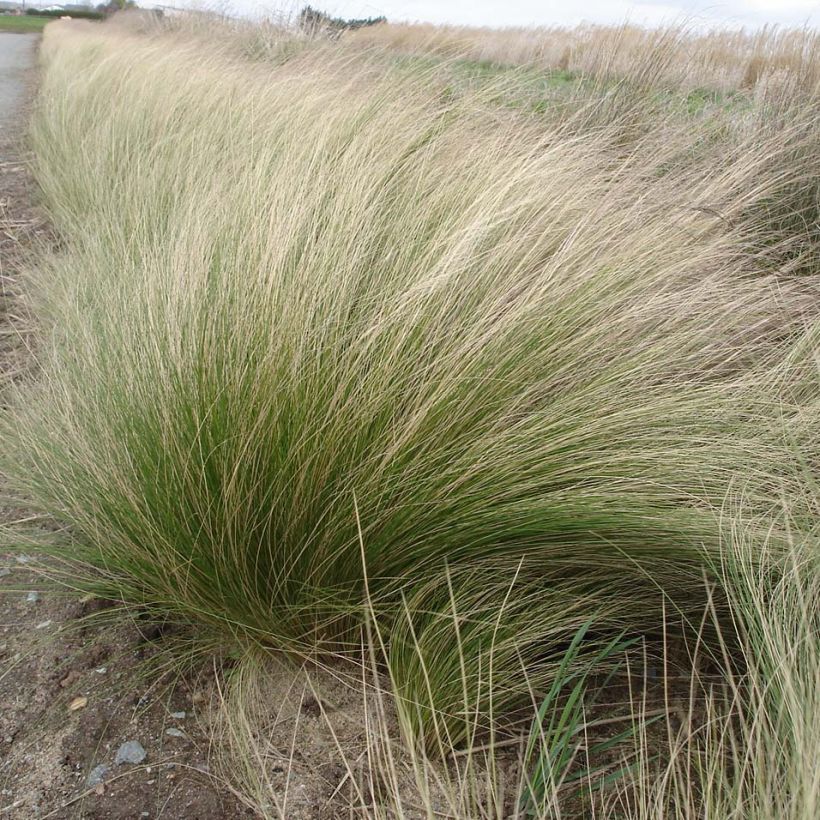
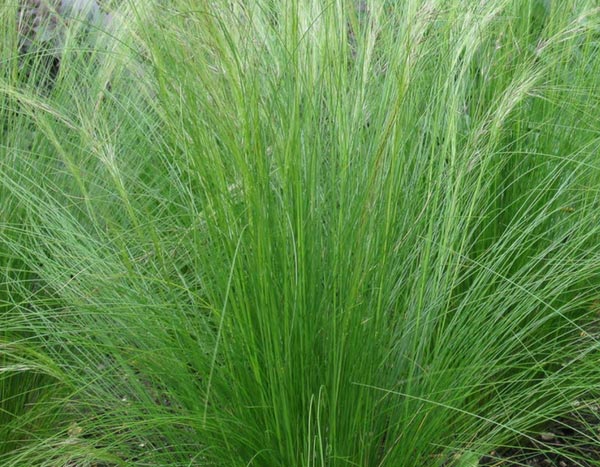
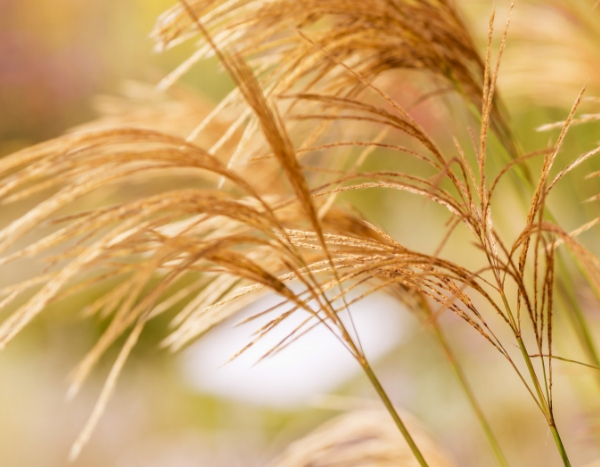
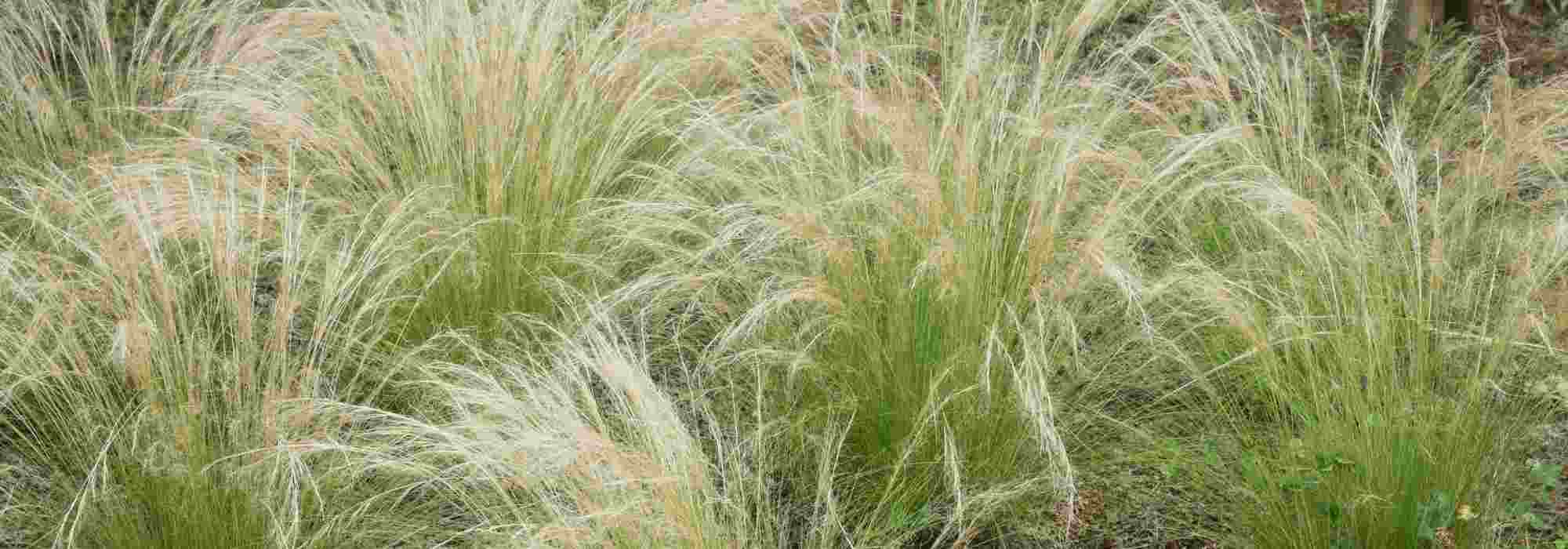
Nicknamed "angel hair" or "pony tails", wild garden enthusiasts are familiar with the Stipa tenuifolia. This grass settles humbly, formed by a handful of unruly hairs, then it shoots up and thickens in two seasons, becoming an incredible fountain with fresh green hair that ripples at the slightest breeze, before transforming in summer into silky, blonde tufts. The wind creates waves in it, the sun drowns in it against the light. A wonderful perennial, unaffected by difficult conditions and clinging to poor, dry soils. It will find its place in all gardens, from the wildest to the most romantic, blending in very well with contemporary style. A must-have, which often self-seeds in the most unexpected areas and grows very well in pots! But who would complain?
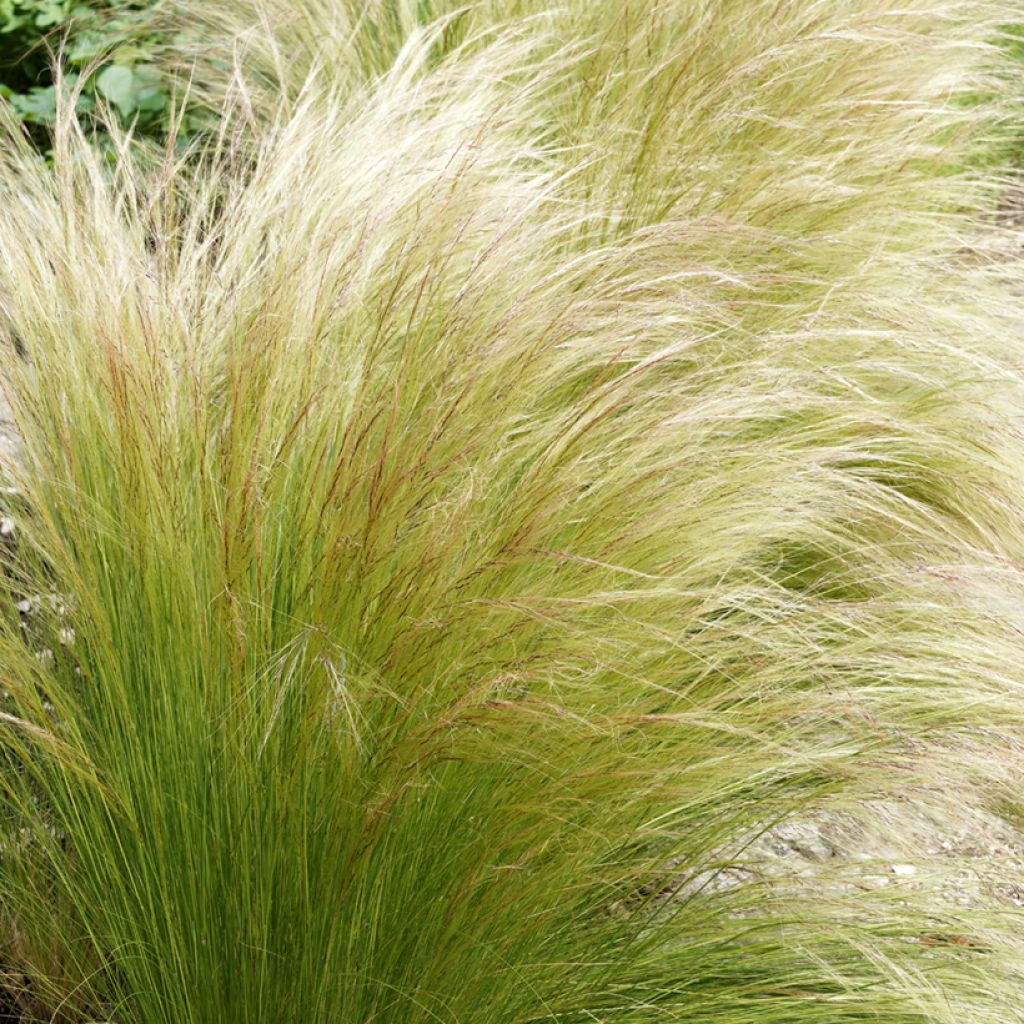
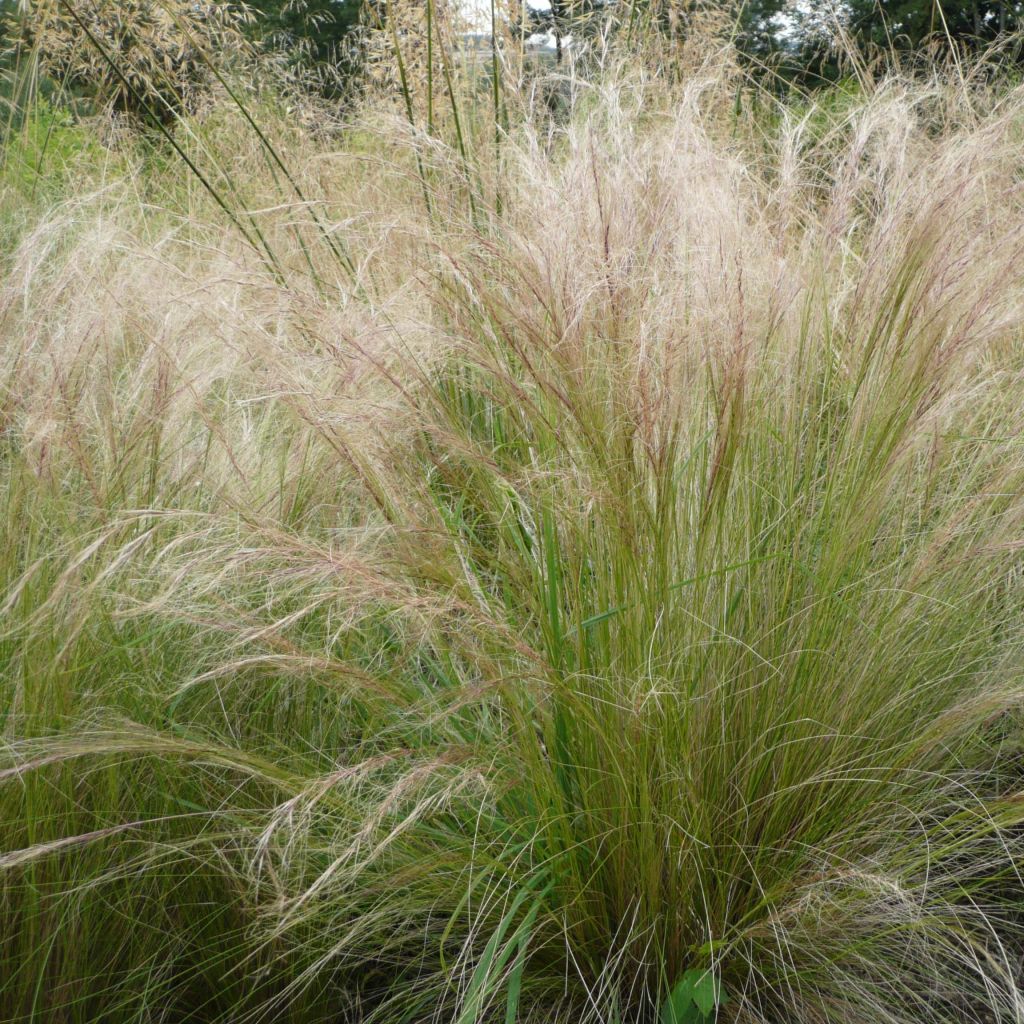
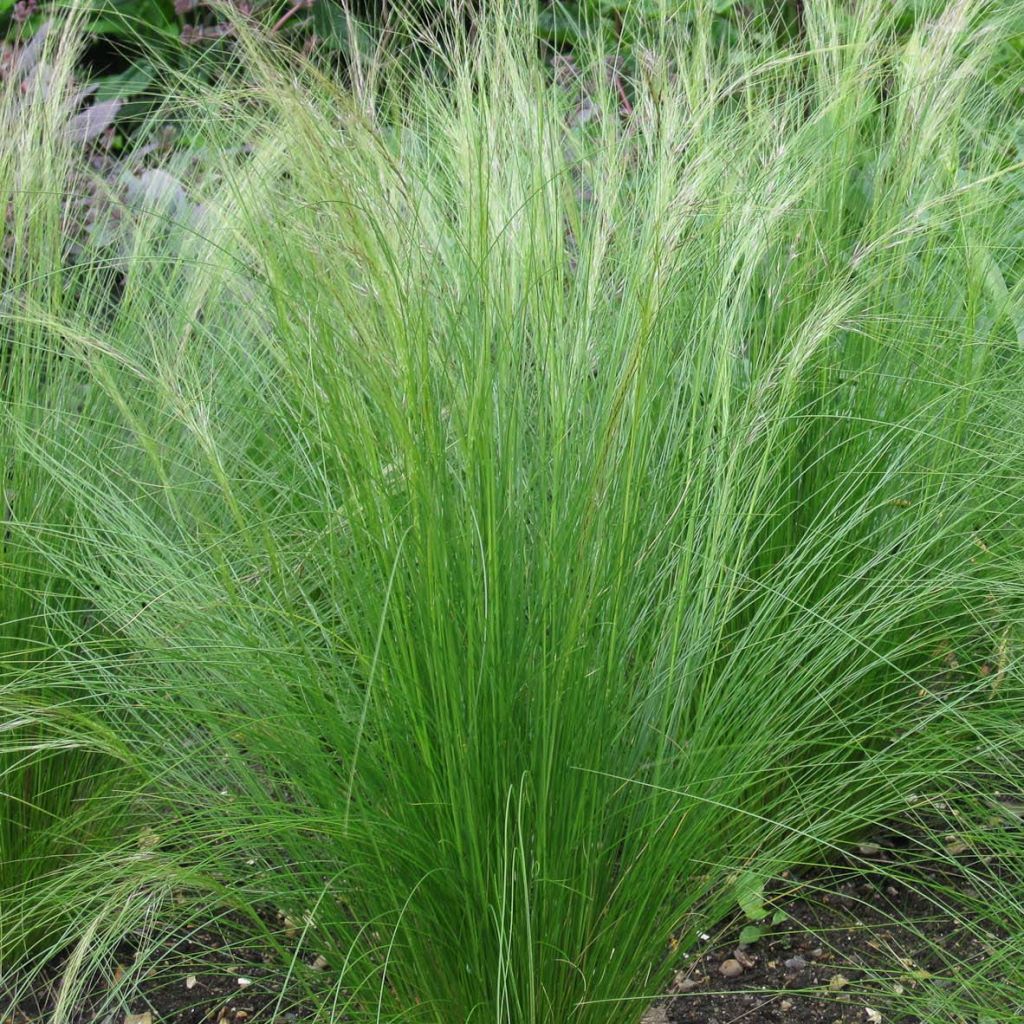
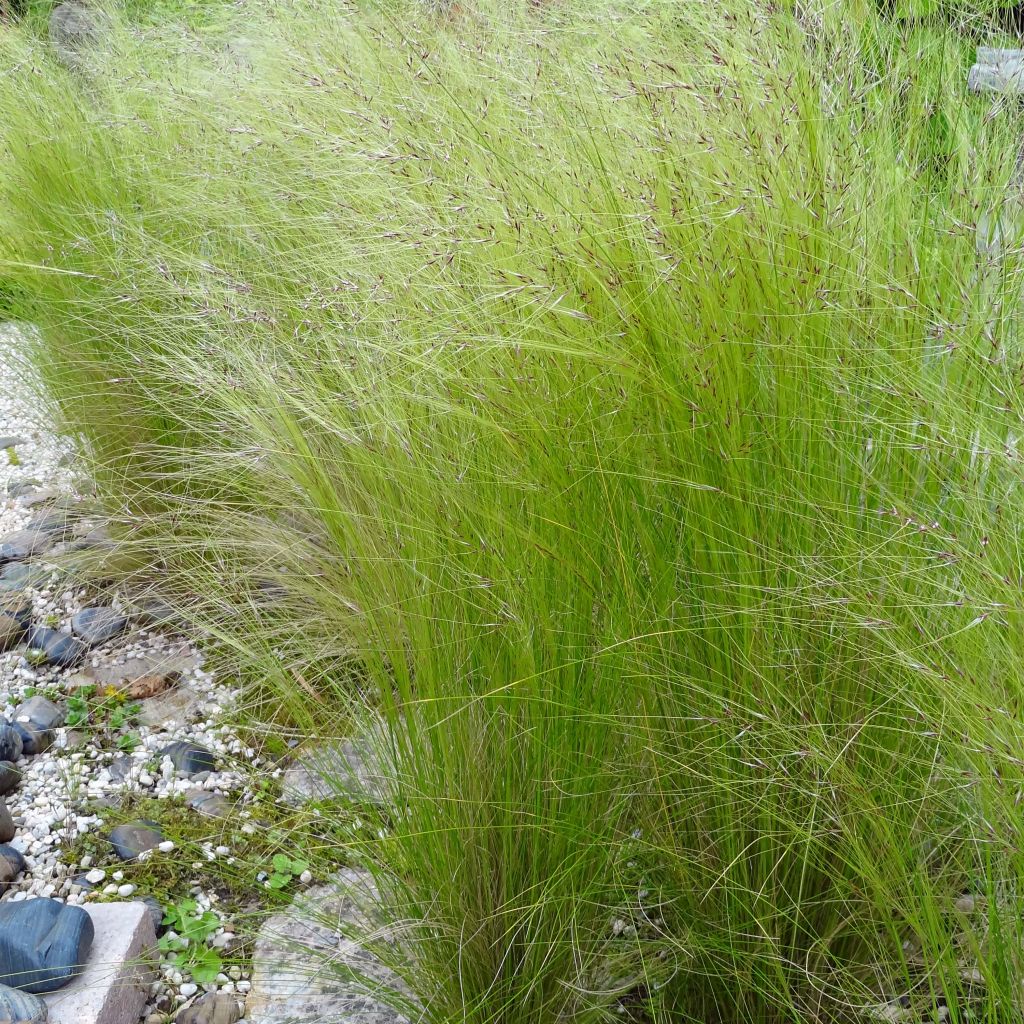
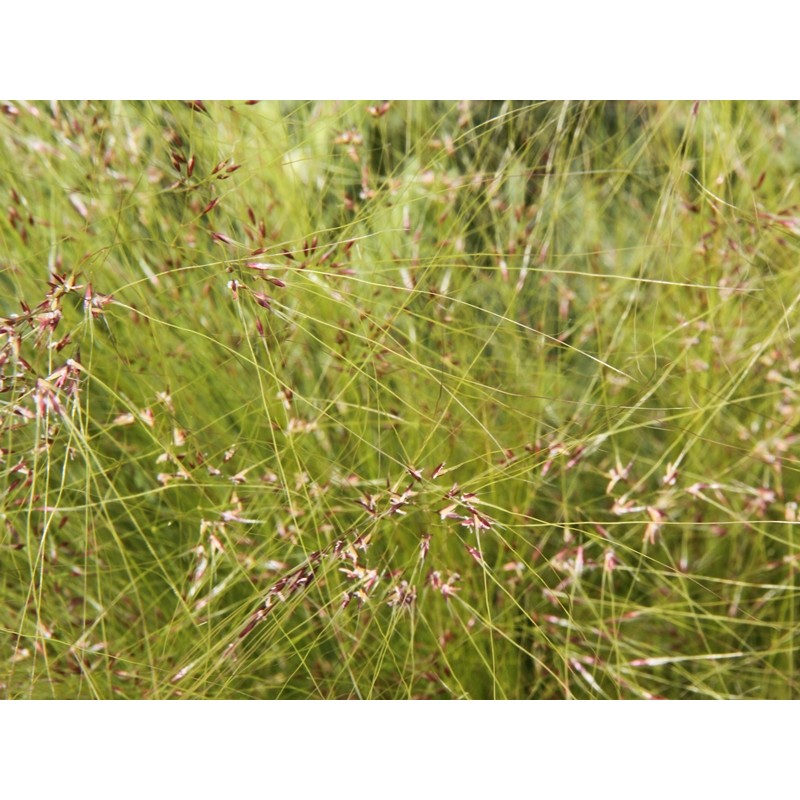
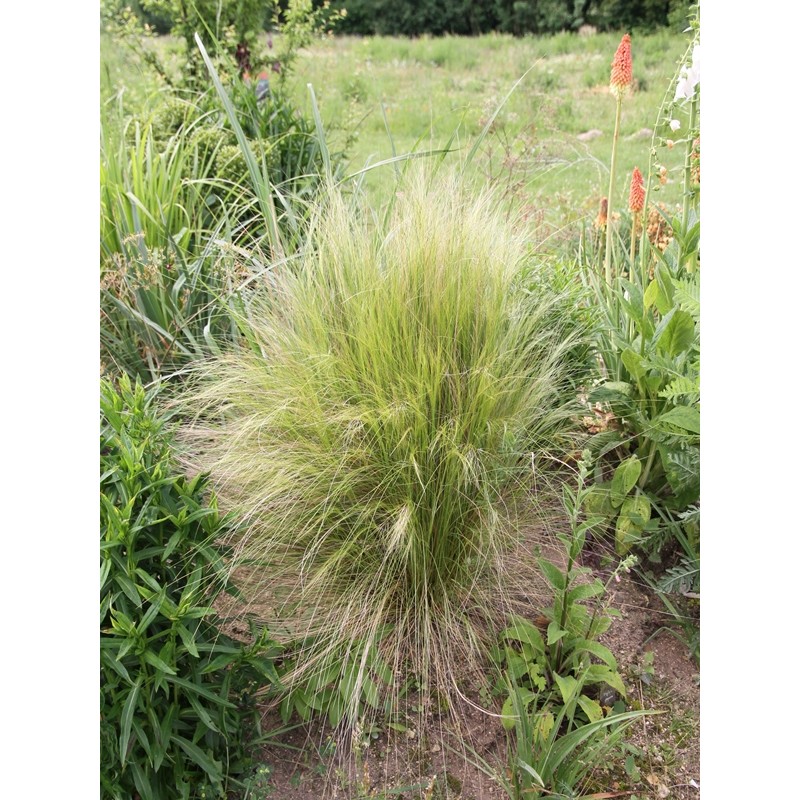
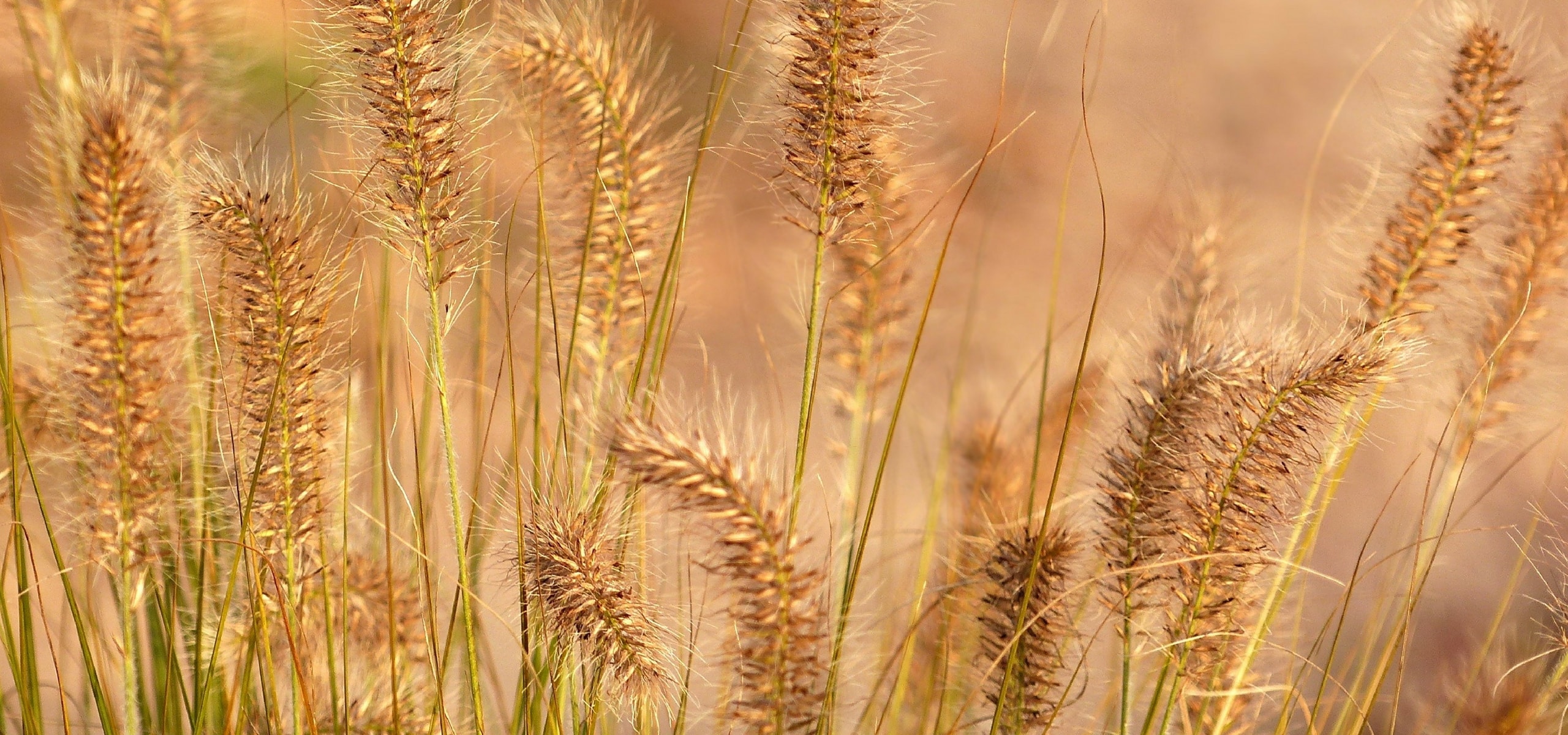
The Stipa tenuifolia is a short-lived herbaceous perennial plant belonging to the poaceae family, like many grasses. Central America is its birthplace, from Argentina to Mexico, it extends up to Texas. This plant grows in small clumps of very fine, cylindrical and linear leaves, spring green, spreading out like a fountain. When mature, it will measure 40 to 50 cm (16 to 20in) in all directions, with rapid growth. The foliage is evergreen. In summer, long, soft and silky pale blonde inflorescences appear, turning golden and then bronze in autumn, slightly curved towards the ground. Seeds form in late summer on the spikes and cluster together in the plant, forming a somewhat rough mass like a handful of tow (Stipa comes from the Greek word stipê meaning tow). They are dispersed by the wind and greatly ensure the species' perpetuity in the garden and in nature.
Hardy up to -15°C (5°F) in well-drained soil, Stipa tenuifolia is a perfect plant for dry gardens and areas where the soil is poor and stony. This grass is appreciated for the extreme softness of its silky tufts, and its decorative appearance for much of the year. It accompanies floriferous and light perennials, such as linarias, penstemons, field daisies, Aster cordifolius, scabious, as well as annual poppies and love-in-a-mist. The dark foliage of Pittosporum tenuifolium 'Tom Thumb', Cotinus 'Royal Purple', or Physocarpus 'Diabolo' in cooler soil will highlight its blonde plumes. Plant it in a place where you can touch it, along a path, along a terrace or in a large pot, grouping several specimens.
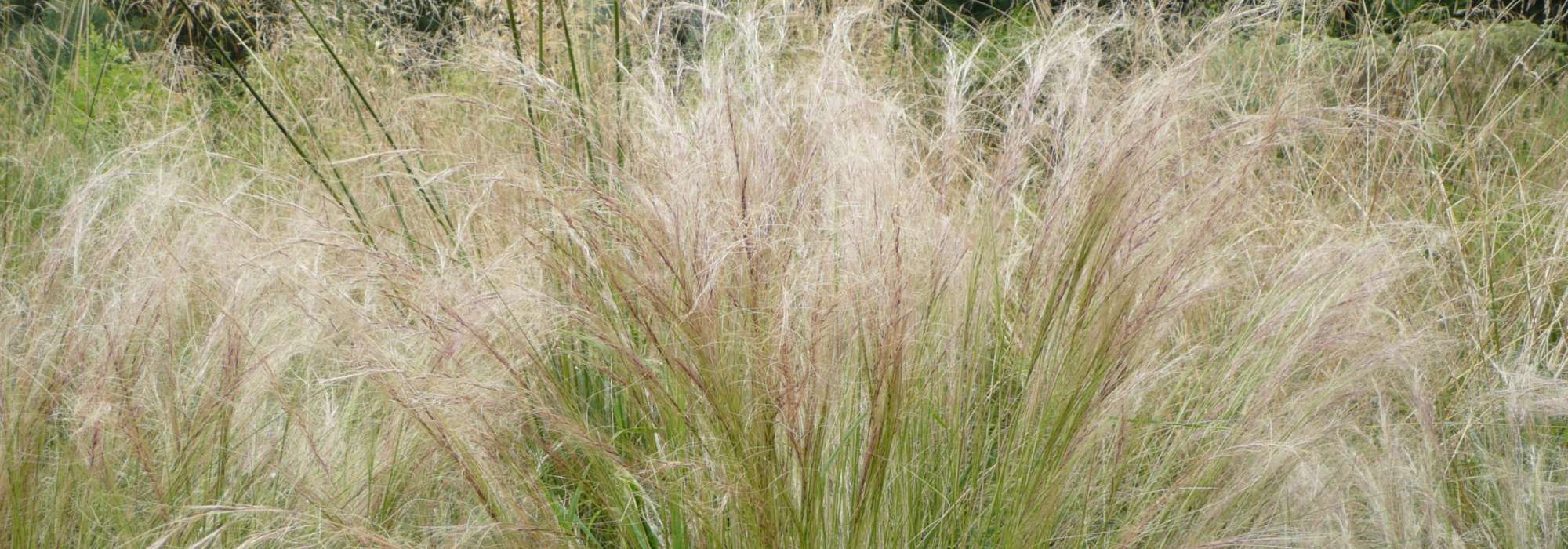
Stipa tenuifolia in pictures
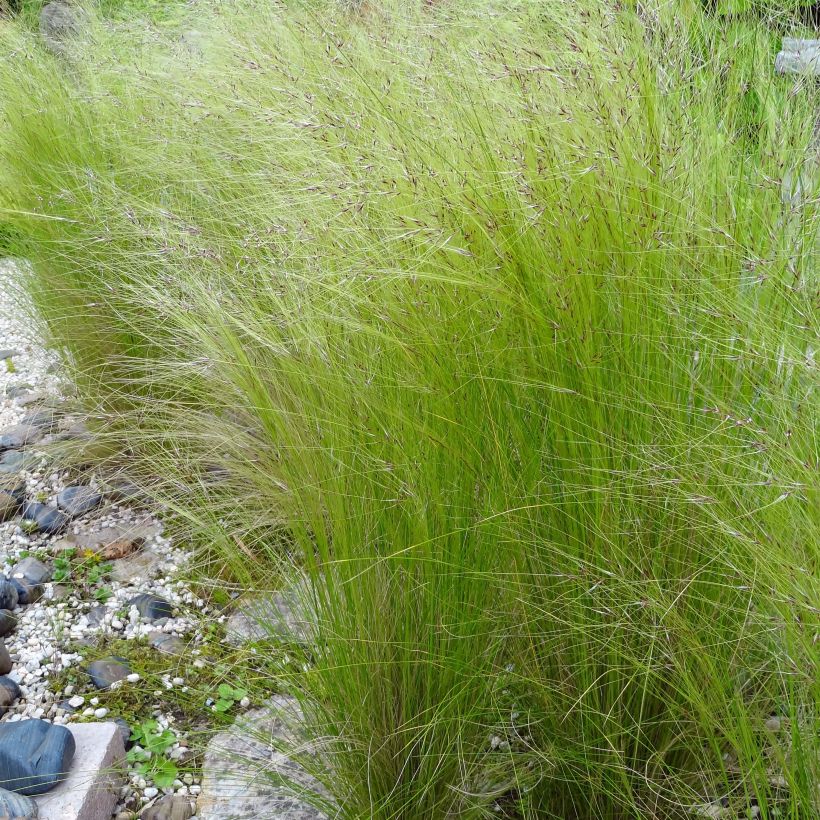
Flowering
Foliage
Plant habit
Botanical data
Stipa
tenuifolia
Poaceae
Slender-leaved Feather Grass, Needle Grass, Fine Stem Needle Grass, Pony Tails
Stipa tenuissima, Nassella tenuissima
Central America
Planting and care
The Stipa tenuifolia (Nassella tenuissima) is a grass of Mediterranean climates, which as such requires full sun, in a perfectly drained, poor and chalky soil, even stony.
In order to lighten your soil if it is a bit heavy, you can add — in a proportion of 30 to 50% — gravel, coarse-grained sand or even pumice to the planting. Place a layer of several centimeters at the bottom of the hole, then mix the rest with the planting soil.
It is unnecessary, and even harmful to the plant, to add fertilizer (whatever it may be) at that time or later: it would only make it more susceptible to diseases and rot.
In suitable conditions, maintenance is limited to "brushing" the clump at the end of winter with a rake or by hand, in order to remove all unsightly dead leaves.
However, it is useful to cut the plant to 10-15 cm (4-6in) above the ground in colder climates, at least every 2-3 years, in order to encourage the production of new fresh-looking leaves. This also avoids the stump from becoming too deep. Dividing the clump is another solution to rejuvenate the plant, while multiplying it. This operation should be carried out in early spring.
Planting period
Intended location
Care
Planting & care advice
-
-

-

-
-

-

-
-
-
, onOrder confirmed
Reply from on Promesse de fleurs
Recently viewed products
Haven't found what you were looking for?
Hardiness is the lowest winter temperature a plant can endure without suffering serious damage or even dying. However, hardiness is affected by location (a sheltered area, such as a patio), protection (winter cover) and soil type (hardiness is improved by well-drained soil).

The flowering period indicated on our website applies to countries and regions located in USDA zone 8 (France, the United Kingdom, Ireland, the Netherlands, etc.)
It will vary according to where you live:- In zones 9 to 10 (Italy, Spain, Greece, etc.), flowering will occur about 2 to 4 weeks earlier.
- In zones 6 to 7 (Germany, Poland, Slovenia, and lower mountainous regions), flowering will be delayed by 2 to 3 weeks.
- In zone 5 (Central Europe, Scandinavia), blooming will be delayed by 3 to 5 weeks.
In temperate climates, pruning of spring-flowering shrubs (forsythia, spireas, etc.) should be done just after flowering.
Pruning of summer-flowering shrubs (Indian Lilac, Perovskia, etc.) can be done in winter or spring.
In cold regions as well as with frost-sensitive plants, avoid pruning too early when severe frosts may still occur.
The planting period indicated on our website applies to countries and regions located in USDA zone 8 (France, United Kingdom, Ireland, Netherlands).
It will vary according to where you live:
- In Mediterranean zones (Marseille, Madrid, Milan, etc.), autumn and winter are the best planting periods.
- In continental zones (Strasbourg, Munich, Vienna, etc.), delay planting by 2 to 3 weeks in spring and bring it forward by 2 to 4 weeks in autumn.
- In mountainous regions (the Alps, Pyrenees, Carpathians, etc.), it is best to plant in late spring (May-June) or late summer (August-September).
The harvesting period indicated on our website applies to countries and regions in USDA zone 8 (France, England, Ireland, the Netherlands).
In colder areas (Scandinavia, Poland, Austria...) fruit and vegetable harvests are likely to be delayed by 3-4 weeks.
In warmer areas (Italy, Spain, Greece, etc.), harvesting will probably take place earlier, depending on weather conditions.
The sowing periods indicated on our website apply to countries and regions within USDA Zone 8 (France, UK, Ireland, Netherlands).
In colder areas (Scandinavia, Poland, Austria...), delay any outdoor sowing by 3-4 weeks, or sow under glass.
In warmer climes (Italy, Spain, Greece, etc.), bring outdoor sowing forward by a few weeks.
Shipping country and language
Your country of residence may be:
Your country of residence is:
For a better user experience on our website, you can select:
Your shipping country:
-
 Austria
-
 Belgium
-
 Bosnia & Herzegovina
-
 Bulgaria
-
 Croatia
-
 Cyprus
-
 Czechia
-
 Denmark
-
 Estonia
-
 Finland
-
 France
-
 Germany
-
 Greece
-
 Hungary
-
 Iceland
-
 Ireland
-
 Italy
Italy
-
 Latvia
-
 Liechtenstein
-
 Lithuania
-
 Luxembourg
-
 Malta
Malta
-
 Netherlands
-
 Poland
-
 Portugal
-
 Romania
-
 Serbia
-
 Slovakia
-
 Slovenia
-
 Spain
Spain
-
 Sweden
-
 Switzerland
Language:
-
French
-
 English
-
Spanish
-
Italian
-
German
-
Portuguese
-
Dutch
-
Finnish
My Account
Hello
My wish lists
My cart
Log in / Register
Existing customer?
This form is protected by reCAPTCHA - the Google Privacy Policy and Terms of Service apply.
New customer?
Create an account to track your orders, access our customer service and, if you wish, make the most of our upcoming offers.