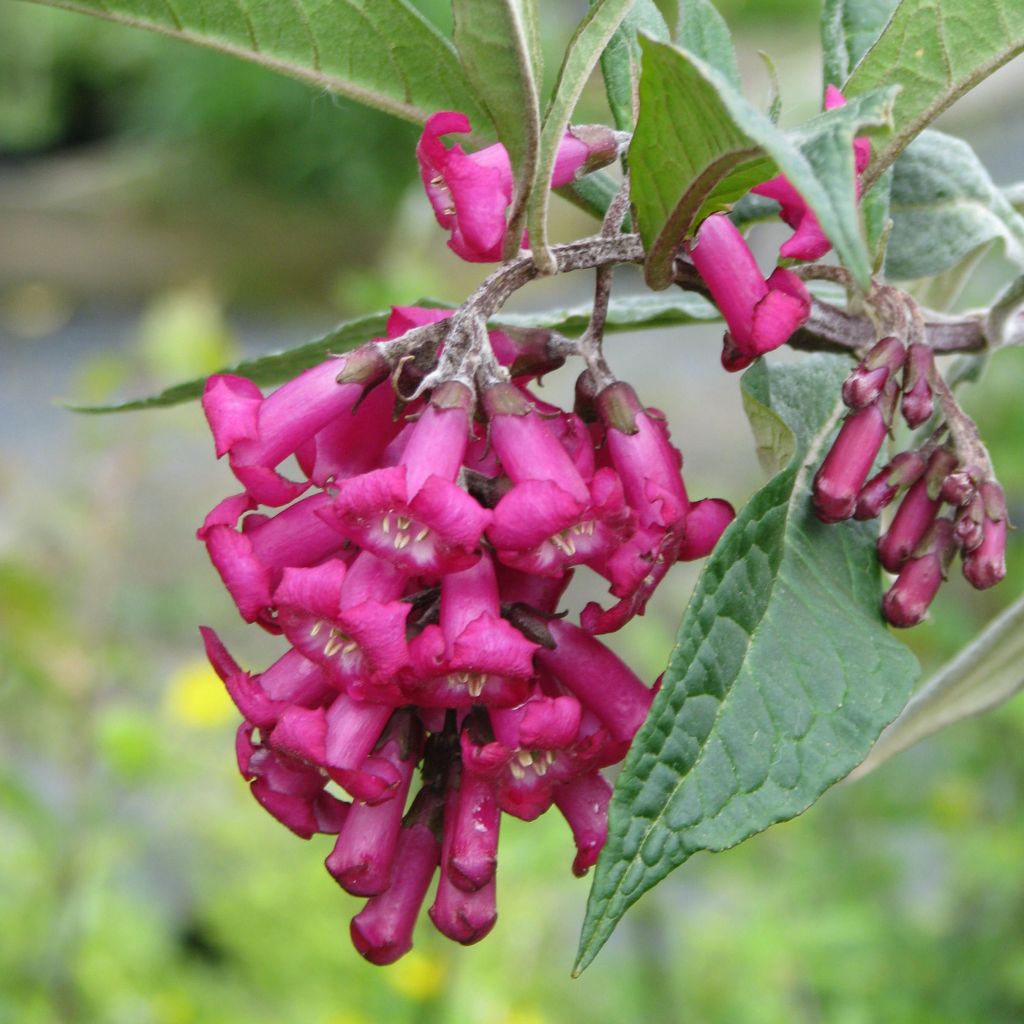
Buddleja colvilei - Butterfly Bush
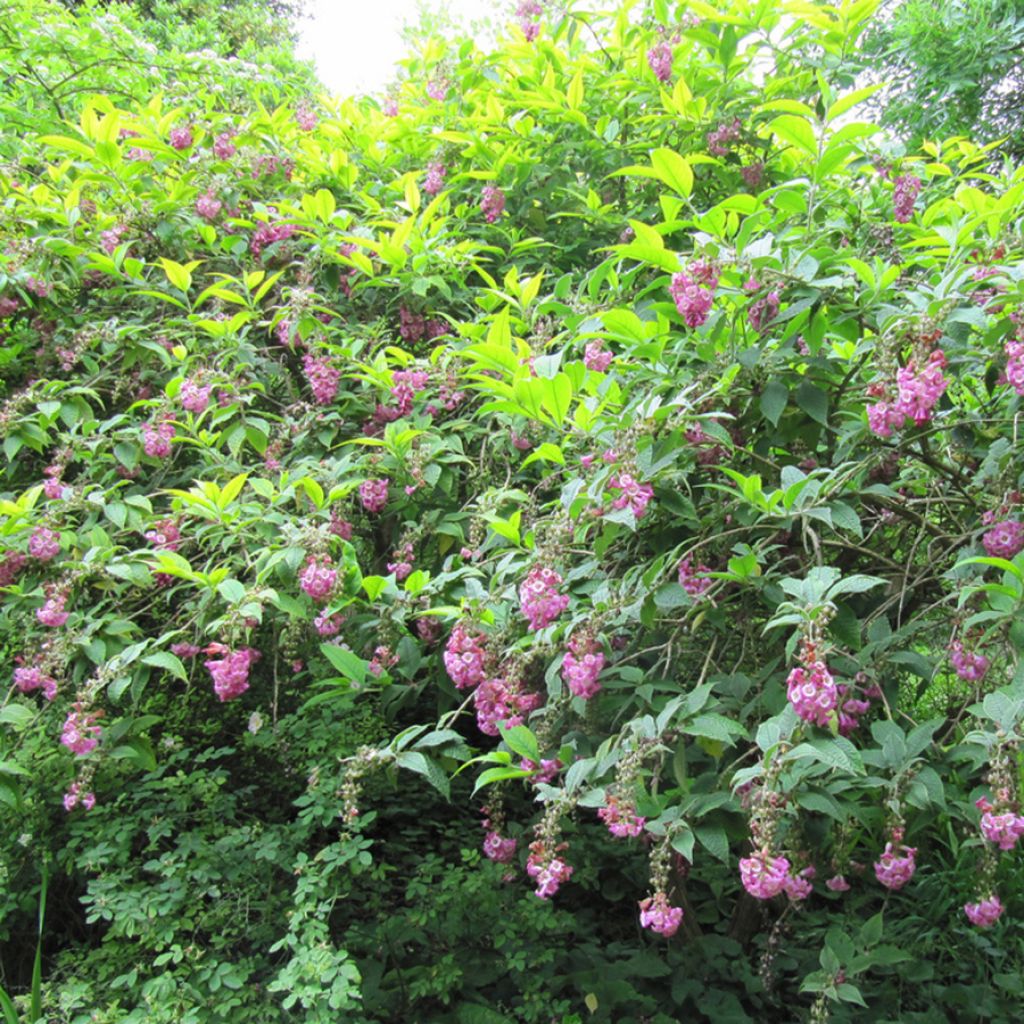
Buddleja colvilei - Butterfly Bush
Buddleja colvilei - Butterfly Bush
Buddleja colvilei
Colvile Butterfly Bush
For order 100709449 on 10th June 2020, I want to thank you for replacing the neck buddleja colvilei, which has taken well.
thierry, 21/08/2020
Back-to-school special offer!
Get €10 off for every €50 you spend! And get up to €40 off on a single order.
How does it work?
1. Shop your favourites
Add your favourite plants to your basket. For every €50 you spend (excluding delivery charges, store credit and the plastic-free option), you’ll receive a €10 voucher.
€50 spent = €10 voucher
€100 spent = €20 voucher
€150 spent = €30 voucher
€200 spent = €40 voucher
2. Place your order
Once your basket reaches one of the spending thresholds, place your order. You can even choose your delivery date!
3. Receive your voucher
As soon as your order has been shipped, you’ll receive an email containing your personal voucher code and its value.
4. Use it on your next order
Your voucher is valid for 90 days from the date you receive it. It can be used once only, on a new order worth at least the value of the voucher, excluding delivery charges.
Please note: Vouchers can be combined with other offers, but cannot be split or refunded.
Why not try an alternative variety in stock?
View all →
Available in 3 sizes
Available in 1 sizes
Available in 2 sizes
Available in 1 sizes
Available in 2 sizes
Available in 2 sizes
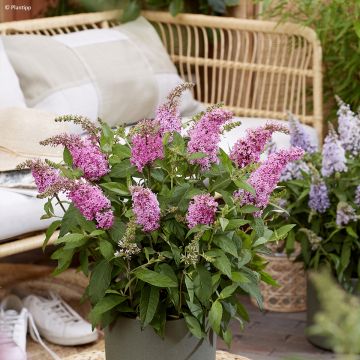
Available in 3 sizes
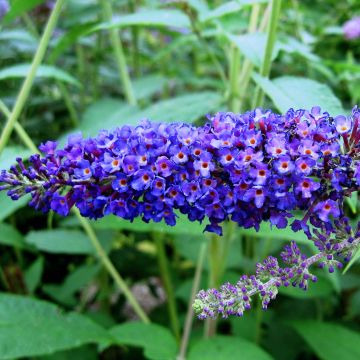
Available in 2 sizes
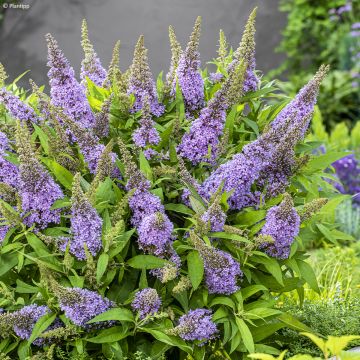
Available in 2 sizes
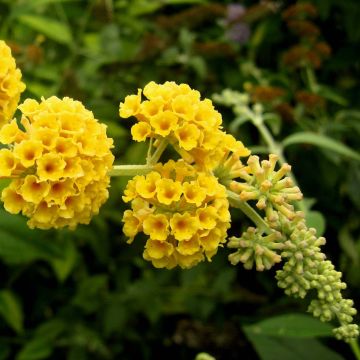
Available in 1 sizes
This plant carries a 24 months recovery warranty
More information
We guarantee the quality of our plants for a full growing cycle, and will replace at our expense any plant that fails to recover under normal climatic and planting conditions.

Would this plant suit my garden?
Set up your Plantfit profile →
Description
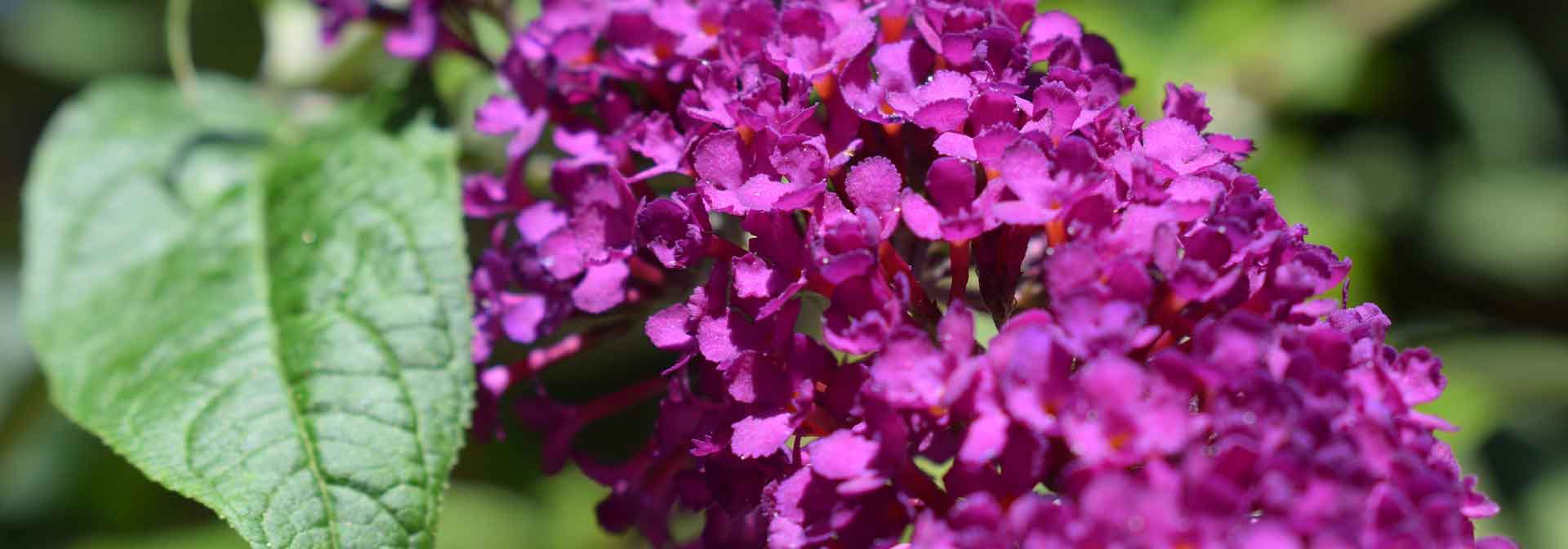
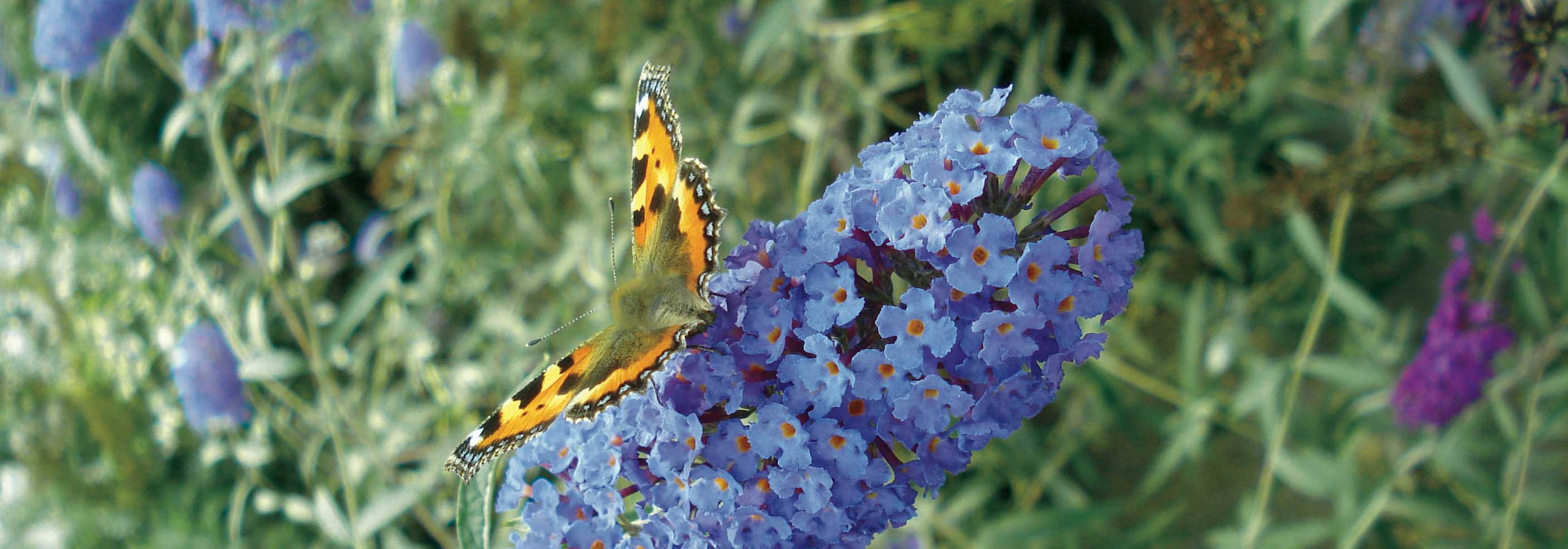
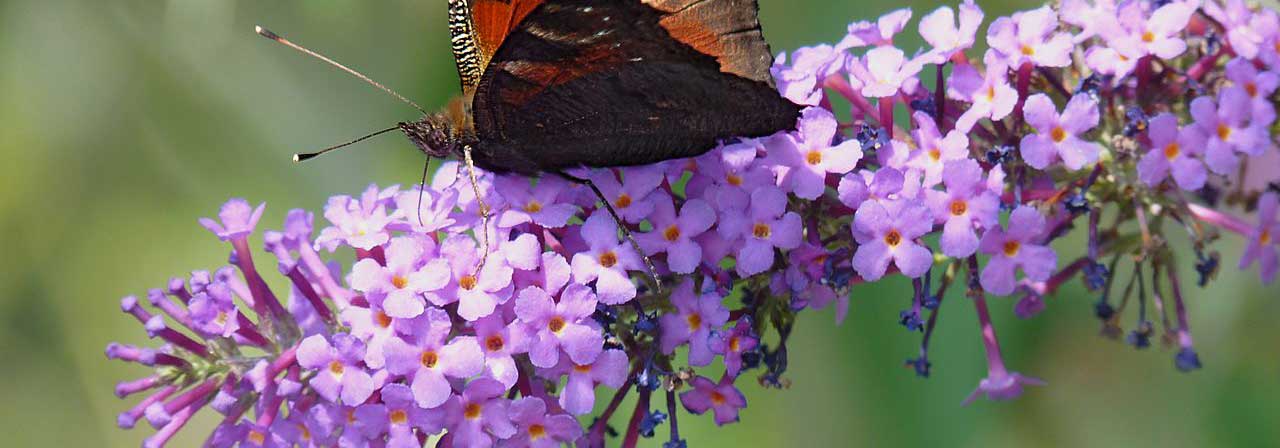
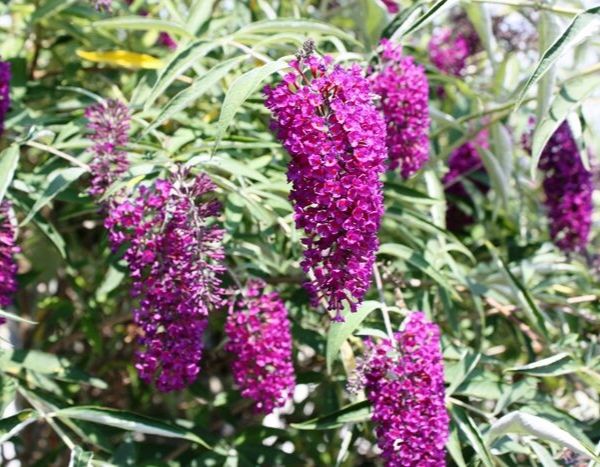
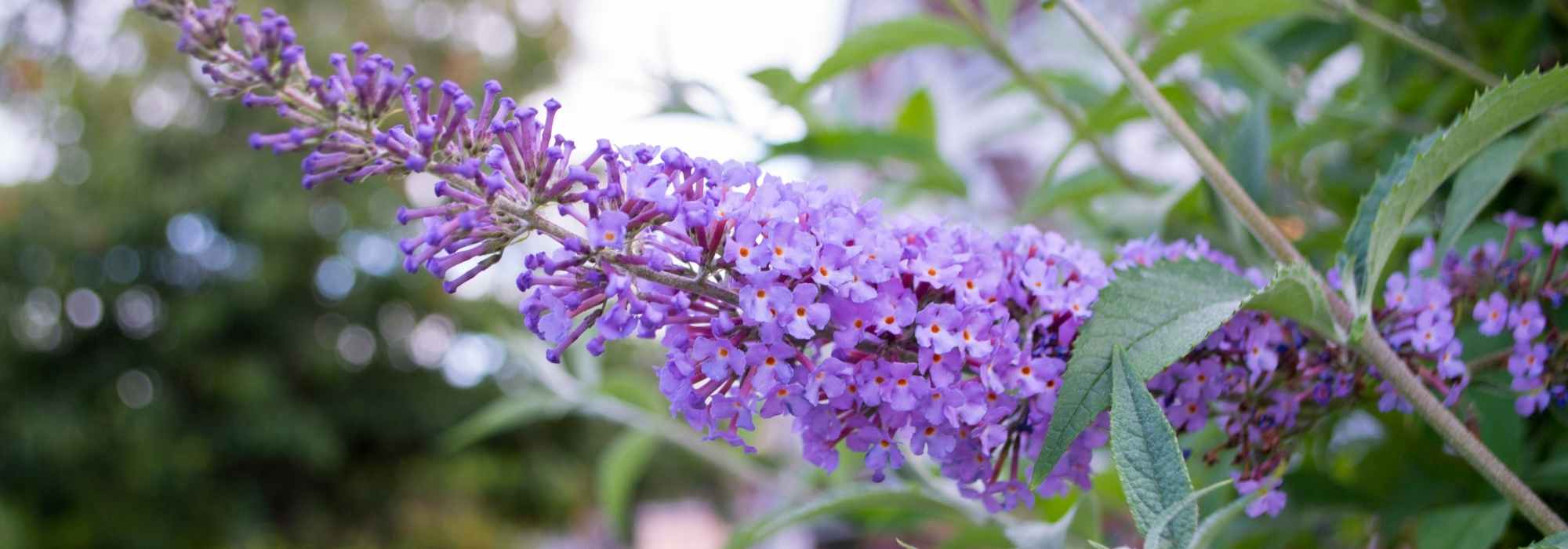
Buddleja colvilei, or Colvile's Buddleia, made William Jackson Hooker exclaim "the most beautiful of all the Himalayan bushes" when he discovered it in 1849. This large bush or small tree bears the largest flowers of the genus, and undoubtedly the most spectacular. They resemble those of weigelas, sporting a deep pink colour illuminated by a white throat, and are gathered in large dense and trailing terminal spikes that bloom from top to bottom of the plant. Its luxuriant foliage resembles that of the medlar or certain rhododendrons. A very beautiful species, but not very hardy, to be reserved for gardens spared by severe frost. It also grows very well in a large pot, to be stored away from frost.
Buddleja colvilei is a botanical species with large development from the Scrophulariaceae (buddlejaceae) family. It is native to the eastern Himalayas (Bhutan, India, Nepal, Sikkim), where it grows in open and sunny places, between 1600 m and 4200 m (5249.3 ft and 13779.5 ft) altitude. In nature, it can form a small tree up to 9 m to 12 m (29.5 ft to 39.4 ft) high, carried by a single trunk. In cultivation, and in our favourable climates, it will quickly reach about 4 m (13.1 ft) in all directions, depending on the nature of the soil. Often starting from a single and short trunk, the flexible branches of this buddleia are pubescent and brown-purple in colour. They bear large entire leaves, ovate and elliptical, measuring 10 cm to 25 cm (3.9 in to 9.8 in) long. They are thick and deeply veined, downy when young, glabrous when mature. Their colour is a medium to dark green. Flowering takes place in summer, from June-July to September depending on the climate, for about 3 weeks. The pink and white bell-shaped flowers are gathered in spikes 15 cm to 20 cm (5.9 in to 7.9 in) long, which form on one-year-old wood. This slightly fragrant flowering gives way to small capsules measuring 1 cm to 1.6 cm (0.4 in to 0.6 in) in diameter. This bush does not suffer from occasional drought in deep soil.
Whether planted alone or in a group, in a hedge or at the back of a perennial bed, Buddleia colvilei will make its owner proud and enhance the garden or terrace, depending on the region. Plant with other shrubs to create a stunning display. Its summer bi-coloured flowering harmonises with shades ranging from white to purple, as well as dark foliage: Physocarpus opulifolius 'Summer Wine', Cotinus coggygria 'Velvet Cloak', Sedum 'Matrona', Hibiscus acetosella, or even a purple Phormium tenax will keep it company, being careful to place them in a sunny location. You can also plant it in a tall free hedge, on the boundaries of the garden. Gardeners in colder areas can welcome it on a terrace, as it adapts well to growing in large pots.
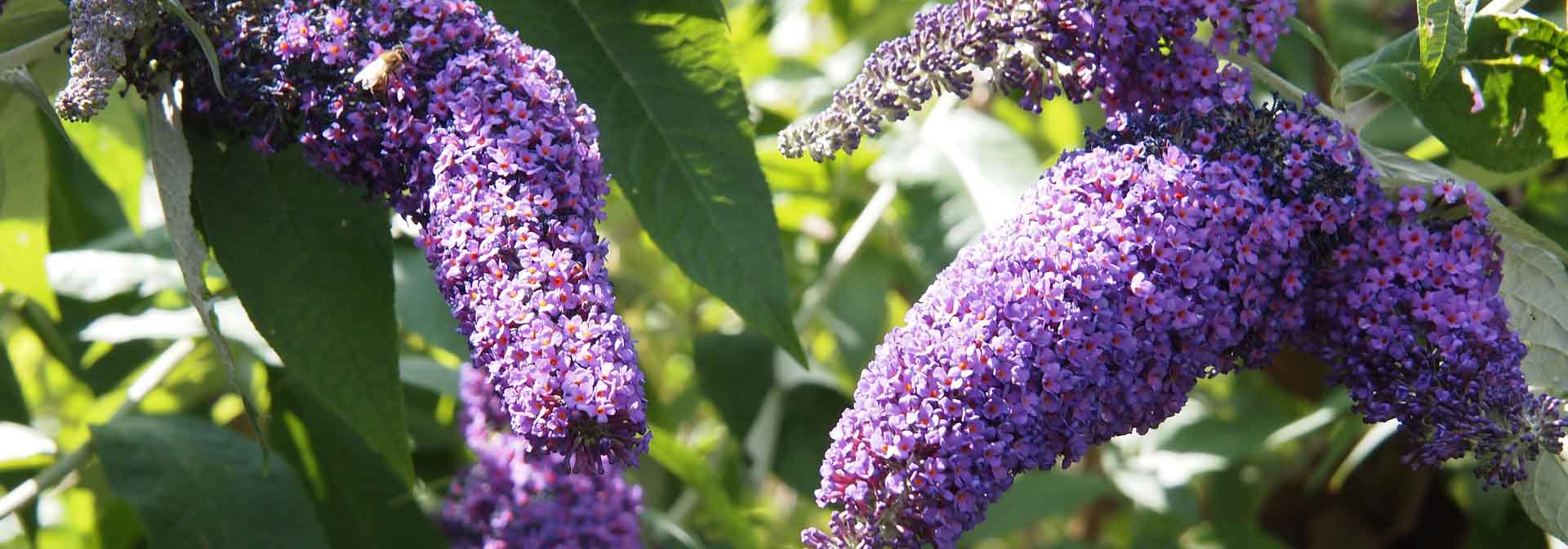
Buddleja colvilei - Butterfly Bush in pictures
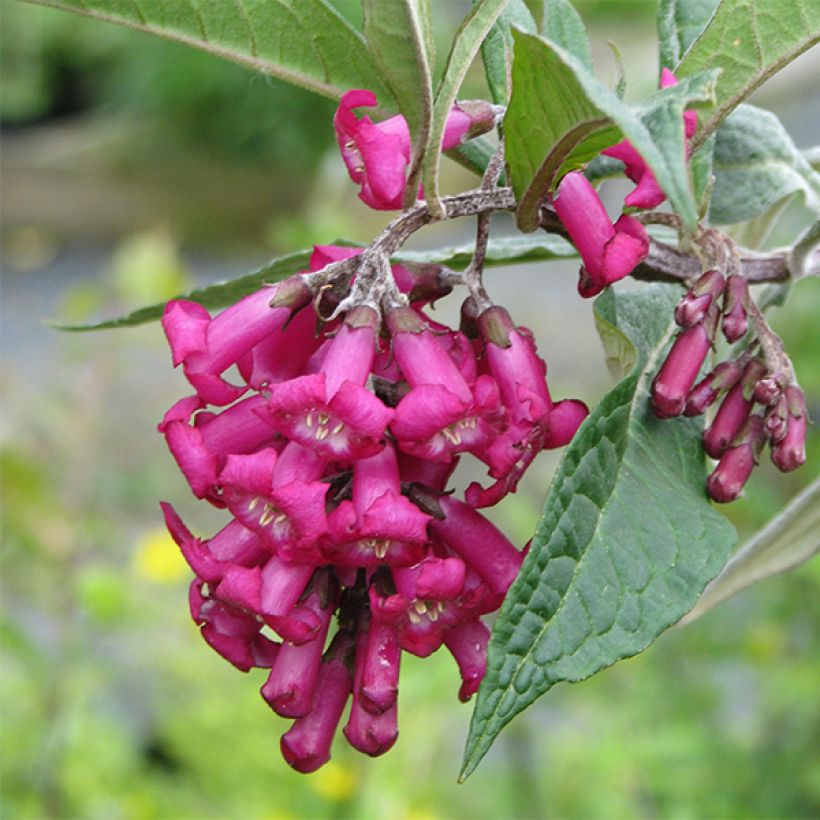
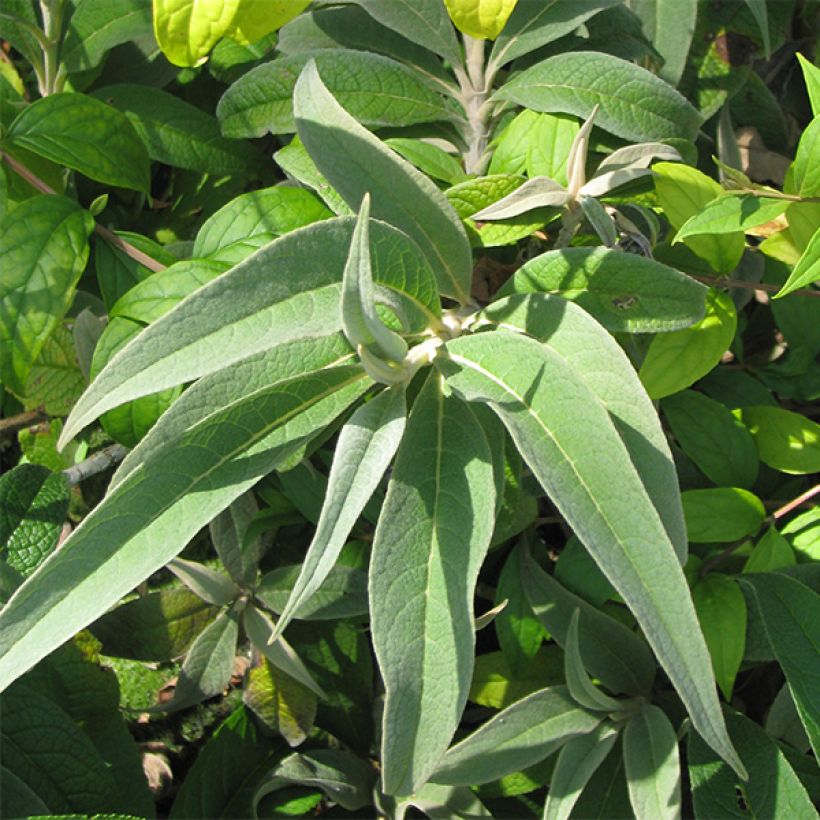
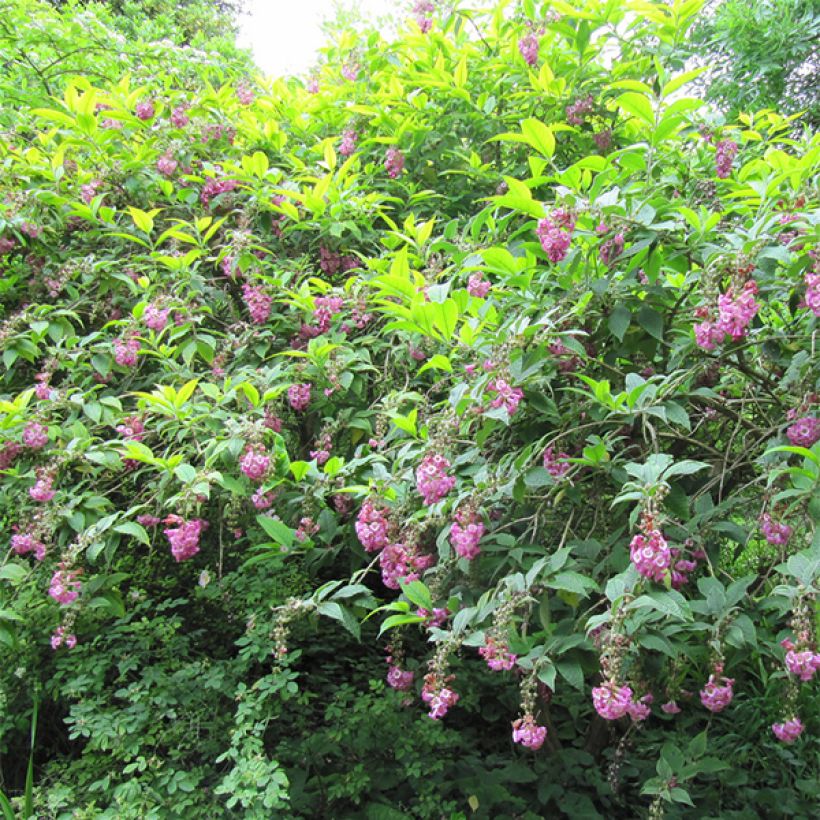
Plant habit
Flowering
Foliage
Botanical data
Buddleja
colvilei
Scrophulariaceae
Colvile Butterfly Bush
Himalayas
Planting and care
Buddleia colvilei likes fertile soils that remain fairly moist in summer. Plant in autumn in mild climates, or in spring in slightly cooler areas, in any well-drained, light, and fertile soil, preferably in full sun and in a sheltered position to improve its hardiness. You can plant it against a south-facing wall, as it can be trained very well. Avoid pruning it so that it can grow freely, produce flowers on its one-year-old branches, and form a small tree. If pruning becomes necessary, it should be done just after flowering, in early summer in mild climates. This will give the bush the opportunity to form branches that will flower the following year. It can be susceptible to attacks from red spider mites, and its foliage can be attacked by Botrytis in humid climates.
Pot cultivation:
In areas colder than -10° C (14° F), plant in a pot: choose a large container and pace it outside from May to September, in full sun. Water regularly to promote flower production. Prune after flowering to reduce the size of the bush so that it can be overwintered in a cool, very bright, unheated but frost-free room. Reduce watering, allow the substrate to dry between waterings. Fertilise in spring with a slow-release fertiliser for flowering shrubs.
Planting period
Intended location
Care
Planting & care advice
-
-
-
-
-
-
-
-
-
, onOrder confirmed
Reply from on Promesse de fleurs
Recently viewed products
Haven't found what you were looking for?
Hardiness is the lowest winter temperature a plant can endure without suffering serious damage or even dying. However, hardiness is affected by location (a sheltered area, such as a patio), protection (winter cover) and soil type (hardiness is improved by well-drained soil).

The flowering period indicated on our website applies to countries and regions located in USDA zone 8 (France, the United Kingdom, Ireland, the Netherlands, etc.)
It will vary according to where you live:- In zones 9 to 10 (Italy, Spain, Greece, etc.), flowering will occur about 2 to 4 weeks earlier.
- In zones 6 to 7 (Germany, Poland, Slovenia, and lower mountainous regions), flowering will be delayed by 2 to 3 weeks.
- In zone 5 (Central Europe, Scandinavia), blooming will be delayed by 3 to 5 weeks.
In temperate climates, pruning of spring-flowering shrubs (forsythia, spireas, etc.) should be done just after flowering.
Pruning of summer-flowering shrubs (Indian Lilac, Perovskia, etc.) can be done in winter or spring.
In cold regions as well as with frost-sensitive plants, avoid pruning too early when severe frosts may still occur.
The planting period indicated on our website applies to countries and regions located in USDA zone 8 (France, United Kingdom, Ireland, Netherlands).
It will vary according to where you live:
- In Mediterranean zones (Marseille, Madrid, Milan, etc.), autumn and winter are the best planting periods.
- In continental zones (Strasbourg, Munich, Vienna, etc.), delay planting by 2 to 3 weeks in spring and bring it forward by 2 to 4 weeks in autumn.
- In mountainous regions (the Alps, Pyrenees, Carpathians, etc.), it is best to plant in late spring (May-June) or late summer (August-September).
The harvesting period indicated on our website applies to countries and regions in USDA zone 8 (France, England, Ireland, the Netherlands).
In colder areas (Scandinavia, Poland, Austria...) fruit and vegetable harvests are likely to be delayed by 3-4 weeks.
In warmer areas (Italy, Spain, Greece, etc.), harvesting will probably take place earlier, depending on weather conditions.
The sowing periods indicated on our website apply to countries and regions within USDA Zone 8 (France, UK, Ireland, Netherlands).
In colder areas (Scandinavia, Poland, Austria...), delay any outdoor sowing by 3-4 weeks, or sow under glass.
In warmer climes (Italy, Spain, Greece, etc.), bring outdoor sowing forward by a few weeks.
Shipping country and language
Your country of residence may be:
Your country of residence is:
For a better user experience on our website, you can select:
Your shipping country:
-
 Austria
-
 Belgium
-
 Bosnia & Herzegovina
-
 Bulgaria
-
 Croatia
-
 Cyprus
-
 Czechia
-
 Denmark
-
 Estonia
-
 Finland
-
 France
-
 Germany
-
 Greece
-
 Hungary
-
 Iceland
-
 Ireland
-
 Italy
Italy
-
 Latvia
-
 Liechtenstein
-
 Lithuania
-
 Luxembourg
-
 Malta
Malta
-
 Netherlands
-
 Poland
-
 Portugal
-
 Romania
-
 Serbia
-
 Slovakia
-
 Slovenia
-
 Spain
Spain
-
 Sweden
-
 Switzerland
Language:
-
French
-
 English
-
Spanish
-
Italian
-
German
-
Portuguese
-
Dutch
-
Finnish
My Account
Hello
My wish lists
My cart
Log in / Register
Existing customer?
This form is protected by reCAPTCHA - the Google Privacy Policy and Terms of Service apply.
New customer?
Create an account to track your orders, access our customer service and, if you wish, make the most of our upcoming offers.