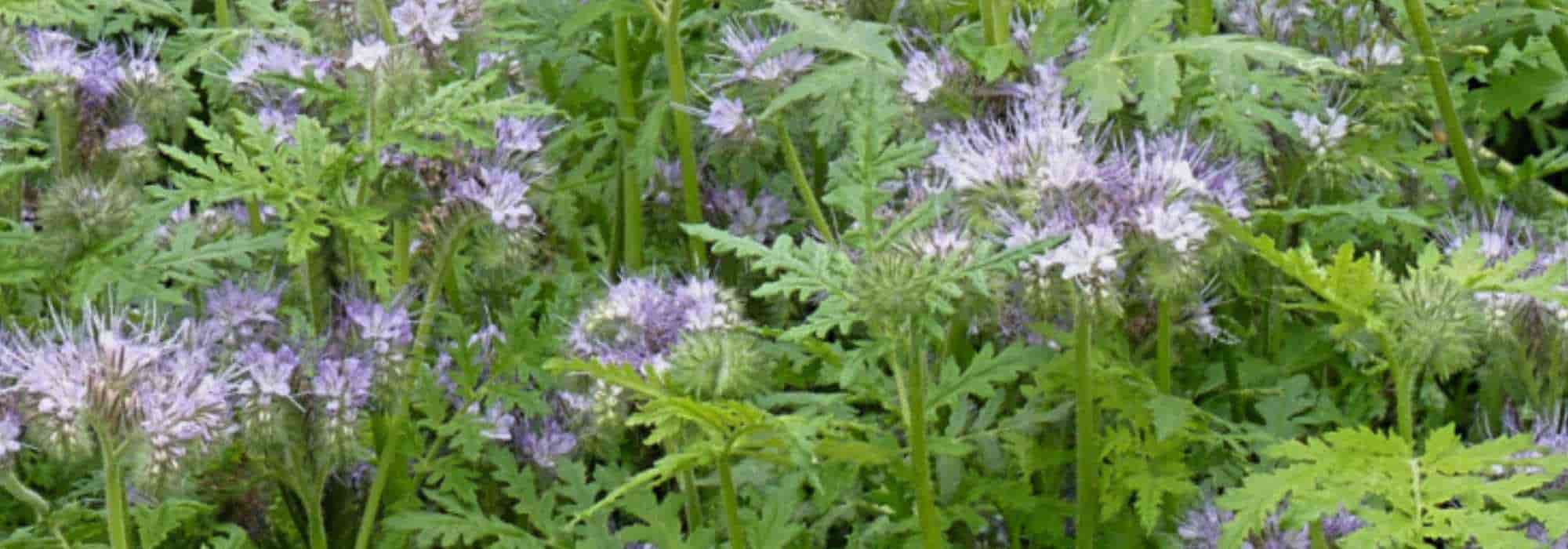
Green manures: mistakes to avoid
to naturally enrich garden soil
Contents
Green fertilisers are increasingly popular with gardeners keen to improve the quality of their soil naturally. Used mainly in the vegetable garden, they help protect soil, limit unwanted weeds, encourage biodiversity and enrich soil with organic matter. Yet, despite their many benefits, some mistakes can significantly reduce their effectiveness.
From a poor choice of varieties, poorly executed sowing or late cutting, pitfalls are common. To get the most from green fertilisers, a few good practices are essential.

Why use green manures in the garden?
Green manures are various plants sown temporarily to improve soil properties. Among the best known are phacelia, white mustard, crimson clover, vetch or rye.
Their root systems naturally loosen the soil, promote microbial activity and improve soil structure. Some species, notably legumes, even capture nitrogen from the air and return it gradually to the soil, which will help growth of subsequent crops.
By covering ground between crops, these plants also limit erosion, leaching of nutrients and proliferation of adventive plants. Garden remains alive year-round, even out of season.
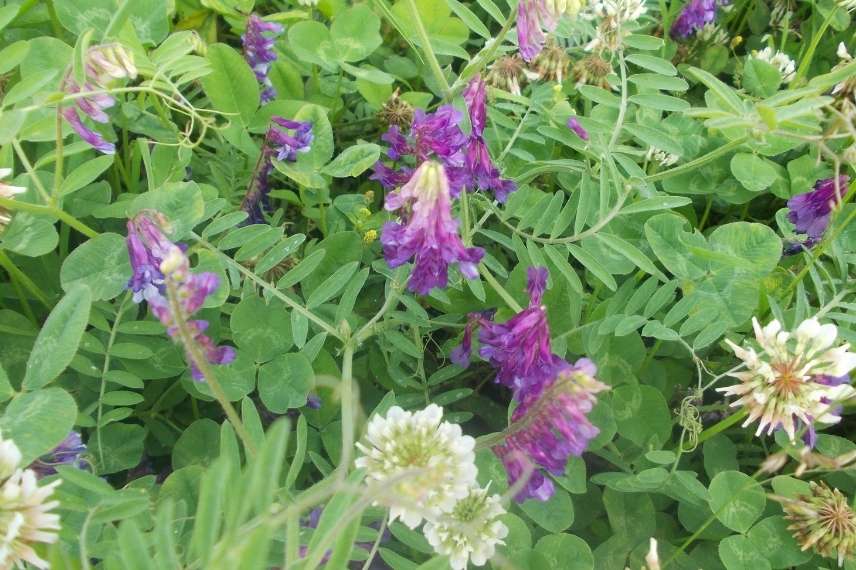
Vetch and white clover
Read also
Green manures: why, how?Choosing green manure unsuitable for your soil
This is one of the most common mistakes. Not all green manures meet the same needs. Sowing a species unsuited to soil type or season can lead to poor growth, even failure of the cover crop.
In heavy, clay soil, deep-rooting plants such as rye or field bean will be more effective at loosening the soil. On poor or sandy soil, legumes such as vetch or clover are better at improving fertility.
Climate also plays an important role. Some species tolerate cold poorly, while others cope badly with summer drought. Before sowing, consider local conditions and desired objectives: soil enrichment, winter protection, weed suppression or structure improvement.
| Soil type | Suitable green manures | Main benefit |
|---|---|---|
| Clayey, heavy or compacted soil | Field bean, fodder radish, rye, phacelia | Loosen and structure soil thanks to strong or dense roots. |
| Sandy, light or poor soil | Vetch, clover, lupin, buckwheat, phacelia, lucerne | Add organic matter, reduce leaching and improve fertility. |
| Calcareous soil | Sainfoin, lucerne, clover, white mustard | Tolerate calcareous, often free-draining and dry soils. |
| Acidic soil | Rye, oats, lupin, buckwheat | Show better tolerance of acidic, low-fertility soils. |
| Humus-bearing or already fertile soil | Phacelia, oats, white mustard | Quickly cover soil without primarily aiming to correct a deficiency. |
Sowing too late or in poorly prepared soil
Sowing carried out too late in autumn often prevents plants from establishing properly before winter. Young shoots remain weak and cover ground poorly. Conversely, sowing carried out too early in summer can suffer from severe lack of water.
Most green manures are sown between August and October, when soil is still warm and sufficiently moist to ensure good emergence before winter. In spring, sow between March and May.
To succeed with green manure sowing, soil should be lightly worked at the surface, cleared of large plant debris and brought to a fine tilth. Seeds should then be spread evenly before light raking. Watering after sowing encourages rapid emergence, especially in dry spells.
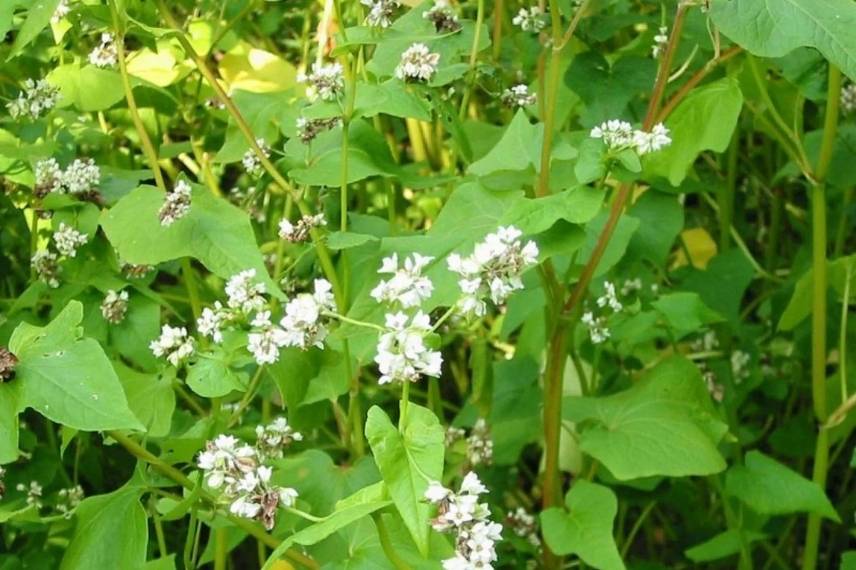
Buckwheat
Allow green manures to set seed
This is a common mistake that can quickly become problematic. When green manures reach ripeness and produce seeds, they may reseed themselves spontaneously throughout the garden.
Cutting should take place before full flowering or just at its onset, depending on species. At that stage, stems remain tender and break down more easily in the soil. An overdeveloped plant produces fibrous stems that take much longer to decompose. This can slow future plantings and complicate the gardener’s work.
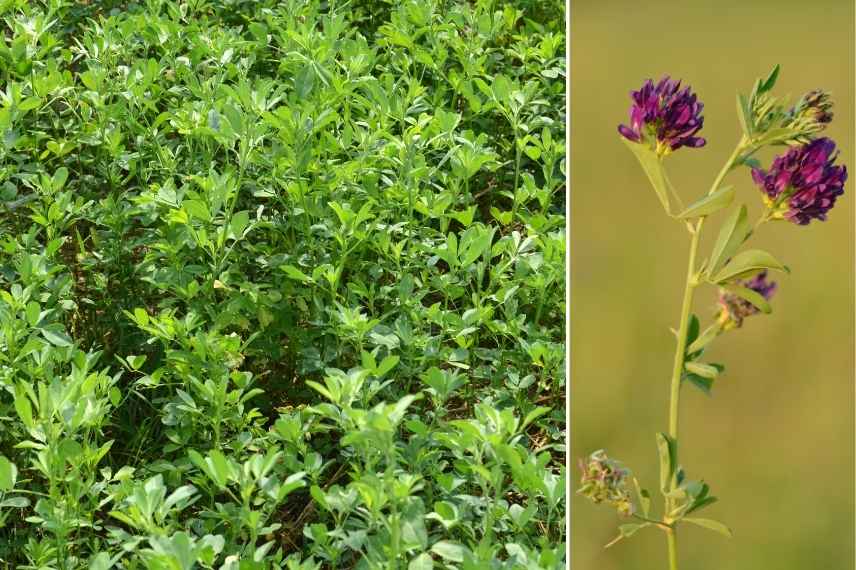
Lucerne is mown before its flowers set seed
Burying plants too deeply
Contrary to popular belief, it is not necessary to turn soil deeply after destroying green manures; quite the opposite. Excessive burying disrupts biological life of soil and slows decomposition of organic matter.
After cutting, plant residues can be left on the surface for a few days to begin drying. They can then be incorporated shallowly to a depth of just a few centimetres.
This method is kinder to micro-organisms and earthworms, essential to a living, fertile soil. In a natural garden, it is best to limit intensive spading.
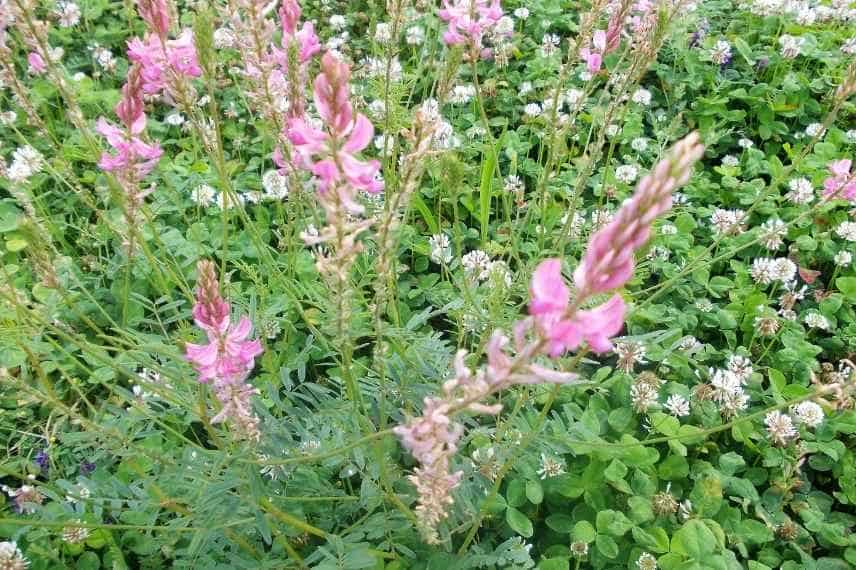
Sainfoin and clover
Neglecting decomposition time before planting
After mowing green manures, soil needs some time before accepting new crops. This phase allows plants to begin decomposing without disturbing young plantings.
Planting vegetables too quickly can cause a temporary nitrogen deficiency, especially with carbon-rich plants such as rye. Crops may then turn yellow or struggle to grow.
In most cases, wait two to three weeks before sowing or planting after mowing green manures. This resting period also promotes stabilisation of organic matter in soil.
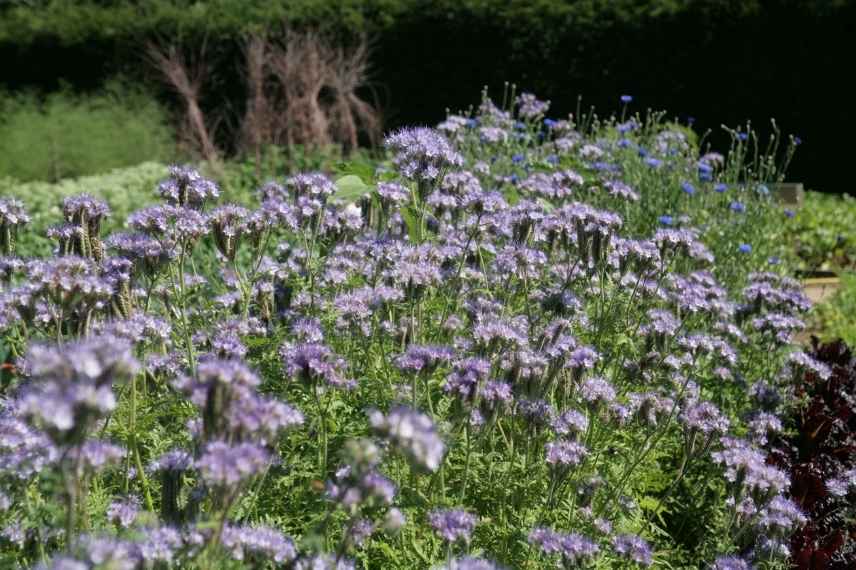
Always use the same species
Like with vegetable crops, diversity remains important. Sowing the same plant repeatedly eventually upsets soil balance and can favour certain diseases or pests.
Varying species of green manures allows you to benefit from their complementary strengths. For example, grasses improve soil structure thanks to their dense root system, while legumes naturally enrich soil with nitrogen. Crucifers, such as mustard, quickly cover ground and limit weed growth.
Mixtures of green manures are also an excellent solution for combining several benefits in the garden.
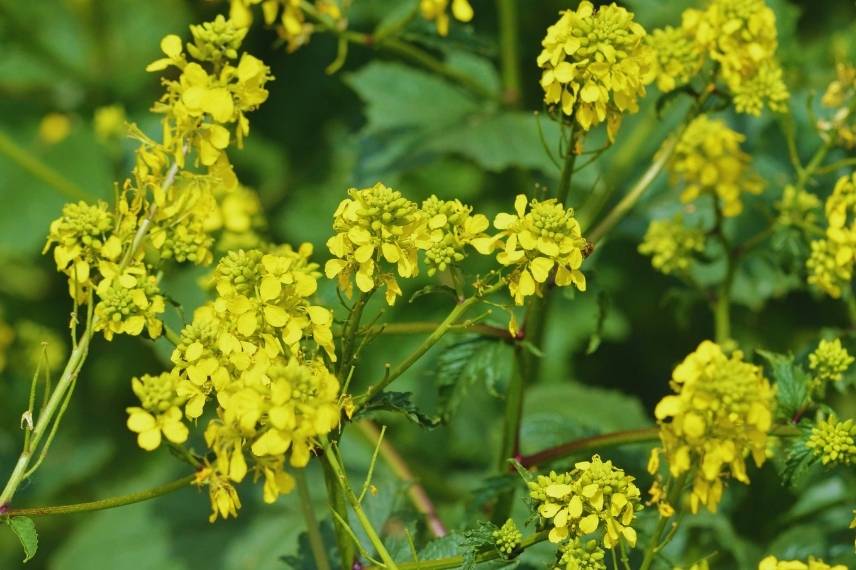
White mustard
Ignoring impact on crop rotation
Some plants used as green manure belong to the same botanical families as vegetable garden crops. This is notably the case for mustard and cabbages, both from Brassicaceae.
Planting a green manure of the same family before a vegetable crop can favour transmission of diseases or attract common pests.
To preserve balance in a vegetable garden, it is preferable to include green manure in a proper crop rotation.
| Green manure | Avoid before | Works well before |
|---|---|---|
| White mustard | Cabbages, radishes, turnips, rocket | Tomatoes, squashes, lettuces, leeks |
| Vetch | Peas, broad beans, beans | Cabbages, tomatoes, courgettes, lettuces |
| Field bean | Peas, broad beans, beans | Leeks, tomatoes, squashes |
| Crimson clover | Peas, beans, broad beans | Leafy vegetables, tomatoes, cucurbitaceous crops |
| White clover | Peas, beans, broad beans | Cabbages, tomatoes, courgettes, leeks |
| Lucerne | Peas, broad beans, beans | Heavy-feeding vegetables such as tomatoes or squashes |
| Sainfoin | Peas, broad beans, beans | Potatoes, tomatoes, fruiting vegetables |
| Rye | Few major incompatibilities | Potatoes, squashes, heavy-feeding vegetables |
| Phacelia | No known incompatibilities in vegetable garden | Almost all crops |
| Buckwheat | Few major incompatibilities | Carrots, potatoes, summer vegetables |
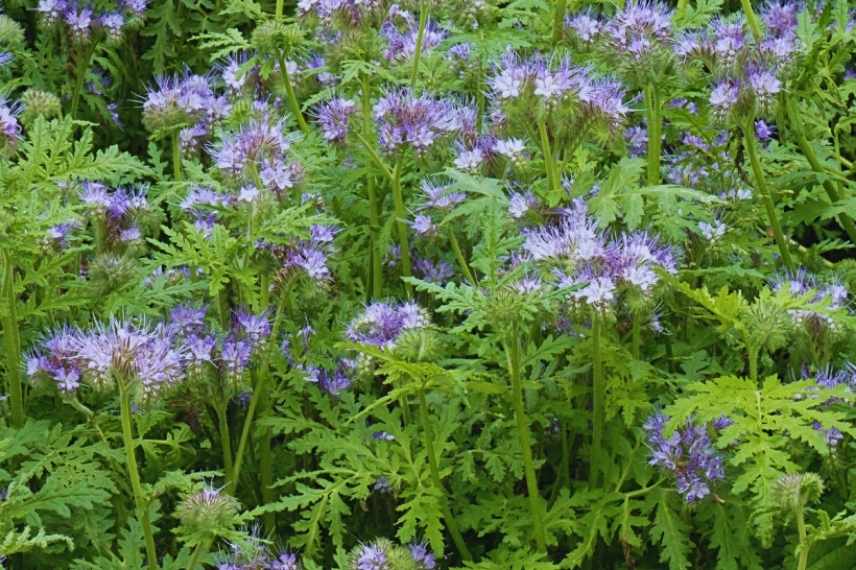
Phacelia remains one of the best green manures in a vegetable rotation, as it does not belong to any major family of common vegetable garden crops.
- Subscribe!
- Contents
This form is protected by reCAPTCHA - the Google Privacy Policy and Terms of Service apply.

































Comments