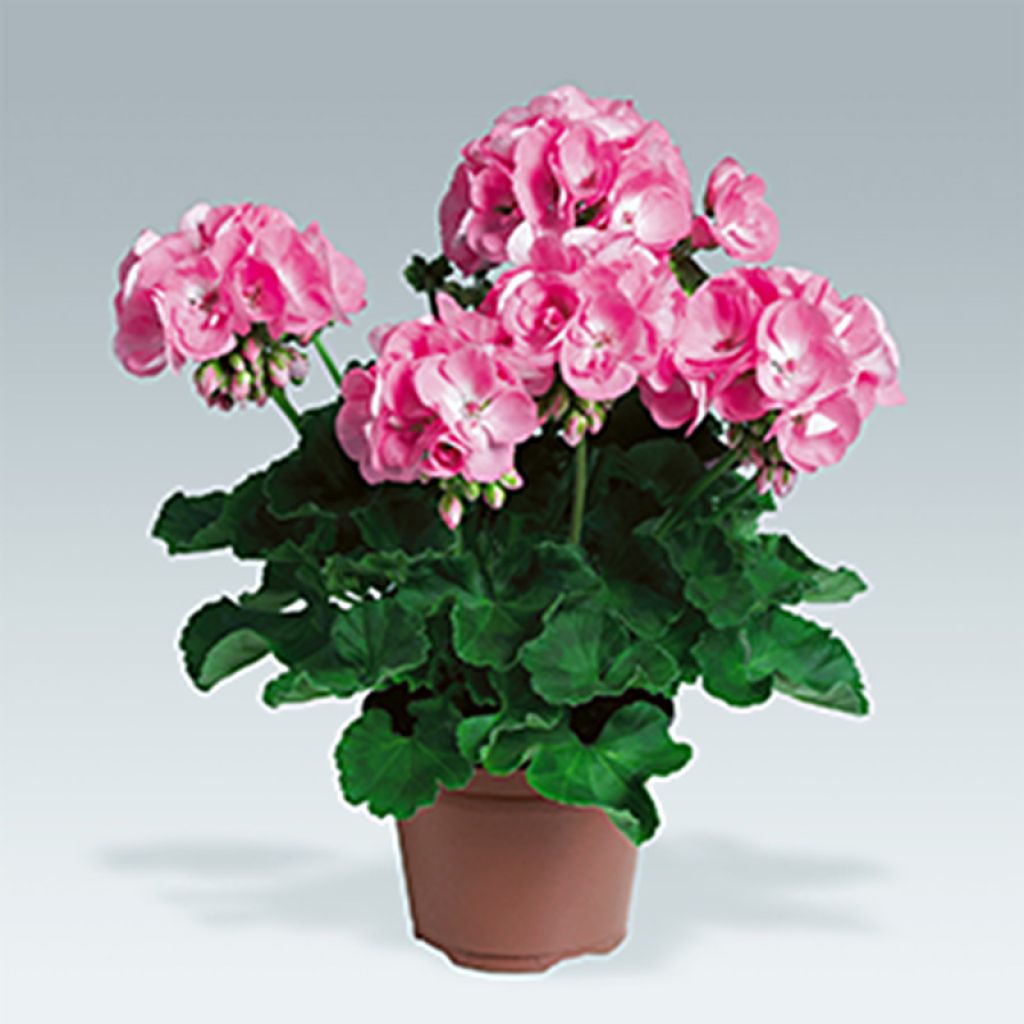
Pelargonium hortorum Candy Rose
Pelargonium hortorum Candy Rose
Pelargonium hortorum PAC Candy Rose
Zonal geranium, Garden geranium
These geraniums never flourished as they were received too small in June. The photo is misleading.
Valentine D., 28/11/2017
Back-to-school special offer!
Get €10 off for every €50 you spend! And get up to €40 off on a single order.
How does it work?
1. Shop your favourites
Add your favourite plants to your basket. For every €50 you spend (excluding delivery charges, store credit and the plastic-free option), you’ll receive a €10 voucher.
€50 spent = €10 voucher
€100 spent = €20 voucher
€150 spent = €30 voucher
€200 spent = €40 voucher
2. Place your order
Once your basket reaches one of the spending thresholds, place your order. You can even choose your delivery date!
3. Receive your voucher
As soon as your order has been shipped, you’ll receive an email containing your personal voucher code and its value.
4. Use it on your next order
Your voucher is valid for 90 days from the date you receive it. It can be used once only, on a new order worth at least the value of the voucher, excluding delivery charges.
Please note: Vouchers can be combined with other offers, but cannot be split or refunded.
This plant carries a 6 months recovery warranty
More information
We guarantee the quality of our plants for a full growing cycle, and will replace at our expense any plant that fails to recover under normal climatic and planting conditions.
Would this plant suit my garden?
Set up your Plantfit profile →
Description
Pelargonium hortorum Candy Rose is a vigorous perennial plant with a compact and round habit, bearing large heads of intense pink flowers with a lighter centre. Its healthy foliage is green with a broad darker border. With its rounded shape, this plant is perfect for small gardens, hanging baskets, and containers.
Zonal pelargoniums are perennial hybrids of the Geraniaceae family, in a broad group called Pelargonium x hortorum. They are mostly derived from P. inquinans, native to the southeastern tip of Africa, with contributions from P. zonale and P. frutetorum. This variety forms a bushy clump with a fairly compact habit, reaching a minimum size of 35cm (14in) in all directions. It flowers from spring to autumn, displaying large compound heads of bright pink flowers with a lighter centre. They are of medium size with wide petals. They contrast well with the bright green foliage. Each leaf is bordered by a wide dark green halo. Its sturdy and succulent stems bear circular, undulate leaves with dentate edges and a thick, healthy texture.
Once reserved for balconies and patios, pelargoniums are making a highly noticeable entrance in flower beds and sunny borders. Plant them en masse to create a lasting and cheerful display throughout summer. These plants tolerate drought quite well, meaning they can be combined with garden verbenas, blue lobelias, and black or purple-leaved ipomeas (Ipomoea Illusion Midnight Lace, Ipomoea Sweet Heart 'Purple'). Create beautiful pots and hanging baskets by combining them with white or red varieties, Million Bells, variegated periwinkles, Dichondra 'Silver Falls', violets, calibrachoas, and bacopas.
Please be aware that our young plug plants are professional products intended for experienced gardeners. Upon receipt, repot and store them under cover (veranda, greenhouse, cold frame) at a temperature above 14°C (57.2°F) for a few weeks before planting them outdoors, once the risk of frost has definitely passed.

Pelargonium hortorum Candy Rose in pictures
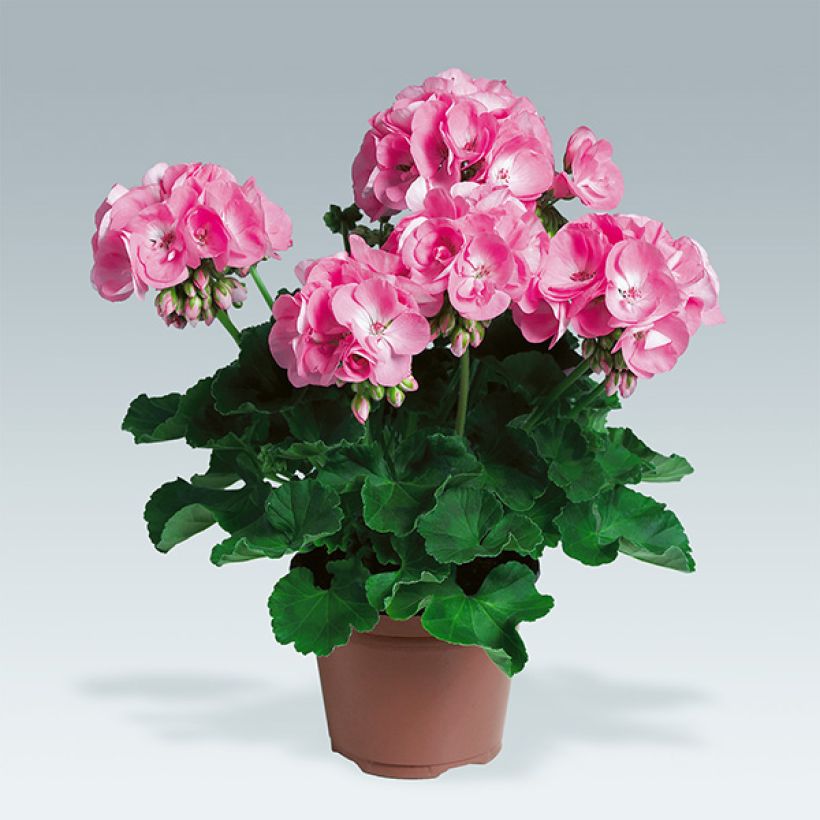
Flowering
Foliage
Plant habit
Botanical data
Pelargonium
hortorum
PAC Candy Rose
Geraniaceae
Zonal geranium, Garden geranium
Cultivar or hybrid
Planting and care
Zonal geraniums thrive in fertile, well-drained, neutral to alkaline, well-loosened soils. They prefer full sun. Geraniums are hungry plants that require regular applications of fertiliser to give their best.
You can plant pelargoniums as early as March-April in mild climate regions, but they will need to be brought indoors in case of frost. To avoid any danger, wait until the risk of frost has passed before placing them outside. When planting in pots or containers, use special geranium compost.
In the garden, wait until the end of April, or even mid-May, to plant them in the ground. Provide a special geranium growing support to your soil.
Planting period
Intended location
Care
Planting & care advice
-
-

-
-
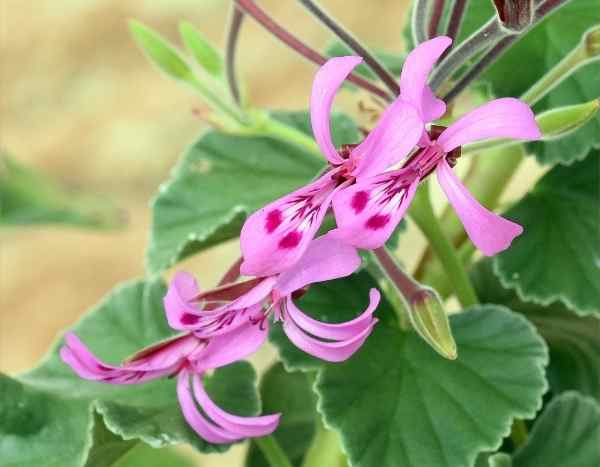
-
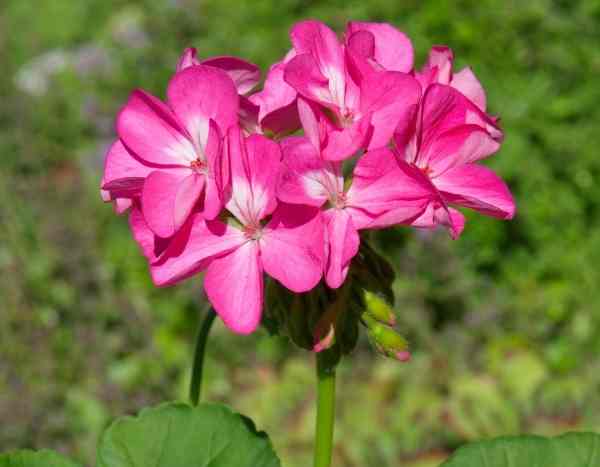
-
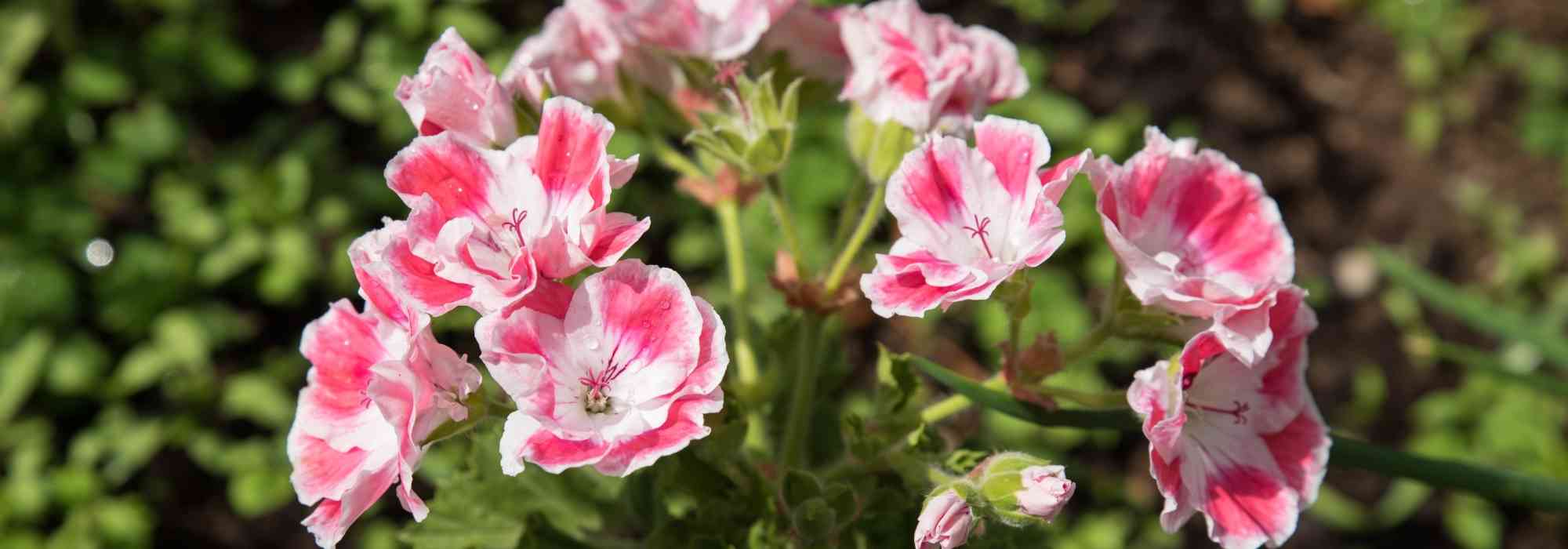
-
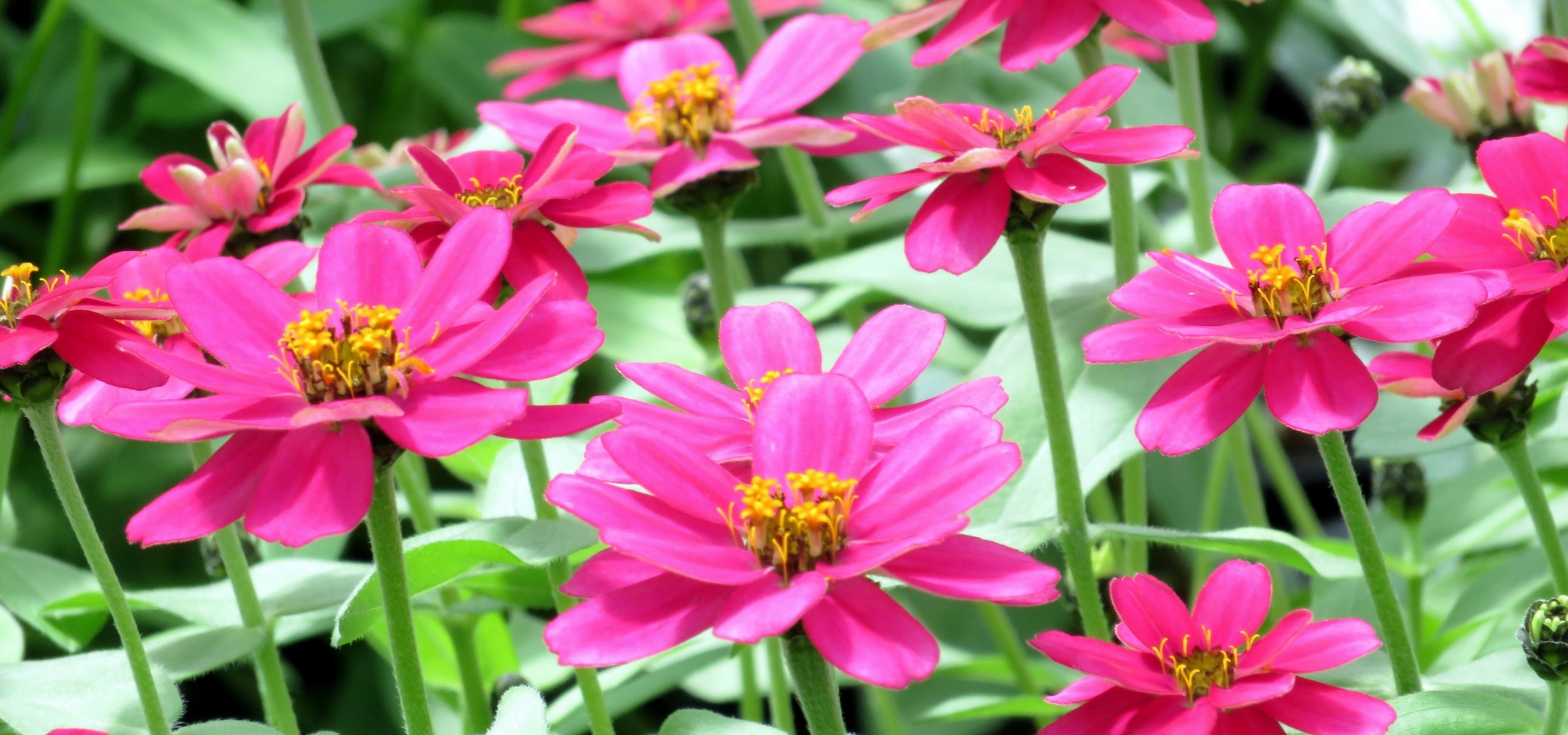
-

-
, onOrder confirmed
Reply from on Promesse de fleurs
Recently viewed products
Haven't found what you were looking for?
Hardiness is the lowest winter temperature a plant can endure without suffering serious damage or even dying. However, hardiness is affected by location (a sheltered area, such as a patio), protection (winter cover) and soil type (hardiness is improved by well-drained soil).

The flowering period indicated on our website applies to countries and regions located in USDA zone 8 (France, the United Kingdom, Ireland, the Netherlands, etc.)
It will vary according to where you live:- In zones 9 to 10 (Italy, Spain, Greece, etc.), flowering will occur about 2 to 4 weeks earlier.
- In zones 6 to 7 (Germany, Poland, Slovenia, and lower mountainous regions), flowering will be delayed by 2 to 3 weeks.
- In zone 5 (Central Europe, Scandinavia), blooming will be delayed by 3 to 5 weeks.
In temperate climates, pruning of spring-flowering shrubs (forsythia, spireas, etc.) should be done just after flowering.
Pruning of summer-flowering shrubs (Indian Lilac, Perovskia, etc.) can be done in winter or spring.
In cold regions as well as with frost-sensitive plants, avoid pruning too early when severe frosts may still occur.
The planting period indicated on our website applies to countries and regions located in USDA zone 8 (France, United Kingdom, Ireland, Netherlands).
It will vary according to where you live:
- In Mediterranean zones (Marseille, Madrid, Milan, etc.), autumn and winter are the best planting periods.
- In continental zones (Strasbourg, Munich, Vienna, etc.), delay planting by 2 to 3 weeks in spring and bring it forward by 2 to 4 weeks in autumn.
- In mountainous regions (the Alps, Pyrenees, Carpathians, etc.), it is best to plant in late spring (May-June) or late summer (August-September).
The harvesting period indicated on our website applies to countries and regions in USDA zone 8 (France, England, Ireland, the Netherlands).
In colder areas (Scandinavia, Poland, Austria...) fruit and vegetable harvests are likely to be delayed by 3-4 weeks.
In warmer areas (Italy, Spain, Greece, etc.), harvesting will probably take place earlier, depending on weather conditions.
The sowing periods indicated on our website apply to countries and regions within USDA Zone 8 (France, UK, Ireland, Netherlands).
In colder areas (Scandinavia, Poland, Austria...), delay any outdoor sowing by 3-4 weeks, or sow under glass.
In warmer climes (Italy, Spain, Greece, etc.), bring outdoor sowing forward by a few weeks.
Shipping country and language
Your country of residence may be:
Your country of residence is:
For a better user experience on our website, you can select:
Your shipping country:
-
 Austria
-
 Belgium
-
 Bosnia & Herzegovina
-
 Bulgaria
-
 Croatia
-
 Cyprus
-
 Czechia
-
 Denmark
-
 Estonia
-
 Finland
-
 France
-
 Germany
-
 Greece
-
 Hungary
-
 Iceland
-
 Ireland
-
 Italy
Italy
-
 Latvia
-
 Liechtenstein
-
 Lithuania
-
 Luxembourg
-
 Malta
Malta
-
 Netherlands
-
 Poland
-
 Portugal
-
 Romania
-
 Serbia
-
 Slovakia
-
 Slovenia
-
 Spain
Spain
-
 Sweden
-
 Switzerland
Language:
-
French
-
 English
-
Spanish
-
Italian
-
German
-
Portuguese
-
Dutch
-
Finnish
My Account
Hello
My wish lists
My cart
Log in / Register
Existing customer?
This form is protected by reCAPTCHA - the Google Privacy Policy and Terms of Service apply.
New customer?
Create an account to track your orders, access our customer service and, if you wish, make the most of our upcoming offers.