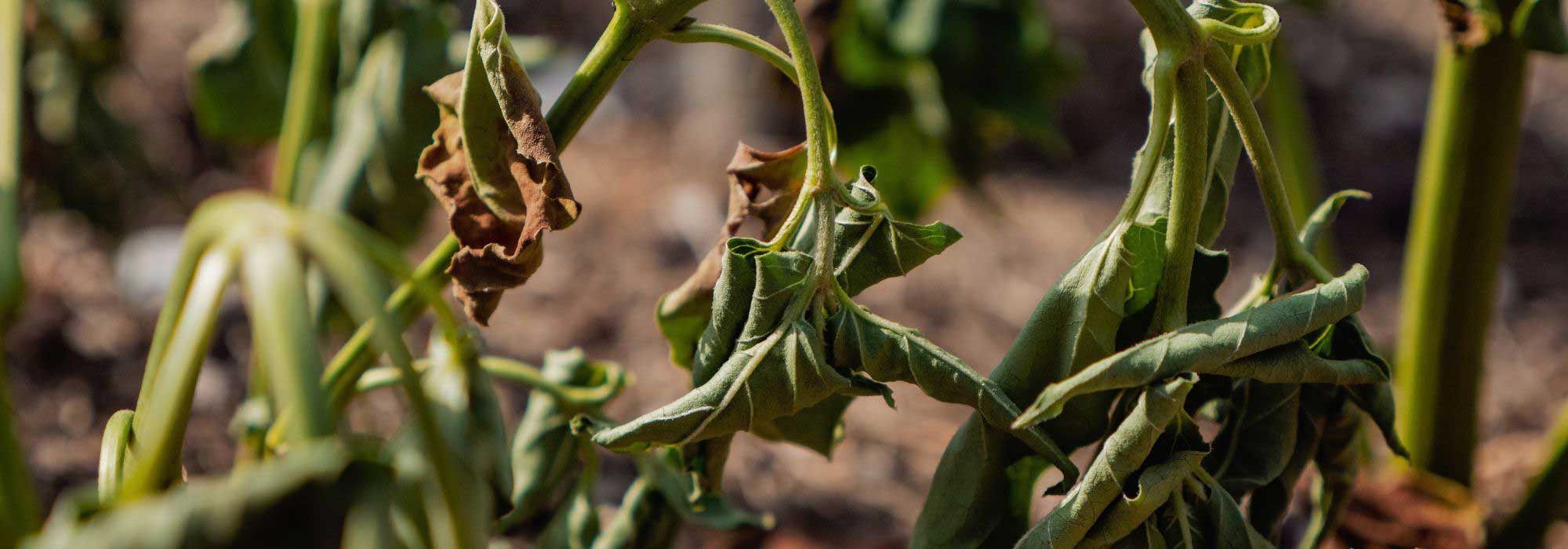
Plants scorched by drought: should they be replaced?
Don't replace your plants too soon after a drought!
Contents
After a period of drought, many plants seem dead: scorched leaves, desiccated stems, perennials vanished… Yet not all are. Some simply enter dormancy and regrow as soon as rain returns or the following spring. Before pulling up and replacing a plant, it is therefore essential to check whether it is still alive. Discover how to recognise a plant beyond recovery, when to intervene and which species to replant for a more drought-resistant garden.

Should you wait before uprooting?
| Plant type | How long to wait? |
|---|---|
| Perennials | Until the following spring for some |
| Shrubs | Several weeks after rainfall resumes |
| Roses | Check for new shoots at the base |
| Trees | Check buds in spring |
In most cases, yes, it is better to wait before uprooting the plant.
After a summer drought, it is preferable to wait a few weeks. The first late-summer or early-autumn rains sometimes suffice to revive plants thought to be lost.
For perennials, it is often recommended to wait until the following spring. Some resprout very late and their absence in autumn does not necessarily mean they are dead.
Shrubs and trees can also take time to respond. If buds appear on stems or at the base of the stump after conditions become more favourable, it is better to give them a chance to recover.
However, if several weeks after the rains no recovery is visible, the stems are entirely dry and the roots are dead, replacement becomes necessary.
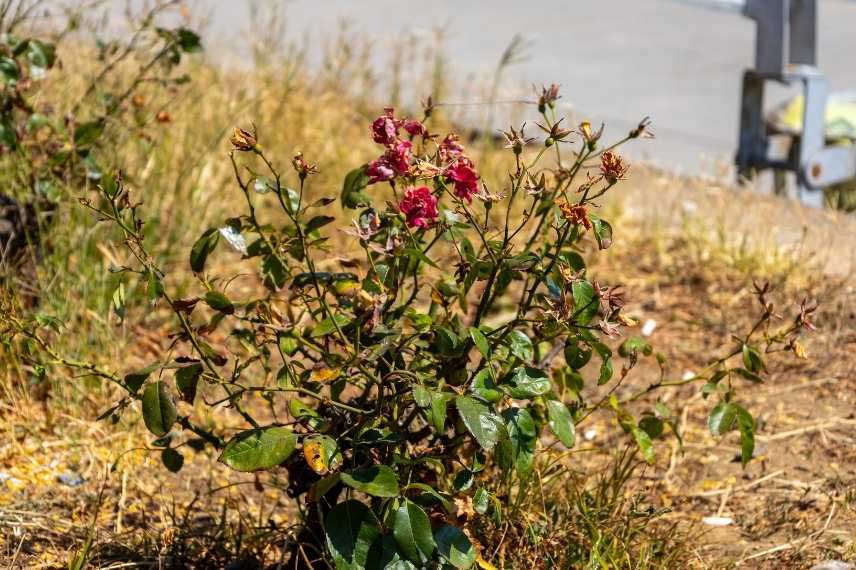
A dried-out plant is not necessarily dead.
Under prolonged drought, many plants adopt survival strategies. Some lose their leaves prematurely to limit evaporation, others allow their entire above-ground parts to dry out to preserve their roots. This phenomenon is particularly common in perennials, but also in some shrubs.
Thus, a lavender, a bushy sage, a gaura or a yarrow can appear very damaged at the end of summer and yet regrow when temperatures fall and rains return. Bulbs and certain perennials also naturally enter summer dormancy: their disappearance is therefore not synonymous with death.
Conversely, young plants, whose root system is still poorly developed, are much more sensitive to lack of water and can die within just a few weeks if not watered.
Before taking any action, it is therefore essential to check whether the plant is still alive.
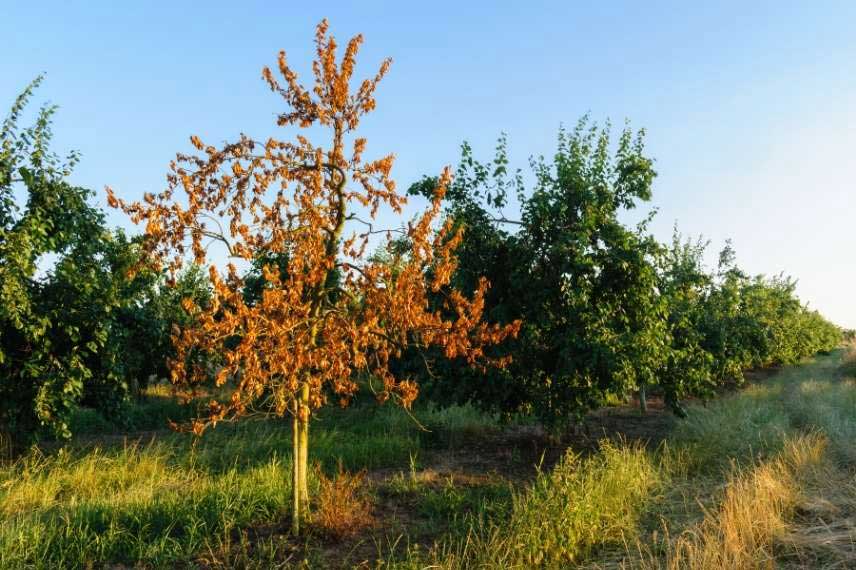
How can you tell if a plant is really dead?
First, observe the plant carefully.
On a shrub or a tree, gently scrape the bark of a young branch with a fingernail or a knife. If the tissue just under the bark is green, the branch is still alive. Conversely, if it is brown, dry and brittle on several branches, it is likely the plant has died.
Then examine the base of the plant. Many species resprout directly from the stump or the collar after a dry spell. The appearance of young buds or new shoots is an excellent sign.
For perennials, don’t rely on foliage alone. Even when completely dry, it can hide a stump that is still very much alive. Wait for the first rains or the following spring before concluding the plant has gone.
Finally, if you need to dig up a plant, examine the roots. Firm, pale or whitish roots generally indicate the plant is still alive, while black, soft or completely dried-out roots are a sign of irreversible decline.
Read also
Drought-resistant treesWhen should you replace a plant that has died from drought?
Even if a plant has died in midsummer, it is generally not the best time to replace it.
High temperatures, dry soil and watering restrictions seriously compromise the establishment of new plantings. It’s best to wait until autumn, when rains return and soil remains warm. Roots then have several months to become established before the heat of the following summer.
In regions with very cold winters, planting in spring is sometimes preferable, particularly for less hardy species.
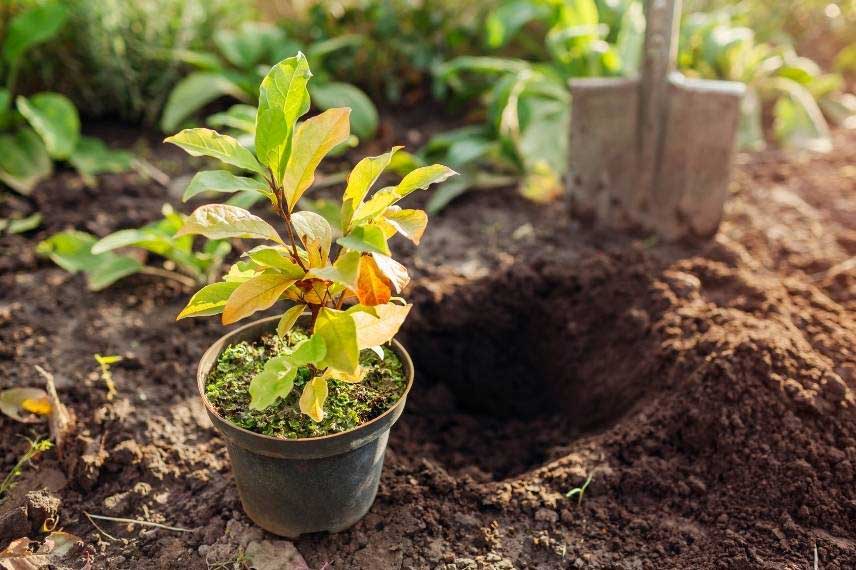
Can you replant in the same place?
Yes, provided you understand why the previous plant died.
If it simply suffered an exceptional drought, it is perfectly possible to replant in the same location.
By contrast, if soil is very poor, very free-draining or heavily competed by roots of a large neighbouring tree, it is preferable to improve growing conditions before any new planting. Adding organic matter, a thick mulch or choosing a species better adapted will improve chances of success.
How can I prevent plants from dying from drought?
With droughts set to become more frequent, a few good practices can help limit losses.
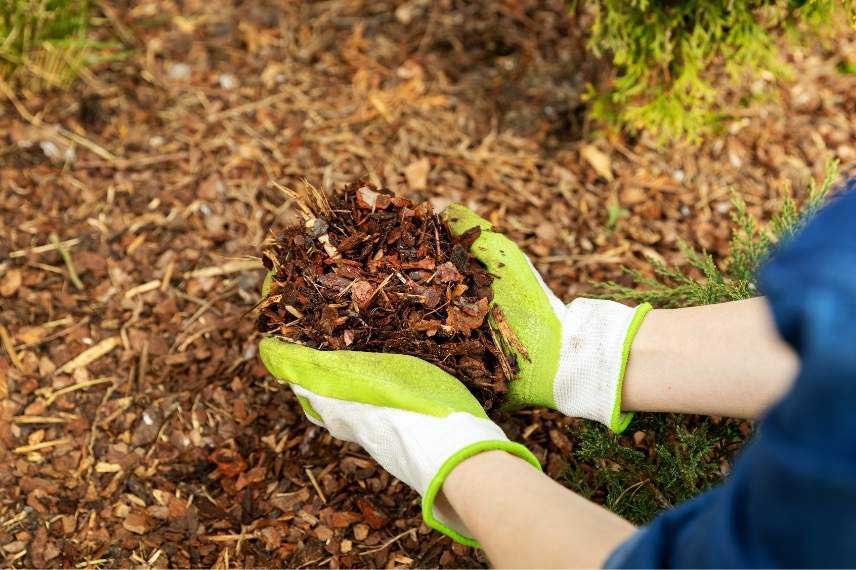
Opt for autumn planting, which favours deep rooting before summer. Mulch generously around the base of trees, shrubs and perennials to reduce water evaporation. During the first two years after planting, water deeply but less often to encourage roots to penetrate deeply.
Finally, choose plants suited to your climate and to the nature of your soil. A plant established in conditions that suit it will resist drought episodes much better than a demanding species grown in an inappropriate environment. To complete your garden, visit our page: Plantfit — plant suited to your site!
Bear in mind: don’t rush to pull up a plant after a drought. Many perennials, shrubs and even young trees can reshoot several weeks after rain returns. A simple diagnosis often prevents replacing a plant that is still very much alive.
- Subscribe!
- Contents
This form is protected by reCAPTCHA - the Google Privacy Policy and Terms of Service apply.

































Comments