Mulching is a simple and effective technique that protects the soil, limits water evaporation, reduces weed growth and enriches the soil. It is particularly useful because it makes garden care easier. Discover the benefits of mulching, how to mulch your garden correctly and how to choose the most suitable mulch!
What is mulching and what is it used for?
Mulching, or mulch in English, involves covering the soil with a layer of organic materials (chopped straw, hay, dead leaves, etc.) to protect it and improve its quality. This simple technique imitates nature: in a forest, dead leaves form a carpet that feeds and protects the soil. This protective layer acts as a natural shield, while reducing the amount of care required. Here are some good reasons to adopt it:
- Reduced watering : By retaining moisture in the soil, mulch reduces the frequency of watering required.
- Weed control : A thick layer of mulch prevents weeds from growing.
- Improved soil structure : The organic materials used for mulching decompose over time, feeding the soil and encouraging better aeration and drainage of rainwater.
- Protection against temperature fluctuations : Mulch insulates the soil, maintaining a more constant temperature that benefits plants.
- Aesthetic appeal : A well-mulched garden maintains a neat and tidy appearance !
- → Michaël explains all the benefits of mulching in Mulching: why and how?
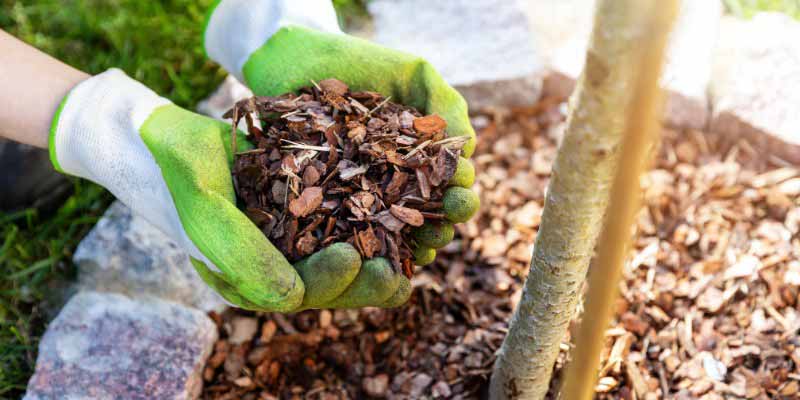
Which mulch is the most effective?
The choice of mulch depends on the garden’s specific needs and the type of crop. The best mulch is the RIGHT mulch for the job!
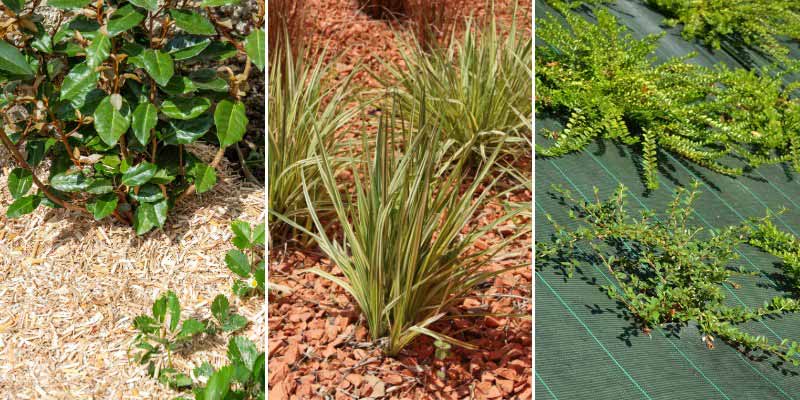
- Organic mulch : (straw, dead leaves, dried grass clippings, wood chips, hemp, flax, miscanthus, RCW, cocoa shells, buckwheat husks), helps to enrich the soil and is particularly suitable for vegetable gardens and flower borders.
- Mineral mulch : (crushed slate, pumice, gravel) improves drainage and heat retention, but does not feed the soil. It is suitable for Mediterranean plants and rock gardens.
- Synthetic mulch : (plastic sheeting or films). Less environmentally friendly, it is sometimes used for certain specific crops. It limits the appearance of unwanted weeds and reduces evaporation, but its action stops there. Dark sheeting tends to heat the soil in the sun. To find out more, read our article on the subject: “Mulching fabric: for or against?”
Good to know: at our nursery, you will find ready-to-use mulches to reduce garden care. These products are practical, easy to install and suitable for beginners. They provide the benefits of mulching quickly, without any preparation.
When should you apply mulch?
There are three good times to mulch your garden:
- At the beginning of the season: Wait until your plants have grown well before applying mulch. If you apply it too early, the seeds may not germinate properly.
- In summer: During hot spells, mulch helps retain moisture in the soil and protects roots from drought. Apply it after watering or rain so that it adheres well to the damp soil.
- In autumn: Before winter, mulch protects roots from the cold and prevents rain from damaging the soil. Natural mulches, such as leaves or straw, will also feed the soil as they decompose.
5 key steps to successful mulching
Required equipment :
- A pair of gardening gloves
- A rake for applying the mulch
- Mature compost : to enrich the soil before mulching
- Mulch of your choice
- A bag, wheelbarrow or bucket for transporting and distributing the mulch easily across the areas to be covered.
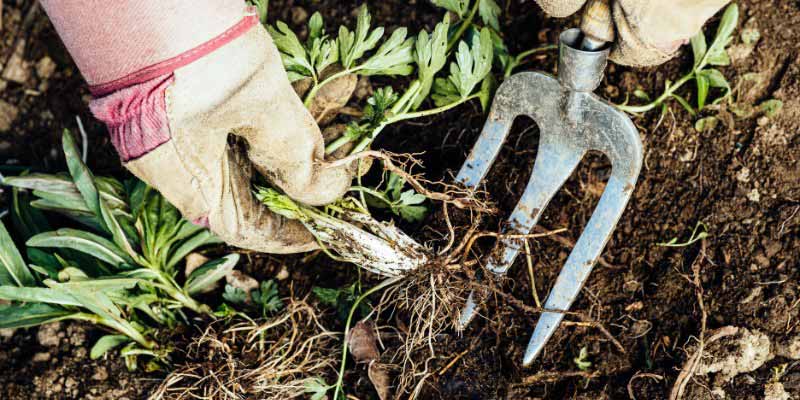
- Step 1: Weed thoroughly
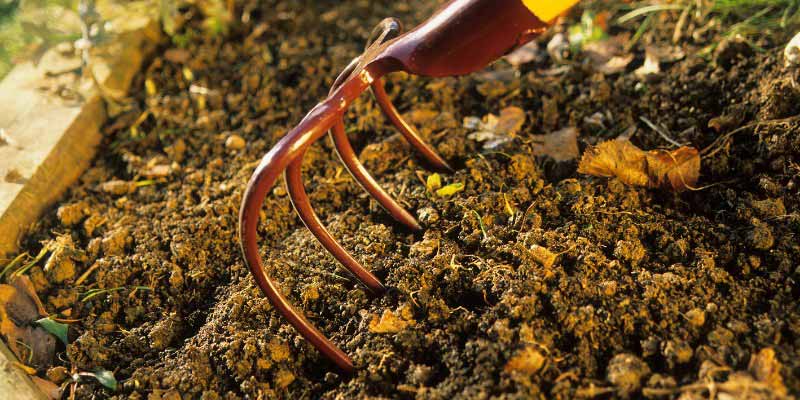
Before applying the mulch, it is essential to remove all weeds from the area to be mulched. Weed the area carefully, removing the weeds by hand or with a suitable tool. Then lightly loosen the soil with a rake to encourage water and nutrients to penetrate. If necessary, water so that the soil is thoroughly damp before applying the mulch.
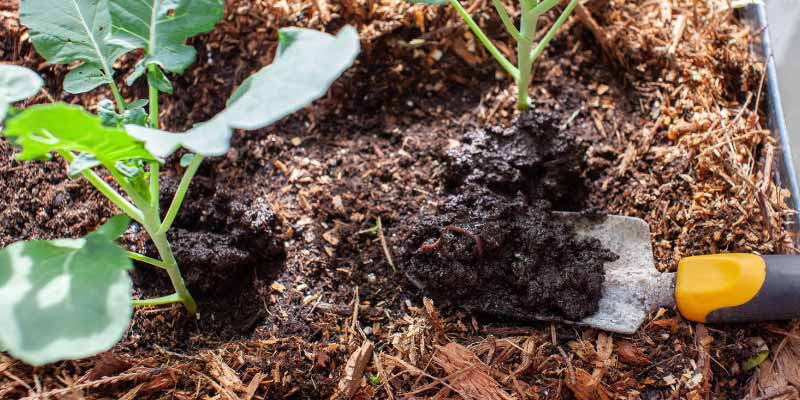
- Step 2: Add a light layer of compost (optional)
Well-nourished soil will encourage plant growth and improve the effectiveness of the mulch. Spread a thin layer of mature compost (about 1 to 2 cm) over the soil before mulching. This compost will enrich the soil with nutrients and stimulate microbial activity, ensuring more fertile soil in the long term.
- Step 3: Spread the mulch to the right depth
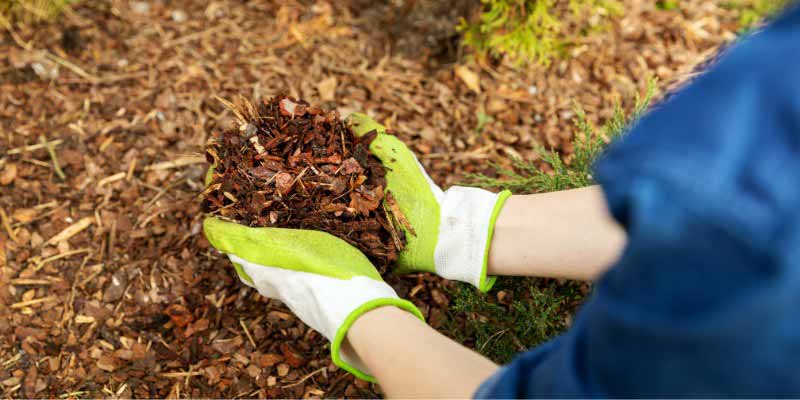
Spread the mulch evenly over the soil, maintaining a depth of 5 to 10 centimetres. A layer that is too thin will be ineffective against weeds, while a layer that is too thick will prevent water from penetrating the soil properly. Avoid placing the mulch directly against plant stems to prevent the risk of rotting.
- Step 4: Maintain and renew the mulch
Over time, organic mulch decomposes and needs to be renewed regularly. Check its condition every few months and add a new layer if necessary. If you use grass clippings, make sure you leave them to dry thoroughly before applying them to prevent them from rotting.
- Step 5: Water after applying the mulch
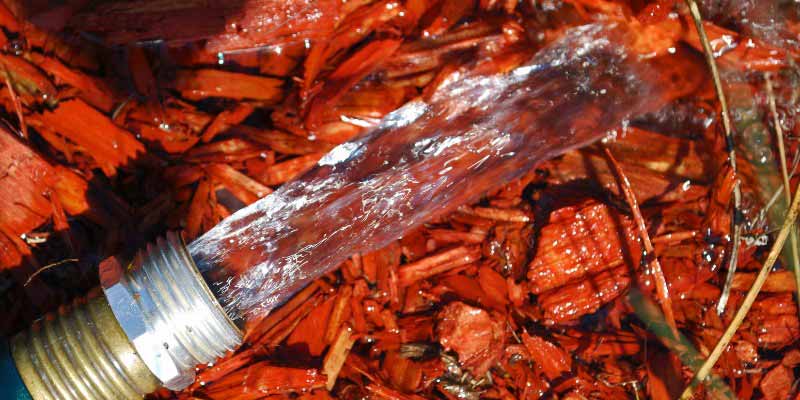
Once the mulch is properly installed, water generously so that it adheres well to the soil and begins to settle. This watering also helps to moisten the lower layers thoroughly and activate the decomposition of organic mulches.
Further advice and mistakes to avoid
- Do not mulch in strong winds, as lightweight materials such as straw, grass clippings and dead leaves may blow away from the garden. Also avoid mulching when the soil is frozen, as mulch acts as an insulator and could slow its warming in spring, delaying the return of vegetation.
- Avoid making the mulch too thick or too thin : A layer of more than 10 cm can prevent water and air from penetrating the soil, encouraging mould and root rot. Conversely, mulch that is too thin will not be effective against weeds and evaporation.
- Do not use mulch that is too wet! Excess moisture can encourage the spread of fungi and mould. Make sure the mulch remains well aerated.
- Generally, it is not necessary to remove the mulch unless it has been contaminated by diseases or pests. Organic materials can be incorporated into the soil to enrich it.


































Comments