Ligularia stenocephala - Leopard Plant
Ligularia stenocephala - Leopard Plant
Ligularia stenocephala - Leopard Plant
Ligularia stenocephala - Leopard Plant
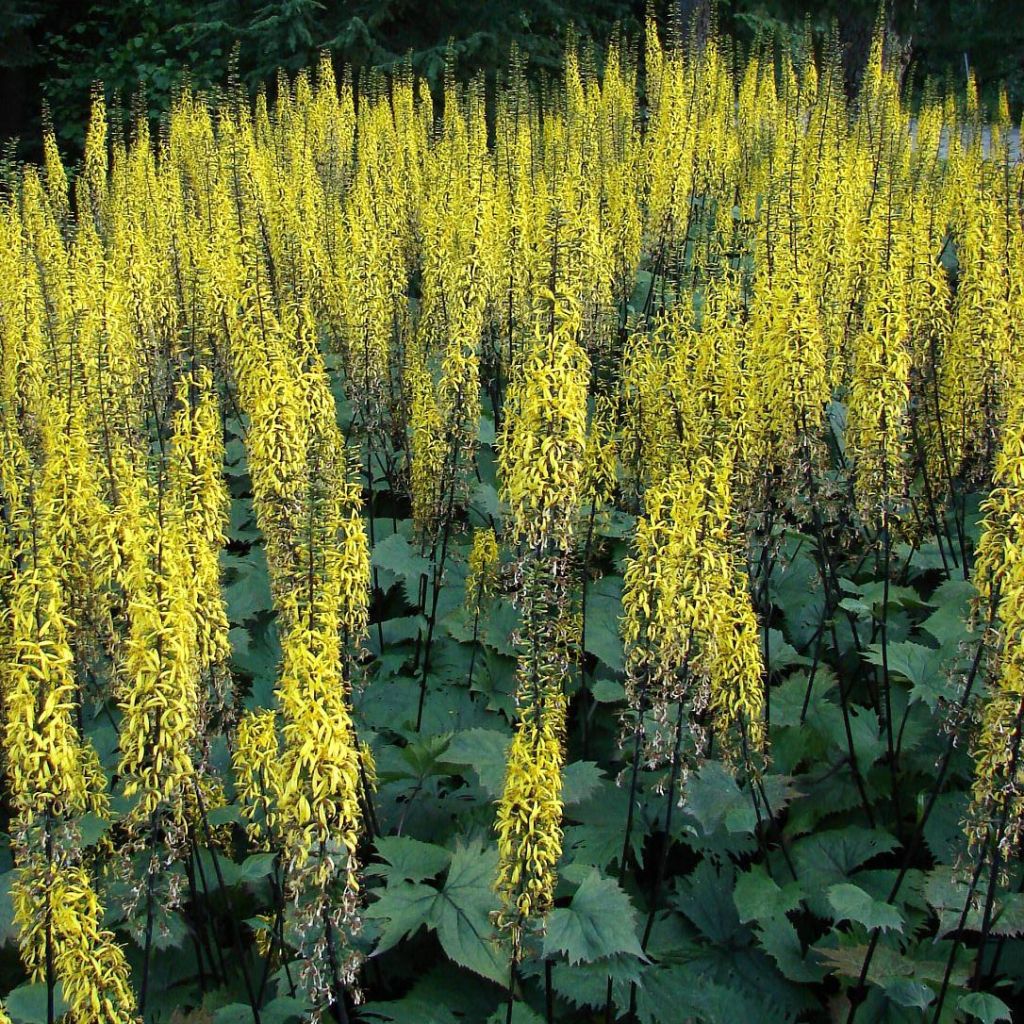
Ligularia stenocephala - Leopard Plant
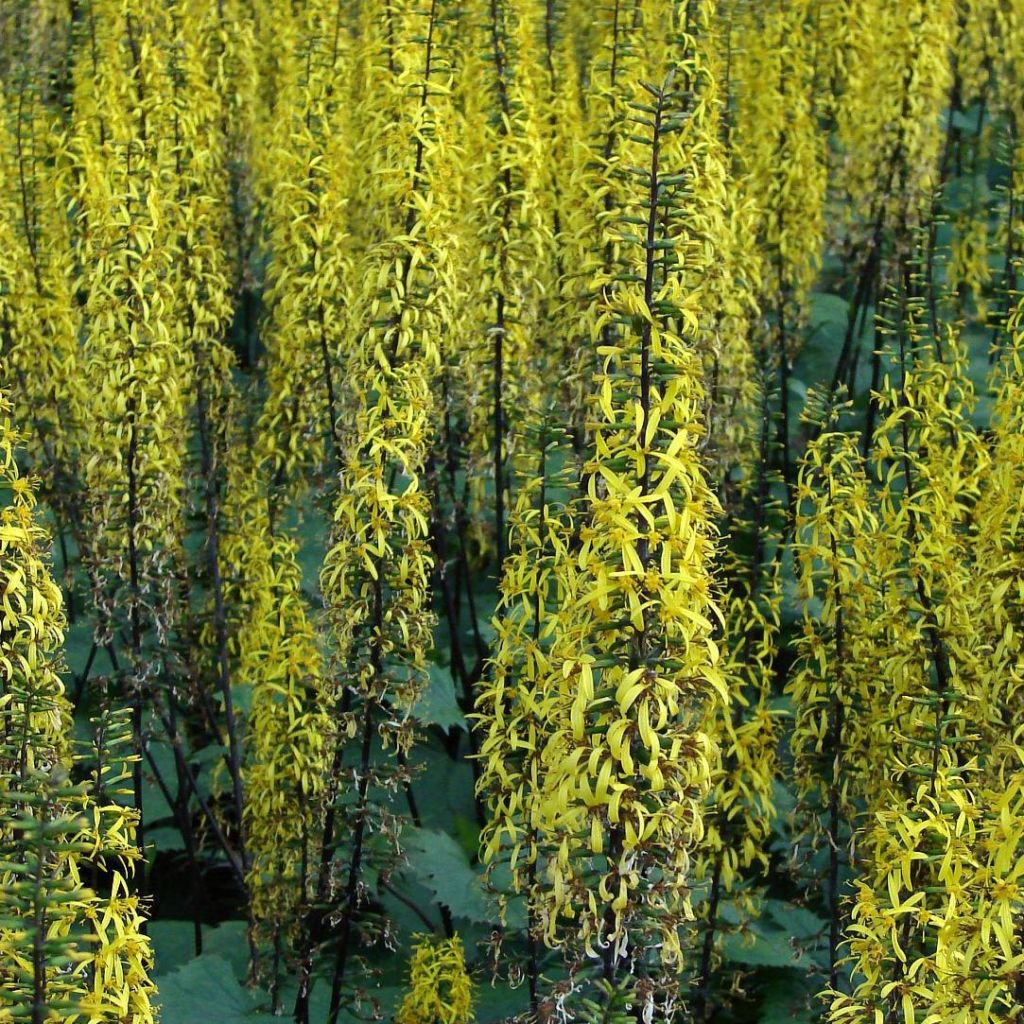
Ligularia stenocephala - Leopard Plant
Ligularia stenocephala - Leopard Plant
Ligularia stenocephala
Narrow-headed Leopard Plant
Second purchase of this young plant that brightens up shady areas with its floral spikes and distracts with its cut foliage.
Philippe B., 06/05/2018
Back-to-school special offer!
Get €10 off for every €50 you spend! And get up to €40 off on a single order.
How does it work?
1. Shop your favourites
Add your favourite plants to your basket. For every €50 you spend (excluding delivery charges, store credit and the plastic-free option), you’ll receive a €10 voucher.
€50 spent = €10 voucher
€100 spent = €20 voucher
€150 spent = €30 voucher
€200 spent = €40 voucher
2. Place your order
Once your basket reaches one of the spending thresholds, place your order. You can even choose your delivery date!
3. Receive your voucher
As soon as your order has been shipped, you’ll receive an email containing your personal voucher code and its value.
4. Use it on your next order
Your voucher is valid for 90 days from the date you receive it. It can be used once only, on a new order worth at least the value of the voucher, excluding delivery charges.
Please note: Vouchers can be combined with other offers, but cannot be split or refunded.
Why not try an alternative variety in stock?
View all →
Available in 3 sizes
Available in 2 sizes
Available in 1 sizes
Available in 2 sizes
Available in 1 sizes
Available in 2 sizes
Available in 2 sizes
Available in 2 sizes
Available in 1 sizes
Available in 1 sizes
This plant carries a 12 months recovery warranty
More information
We guarantee the quality of our plants for a full growing cycle, and will replace at our expense any plant that fails to recover under normal climatic and planting conditions.
Would this plant suit my garden?
Set up your Plantfit profile →
Description
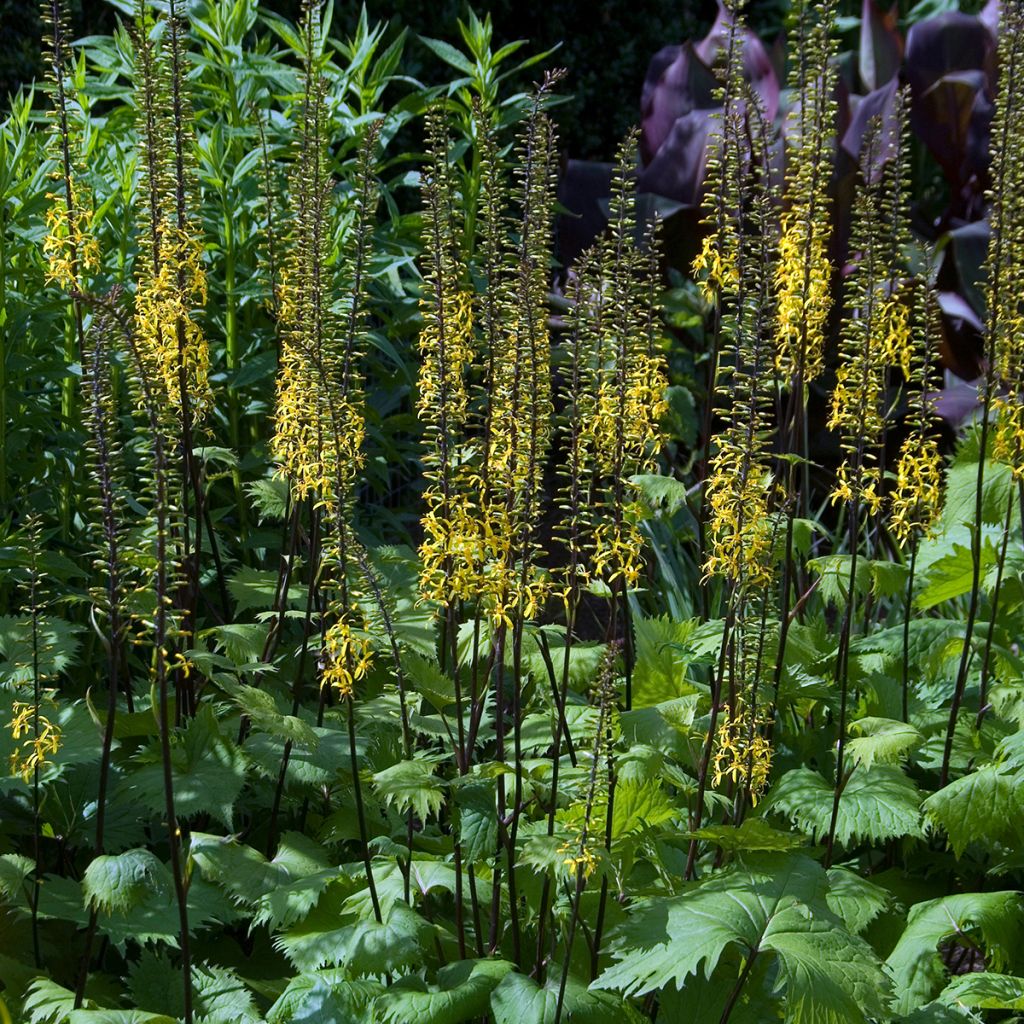
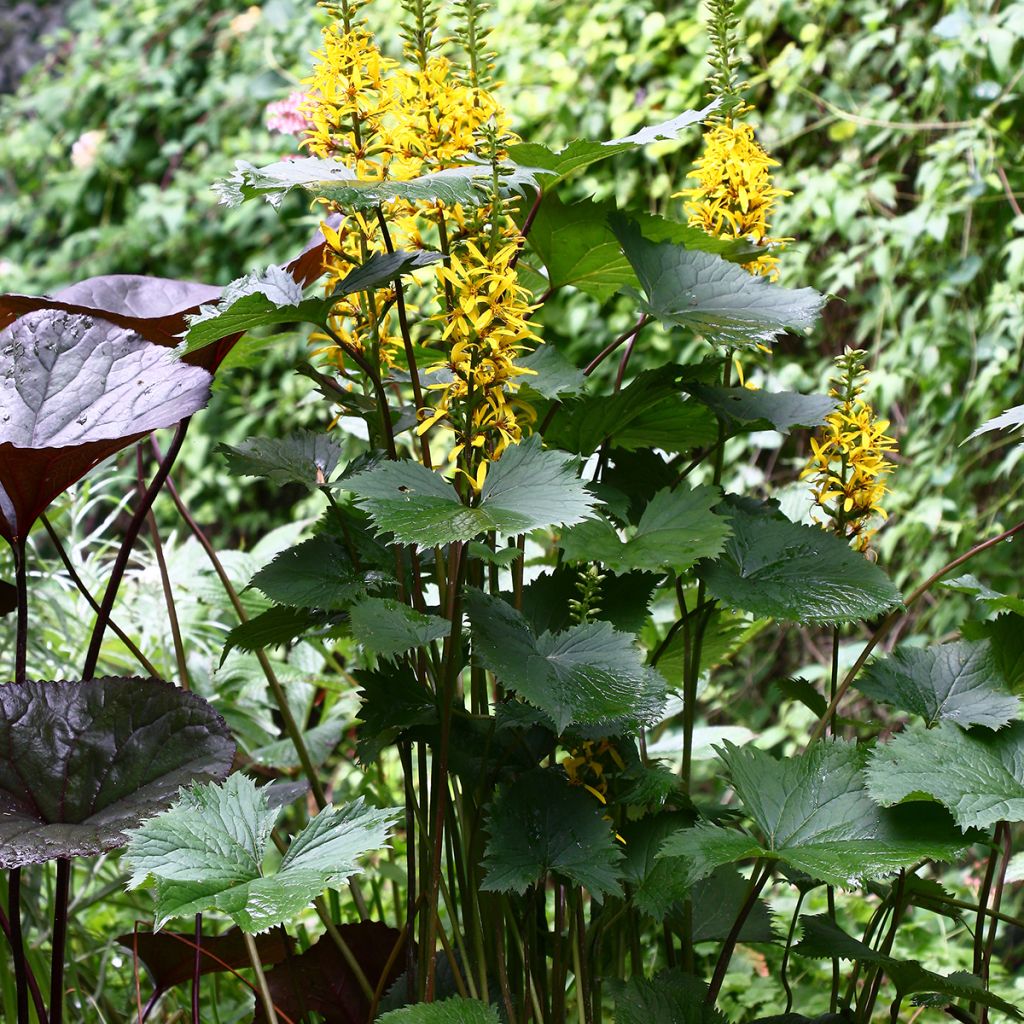
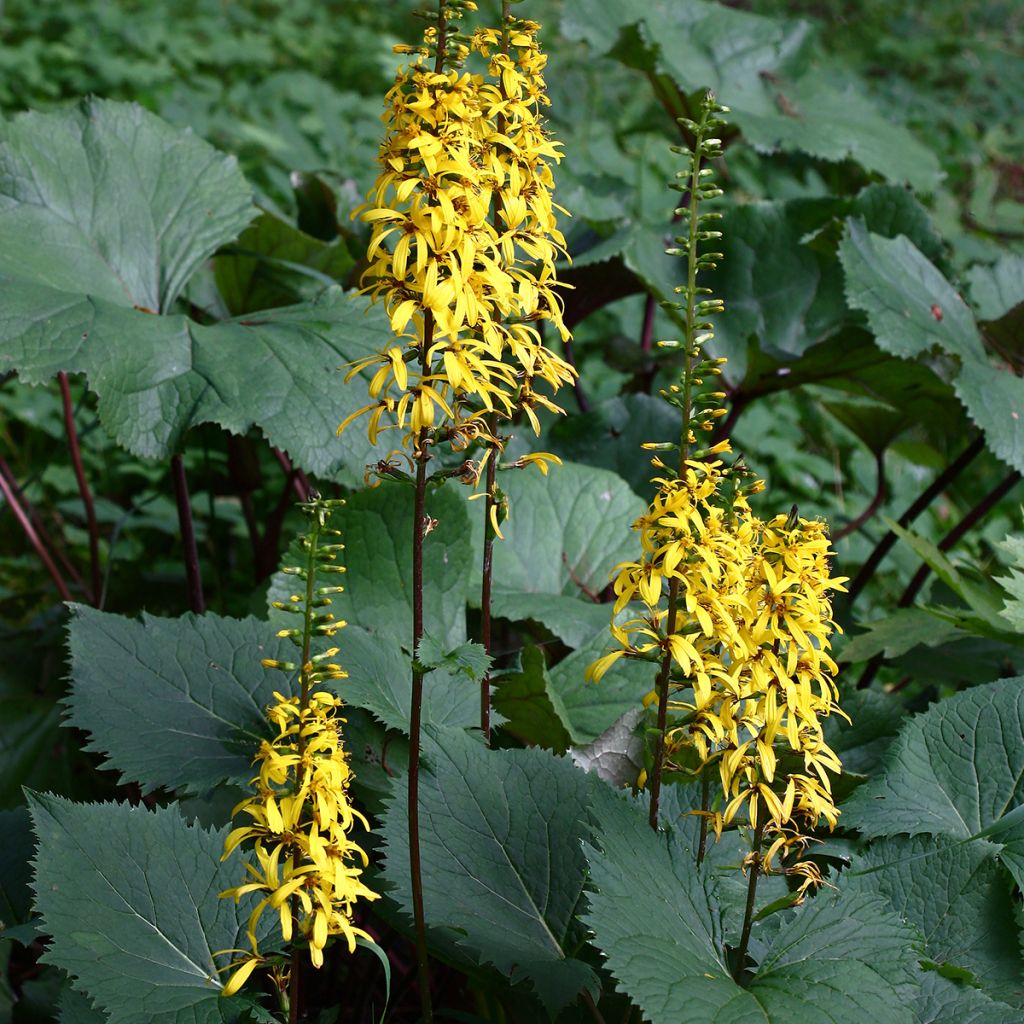
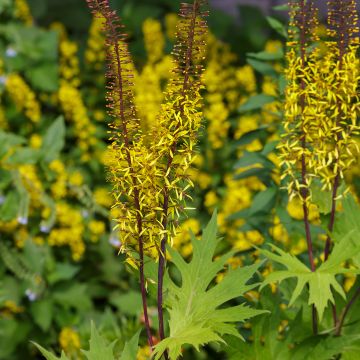
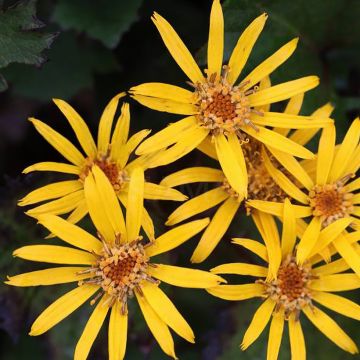
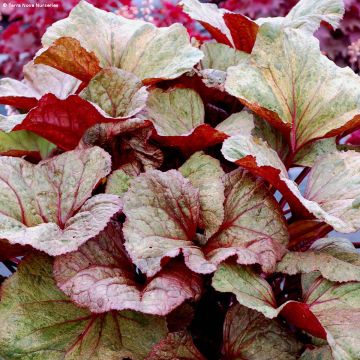
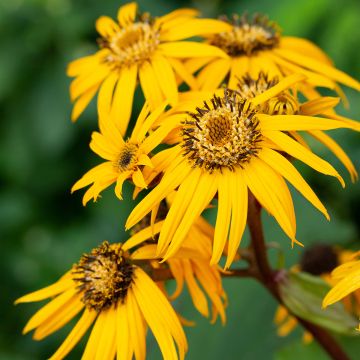
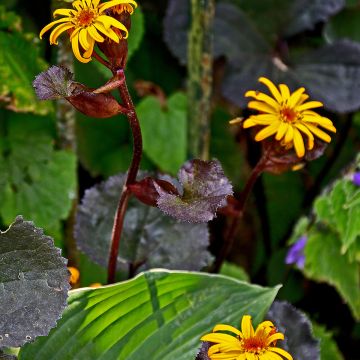
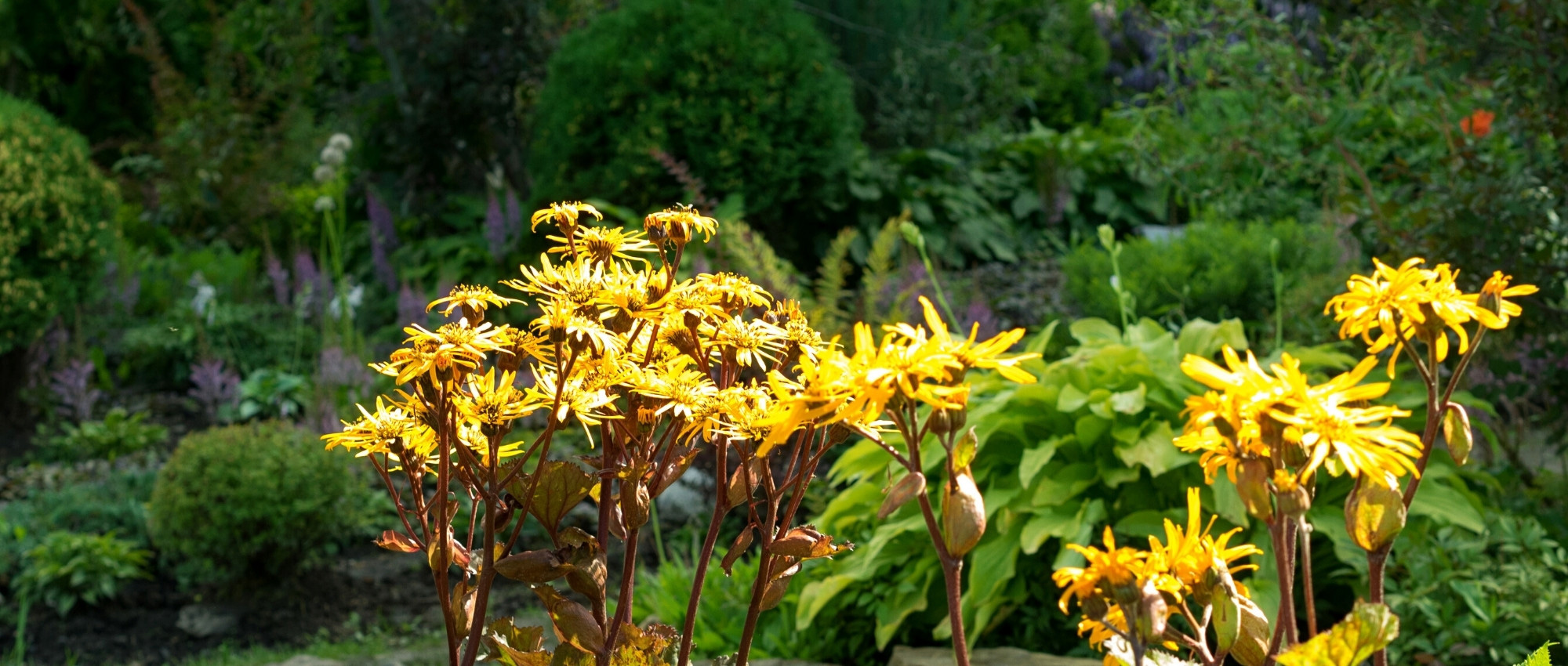
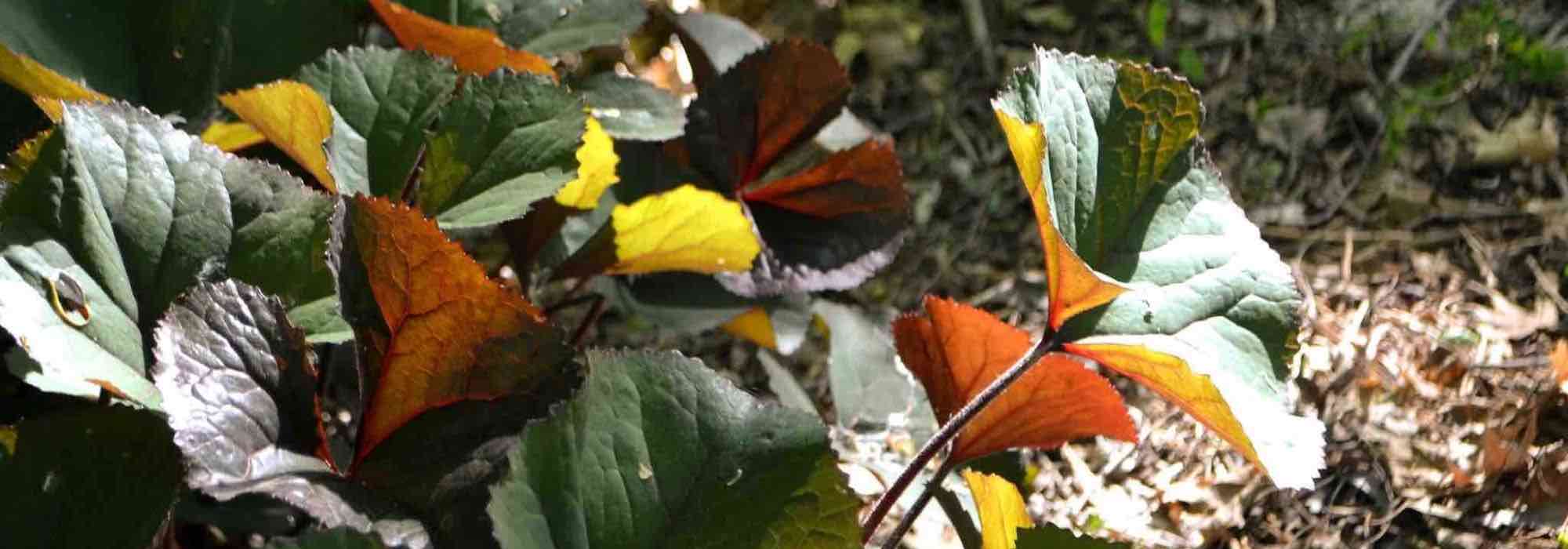
Ligularia stenocephala is a superb Ligularia, spectacular in wet and shady areas. This perennial first produces a luxuriant clump of large, round and toothed leaves which are shiny, dark green and very ornamental. Then, in the second half of summer, it produces long flower stalks, bright yellow, grouped in slender pyramidal clusters, on almost black stems. A robust perennial with large growth, loving moisture, shade and humidity, this Ligularia is a structural and luxuriant plant, which grows beautifully next to water.
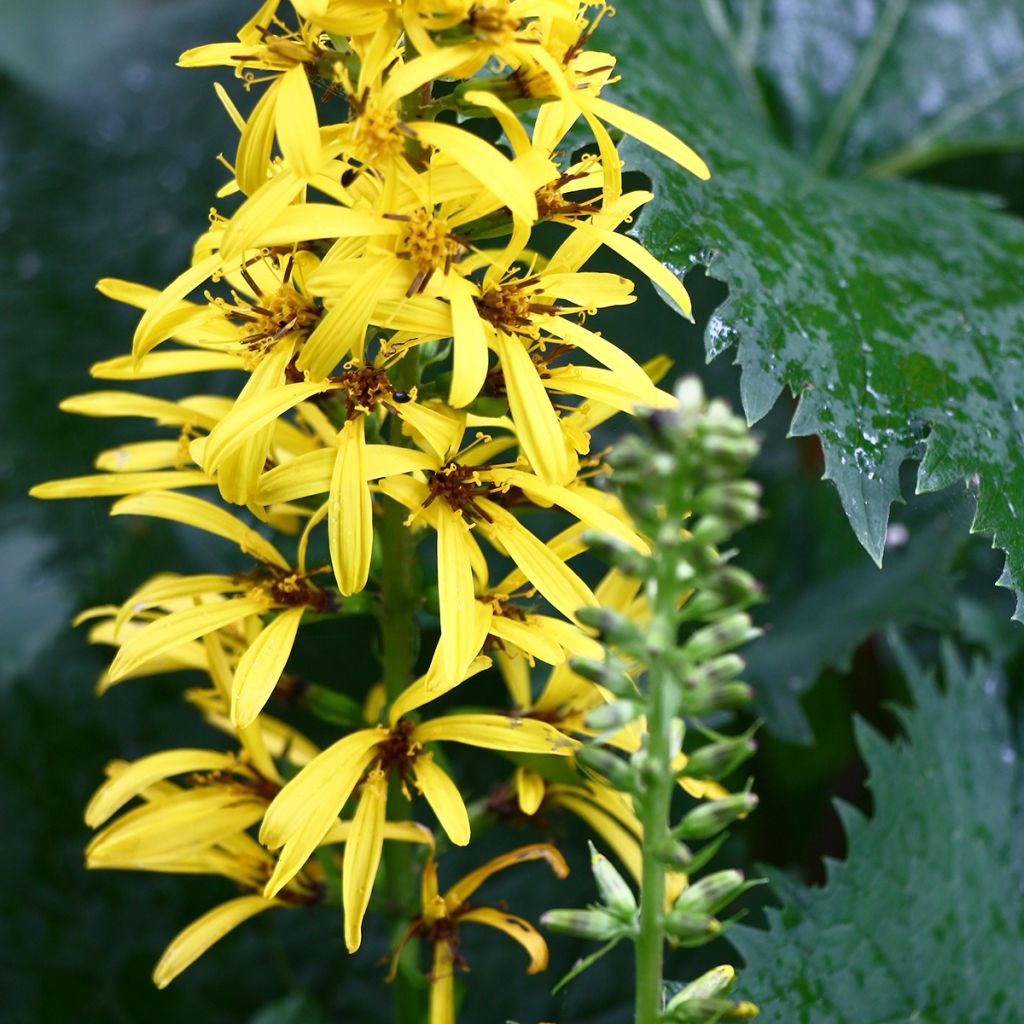
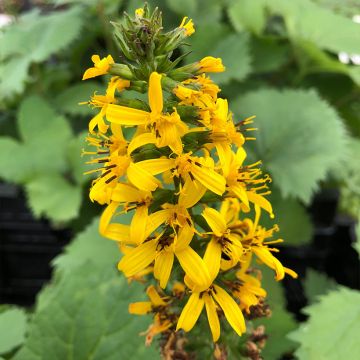
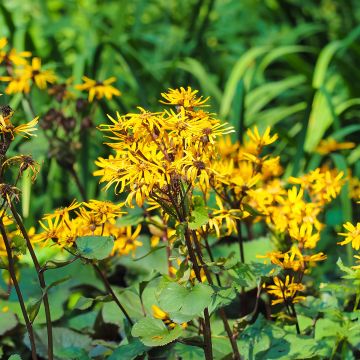
Ligularia stenocephala is a herbaceous perennial belonging to the Asteraceae family, although it looks very different from asters and sunflowers. It is a botanic species native to China, Japan and Taiwan. This vigorous plant will reach 1.50m (5ft) to 1.80m (6ft) in height when flowering, with a diameter of 90 cm (35in) to over 1m (3ft). It forms a dense and compact clump, with very large deciduous leaves, triangular or heart-shaped, reaching 40 cm (16in) in length and 30 cm (12in) in width, bordered by irregular sharp teeth, leathery and toothed. The upper side of the leaves is dark green and shiny. From June to August, even until September, long blackish stems rise above the foliage, carrying large thin clusters called racemes, composed of numerous and tiny yellow daisies with an orange centre, slightly fragrant, 2 to 4 cm (1 to 2in) in diameter. The flowers of this Ligularia attracts many pollinating insects.
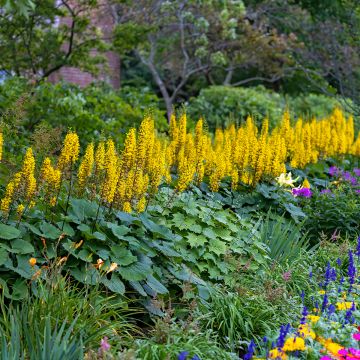
Of great longevity, vigorous and very resistant to cold, this Ligularia loves moist, even clay soils, and partial shade, even complete shade. Forming an imposing mass, its foliage will make an impression in the garden. It will naturally find its place at the edge of a water feature (pond, ditch, basin, stream...). It will also be interesting in flower beds or mixed borders to which it brings structure and verticality, tolerating even a relatively sunny position, as long as the soil remains moist and cool, a necessary condition for the development of its generous foliage. Slowly settling in, it takes two to three years for this Ligularia to reach its adult size. It is the perfect companion for many shade and bank perennial plants such as the campanulate, the hosta, the rodgersia, the kirengeshoma, the astilbe, the marsh euphorbia, or the chrysograph iris. It also works wonders planted in a large pot, with adequate watering.
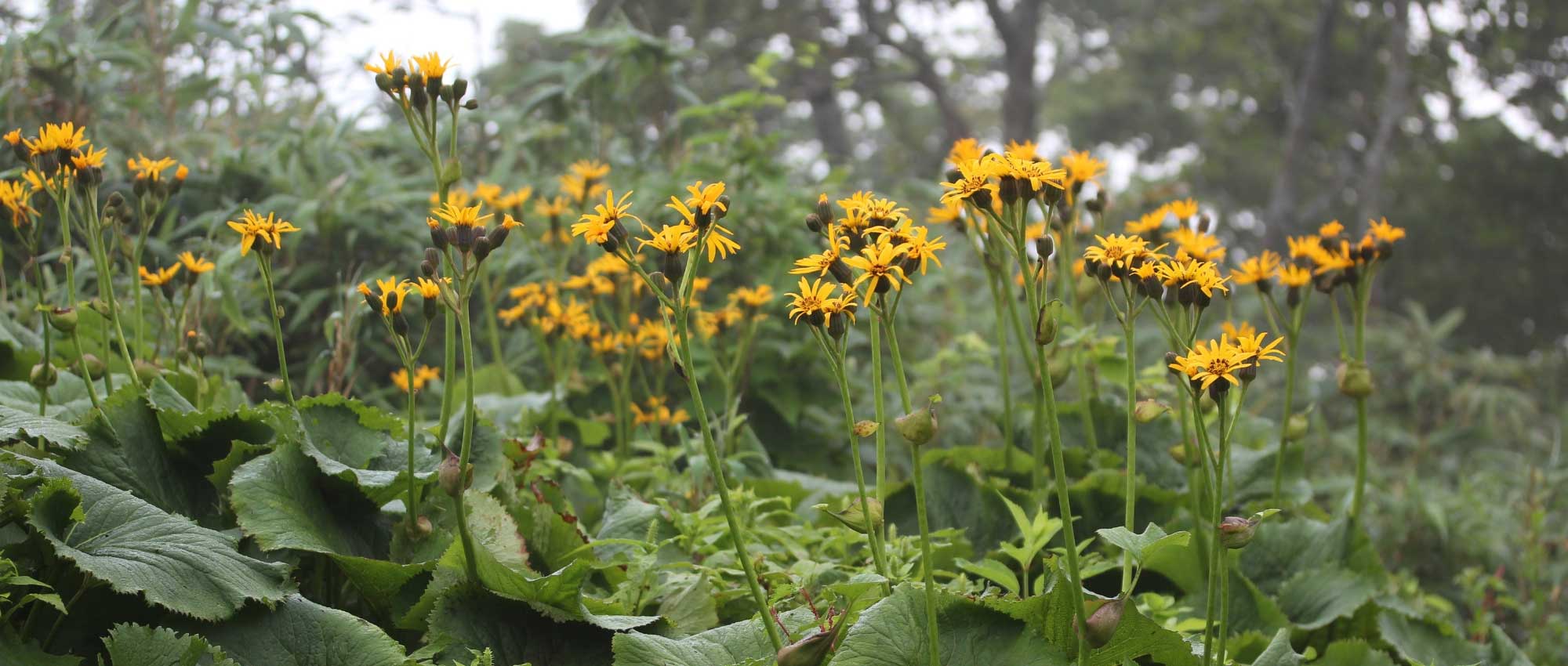
Ligularia stenocephala - Leopard Plant in pictures
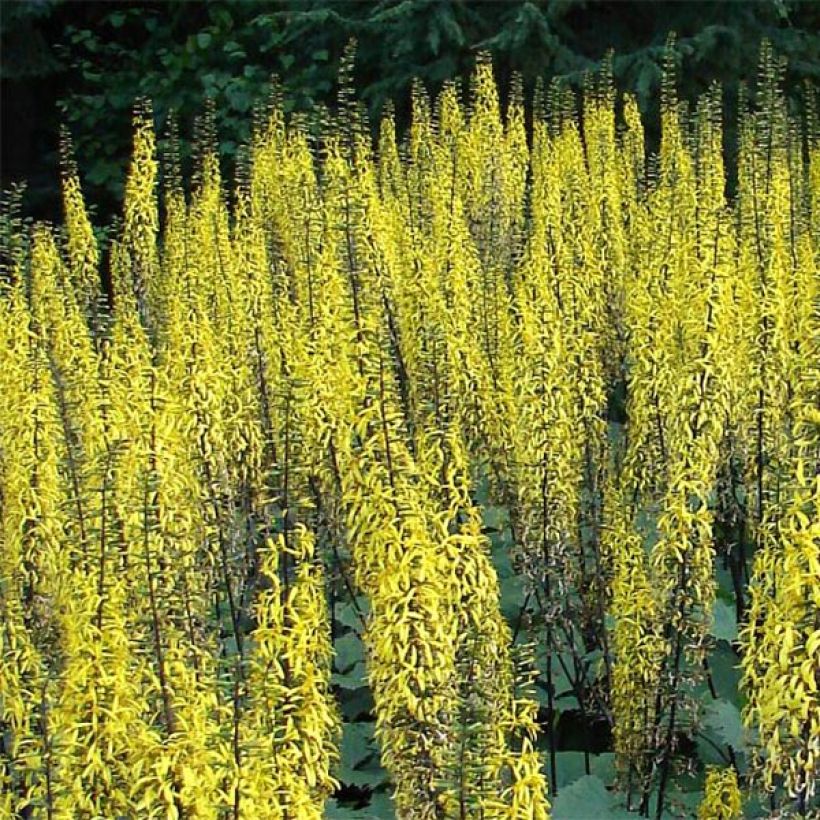
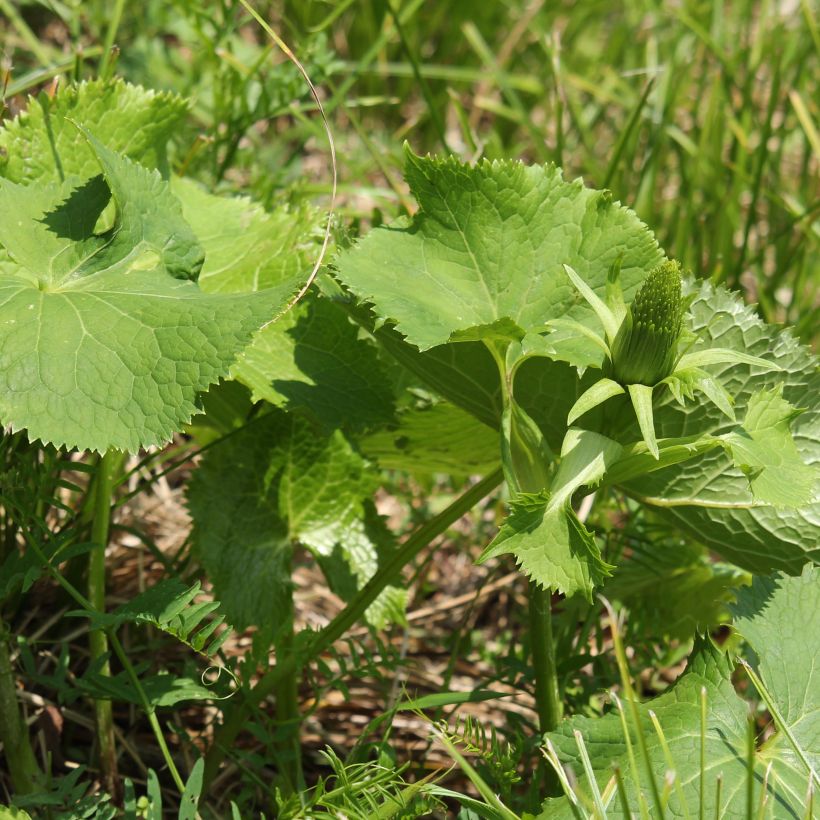
Flowering
Foliage
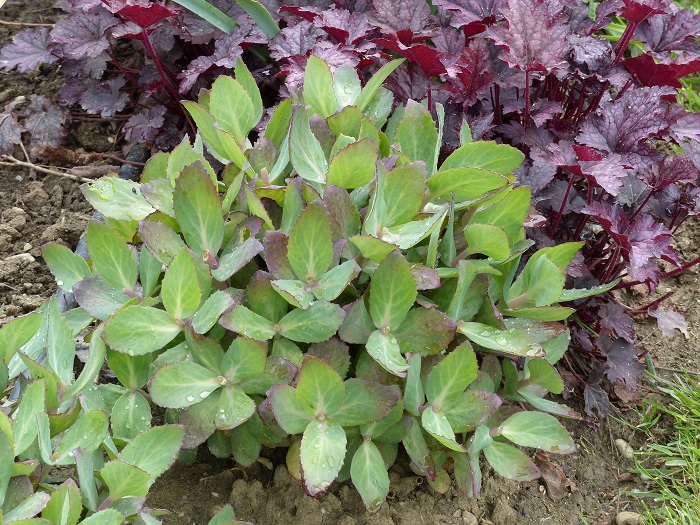
Plant habit
Botanical data
Ligularia
stenocephala
Asteraceae
Narrow-headed Leopard Plant
China
Planting and care
Ligularia stenocephala is a vigorous and resistant plant, extremely hardy, capable of withstanding temperatures well below -20°C (-4°F). Having significant water requirements, its substrate must remain constantly moist. It should be planted in spring or autumn, in a humus-rich, loose, deep and moist soil, or in a heavy clay soil. It prefers partially shaded or complete shade positions, but can tolerate occasional sunny exposure as long as the soil remains damp and moist. Direct sunlight and drought cause its foliage to wilt and its flowers to fade. This is a sign that generous watering is needed. It is recommended to mulch the base with organic compost to maintain moisture in the soil in summer. It is advisable to place it in a sheltered location from strong winds, which can bend its flower stalks and damage its foliage. Staking of the flower stems can be done to support them during flowering. A very easy plant to maintain, it only requires the removal of damaged leaves and the cutting back of faded stems. In spring, a compost application will be beneficial for abundant flowering. Tidy the clump at the end of winter. As it establishes slowly, it is recommended to leave Ligularia in place for a long time. Propagation can be done by dividing the clumps in spring or autumn. Although it is not susceptible to any diseases, its young foliage is a feast for snails and slugs. Monitor the emergence of young leaves to prevent any gastropod invasion.
Planting period
Intended location
Care
Planting & care advice
-
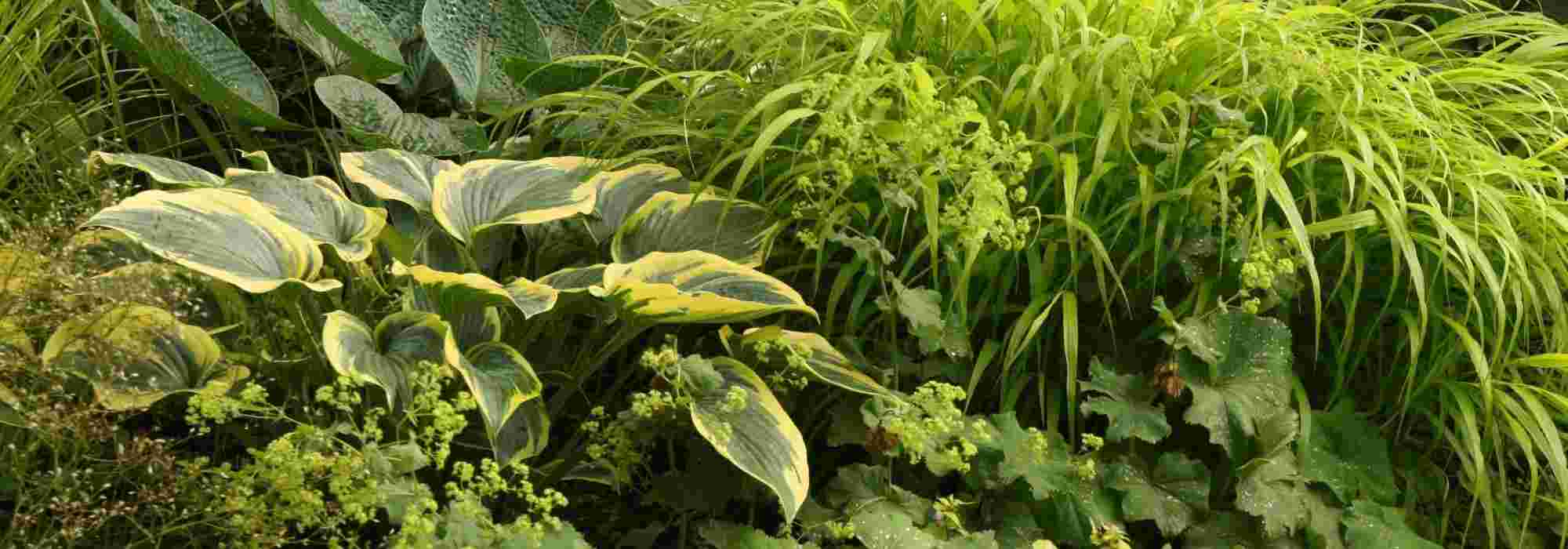
-
-
-
-
-
-
-
-
, onOrder confirmed
Reply from on Promesse de fleurs
Recently viewed products
Haven't found what you were looking for?
Hardiness is the lowest winter temperature a plant can endure without suffering serious damage or even dying. However, hardiness is affected by location (a sheltered area, such as a patio), protection (winter cover) and soil type (hardiness is improved by well-drained soil).

The flowering period indicated on our website applies to countries and regions located in USDA zone 8 (France, the United Kingdom, Ireland, the Netherlands, etc.)
It will vary according to where you live:- In zones 9 to 10 (Italy, Spain, Greece, etc.), flowering will occur about 2 to 4 weeks earlier.
- In zones 6 to 7 (Germany, Poland, Slovenia, and lower mountainous regions), flowering will be delayed by 2 to 3 weeks.
- In zone 5 (Central Europe, Scandinavia), blooming will be delayed by 3 to 5 weeks.
In temperate climates, pruning of spring-flowering shrubs (forsythia, spireas, etc.) should be done just after flowering.
Pruning of summer-flowering shrubs (Indian Lilac, Perovskia, etc.) can be done in winter or spring.
In cold regions as well as with frost-sensitive plants, avoid pruning too early when severe frosts may still occur.
The planting period indicated on our website applies to countries and regions located in USDA zone 8 (France, United Kingdom, Ireland, Netherlands).
It will vary according to where you live:
- In Mediterranean zones (Marseille, Madrid, Milan, etc.), autumn and winter are the best planting periods.
- In continental zones (Strasbourg, Munich, Vienna, etc.), delay planting by 2 to 3 weeks in spring and bring it forward by 2 to 4 weeks in autumn.
- In mountainous regions (the Alps, Pyrenees, Carpathians, etc.), it is best to plant in late spring (May-June) or late summer (August-September).
The harvesting period indicated on our website applies to countries and regions in USDA zone 8 (France, England, Ireland, the Netherlands).
In colder areas (Scandinavia, Poland, Austria...) fruit and vegetable harvests are likely to be delayed by 3-4 weeks.
In warmer areas (Italy, Spain, Greece, etc.), harvesting will probably take place earlier, depending on weather conditions.
The sowing periods indicated on our website apply to countries and regions within USDA Zone 8 (France, UK, Ireland, Netherlands).
In colder areas (Scandinavia, Poland, Austria...), delay any outdoor sowing by 3-4 weeks, or sow under glass.
In warmer climes (Italy, Spain, Greece, etc.), bring outdoor sowing forward by a few weeks.
Shipping country and language
Your country of residence may be:
Your country of residence is:
For a better user experience on our website, you can select:
Your shipping country:
-
 Austria
-
 Belgium
-
 Bosnia & Herzegovina
-
 Bulgaria
-
 Croatia
-
 Cyprus
-
 Czechia
-
 Denmark
-
 Estonia
-
 Finland
-
 France
-
 Germany
-
 Greece
-
 Hungary
-
 Iceland
-
 Ireland
-
 Italy
Italy
-
 Latvia
-
 Liechtenstein
-
 Lithuania
-
 Luxembourg
-
 Malta
Malta
-
 Netherlands
-
 Poland
-
 Portugal
-
 Romania
-
 Serbia
-
 Slovakia
-
 Slovenia
-
 Spain
Spain
-
 Sweden
-
 Switzerland
Language:
-
French
-
 English
-
Spanish
-
Italian
-
German
-
Portuguese
-
Dutch
-
Finnish
My Account
Hello
My wish lists
My cart
Log in / Register
Existing customer?
This form is protected by reCAPTCHA - the Google Privacy Policy and Terms of Service apply.
New customer?
Create an account to track your orders, access our customer service and, if you wish, make the most of our upcoming offers.