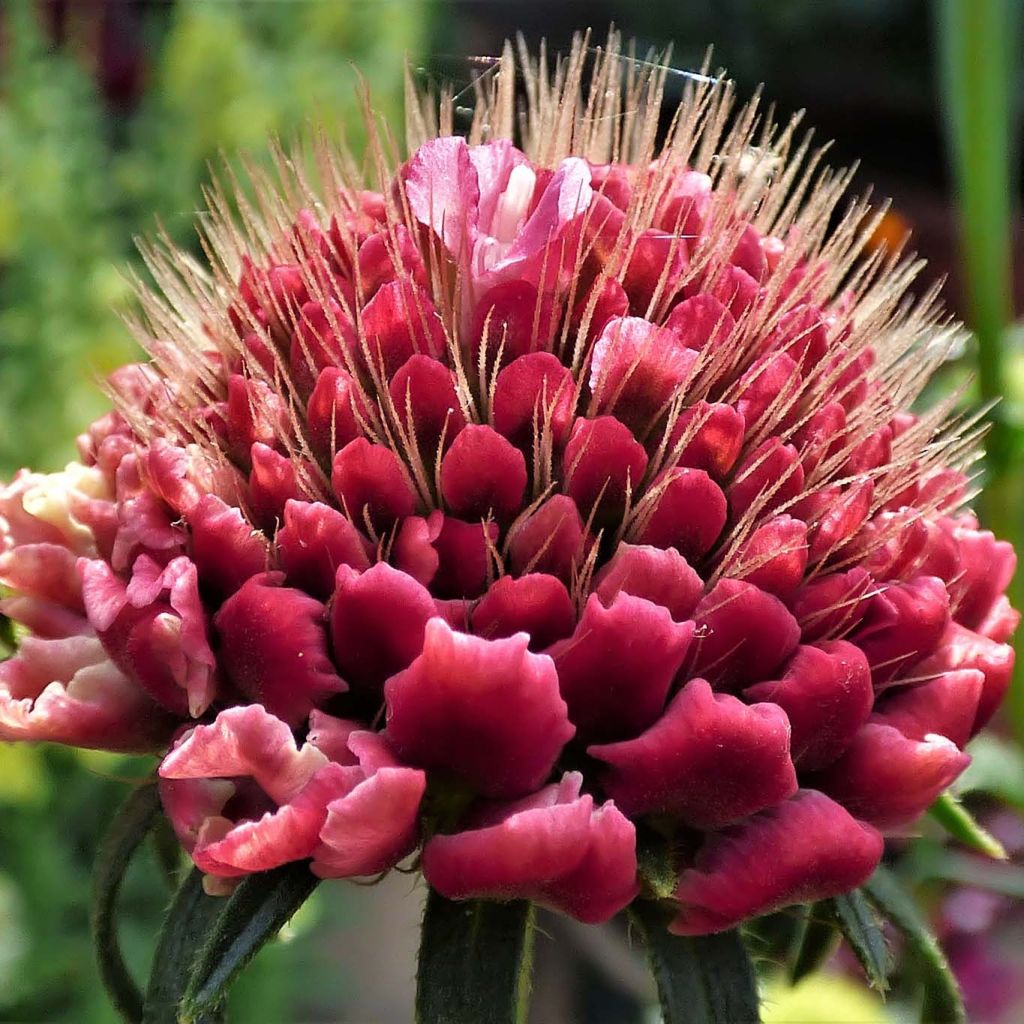
Scabiosa atropurpurea Marshmallow Scoop
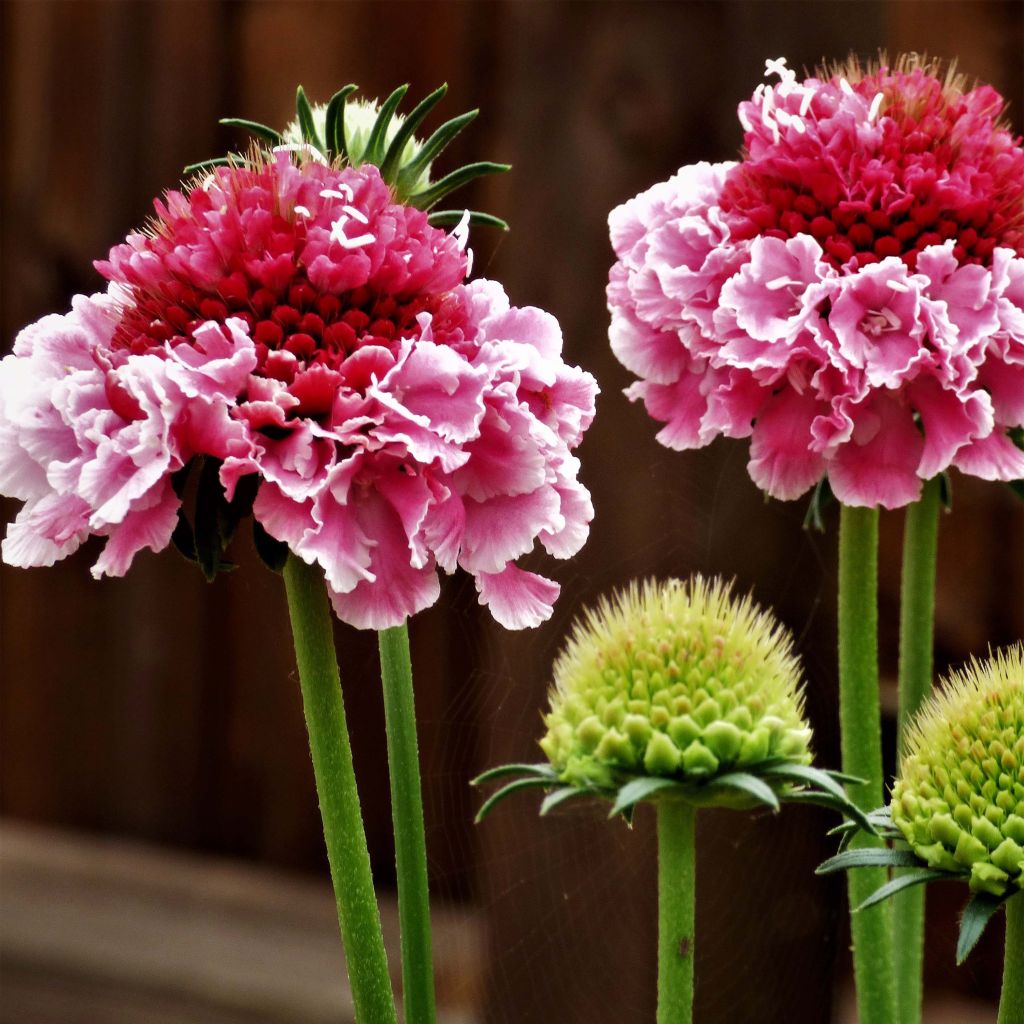
Scabiosa atropurpurea Marshmallow Scoop
View more pictures
Hide images
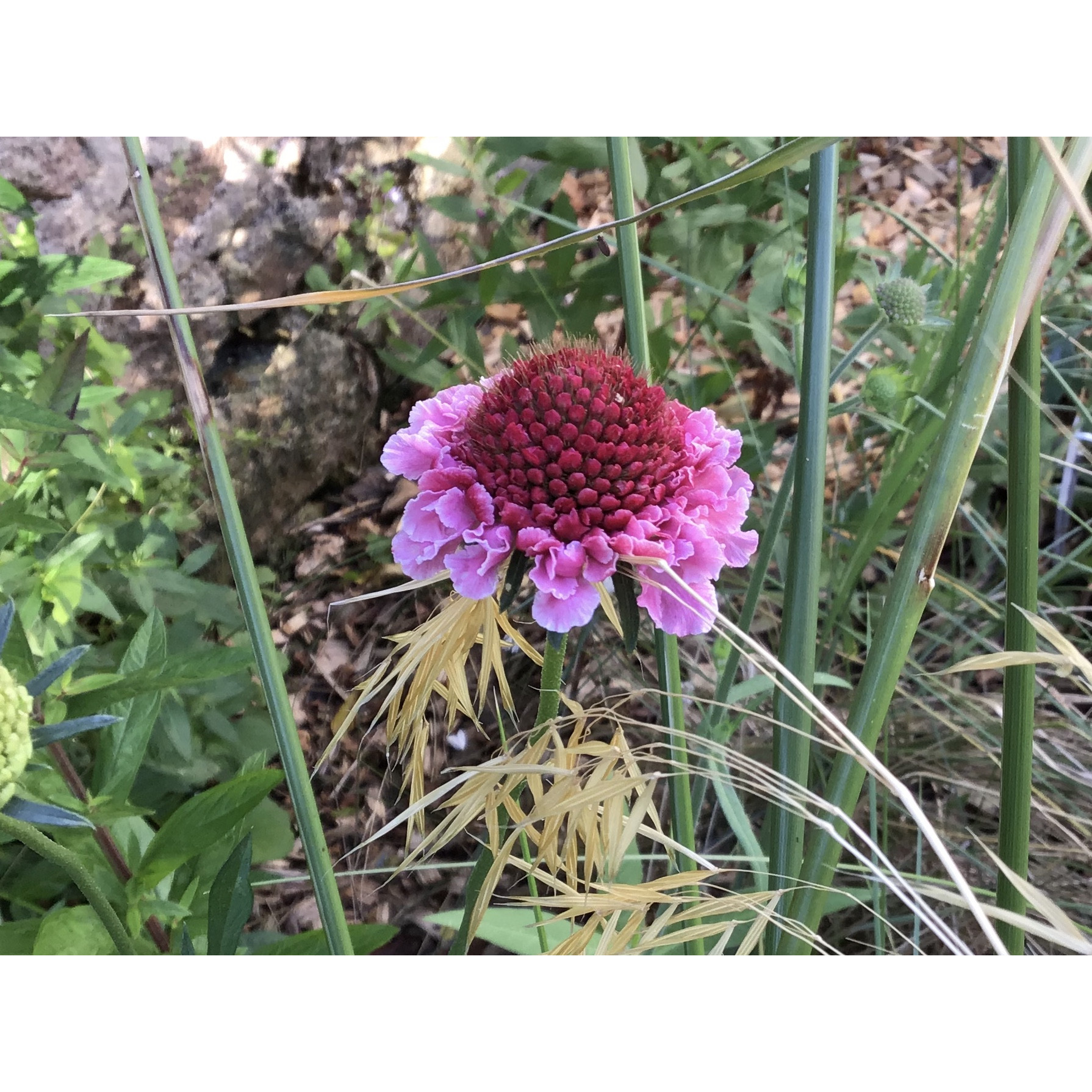
Claude B.
Scabiosa atropurpurea Marshmallow Scoop
Claude B. • 56 FR
Scabiosa atropurpurea Marshmallow Scoop
Scabiosa x atropurpurea Marshmallow Scoop ®
Scabious
Received in perfect packaging conditions as usual and immediately planted. Chosen for its floral interest and its shades of pink camellia.
Béatrice, 22/10/2021
Back-to-school special offer!
Get €10 off for every €50 you spend! And get up to €40 off on a single order.
How does it work?
1. Shop your favourites
Add your favourite plants to your basket. For every €50 you spend (excluding delivery charges, store credit and the plastic-free option), you’ll receive a €10 voucher.
€50 spent = €10 voucher
€100 spent = €20 voucher
€150 spent = €30 voucher
€200 spent = €40 voucher
2. Place your order
Once your basket reaches one of the spending thresholds, place your order. You can even choose your delivery date!
3. Receive your voucher
As soon as your order has been shipped, you’ll receive an email containing your personal voucher code and its value.
4. Use it on your next order
Your voucher is valid for 90 days from the date you receive it. It can be used once only, on a new order worth at least the value of the voucher, excluding delivery charges.
Please note: Vouchers can be combined with other offers, but cannot be split or refunded.
Why not try an alternative variety in stock?
View all →
Available in 2 sizes
Available in 0 sizes

Available in 1 sizes

Available in 2 sizes

Available in 0 sizes

Available in 2 sizes

Available in 1 sizes

Available in 1 sizes

Available in 1 sizes
Available in 1 sizes
This plant carries a 12 months recovery warranty
More information
We guarantee the quality of our plants for a full growing cycle, and will replace at our expense any plant that fails to recover under normal climatic and planting conditions.

Would this plant suit my garden?
Set up your Plantfit profile →
Description
Scabiosa Marshmallow Scoop is part of a new series of scabious with spectacular fruity colours, initially developed for cut flowers. This variety bears beautiful double, globular and fringed inflorescences, in a range of candy pink shades around a dome-shaped centre of almost red old rose. With its texture and extraordinary colour, this flower works wonders in bouquets. It is also remarkable in pots and among other flowers in sunny flower beds. The Scoop series scabious are quite short-lived, but bloom abundantly all summer if care is taken to remove faded flowers. They are easy to grow in the sun and in well-drained soil. They easily self-seed in the garden, but not always true to type.
The Scoop scabious were selected by Danziger, in Kenya. Their genealogy is kept secret, as is often the case with new horticultural varieties, especially in the cut flower industry. It can be assumed, however, that they carry the genes of Scabiosa atropurpurea, native to southern Europe. All these plants belong to the Caprifoliaceae family.
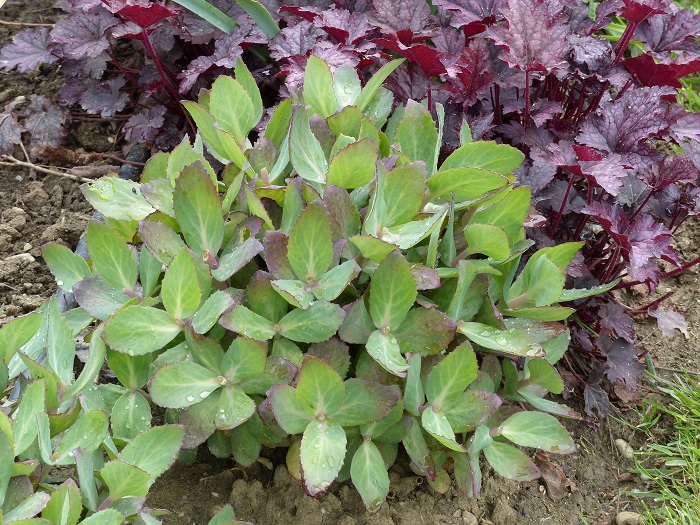
Marshmallow Scoop develops from a deep and extensive root system. This plant is often grown as an annual, although it is actually a short-lived perennial. It quickly forms a robust, upright clump, 50 to 60cm (20 to 24in) tall when flowering, and 20 to 30cm (8 to 12in) wide. The foliage is composed of finely cut and roughly dentate, lanceolate leaves, with a light greenish-grey hue. It emerges at the neck of the plant, forming a more or less flat rosette close to the ground. It disappears in winter.
Flowering occurs from July to October. Each plant produces an abundance of thin but sturdy stems, each carrying a single dome-shaped flower head, 5 to 7cm (2 to 3in) in diameter. Each one is composed of a multitude of tiny fringed flowers surrounding a rounded centre paved with darker flower buds, which open later. On the periphery, the flowers display a pretty range of pink shades, from candy pink to white-pink. The stamens resemble miniature white pinheads. The slightly scented flowering is both nectar-rich and honey-bearing.
This queen of traditional gardens has been slightly neglected in recent years, but is making a strong comeback, with extraordinary colours like the Marshmallow Scoop variety. It is sublime in bouquets with red, purple, pink or white flowers. They are graceful and elegant, and far from austere as their common name "Mourning Widow" suggests. This plant is an excellent choice for both flower beds and containers. Combine scabious with sweet Williams, damask nigellas, cosmos, cornflowers, asters, grasses or rudbeckias to create an interesting contrast. Scabious flowers are ideal for rustic-style bouquets, lasting 10 days in a vase. Roses, delphiniums, ageratum, phlox, and dahlias will make beautiful companions in a floral display.
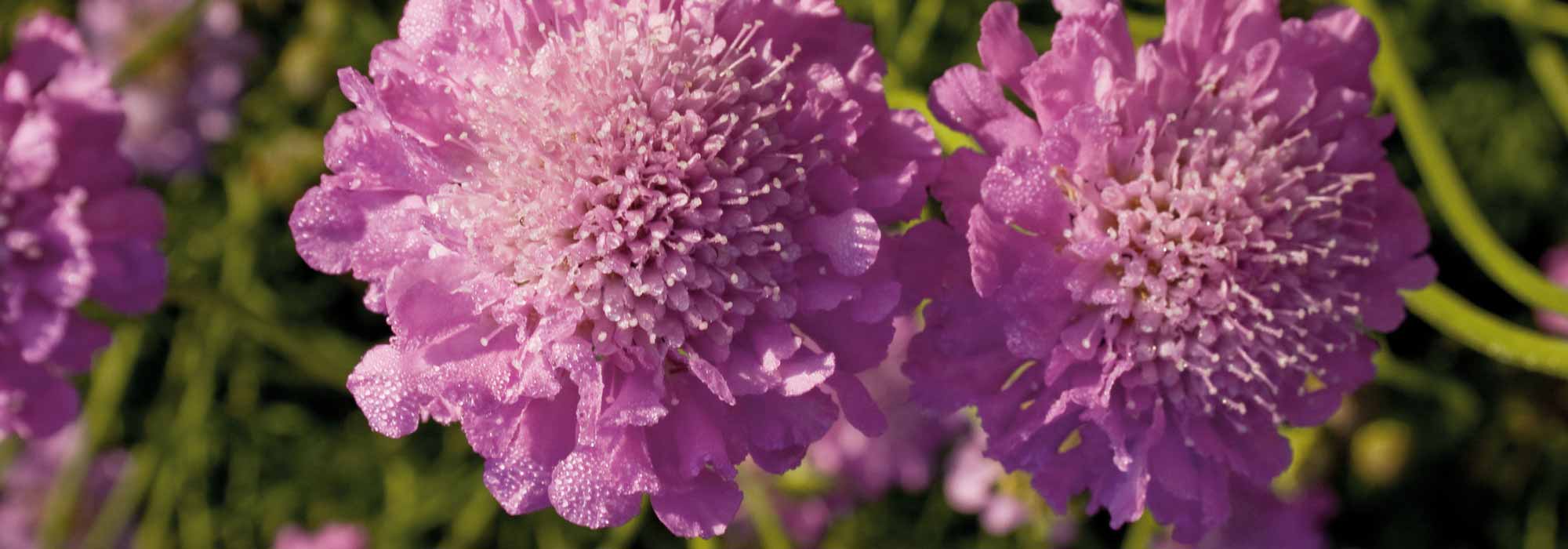
Scabiosa atropurpurea Marshmallow Scoop in pictures
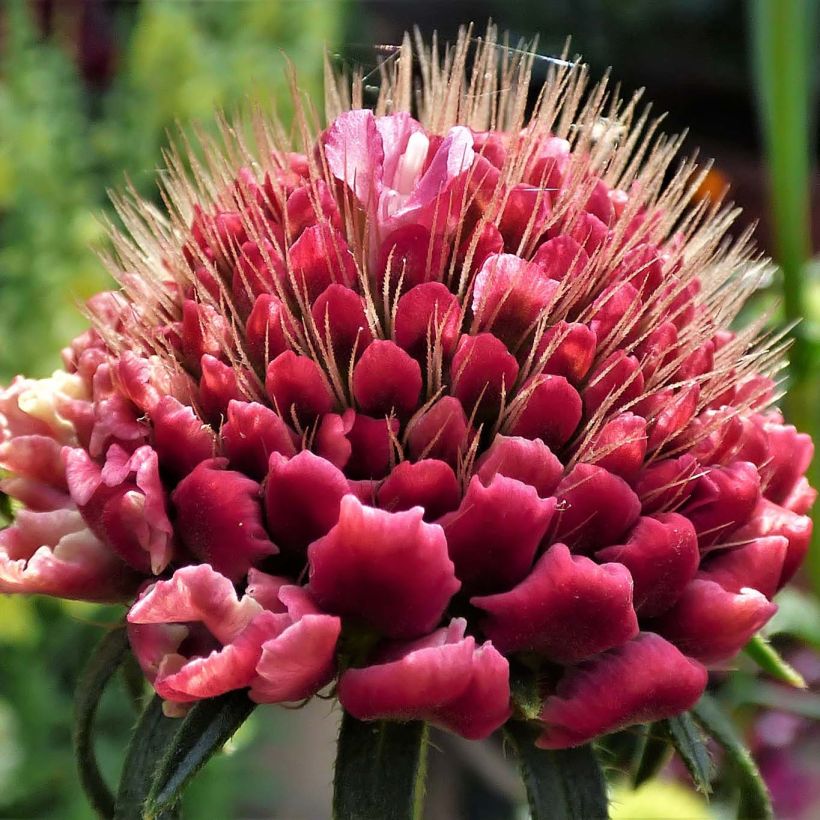
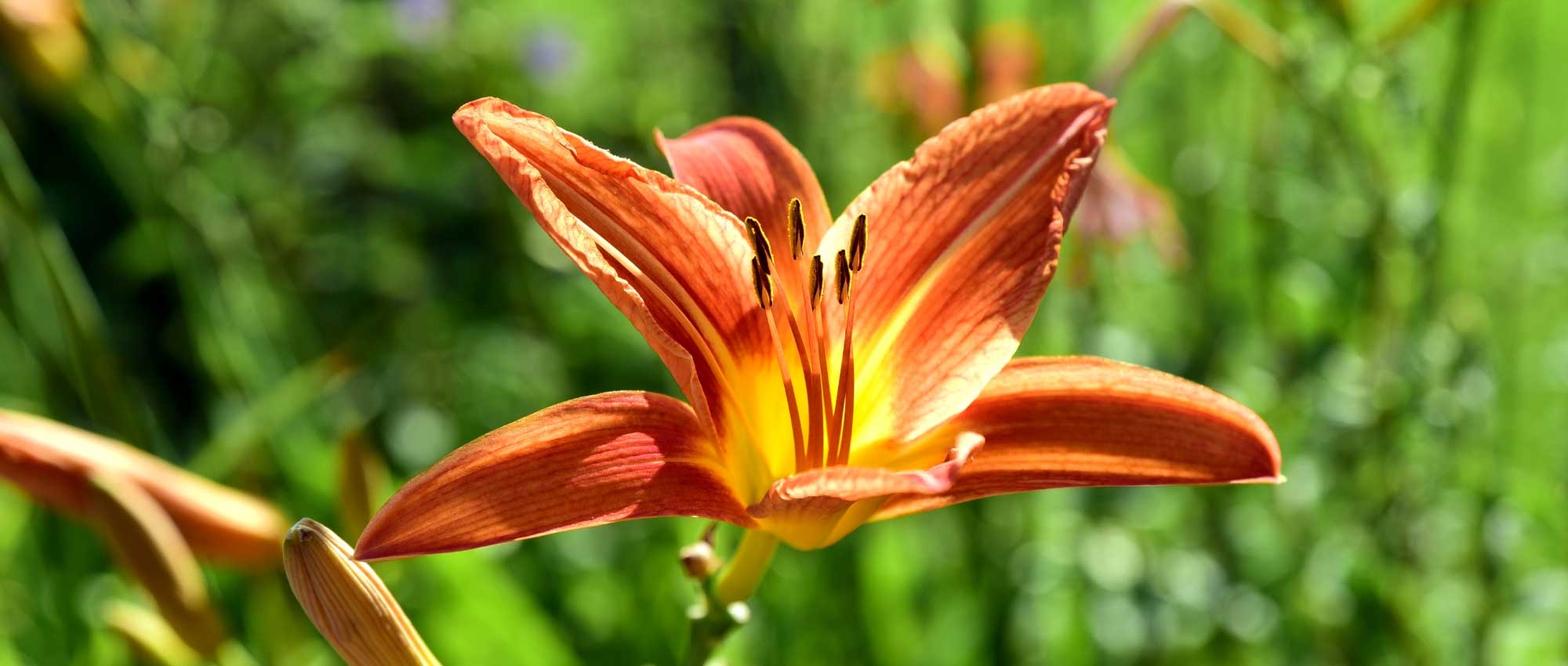
Flowering
Foliage
Plant habit
Botanical data
Scabiosa
x atropurpurea
Marshmallow Scoop ®
Caprifoliaceae
Scabious
Cultivar or hybrid
Planting and care
Plant in a sunny spot in cooler climates and slightly more shaded in hot and bright areas. It prefers slightly chalky, well-drained, fertile, and moist soil to support its flowering and offer more beautiful flowers. Water regularly, but not excessively. It may decline after 2 or 3 seasons. To prolong its life, enrich the soil with organic fertiliser and protect against excess moisture in winter by lightening the planting substrate with sand.
Regularly cutting the faded flowers will promote a long flowering period. This plant readily self-seeds in light soil, but not always faithfully to the parent.
Planting period
Intended location
Care
Planting & care advice
-

-
-
-

-
-

-

-

-
, onOrder confirmed
Reply from on Promesse de fleurs
Recently viewed products
Haven't found what you were looking for?
Hardiness is the lowest winter temperature a plant can endure without suffering serious damage or even dying. However, hardiness is affected by location (a sheltered area, such as a patio), protection (winter cover) and soil type (hardiness is improved by well-drained soil).

The flowering period indicated on our website applies to countries and regions located in USDA zone 8 (France, the United Kingdom, Ireland, the Netherlands, etc.)
It will vary according to where you live:- In zones 9 to 10 (Italy, Spain, Greece, etc.), flowering will occur about 2 to 4 weeks earlier.
- In zones 6 to 7 (Germany, Poland, Slovenia, and lower mountainous regions), flowering will be delayed by 2 to 3 weeks.
- In zone 5 (Central Europe, Scandinavia), blooming will be delayed by 3 to 5 weeks.
In temperate climates, pruning of spring-flowering shrubs (forsythia, spireas, etc.) should be done just after flowering.
Pruning of summer-flowering shrubs (Indian Lilac, Perovskia, etc.) can be done in winter or spring.
In cold regions as well as with frost-sensitive plants, avoid pruning too early when severe frosts may still occur.
The planting period indicated on our website applies to countries and regions located in USDA zone 8 (France, United Kingdom, Ireland, Netherlands).
It will vary according to where you live:
- In Mediterranean zones (Marseille, Madrid, Milan, etc.), autumn and winter are the best planting periods.
- In continental zones (Strasbourg, Munich, Vienna, etc.), delay planting by 2 to 3 weeks in spring and bring it forward by 2 to 4 weeks in autumn.
- In mountainous regions (the Alps, Pyrenees, Carpathians, etc.), it is best to plant in late spring (May-June) or late summer (August-September).
The harvesting period indicated on our website applies to countries and regions in USDA zone 8 (France, England, Ireland, the Netherlands).
In colder areas (Scandinavia, Poland, Austria...) fruit and vegetable harvests are likely to be delayed by 3-4 weeks.
In warmer areas (Italy, Spain, Greece, etc.), harvesting will probably take place earlier, depending on weather conditions.
The sowing periods indicated on our website apply to countries and regions within USDA Zone 8 (France, UK, Ireland, Netherlands).
In colder areas (Scandinavia, Poland, Austria...), delay any outdoor sowing by 3-4 weeks, or sow under glass.
In warmer climes (Italy, Spain, Greece, etc.), bring outdoor sowing forward by a few weeks.
Shipping country and language
Your country of residence may be:
Your country of residence is:
For a better user experience on our website, you can select:
Your shipping country:
-
 Austria
-
 Belgium
-
 Bosnia & Herzegovina
-
 Bulgaria
-
 Croatia
-
 Cyprus
-
 Czechia
-
 Denmark
-
 Estonia
-
 Finland
-
 France
-
 Germany
-
 Greece
-
 Hungary
-
 Iceland
-
 Ireland
-
 Italy
Italy
-
 Latvia
-
 Liechtenstein
-
 Lithuania
-
 Luxembourg
-
 Malta
Malta
-
 Netherlands
-
 Poland
-
 Portugal
-
 Romania
-
 Serbia
-
 Slovakia
-
 Slovenia
-
 Spain
Spain
-
 Sweden
-
 Switzerland
Language:
-
French
-
 English
-
Spanish
-
Italian
-
German
-
Portuguese
-
Dutch
-
Finnish
My Account
Hello
My wish lists
My cart
Log in / Register
Existing customer?
This form is protected by reCAPTCHA - the Google Privacy Policy and Terms of Service apply.
New customer?
Create an account to track your orders, access our customer service and, if you wish, make the most of our upcoming offers.