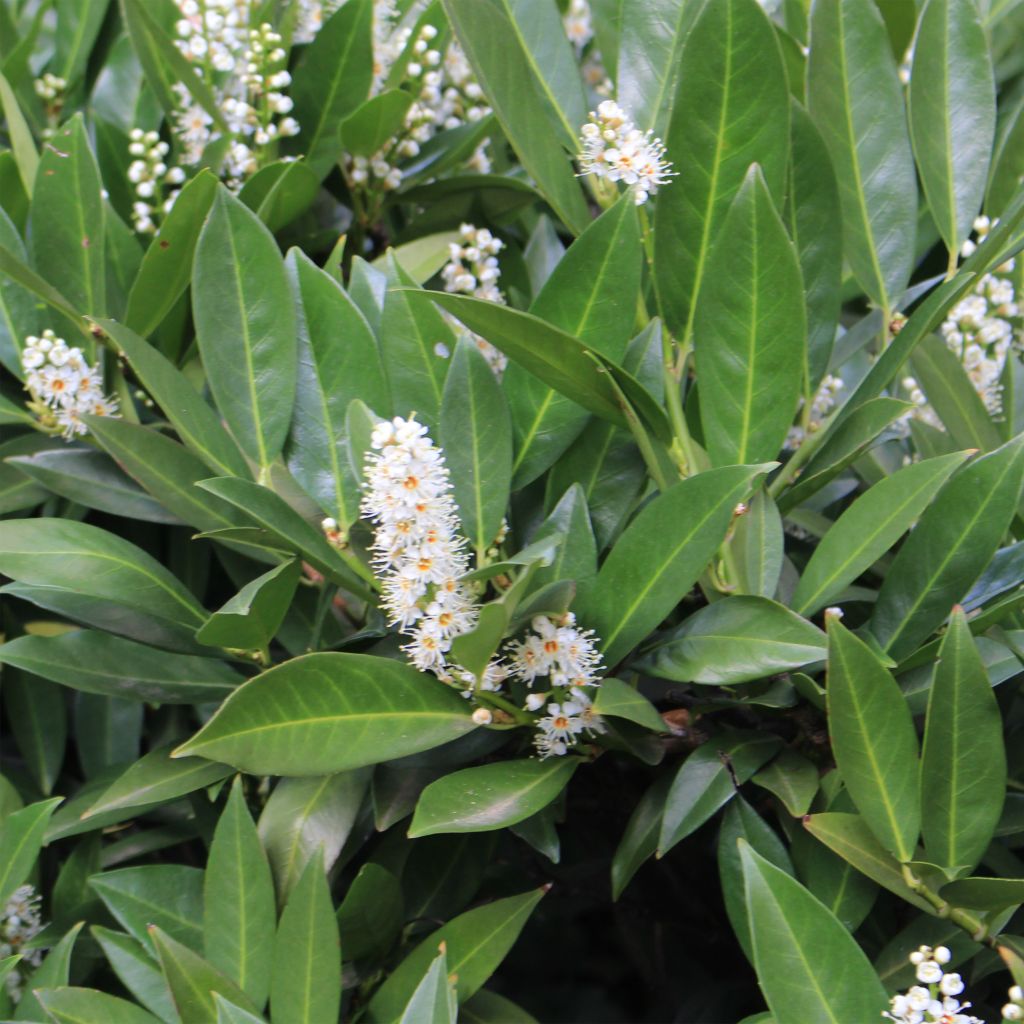
Prunus laurocerasus Caucasica - Caucasian Laurel
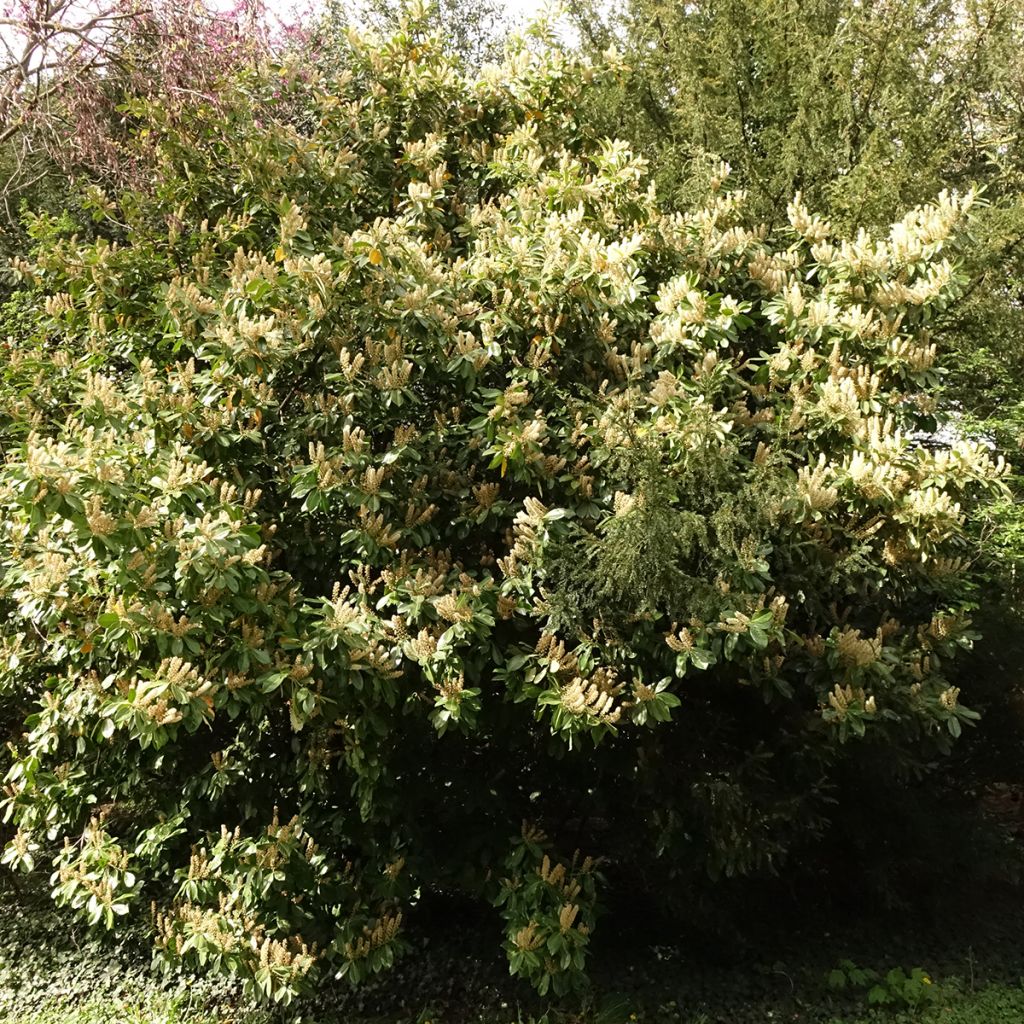
Prunus laurocerasus Caucasica - Caucasian Laurel
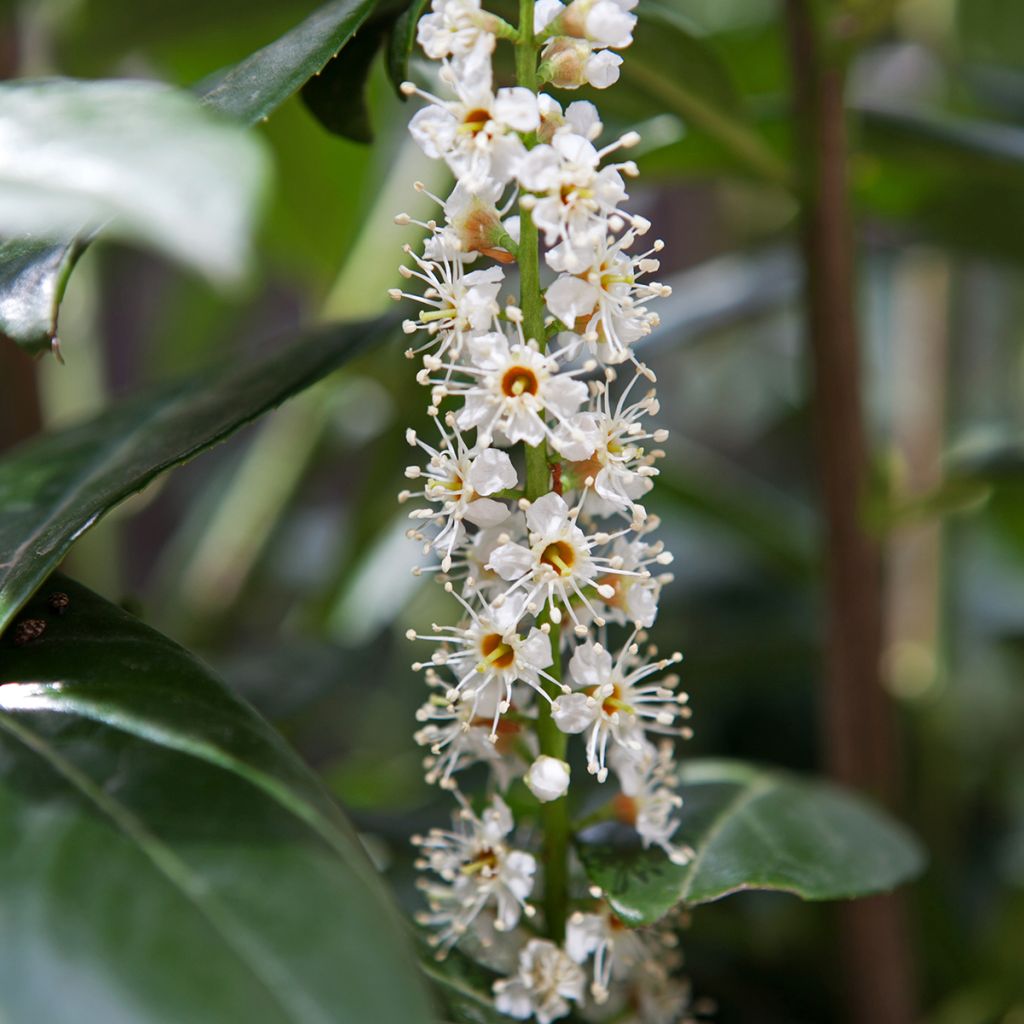
Prunus laurocerasus Caucasica - Caucasian Laurel
Prunus laurocerasus Caucasica - Caucasian Laurel
Prunus laurocerasus Caucasica
Cherry Laurel, Common Laurel, English Laurel
Beautiful plants, larger than expected. I was missing 1 out of the 4 ordered, I claimed and asked for it to be sent, received promptly, thank you.
Marie Louise, 07/01/2026
Back-to-school special offer!
Get €10 off for every €50 you spend! And get up to €40 off on a single order.
How does it work?
1. Shop your favourites
Add your favourite plants to your basket. For every €50 you spend (excluding delivery charges, store credit and the plastic-free option), you’ll receive a €10 voucher.
€50 spent = €10 voucher
€100 spent = €20 voucher
€150 spent = €30 voucher
€200 spent = €40 voucher
2. Place your order
Once your basket reaches one of the spending thresholds, place your order. You can even choose your delivery date!
3. Receive your voucher
As soon as your order has been shipped, you’ll receive an email containing your personal voucher code and its value.
4. Use it on your next order
Your voucher is valid for 90 days from the date you receive it. It can be used once only, on a new order worth at least the value of the voucher, excluding delivery charges.
Please note: Vouchers can be combined with other offers, but cannot be split or refunded.
Home or relay delivery (depending on size and destination)
Important: You may be charged customs duties by your country’s customs authorities upon delivery.
Schedule delivery date
and select date in basket
This plant carries a 24 months recovery warranty
More information
We guarantee the quality of our plants for a full growing cycle, and will replace at our expense any plant that fails to recover under normal climatic and planting conditions.
Would this plant suit my garden?
Set up your Plantfit profile →
Description
Popular with gardeners, the Prunus laurocerasus Caucasica, better known as the Cherry Laurel or English Laurel, remains one of the best evergreen hedge plants! A range of products is available depending on your budget, the length of your hedge, your patience, and the time you can dedicate to gardening.
- For an economical English Laurel hedge, opt for 9 cm pots that you can plant all year round. Soil preparation should be meticulous (careful weeding, removal of all roots, create planting trench) and until they establish themselves it is preferable to lay a tarpaulin at the base of the bushes to limit the germination of adventive plants and the need for weeding. Once established, they grow rapidly and will quickly catch up with their cultivated counterparts in pots. This is the most economical solution when it comes to creating a hedge at least 10 m long.
- For a fast-growing English Laurel hedge or to replenish an existing hedge, choose bushes in 3.5-litre, 7.5-litre, 10-litre, or even 18-litre pots. Potted bushes can be planted all year round, except during freezing or extremely hot periods. They are planted in individual planting holes, just like any other garden shrubs. While they have an immediate impact, they take a little longer to "start" and will require more frequent and regular watering, especially when the summer is dry.
Respect the proper planting distance according to the size of your plant! Allow for a space of 60 cm between each plant for bushes in pots, 70 to 80 cm for plants in 2 or 3-litre pots, 80 cm to 1 m for pots from 4 to 10 litres, and 1 m to 1.2 m for pots larger than 10 litres.
Vigorous, hardy, fast-growing, easy to cultivate, and perfectly tolerant of pruning, the Prunus laurocerasus Caucasica is ideally suited for quickly creating splendid dense green screens, privacy screens, and windbreaks.
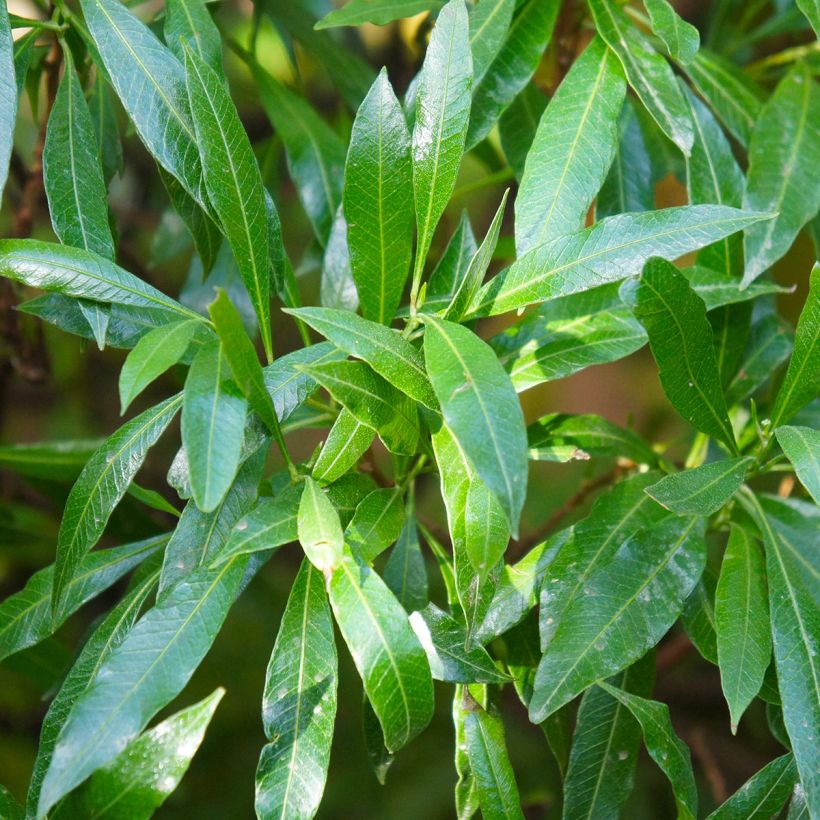
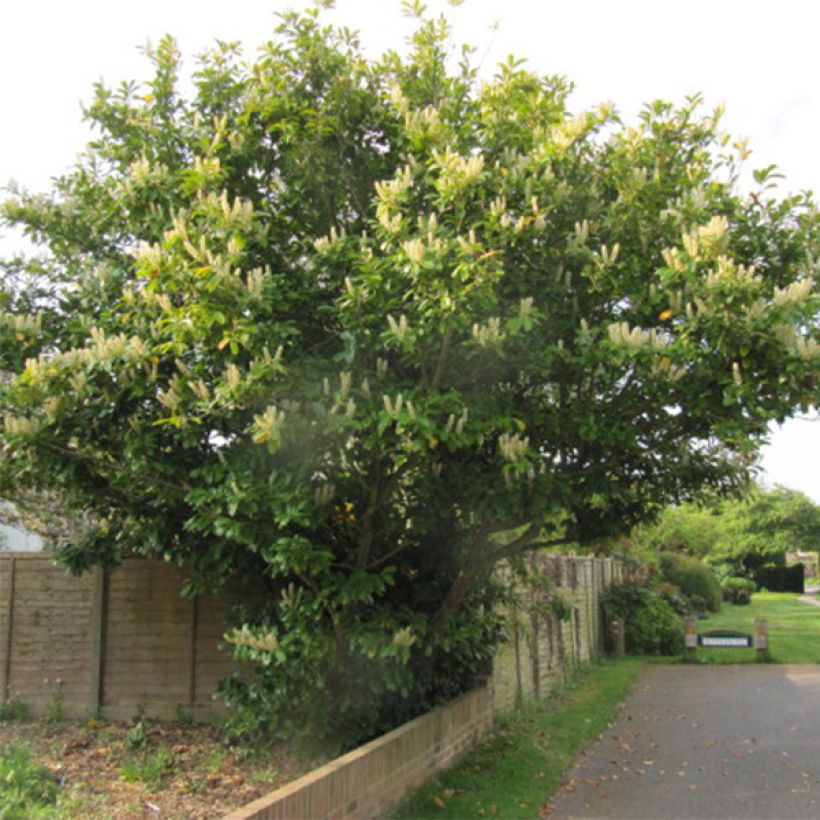
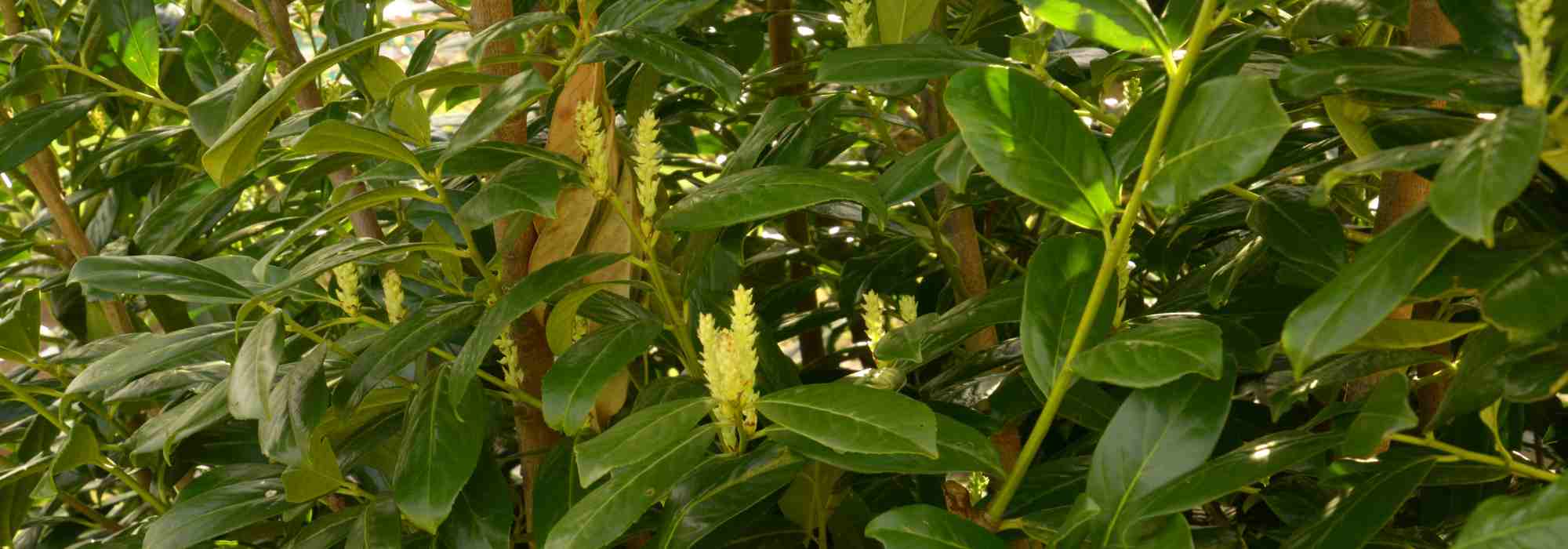
Native to southeastern Europe and Asia Minor, the Caucasian Laurel is an upright shrub with dense and vigorous growth, measuring 2 to 5 metres in height and 2 to 3 metres in width at maturity. Its tough foliage persists in winter. It consists of wide, dark green, glossy leaves on the upper side, lighter and matte on the underside, and is highly decorative. The light green young shoots contrast beautifully with the dark green, shiny, oval-shaped leaves, measuring 15 to 18 cm long and 3 to 3.5 cm wide. In April-May, upright clusters of 10 to 12 cm covered with tiny white flowers appear at the ends of the shoots, followed in summer by small red ovoid fruits that turn black when ripe. The leaves, fruits, and all parts of the cherry laurel are toxic if ingested due to their cyanide content.
This fast-growing, hardy, very easy to cultivate English Laurel is truly undemanding in terms of soil and exposure, and perfectly suited to pruning, making it one of the most widespread species in Europe for creating hedge screens. It possesses all the qualities required to excel as a low or high trimmed hedge. As a low hedge, it protects against prying eyes; as a high hedge, it forms an excellent windbreak and a very good sound insulator. This English Laurel is sometimes planted in a mixed shrub bed, along with other evergreens such as Portuguese laurel, Elaeagnus ebbingei, Photinia Red Robin.
Report an error about the product description
Prunus laurocerasus Caucasica - Caucasian Laurel in pictures
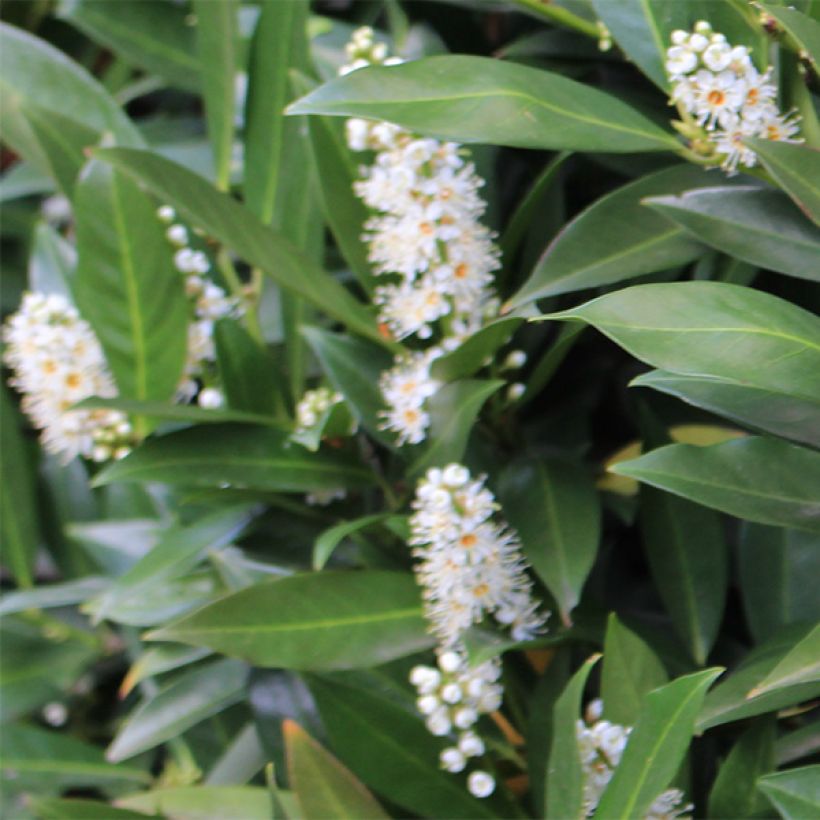
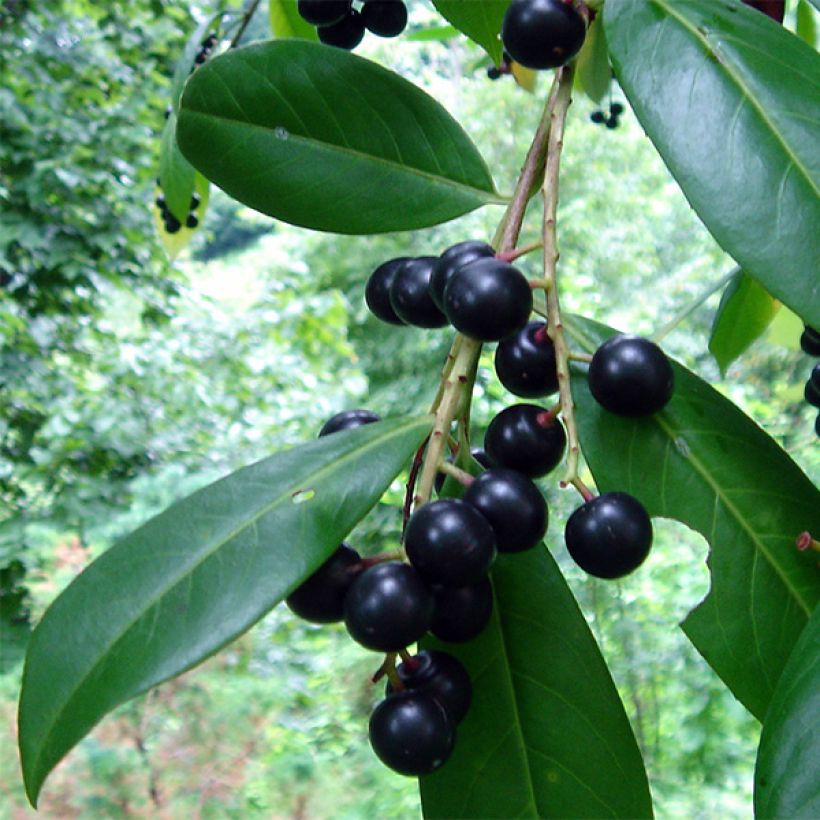
Plant habit
Flowering
Foliage
Botanical data
Prunus
laurocerasus
Caucasica
Rosaceae
Cherry Laurel, Common Laurel, English Laurel
East Asia
Planting and care
The Prunus laurocerasus Caucasica, very accommodating and easy to grow, tolerates ordinary soil with moderate moisture, without too much limestone. It can tolerate all exposures and withstand low temperatures well (to around -15°C). Even if above-ground parts are damaged by very severe frost, it produces vigorous shoots from the base. Planting can be done in autumn or spring. Fairly resistant to disease, it can however be prone to shot hole, caused by a fungus. These attacks occur in spring and autumn, resulting in small circular black spots piercing the leaves, which turn yellow and fall off. Attacks from aphids, scale insects and powdery mildew in hot weather can also be a threat.
Planting period
Intended location
Care
Planting & care advice
-
-
-

-
-
-

-
-
-
, onOrder confirmed
Reply from on Promesse de fleurs
Recently viewed products
Haven't found what you were looking for?
Hardiness is the lowest winter temperature a plant can endure without suffering serious damage or even dying. However, hardiness is affected by location (a sheltered area, such as a patio), protection (winter cover) and soil type (hardiness is improved by well-drained soil).

The flowering period indicated on our website applies to countries and regions located in USDA zone 8 (France, the United Kingdom, Ireland, the Netherlands, etc.)
It will vary according to where you live:- In zones 9 to 10 (Italy, Spain, Greece, etc.), flowering will occur about 2 to 4 weeks earlier.
- In zones 6 to 7 (Germany, Poland, Slovenia, and lower mountainous regions), flowering will be delayed by 2 to 3 weeks.
- In zone 5 (Central Europe, Scandinavia), blooming will be delayed by 3 to 5 weeks.
In temperate climates, pruning of spring-flowering shrubs (forsythia, spireas, etc.) should be done just after flowering.
Pruning of summer-flowering shrubs (Indian Lilac, Perovskia, etc.) can be done in winter or spring.
In cold regions as well as with frost-sensitive plants, avoid pruning too early when severe frosts may still occur.
The planting period indicated on our website applies to countries and regions located in USDA zone 8 (France, United Kingdom, Ireland, Netherlands).
It will vary according to where you live:
- In Mediterranean zones (Marseille, Madrid, Milan, etc.), autumn and winter are the best planting periods.
- In continental zones (Strasbourg, Munich, Vienna, etc.), delay planting by 2 to 3 weeks in spring and bring it forward by 2 to 4 weeks in autumn.
- In mountainous regions (the Alps, Pyrenees, Carpathians, etc.), it is best to plant in late spring (May-June) or late summer (August-September).
The harvesting period indicated on our website applies to countries and regions in USDA zone 8 (France, England, Ireland, the Netherlands).
In colder areas (Scandinavia, Poland, Austria...) fruit and vegetable harvests are likely to be delayed by 3-4 weeks.
In warmer areas (Italy, Spain, Greece, etc.), harvesting will probably take place earlier, depending on weather conditions.
The sowing periods indicated on our website apply to countries and regions within USDA Zone 8 (France, UK, Ireland, Netherlands).
In colder areas (Scandinavia, Poland, Austria...), delay any outdoor sowing by 3-4 weeks, or sow under glass.
In warmer climes (Italy, Spain, Greece, etc.), bring outdoor sowing forward by a few weeks.
Shipping country and language
Your country of residence may be:
Your country of residence is:
For a better user experience on our website, you can select:
Your shipping country:
-
 Austria
-
 Belgium
-
 Bosnia & Herzegovina
-
 Bulgaria
-
 Croatia
-
 Cyprus
-
 Czechia
-
 Denmark
-
 Estonia
-
 Finland
-
 France
-
 Germany
-
 Greece
-
 Hungary
-
 Iceland
-
 Ireland
-
 Italy
Italy
-
 Latvia
-
 Liechtenstein
-
 Lithuania
-
 Luxembourg
-
 Malta
Malta
-
 Netherlands
-
 Poland
-
 Portugal
-
 Romania
-
 Serbia
-
 Slovakia
-
 Slovenia
-
 Spain
Spain
-
 Sweden
-
 Switzerland
Language:
-
French
-
 English
-
Spanish
-
Italian
-
German
-
Portuguese
-
Dutch
-
Finnish
My Account
Hello
My wish lists
My cart
Log in / Register
Existing customer?
This form is protected by reCAPTCHA - the Google Privacy Policy and Terms of Service apply.
New customer?
Create an account to track your orders, access our customer service and, if you wish, make the most of our upcoming offers.